REVIEW · KATHMANDU
Kailash Mansoravar Overland Tour
Book on Viator →Operated by Swotah Travel and Adventure Pvt. Ltd. · Bookable on Viator
Kailash and Lake Mansarovar feel close on this route. This 14-day overland journey pairs Kathmandu heritage days with a calm, guided build-up into Tibet, then puts Mount Kailash and Lake Manasarovar on your horizon. Expect private transfers, a Tibetan guide on the ground, and a schedule that respects acclimatization rather than rushing.
I especially like the way the trip balances big spiritual landmarks with practical comfort: hotel nights on arrival and return, plus included meals (breakfast most days, and several lunches and dinners). I also like that you get more than one “version” of the experience—temple days in Kathmandu, then a quieter Tibetan circuit focused on the Kailash Kora.
One thing to consider: this is a lot of travel time and long driving days, and it includes trekking across the Kora (including crossing Drolma La Pass). If you prefer short days and minimal walking, this may not feel relaxed.
In This Review
- Key Highlights at a Glance
- Why an Overland Kailash Route Works Best From Kathmandu
- Day 1 Arrival in Kathmandu: Pickup, Dinner, and a Calm Start
- Kathmandu Heritage Days: Swayambhunath, Durbar Square, Boudhanath, and Pashupatinath
- The Border Shift: Kerung Drive and a Real Acclimatization Pause
- Into Tibet: The Saga County Drive Days
- Darchen and the Approach: Mount Kailash and Lake Manasarovar First Glimpses
- Chasing the Kora Rhythm: Dirapuk, Yamadwar, and the Kailash Circuit Feeling
- Drolma La Pass to Zuthul Puk: Highest Point Energy and Then Descent
- The Return Journey: Back to Kathmandu With a Farewell Dinner
- Guides and Support: Why the Human Touch Matters Here
- Value and Price: What You’re Paying For (and What You Still Must Budget)
- Comfort, Meals, and Day-to-Day Practicalities
- Fitness and What to Expect Physically
- What to Pack (Without Guessing Too Hard)
- Should You Book This Kailash Mansarovar Overland Tour?
- FAQ
- How long is the Kailash Mansarovar Overland Tour?
- Where does the tour start and what time does it begin?
- Are Kathmandu arrival and departure transfers included?
- Are the Kathmandu sightseeing tours included?
- Is a Tibet permit and visa included?
- What meals are included on the tour?
- Is this a private tour?
- What level of fitness do I need?
- Is there free cancellation?
Key Highlights at a Glance
- Private A/C transfers in Kathmandu make arrival and departure stress-free
- Kathmandu classics like Swayambhunath, Durbar Square, Boudhanath, and Pashupatinath help you set a spiritual pace
- Kerung acclimatization time before the Tibetan circuit gives your body a chance to adjust
- Lake Manasarovar and Chiu Monastery deliver quiet, jaw-dropping views at a slower rhythm
- Kailash Kora trekking includes Dirapuk and the pass crossing at Drolma La Pass
Why an Overland Kailash Route Works Best From Kathmandu
If you’re aiming for Mount Kailash and Lake Mansarovar, you’re choosing a trip that mixes devotion, travel logistics, and real physical effort. This overland style has a big advantage: you’re not just “trying to see places.” You’re moving through the region step by step—Kathmandu first, then the border area, then Tibetan high plains—so the spiritual sites land with more meaning.
I also like that the plan is built around a slower ramp-up. After Kathmandu, you reach the border area and get time to acclimatize in Kerung before pushing deeper. That matters because comfort isn’t only about hotels; it’s about pacing your body and your schedule.
And yes, it’s still a packed trip. You’ll be in vehicles for long stretches on multiple days. But the trade-off is that you see how people live across the route, not just the final dramatic points.
You can also read our reviews of more tours and experiences in Kathmandu.



Day 1 Arrival in Kathmandu: Pickup, Dinner, and a Calm Start
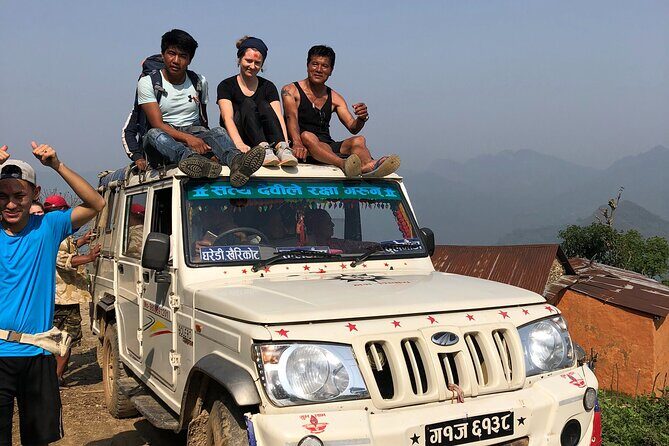
Your tour begins at Tribhuvan International Airport with a team member meeting you right after arrival. You’re then escorted to a hotel in a private vehicle. The first evening is simple and useful: a heartwarming dinner and an early night.
Why this matters: starting fresh after a long flight is where trips often go wrong. Here, you get a human handoff, then a night in a proper hotel, so you can reset before Kathmandu sightseeing begins.
Tip for you: keep your first-day night light on late snacks and heavy alcohol, since tomorrow is about walking around major religious sites and staying mentally sharp.
Kathmandu Heritage Days: Swayambhunath, Durbar Square, Boudhanath, and Pashupatinath
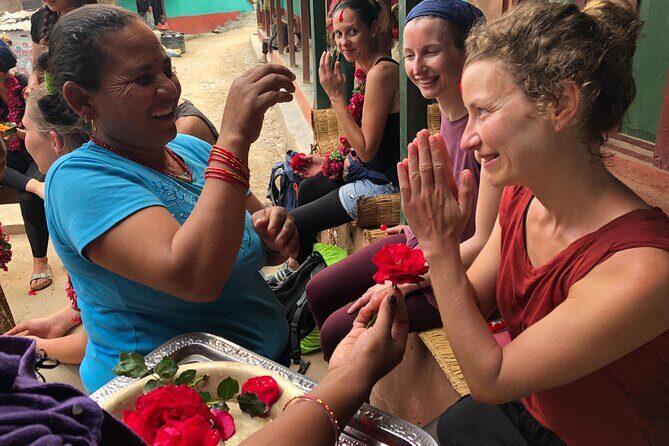
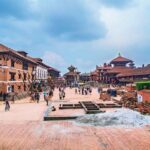
Days 2 and 3 are your Kathmandu “spiritual orientation.” You start with Swayambhunath (Monkey Temple) for panoramic views over the valley. Even if you’ve seen temple photos before, the view is what makes it feel immediate—Kyoto-style “temple as postcard” doesn’t apply here. It’s wide, active, and very Kathmandu.
From there, you move to Kathmandu Durbar Square, with Nepalese art and architecture you’ll want to take your time with. This is the part of the trip where you slow down and learn the visual language of the city—wood carvings, courtyards, and the sense that generations shaped these spaces.
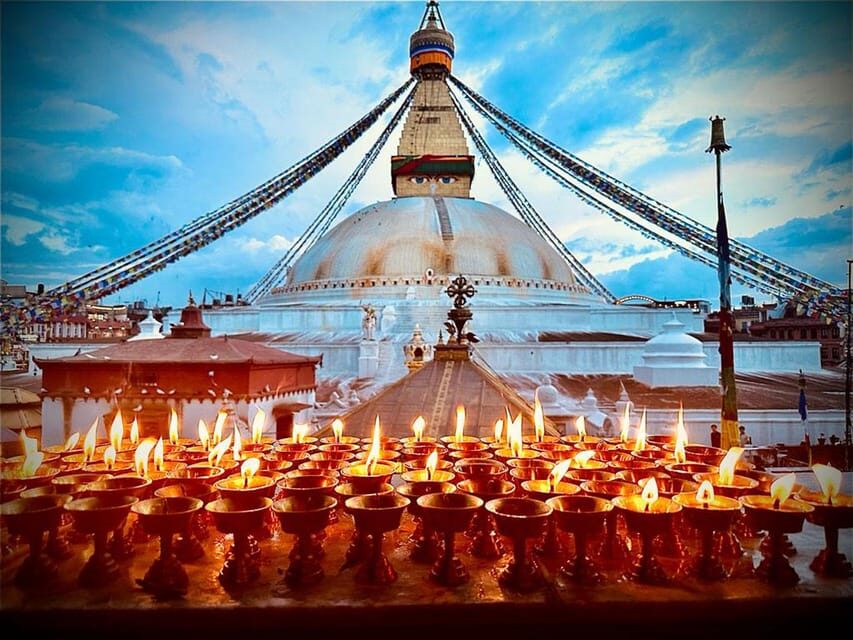
On Day 3, you shift to Boudhanath Stupa, a major Buddhist site. Then you head to Pashupatinath Temple, described as Nepal’s holiest Hindu shrine. Add in the Sleeping Vishnu statue at Budanilkantha, and you get a neat contrast: Buddhism and Hinduism in close proximity, each with its own rhythms and symbols.
Two practical notes for you:
- Some admission tickets in these days are marked as not included, so budget a little for site entry where needed.
- Expect a full day vibe (around six hours each day), with walking and time spent outdoors around temples.
If you want a trip that starts with meaning before the mountains, these Kathmandu days do that job.
The Border Shift: Kerung Drive and a Real Acclimatization Pause
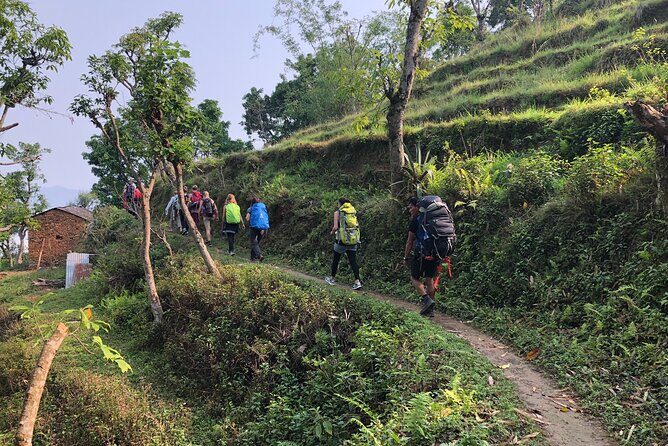
On Day 4 you travel from Kathmandu through the countryside and cross the Nepal–Tibet border route, reaching Kerung Himalayan Guest House. Day 4 and 5 are both about transition and recovery, not heroics.
Day 5 is your acclimatization and relax day in Kerung. That rest day is one of the smartest parts of the whole program. You’re not just changing countries—you’re changing altitude, climate feel, and daily rhythm. A built-in break helps you avoid the common mistake: arriving exhausted and then pushing too hard immediately.
What you might notice here:
- The scenery starts to feel more open and less crowded.
- The schedule becomes more “matter-of-fact,” which is good. When you’re close to a major spiritual goal, you want less chaos and more steadiness.
If you’re the type who likes having time to ask questions and adjust plans, this stop gives you that space.
Into Tibet: The Saga County Drive Days
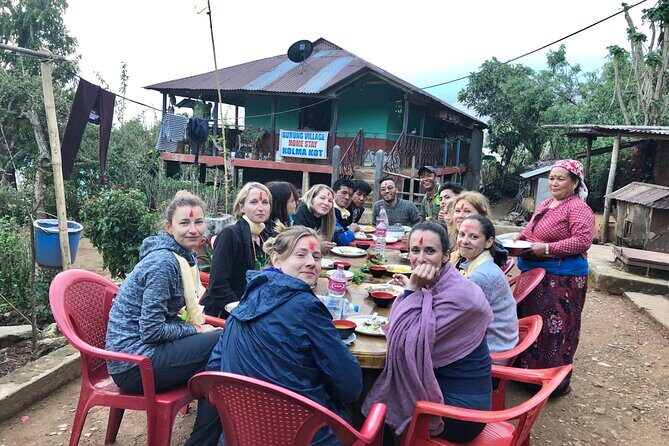
After Kerung, you move onward through Tibetan terrain toward Saga County. Day 6 is a long drive day (about 10 hours), with stops to admire mountain views and lakes along the way.
I like these drive days because they’re not wasted. They’re scenic breaks in the middle of travel, and they train your eyes for what comes next. Plus, you’ll start to notice the difference between “seeing snow mountains in a distance” and seeing them when you’re actually closer in the day’s movement.
Logistical reality for you:
- Long road days take more energy than you expect.
- Bring items for comfort like a neck pillow, water, and something to keep your hands warm if you get chilled during stops.





Darchen and the Approach: Mount Kailash and Lake Manasarovar First Glimpses
Day 7 shifts you to Darchen, described as a drive day with views of Mount Kailash and Lake Mansarovar. This is a key psychological moment: the mountain stop feeling like a concept and start feeling like a destination.
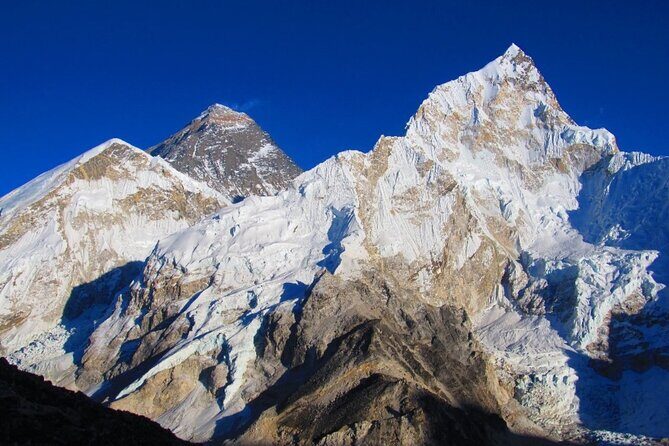
Then Day 8 makes it more concrete. You visit Lake Manasarovar and Chiu Monastery, with stunning views of Mount Kailash. Lake Manasarovar is known for that still, reflective quality—so even if you don’t feel emotional right away, the setting tends to do its work on your mood.
One thing to remember: your day here is timed as “look, walk, take it in.” It’s not only about checking boxes. You’re building a calm mindset for the Kora trekking that begins the next day.
Chasing the Kora Rhythm: Dirapuk, Yamadwar, and the Kailash Circuit Feeling
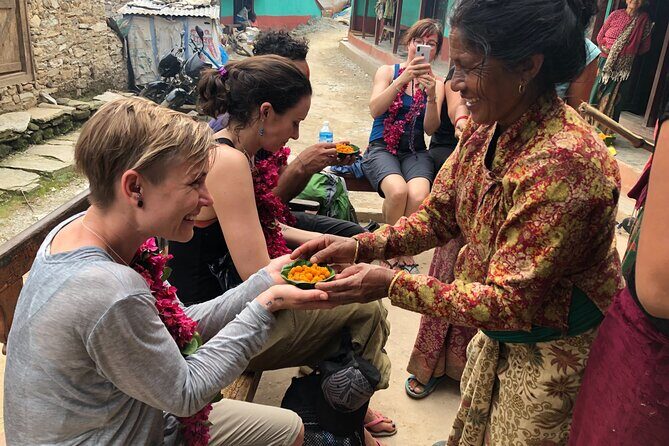
Day 9 starts your Kailash Kora trek with a hike to Dirapuk. Along the way, you pass Yamadwar and continue with views of Mount Kailash.
This is where the tour turns from sightseeing into something more physical and more personal. A trek like this isn’t just movement—it’s repetition, prayerful pacing, and lots of moments where your senses sharpen. You’re also walking in a landscape where many people come with strong intentions, so you’ll feel the difference in atmosphere even if you don’t share everyone’s background.
Practical side for you:
- Plan your energy around steady walking, not sprinting.
- You’ll likely spend much of the day outside, so layers matter.
If you want a trip that helps you connect with a destination through walking and ritual timing, this day delivers.
Drolma La Pass to Zuthul Puk: Highest Point Energy and Then Descent
Day 10 is another big trekking day, crossing Drolma La Pass, the highest point of the Kora, and descending to Zuthul Puk.
The pass crossing is the part people remember because it’s the most demanding. Even if you’re in moderate physical condition, this is where your pace and hydration habits matter.
What I like about this schedule is that it doesn’t hide the effort. It’s honest: you know you’ll be crossing a high point. And after that, you descend, which helps restore balance in the body after a more intense stretch.
One detail that could affect your experience: horse riding expenses during the Kora are not included. That means if you want that option, you’ll need extra money. (Also, decide ahead of time what you want—don’t let last-minute fatigue push your decision.)
The Return Journey: Back to Kathmandu With a Farewell Dinner
After the Kora trek, you head back toward Nepal. Day 11 begins with breakfast and then drives back to Kathmandu by road through small villages and landscapes, with a sneak peek at mountains from far away. You spend the night back in Kathmandu, and the “Millennium trek ends” is what your tour description calls the transition.
Day 12 returns you to Kerung, retracing the Tibetan landscape route. Then Day 13 drives you back to Kathmandu for a farewell dinner at a traditional Nepalese restaurant.
Why this structure helps you:
- You get time to recover after the trek before your final city days.
- Kathmandu becomes a softer landing again, not a sudden crash after physical effort.
Then Day 14 handles your departure transfer to Tribhuvan International Airport.
Guides and Support: Why the Human Touch Matters Here
This tour includes a highly qualified and experienced Tibetan guide throughout the trip. That matters in a region where routes, timing, and cultural context can be complex. A guide isn’t just narration; they help you understand what you’re looking at and keep the day running safely.
There’s also a wider team behind the scenes. In past feedback connected to Swotah Travel and Adventure Pvt. Ltd., people mention helpful adaptation to individual schedules and friendly communication. Names that show up in that context include Ajay (customer communication) and guides like Kumar and Kurma (praised for flexibility, good energy, and making the trip feel personal).
Important caveat for you: those reviews refer to other treks offered by the same company, so you can’t assume the exact same guide will be with you on this specific Kailash route. Still, the consistency is a positive signal—good operators tend to hire for attitude as much as logistics.
Value and Price: What You’re Paying For (and What You Still Must Budget)
The price is $3,500 per person for an approximately 14-day overland trip covering:
- Kathmandu arrival/departure transfers by private A/C coach
- Two full-day Kathmandu sightseeing tours by private A/C coach
- Kathmandu ↔ Kerung transfers by private coach
- Private land transfer in Tibet
- Tibetan guide support
- Tibet permit and Tibet group visa
- Multiple meals (13 breakfasts, 9 dinners, 8 lunches)
That’s a lot of “included moving parts.” Many budget trips skip permits and visas and then make you deal with it later. Here, the Tibet permit and group visa are explicitly included, which lowers your uncertainty.
What you’ll still need to budget:
- International flights and Nepalese visa fee (not included)
- Alcoholic beverages (not included)
- Horse riding expenses during the Kora (not included)
- Personal expenses
- Some Kathmandu admission tickets are not included
So is it expensive? It’s priced like a real, guided, cross-border operation—not a DIY backpack route. If you want the safety and structure of a guided plan, and you don’t want to do the permit/coordination work yourself, the price feels more justified.
Comfort, Meals, and Day-to-Day Practicalities
Food and comfort are included, which is a big deal on multi-day trips. You’re getting breakfast on 13 days, lunch on 8 days, and dinner on 9 days. That reduces decision fatigue and helps keep your energy stable.
I also like that Day 1 gives you a full welcome dinner in Kathmandu, and Day 13 includes a farewell dinner at a traditional Nepalese restaurant. Those aren’t just “extras.” They help your brain close loops after hard days.
You should also expect:
- Private transport rather than shared buses
- A schedule that starts early (5:45 am tour start time)
- Days where you’ll feel the effort mostly through walking plus road time, not just one exhausting hike
Fitness and What to Expect Physically
The trip calls for moderate physical fitness. That’s a useful signal: you don’t need to be a mountain athlete, but you do need to be comfortable walking for long portions of the day and handling the Kora trek.
What’s clearly physical here:
- You trek to Dirapuk on Day 9
- You cross Drolma La Pass on Day 10
- You descend to Zuthul Puk afterward
Even if the trek isn’t described in mileage or altitude figures, you can treat it like a serious day’s hiking effort. If you’re recovering from injuries, or you’re brand-new to hiking, you should discuss it with the operator before committing.
Also consider the long driving days (some are 8–12 hours). That impacts soreness and energy more than people expect.
What to Pack (Without Guessing Too Hard)
Your exact packing list depends on the season and your personal habits, but you can pack with the itinerary in mind:
- Layers for cool mornings and changing daytime temperatures
- Comfortable footwear for walking days and pass-crossing
- A small daypack for the trek days
- Basic weather protection (sun and wind can both matter)
- Personal medication and anything you need for stomach comfort
- A budget for any entry fees not included and optional horse riding during the Kora
If you’re sensitive to motion sickness on long road stretches, plan for that too.
Should You Book This Kailash Mansarovar Overland Tour?
If your goal is Mount Kailash and Lake Mansarovar with a guided, structured approach, I think this is a strong match. The combination of Kerung acclimatization time, a Tibetan guide on the ground, and clear Kora trekking days makes it feel like a route built for success rather than just ambition.
I’d especially recommend it if:
- You want private transfers and guided heritage context in Kathmandu
- You prefer “handled logistics” over DIY cross-border travel
- You’re comfortable with moderate trekking and long driving days
I’d be more cautious if:
- You dislike early starts (it starts at 5:45 am)
- You want minimal trekking or very short walking days
- You’re not willing to budget for extras like optional horse riding during the Kora
In short: if you want a spiritually focused journey that still respects practical pacing, this overland plan has the right bones.
FAQ
How long is the Kailash Mansarovar Overland Tour?
The tour is listed as approximately 14 days.
Where does the tour start and what time does it begin?
The meeting point is Tribhuvan International Airport in Kathmandu, and the start time is 5:45 am.
Are Kathmandu arrival and departure transfers included?
Yes. Kathmandu arrival and departure transfers are included by private A/C coach.
Are the Kathmandu sightseeing tours included?
Yes. You get two full-day Kathmandu sightseeing tours by private A/C coach.
Is a Tibet permit and visa included?
Yes. Tibet permit and a Tibet group visa are included.
What meals are included on the tour?
Breakfast is included for 13 days, lunch is included for 8 days, and dinner is included for 9 days.
Is this a private tour?
Yes. It’s private, and only your group will participate.
What level of fitness do I need?
You should have a moderate physical fitness level, since the trip includes trekking on the Kora.
Is there free cancellation?
Yes. You can cancel up to 24 hours in advance of the experience start time for a full refund.