REVIEW · KATHMANDU
Everest Base Camp trek 12 days from Kathmandu
Book on Viator →Operated by Breakfree Adventures Pvt. Ltd. · Bookable on Viator
Everest begins with a jittery flight and big views. I love that this trek is led by a government-licensed guide and that your core logistics are bundled: flights, meals, permits, and lodge stays are part of the package. The one real drawback to plan around is peak-season Lukla chaos, when you may fly out of Ramechhap instead of Kathmandu.
You’ll move through the heart of the Khumbu—Namche Bazaar, Tengboche Gompa, Dingboche, and the push to Gorak Shep, Everest Base Camp, and Kala Patthar. It’s aimed at hikers with moderate fitness, and the daily pace is built around acclimatization so you’re not just rushing upward for bragging rights.
In This Review
- Key highlights worth your attention
- Price and What Makes This 12-Day Everest Base Camp Trek Feel Like Value
- From Kathmandu to Lukla (and Ramechhap): Timing That Can Make or Break Your Start
- Gear and Lodge Meals: How This Package Helps You Travel Lighter
- Days 1–2: Lukla to Phakding, Then Namche Bazaar
- Lukla and the walk to Phakding
- Phakding to Namche Bazaar
- Day 3: Acclimatization in Namche Plus Everest View Hotel
- Day 4: Tengboche Gompa Day, With a Cultural Reset
- Day 5–6: Dingboche and the Nagarjun Hill Acclimatization Check
- Tengboche to Dingboche
- Acclimatization day: Nagarjun Hill
- Days 7–9: Dingboche to Lobuche, Gorak Shep, and Everest Base Camp
- Dingboche to Lobuche
- Lobuche to Gorak Shep, then Everest Base Camp
- Day 9–10: Kala Patthar at 5,550m and the Descent to Pheriche and Namche
- Days 11–12: Back to Lukla and Home to Kathmandu
- The Human Side: Guides, Mountain Names, and Why Team Matters Up Here
- Who Should Book This Everest Base Camp Trek (and Who Should Think Again)
- Book or Skip: A Practical Decision Guide for Your Everest Season
- FAQ
- Is pickup and drop-off included?
- What flights are included in the price?
- Are meals included during the trek?
- What kind of accommodation should I expect?
- Do I need my own trekking permits?
- What gear is provided?
- What fitness level is needed?
- When does the trek start?
- FAQ
- What happens with Lukla flights in peak season?
- What is the cancellation policy?
Key highlights worth your attention
- Government-licensed guiding with strong day-by-day planning for smoother acclimatization and fewer surprises.
- Gear included (down jacket, sleeping bag, walking pole), so you start the trek with less bulk to manage.
- Kala Patthar timing built into the route for big Everest-area views at altitude.
- Tengboche Gompa visit that adds culture and a mental reset between climb days.
- Peak-season flight option from Ramechhap with clear two-day scheduling choices: overnight in Ramechhap or a 1 AM departure.
- Guesthouse-style lodging and included meals to keep your budget predictable once you’re in the mountains.
Price and What Makes This 12-Day Everest Base Camp Trek Feel Like Value
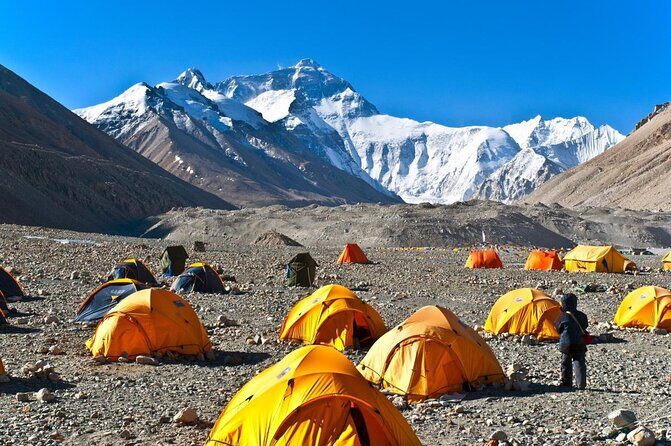
At $1,600 per person for about 12 days, this trek isn’t cheap on paper—but it can be good value when you look at what’s included.
You’re not just paying for a guide and a route. The package covers:
- Flights between Kathmandu (or Ramechhap) and Lukla, and back
- Lodge/guesthouse accommodation during the trek (twin sharing)
- Meals: breakfast, lunch, and dinner each trekking day
- Permits and fees (all necessary trek permit and fees are included)
- Trek gear basics: duffle bag, down jacket, sleeping bag, and a walking pole
- Kathmandu/Ramechhap airport pickup and drop-off (on sharing basis)
- A trek map and a trip achievement certificate
That bundling matters. Everest-region treks live and die by logistics—especially flights, permits, and the day-to-day meal plan. If you were to price those parts separately, you’d likely end up with a higher total than the headline number.
What I like for you: you can budget once, then focus on the trek instead of constant add-ons. What you should keep in mind: the package doesn’t include insurance, emergency rescue/evacuation, or tips for the crew. Drinks and personal expenses are also on you. That’s normal for Nepal trekking, but it’s still good to plan for.
You can also read our reviews of more hiking tours in Kathmandu
From Kathmandu to Lukla (and Ramechhap): Timing That Can Make or Break Your Start
The flight to Lukla is the classic make-or-break moment for Everest Base Camp treks. This tour handles the flight, but the important twist is seasonal routing.
During peak trekking seasons (March to May, and September to November), flights to Lukla may operate from Ramechhap Airport due to high air traffic in Kathmandu. Ramechhap is a 5–6 hour drive from Kathmandu.
You get two workable options:
- Travel to Ramechhap the day before and stay overnight
- Leave Kathmandu at 1 AM on the flight day
For me, the practical lesson is simple: decide early which stress level you can handle. If you choose the 1 AM departure, you’re trading extra cost and flexibility (an overnight stay) for a very early start. If you choose the overnight, you trade a bit more logistics for a calmer morning.
Also note: transfers are sharing basis. That means your ride may be combined with other groups, even if your trek itself is private to your group.
Gear and Lodge Meals: How This Package Helps You Travel Lighter
This is one of the most helpful parts of the deal: the trek provides key items you’d otherwise have to rent or pack yourself.
Included trekking gear:
- Duffle bag
- Down jacket
- Sleeping bag
- Walking pole
That reduces what you carry from Kathmandu. More importantly, it reduces guesswork. Cold is part of the trek at these elevations, and having the right warmth gear matters for sleep and recovery.
Lodging is in guest houses/lodges on twin sharing. Rooms are basic by comfort-city standards, but the trade-off is you get warmth, shelter, and a predictable place to crash each night.
Meals are included as breakfast, lunch, and dinner during the trek. That helps you avoid trekking-day budgeting problems and keeps you fueled for the altitude work—especially on the longer walking days.
A small consideration: drinks are not included, and that’s where costs can sneak up. You’ll also want to budget for phone use/internet if you choose to buy it at lodges.
Days 1–2: Lukla to Phakding, Then Namche Bazaar
Your trip begins with an early meet-up time: the start is listed as 5:15 am. After pickup and flight arrangements, you fly to Lukla (about 40 minutes) and begin walking almost immediately.
Lukla and the walk to Phakding
From Lukla, you hike to Phakding (about 3–4 hours) around 2,652m.
This is your first gut check. It’s not a huge climb by Everest standards, but it’s enough to wake up your legs and get your body used to mountain breathing. Expect the trail to feel busier at first (Lukla is the gateway), then gradually quieter as you go deeper into the Khumbu.
What you’ll like here: the sense of transition from city to real trekking life—within hours.
Possible drawback to plan for: the flight day can feel intense even before the hike starts. If you’re sensitive to travel-day stress, bring a little patience and keep your first walking day easy.
Phakding to Namche Bazaar
Next day is a bigger shift: Phakding to Namche Bazaar (about 6–7 hours) up to 3,440m.
Namche Bazaar is the region’s hub, the place where shops, lodges, and tea houses gather around the route. It’s not just a stop—it’s a practical acclimatization base.
You’ll feel the altitude more here than in the first day. This is where your pace and attitude matter: you can still move forward while keeping your breathing under control.
Day 3: Acclimatization in Namche Plus Everest View Hotel
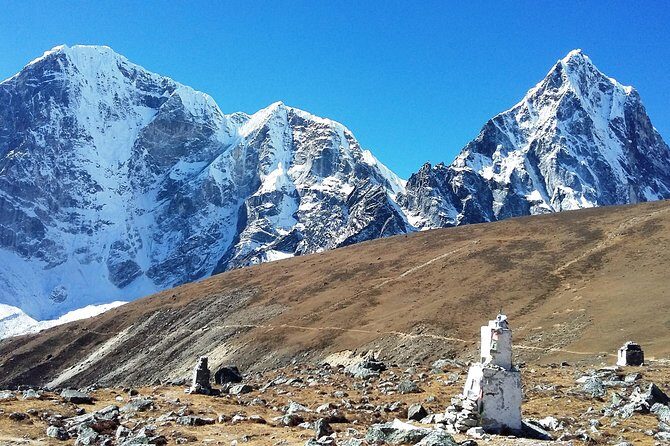
Day 3 is built for acclimatization, not for winning a speed contest.
You spend the day around Namche (3,440m) and hike up to the Everest View Hotel (about 3,900m) for a few hours (listed 3–4 hours).
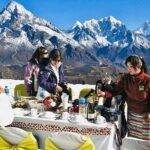
Why this part matters: it gives you a taste of higher altitude views without forcing you too far too fast. You’ll also get one of the trek’s biggest mental boosts early on—clear sights of the Everest region when conditions cooperate.
This is a day you’ll likely remember, even if it feels “light” compared with later pushes. The goal is adjustment: help your body learn what higher air feels like, so later days are safer and more comfortable.
Day 4: Tengboche Gompa Day, With a Cultural Reset
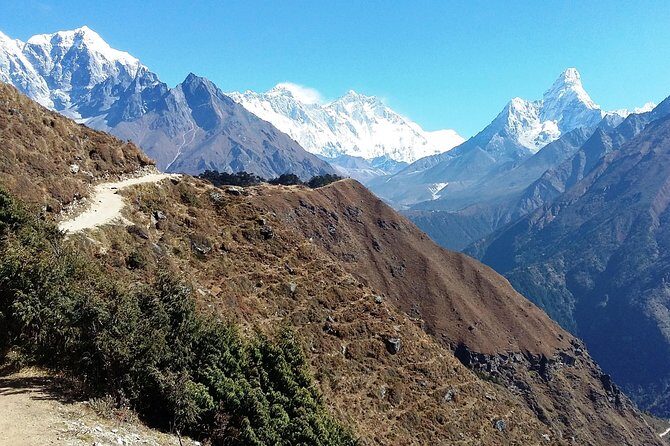
On day 4, you go from Namche to Tengboche (about 5–6 hours) around 3,860m.
Tengboche means Tengboche Gompa, a major religious site in the Everest region. This stop gives your trek a different texture. You’re not just chasing altitude; you’re stepping into the spiritual heart of the Khumbu.
Practically, it also helps to break up the mental rhythm of hiking higher and higher. A gompa visit can make the whole trip feel more meaningful, not only strenuous.
The consideration: Tengboche can be foggy or cold depending on weather, and lodge conditions vary. I’d plan for changing conditions and keep your layers ready.
Day 5–6: Dingboche and the Nagarjun Hill Acclimatization Check
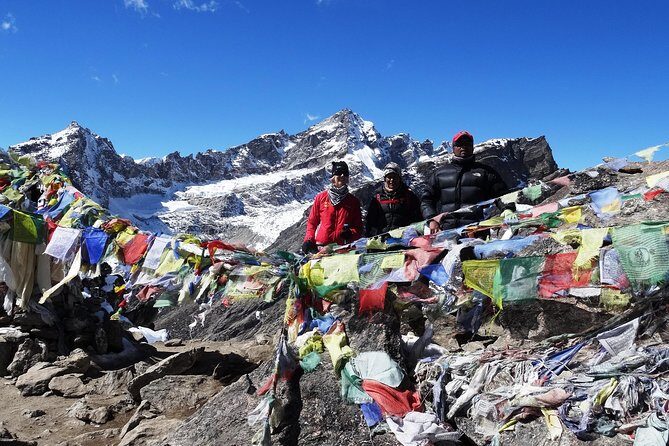
Tengboche to Dingboche
Day 5: Tengboche to Dingboche (about 5–6 hours) up to 4,410m.
Dingboche sits in a high, open valley area. Compared with Namche, it feels quieter and more remote. This is where the trek starts to feel serious: you’re higher, and every extra scramble takes more effort.
Acclimatization day: Nagarjun Hill
Day 6 is another adjustment day. You do an acclimatization hike to Nagarjun hill around 5,100m (about 4–5 hours).
That “hike higher, sleep lower” approach is key on Everest-area treks. Even without complicated technicalities, this structure helps reduce the risk of you feeling crushed by sudden altitude jumps.
What I like about this design for you: it builds a rhythm—walk, arrive, acclimatize—so your body isn’t guessing.
Days 7–9: Dingboche to Lobuche, Gorak Shep, and Everest Base Camp
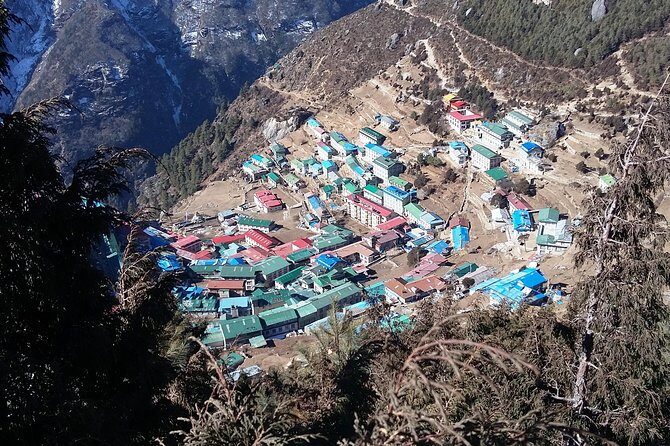
Dingboche to Lobuche
Day 7: Dingboche to Lobuche (about 4–5 hours) up to 4,910m.
You’re now in the zone where the mountain starts to feel closer. It’s also where fatigue can creep in, partly from altitude and partly from the longer days stacking up.
Lobuche to Gorak Shep, then Everest Base Camp
Day 8 is a long, high day: Lobuche to Gorak Shep and onward to Everest Base Camp (listed 7–8 hours). Gorak Shep is where you stage for the final views.
Everest Base Camp is listed at 5,320m and near the Khumbu Glacier. This is the part of the trek that justifies the whole trip for most people: you feel small, you see how big the expedition world is, and you stand at the edge of the glacier landscape that fuels Everest’s climbing dreams.
The drawback: it’s a long day at altitude. You’ll want to protect your energy and not burn matches early.
Day 9–10: Kala Patthar at 5,550m and the Descent to Pheriche and Namche
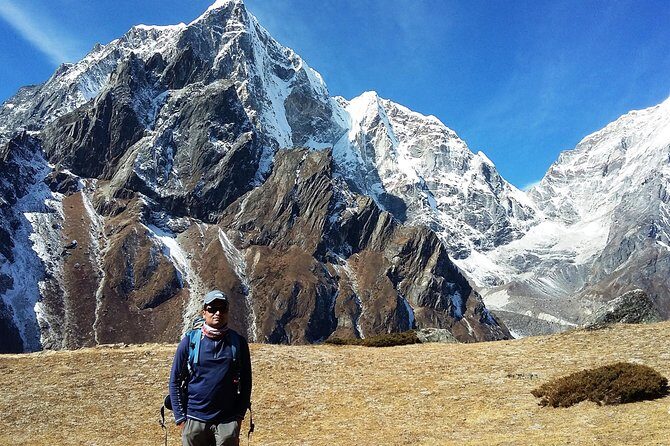
Day 9 includes a signature move: Gorak Shep to Kala Pathar (listed 5,550m) and then down to Pheriche (about 4,371m) with a total hike time listed 6–7 hours.
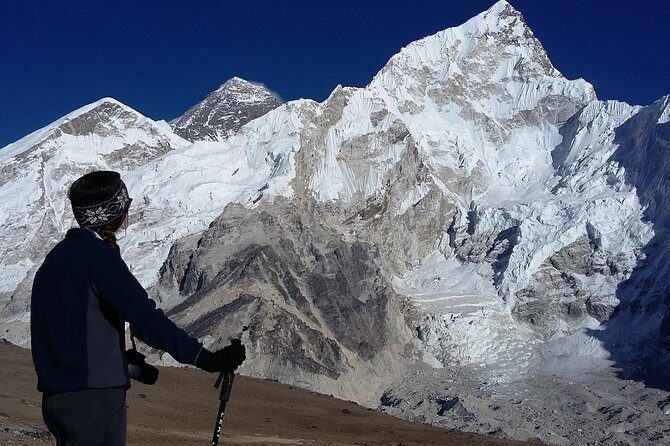
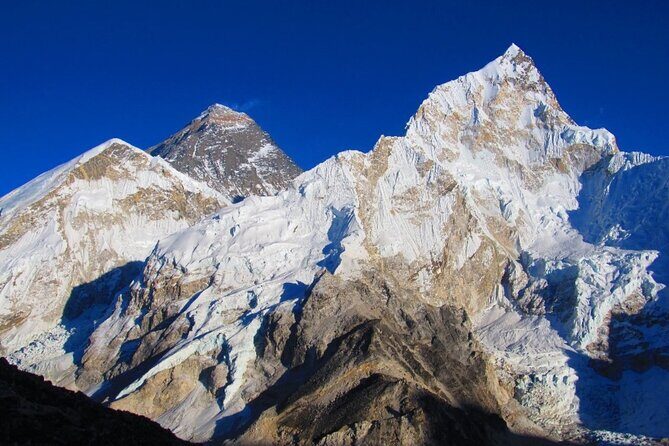
Kala Patthar is the viewpoint that gives you close views of Everest and a 360-degree panorama of the surrounding Khumbu mountains (as described in the tour overview). This is where weather matters most. When skies cooperate, you get a huge sense of scale—Everest doesn’t look like a postcard. It looks like a real wall.
Then you descend to Pheriche, which helps your body recover from the altitude spike. That downward movement matters more than people think. It’s not just easier walking; it’s a chance to breathe a little deeper.
Day 10: Pheriche to Namche Bazaar (listed 6–7 hours, down to about 3,440m). This day is a long “reset” back toward the lower elevations.
Days 11–12: Back to Lukla and Home to Kathmandu
Day 11: Namche Bazaar to Lukla (listed 6–7 hours). This is the last real walking day before you fly.
Day 12: Fly back to Kathmandu.
At this point, you’re not chasing new height—you’re chasing completion. It helps that the trekking support includes flight fare for the return, so the finish is clean.
One more logistics note that still matters: if your flight plan involved Ramechhap instead of Kathmandu, that changes the whole “how do we get home” rhythm. This tour already flags that in advance, which you should treat as a good sign of planning.
The Human Side: Guides, Mountain Names, and Why Team Matters Up Here
Everest-area trekking is simple in theory and complicated in practice. Where it becomes complicated, good guiding makes a difference.
In the feedback from people who took similar routes with Breakfree Adventures, guides were praised for giving an overview of the next day in the evening—so the start of each morning feels less chaotic. There’s also a recurring theme: the guide can talk about the route and even help identify mountains during ascent.
Two names show up in that positive team talk:
- Bharat and his team were thanked for world-class service and safety focus.
- A guide named Ana was singled out for making the trek feel amazing.
I can’t promise every day will be the same conversation level for every group. But I can say this: when someone knows the mountains and explains the plan clearly, you spend less time guessing and more time moving comfortably.
Also, the trek includes a highly experienced government-licensed guide. That’s not a marketing line you should ignore. On Everest routes, a licensed guide often means better altitude decision-making and more reliable route management.
Who Should Book This Everest Base Camp Trek (and Who Should Think Again)
This trek is described as suitable for anyone with basic fitness, with no prior experience needed, as long as you understand the altitude challenge.
Still, “no prior experience” doesn’t mean “no effort.” The daily hiking times range from about 3–4 hours on some earlier legs to 7–8 hours on key summit/landing days. If you can handle long walking with breaks, you’re in the right lane.
You’ll get the most from this trip if you:
- Want the classic Everest Base Camp experience plus Kala Patthar
- Like a structured pace that includes acclimatization days
- Prefer having meals, permits, and key gear handled
- Are comfortable with basic lodge lodging at altitude
You might think twice if:
- You hate early mornings or you know you’ll struggle with 1 AM departures in peak season
- You’re trying to do Everest on a tight schedule with no flexibility for flight rerouting
- You expect full-service comfort every night (this is a tea house trek setup)
Book or Skip: A Practical Decision Guide for Your Everest Season
I’d book this Everest Base Camp trek if you want a package that protects the hard parts: flights to Lukla (including the Ramechhap option), permits, lodge stays, meals, and the cold-weather gear you’d rather not scramble for at the last minute.
I’d be cautious if your main priority is total comfort or if you know you’ll be stressed by flight-day uncertainty and very early departures. Everest logistics can be uncooperative in peak season. The tour’s Ramechhap plan helps, but you still need a flexible mindset.
Best fit: hikers who want the real route—Namche, Tengboche, Dingboche, Base Camp, and Kala Patthar—handled with guidance and sensible pacing.
FAQ
Is pickup and drop-off included?
Yes. Kathmandu (or Ramechhap) airport pickup and drop-off is included as per the itinerary, on a sharing basis.
What flights are included in the price?
Flight fare is included from Kathmandu (or Ramechhap) to Lukla, and back to Kathmandu (or Ramechhap).
Are meals included during the trek?
Yes. Breakfast, lunch, and dinner are included during the trek.
What kind of accommodation should I expect?
You’ll stay in guest houses/lodges during the trek on twin sharing.
Do I need my own trekking permits?
No. All necessary trek permits and fees are included.
What gear is provided?
The trek includes a duffle bag, down jacket, sleeping bag, and walking pole.
What fitness level is needed?
The trek is described as suitable for people with moderate physical fitness, and it notes that no prior experience is needed.
When does the trek start?
The meeting point/start time is listed as 5:15 am.
FAQ
What happens with Lukla flights in peak season?
During peak seasons (March to May and September to November), flights to Lukla operate from Ramechhap Airport due to high air traffic in Kathmandu. You can either travel to Ramechhap the day before and stay overnight or depart Kathmandu at 1 AM on flight day.
What is the cancellation policy?
You can cancel for free up to 24 hours in advance of the experience start time for a full refund.