REVIEW · KATHMANDU
Private Kathmandu Valley Sightseeing Tour Including Lunch
Book on Viator →Operated by Mega Mount Trekking Expedition P. Ltd · Bookable on Viator
Four big stops in one day. If you want Kathmandu’s main Hindu and Buddhist landmarks with clear context, this private tour packs Durbar Square, Swayambhunath, Boudhanath, and Pashupatinath into about 7 hours, with a lunch break that comes with a view. Two things I really like about it are the hotel pickup/drop-off within Kathmandu Valley and the local guide style that helps you understand what you’re seeing. One consideration: some of these sites show damage from the April and May 2015 earthquakes, so parts may look different from older photos.
This is a private experience (just your group) in an air-conditioned vehicle, and you get admission tickets for the visited sites. It’s a smart choice if your schedule is tight, you’re new to Kathmandu, or you want a single day that covers the headline sights without doing the planning yourself.
In This Review
- Key things to know before you go
- How the Day Flows (and Why That Matters)
- Kathmandu Durbar Square and the Kumari Connection
- Swayambhunath (Monkey Temple): Stairs, Views, and Sacred Noise
- Boudhanath Stupa and Lunch With a Buddhist View
- Pashupatinath UNESCO: Understanding the Complex
- Price and Value: Why $40 Can Make Sense
- Guides, Flexibility, and a Note of Caution
- So, Should You Book This Kathmandu Valley Tour?
- FAQ
- How long is the Private Kathmandu Valley Sightseeing Tour with Lunch?
- Is hotel pickup and drop-off included?
- What’s included in the price?
- Are entrance fees included?
- What sites does the tour cover?
- Is the tour private?
- Is there a vegetarian lunch option?
- Do I get a mobile ticket?
- Are food and drinks included besides lunch?
- What is the cancellation policy?
Key things to know before you go
- Private door-to-door pickup within Kathmandu Valley keeps your morning simple
- Lunch with a stupa view at Boudhanath gives you a memorable break from sightseeing
- Monkey Temple energy at Swayambhunath, with stairs and big viewpoints over the valley
- Durbar Square + Kumari context, where religion and daily life overlap
- UNESCO time at Pashupatinath, focused on the temple complex’s different sanctuaries
- Quake-damaged areas are part of the reality at some stops
How the Day Flows (and Why That Matters)
The whole appeal here is the pace. You’re not bouncing between ticket lines and unclear directions. You’re picked up in Kathmandu Valley, driven in a comfortable air-conditioned vehicle, and guided from one major site to the next in a way that helps you connect the dots.
This kind of day tour works best when you want an efficient overview. Kathmandu can feel overwhelming at first: shrines, courtyards, carved doors, loud street life, and lots of separate sacred spaces. A guided route that hits the big themes in a logical order helps you get your bearings fast.
Because it’s private, you’re also not stuck with a slow-walker bottleneck or a guide talking only to someone else’s pace. If you want more time for photos at Swayambhunath or you’re ready to move on quickly at Durbar Square, the format is set up for your group.
One more practical point: the tour includes admission tickets for the stops and lunch is included. That means your cost is easier to predict. Just note that food and drinks besides lunch aren’t included, so you may want to plan for water and personal snacks along the way.
You can also read our reviews of more private tours in Kathmandu
Kathmandu Durbar Square and the Kumari Connection
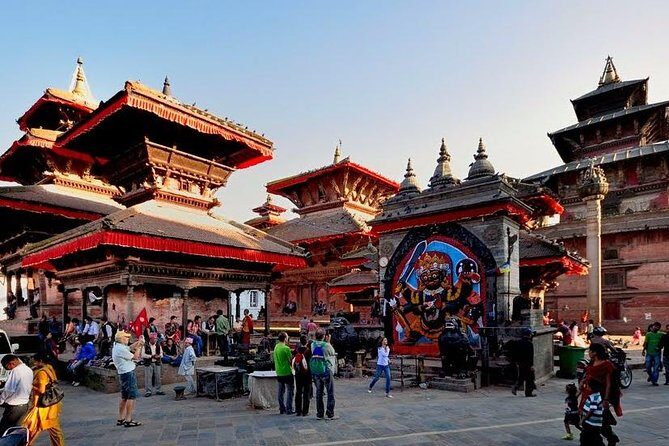
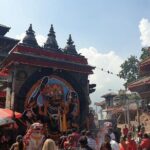
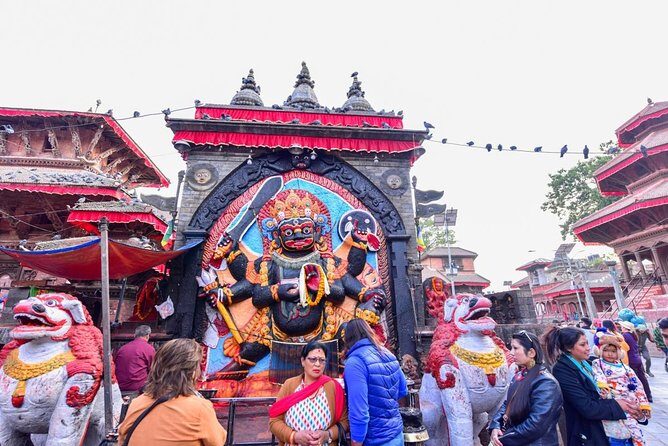
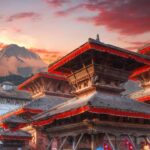
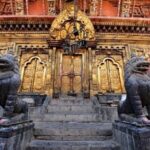
Start your day at Kathmandu Durbar Square, a place that feels like it was built to display devotion through art. You’ll find a palace-style complex filled with woodcarvings of gods and goddesses—exactly the kind of detail that becomes meaningful once someone points out what you’re actually looking at.
The headline here is the Kumari connection. In this palace area, you can see the home associated with the living goddess Kumari, a figure venerated by Hindus and Buddhists. What makes this stop more than just architecture is the way the guide’s explanations help you understand why a person-centered tradition exists alongside temple rituals and carved iconography.
A useful thing to know: because some sites were impacted by the 2015 earthquakes, parts of Durbar Square may show wear or damage. That doesn’t make the place less interesting; it just changes the way you should look at it. Instead of treating the complex as a perfect postcard, treat it as a living cultural site that has gone through recovery.
If you like places where religion shows up in everyday objects—doors, beams, carvings, and sacred spaces—Durbar Square is a strong first stop. You’ll leave with better context for why the rest of the day is so focused on temples, sanctuaries, and ritual spaces.
Swayambhunath (Monkey Temple): Stairs, Views, and Sacred Noise
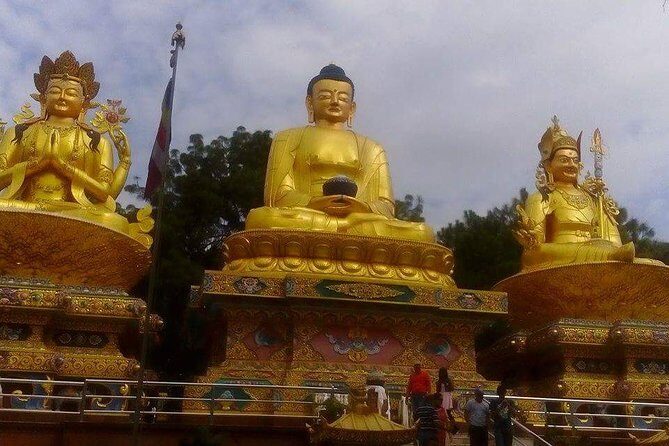
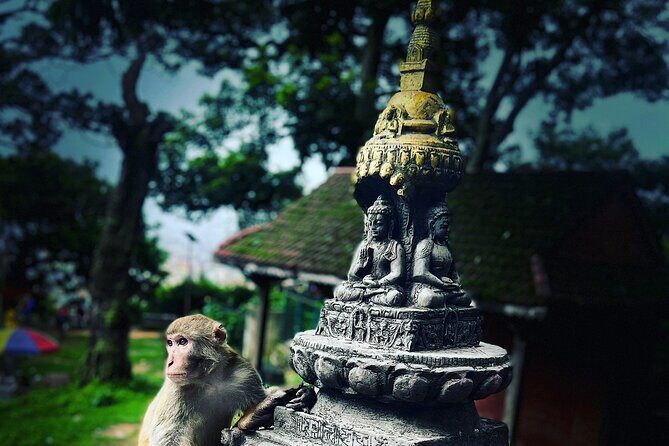
Next up is Swayambhunath, commonly called the Monkey Temple because rhesus monkeys live around the complex. You’ll climb a long set of stairs to reach the sanctuary, and along the way you’ll get that classic Kathmandu feeling: motion, people, and the sense that everyone is heading toward a sacred focal point.
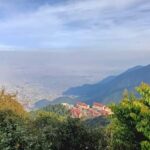
This is also one of the best viewpoints on the route. At the top, the views over the Kathmandu Valley are a real payoff. Even if you’ve already seen photos, it’s different when you’re standing there with the actual city spreading out below you. The guide helps with the cultural background, which turns the stop from sightseeing into understanding.
What I like about Swayambhunath on a one-day circuit is the contrast. Kathmandu Durbar Square gives you carved palaces and a very specific tradition tied to the living goddess. Swayambhunath gives you a hilltop sanctuary atmosphere, monkeys as part of the scenery, and broad views that help you understand how the valley’s temples and neighborhoods relate.
If you prefer a steady, guided climb rather than a self-guided wander, this stop fits your day perfectly. And because admission tickets are included, you don’t have to spend mental energy figuring out entry.
Just be aware of animal presence. The monkeys are part of the place, so keep small items secure and stay alert in crowded areas near feeding zones.
Boudhanath Stupa and Lunch With a Buddhist View
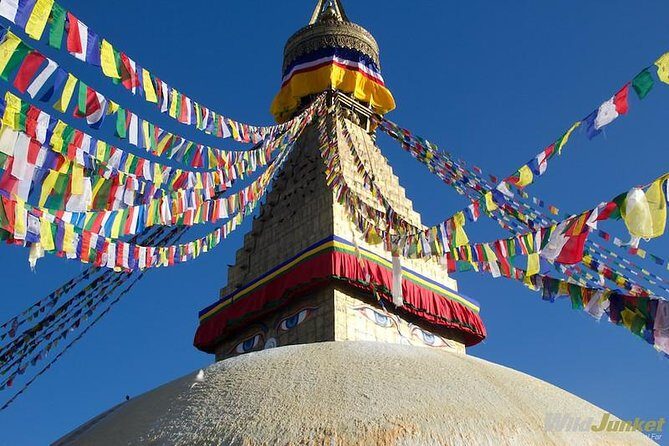
Then you’re at Boudhanath Stupa, one of the big spiritual anchors of the Kathmandu Valley and described as the biggest Buddhist stupa in Nepal. Even before you start listening to explanations, you can feel how the site works: it’s designed for slow attention, repeated rituals, and the kind of stillness you don’t always get on city streets.
This stop is a highlight for visitors who want a more immersive sense of Buddhist practice. The guide’s commentary helps you understand the stupa’s meaning and why people treat the space with such steady devotion.
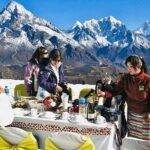
The best part, though, is lunch. You don’t just eat near the stupa. You eat in a local setting where the perspective of the stupa is the feature. That “meal with a view” detail is the difference between checking a box and actually remembering the day.
From a practical standpoint, lunch at Boudhanath is also a smart pacing tool. After walking, climbing, and moving from site to site, you get a seated break. Your legs calm down, your head refocuses, and you come back out ready for the final UNESCO stop.
As with other major landmarks in Kathmandu, earthquake recovery is part of the story. You might notice changes around the complex depending on what has reopened or been repaired. That’s normal, and it helps to remember the site is still a functioning religious destination.
Pashupatinath UNESCO: Understanding the Complex
Finish the day at Pashupatinath Temple, a UNESCO World Heritage Site. This is where the tour’s guidance really matters, because Pashupatinath isn’t one single photo spot. It’s a large sacred complex with different areas and sanctuaries, and the guide helps you understand how the spaces connect.
A common mistake with temple complexes is rushing through them like they’re a checklist of viewpoints. With a guided route, you can slow down just enough to learn what’s going on and why certain sanctuaries exist within the wider site.
Pashupatinath is also where your earlier stops start to make more sense. After Durbar Square and Swayambhunath, you’ll notice how Kathmandu blends Hindu and Buddhist traditions in the same geography, and how sacred spaces are organized to support ritual life.
This stop is a strong match if you want cultural context more than just panoramic shots. The guide will walk you through the site’s layout and teach you about the different sanctuaries that make up the UNESCO complex.
Then the tour ends back at the meeting point in Kathmandu Valley, so you don’t have to negotiate your own way back at the end of a long day.
A few more Kathmandu tours and experiences worth a look
Price and Value: Why $40 Can Make Sense
At around $40 for roughly 7 hours, the value depends on what you’d otherwise pay to piece this together: private transport, admission fees, a local guide, and lunch. This tour includes hotel pickup and drop-off within Kathmandu Valley, lunch, and a local guide, plus private transportation in an air-conditioned vehicle.
That combination is the key. In Kathmandu, day logistics can eat time and money fast if you’re hiring separately or doing the “figure it out” dance. Here, you’re paying for the convenience of a single plan that moves you through major sights efficiently.
It also helps that admission tickets are included for the stops in the route. That avoids the common problem where a cheap rate turns into a larger total once entry fees and guide costs stack up.
The balance: this is a highlights circuit, not a deep-dive into one site. You’ll get meaningful context, but you won’t linger for hours in one specific corner the way you might on a longer, slower cultural day.
Also keep in mind the tour includes lunch but doesn’t include food and drinks beyond that. If you’re the type who likes bottled water, snacks, or an extra drink during stops, you’ll want a little cash set aside.
Guides, Flexibility, and a Note of Caution
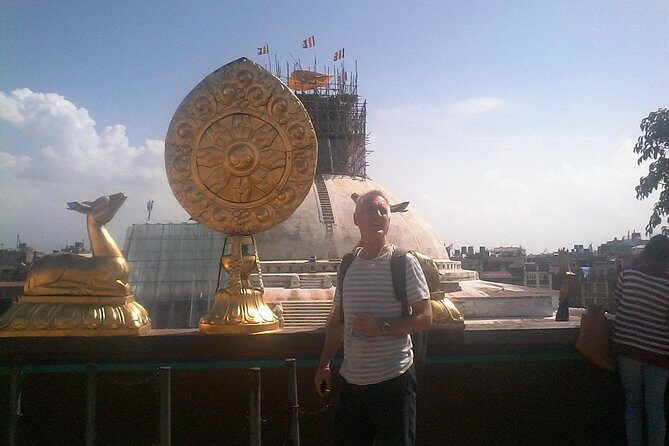
A big part of how good this kind of day feels is the guide. In real-world use of this route, the name Narayan comes up for being friendly, well-informed about each site, and able to adapt when plans change. That matters if you’ve already visited one of the stops earlier or if your group has different comfort levels for stairs and crowds.
Private tours can be more responsive, and that’s one reason people like this format: it’s not just a driver and a clock. You’re with a local guide who can explain what you’re seeing and adjust the rhythm for your group.
Now, a fair warning: one serious issue appears in the record for this kind of service—there was at least one reported no-show where contact failed. That’s not something you can prevent entirely from your side, but it’s smart to confirm you have the provider’s contact method and to keep an eye on timing.
If you do decide to book, treat it like any other guided day: set a clear expectation for pickup timing, and keep your phone charged in Kathmandu’s busy environment.
So, Should You Book This Kathmandu Valley Tour?
I think this is a strong pick if you want a structured Kathmandu “greatest hits” day with private transport, a local guide, included admission, and a real lunch break at Boudhanath. It’s especially good for first-timers who need context fast and for people short on time but still want to understand the major Hindu and Buddhist landmarks rather than just photograph them.
Skip it or reconsider if you’re the type who prefers long, slow exploration at one site, or if quake-damaged areas would strongly disappoint your expectations based on older photos. Also budget for drinks and snacks beyond lunch since those aren’t included.
FAQ
How long is the Private Kathmandu Valley Sightseeing Tour with Lunch?
The tour is approximately 7 hours.
Is hotel pickup and drop-off included?
Yes, hotel pickup and drop-off within Kathmandu Valley are included.
What’s included in the price?
It includes lunch, a local guide, private transportation, air-conditioned vehicle, and hotel pickup/drop-off within Kathmandu Valley.
Are entrance fees included?
Admission tickets are included for the stops on the route.
What sites does the tour cover?
It covers Kathmandu Durbar Square, Swayambhunath (Monkey Temple), Boudhanath Stupa, and Pashupatinath Temple. The tour is also described as covering additional main highlights such as Freak Street.
Is the tour private?
Yes. It is a private tour/activity, and only your group participates.
Is there a vegetarian lunch option?
Yes. A vegetarian option is available if you advise at booking.
Do I get a mobile ticket?
Yes, a mobile ticket is included.
Are food and drinks included besides lunch?
No. Food and drinks are not included (lunch is included).
What is the cancellation policy?
You can cancel for free up to 24 hours in advance for a full refund. If you cancel less than 24 hours before, the amount paid is not refunded.