REVIEW · KATHMANDU
Everest Base camp Trek
Book on Viator →Operated by Mission Summit Treks And Expedition · Bookable on Viator
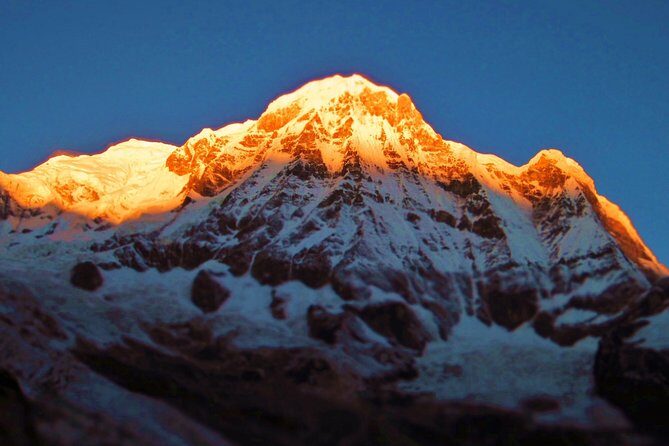
Your boots meet big sky fast. This Everest Base Camp trek blends a thrilling flight to Lukla with a classic route through Phakding, Namche, Tengboche, Dingboche, Lobuche, and Gorekshep, then on to Base Camp and beyond toward Kalapathher. Along the way you pass places like the Dudh Kosi river, suspension bridges, and forest walks that keep the scenery moving even when the trail gets tiring.
What I like most is the way the trip is set up for real trekking days, not just sightseeing. You get a government-licensed, well English-speaking guide, and many trekkers highlight how guides like Damu (and other team members) give clear evening briefings and steady support when it hurts. I also like that meals and accommodations are included, with three meals a day and lodging handled throughout the trek. One drawback to plan for: hot showers and power charging or Wi‑Fi aren’t included, and even the included lodging uses toilets outside your room.
In This Review
- Key things that make this Everest Base Camp trek work
- Lukla to Everest: why the start matters more than you think
- The core route: Phakding through Gorekshep, then Base Camp
- Lukla to Phakding: river, bridges, and a first taste of motion
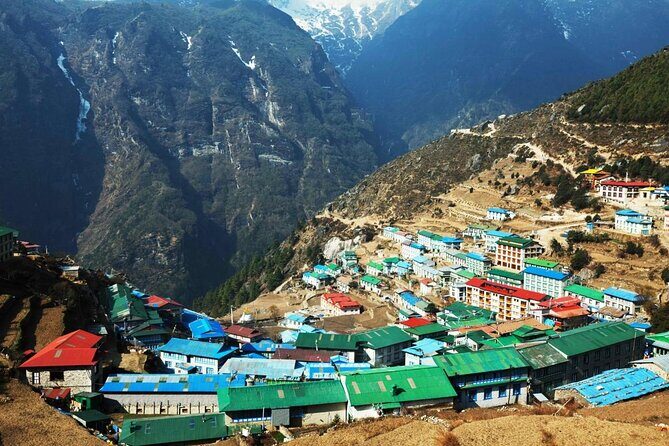
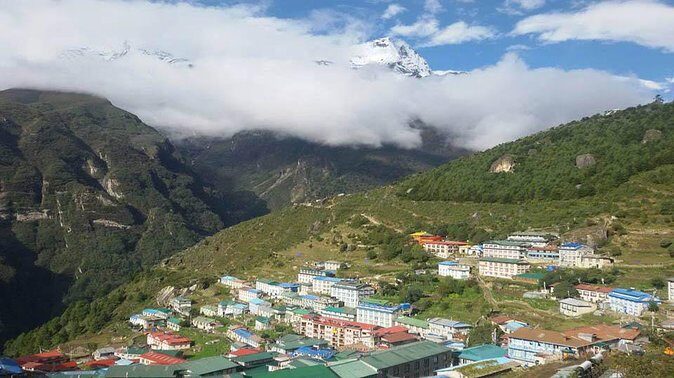
- Namche: the moment the region feels real
- Tengboche: culture stop energy
- Dingboche and Lobuche: where pacing becomes your best tool
- Gorekshep and Everest Base Camp: the payoff day
- Kalapathher after Base Camp: what the extra push gives you
- Guides make or break this trek (and this one is strongly guided)
- Value check: what the $1,500 price really buys
- Meals and lodging: comfort basics you’ll actually notice
- Itinerary pace: the route forces patience, by design
- Flying in and out: transfers are handled, but start location matters
- Who this trek suits best
- Should you book this Everest Base Camp trek?
- FAQ
- Where does this Everest Base Camp trek start?
- How long is the trek?
- How much does it cost?
- Are airport transfers included?
- Are flights to Lukla included?
- What meals are included during the trek?
- Are accommodations included?
- What permits are handled?
- What’s not included in the price?
Key things that make this Everest Base Camp trek work
- Lukla flight, then a real walking route: you start with air access and then earn the views step by step
- A licensed guide plus porter support: a guide and porter arrangement is included (listed as 2 clients to 1 porter)
- Village-by-village nights: Phakding, Namche, Tengboche, Dingboche, Lobuche, Gorekshep—so you’re never just hiking into the void
- Meals are covered: breakfast, lunch, and dinner during the trek means fewer money-stress moments on the trail
- Permits handled for the Everest National Park entry: paperwork is included, so you’re not chasing forms last minute
- Extra altitude option after Base Camp: Kalapathher is the next destination above Everest Base Camp
Lukla to Everest: why the start matters more than you think
Lukla is the gateway, and that flight sets the tone for the whole journey. One moment you’re in Kathmandu, the next you’re looking at the kind of terrain where every trail feels earned. After landing, the trek starts moving through the river valleys and bridge-and-forest sections that make the early days feel like a warm-up for what’s coming.
I like this style of start because it isn’t just a transport bullet. The included route pieces you’ll experience before you even reach the main Everest towns—like the Dudh Kosi river area and suspension bridges—help you settle into trekking rhythm. Your legs get used to the rhythm of walking uphill, downhill, and around corners where the trail changes character fast.
You can also read our reviews of more hiking tours in Kathmandu


The core route: Phakding through Gorekshep, then Base Camp
This trek follows a well-known Everest Base Camp sequence, with nights in key villages. You’ll trek from Lukla to Phakding, then continue through Namche, Tengboche, Dingboche, Lobuche, and Gorekshep before reaching Everest Base Camp.
Lukla to Phakding: river, bridges, and a first taste of motion
Phakding is where you first get comfortable with the day’s pattern: walk, stop, breathe, repeat. The plan includes passing the Dudh Kosi river region and some suspension bridge crossings, plus forest walking. That combination matters because it gives your body variety early, instead of one long, samey uphill slog.
Potential drawback here: if you’re trying to force speed, the early excitement can trick you. The trail is doable, but you still need trekking fitness and patience.
Namche: the moment the region feels real
Namche is one of those places you feel in your bones. Even without getting too technical, this is where the Everest region shifts from scenic trek to high-altitude effort. It’s also an important rest stop in a multi-day route, and it helps you break the journey into manageable chunks.
If you like structure, this part delivers. You’re not just wandering up and down; you’re working through a sequence of overnight villages.
Tengboche: culture stop energy
Tengboche is a classic overnight point on the EBC route. For many people, it’s the first place where you feel the blend of Himalayan culture and mountain intensity. It’s also a good place for a slower pace day, because the day’s focus can shift from counting steps to noticing details around you.





Dingboche and Lobuche: where pacing becomes your best tool
As the trek continues to Dingboche and then Lobuche, you’re moving deeper into the higher terrain. This is where pacing stops being a suggestion. If you go too fast, you’ll pay for it later.
The plus side: these sections set you up well for the big moment. Every extra hour you don’t rush helps you arrive with enough energy to enjoy Base Camp rather than just survive it.
Gorekshep and Everest Base Camp: the payoff day
Gorekshep is the last staging area before Everest Base Camp in this route. From here, you reach the Base Camp area, where the whole trip condenses into one scene: big peaks, a sense of scale that doesn’t feel real until you’re standing in it.
One thing to keep in mind: your experience at Base Camp isn’t only about the views. It’s also about how you manage your effort the day(s) leading up to it. That’s why the guide support and the habit of not rushing matters so much.
Kalapathher after Base Camp: what the extra push gives you
After reaching Everest Base Camp, the trek continues toward Kalapathher, described as the next destination above Base Camp. This is the part that turns a stunning goal into a bigger arc.
Why it’s worth considering: some people feel Base Camp is the headline. Kalapathher can feel like the closing chapter that makes the whole journey feel complete, especially if you enjoy being out in the mountains for longer rather than just checking a box.
Guides make or break this trek (and this one is strongly guided)
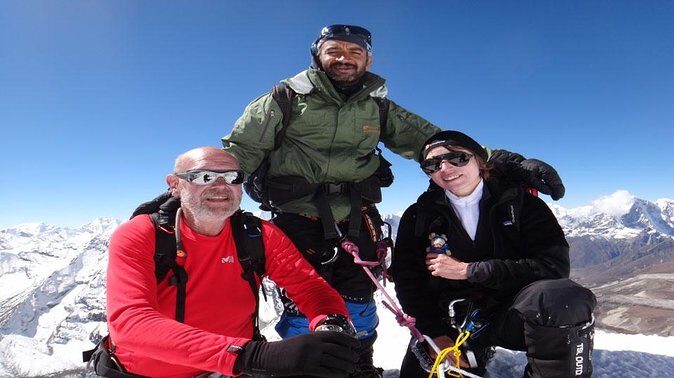
Everest Base Camp is not just a hike. It’s a mental and emotional grind where small decisions matter: how you set your pace, how you handle cold fatigue, and whether you feel confident about the next day’s plan.
In the feedback tied to this operator, guides like Damu and other team members such as Kamal are repeatedly praised for the human side of trekking: calm confidence, practical day planning, and checking in during tougher moments. One recurring theme is pre-trek and evening briefings—helpful because you don’t want to guess what comes next when you’re already tired.
You’ll also see mention of assistant guides and team members such as DB, DalBahadur, Kalu, and support roles like Nir. The point for you is simple: when you pick a trek where the guide actively manages the group, you spend more energy on walking and less energy on worry.
Value check: what the $1,500 price really buys
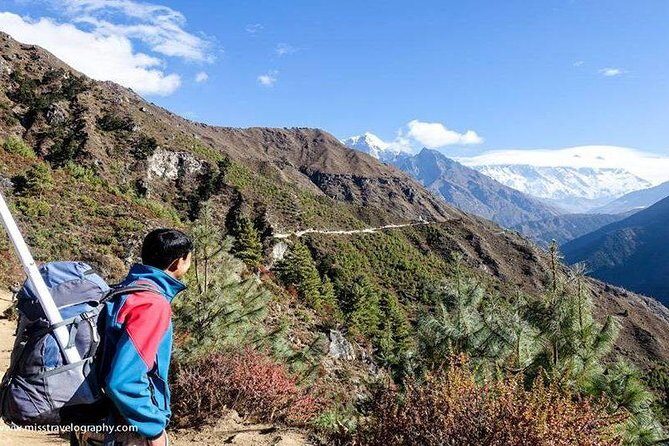
The price listed is $1,500 per person for a trek around 12 days (approx.). That number matters less by itself than what it includes.
Here’s the value picture:
What’s included:
- Airport pickup and drop by private car/van/bus
- Flights between Kathmandu/Ramechap and Lukla, plus the return back
- Three meals a day (breakfast, lunch, dinner) during the trek
- Accommodations during the trek (toilet is outside your room)
- Everest National Park entry permit paperwork
- A licensed guide with strong English
- Government taxes and office expenses
- Domestic airport tax
- Guide plus porter support (listed as 2 clients: 1 porter)
What’s not included (so you can budget without surprises):
- Nepal entry visa fee (USD 40)
- International airfare and your travel insurance
- Mineral water/bottles, snacks, sweets
- Hot shower / battery charge / Wi‑Fi for camera
- Tips for guide and porter
My take: $1,500 feels like strong value if you want logistics handled and you don’t want to micromanage meals, permits, and the trekking staffing. The costs that aren’t included are mostly the everyday extras you’d buy anyway, plus visas and insurance, which you should plan for regardless of any itinerary.
Meals and lodging: comfort basics you’ll actually notice
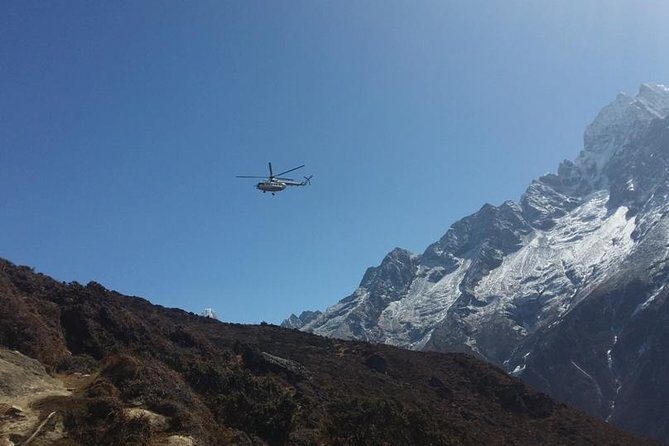
Food and sleep are the secret ingredients of a successful Everest Base Camp trek. This plan includes breakfast, lunch, and dinner during the trekking days. That means you can eat without constantly negotiating what’s available each stop.
Lodging is also included throughout the trek, but you should know the setup: toilets will be outside your room. It’s not unusual for mountain treks, but it is the kind of detail you should accept mentally before you arrive, so you don’t spend your first night thinking about it.
As for comfort extras like hot showers, charging, and Wi‑Fi, they are not included. If camera batteries and power access matter to you, plan ahead with what you can control: charging strategy and backups.
Itinerary pace: the route forces patience, by design
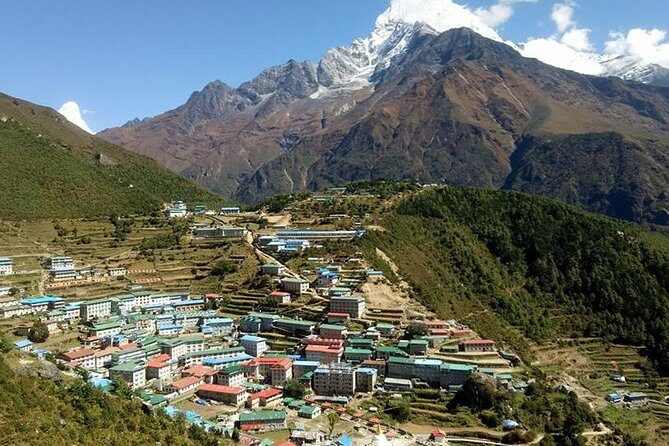
This route is village-to-village, which helps you mentally break the day into smaller pieces. You’re not just trekking into a huge unknown. Each overnight stop—Phakding, Namche, Tengboche, Dingboche, Lobuche, Gorekshep—acts like a checkpoint for your energy.
The big practical lesson here is simple: Everest Base Camp rewards patience. If you treat it like a race, you’ll feel it. If you treat it like steady effort plus acclimatization, you’ll enjoy more of it.
Also, the trek is described as difficult mainly because the Everest region is challenging. The operator makes it clear that success depends on being well prepared with trekking experience and having moderate physical fitness.
Flying in and out: transfers are handled, but start location matters
The trek begins from Tribhuvan Airport, Kathmandu, Nepal. You’ll also have airport pickup and drop included. On the air side, the flight component covers Kathmandu or Ramechap to Lukla and the return.
This is one of those details that matters more than people think. When transfers are handled cleanly, you avoid the stress of matching schedules with unclear timing. It also makes it easier to focus on gear, water, and rest rather than logistics.
Who this trek suits best
This trek is a great fit if you:
- Have moderate physical fitness and some trekking experience
- Want a guided route with government-licensed support
- Prefer having meals, lodging, and permits handled
- Like the idea of more than one highlight day, from village culture stops to the Base Camp goal and then onward toward Kalapathher
It may not suit you as well if you:
- Want frequent creature comforts like hot showers and easy charging included
- Are looking for a short, low-effort walk (this is a real trek, not a flat trail day)
Good news: this is a private tour/activity, so it’s only your group. That usually makes pacing and decision-making feel less chaotic.
Should you book this Everest Base Camp trek?
I’d book this trek if your priority is a structured, guided EBC experience with meals and logistics already in place. The strong praise centers on guide support and the emotional side of the journey—especially how guides like Damu provide daily structure and calm reassurance, plus porter support to keep you focused on the trek.
Skip or rethink it if you need hot showers, charging, or Wi‑Fi included, or if you’re uncomfortable with basic mountain lodging where toilets are outside your room.
If you’re the type who likes to work steadily, keep your pace sane, and enjoy the mountain day after day, this looks like a solid, value-heavy way to reach Everest Base Camp and go a bit further toward Kalapathher.
FAQ
Where does this Everest Base Camp trek start?
It starts at Tribhuvan Airport in Kathmandu, Nepal.
How long is the trek?
The duration is listed as about 12 days.
How much does it cost?
The price is $1,500.00 per person.
Are airport transfers included?
Yes. Airport pickup and drop are included by private car/van/bus.
Are flights to Lukla included?
Yes. Flights are included from Kathmandu/Ramechap to Lukla and then back to Kathmandu/Ramechap.
What meals are included during the trek?
You get three meals a day: breakfast, lunch, and dinner during the trek.
Are accommodations included?
Yes. All accommodations during the trek are included, and the toilet is outside the room.
What permits are handled?
The package includes all necessary Everest National Park entry permit paper works.
What’s not included in the price?
Not included: Nepal entry visa fee (USD 40), international airfare, travel insurance, mineral water/bottled drinks/sweets, hot shower/battery charge/Wi‑Fi for the camera, and tips for the guide and porter.