REVIEW · KATHMANDU
Nepal and Bhutan Tour – 12 Days
Book on Viator →Operated by Peregrine Treks and Tours · Bookable on Viator
Two countries, one spiritual loop. This Nepal and Bhutan tour moves you from Kathmandu’s holy sites to Chitwan’s wildlife, then into Bhutan’s dzongs and monastery hikes, all on a schedule that fits 12 days without feeling rushed. You’re also set up with an airport greeting in Nepal and a licensed guide in Bhutan, so you’re not left figuring it out.
I love the steady flow of sacred stops, especially Boudhanath Stupa and Tiger’s Nest. At Boudhanath, prayer wheels and the sheer scale make it feel like a living place, not a museum stop. And Tiger’s Nest is the kind of hike where the payoff starts early and keeps building as you gain height toward Paro Taktsang.
One consideration: expect uphill walking and travel time. You’ll do a hike to Khamsum Yulley Namgyal Chorten with a mostly uphill, loose-earth path, and Tiger’s Nest is a 2–3 hour climb with a pony option if you need it.
In This Review
- Key Things You’ll Remember
- Kathmandu Arrival: getting oriented fast in Day 1
- World Heritage Kathmandu Valley: Boudhanath, Pashupatinath, and Durbar Square
- Boudhanath Stupa: scale, trade history, and daily devotion
- Pashupatinath: a 5th-century complex on the Bagmati
- Kathmandu Durbar Square: Lichhavi-era architecture in a living city
- Pokhara drive and Sarangkot timing: your first big scenery payoff
- Sarangkot at sunrise: why the early start is worth it
- Pokhara by day: Phewa Lake, Gupteshwor Cave, Devi’s Falls, and the Peace Stupa
- Chitwan National Park: ethical wildlife and Tharu culture in Sauraha
- Ethical animal interactions: what the plan avoids and what it uses instead
- Bird-watching as a calmer send-off
- From Kathmandu to Thimphu: flying in and switching cultures on purpose
- Thimphu to Punakha: gompas, nunnery, crafts, and a river valley hike
- Punakha Dzong and Khamsum Yulley Namgyal Chorten
- Paro and Tiger’s Nest: the 4 km climb you’ll talk about later
- Your last night in Paro
- Price and what this package is really buying at $4,460 per person
- Should you book this Nepal and Bhutan tour?
- FAQ
- What countries does this Nepal and Bhutan tour include?
- Where do you meet the group in Nepal?
- Is the tour private?
- Are meals included?
- Are visas included in the price?
- Are there restrictions related to Nepal immigration?
- What animal activities are included in Chitwan?
- How hard is the Tiger’s Nest hike?
- What happens if I cancel?
Key Things You’ll Remember
- Kathmandu arrival support: a Peregrine representative meets you at the airport and transfers you to your hotel, then your tour leader briefs you.
- Boudhanath and Pashupatinath close-up: two major faith sites in one day, including potential views of Hindu funerals along the Bagmati River.
- Sarangkot sunrise in Pokhara: a timed start that gives you golden Annapurna-range light before the day’s sightseeing.
- Chitwan without elephant abuse: the plan avoids elephant safaris and baths, focusing on jeep safaris, canoe rides, and an elephant walk that’s meant to be non-harmful.
- Bhutan hikes with real views: a river-valley chorten hike plus the classic Paro Taktsang (Tiger’s Nest) climb.
Kathmandu Arrival: getting oriented fast in Day 1
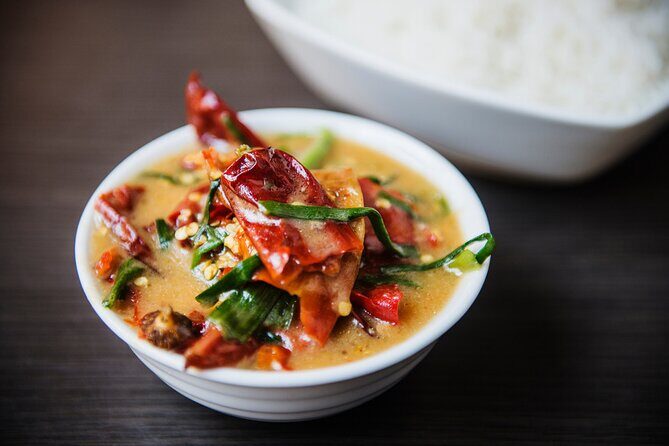
Day 1 is all about easing into the trip. You get met at Kathmandu’s airport by a Peregrine representative and taken to your hotel. Later, your tour leader meets you there for a briefing on what’s next—schedule, timings, and any last-minute adjustments.
This matters more than it sounds. Kathmandu traffic and timing can be unpredictable, and having a real human walking you through the plan helps you settle in with less stress. After the briefing, you’re free to wander on foot, which is a great way to get your bearings in a city that mixes ancient stone with modern life.
If you like to travel with your brain turned on, Kathmandu is perfect for that first evening stroll. You’ll be surrounded by architecture that spans centuries, so even a short walk feels like orientation.
You can also read our reviews of more tours and experiences in Kathmandu.



World Heritage Kathmandu Valley: Boudhanath, Pashupatinath, and Durbar Square
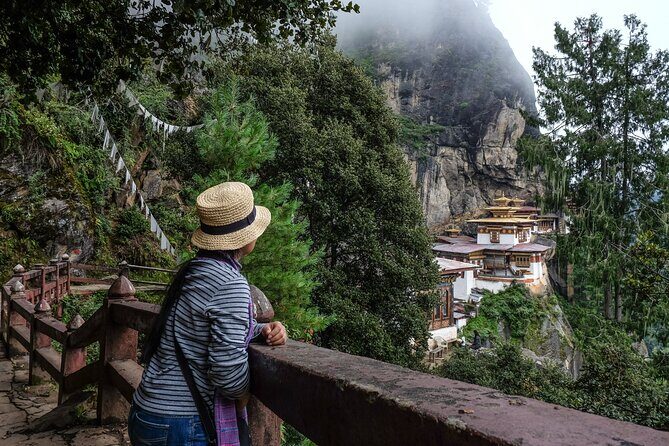
Day 2 is your big Kathmandu temples day, with three major stops that each teach a different side of local life.
Boudhanath Stupa: scale, trade history, and daily devotion
Boudhanath Stupa is described as one of the largest and most unique in the world, and it sits at the heart of the Tibetan trade to Kathmandu. What I like about this kind of stop is that it isn’t just “look and leave.” People are there doing daily routines—prayer and wheel spinning—so you see how devotion fits into everyday rhythm.
A practical tip: bring patience for crowds around a world-famous site. If you show up ready to watch, not just photograph, you’ll get more out of it.
Pashupatinath: a 5th-century complex on the Bagmati
Next is Pashupatinath, the most significant Hindu temple in the plan. It dates back to the 5th century and sits along the divine Bagmati River, where temple complexes and ashrams cluster near the ghat areas.
The key detail: you may encounter Hindu funerals along the riverbanks, with cremations. If that feels uncomfortable for you, the guidance here is clear—tell your guide. This is one of those moments where trust in your leader makes the experience smoother, because they can help you stay respectful while still seeing the site.
Kathmandu Durbar Square: Lichhavi-era architecture in a living city
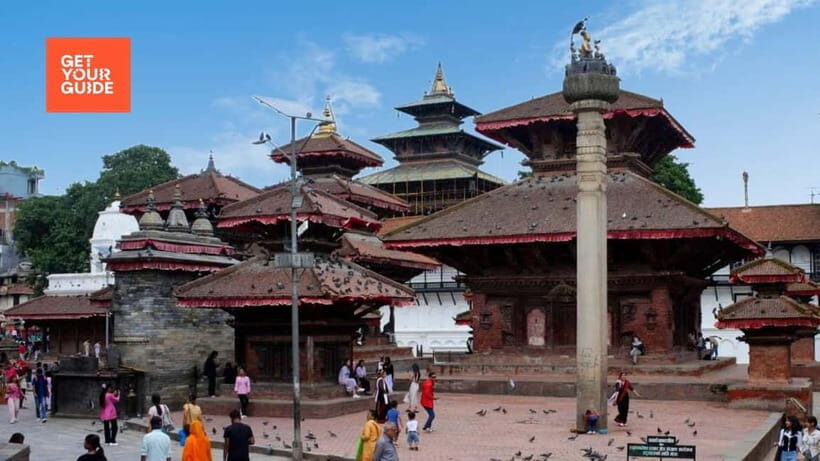
You’ll finish at Kathmandu Durbar Square, one of the three Durbar Squares in the Kathmandu Valley. The architecture dates back to the Lichhavi Period in the third century, which is exactly the kind of time depth that makes Kathmandu feel different from many travel cities.
What’s good about chaining these three together is variety: Buddhism, Hinduism, then a broader architectural overview through the Durbar Square complex. It’s not just “temples.” It’s three ways of understanding place.





Pokhara drive and Sarangkot timing: your first big scenery payoff
Day 3 is a road transfer from Kathmandu to Pokhara—about 200 kilometers and roughly 7 to 9 hours. The route on the Prithvi Highway winds through rivers, mountains, and villages in central Nepal, so the day feels like a moving window into daily life and rural geography.
If you’re prone to getting restless in long car days, this is one of the easier routes to tolerate because the scenery keeps changing. Bring a light layer, too. High ground in Nepal can mean a cooler air shift even if Kathmandu felt warm.
Sarangkot at sunrise: why the early start is worth it
Day 4 starts with a sunrise view from Sarangkot. You’re aiming for the early morning light that puts the Annapurna range into a golden glow. This isn’t only a photo moment; it’s also the first time you connect Nepal’s religious sites to its literal mountain scale.
After sunrise, you descend and move into relaxed sightseeing—boating on Phewa Lake, cave and waterfall visits, and craft-learning stops. So you’re not stuck only doing early mornings the whole trip.
Pokhara by day: Phewa Lake, Gupteshwor Cave, Devi’s Falls, and the Peace Stupa
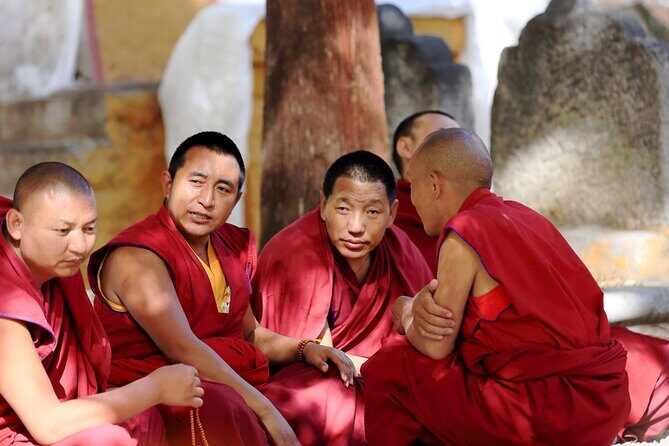
Pokhara is the break-your-eyes-from-city life part of the journey. It’s scenic, yes, but it’s also practical: it’s easy to spend time without feeling hurried.
Day 4’s plan includes:
- Boating on Phewa Lake with mountain views reflected in the water
- Visiting Gupteshwor Cave (the “mysterious depths” angle is part of the appeal)
- Devi’s Falls, known for its dramatic waterfall setting
- The Tibetan Refugee Camp, where you can learn about Tibetan culture and crafts
- The Peace Stupa atop a hill
I like that the day mixes “natural wow” with cultural learning. If you’re the type who gets tired after too many temples, Pokhara gives you scenery and calmer pacing without dropping the cultural thread.
One more practical note: caves and falls can mean uneven footing and slippery spots. Wear shoes you trust.
Chitwan National Park: ethical wildlife and Tharu culture in Sauraha
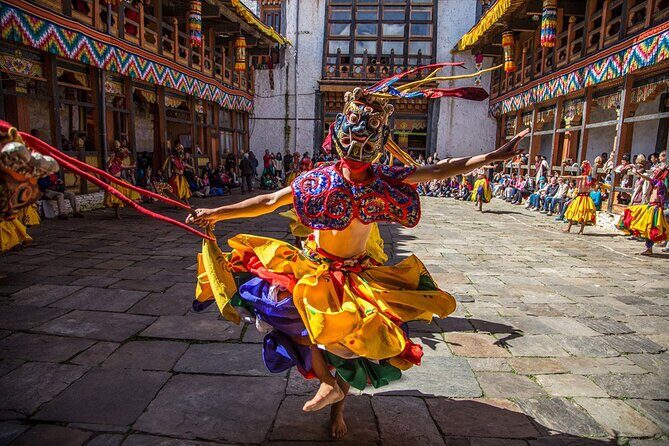
Day 5 sends you to Chitwan National Park, Nepal’s first national park. It’s a 6/7-hour drive, arriving in the afternoon, then settling into an ethnic and eco-friendly lodge in Sauraha. The lodge manager meets you, introduces your nature guide, and sets your schedule for the park activities.
What I like here is the pacing. After a long drive, you’re not immediately thrown into action. You get time to relax, then there’s a sunset vibe by the riverside—plus a chilled beer if you want it.
That evening includes a Tharu cultural dance show. There’s also an optional arrangement for a local theatre-style cultural program. Even if you don’t think you’ll enjoy cultural performances, this one is paired with a wildlife-focused stay, so it feels like part of the local environment rather than an extra add-on.
Ethical animal interactions: what the plan avoids and what it uses instead
Day 6 is where Chitwan becomes memorable for the right reasons. The plan explicitly prioritizes ethical animal interactions. It avoids elephant safaris and baths. Instead, you get options like jeep safaris, canoe rides, and an elephant walk described as non-harmful observation.
Chitwan is famous for wildlife, and the park setting is the real draw: it’s home to the endangered one-horned rhinoceros and around 120 Bengal tigers. You may also see deer and multiple bird species.
You’ll also do an afternoon canoe ride on the Rapti River, aiming for sightings like gharial and marsh muggers. If you’ve never seen these animals in the right habitat, canoe time can be one of those quieter “pay attention” moments where wildlife appears instead of performing.
And the day ends with dinner at the Tharu Kitchen, which ties the animal day back to local food and community.
Bird-watching as a calmer send-off
Day 7 gives you an optional early morning bird-watching program for a couple of hours. That’s a nice contrast before you fly back to Kathmandu and transition to Bhutan.
From Kathmandu to Thimphu: flying in and switching cultures on purpose
On Day 7, you depart Chitwan and fly to Kathmandu, then end the Nepal portion of the trip and get ready for Bhutan.
Day 8 begins the Bhutan jump. You fly from Tribhuvan International Airport to Paro, then drive about two hours to Thimphu. For the best views, the plan suggests sitting on the left side of the plane when possible.
In Paro, you handle immigration and customs, then a licensed Bhutanese guide escorts you to Thimphu. The drive is described as scenic—rivers and red rice fields—so you’re not just traveling between dots on a map. It’s also a reminder that Bhutan’s geography shapes everything, including where towns can exist.
In Thimphu, you’ll visit:
- Nado Poizokhang Incense Factory
- Gagyel Lhundrup Weaving Centre
Then you get local free time, followed by dinner and a discussion on what’s ahead.
A key planning note: Peregrine manages all group visas and follows Bhutan’s quality-focused tourism rules. Fixed travel dates are mandatory, and unexpected changes may add cost. That’s not a deal-breaker, but it’s worth respecting—Bhutan isn’t built for last-minute schedule chaos.
Thimphu to Punakha: gompas, nunnery, crafts, and a river valley hike
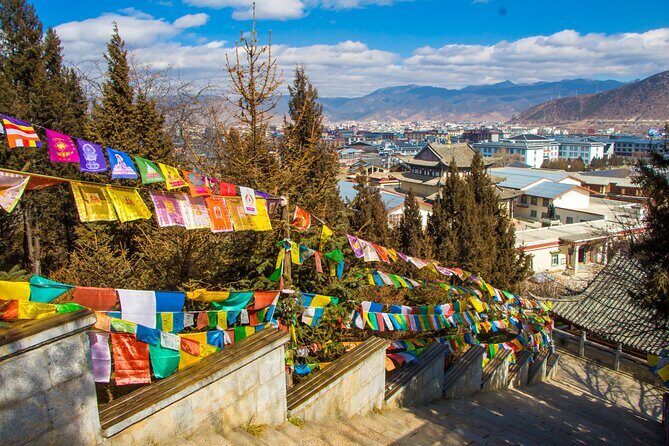
Day 9 blends city sights, spiritual stops, and craft learning. You’ll explore places connected to traditional life, including Tibetan Village and time in pine forest settings. The plan also includes hiking riverside trails to Pangri Zampa Gompa, described as a hub for traditional astrology.
You’ll also visit Tango and Cheri Gompa for spiritual time, then take a picnic by the river. After that, the day shifts into Thimphu landmarks and cultural institutions such as:
- National Memorial Stupa (honoring the third king)
- Zhilukha Nunnery, noted as the largest in Bhutan
- Choki Traditional Art School
- National Textile Museum
- National Handicrafts Emporium
If you like to understand how a country crafts its identity, this day helps. You’re not only seeing temples—you’re seeing production, teaching, and everyday religious practice.
Punakha Dzong and Khamsum Yulley Namgyal Chorten
Day 10 zooms you toward Punakha and introduces Bhutan’s fortress-monastery style through Punakha Dzong, described as the second largest and oldest dzong in Bhutan. It sits at the junction of the Pho Chu and Mo Chu rivers and houses relics of Tibetan Buddhism and sacred remains linked to Ngawang Namgyal, the unifier of Bhutan as a nation-state.
After lunch, the hike is the real physical highlight: you hike from the Mo Chu River base for about an hour to Khamsum Yulley Namgyal Chorten at 1800 meters. The trail is mostly uphill on loose earth mud. The payoff is the 360 views over Punakha Valley, including paddy fields and the Mo Chu River.
Practical advice: this is not the day to wear slick soles. Trekking shoes help more than you’d think.
Paro and Tiger’s Nest: the 4 km climb you’ll talk about later
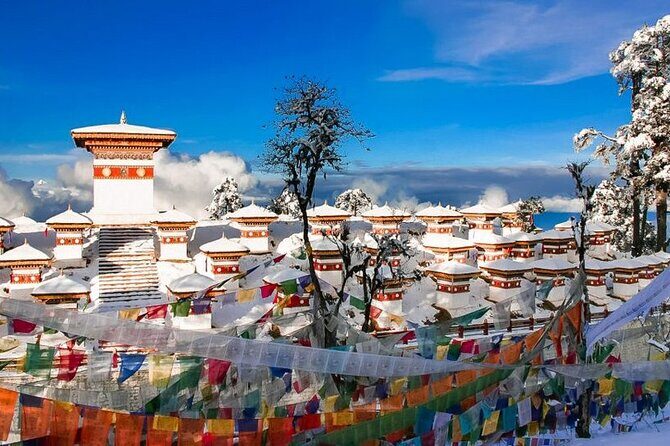
Day 11 is Paro. After breakfast, you drive to the trail starting point for a 2–3 hour, four-kilometer hike up to Paro Taktsang (Tiger’s Nest Monastery). The monastery is perched about 3000 ft above Paro Valley.
There’s an option to hire a pony for part of the trek, which is a useful safety net if your knees aren’t thrilled about uphill steps. But even if you pony up, you’ll still want proper walking gear.
As you ascend, you’ll see the monastery and valley views gradually open up—so the effort feels rewarded. The plan also tells you to carry water and snacks and wear comfortable hiking boots. That’s not “tour talk.” It’s the difference between enjoying the climb and counting minutes.
Your last night in Paro
At the end of the day, you’ll have provided meals and stay at a 3-star hotel like Mandala Resort for the night in Paro Valley.
Price and what this package is really buying at $4,460 per person
At $4,460 per person for 12 days, this tour isn’t cheap. The value comes from the combination of:
- Two countries with a guided transition from Nepal to Bhutan
- English-speaking tour guidance in both places
- Hotel accommodation in Nepal and Bhutan
- Air-conditioned vehicle use and land transportation
- All fees and taxes in the package
What’s not included is also clear, and you should factor it in:
- Lunch and dinner in Kathmandu and Pokhara
- Personal costs (phone, laundry, bar bills, and so on)
- Nepal visa fee and Bhutan visa fee
- International airfare and travel insurance
There’s also a travel reality cost you should plan for: you’ll be doing a mix of long drives and meaningful hikes. If you budget for that right—good shoes, a bit of extra spending money for meals and personal items—the trip feels well-structured for first-timers who want a lot of Himalayan highlights without building the route themselves.
Should you book this Nepal and Bhutan tour?
Book it if you want a balanced mix: city spirituality in Kathmandu, nature focus in Chitwan, and Bhutan’s fortress and monastery culture, all in a tight 12-day block. I’d especially recommend it if you care about ethical wildlife experiences and want the Chitwan plan to avoid elephant safaris and baths.
I’d pause if you know you can’t handle funeral scenes. Pashupatinath can include views of Hindu funerals and cremations along the Bagmati River, and while you can tell your guide to adjust, it’s still a real possibility in that area.
If you’re comfortable with uphill walking and bringing the right gear for Tiger’s Nest, this is the kind of trip that gives you lasting mental images: the stupa’s scale, the riverbank canoe quiet, Punakha’s views, and that monastery clinging to the cliff above Paro.
FAQ
What countries does this Nepal and Bhutan tour include?
It covers Nepal, starting in Kathmandu and also including Pokhara and Chitwan National Park, and then Bhutan, including Thimphu, Punakha, and Paro.
Where do you meet the group in Nepal?
A Peregrine representative greets you at Kathmandu’s airport and accompanies you to your hotel. You also meet your tour leader at the hotel for a briefing later that afternoon or evening.
Is the tour private?
Yes. It’s listed as a private tour/activity, with only your group participating.
Are meals included?
Lunch and dinner in Kathmandu and Pokhara are not included. Breakfast is included on the last day (Day 12). Other meals follow the trip plan and accommodation/lodge arrangements.
Are visas included in the price?
No. Nepal visa fee and Bhutan visa fee are not included. Nepal visa can be obtained at Kathmandu Airport, and Bhutan group visas are managed, but the visa fees still aren’t included.
Are there restrictions related to Nepal immigration?
The tour notes that Nepal immigration authorities may request a vaccination report or a negative PCR test taken within 72 hours.
What animal activities are included in Chitwan?
The plan avoids elephant safaris and elephant baths. Instead, you get options like jeep safaris, canoe rides, and an elephant walk meant to be non-harmful.
How hard is the Tiger’s Nest hike?
It’s a 2–3 hour hike of about four kilometers up to Paro Taktsang, perched around 3000 ft above Paro Valley. You can hire a pony for part of the trek, and you’re advised to bring water and snacks and wear comfortable hiking boots.
What happens if I cancel?
The experience is non-refundable and cannot be changed for any reason. If you cancel or ask for an amendment, the amount you paid is not refunded.