REVIEW · POKHARA
Pokhara: 5 Day Annapurna Base Camp Trek & Natural Hot Spring
Book on GetYourGuide →Operated by Linkage Tour & Travel · Bookable on GetYourGuide
Five days in the Annapurna air feels like a reset button. You climb to Annapurna Base Camp from Pokhara with handled permits and lodge stays, then finish with the Jhinu hot spring stop. The main catch is altitude and cold at higher elevations, and it is not suitable for pregnant women.
What I like most is how this trek is built for real people, not just fit-athletes: day hikes are long enough to feel earned, but short enough to keep momentum in a 5-day schedule. Add a professional English-speaking guide who helps with pace and safety, and you get a smoother experience when the trail gets steep or the weather changes.
You should also know meals are not included, so you’ll want to budget for tea house food as you go. That’s not a deal-breaker—just plan for it.
In This Review
- Key highlights worth your attention
- Pokhara to the trailhead: where this trek starts
- Day 1: Pokhara → Jhinu → Lower Sinuwa (2,300m)
- Day 2: Lower Sinuwa → Deurali (3,200m) for 6 hours
- Day 3: Deurali → Annapurna Base Camp via Machhapuchhre Base Camp (4,130m)
- Day 4: Explore Annapurna Base Camp, then trek down to Bamboo (2,400m)
- Day 5: Bamboo → Jhinu hot springs, then drive back to Pokhara
- The views: what to expect from Annapurna’s high country
- Value for $171: what you truly get (and what costs extra)
- Guides and pace: why short treks rely on good leadership
- Gear and season tips you should not skip
- Who this trek fits—and who should pass
- Should you book this Annapurna Base Camp package?
- FAQ
- Where do I get picked up in Pokhara?
- How long is the trek?
- What is the highest altitude on this itinerary?
- Do I get to visit the natural hot springs?
- Are meals included in the price?
- Is a porter included?
- What permits are covered?
- What language is the guide?
- Is the trek suitable for pregnant women?
Key highlights worth your attention
- Base Camp via Machhapuchhre Base Camp: you reach Annapurna Base Camp by a route that sets up big views of Fishtail.
- Real altitude progression: from 2,300m Lower Sinuwa up to 4,130m Base Camp, then back down over two days.
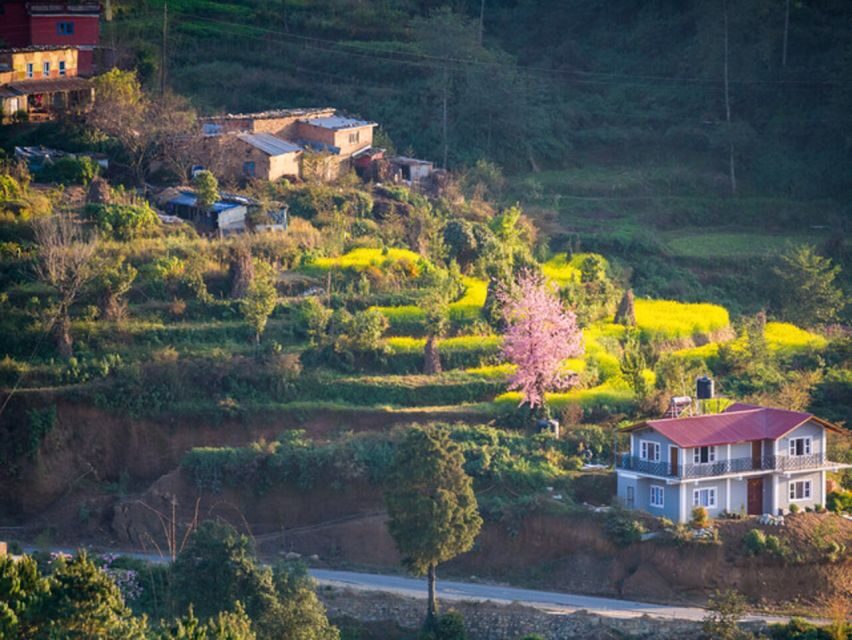
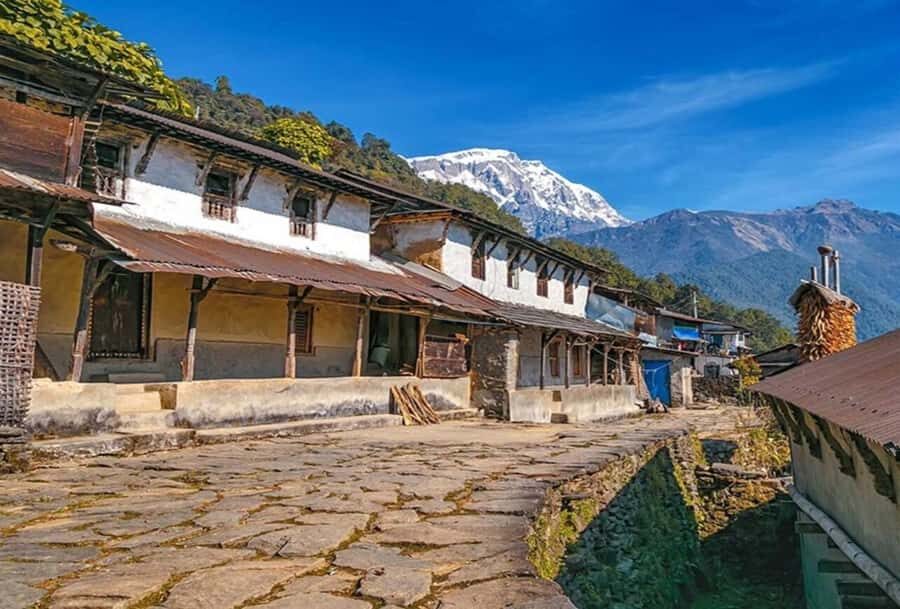
- Gurung culture in traditional villages: you pass through communities that keep their daily rhythm visible.
- Guides who manage the hard parts: teams have supported trekkers through altitude worries and tough conditions.
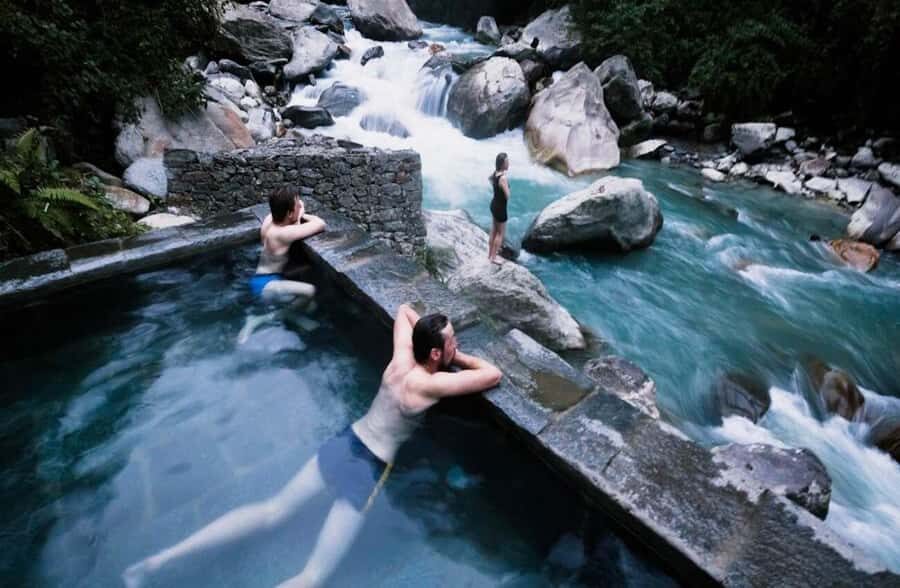
- Natural hot spring payoff: Jhinu is your last-day reset before returning to Pokhara.
- Permits included: ACAP plus TIMS and government permits are covered.
Pokhara to the trailhead: where this trek starts
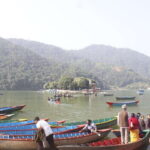
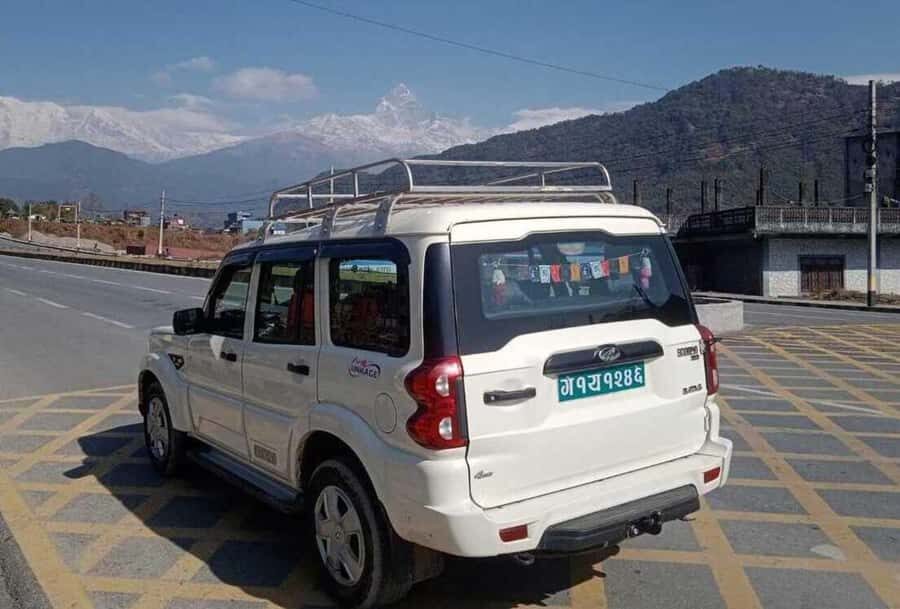
Pokhara is your launchpad, and the tour is set up to keep the beginning simple. You’ll have pickup from Lakeside Pokhara (or the airport), then travel by car/jeep to the trekking area. The drive leg helps you skip the long slog before the real hiking starts, which matters when your schedule only has five days.
You also get a practical perk: luggage storage in Pokhara while you’re trekking. On a short trek like this, that means less stress about where to stash things before you climb.
From a value standpoint, this is a trekking package that tries to remove the most annoying logistics. The tradeoff is that you still need to be ready for physical work, plus cold nights as you gain elevation.
You can also read our reviews of more hiking tours in Pokhara
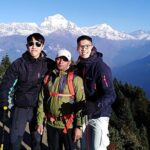
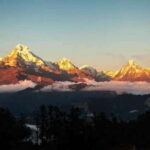
Day 1: Pokhara → Jhinu → Lower Sinuwa (2,300m)
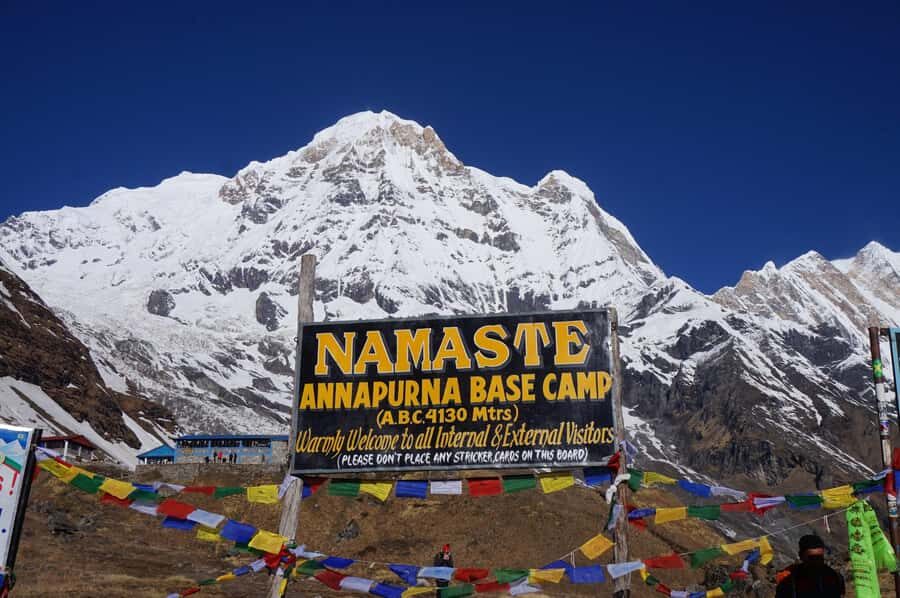
Day 1 is your “get moving” day. You’ll transfer by jeep/SUV for about 2 hours, then hike up to Lower Sinuwa (around 2,300m) for roughly 5 hours.
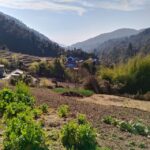
Why this day is important: it’s the first real contact with the terrain and the local villages along the route. You start seeing how the trail changes with altitude—first more gentle village paths, then more forested sections as you climb. It is also when you learn what your pace feels like. Go steady. Save energy for Deurali and Base Camp.
You’ll stay in a tourist-standard lodge. Expect basic comfort, not luxury. The upside is that lodge stays let you focus on walking and resting instead of chasing complicated accommodation options.
Day 2: Lower Sinuwa → Deurali (3,200m) for 6 hours
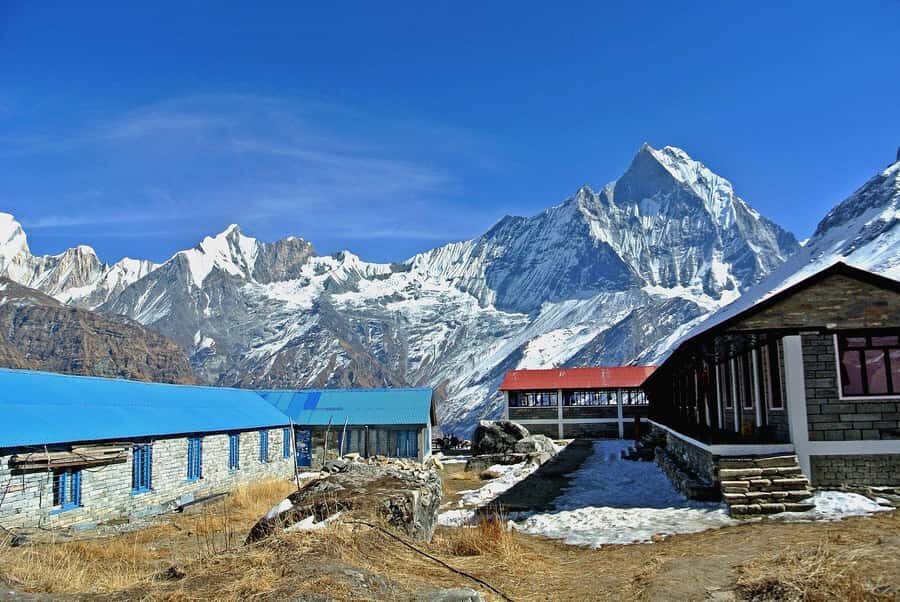
On Day 2 you climb again, reaching Deurali at about 3,200m. The hike is longer—around 6 hours—so it’s a good day to practice controlled breathing and small breaks.
What you’ll notice: the air gets thinner and the trail tends to feel more effort-per-step. This is where having a guide you can trust matters. People doing this trek often remember the calm, practical leadership more than anything else—things like pacing you at your level, keeping you on track, and watching for early signs that someone is overreaching.
This is also a day where cultural details start to feel less like scenery and more like everyday life. You’ll pass through traditional settlements (including Gurung communities in this region), and you’ll likely see how tea houses and lodge life support trekkers and locals at the same time.
Day 3: Deurali → Annapurna Base Camp via Machhapuchhre Base Camp (4,130m)
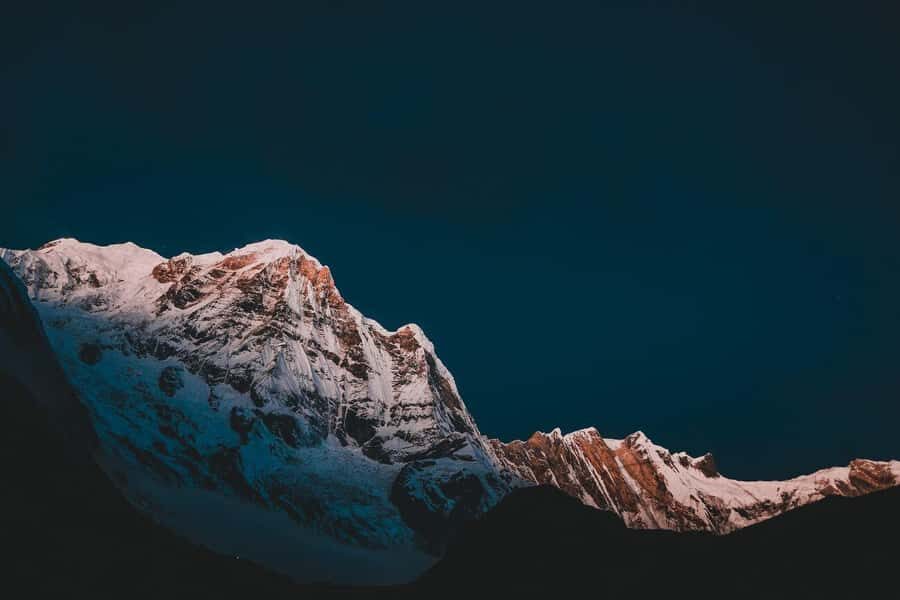
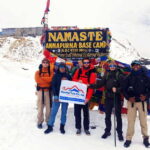
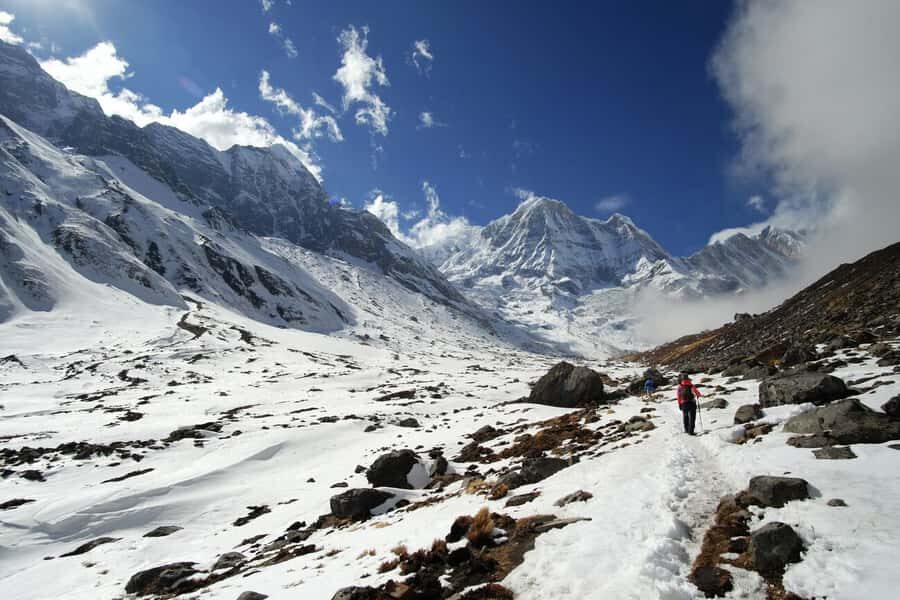
Day 3 is the big summit-style day, even though you’re not doing a technical climb. You hike for about 4 hours from Deurali to Annapurna Base Camp at roughly 4,130m, and the route goes via Machhapuchhre Base Camp.
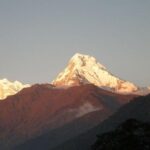
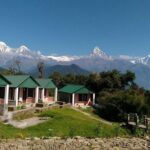
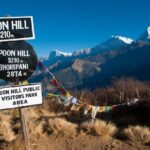
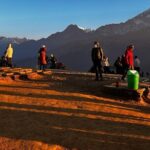
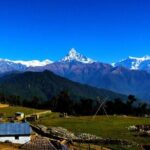
This is where you feel the payoff of the trek. At Base Camp, the Annapurna massif views are the headline, and Machhapuchhre (the Fishtail) tends to be one of the peaks trekkers remember most. Hiunchuli is also part of the iconic panorama you’re moving toward.
But here’s a reality check that’s worth taking seriously: weather changes visibility fast. Clear windows can happen, while clouds can temporarily erase mountain outlines. If you’re going in monsoon months, you should expect potential leech issues and reduced views. The practical move is to dress for it (ponchos and waterproof footwear help) and let your guide handle the “how do we make the most of this” decisions.
Cold is also part of the deal near Base Camp. Layers matter, and so does taking short breaks to warm up. Your schedule is tight enough that you don’t want to waste time, but you don’t want to rush either.
Day 4: Explore Annapurna Base Camp, then trek down to Bamboo (2,400m)
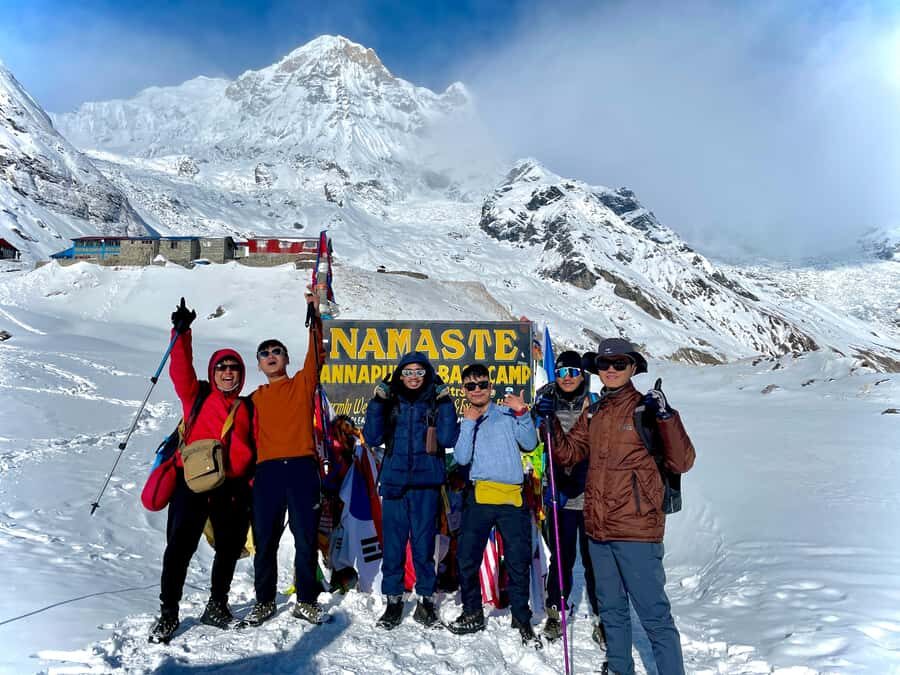
Day 4 starts at Base Camp. You’ll have guided time to explore the area, then hike down toward Bamboo at around 2,400m for about 6 hours.
Why Day 4 feels different: you’re not only walking—you’re processing what you’ve reached. This is also your best “recovery” day, because moving down reduces altitude stress even if the hike time stays long.
Watch your knees on the descent. Trekking downhill is harder than it looks because it loads the legs every step. Your guide can help you manage pacing, and this is where optional support like a porter can make a noticeable difference if you’re feeling the weight and the fatigue.
If you’re a camera person, this day is often where you slow down a bit for photos and take in the views when the air is clear.
A few more Pokhara tours and experiences worth a look
Day 5: Bamboo → Jhinu hot springs, then drive back to Pokhara
The final day brings you back toward Jhinu and your natural hot springs stop. You’ll trek from Bamboo to Jhinu and then drive back to Pokhara. The full day is about 6 hours, and the altitude drops dramatically down to roughly 822m.
This is one of the smartest end-of-trek design choices you can make. Hot springs are not magic, but they help with that heavy-leg feeling. After several days of climbing and descending, soaking in warm water is a practical way to recover before a travel day.
You’ll finish with drop-off in Pokhara (Lakeside), which keeps the travel smoother instead of forcing you to find your own ride after a long walk.
The views: what to expect from Annapurna’s high country
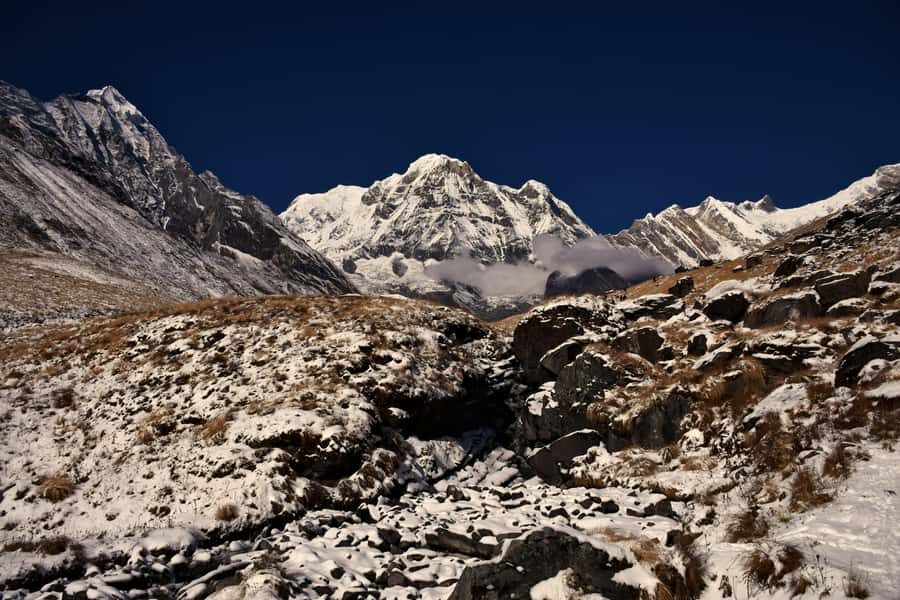
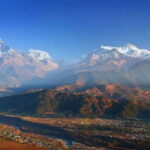
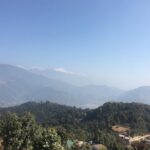
This trek is built around a simple promise: walk into the Annapurna massif and see it from close range. At 4,130m, the air is crisp, and on clear days the peaks can look sharp and close.
Just remember that the Annapurna region is weather-sensitive. If the sky is cooperative—especially in drier seasons—you can get those “everything is visible” moments. If clouds move in, you might get shorter view windows instead of a constant panorama. I treat that as part of the experience, not a failure. Your job is to stay warm, pace yourself, and be ready for the sky to clear.
Value for $171: what you truly get (and what costs extra)
Price matters, but what matters more is how the money turns into less hassle on the trail.
For about $171 per person, you get:
- Private accommodation on tourist-standard lodge (not camping)
- Hotel pickup and drop-off around Lakeside Pokhara (or airport) by car
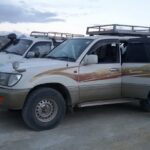
- A sharing jeep to Jhinu and back
- ACAP permit plus government permits, TIMS, and taxes covered
- A professional English-speaking trekking guide (guide logistics, insurance, salary, and equipment are handled)
- First aid kit support
- Optional trek-gear extras if required (duffel bag/trekking poles/trekking bag)
- Luggage storage in Pokhara during the trek
What is not included:
- All meals (you buy them at tea houses)
- Personal expenses
- Porter is optional at $15 per day
So the value equation looks like this: you pay a fair rate for guide leadership, permits, transportation, and lodge stays. You pay additional day-to-day costs for food if you choose to eat on-site. For most people, that trade is worth it—especially when the trail is demanding and you want someone else handling permits and route logistics.
Guides and pace: why short treks rely on good leadership
On a 5-day Annapurna Base Camp trek, you do not have many “buffer days.” That means guide decisions matter—where you rest, how you pace, and how you handle altitude stress.
From real guide behavior that shows up repeatedly on this route, you can expect support like:
- encouraging you to hike at your own pace instead of matching the fastest person
- helping when someone feels altitude sickness coming on, including offering basic meds and alternatives
- stepping in with practical help like carrying heavier items when needed
- sharing culture and trail context so the walk feels meaningful, not just strenuous
You may hear names like Deepak, Paras, Hari, Sushil, Basanta, and Narayan tied to great experiences. The point isn’t the celebrity—it’s the pattern: good guides create confidence, and confidence keeps you safer.
Porters, if you hire one, can turn a tough day into a manageable one. The porter option is $15/day, and teams often pair porters with guides to make steep sections feel less punishing.
Gear and season tips you should not skip
The tour info is simple about what you must have: bring a passport or ID card (a copy is accepted) and wear comfortable shoes.
For what tends to make a real difference on this trail:
- If you go in wetter months, ponchos and waterproof footwear help with rain and trail mess.
- If leeches are present, your guide can help manage it quickly and calmly.
- Trekking poles can be useful, and the tour can provide poles/gear if you need them.
Also, treat cold seriously. Even if you start warm, it can turn quickly at higher elevations. Pack with the assumption that Base Camp can feel chilly even when the lower trail feels fine.
Who this trek fits—and who should pass
This is a challenging 5-day trek, but it is designed to be achievable with good pacing and a guide you can trust. It suits you if:
- you’re comfortable walking 4–6 hours per day
- you want a true high-mountain goal without spending weeks
- you want a guided experience that handles permits and accommodation
It is not suitable for pregnant women.
If you’re a first-time trekker, you can still do it. What you cannot do is treat it like a casual stroll. The altitude and cold add a layer of effort, and the best way to succeed is to follow your guide’s pace advice and take rest when it’s offered.
Should you book this Annapurna Base Camp package?
I’d book this if you want a short, well-run Annapurna Base Camp trek from Pokhara with permits handled, lodge stays included, and a route that reaches Base Camp in five days with a Jhinu hot spring finish. The value is strongest if you appreciate structure—knowing where you sleep, what you’re walking toward, and who’s watching the important details.
I’d hesitate if you hate cold and long hikes, or if you’re looking for a fully self-guided adventure with no support. This trek earns its magic through effort and leadership, not through comfort alone.
If you want a memorable Annapurna intro without the planning headache, this is a solid choice.
FAQ
Where do I get picked up in Pokhara?
Pickup is included from any hotel in Lakeside Pokhara and from the airport by car.
How long is the trek?
The total duration is 5 days, including trekking and the return drive to Pokhara.
What is the highest altitude on this itinerary?
The highest point is Annapurna Base Camp at about 4,130 meters.
Do I get to visit the natural hot springs?
Yes. On the way back to Pokhara, you stop at Jhinu for the natural hot spring.
Are meals included in the price?
No. All meals are not included, but you can purchase meals along the way at tea houses.
Is a porter included?
Porters are not included. A porter is optional for $15 per day.
What permits are covered?
Annapurna Conservation Area (ACAP) permit and government permits, TIMS, and taxes are included.
What language is the guide?
The trekking guide provides service in English.
Is the trek suitable for pregnant women?
No, it is not suitable for pregnant women.