REVIEW · KATHMANDU
Kathmandu Heritage Walk | Heritage Walk of Kathmandu
Book on GetYourGuide →Operated by Breakfree Adventures Pvt. Ltd. · Bookable on GetYourGuide
Kathmandu clicks faster on foot. I like the immediate energy of Thamel and the quiet reset at Shanti Bihar Stupa, all packed into a 3.5-hour walk with a certified guide. You’re not just passing sights; you’re seeing how people actually move through this part of the city.
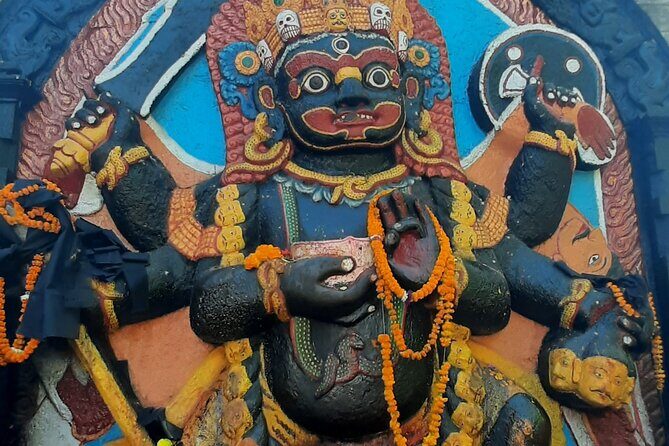
Along the way, you’ll hit Akash Bhairab Temple in Indrachowk and browse Kathmandu’s craft scene at Gold Souq. One catch: the route does not include UNESCO World Heritage sites, so it’s better for offbeat culture than for a strict UNESCO checklist.
In This Review
- Key things to know before you go
- Where the Heritage Walk starts in Thamel (Breakfree Adventures by Everest Bank)
- Thamel first: shops, eateries, and how you get your bearings
- Tahiti neighborhood: a shift in feel and architecture
- Shanti Bihar Stupa: a calm pause when the city gets loud
- Indrachowk temples: Akash Bhairab and the sacred street energy
- Gold Souq, Sankata, Mahankal Bhairab, and Bhotahiti’s local life
- Annapurna Temple and the final market back in Thamel
- How the 3.5 hours works: pace, private group, and guide style
- Price and value: what you pay for in this $40 walk
- What to bring and how to get the most out of it
- Should you book the Kathmandu Heritage Walk?
- FAQ
- What is the meeting point?
- How long is the Kathmandu Heritage Walk?
- Is this a private tour?
- What is included in the $40 price?
- Are UNESCO World Heritage sites included?
- Does the price include transportation?
- What language is the guide?
- What should I bring?
- Who is the tour not suitable for?
- What’s the cancellation policy?
Key things to know before you go
- Private group format with an English live guide, so the experience can feel less rushed and more personal.
- Starting point matters: tours begin at Breakfree Adventures in Thamel, in front of Everest Bank Limited.
- Shanti Bihar Stupa gives you a real pause from city noise—useful if you need a breather.
- Central temples and markets are the theme, including Akash Bhairab, Sankata, Mahankal Bhairab, and Annapurna.
- You’ll walk a fair amount for 3.5 hours, with comfortable shoes doing most of the heavy lifting.
Where the Heritage Walk starts in Thamel (Breakfree Adventures by Everest Bank)
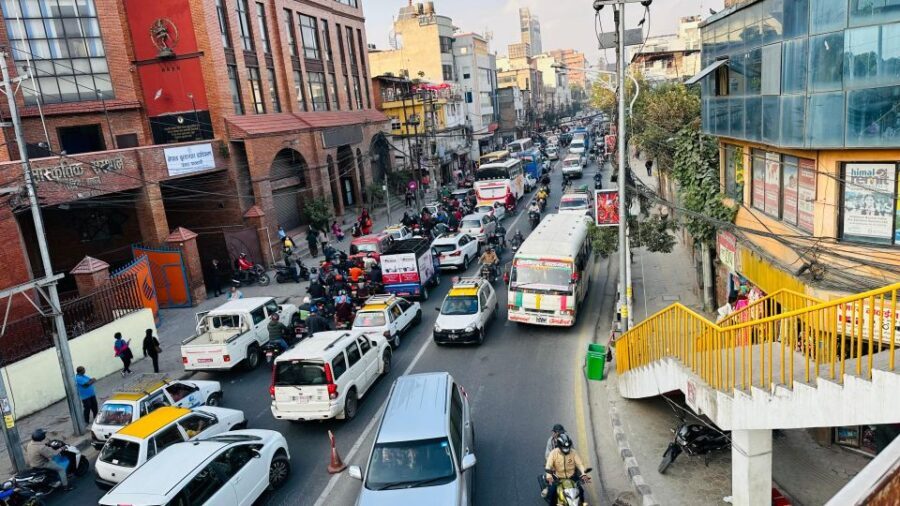
Your day begins at the Breakfree Adventures entrance, right in Thamel, in front of Everest Bank Limited. This is a practical choice: Thamel is full of guesthouses, travel shops, and quick snack stops, so it’s easy to reach before you start and easy to return to at the end.
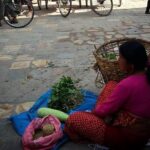
Also, starting in Thamel shapes the whole vibe. You get the street-level Kathmandu first—vendors, small storefronts, and people going about their day—before you head into more solemn temple spaces. It’s a good way to get your bearings fast, especially if it’s your first day in town.
You can also read our reviews of more walking tours in Kathmandu

Thamel first: shops, eateries, and how you get your bearings
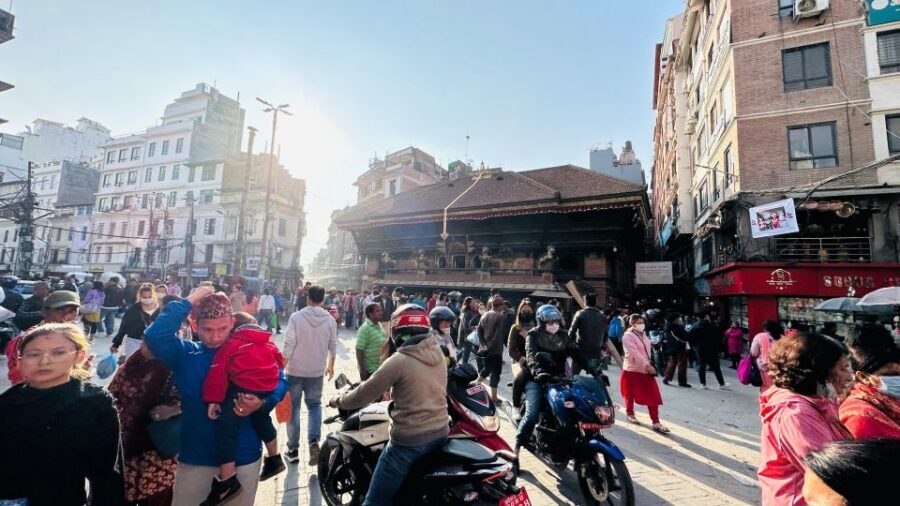
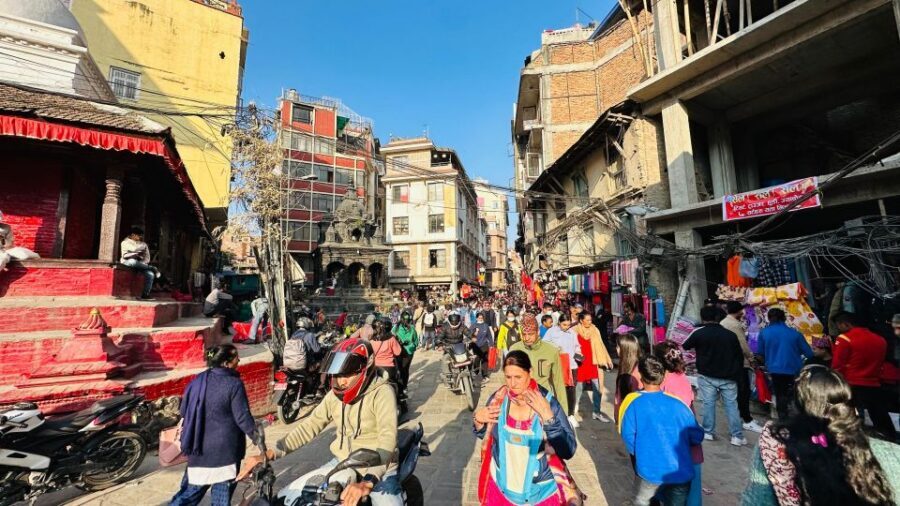
The walk begins with a look around Thamel’s lively streets. You’ll pass a mix of souvenir shops, small stores, and places to grab a bite—useful if you want to understand what Thamel sells and how the neighborhood works.
I like that this part of the route isn’t just random wandering. It sets context: when you later see shrines and specialty markets, you’ll understand the city as a system, not separate photo stops. If you’re the type who likes to know where you are and why things are where they are, this opening stretch helps.
One practical note: Thamel can be busy, so keep your attention on where you’re walking and where your group is moving. The streets are active, and it’s easy to get distracted by shop signs and doorways.
Tahiti neighborhood: a shift in feel and architecture
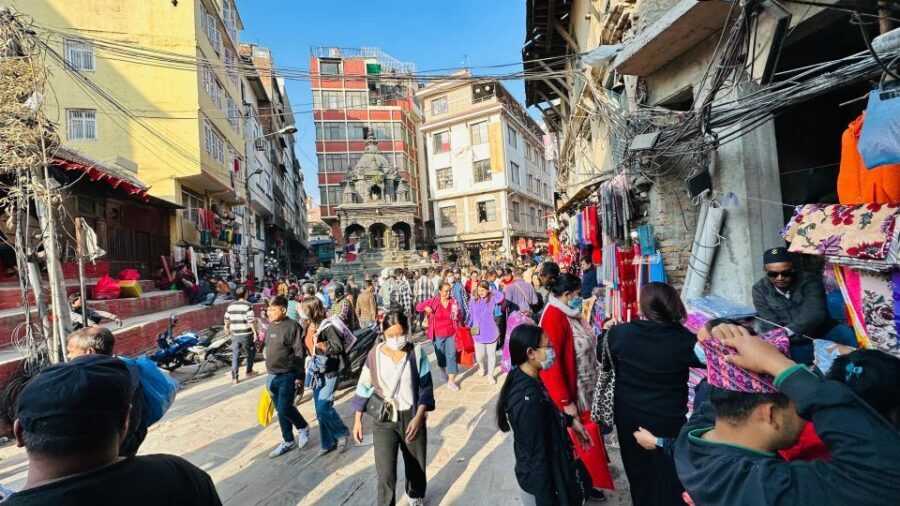
Next comes Tahiti, a smaller enclave where traditional architecture and modern city life meet. The value here is not a single monument—it’s the change in scenery and tempo as you move from the core shopping area into a more neighborhood-style Kathmandu.
This stop is great for photos, but even better for what it teaches you: Kathmandu isn’t one uniform “tourist zone.” Within a short distance, you can feel differences in building styles, street character, and daily rhythms. It’s the kind of contrast that makes a heritage walk feel real.
If you prefer your sightseeing to include texture—walls, courtyards, street corners—Tahiti delivers that.
Shanti Bihar Stupa: a calm pause when the city gets loud
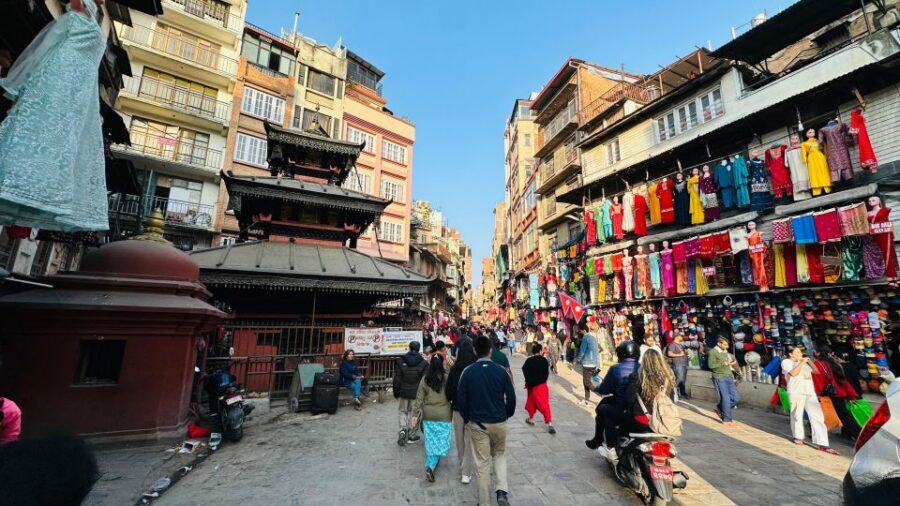
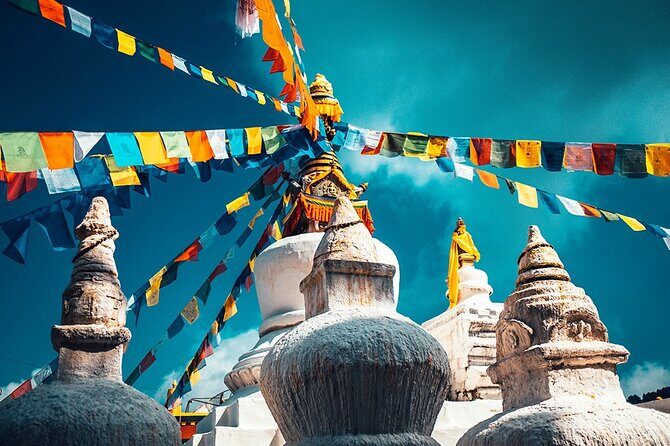
Then you reach the Shanti Bihar Stupa, a peaceful spot that works like a reset button. In a city where noise and motion never fully stop, having a quieter moment is a smart design choice for a 3.5-hour tour.
What I appreciate most is how this stop breaks up the day. Temples can be spiritually intense, and markets can be visually intense. Shanti Bihar gives you space to slow down, look around, and take the city in without feeling like you’re constantly on alert.
You’ll likely find it easier to enjoy the next religious stops because you’re not going from one high-energy place to another back-to-back.
Indrachowk temples: Akash Bhairab and the sacred street energy
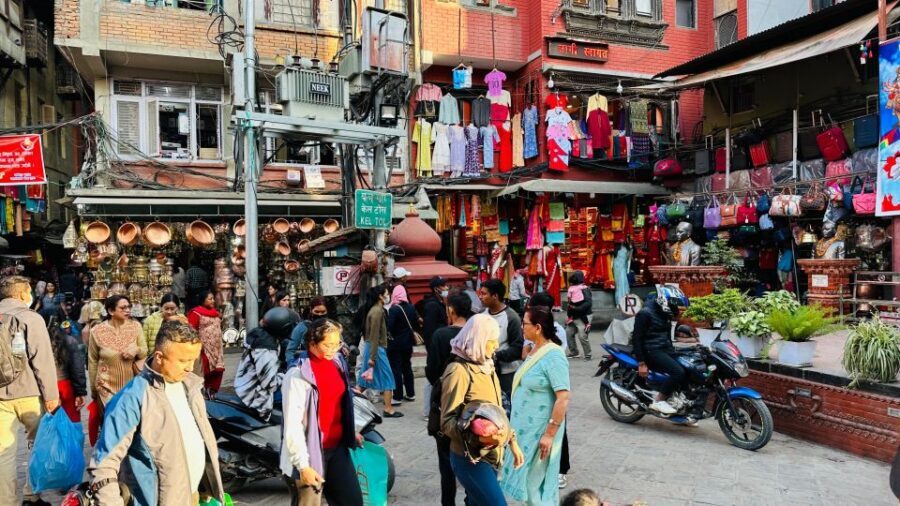
In Indrachowk, the focus turns to religion and local devotion, starting with Akash Bhairab Temple. This is one of those places where the atmosphere around a site matters as much as the building itself—people are there for worship, not sightseeing.
A couple of practical reasons this stop feels valuable:
- You get to experience temple spaces in a central, real-world setting.
- You see how a sacred site fits into everyday street life.
From the experience style shared by guides such as Martin and Madan, the explanation side matters too. They’re praised for keeping things clear and efficient, and for setting a pace that works well for seniors. That combination helps you understand what you’re seeing without dragging the route.
You can also read our reviews of more historical tours in Kathmandu




Gold Souq, Sankata, Mahankal Bhairab, and Bhotahiti’s local life
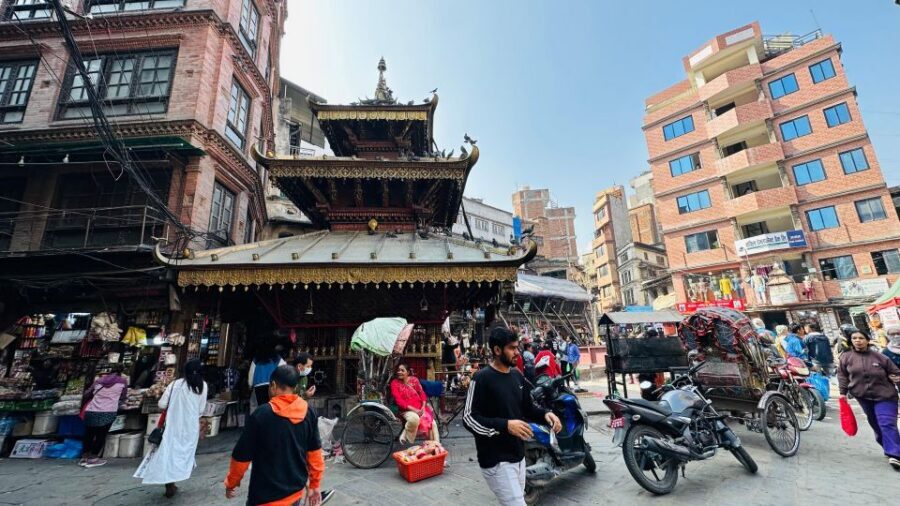
After Indrachowk, the route moves into Gold Souq, where you’ll see craftsmanship and specialty work that’s part of Kathmandu’s daily economy. This stop is a good counterbalance to temples. Instead of worship space, you’re in a world of making, buying, and trading—still cultural, just more hands-on.
Then you continue to Sankata Temple and Mahankal Bhairab. These are the kinds of stops that add layers to the walk: religious sites with strong local meaning, close enough to each other that you can understand how the spiritual map of central Kathmandu connects.
You’ll also pass through Bhotahiti, a locale known for local flavor. This is where the walk starts to feel like a lived-in Kathmandu route, not a set of staged attractions. If you enjoy watching how neighborhoods function—who’s out, what people are doing, what streets feel like—you’ll get a lot from Bhotahiti.
Annapurna Temple and the final market back in Thamel
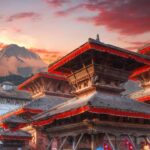
Near the end, you reach Annapurna Temple, described as a cultural marvel in the city center. The architectural element is part of the draw here, but again, the bigger win is how central it feels. This is not a far-off detour. It’s part of the city’s everyday spiritual landscape.
The tour wraps with a stop at a lively local market before returning to Thamel. I like this ending for a simple reason: it gives you a place to decompress and decide what you want to do after the walk—snack, shop, or head back to your guesthouse without needing to figure out a new route.
If you’re hungry, plan for that market moment. Meals aren’t included, so this last stop can easily become your dinner warm-up.
How the 3.5 hours works: pace, private group, and guide style
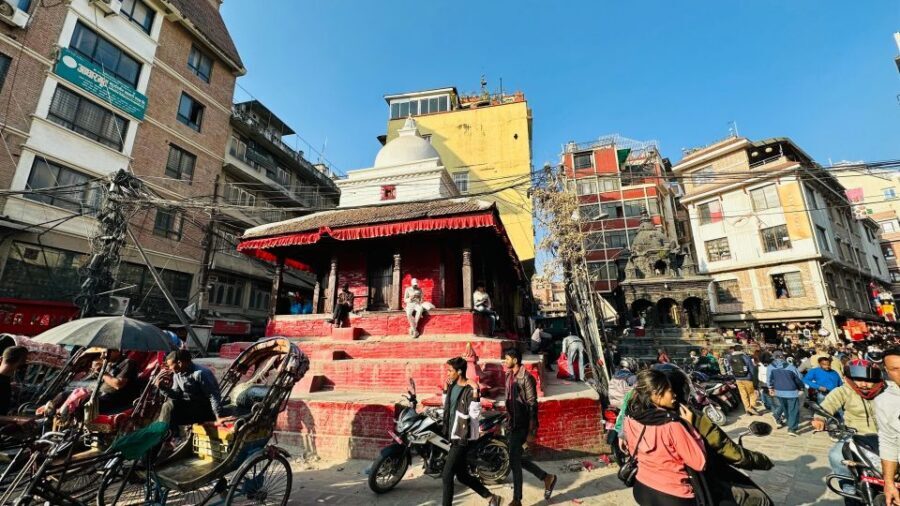
This is a 3.5-hour private group heritage walk. Private matters here because you’re not stuck in a large crowd moving like a school bus. It’s easier to ask questions and keep your timing smoother.
The route is designed to cover multiple stops without making the day feel like a forced march. Guides Martin and Madan have been praised for setting a pace that covers good ground without being too strenuous for seniors, and for running the time efficiently.
That said, do be realistic about what “walking tour” means in Kathmandu. The streets are active, and you’ll spend time on foot between cultural sites. If you’re someone who prefers short outings, consider whether 3.5 hours on uneven sidewalks and stairs (where they appear) is your comfort zone.
Price and value: what you pay for in this $40 walk
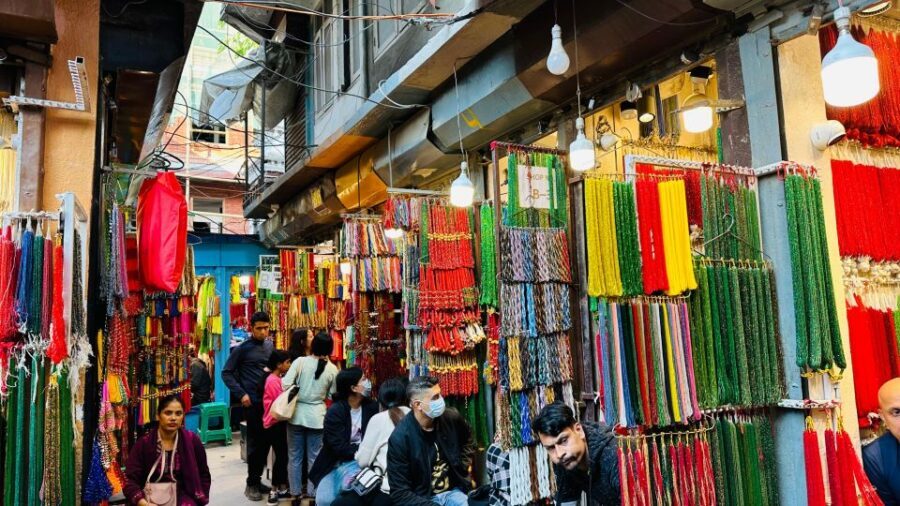
The price is $40 per person, for a 3.5-hour tour with:
- a government certified guide
- 1000ml mineral water
- service charge
Transportation and meals are not included, so your real cost depends on how you get to Thamel and what you eat after. But here’s where the value calculation makes sense: you’re paying for an efficient, guided route through central Kathmandu, with the guide taking care of the order of stops and on-the-ground context.
If you’ve ever hired a guide plus added taxis between sites, you know costs can rise fast. This tour keeps things simple by focusing on a walking route that starts and ends in Thamel.
So for the price, it’s best viewed as a culture-focused orientation day: you get structure, context, and a guided route that saves you time.
What to bring and how to get the most out of it
Bring comfortable shoes first. This is the item that will make or break your comfort.
Also pack:
- umbrella (weather changes happen)
- camera
- comfortable clothes
- passport
- a face mask or protective covering (as listed)
If you like taking photos at temples, keep your camera accessible but not in your hand while walking through crowds. And if you’re sensitive to crowds, keep your focus on the guide and the path—Thamel and market areas can get busy.
One more thing: the tour is in English and uses a live guide, so if you have questions about what you’re seeing—temple names, local traditions, or what a neighborhood is known for—this is the time to ask.
Should you book the Kathmandu Heritage Walk?
I’d book it if you want a central, culture-first walking day that mixes temples with local markets and you’re not chasing UNESCO stamps. It’s also a strong fit for a first-timer who wants a clearer mental map of Kathmandu beyond the typical highlights.
I’d think twice if UNESCO World Heritage sites are your non-negotiable goal, because they’re not part of this route. And if you’re over the listed age limits or have mobility constraints (including wheelchair use or pregnancy), this may not match your needs.
If you fit the walking style and want a guide-led understanding of everyday Kathmandu, this is a solid, good-value way to spend a half day.
FAQ
What is the meeting point?
The tour starts at the Breakfree Adventures entrance, in front of Everest Bank Limited in Thamel.
How long is the Kathmandu Heritage Walk?
It lasts about 3.5 hours.
Is this a private tour?
Yes. It’s listed as a private group.
What is included in the $40 price?
A government certified guide, 1000ml mineral water, and service charge.
Are UNESCO World Heritage sites included?
No. UNESCO World Heritage sites are not included in this tour.
Does the price include transportation?
No. Transportation is not included if you need it.
What language is the guide?
The live tour guide is English.
What should I bring?
You should bring a passport, comfortable shoes, an umbrella, a camera, comfortable clothes, and a face mask or protective covering.
Who is the tour not suitable for?
It’s not suitable for pregnant women, wheelchair users, babies under 1 year, people over 95 years, and people over 70 years.
What’s the cancellation policy?
You can cancel up to 24 hours in advance for a full refund.