REVIEW · KATHMANDU
Kathmandu 7 UNESCO World Heritage Sites – 2 Days Private Tour
Book on Viator →Operated by Attractive Travels and Tours Pvt. Ltd. · Bookable on Viator
Seven UNESCO stops, two days, one plan.
This private Kathmandu Valley route strings together the big names you came for—Swayambhunath to Pashupatinath—with smart timing and pickup so you spend less energy on logistics and more on the sights.
I really like the people angle: your guide is English-speaking, and in past tours I’ve seen how much that matters when you’re trying to understand what you’re looking at (and where to stand for the best views). I also like that the tour includes a Thanka Painting School visit, so you get more than stone and temples.
One thing to consider: UNESCO entrance fees for several stops are not included, so your final cost will be a bit higher than the base price. Also, some sites get shorter visits, so if you want slow wandering, you’ll need to plan extra time.
In This Review
- Key highlights worth knowing
- How this 2-day UNESCO route works (and why it’s efficient)
- Day 1: Monkey Temple to Durbar Square to two major stupas
- Stop 1: Swayambhunath Stupa (Monkey Temple)
- Stop 2: Kathmandu Durbar Square
- Stop 3: Boudhanath Stupa
- Stop 4: Pashupatinath Temple and the Bagmati River
- Day 2: Patan and Bhaktapur Durbar Squares, plus Changu Narayan’s older roots
- Stop 1: Patan Durbar Square (city of fine arts)
- Stop 2: Bhaktapur Durbar Square (55-Window Palace area)
- Stop 3: Changu Narayan Temple
- The private guide factor: where the value really comes from
- Thanka Painting School: a cultural stop that isn’t just extra time
- Price and budgeting: what $115 covers (and what to plan for)
- Who this tour fits best (and who should adjust expectations)
- Quick practical advice before you go
- Should you book Kathmandu 7 UNESCO World Heritage Sites in 2 Days?
- FAQ
- How long is the Kathmandu 7 UNESCO World Heritage Sites private tour?
- Is this a private tour?
- Do you offer pickup?
- What is included in the price?
- Are UNESCO entrance fees included?
- Which UNESCO sites are visited during the tour?
- Is Swayambhunath admission free?
- Is the tour available in one day or two days?
- What should I budget for in addition to the tour price?
- What happens if the weather is poor?
Key highlights worth knowing
- Private car + pickup to cut down on Kathmandu Valley routing headaches
- Seven UNESCO World Heritage sites in 2 days across Kathmandu Valley
- Swayambhunath included with free admission (great start, early views possible)
- Pashupatinath on the Bagmati River for a powerful look at Hindu cremation traditions (respectfully)
- Thanka Painting School stop to connect the art to what you’ll see on your temples
- Prakash as a standout guide in reviews for helpfulness and great photo angles
How this 2-day UNESCO route works (and why it’s efficient)
If you’re short on time, this tour is built for focus. Instead of bouncing around on your own, you follow a set path that hits major Kathmandu Valley heritage sites over two days. The big win is simple: you get a private guide and private transportation, which makes the route feel controllable even when traffic and crowds are doing their usual Kathmandu thing.
You’re also not stuck with only temples. The inclusion of a Thanka Painting School adds a practical cultural layer. It helps you connect religious art to the symbols and styles you’ll see carved, painted, and repeated around the UNESCO sites.
The pacing is “see it, understand it, move on.” That’s ideal for most first-timers, but it does mean you won’t have hours at every spot. Think of it as a guided highlights package—then you can come back later for slower, deeper visits.
You can also read our reviews of more private tours in Kathmandu
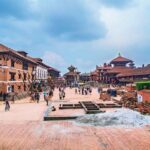
Day 1: Monkey Temple to Durbar Square to two major stupas
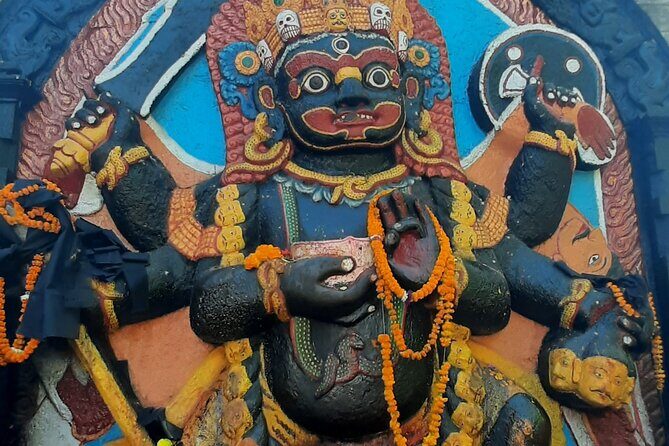
Stop 1: Swayambhunath Stupa (Monkey Temple)
Day one begins at Swayambhunath, the Stupa on a hill sometimes called the Monkey Temple. The visit is listed at about one hour, and the admission ticket is free. That matters because this is a smart “warm-up stop” where you can get oriented fast.
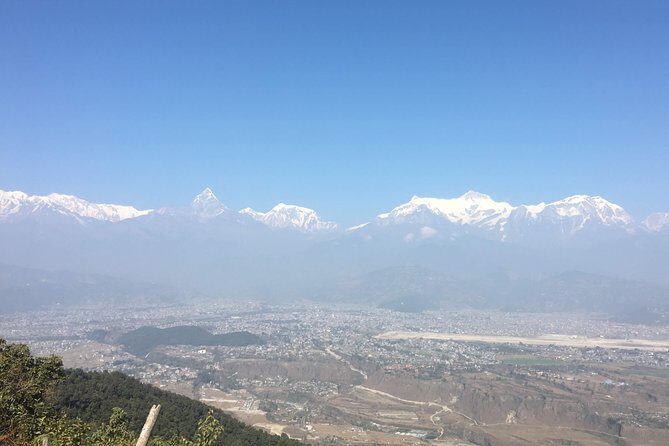
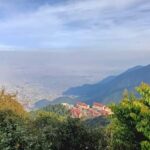
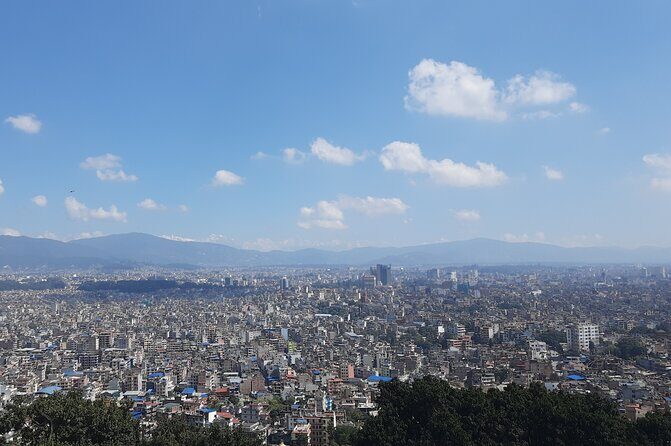
What makes Swayambhunath special is the way the hill position gives you big Kathmandu Valley views. You’ll also notice how animal life and sacred space overlap here. Keep your belongings secure and expect monkeys to treat your snacks like they’re invited guests.
Practical tip: if the weather is clear, this is the best time for sweeping views. If clouds roll in, it’s still worth it, but your photo results might be softer.
Stop 2: Kathmandu Durbar Square
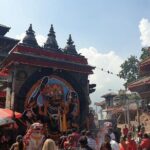
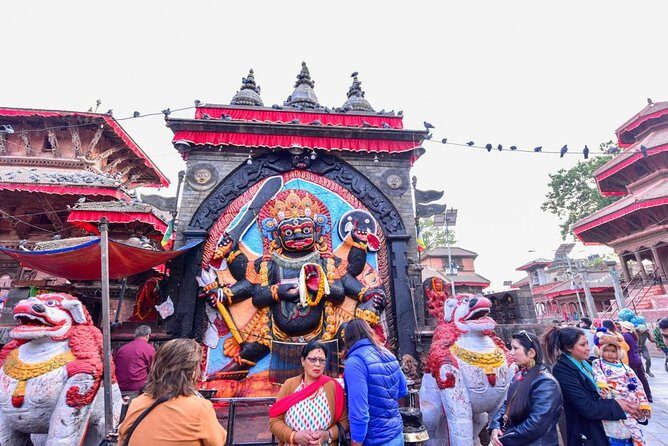
Next comes Kathmandu Durbar Square, a UNESCO site centered around the old royal palace complex. You’ll see the nine-story palace structure, the Kumari Goddess Temple, and multiple temples packed into one historic footprint. Admission is not included, and the scheduled time is about one hour.
This stop is where the tour turns from “landmark views” to “politics, royalty, and religion in one place.” If you like architecture details—window shapes, temple tiers, carved stone—this is a strong match.
Possible drawback: one hour can feel short if you want to photograph every corner or stop for long explanations. With a good guide, though, you’ll still leave with a clear sense of why the palace area mattered.
Stop 3: Boudhanath Stupa
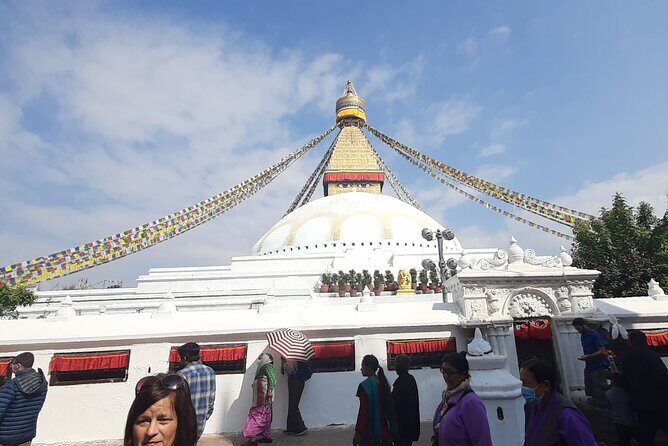
Then you head to Boudhanath Stupa, described as Nepal’s biggest Buddhist temple and one of the largest in the world. You get about 30 minutes here, and entrance fees are not included.
Even with a short time slot, Boudhanath hits hard. The stupa’s scale makes it feel like you’ve entered a different tempo. You may notice people walking the surrounding path, and the whole area has that quiet-but-busy devotional energy.
Consideration: 30 minutes is just enough for first impressions. If you’re the type who can sit and watch rituals for a long time, you’ll want to add extra time on a later day.
You can also read our reviews of more historical tours in Kathmandu
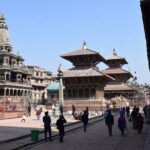
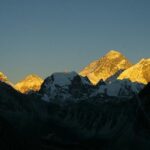
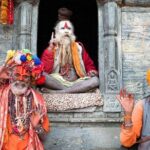
Stop 4: Pashupatinath Temple and the Bagmati River
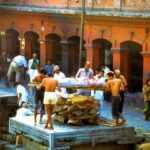
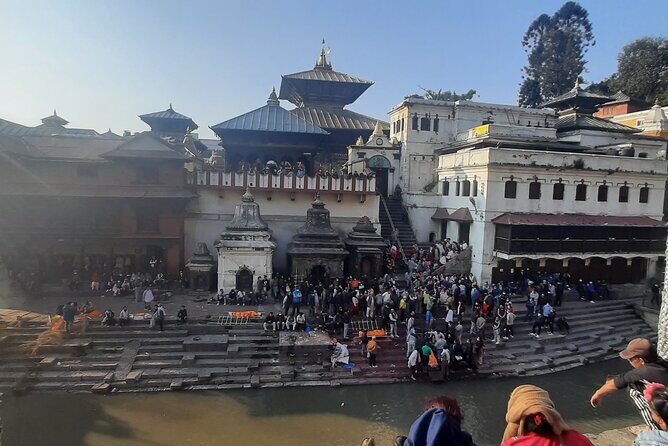
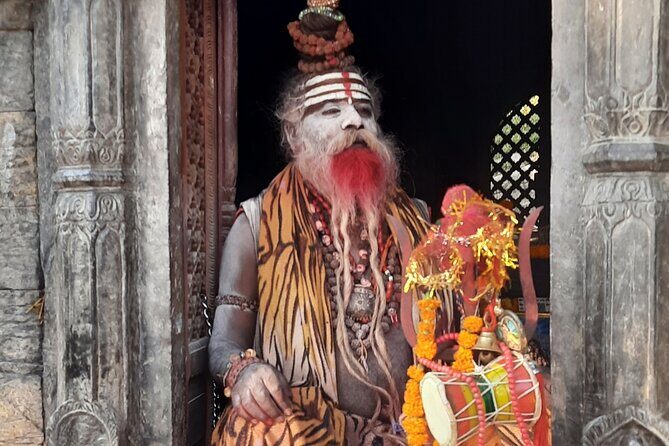
Day one ends at Pashupatinath Temple, one of the most important Hindu temples devoted to Lord Shiva. It’s right by the Bagmati River, and the description notes you might get a chance to see Hindu open cremation ceremonies along the riverbank.
This is the stop that can feel intense if you’ve never seen a cremation ritual up close. The key is respect. Keep your voice low, follow your guide’s instructions, and remember this isn’t a “show”—it’s a working religious tradition.
What I like about how this tour includes it: you’re not just looking at a temple. You’re learning how the site functions in everyday spiritual life, right where the river meets the sacred space. That’s the kind of context you miss when you only travel by photo list.
Day 2: Patan and Bhaktapur Durbar Squares, plus Changu Narayan’s older roots
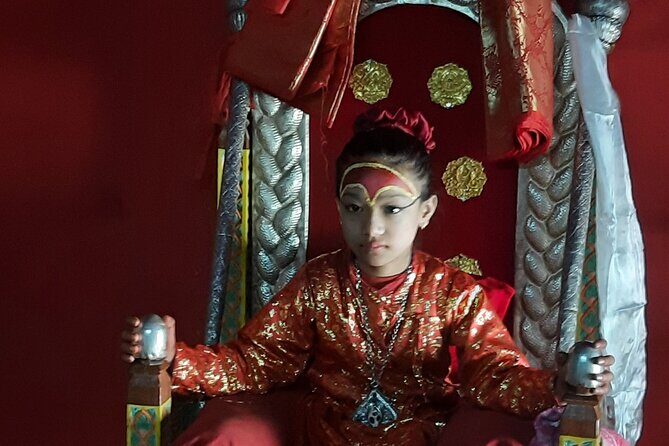
Stop 1: Patan Durbar Square (city of fine arts)
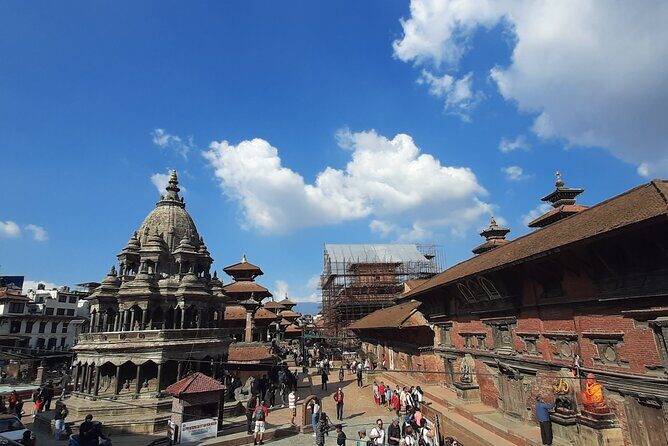
On day two, you start in Patan Durbar Square. Patan is often known as a city of fine arts, and your visit is scheduled for about two hours, which is good because Patan’s details reward time.
Admission is not included. But the structure of the visit—temples and monuments around an ancient royal palace turned into a museum-like space—helps you connect art forms to the buildings themselves.
If you enjoy craftsmanship, you’ll appreciate how the architecture feels “designed,” not just built. This is a good day-two stop because you’ll have enough energy left to notice the textures, carvings, and layout.
Stop 2: Bhaktapur Durbar Square (55-Window Palace area)
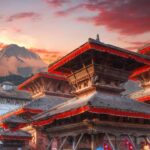
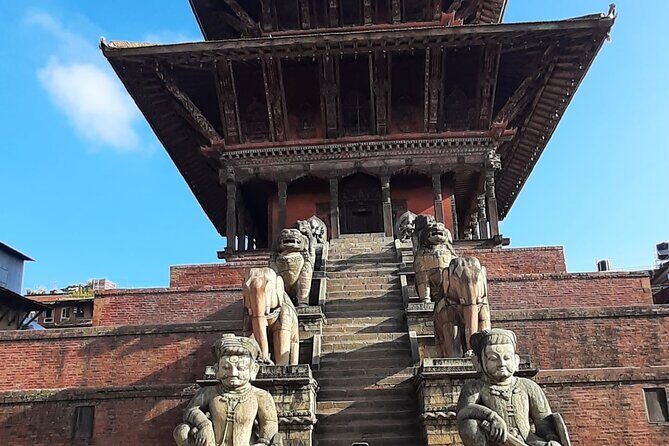
Next is Bhaktapur Durbar Square, where the tour highlights the showpieces of art and architecture, including the famous 55-Window Palace area. You’ll also see pagodas and Shikhara-style temples, plus guardian divinities positioned in shrines.
The scheduled time is about one hour, which is manageable, especially with a guide pointing out the key spots. Even in that short block, Bhaktapur can feel like a concentrated art lesson: stone, wood, brick, and religious symbols all mixed together.
Small caution: Bhaktapur can involve uneven surfaces and steps. Wear shoes that handle Kathmandu-style sidewalks, not just polished hotel floors.
Stop 3: Changu Narayan Temple
Finally, you visit Changu Narayan Temple, noted as built in the 7th century and described as the oldest temple in Kathmandu Valley. Your time here is about one hour, and entrance fees are not included.
This stop is a good way to end the tour because it shifts your attention from the big square complexes to a more ancient temple setting. The tour also suggests you’ll have time to explore local settlements around the temple area and along the route toward Nagarkot, which can be a nice change from only palace courtyards.
If you’re someone who likes “old-to-older” sequencing—newer monuments on day one, deeper roots on day two—this finish makes sense.
The private guide factor: where the value really comes from
The advertised value is not only the car and the schedule. It’s the guide doing the translation work—turning a collection of buildings into meaningful places.
One reviewer specifically praised a guide named Prakash for being helpful, knowing a lot, and being good with photos. Another review called the owner fair and professional, and that kind of service reputation matters when you’re moving between sacred sites, ticket rules, and crowds.
Here’s what I’d watch for in your guide during the tour:
- Clear explanations of what each UNESCO site represents
- Help finding good viewing angles without wasting time
- Practical guidance for respectful behavior at Hindu and Buddhist sites
With a private setup, you can ask small questions on the spot. That’s the difference between “I saw it” and “I understood it.”
Thanka Painting School: a cultural stop that isn’t just extra time
This tour includes a Thanka Painting School. The exact timing isn’t spelled out, so you should treat it as a scheduled cultural stop rather than an optional detour.
Why it’s worth it: when you later look at Buddhist and Hindu iconography in the temples and stupas, you’ll have a reference point for how religious art is created and taught. Even if you don’t paint a masterpiece, seeing how the craft works adds context that photos alone can’t give.
Tip: If you’re planning to buy artwork, ask your guide how pricing typically works before you commit. The goal isn’t to overshop—it’s to connect the art to what you’ve been seeing.
Price and budgeting: what $115 covers (and what to plan for)
At $115 per person, the tour includes:
- A professional English-speaking tour guide
- Private transportation
- The Thanka Painting School stop
It does not include:
- Tips to guide and driver
- Entrance fees for UNESCO sites
You should expect that your final spend will be higher once you add UNESCO entrance tickets. The itinerary mentions at least one stop with free admission (Swayambhunath), but several other major sites list admission as not included.
So is it good value? For most people, yes—because you’re paying for privacy and for a guided route through seven major UNESCO locations in about two days. If you tried to DIY this on your own, you’d likely spend time coordinating transport, buying tickets, and figuring out the best order.
Who this tour fits best (and who should adjust expectations)
This is a strong fit if:
- You want to cover the headline UNESCO sites in two days
- You value private logistics over public transport planning
- You like getting clear explanations as you go
- You want a bit of culture beyond temples via the Thanka Painting School
It may not be ideal if:
- You want slow pacing and long unhurried time at every monument
- You dislike crowds or quick transitions between sites
- You have very limited mobility (temples and squares can involve steps and uneven ground)
If you care about photography, the tour’s guided approach can help you get better angles without running off on your own—especially with a guide like Prakash, who’s been praised for photos.
Quick practical advice before you go
- Dress respectfully. Temples and sacred zones usually mean covered shoulders and knees. If you’re unsure, pack something light you can adjust.
- Expect stairs and uneven paths. Comfortable walking shoes matter more than you think.
- Bring cash for entrance fees and for tipping. Ticket rules can be different from site to site.
- Start early. The route is structured to make daylight count across multiple locations.
Should you book Kathmandu 7 UNESCO World Heritage Sites in 2 Days?
Book it if you want a guided, private hit of Kathmandu Valley’s top UNESCO landmarks without turning your trip into a transportation puzzle. The combination of private car + English guide and a route built around seven UNESCO sites makes the $115 price feel more practical than it looks on paper.
Skip or modify if you hate the idea of shorter stop times at major places like Boudhanath. You can still see everything on this route, but you may want to add extra time later for the sites that grab you most.
If you want a responsible, well-run experience with strong guiding and helpful support—this one has the signals you’re looking for, especially with guides like Prakash mentioned for knowledge and photo-friendly help.
FAQ
How long is the Kathmandu 7 UNESCO World Heritage Sites private tour?
The tour runs for approximately 2 days.
Is this a private tour?
Yes. It’s a private tour, so only your group participates.
Do you offer pickup?
Pickup is offered.
What is included in the price?
Included are a professional English-speaking tour guide, private transportation, and the Thanka Painting School stop.
Are UNESCO entrance fees included?
No. Entrance fees for UNESCO sites are not included.
Which UNESCO sites are visited during the tour?
You visit Swayambhunath, Kathmandu Durbar Square, Boudhanath Stupa, Pashupatinath Temple, Patan Durbar Square, Bhaktapur Durbar Square, and Changu Narayan Temple.
Is Swayambhunath admission free?
Yes, the tour lists Swayambhunath admission as free.
Is the tour available in one day or two days?
You can do this tour in 1 day or 2 days, depending on your time availability.
What should I budget for in addition to the tour price?
You should plan for tips to the guide and driver, plus UNESCO entrance fees.
What happens if the weather is poor?
The experience requires good weather. If it’s canceled due to poor weather, you’ll be offered a different date or a full refund.
If you want, tell me your travel dates and how many people are in your group, and I’ll help you map which day will feel best for your pace (and what to prioritize if you hate rush).