REVIEW · KATHMANDU
Kathmandu: 8-Day Annapurna Circuit Trek via Thorong La Pass
Book on GetYourGuide →Operated by MTA Trekking Pvt. Ltd. · Bookable on GetYourGuide
Thorong La at dawn feels like a dare. This Annapurna Circuit trek mixes day-to-day village life with big-mountain payoff, especially around Upper Pisang and Muktinath Temple. I love how your route keeps you close to real communities instead of just photo stops, and I love the spiritual, cultural turn once you drop into the Kali Gandaki region. The one consideration: the pace is fairly firm, and Thorong La requires a very early start and real respect for altitude.
What makes this trip feel practical is how much is handled for you: permits, paperwork, guide support, and tea house/lodge nights are built in. You’re not expected to figure out the logistics alone, which matters on a route with big elevation and long travel days. If you’re not fit for high-altitude walking, though, you’ll want to take that seriously—this trip is not suitable for pregnant travelers, anyone with altitude sickness, or people over 70.
In This Review
- Key things I’d plan for before you go
- 8 Days on the Annapurna Circuit: Why Thorong La Feels Different
- Day 1: Kathmandu to Chame via Besisahar and the Long-Drive Reality
- Day 2: Chame to Pisang (Plus Upper Pisang) and the Payoff Views
- Day 3: Pisang to Manang, Braga’s Hillside Feel, and More Suspension Bridges
- Day 4: Manang Acclimatization Day That Helps You Enjoy the Pass
- Day 5: Manang to Yak Kharka and the Move Into Juniper and Pasture
- Day 6: Yak Kharka to Thorong Phedi, Base Camp Energy, and Rocky Preparation
- Day 7: Thorong La at Around 4 AM and the Descent to Kali Gandaki and Muktinath
- Day 8: Muktinath to Pokhara by Local Bus, Then Lakeside Reset
- Price and What You’re Really Getting for $348
- Guides, Communication, and the Feeling of Being Taken Care Of
- What to Pack (and What to Arrange) for Thorong La Season
- Who Should Book This Annapurna Circuit Trek (and Who Should Skip It)
- Should You Book This Trek via Thorong La Pass?
- FAQ
- What is the altitude of Thorong La Pass on this trek?
- How many nights are spent in teahouses or lodges during the trek?
- What’s included in the price, and are meals always included?
- Do I need my own sleeping bag?
- Can I hire a porter?
- What should I bring for the trek and permits?
Key things I’d plan for before you go
- Upper Pisang views feel immediate: Annapurna II/IV and Pisang Peak come into focus as you explore the village area.
- Manang gives you a real acclimatization day: you rest, explore, and optionally hike toward glacial lakes if you feel good.
- Thorong La Pass starts around 4 AM: that early departure is specifically to reduce wind trouble at 5,416 meters.
- You’re walking into the Kali Gandaki Gorge: the big visual payoff comes on the descent into one of the world’s deepest river gorges.
- Your guide experience matters: this operator’s guides have included Chakra, San Bhai, Shishir, and Ghanshyam, with strong communication before the trek.
- You end in Pokhara with a comfort buffer: one night in a tourist-standard luxury hotel (Hotel Orchid) plus time to reset lakeside.
8 Days on the Annapurna Circuit: Why Thorong La Feels Different
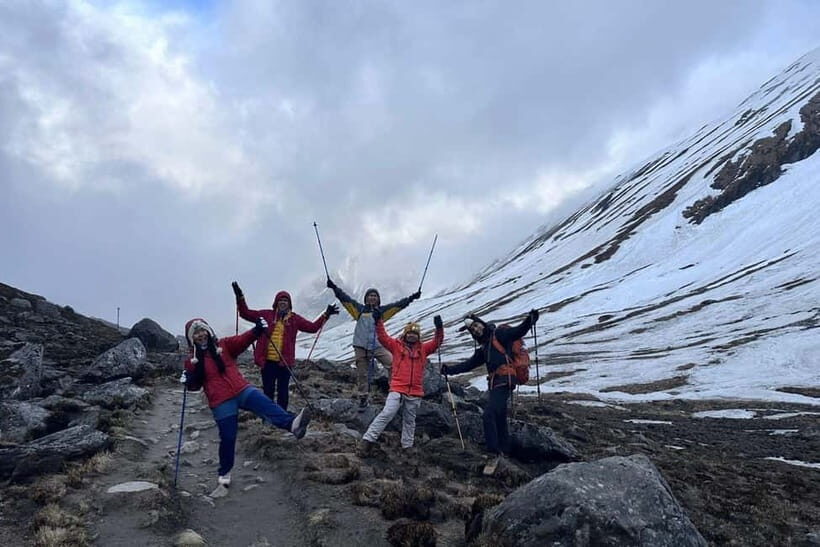
This trek is about more than reaching a famous pass. You’re moving through layers: forest edges, pine and orchard trails, stone villages, then alpine pastures, and finally the high, windy feel of the Thorong La route. The best part is the contrast. One day you’re threading suspension bridges and village paths; the next you’re watching prayer flags snap in thin air and then stepping down toward Muktinath’s shrines.
You also get a clear structure: rest and climb stages, not a random grind. That matters because Annapurna Circuit success isn’t just about legs. It’s about pacing, hydration, and how you manage altitude day by day. With this itinerary, you have a dedicated acclimatization stop in Manang before the pass.
And yes, the emotional hit is real. You don’t just cross a pass; you arrive in a place where people are coming for decades to pray, bathe, and reflect. That shift from physical effort to pilgrimage atmosphere is one reason the route lingers after you’re back in Pokhara.
You can also read our reviews of more hiking tours in Kathmandu


Day 1: Kathmandu to Chame via Besisahar and the Long-Drive Reality
Day 1 is a travel day first, trek day second. You’ll leave Kathmandu early and travel to Besisahar (about 9–10 hours), then switch to a local jeep for around 3–4 more hours to Chame. Expect winding roads, rivers and forest scenery from the vehicle window, and a lot of time sitting. It’s not a workout day, but it is a “warm up your schedule” day.
Why it’s worth doing well: if you go into the trek tired from the start, the later climbs feel harsher than they need to be. On this day, your main job is simple: hydrate, eat, and sleep. Teahouses in Chame make that easy enough, and you’ll be ready to start fresh the next morning.
Day 2: Chame to Pisang (Plus Upper Pisang) and the Payoff Views
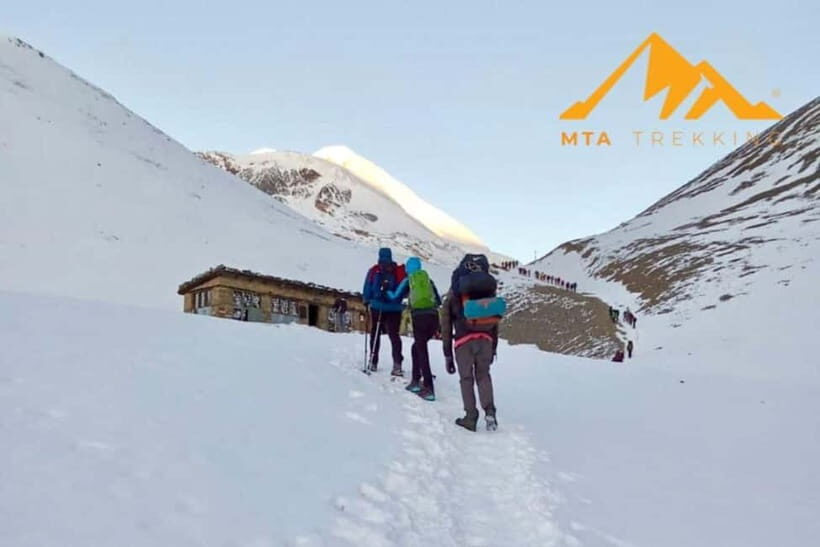
The walk begins through pine forest and apple orchards, which is a nice change from the road day. You’ll cross a suspension bridge, then climb toward Dhukur Pokhari for lunch. After that, the trail continues onward to Pisang.
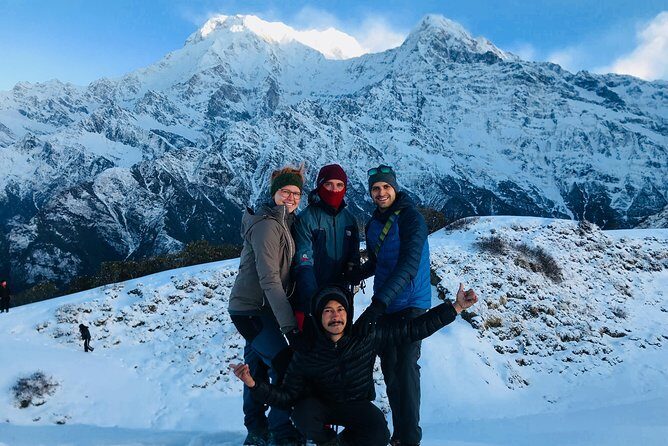
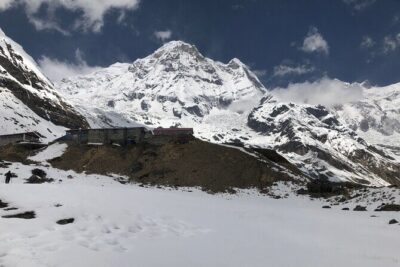
What makes this day special is the way the mountain views stack up as you move into the Pisang area. You’re not just passing through; you’re exploring Upper Pisang, where the valley opens and you can spot Annapurna II, Annapurna IV, and Pisang Peak around you depending on weather and light.
A practical note: Pisang days tend to feel “scenic but busy.” There are usually lots of people, tea house traffic, and side paths. You’ll enjoy it more if you move at a steady pace and save time to wander calmly near your lodge. The views are good, but your energy is limited—so pace the sightseeing.
Day 3: Pisang to Manang, Braga’s Hillside Feel, and More Suspension Bridges
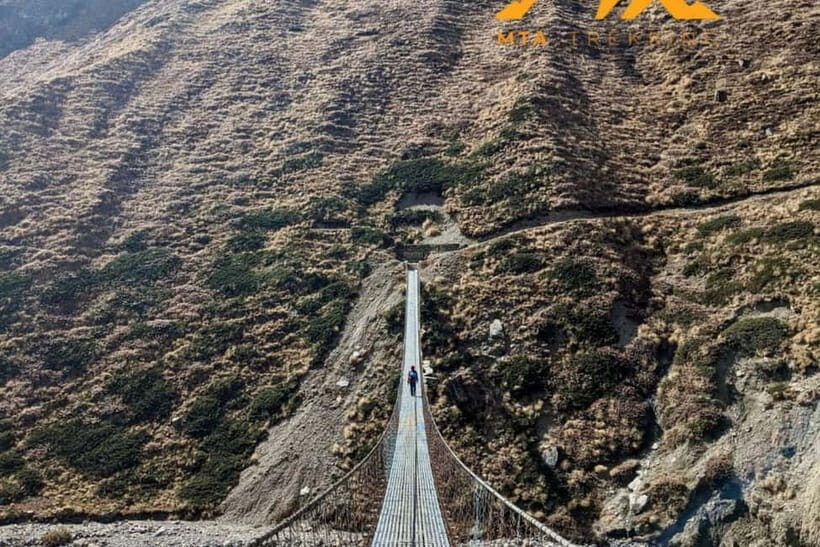
Today you keep climbing in a steadier pattern. The route takes you through pine valleys toward Braga. If the hillside monastery there is open, it’s a worthwhile stop because it gives you a pause with local rhythm, not just a quick landmark photo.
You’ll cross suspension bridges again and walk along slopes that feel exposed in places. Then you arrive in Manang, which shifts the trip from quiet village lanes to a more established trekking town feel.
Manang also brings a new kind of mountain intimacy. You get sweeping views of Annapurna and Gangapurna, and you’ll notice the air feels different as the day goes on. This isn’t a “push hard” day. It’s a “arrive prepared” day—because tomorrow is built for acclimatization.
Day 4: Manang Acclimatization Day That Helps You Enjoy the Pass
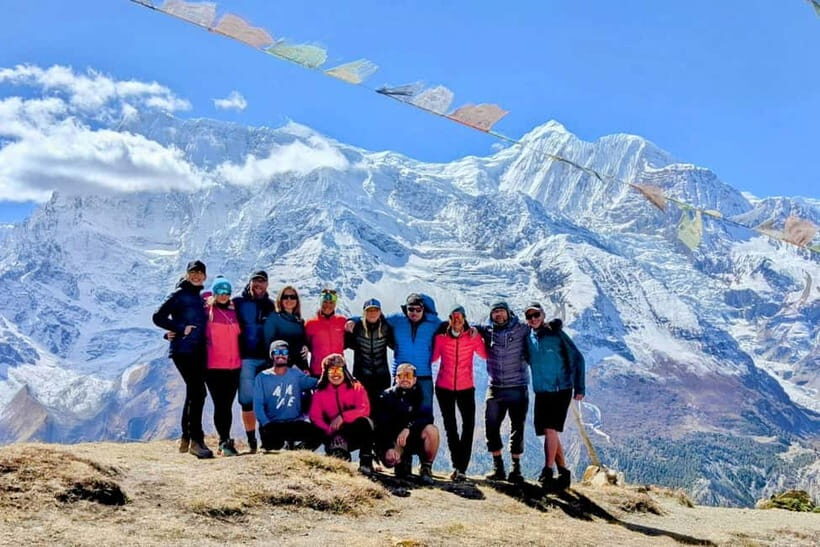
This is one of the best parts of the itinerary. Day 4 is a full acclimatization day in Manang, and the purpose is straightforward: reduce the risk of altitude sickness and set yourself up for a safer Thorong La crossing.
You rest and explore at a relaxed pace. That can mean viewpoints, monasteries, and the cultural museum area. If you want something active without overdoing it, there are optional short hikes that can lead to glacial lakes with views of Gangapurna and Tilicho peaks.
The main drawback of acclimatization days is boredom risk. You’ll fix that by treating it like a planning day: check your gear, drink water consistently, and get your body used to sleeping at that elevation. If you feel great, explore lightly. If you don’t, keep it gentle. Either way, your goal is to show up feeling better than you did yesterday, not tougher.




Day 5: Manang to Yak Kharka and the Move Into Juniper and Pasture
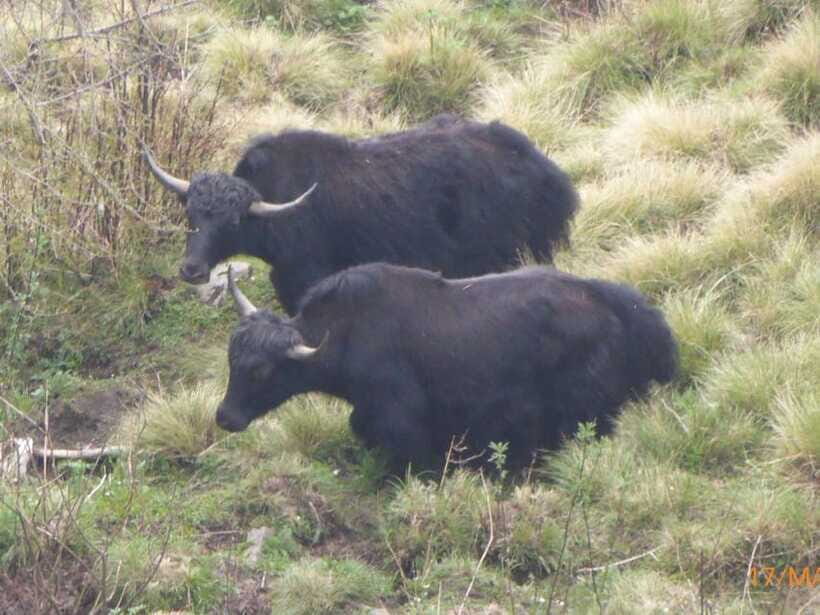
Day 5 is the transition day from town-energy to highland walking. The route climbs steadily past Tengi, and you’ll meet locals with pack animals along the way. That small human contact matters on long treks. It breaks the monotony and reminds you you’re in a working landscape.
You stop for lunch in Gunsang, where the views of Annapurna II and IV can be strong. Then you continue through juniper forests to Yak Kharka, where you rest at a guesthouse.
Timing is shorter here (around 4 hours), which gives you a buffer. Use it. Keep your evenings calm. Do a slow walk around camp if you need to burn off energy, but don’t treat this like a race. You’re building altitude tolerance, and the best way is steady.
Day 6: Yak Kharka to Thorong Phedi, Base Camp Energy, and Rocky Preparation
Today you head to Thorong Phedi, the base camp area for Thorong La Pass. The walking time is around 4–5 hours, and the terrain is more alpine: pastures, wide open feel, and occasional wildlife.
The itinerary notes roaming horses and Himalayan griffons. Even if you don’t see them every day, the point is that the setting changes. You’re heading into the region where weather and wind can make a huge difference.
You’ll cross another suspension bridge and then cover rocky slopes before arriving at Thorong Phedi to rest. This night is about preparation: organize layers, check your weather and footing plan, and go to bed early. If you’re tempted to stay up for conversation, remember you’ll likely start around 4 AM tomorrow.
Day 7: Thorong La at Around 4 AM and the Descent to Kali Gandaki and Muktinath
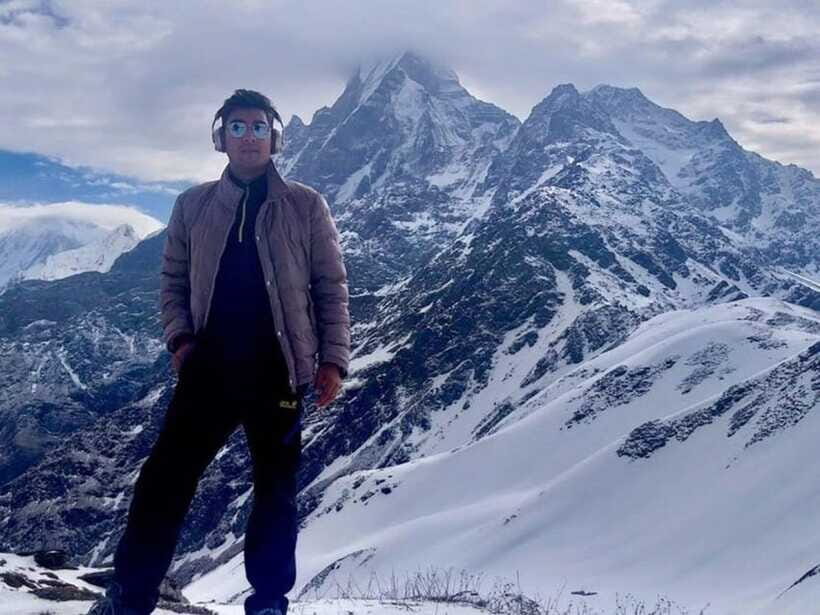
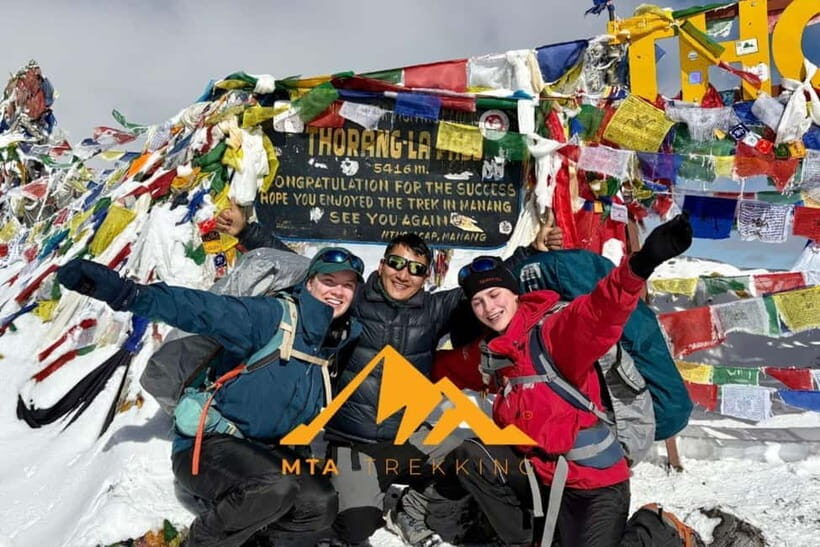
This is the day most people remember, and for good reason. You start very early, around 4 AM, to reduce problems from strong winds on Thorong La Pass at 5,416 meters. The early start also means you’ll often see the sunrise mood and prayer flags moving in a crisp, cold wind.
On the pass itself, you’ll likely feel the altitude in your breathing. That’s normal. Your job is to keep moving slowly and consistently, not fast. A good guide makes this easier by setting expectations and ensuring everyone crosses safely.
After the pass, you descend into the Kali Gandaki Gorge, which is described here as one of the world’s deepest. The gorge descent is dramatic because you’re losing elevation while the terrain shifts and the world opens wider around you.
Then you arrive at Muktinath. Muktinath is a pilgrimage site for both Hindus and Buddhists, and the atmosphere changes from trekking-only to something more spiritual and focused. You can spend the time exploring temples and shrines and soak in the cultural layers that coexist in this area. Finish with a teahouse night and a sense of arrival.
Day 8: Muktinath to Pokhara by Local Bus, Then Lakeside Reset
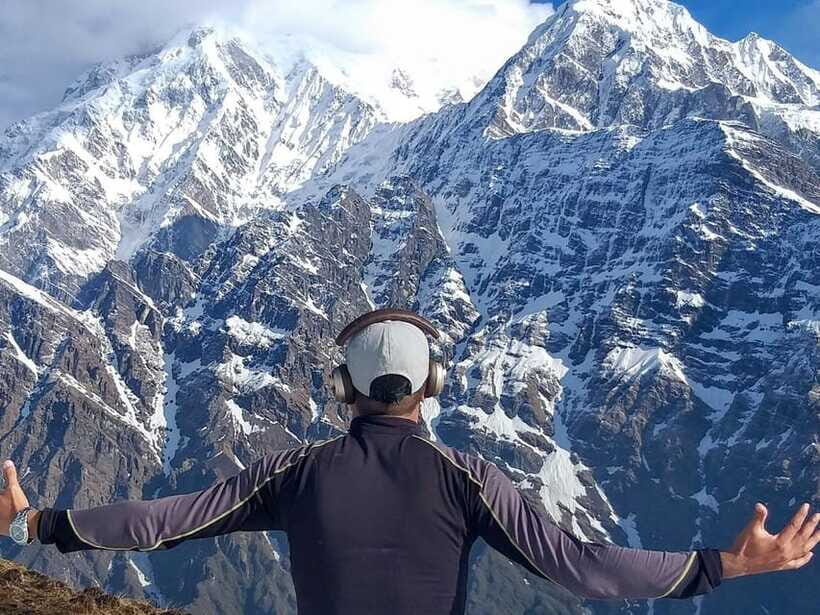
Your day 8 is a long ride to Pokhara. You start after breakfast and take a scenic drive through the lower Mustang Valley, about 9–10 hours. It’s a perfect way to come down from the trek, even if it’s still tiring.
Once you check into your hotel (Hotel Orchid is included for the final night), you get a real recovery space. Pokhara lakeside is where you’ll want to wander slowly, eat something satisfying, and let your legs rest without demanding anything from them.
This day matters more than you might think. The trek compresses a lot into a short week. A calm finish helps you process the whole journey, and you’ll enjoy your meals and downtime more when you aren’t rushing.
Price and What You’re Really Getting for $348
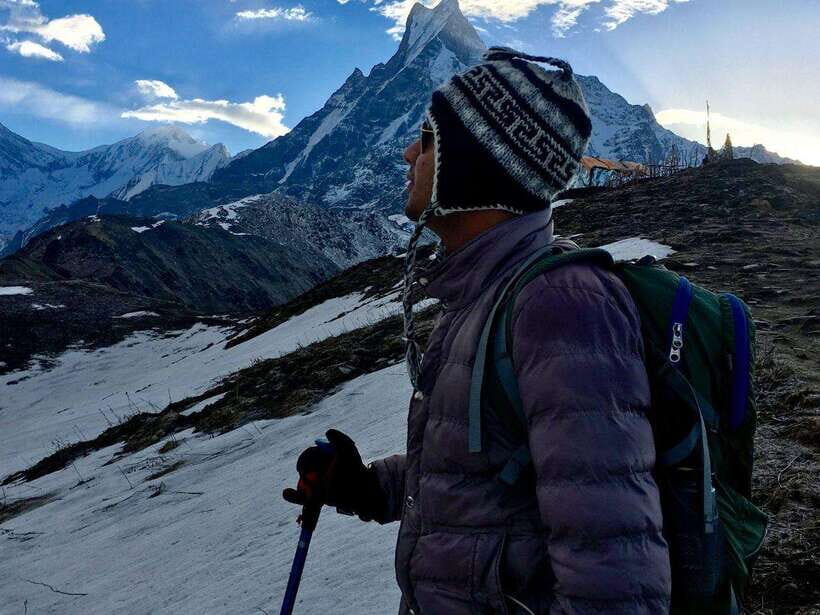
At $348 per person for an 8-day Annapurna Circuit trek, the value comes from the package structure. You’re not paying just for walking days. You’re paying for:
- Authorized English-speaking guide support (porter charge extra)
- Permits and paperwork, including TIMS fees and related government tax
- Tea house/lodge accommodations for 7 nights plus a final night at Hotel Orchid in Pokhara
- Meals during the trek only if you choose the Full Package (standard package excludes some food and drinks)
- Transportation for the route segments and included vehicle comfort segments (like an AC tourist bus from Pokhara to Kathmandu)
Where costs can surprise you: the package explicitly says mineral water, tea/coffee beside breakfast, and hot water/hot showers are not included. Also, a porter can be hired at $20 per day if you want extra help. If you’re carrying a heavy pack, that can be a smart trade.
From a traveler-value standpoint, this is the right kind of deal for people who want structure and safety without micromanaging logistics. It’s less ideal if you plan to do a lot of add-on comfort spending every day, because some comfort items are extra.
Guides, Communication, and the Feeling of Being Taken Care Of
One of the most praised parts of this trek experience is guide quality. In the operator’s recent trek experiences, guides have included Chakra, San Bhai, Shishir, and Ghanshyam, and the common thread is consistent support. You’ll also benefit if your guide (or the team behind them) answers questions quickly before you leave. That kind of pre-trip communication makes a difference when you’re trying to sort gear, permits, and expectations.
Practically, the guide’s job becomes very real on the pass day. Thorong La is early, cold, and wind-dependent. Having someone manage timing and ensure safe movement helps you focus on your breathing and footing instead of guessing what to do next.
If you’re doing this with a private group option, you also tend to get better alignment with your pace. The itinerary is a guide, not a trap, and your guide can help adjust within the realities of the route.
What to Pack (and What to Arrange) for Thorong La Season
This is where you can make or break your comfort level.
Bring:
- Warm clothing
- Sunglasses and sunscreen
- Comfortable clothes for daily walking
- Travel insurance
- Passport (copy accepted) and an ID card (copy accepted)
You should also plan for cold nights. The trip notes you should bring your own sleeping bag for winter treks (November–December), or contact the operator to arrange a rental.
Important planning step: send a copy of your passport in advance so permits can be prepared. On a trek like this, missing paperwork can cause delays you don’t want after you’ve already arrived in Nepal.
Food and water reality check: the “not included” list mentions mineral water, hot showers, and some drinks. If you like hot showers after each day, you’ll need to treat that as a bonus, not a guarantee. If you’re sensible about hydration and manage expectations, it won’t derail the trip.
Who Should Book This Annapurna Circuit Trek (and Who Should Skip It)
This trek fits best if you want a classic Annapurna Circuit experience with strong planning and a clear acclimatization structure. It’s also good if you like the mix of mountain views and cultural stops, since the route includes village exploration and a major pilgrimage visit at Muktinath.
You should skip it if you’re pregnant, have altitude sickness, or are over 70. If you’re prone to altitude issues, you’ll want to be extra cautious even if you’re physically fit, because Thorong La is at 5,416 meters and requires an early start.
Also, if you’re not used to daily climbing and you don’t have a baseline of fitness, the pace could feel demanding. The acclimatization day helps, but it’s still a trek with real effort built in.
Should You Book This Trek via Thorong La Pass?
Book it if you want dependable logistics, a guide who can keep you safe on pass day, and an itinerary that gives you a meaningful acclimatization window in Manang. The Upper Pisang area and Muktinath Temple are both strong reasons to choose this specific route arc, not just any Annapurna Circuit option.
Don’t book it if you need frequent comfort upgrades every day or if your health situation makes high altitude risky. Also, if you struggle with very early starts, think hard about whether 4 AM is your kind of morning.
If you’re the kind of traveler who likes steady walking, big views, and cultural stops that feel lived-in rather than staged, this is a solid choice.
FAQ
What is the altitude of Thorong La Pass on this trek?
Thorong La Pass is at 5,416 meters. The itinerary also notes you start very early around 4 AM to help avoid strong winds on the pass.
How many nights are spent in teahouses or lodges during the trek?
You get tea house/lodge accommodation for 7 nights during the trek. There’s also one final night in Pokhara at Hotel Orchid.
What’s included in the price, and are meals always included?
The package includes guide support, trekking permits and paperwork fees, accommodations during the trek (7 nights in teahouses/lodges), the final night at Hotel Orchid, farewell dinner in Lakeside Pokhara, and meals during the trek only if you choose the Full Package. Mineral water, tea/coffee besides breakfast, and hot water/hot shower are not included.
Do I need my own sleeping bag?
For winter treks (November–December), you should bring your own sleeping bag. If you don’t have one, you can contact the operator to arrange a rental.
Can I hire a porter?
Yes. Porters are available for an additional $20 per day if you want help carrying your pack.
What should I bring for the trek and permits?
Bring warm clothing, sunglasses, sunscreen, comfortable clothes, travel insurance, and copies of your passport and ID card (the passport copy is accepted). You’re also asked to send a copy of your passport in advance so the trekking permits can be prepared.