REVIEW · KATHMANDU
Annapurna Circuit Trek
Book on Viator →Operated by Himalayan Social Journey · Bookable on Viator
Thorang La is the payoff. This 16-day Annapurna Circuit trek pairs real-world altitude planning in Manang with full Kathmandu temple sightseeing before you ever hit the trail. I especially like how the schedule builds you up for Thorang La and then gives you that classic mix of Gurung villages, Kali Gandaki River scenery, and high-pass views. Before trekking, you get a focused taste of the region’s faith and art at Boudhanath, Pashupatinath, Patan Durbar Square, and Swayambhunath.
The main drawback to pencil in is comfort level and extra spending: lodges are simple (outside bathrooms; hot water depends on solar), and lunch/dinner during trek days plus Kathmandu and Pokhara meals are not included.
In This Review
- Key highlights before you book
- Kathmandu temples, then straight to the mountains
- The long drive to Bhulbhule: hydrate and don’t rush
- Kali Gandaki valley days: Jagat to Dharapani to Chame
- Pisang to Manang: forests, valleys, and the first big altitude feel
- The Manang acclimatization day: take it seriously
- Ledar to High Camp to Thorang La: the toughest day pattern
- Muktinath and Jomsom flight day: trade foot power for sky power
- Pokhara reset and the Kathmandu return
- Price and logistics: what $1,350 really covers
- Guides, porters, and the reality of lodge life
- Water, water everywhere: how to avoid trekking dehydration
- Packing for cold nights and steep days
- Altitude and health: the checklist you shouldn’t skip
- Should you book this Annapurna Circuit trek?
- FAQ
- What time does the tour start and where is the meeting point?
- Is airport pickup and drop-off included?
- Are permits included for the trek?
- What meals are included during the trip?
- Do I get a sleeping bag if I don’t have one?
- How does the itinerary handle altitude?
- Is the Jomsom to Pokhara flight included?
- Will I have a private room with a single supplement?
- Can I cancel for a full refund?
Key highlights before you book
- Manang acclimatization day that helps you handle altitude smarter before you go higher
- Thorang La Pass day with a tough but well-paced sequence through Ledar and High Camp
- Muktinath visit and Jomsom flight to keep the finish from dragging on
- Licensed, experienced local team with English-speaking guides and porters (max group size 15)
- Water and training guidance included so you know what to do before altitude gets serious
Kathmandu temples, then straight to the mountains
Your trip starts with the practical stuff: pickup at Tribhuvan International Airport and a hotel stay in Kathmandu. Day 1 includes a welcome dinner, which is more useful than it sounds—after travel, it’s an easy way to meet your group and get your logistics sorted.
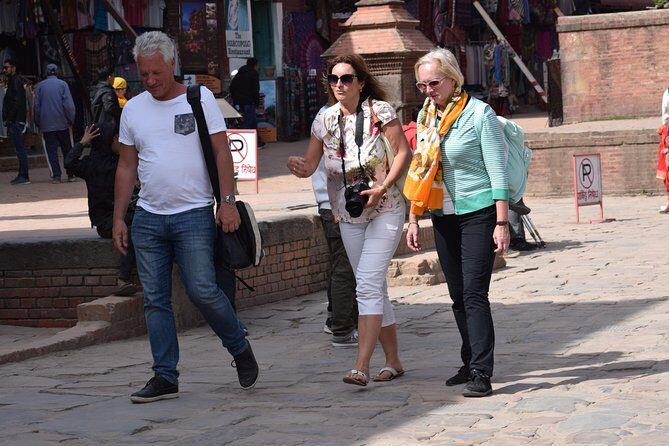
On Day 2 you hit the big Kathmandu spiritual sights in a compact format: Boudhanath Stupa, Pashupatinath Temple, Patan Durbar Square, and Swayambhunath Temple. Each stop is about an hour, so you’re not stuck in museum-mode. You’ll get the feel of the region quickly—prayer flags, old stone, and the kind of daily rituals that don’t need a guide script. One note: admission tickets for these sights are not included, so plan for small additional costs.
If you’re the type who likes a trip that’s more than just “sleep, trek, repeat,” this Kathmandu start is a solid way to warm up. If you’re expecting a pure trekking-only plan, the city days will feel like a detour—but they’re short and they set the tone for Nepal’s culture before you go vertical.
You can also read our reviews of more hiking tours in Kathmandu


The long drive to Bhulbhule: hydrate and don’t rush
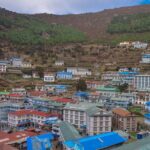
Day 3 is a serious travel day. After warm breakfast, you drive toward Bhulbhule, with a journey listed around 7–8 hours. The route is described as scenic—mountains, rivers, and lush jungle—so it’s not just a transfer. You’re also mentally switching gears: from city culture into river valleys and trail towns.
Once you reach Bhulbhule, the day continues toward Nadi. This is one of those days where it helps to pack light for the “first day walk,” even if you think you’ll have a gentle start. Long drives can make your legs feel tight once you finally get moving, and you’ll appreciate easy pacing.
Kali Gandaki valley days: Jagat to Dharapani to Chame
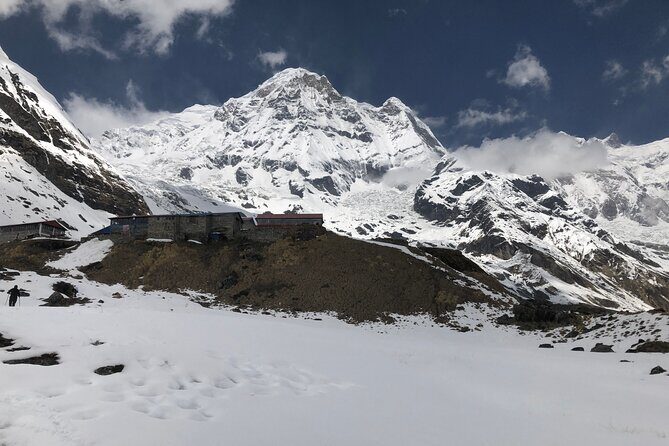
Days 4 through 6 shape the classic rhythm of the Annapurna Circuit: hike, refuel, repeat. After breakfast, you head to Jagat (about 5 hours). The description emphasizes passing through paddy and muddy fields with green hills, mountain views, and waterfalls. It’s a nice early taste of how quickly the scenery changes once you’re out of the city.
Day 5 continues to Dharapani (about 5 hours). Here you’ll spend time along the Kali Gandaki River, including a suspension bridge crossing and a climb to a stone Mani entrance near Dharapani (listed around 1960m). This is the day where the trail starts to feel more “trekking” than “walking in a village.” You’ll want sturdy footwear, and you’ll want to manage your pace so you don’t burn energy before the higher parts.
Day 6 takes you to Chame (about 6 hours). You pass Danaque and ascend a steep path up toward Timang (described as the bottom of Lamjung Himal). Chame is a key stepping stone—think of it as a checkpoint town where the air can feel sharper and the mountains look closer.
Pisang to Manang: forests, valleys, and the first big altitude feel
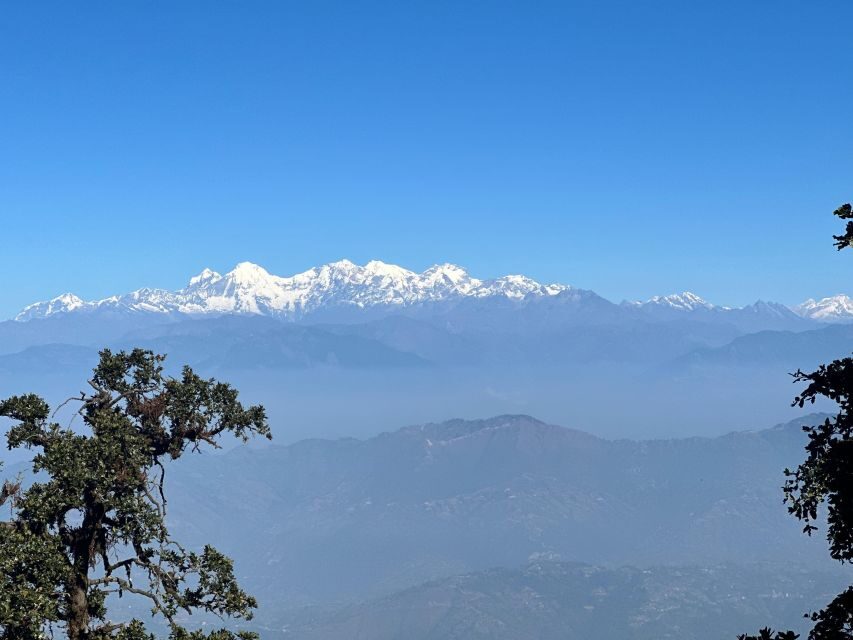
Day 7 heads to Pisang (about 6 hours), following fir and pine forest sections and then climbing into rockier, higher terrain. You’ll reach a point near Bhratang with a view of Annapurna II and Pisang Peak. This is one of the days where the trekking is clearly scenic—wooded lower trail to open, dramatic angles as you gain elevation.
Day 8 brings you to Manang (about 6 hours) and a more intense ridge-and-valley feeling. The day highlights include steep ridge climbing, then descending toward Manang’s airstrip at Hungde, with views of Annapurna III and Annapurna IV from the Sabje Khola plains. This is also where you’ll notice altitude changes in your body. You might not feel sick, but you’ll feel slower and more aware of breathing.
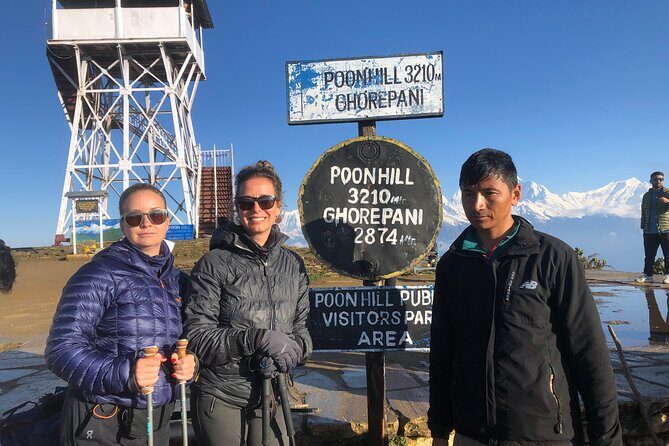
Quick reality check: your operator’s overview mentions Ghorepani/Poon Hill, but the actual day-by-day plan here is the Circuit line—Manang, Ledar, High Camp, Thorang La, Muktinath, and Jomsom. So if Poon Hill sunrise is your must-see, this specific itinerary may not match that expectation.
The Manang acclimatization day: take it seriously
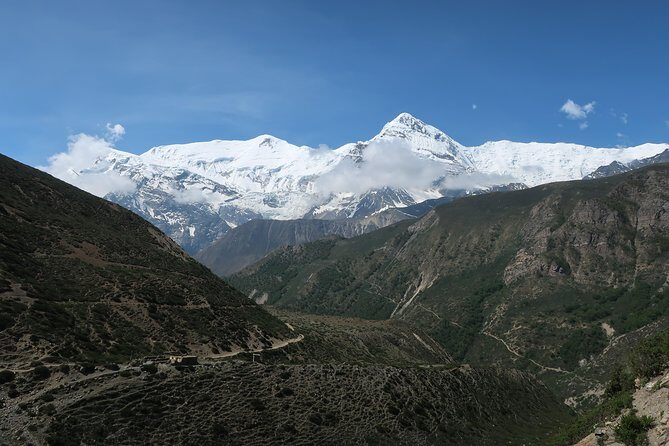
Day 9 is an acclimatization day in Manang. Instead of pushing higher, you spend the day doing short day walks and enjoying views around the village. This is the smartest day in the whole plan, even though it feels like a “rest day.”
Altitude management is handled by design here: the schedule doesn’t simply throw you at the pass. It gives you time to adjust so your body has a chance to cope as you approach higher elevations. Since the guidance says altitude sickness can start from around 3000 meters, these slower steps matter.
Practical advice for this day: keep movement light but steady. If you go too hard just because you feel good, you may pay for it later on the Thorang La route. Also, this is a great time to organize gear—check straps on your daypack, confirm you have what you need for cold weather, and get your water routine locked in.






Ledar to High Camp to Thorang La: the toughest day pattern
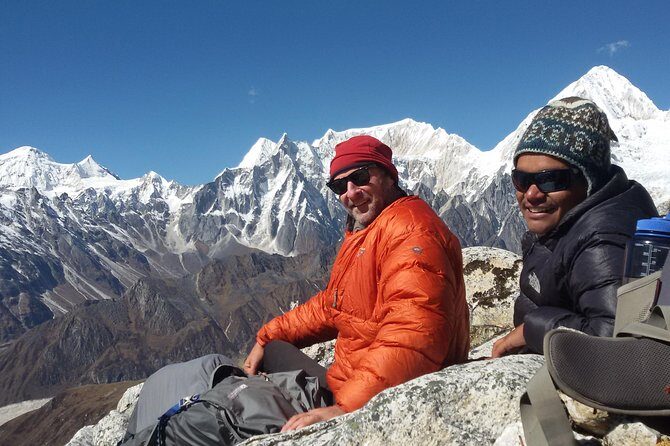
Day 10 heads to Ledar (about 5 hours). You ascend steep trail through Tenki Manang and leave Marshyandi valley. You’ll cross along the Jarsang River and reach Yak Kharkha pasture land for grazing yaks before arriving at Ledar. This day can feel mentally long because you’re already high, and you’re not just walking—you’re climbing toward a pass.
Day 11 goes to High Camp (about 3 hours) and is described as rough, with narrow paths over the Kali Gandaki River and tough up-and-down sections. Even though the time is shorter, this is often where people feel the altitude most. Your pace needs to be slow enough to keep breathing controlled.
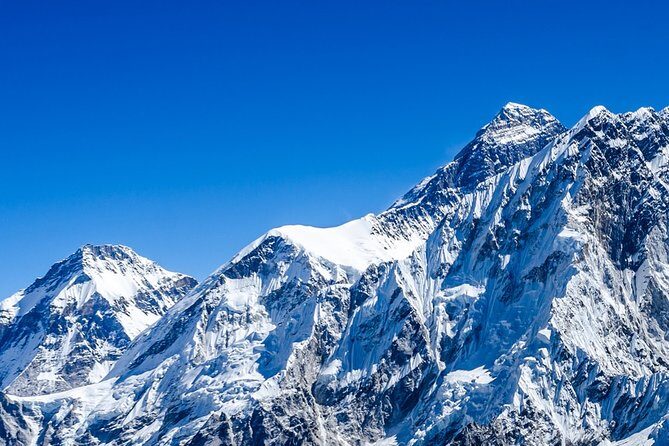
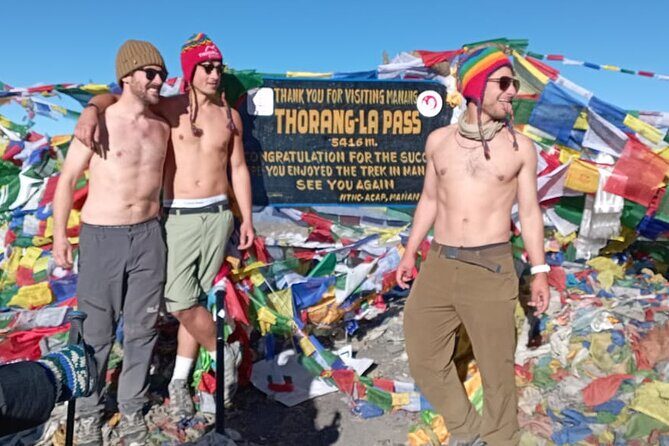
Day 12 is the big one: cross Thorang La Pass and continue to Muktinath (about 7 hours). It’s labeled a little tough, which is the understatement of the season. This is also a day where weather can make a difference, so listen to your guide’s call on timing and effort. Once you’re moving through the pass area, your only real job is consistent steps, steady breathing, and not getting greedy about speed.
After reaching Muktinath, you overnight there. This gives you time to enjoy the place without instantly jumping into another long descent. You’ll also have visited Muktinath for a few hours the next day before the Jomsom leg.
Muktinath and Jomsom flight day: trade foot power for sky power
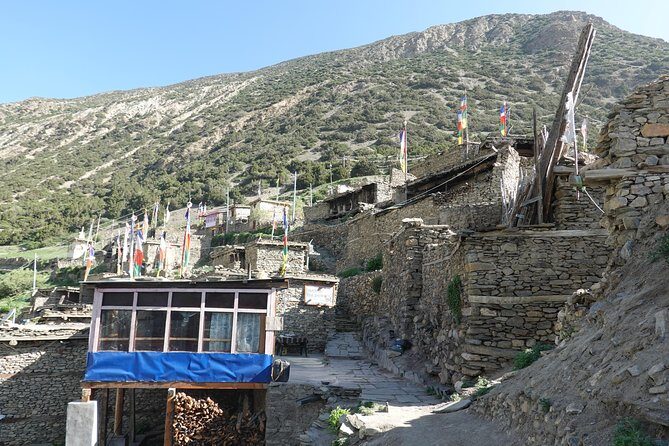
Day 13 continues from Muktinath to Jomsom (about 5 hours). This is part trekking, part relief: you’ve already done the pass work, so your focus shifts to finishing the circuit side and getting to air transport.
Day 14 then takes over: you fly early from Jomsom to Pokhara, and the schedule gives you time to freshen up and either explore Pokhara or take an optional helicopter tour to Annapurna Base Camp. The flight is a huge convenience here. It prevents the final stretch from turning into one more exhausting “hike forever” day.
If you like structure, this is a strong payoff. You get the mountains, you get the tough day, and then you get back to a more comfortable rhythm before your return to Kathmandu.
Pokhara reset and the Kathmandu return
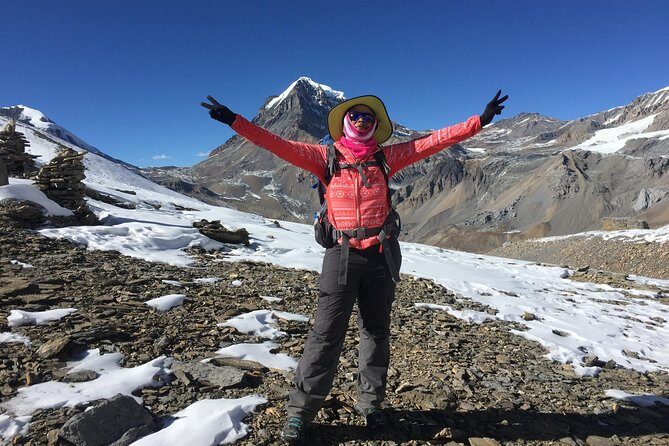
Day 15 drives back to Kathmandu by tourist bus, listed around 6–7 hours (with an alternative flight from Pokhara to Kathmandu). This gives you a chance to trade your trekking shoes for something more forgiving. It’s also the day you can do simple travel recovery: shower, laundry if you need it (laundry exists in Kathmandu and Pokhara), and a final meal that doesn’t involve scrambling for what’s open at lodge level.
Day 16 is the airport transfer to Tribhuvan International Airport for your flight home. The representative drives you, and you’re done.
Price and logistics: what $1,350 really covers
At $1,350 per person for about 16 days, you’re paying for more than trekking. The plan includes:
- Airport pickup and drop
- Transportation by tourist bus for Kathmandu-to-Beshishar-to-Bhulbhule and Pokhara-to-Kathmandu
- 3-star hotels in Kathmandu and Pokhara (twin sharing, bed and breakfast)
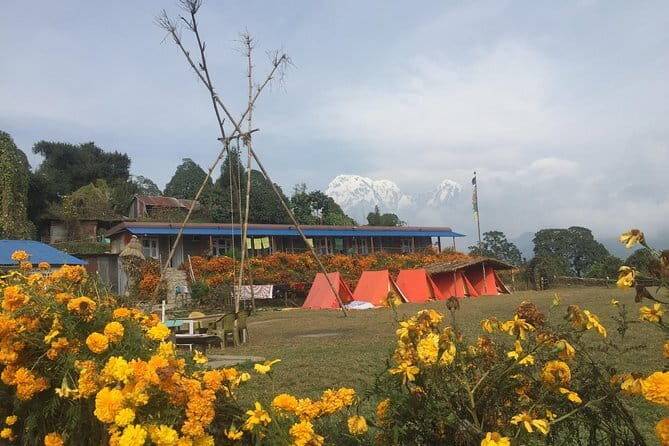
- Lodge accommodation and breakfast during the trekking days
- TIMS and necessary trekking permits
- A guide and trekking crew meals/accommodation/insurance (crew costs are included)
- A sleeping bag if you don’t bring your own
- Flight fare Jomsom to Pokhara
- Welcome dinner on Day 1 and guided sightseeing in Kathmandu and Pokhara
What’s not included is where cost creep can happen: lunch and dinner in Kathmandu, Pokhara, and on trekking days; city sightseeing entry fees in Kathmandu; and your visa and international flights (PKR-KTM flight ticket isn’t included). Also note that lunches/dinners are not included on trekking days, so you’ll be budgeting daily spend for food on the trail.
Group size is capped at 15 (and the operator mentions max 16 per trekking group). That’s a good middle ground: not a tiny private trek, but not a huge churn of people either. You’ll likely walk with a consistent crew day to day, which makes pacing and morale easier.
Guides, porters, and the reality of lodge life
The operator is built around a local team, described as licensed and affiliated with Nepal trekking and tourism bodies. In the feedback I reviewed for the Annapurna Circuit, the guide Ganesh was highlighted as local and experienced, with a confidence-and-safety focus. Other feedback across Annapurna treks also points to guides and porters like Tikaram, Bini, Ram, Shankar Timalsina, Ganesh, and supporters such as Sagar Karki and Prakash as being proactive and helpful.
This matters because on a high-pass trek, your guide’s job isn’t just route knowledge. It’s rhythm. It’s pacing. It’s knowing when to push and when to hold back, especially during the Thorang La day.
Porters carry luggage using a weight limit of 10–13 kg per person on the trek, and the plan states one porter per two persons. That’s a smart approach: you still walk with a daypack, but you don’t destroy your energy carrying everything.
Now, the lodge reality: bathrooms are outside your room, and hot water depends on solar panels. Don’t plan your day around warm showers. Also, single supplement does not guarantee a private room at all lodges, and you may end up sharing on some days. If you hate that idea, ask upfront how private rooms are handled on the exact trek dates.
Water, water everywhere: how to avoid trekking dehydration
The plan is very clear: you should drink at least 3 liters of pure water daily during the trek. You’ll get two good options: use water purification tablets or fill bottles at regulated pure water stations along the trek. Buying bottled water at lodges is mentioned as a last alternative and not recommended.
This is one of those “seems small, matters a lot” points. Dehydration hits hard at altitude and makes headaches, fatigue, and stomach issues more likely. If you’re going to be strict anywhere, be strict with water.
Packing for cold nights and steep days
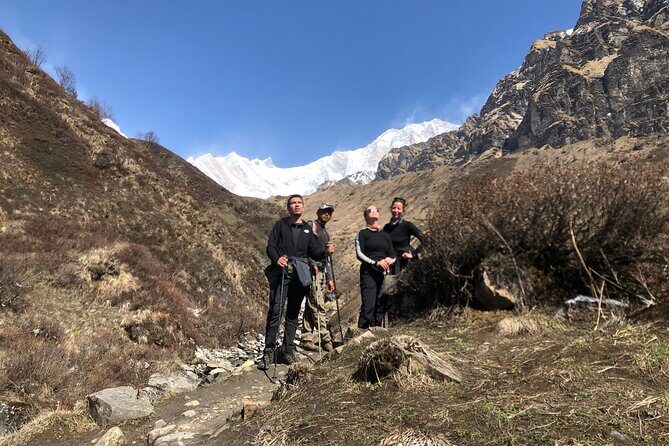
You’ll trek about 5–7 hours per day, with around 10–14 km per day as a typical range. That means you need gear that works on day two, not just day one. Worn-in hiking boots are strongly recommended.
Weather guidance is season-based:
- For tours from November to the first two weeks of March: bring a jacket for around 0 degrees Celsius
- For other times: bring a jacket for 4 to 6 degrees Celsius
If you’re packing for shoulder seasons, err on the warmer side. Nights can feel far colder than the daytime “pleasant” weather.
If you want walking poles, bring them. They help on descents, and your knees will thank you later. You can buy or borrow some gear in Kathmandu near the hotel area if you forget something major.
Altitude and health: the checklist you shouldn’t skip
Altitude sickness is described as starting from around 3000 meters. If you have a health condition that could complicate things, the plan advises talking with your doctor before you go.
You also want traveler’s insurance. The plan says insurance is strongly advised, and for Annapurna Circuit treks it’s compulsory, with coverage that includes medical expenses, helicopter rescue, air ambulance, repatriation, and baggage. That’s not paperwork drama—it’s real risk management at altitude.
If you catch gastro or feel off, don’t “tough it out” blindly. Tell your guide early. Slow down. Hydrate. And be willing to take rest seriously.
Should you book this Annapurna Circuit trek?
Book it if you want a guided Annapurna Circuit that includes the key structure: city culture first, a paced build to Manang, an acclimatization day, then a pass-and-finish plan to Muktinath and Jomsom with a flight to Pokhara. At $1,350, it also looks like good value for what’s included, especially the permits, hotels, and the Jomsom-to-Pokhara flight.
Skip it (or switch dates/plan) if you need private rooms every night, expect hot showers on demand, or you’re strict about meal budgeting—because lunch and dinner are on you during most of the trek.
This route suits people with moderate fitness who can handle steep hiking and cool conditions. The plan even notes it can be enjoyable for people in their early 60s if they train and arrive ready.
If you’re excited by high passes, and you like a trekking day that actually earns its view time, this itinerary is a solid match.
FAQ
What time does the tour start and where is the meeting point?
The meeting point is Tribhuvan Airport in Kathmandu, Nepal, with a start time listed as 6:00 am.
Is airport pickup and drop-off included?
Yes. Airport pickup & drop are included in the package.
Are permits included for the trek?
Yes. TIMS and necessary trekking permits are included.
What meals are included during the trip?
Dinner is included on Day 1, and breakfast is included during the trekking days (listed as breakfast for 15 days). Lunch and dinner in Kathmandu, Pokhara, and during trekking days are not included.
Do I get a sleeping bag if I don’t have one?
Yes. The plan states that you’ll be provided a sleeping bag during trekking days if you do not have your own.
How does the itinerary handle altitude?
It includes a dedicated acclimatization day in Manang, and it also provides guidance that altitude sickness can start from around 3000 meters.
Is the Jomsom to Pokhara flight included?
Yes. Flight fare from Jomsom to Pokhara is included, and you’ll also take an early flight from Jomsom to Pokhara on the itinerary.
Will I have a private room with a single supplement?
Single supplement is offered, but the plan warns that some trek lodges may not have enough rooms. Even with a single supplement, you may still end up sharing a room for some days.
Can I cancel for a full refund?
Yes. You can cancel up to 24 hours in advance of the experience for a full refund. If you cancel less than 24 hours before the start time, the amount paid is not refunded.