REVIEW · POKHARA
Mardi Himal Trek Fixed Departure (March 1,7; Nov 3,10,17 2023)
Book on Viator →Operated by Trekking Guide in Pokhara · Bookable on Viator
Mardi Himal is a small trek with big views. I like the way it’s built as an efficient 5-day circuit from Pokhara, and I really appreciate the included support—licensed guides, meals on trek, and permits handled for you. The main thing to watch: there are no porters included, so you’ll carry your own pack or pay extra to hire one.
You’ll move through forest, valleys, and ridgelines, then finish with a downhill that feels like a lesson for your knees. One practical win is that you’re not juggling logistics—picking up in Pokhara, going to the trailhead, and returning is part of the plan. You still need a moderate fitness level and good weather, because this is a high-altitude trek.
A big factor for me is the guide experience. In this fixed-departure setup, the trek is led by a licensed guide—often Roshan Thapa in this provider’s materials—plus assistant guides based on group size, and documents/permits are arranged with a set cost. If you want a supported trek but prefer to control how much you carry, this setup fits your style.
In This Review
- Key things I’d bookmark before you go
- Mardi Himal from Pokhara: why this trek is such a smart length
- Phedi to Dhampus to Pitam Deurali: village Nepal with a steady ramp up
- Dhampus to Low Camp (2970m): steady hiking and camp logistics you don’t have to micromanage
- High Camp (3550m): the day you shift from hiking to altitude management
- The 4:30am start to Mardi Himal base area (4210m): why timing matters
- The descent: Sidhing (1900m) to Lumre (1190m) and back to Pokhara
- Guides, permits, and the Roshan Thapa factor: support that actually helps
- Food and lodging: warm fires, sharing rooms, and simple altitude comfort
- Fixed departures in March and November 2023: when to expect the route to feel different
- Price and logistics reality check: what $13 covers and what you still budget for
- Who this trek is perfect for (and who should think twice)
- Should you book the Mardi Himal fixed departure from Pokhara?
- FAQ
- What is the highest elevation on this Mardi Himal trek?
- How long is the trek?
- Are meals included?
- Is accommodation included?
- Are porters included?
- Do you take care of permits and trekking documents?
- What transportation is provided?
- What group size is this fixed departure limited to?
- What happens if weather is poor?
- When can I cancel for a full refund?
Key things I’d bookmark before you go
- A shorter Annapurna-style trek: about 5 days with a top elevation around 4200m.
- Meals + accommodation included on trek: sharing-basis lodges, not hotel rooms.
- Guide included, porters optional: you can hire a porter for $20 per day if needed.
- Permits handled for you: trekking documents are managed by the guide, with a permit fee per person.
- Early start on the summit day: tea/coffee around 4:30am to reach the base area comfortably.
- Small-group feel: capped at 24 travelers.
Mardi Himal from Pokhara: why this trek is such a smart length
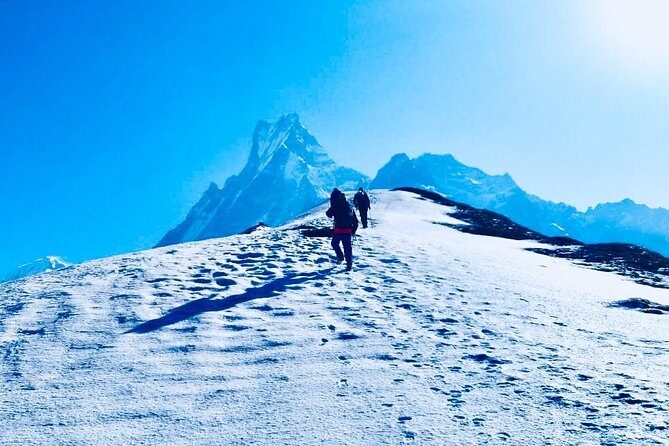
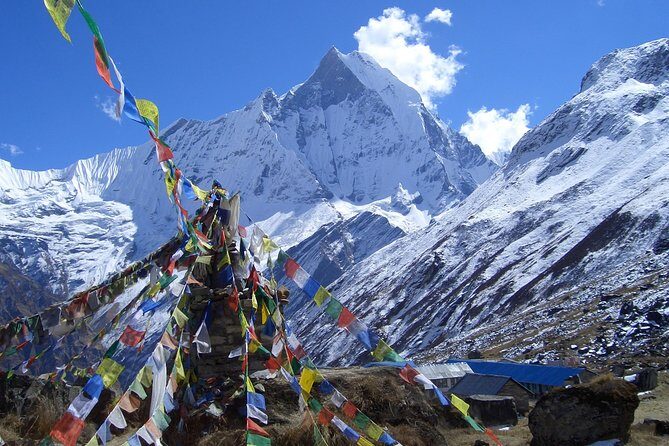
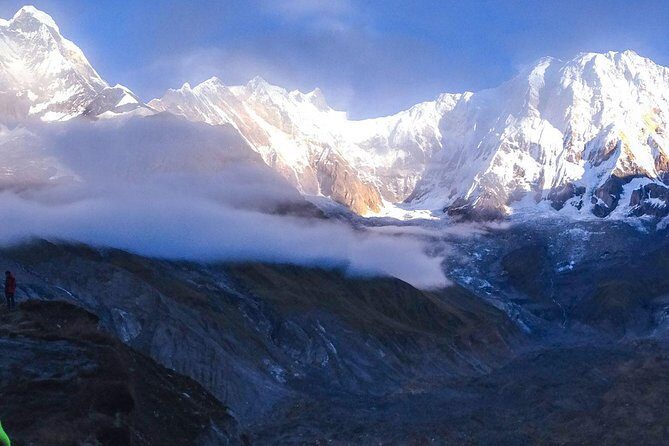
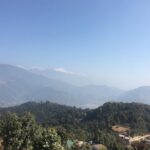
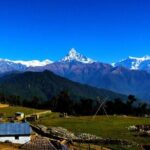
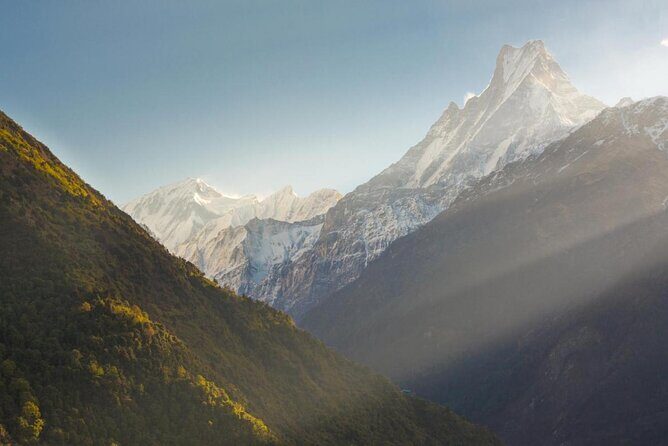
Mardi Himal is one of the more manageable high routes in the Annapurna region because it’s built for people who still want altitude and viewpoints, without taking a full-on week-long trek marathon. The big payoff is that your scenery changes often. You start in a lower patch of Nepalese hillside life, then gradually work your way upward toward the ridge area where the Annapurna panorama becomes the main event.
The “from Pokhara and back” approach matters more than it sounds. It keeps the trip simple: you meet in Pokhara, go to the trailhead by vehicle, trek for days, then return the same way. After a day on the move, you’ll have your bed and food sorted. Even better, the plan mentions a warm fire waiting when you come in after trekking and a hot, hearty meal soon after.
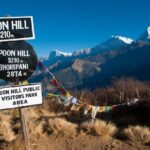
The flip side is that this is still an altitude trek. The listed highest elevation is 4200m, and one of the days includes a hike up to the Mardi Himal base area around 4210m. That’s not a reason to panic—it’s a reason to pace yourself, hydrate, and plan your effort.
You can also read our reviews of more hiking tours in Pokhara
Phedi to Dhampus to Pitam Deurali: village Nepal with a steady ramp up
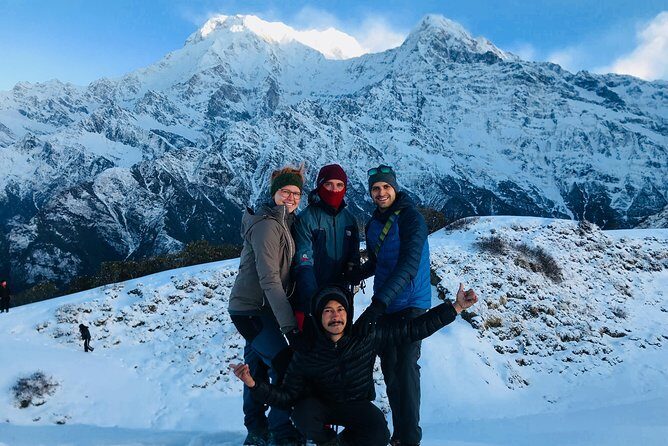
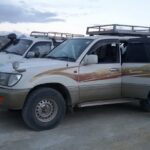
Your first day feels like the “transition day,” but it’s not a throwaway. You leave Pokhara and drive toward Phedi (about 50 minutes after breakfast), then begin trekking at roughly 1175m. The trail moves you from lower ground into the beginning of Annapurna country—forest sections first, then more open village areas as you climb.
You’ll hike from Phedi to Dhampus, then onward toward Pitam Deurali. The schedule gives you about 5 hours for that leg, with a lunch stop at Pothana. After that, you continue to Pitam Deurali for dinner and overnight around 2140m. The rhythm is gentle enough to get your legs working, but you’re already earning height and views.
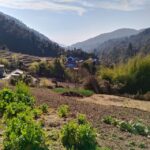
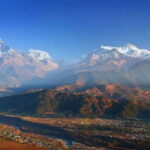
Dhampus itself is a highlight for the people-and-place angle. It’s described as a village with Gurung caste (often connected in Nepal to Mongolian roots through historical narratives), plus Brahmin caste communities. You pass through terraces, farms, and traditional structured houses, and you look over the Pokhara valley area with a panoramic view of the Annapurna Himalayas.
What I like about this first day: it gives you culture and context before the big climbing begins.
What to consider: the day is longer than a casual stroll, so set a pace you can maintain through the afternoon—not a sprint.
Dhampus to Low Camp (2970m): steady hiking and camp logistics you don’t have to micromanage
Day two is all about the big move upward: breakfast at 8:00am, then trek about 7 hours to Low Camp at 2970m. Lunch is planned at Forest Camp, and you finish with dinner and overnight at Low Camp.
What makes this day feel “supported” is what you don’t have to decide. Your meals are handled, and your lodge stay is already lined up. That means you can focus on breathing and rhythm instead of hunting for food or trying to figure out where to stop.
The trek is described as varying terrain—forest, valley, and then gradually more open ridgeline-style views as you go. In practical terms, that usually means you’ll get a mix of shade and exposure, with some uphill sections where you’ll want to keep your turns smooth and avoid overdoing your stride.
A small but important comfort point: you’re sleeping in a lodge environment at altitude. Expect sharing-basis accommodation, and plan for simple comforts. You’ll be tired, but that’s the point—each day is built to get you to the next altitude checkpoint safely.
High Camp (3550m): the day you shift from hiking to altitude management
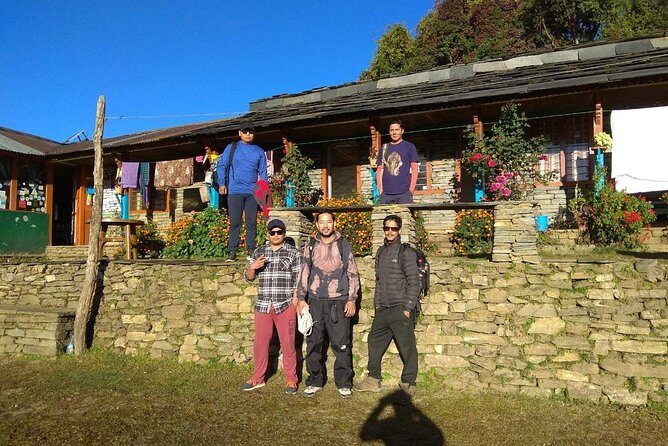
On day three, breakfast happens again at 8:00am, then you trek about 3 hours up to High Camp at roughly 3550m. You get lunch, dinner, and overnight at High Camp.
This is the day where altitude becomes a real factor for how you feel, even if the hike time is shorter. A 3-hour climb can still be a grind if you go out too fast. The best approach is the boring one: steady pace, frequent small sips of water, and stop when you’re still breathing comfortably—not when you’re already breathless.
One detail worth knowing: High Camp is the final accommodation zone on this route. It’s noted that there are only a few tea shops further during the morning, and there’s no lodging and proper foodings in that area. Translation: you’ll want to rely on the camp plans rather than hope for an easy detour or extra snacks along the way.
The 4:30am start to Mardi Himal base area (4210m): why timing matters
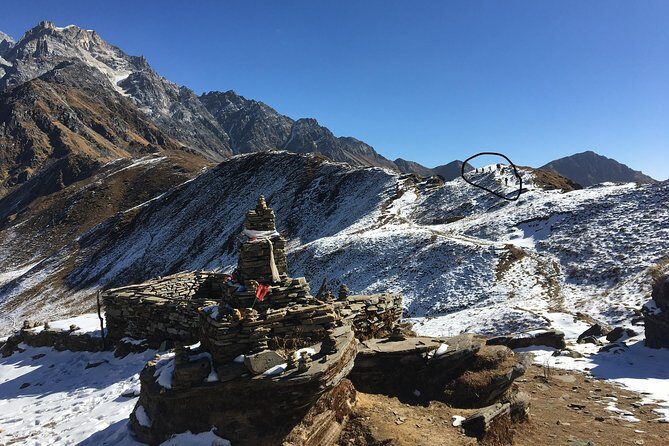
Day four is the big “summit-style” day, even if you’re not doing a technical climb. Tea/coffee starts around 4:30am, then you take a packed breakfast and hike to Mardi Himal base camp at about 4210m (the schedule lists 4 hours with tea/breaks). You then return to High Camp for lunch, and later trek back to Low Camp.
This is a classic high-altitude rhythm: early start, grab energy before the day warms up, and make sure your body has enough time to acclimatize during the climb. The schedule’s built-in tea breaks also reflect what happens at altitude—short pauses help you keep moving without losing your rhythm.
There’s also an altitude note you’ll appreciate if you’ve researched this trek before. The plan explicitly points out a common confusion: many sources list Mardi Himal base camp around 4500m, but measurements have shifted it down to about 4210m. That matters because it can change how you think about acclimatization and expectations. In other words, you’re dealing with high altitude, but the numbers aren’t what older guides sometimes claim.
What I like about this setup: it gives you a structured ascent window rather than telling you to wander up whenever you feel like it.
What to consider: your early morning will feel cold and slow. Dress for it, and don’t try to “feel brave” by under-layering.

The descent: Sidhing (1900m) to Lumre (1190m) and back to Pokhara
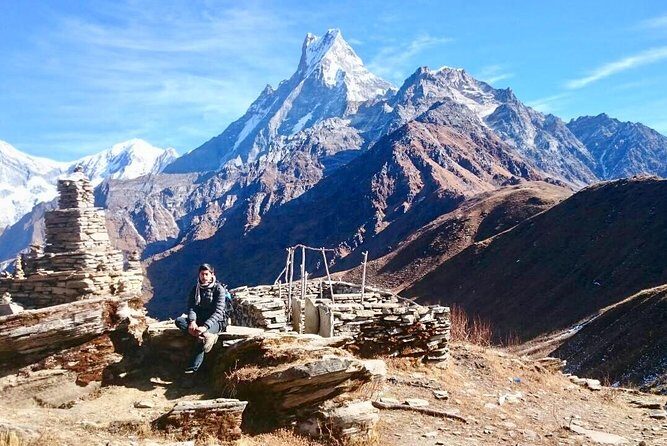
Day five is your unwind day, but it’s not truly easy. You start with breakfast at 8:00am, then trek down to Sidhing at about 1900m (about 3 hours). You have lunch in Sidhing, then continue down to Lumre around 1190m (about 2.5 hours). After that, you drive back to Pokhara in about 1 hour 45 minutes.
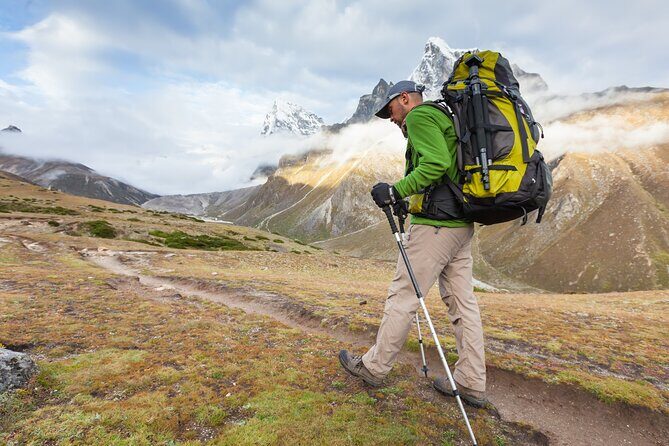
This kind of descent is where trekking poles earn their keep. Your legs will do a lot of braking work. If you’ve never trained for downhill hiking, plan to take it slow and short-step where you need stability. The good news is that by the time you reach Lumre, your body is trending back toward lower elevation, which tends to help you feel more human quickly.
The route finishing back near your meeting point in Pokhara keeps the end of the trek from turning into another logistical headache. You can plan a relaxed evening afterward without worrying about where you sleep that night.
Guides, permits, and the Roshan Thapa factor: support that actually helps
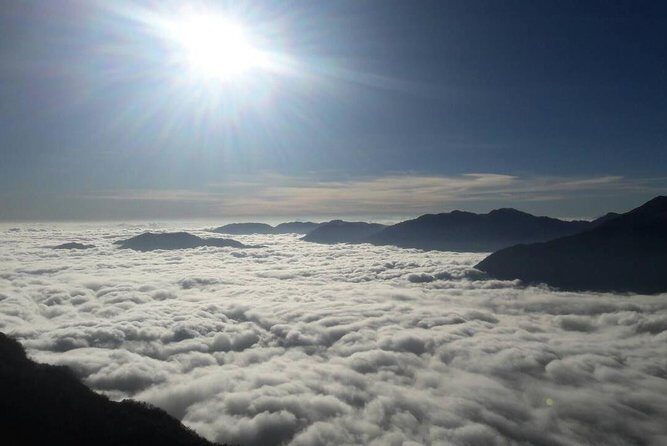
This fixed-departure trek includes a licensed trekking guide and assistant guides based on group size. In the materials for this provider, Roshan Thapa is specifically mentioned in multiple short testimonials as an organized, available guide who made people feel safe and comfortable.
What those comments add up to, practically, is guidance beyond just pointing at the next bend in the trail. Your guide is also positioned as someone who can explain the Annapurna Conservation Area context and talk about flora and fauna and local life. You don’t have to turn every walk into a lecture, but it’s a real benefit if you like understanding what you’re looking at.
Permits are handled for you. The trekking permit cost is listed as 5000 Nepalese currency per person, and the guide will issue them for you. That’s helpful because you’re not trying to navigate government offices or paperwork mid-trip.
The one staffing note is important: porters aren’t included. You can hire one for $20 extra per day if you want the option to carry less. If you’re traveling with limited time, a porter can make the difference between finishing feeling strong versus finishing sore and stubborn.
Food and lodging: warm fires, sharing rooms, and simple altitude comfort
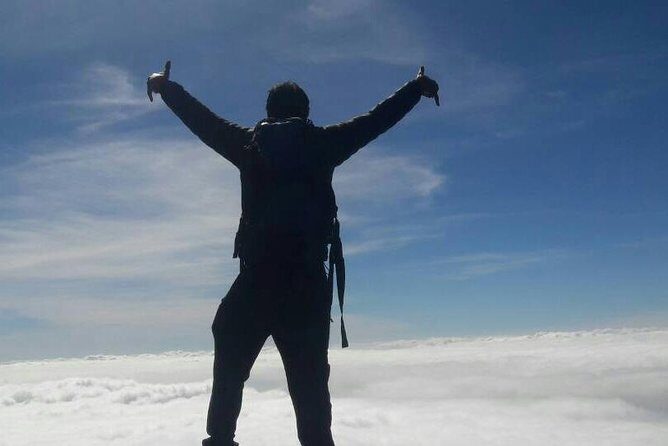
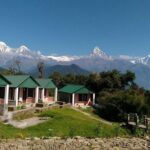
Food and accommodation are included for the trekking days. Lodges are part of the experience, and the plan notes sharing basis rooms. Private rooms aren’t always possible, so go in expecting communal or mixed sharing arrangements depending on lodge availability.
Meals are included on trek, and the plan specifically mentions a hot, hearty meal waiting after trekking. That matters because high-altitude days can drain your appetite. The included food removes one of the most annoying parts of trekking—searching for the one thing you can actually eat while you’re tired.
Also, keep in mind the camp-to-camp structure. The most functional and “complete” food situation is where accommodation is available (like High Camp). In the earlier morning stretches beyond that, there are only a few tea shops and no proper lodging and foodings. If you snack strategically at breakfast time, you’ll feel better later.
Fixed departures in March and November 2023: when to expect the route to feel different
This program lists fixed departure dates in late 2023, including March 1 and 7, plus November 3, 10, and 17. Those months generally mean very different conditions than, say, mid-summer trekking, so your preparation should match the season rather than relying on luck.
The plan also flags that the experience requires good weather, and if it’s canceled due to poor weather you’ll be offered a different date or a full refund. That’s a normal mountain reality. What’s not normal is pretending weather won’t matter. If the sky is unclear, your plan might shift.
Because this trek includes a high point and early start, I’d treat weather as a major part of your success equation. Bring the gear you need for cold mornings and wind exposure, and plan to be flexible with the schedule if conditions change.
Price and logistics reality check: what $13 covers and what you still budget for
The price shown is $13.00 per person, and it looks unusually low compared to the typical cost of guided trekking in Nepal. The good news is that the included items are meaningful: licensed guide, assistant guides, trekking meals and accommodation, and transfer support around Pokhara.
But you should still budget for the clear non-included costs:
- Porters if you want them: $20 extra per day.
- Insurance (not included).
- Trekking gear (not included).
- Your food if it’s not covered outside trekking meals.
- Trekking permits: 5000 Nepalese currency per person, handled by the guide.
- Transport charge for the trek (Pokhara–Phedi–Pokhara): it states transportation charge isn’t included, even though vehicles will be arranged.
That last item is the one to confirm before you commit. The highlights say transfers are included, but the non-included list also mentions transport charge. In practice, you might be paying a small vehicle fee while still getting the logistics managed for you. Either way, do a quick check with the operator so there are no surprises.
For value, here’s how I’d weigh it: if you already have gear and you’re ready for shared lodge life, the included guide support and meals reduce a lot of hassle. If you need lots of help carrying things, the optional porter cost can change the math fast. And if you need insurance, don’t skip it—altitude trekking is not the place to gamble.
Who this trek is perfect for (and who should think twice)
This is a strong fit if you want a high-altitude trek in the Annapurna region but with a shorter timeline. The schedule is paced with camp stops and included meals, which makes it easier to manage energy. It also suits people who want a licensed guide, permit support, and a clear structure without having to plan each step.
It’s also a good fit for travelers who like learning. The guide is highlighted for being organized and knowledgeable, including talk about local life, flora, and fauna, plus conservation area context.
Think twice if you’re expecting private rooms on every night. Sharing-basis lodges are part of the plan. Also, if you have limited tolerance for downhill walking, your final day’s descents can be rough on knees. You can reduce strain with trekking poles and by considering a porter for the longer or higher days.
If you’re looking for an easy stroll at altitude, this isn’t that. It’s moderate fitness required, and you’re going to 4200m.
Should you book the Mardi Himal fixed departure from Pokhara?
I’d book it if you want structure and support more than self-guided adventure. The included guide, camp-to-camp meals, and permit handling make it smoother than many do-it-yourself options. The guide name Roshan Thapa appears across the positive feedback, and the themes—safety, organization, and explanation about what you’re seeing—are exactly what I look for in a trekking partner.
I’d hesitate if you’re trying to pack super light but carrying a heavy bag anyway. Since porters aren’t included, you should either travel with a lean kit or budget for a porter ($20 per day). And because the trek depends on good weather, keep your plans flexible.
If you want a short, rewarding Annapurna-area trek with a guided approach and that high point feeling, Mardi Himal is a practical choice—especially from Pokhara.
FAQ
What is the highest elevation on this Mardi Himal trek?
The plan lists the highest elevation around 4200m, and the base camp area hike is shown at approximately 4210m.
How long is the trek?
It’s described as about 5 days.
Are meals included?
Yes. Meals are included on the trek.
Is accommodation included?
Yes. Accommodation is included on a sharing basis. Private rooms are not always possible.
Are porters included?
No. Porters are not included, but you can hire one for $20 extra per day if you want.
Do you take care of permits and trekking documents?
Yes. Permits and trekking documents are handled by the guide, with a permit fee of 5000 Nepalese currency per person.
What transportation is provided?
The start and finish are with transfers connected to Pokhara and the trailhead route. The materials also note that a transportation charge may apply, even though vehicles will be arranged.
What group size is this fixed departure limited to?
It’s capped at a maximum of 24 travelers.
What happens if weather is poor?
The experience requires good weather. If it’s canceled due to poor weather, you’ll be offered a different date or a full refund.
When can I cancel for a full refund?
You can cancel up to 24 hours in advance for a full refund; cancellations made within 24 hours aren’t refunded.