REVIEW · KATHMANDU
Patan Heritage Tour – Private/Small Group
Book on Viator →Operated by Amazing Kathmandu Tours · Bookable on Viator
Patan rewards slow wandering. This Patan Heritage Tour stitches together Newar Buddhism and the old Malla-era city fabric in a tight 3-hour walk from Patan Dhoka. You’ll move through both famous monuments and the narrower corners that shape daily life in Lalitpur.
I especially love two things: the way the guide makes the history feel practical, and the focus on the stories you can actually see—from Ganesha’s origin tale to the symbolism inside sacred courtyards. In small groups (max 5), you also get a pace that fits what you care about, and you might even be guided by names like Santosh, Santos, Bajey, or Shreya Karki depending on availability.
One consideration: the headline price is low, but key sites have entrance fees not included (cash is required for at least Patan Durbar Square). If you hate paying at the door, plan ahead and bring enough cash for whatever you choose to enter.
In This Review
- Key highlights before you go
- Patan’s Newar Buddhism and why this walk works
- Starting at Patan Dhoka: the gate that sets the rules
- Ganesh Mandir en route: a 15-minute myth with city-wide meaning
- Golden Temple (Hiranya Varna Mahavihar): 14th-century Buddhism, explained in plain terms
- Patan Durbar Square: Malla kings, courtyards, and architecture you can read
- Patan Museum: when sacred arts turn into something you actually notice
- Small-group pacing: what max 5 really changes
- Price and logistics: what you’re really paying for
- Who this tour suits best (and who should skip it)
- Should you book the Patan Heritage Tour?
- FAQ
- FAQ
- How many people are in the group?
- How long is the Patan Heritage Tour?
- What is included in the price?
- What entrance fees should I plan for?
- Where does the tour start and end?
- Can I cancel and get a refund?
Key highlights before you go
- Max 5 people means you can ask questions and not feel rushed.
- Newar Buddhism focus brings Vajrayana ideas into everyday Patan sites.
- Temple-to-palace route connects monastery courtyards with Malla kings’ power.
- Short stop with a real story: Ganesha and the elephant-head myth en route.
- Patan Dhoka murals and security give context before you hit the big square.
- Guides tailor the walk when you zoom in on alleyways or architecture.
Patan’s Newar Buddhism and why this walk works
Patan (Lalitpur) can feel like a museum you can walk through. The big difference here is that the tour isn’t just a photo checklist. It links places to the religious life of the Newar community, with a specific focus on Vajrayana Buddhism and how it relates to broader Buddhist traditions.
That matters because Patan’s sacred spaces aren’t separate from the street. Monasteries, shrines, courtyards, and palace areas all sit in the same urban rhythm. So when your guide explains what you’re looking at—teachings, sect influence, and the meaning of symbols—it connects the art to daily practice instead of treating it like trivia.
If you like understanding the “why” behind what you see, this tour format is built for you. If you only want quick monument photos with minimal context, you may feel like you’re sitting through more explanation than you expected.
You can also read our reviews of more private tours in Kathmandu

Starting at Patan Dhoka: the gate that sets the rules
You begin at Patan Dhoka (Patan Gate), and your guide uses that first moment to frame what’s ahead. The Malla kings arranged the security of the old city, and the gate’s murals are part of that story. It’s a smart way to start, because the gate isn’t just a landmark—it’s a clue that Patan was once managed like a living system, not a random pile of buildings.
You’ll also notice something practical right away: you’re about to walk through areas that were designed for movement at a human scale. The gate story makes the route feel less like sightseeing and more like tracing how power and religion shaped the city layout.
This start point also keeps logistics simple. The tour ends back at the same meeting place, so you don’t need to play transportation guessing games at the end of the walk.
Ganesh Mandir en route: a 15-minute myth with city-wide meaning
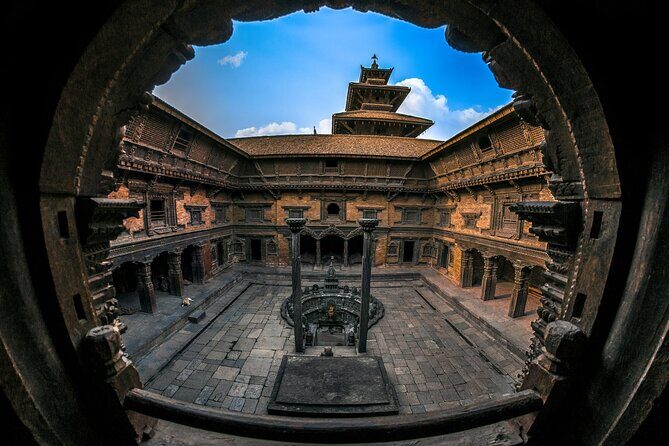
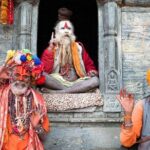
A quick stop on the way gives you a fast cultural entry point: Ganesh Mandir and the story of how Ganesha got the elephant head. It’s short (about 15 minutes), and it’s free to enter, which makes it easy to absorb without letting the day get heavy.
Why it’s worth it: Lord Ganesha appears across Nepalese Hindu practice, so hearing the origin story early helps you recognize how common religious references show up in places you’ll pass later. Even if you’re not a deep myth person, the story acts like a label for what you’re about to see.
Think of this stop as the tour’s warm-up. You’ll leave with a better sense of which symbols to pay attention to when you’re walking.
Golden Temple (Hiranya Varna Mahavihar): 14th-century Buddhism, explained in plain terms
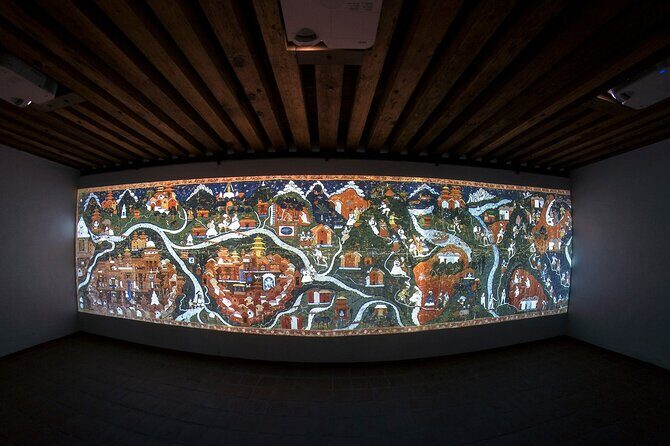
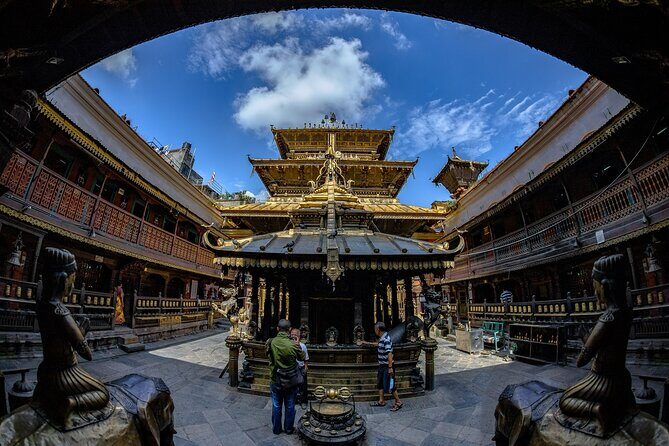
Next up is the Golden Temple (Hiranya Varna Mahavihar), a Newari Buddhist monastery dating to the 14th century. Your guide connects what you’re seeing with Buddha’s teachings and the Vajrayana traditions, including the idea that this form has influences from Theravada.
One key detail: admission here is not included. So you’ll want to be ready to pay on-site if you want to go in (your guide can point you to the right place). If you’re budgeting tightly, you can still learn plenty from the exterior context, but the full payoff usually comes from understanding the sacred space up close.
This is also where the tour’s “small group” format earns its keep. In a bigger group, you tend to get rushed through. In a group of five, your guide can slow down when something clicks for you—whether it’s icon meaning, architecture, or the way rituals shape what locals do around the temple.
Patan Durbar Square: Malla kings, courtyards, and architecture you can read
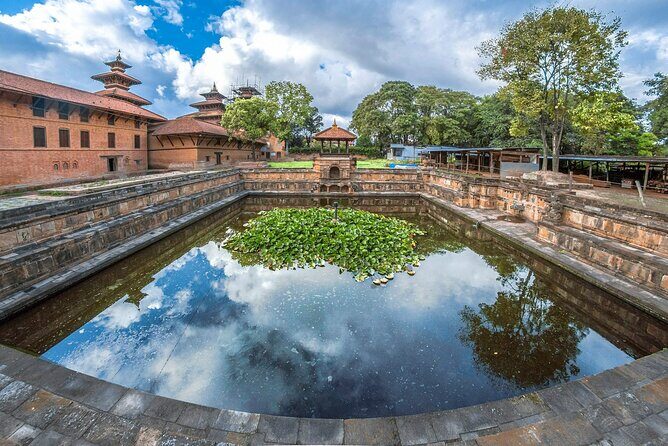
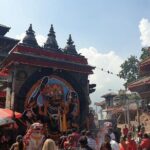
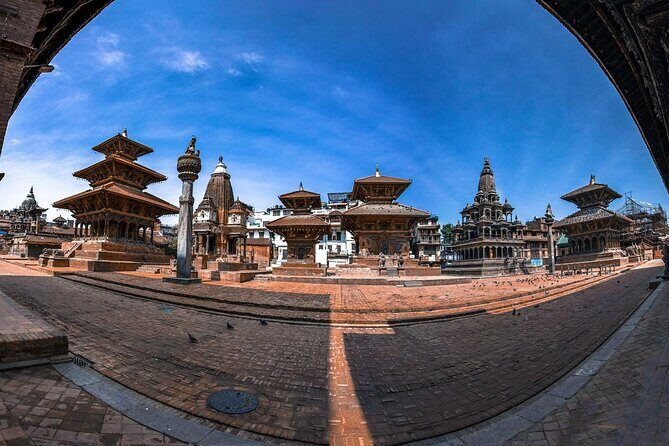
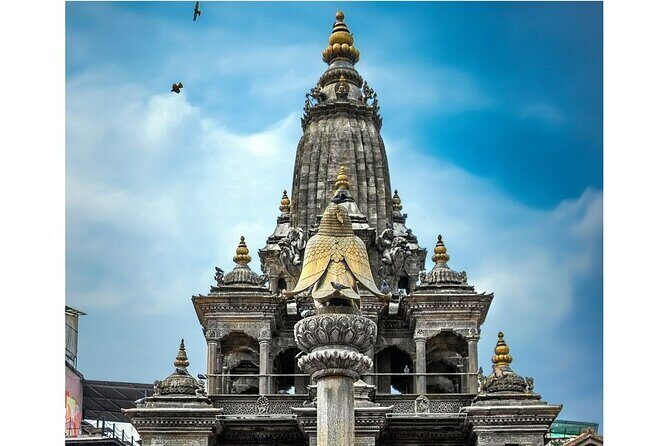
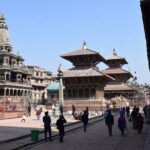
If you want to see where politics and faith overlap, Patan Durbar Square is the heart of it. This is the ancient royal palace area where the Malla kings of Patan lived. Your walk here focuses on Nepalese architecture—shrines, palace spaces, and the physical signs of how power was built into the city.
Admission for Durbar Square is not included, and the tour asks you to pay in cash at the entrance. The fee is listed as NRP 1000 (about US$9). There’s also a suggestion to donate a minimum of NRP 100 to the Royal Kumari, which is part of the local system around the site.
A practical tip: bring cash before you reach the square. Waiting to find an exchange point right when you want to enter usually turns a beautiful experience into a stress moment.
What makes this part special is that your guide doesn’t treat the square like a frozen postcard. Instead, the tour ties the space to how the city used to function—where rulers lived, where shrines reinforced legitimacy, and how the built environment still influences the present-day feel of the area.
You can also read our reviews of more historical tours in Kathmandu



Patan Museum: when sacred arts turn into something you actually notice
After the palace square, you shift from monuments to objects and design. The Patan Museum sits in an old residential court connected to Patan Durbar, and it displays traditional sacred arts of Nepal.
Admission is not included here either. The museum stop runs about 1 hour, which is a good length: long enough to see multiple collections, short enough that the day stays active instead of turning into a slow slog.
Even if you’re not a museum-only person, this stop helps you connect dots. Watching the square’s architecture is one thing; seeing the sacred arts explained in a museum setting helps you understand what the buildings were meant to hold. If you care about art, symbolism, or craft traditions, this is where your understanding usually deepens.
If you’d rather spend time outside, you can still learn from the approach your guide takes. But the museum is typically where people come away saying they finally understand what they were looking at earlier in the walk.
Small-group pacing: what max 5 really changes
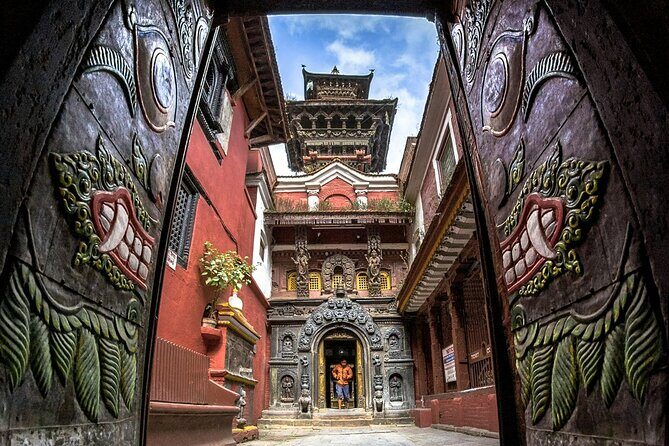
This tour caps at 5 participants, and it shows in how the walk feels. The guide can adjust the level of detail based on what you find interesting, and the route can feel more like a conversation than a lecture. You’ll also spend time in narrow streets and passages, which are difficult to find on your own unless you already know the pattern of Patan’s lanes.
That’s why the group size matters. In a tiny group, your guide can keep track of attention and energy. If you’re the type who likes asking questions, you’ll get room to do it. If you prefer to just listen and take photos, your guide can keep it moving at your comfort pace.
From the variety of guide names mentioned—Santosh, Santos, Bajey, Shreya Karki—it’s clear the people running these walks tend to bring a personal style. Some will emphasize religious context. Others will point out city layout and alley-level stories. Either way, the route is designed to help you see Patan, not just pass through it.
Price and logistics: what you’re really paying for
The tour price is listed as $5.00 per person, with group discounts and a mobile ticket option. Youth pricing applies to students with a student card. On paper, it looks almost too cheap, and that’s fair to notice.
Here’s the real value equation: most of what you’re buying is guided time and interpretation—an English-speaking guide, a compact route, and context that would be hard to piece together quickly on your own. For many people, that’s worth far more than the ticket cost.
What can add cost: entrance fees for key sites are not included. Patan Durbar Square is specifically stated as NRP 1000 cash at the entrance, plus the recommendation to donate at least NRP 100 to the Royal Kumari. Golden Temple and Patan Museum also aren’t included, but the exact amounts for those two aren’t provided in the information you have.
Budget tip: plan to bring enough cash for at least Durbar Square, and carry a little extra in case you decide to enter the other sites fully. Also note coffee and/or tea isn’t included, so if you want a break, plan to buy water or a drink on your own.
Good to know if you’re thinking logistics: the tour runs about 3 hours (approx.), starts and ends at Patan Dhoka, and is near public transportation. Service animals are allowed.
Who this tour suits best (and who should skip it)
This works well if you want a short, focused introduction to Patan that connects religion, art, and architecture. It’s also a strong fit if you like walking routes with explanations and you enjoy narrow alley exploration—because the guided path is part of the experience.
You might not love it if you’re trying to minimize walking time, want zero entrance fees, or prefer self-guided tours where you control every minute without stopping for stories.
If you’re traveling solo but still want the social safety of a guide, the max 5 format is a sweet spot. If you’re traveling in a small group and want coordination without joining a huge crowd, this tour hits that balance.
Should you book the Patan Heritage Tour?
I’d book it if you want a smart first taste of Patan in just a few hours, especially if Newar Buddhism and Malla-era Patan interest you. The mix of temple storytelling, palace-square context, and an art-focused museum stop gives you more than just “what to see.” You’ll leave with a better sense of what the city means.
Book it with your eyes open about entrances. Bring cash for Patan Durbar Square and expect additional costs for the Golden Temple and Patan Museum. If you’re okay with that, the low base price makes this feel like excellent value for guided interpretation.
FAQ
FAQ
How many people are in the group?
The tour is a private/small group experience with a maximum of 5 travelers.
How long is the Patan Heritage Tour?
It runs for about 3 hours (approx.).
What is included in the price?
An English-speaking guide is included, and you’ll receive a mobile ticket. Entrance fees for some stops are not included.
What entrance fees should I plan for?
Entrance to Patan Durbar Square is not included and must be paid in cash at the entrance (NRP 1000 about US$9). The Golden Temple and Patan Museum entrances are also not included. Some stops are free.
Where does the tour start and end?
It starts at Patan Dhoka, Lalitpur 44600, Nepal, and ends back at the same meeting point.
Can I cancel and get a refund?
Yes. You can cancel for a full refund if you cancel up to 24 hours in advance. If you cancel less than 24 hours before the start time, the amount you paid will not be refunded.