REVIEW · KATHMANDU
Everest Base camp Trek-12 days
Book on Viator →Operated by Exciting Nepal Treks and Expedition · Bookable on Viator
In This Review
- Everest Base Camp, but with the hard parts handled
- Quick highlights before you commit
- The real value: $1,400 that covers the big-ticket stuff
- Kathmandu Valley start: pickup, early timing, and getting ready the right way
- Lukla flight: the short ride with big emotions
- From Monzo through Sagarmatha National Park to Namche
- Everest View Hotel acclimatization: Khunde and Khumjung with Ama Dablam frames
- Tengboche day: Mongla Pass steps and Buddhist monuments on the way
- Higher than 4,000 m: forests, villages, and ridgelines on the way to 4,350 m
- Dingboche’s Nangkartshang hike: your acclimatization with a viewpoint reward
- Dusa to Duglha at 4,950 m: narrower valleys and Everest-expedition history
- Everest Base Camp day: glacier views, rough footing, and 5,364 m
- Kala Patthar sunrise: the classic viewpoint hike
- The return trail: Pangboche, Tengboche, Namche, and Dudh Kosi bridges
- Back to Kathmandu: window seat for the whole Everest picture
- Guides and small-team support: names that show up in real feedback
- What’s included vs what you’ll still need to cover
- Who this trek fits best (and who should rethink it)
- Should you book this Everest Base Camp trek?
- FAQ
- How long is the Everest Base Camp trek?
- Where does the trek start?
- What is the flight to Lukla like?
- Do I sleep in teahouses during the trek?
- Are meals included?
- What gear is provided?
- What is the highest altitude on this route?
- Is a porter included?
- Does weather affect the trip?
- How large is the group?
Everest Base Camp, but with the hard parts handled
You fly to Lukla, then walk toward Everest—no spreadsheets required. This 12-day-style Everest Base Camp trek organizes the big logistics for you: domestic flights, teahouse accommodation, meals, national park fees, and even core gear like sleeping bags and down jackets.
I especially like how the route is built around acclimatization, not just forward motion. And I like that the company runs this as a group trek with staff support, so you’re trekking with help when trails get confusing or your legs get grumpy.
One drawback to plan for: this is a weather-dependent trek in a remote area, so delays and schedule tweaks can happen if conditions aren’t right.
Quick highlights before you commit
- Lukla flight: a 40 to 45 minute jump that drops you into the Everest region fast
- Teahouses included: you sleep in simple lodges along the way, not camping gear
- Acclimatization days that move: you hike high and sleep lower, including a Dingboche viewpoint day
- Kala Patthar sunrise: early hike for classic Everest + Khumbu Glacier views
- Well-run group size: up to 26 travelers, with guidance and support built in
You can also read our reviews of more hiking tours in Kathmandu


The real value: $1,400 that covers the big-ticket stuff
At $1,400 per person, the question isn’t just the price tag—it’s what’s inside it. This trek bundles several costs that usually add up quickly for Everest routes: round-trip flights to Lukla, national park fees, meals, and accommodations during the trek. It also includes key trekking gear items like sleeping bags and down jackets, plus a normal medical kit.
For many hikers, that changes the budgeting game. You’re not constantly estimating extra costs for basic necessities, and you’re less likely to arrive under-prepared for the cold. You also get arrival/departure coordination in Kathmandu, which matters because the Everest region is not a place you want to freestyle when timing gets tight.
The itinerary also has a clear rhythm: steady trekking days, intentional acclimatization, and a big payoff at the end with Everest Base Camp and Kala Patthar. That structure is a big reason this trek is described as economical while still feeling like a full Everest experience.
Kathmandu Valley start: pickup, early timing, and getting ready the right way
You’ll start in Kathmandu with pickup offered and a morning meeting time of 6:00 am. That early start is practical. Kathmandu traffic can be unpredictable, and you’ll want the day to unfold calmly—especially if this is your first real mountain trek.
On your first day you’ll be in the Kathmandu Valley area, then you shift into airport mode. If you’re the type who likes to know what happens next, this tour style helps: staff guide the handoff from Kathmandu to the airport and into the travel day that ends at Lukla.
Lukla flight: the short ride with big emotions
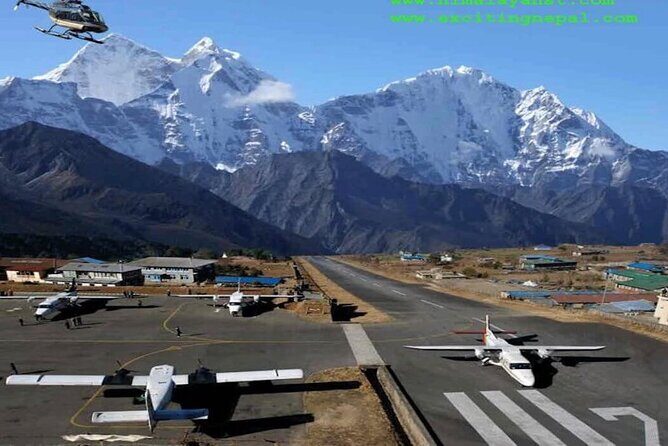
The flight is listed as 40 to 45 minutes, and it’s described as adventurous. That fits how Lukla works—short airstrips, high drama, and that sharp sense of being dropped into the mountains for real.
Once you arrive in Lukla, you meet porters and staff, then start trekking right away. Day 2 begins with a descent along the trail from Lukla toward Monzo, then you follow the trail that tracks the Dudh Kosi River to Phakding. The river water is described as chalky, coming from glaciers. It’s a detail that helps you picture the environment: less postcard water, more raw glacial flow.
Day 2’s max altitude is 2,804 meters, which is a gentle start compared with what’s coming. Still, don’t treat it like a stroll. In the Everest region, even “easy days” can feel like work once the lungs start noticing the altitude.
From Monzo through Sagarmatha National Park to Namche
Day 3 pushes you higher, with a max altitude of 3,445 meters and a trek time around 3 to 4 hours over about 4 kilometers. You start after breakfast in Monzo, trek south toward Jorasele, and pass through rhododendron forest. Even if you’ve seen rhododendrons before, here they matter because they’re a living marker of altitude change.
Then you enter Sagarmatha National Park, a UNESCO World Heritage Site. That’s more than a title—it’s part of the reason the route is so structured and regulated. You’ll also pass through the town area at Jorasele for a short break, then face a 600-meter climb to Namche, which is described as steep, rugged, and tough.
This is the day where the trek shifts from scenic to serious. You’ll reach the Khumbu River and cross it on a bridge. The river is described as beautiful with clean blue water, which gives you a mental reset before the next climb.





Everest View Hotel acclimatization: Khunde and Khumjung with Ama Dablam frames
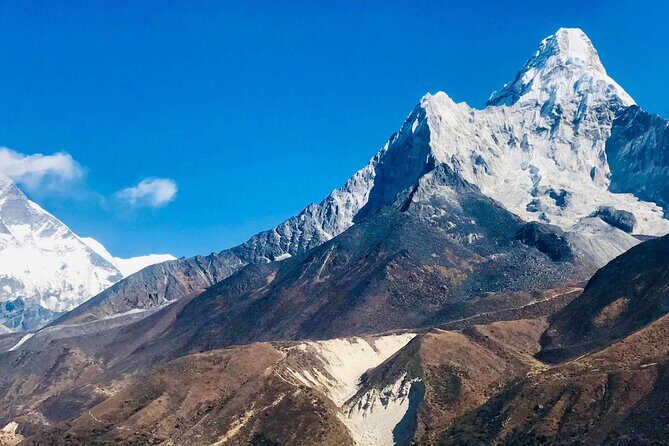
Day 4 is your acclimatization and exploration day. Max altitude stays around 3,440 meters, and the plan is classic: trek higher during the day, sleep lower at night. The idea is simple—give your body time to adjust while still moving enough to feel like you’re progressing.
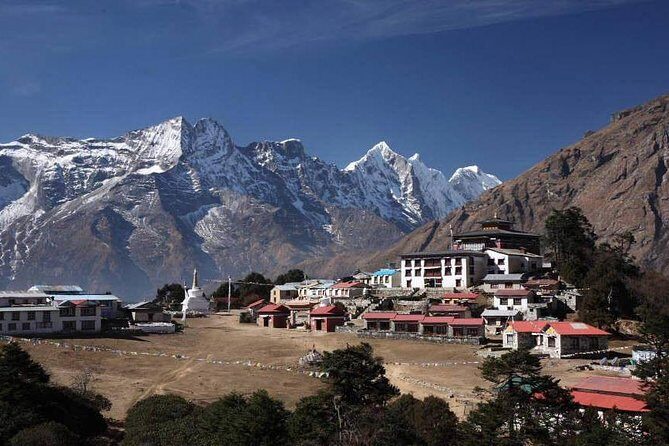
You ascend above Namche toward Everest View Hotel, starting with a steep climb that becomes easier after a while. You’ll pass through Khunde, a Sherpa village, then walk toward Khumjung. Khumjung is described as a wealthier area with good houses. More importantly, it’s a viewing point—this is where you can catch strong sightlines to Mt. Ama Dablam.
A short walk uphill takes you to Everest View Hotel for those views. This kind of acclimatization day is valuable because it teaches you how the altitude feels before you go chasing higher numbers later.
Tengboche day: Mongla Pass steps and Buddhist monuments on the way
Day 5 targets Tengboche and hits a max altitude of 3,975 meters. Trek time is listed as 5 to 6 hours over about 9.5 kilometers—not a sprint, but long enough that you’ll settle into steady pacing.
You leave early from Namche Bazaar toward Tengboche and you’ll see Buddhist monuments along the way: gompas and stupas. The trail follows contour for stretches, then you deal with stone steps and the Mongla Pass at 3,975 m. When a day includes a pass at the day’s max altitude, plan on it feeling like the hardest part of the whole day—even if your map looks “reasonable.”
The route describes some of the best Ama Dablam views and a descent toward the Dudh Koshi River, followed by another climb. That up-down pattern is very Everest—expect legs that feel like they belong to someone else by late afternoon.
Higher than 4,000 m: forests, villages, and ridgelines on the way to 4,350 m
Day 6 tops out at 4,350 meters, with a listed trek time of 5 to 6 hours and about 11 kilometers. The day includes alpine forest trekking and several small villages. That’s not just nice scenery—it’s also practical. Villages mean waypoints, a rhythm for breaks, and more frequent places to settle into your routine.
You start with descent through rhododendron forests, then the trail turns uphill through birch, conifer, and rhododendron. You pass through the Khumbila Khola valley, then ascend toward a ridge line.
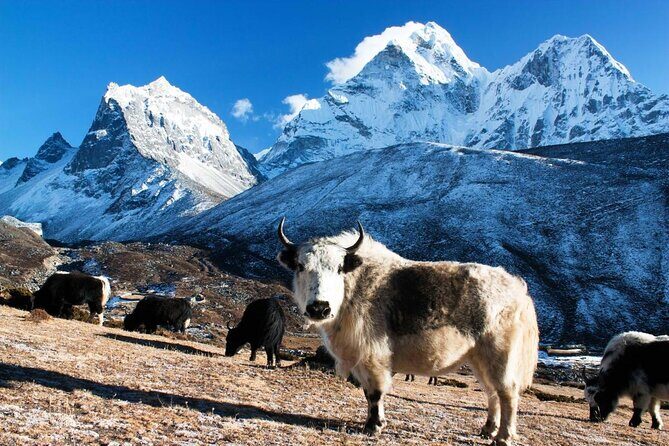
The day’s peak viewpoint theme includes mountains like Mt. Taboche, Mt. Nuptse, Mt. Cholatse, and others. Even when you can’t identify every peak, the sense you get is real: the higher you climb, the more the region turns into a stack of stone and snow walls around you.
Dingboche’s Nangkartshang hike: your acclimatization with a viewpoint reward
Day 7 is another acclimatization day. Instead of a full rest day, it includes a hike to Nangkartshang peak just above Dingboche. This is planned as a high-enough excursion to help your body adapt, with the reward being excellent views—especially of Ama Dablam if the weather is clear.
If you’re someone who hates “rest days” that feel like wasted time, this works. You get movement, you get a goal, and then you can spend the afternoon strolling around Dingboche or resting.
Dusa to Duglha at 4,950 m: narrower valleys and Everest-expedition history
Day 8 rises to a max altitude of 4,950 meters with about 5 hours of trekking and 11 kilometers. The terrain described starts wider, then gets narrower as you get close to Dusa. That narrowing valley feeling matters because it can make the hike feel more enclosed and mentally more tiring.
You’ll also pass by the campsite of the first successful Everest Expedition. That’s one of those moments that gives the trek a deeper emotional layer, because you realize people stood where you’re walking—just with a totally different kind of plan.
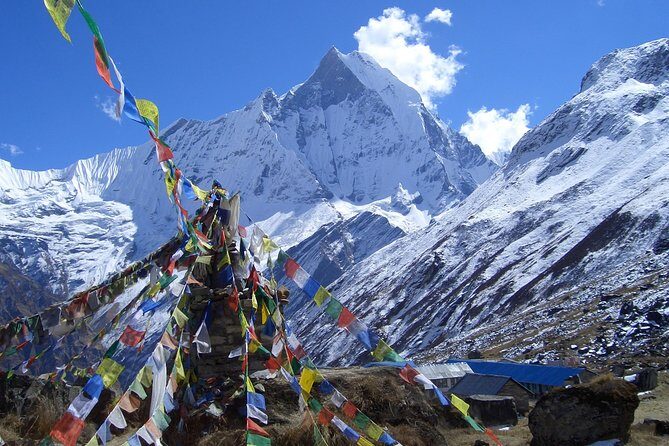
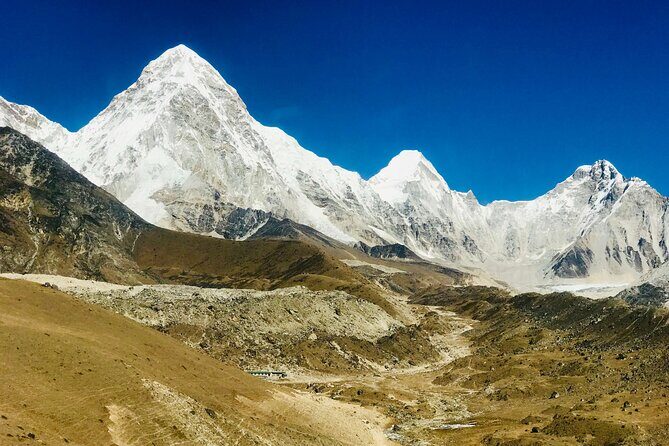
You’ll see Mt. Pumori along the route, then you cross a stream and ascend to Dughla, a small village with prayer flags.
This day is where slow pacing becomes non-negotiable. As altitude climbs, it’s not about pushing. It’s about controlling effort so your body doesn’t panic.
Everest Base Camp day: glacier views, rough footing, and 5,364 m
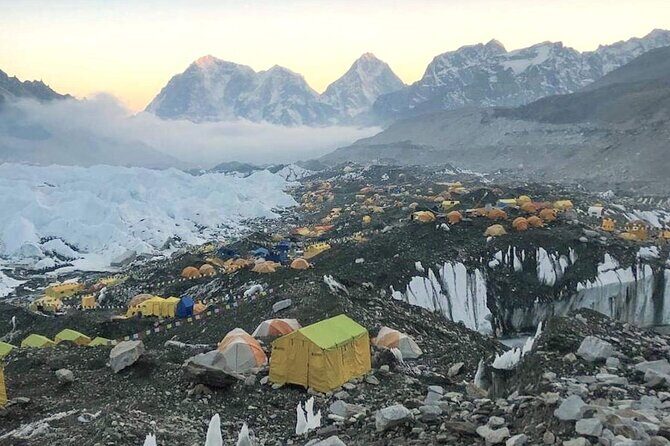
Day 9 is the big destination push to Everest Base Camp, with a max altitude listed at 5,364 meters. Trek time is 7 to 8 hours over about 15 kilometers.
You’ll continue toward Gorak Shep and you get a sight of the Khumbu Glacier. The walking is gradual ups and downs at first, then becomes rough closer to Gorak Shep. The route description mentions walking over large rocks up and down. That means your focus shifts: it’s less about distance and more about footing and breathing.
You’re asked to walk slowly to avoid altitude sickness. That’s not a safety lecture, it’s a trail strategy. As you approach higher points, going fast costs you oxygen, and oxygen is your real currency.
You reach the top of the Khumbu Glacier and then see a view of the Khumbu Icefall before finally standing at Everest Base Camp. Expect mixed feelings. At that altitude, people often feel mentally wired and physically run-down at the same time.
Kala Patthar sunrise: the classic viewpoint hike
Day 10 starts very early. You hike for 3 to 4 hours to Kala Patthar, described as the best viewpoint for Mt. Everest, Khumbu Glacier, and Khumbu Icefall.
The magic here is weather. When conditions are clear, the sunrise view is described as magical and the Himalayan ranges glow. Even if you don’t get a perfect sunrise, this hike is still valuable because it gives you one of the best chances for wide panoramas and that close-up feeling of the peaks.
Bring patience for the cold and the dim. Early starts in this region mean you’ll be shivering before the reward hits.
The return trail: Pangboche, Tengboche, Namche, and Dudh Kosi bridges
Day 11 shifts gears into descent. You go down through Pangboche and Tengboche before continuing to Namche Bazaar, arriving in the afternoon. Descents can still feel tough on knees and ankles, especially after days of altitude work.
Day 12 takes you back toward Lukla, with a trek time around 10 kilometers and a max altitude of 2,840 meters. The route follows the way from Manjoo to Lukla, with stops like Benkar and Phakding. This day includes suspension bridges over the Dudh Kosi River, plus walking along forests and seeing small Sherpa settlements.
It’s a different feeling than ascent days. You’re relieved, but you’re also aware you’re moving away from the high altitude that made the whole experience feel intense. Lukla itself is described as busy, with lodges, tea houses, and shops—so it’s a lively ending before you fly out.
Back to Kathmandu: window seat for the whole Everest picture
Day 13 is the final transfer. You take an early flight from Lukla to Kathmandu with a recommended window seat for an aerial view of the region. In practice, this last flight often becomes your mental rewind: you can connect what you saw from the trail to what it looks like from above.
Guides and small-team support: names that show up in real feedback
A lot of Everest trekking success comes down to how the trip is run day-to-day—especially around pacing, acclimatization, and logistics. In the feedback for this company, specific guide names show up with praise: Ram Tamang, Basu, Suman, and Shasi. These are typically the people organizing the day’s walking plan, keeping you informed, and handling the human details that matter when you’re tired.
The owner Subash is also highlighted in the feedback as being highly responsive before and during the trip, which is useful when flight times or small details change. For a trek like this, fast communication can keep you calm instead of guessing.
What’s included vs what you’ll still need to cover
Included
- Accommodations during the trek (teahouse style on the trail)
- National park fees
- Flight to Lukla and back
- Sleeping bag and down jacket
- Arrival and departure support
- Seasonal fruits
- Normal medical kits
- Meals: breakfast 12, lunch 11, dinner 11
Not included
- Personal items like alcoholic drinks, cold drinks, and laundry
- Porter/carrying service if you need one
This mix is important for budgeting. You can expect most essentials—warmth basics, lodging, meals, and major fees—to be handled. What you’ll manage yourself is the discretionary stuff and any extra help you personally request.
Who this trek fits best (and who should rethink it)
This trek is best suited for moderately fit hikers with hiking experience. That’s not gatekeeping; it’s a reality check. You’re walking long days, dealing with steep sections, and reaching a max altitude of 5,364 meters at Everest Base Camp.
It also helps if you’re comfortable with early mornings, slow pacing, and the fact that weather controls visibility and sometimes timing. The itinerary includes acclimatization hikes and the rule of high days/low nights, which is exactly what you want—but it still requires effort from your body.
Should you book this Everest Base Camp trek?
If you want the classic Everest Base Camp experience but prefer not to manage flights, park fees, lodging logistics, and meal planning yourself, this is a strong match. The included flights to Lukla, teahouse nights, and meal plan make it feel like a complete package instead of a patchwork.
I’d book it if:
- You like group travel with guide support and a clear daily plan
- You want provided core gear like a sleeping bag and down jacket
- You’re aiming for value without cutting major essentials
I’d think twice if:
- You struggle with cold and early starts
- You’re hoping for a guaranteed clear-weather sunrise every day
- You need a porter by default rather than as an add-on
If that sounds like you, you’ll likely enjoy how focused and straightforward the experience feels once the trek begins.
FAQ
How long is the Everest Base Camp trek?
The duration is listed as approximately 13 days, including trekking days plus flights to and from Lukla.
Where does the trek start?
It starts in Kathmandu. Pickup is offered, and the meeting time is 6:00 am.
What is the flight to Lukla like?
You’ll fly from Kathmandu to Lukla, with a flight duration of about 40 to 45 minutes. The flight is described as adventurous, and the landing on narrow airstrips is part of the thrill.
Do I sleep in teahouses during the trek?
Yes. Teahouse accommodation during the trek is included.
Are meals included?
Yes. Meals included are breakfast 12 times, lunch 11 times, and dinner 11 times, plus seasonal fruits.
What gear is provided?
The tour includes equipment such as sleeping bags and down jackets, and it also mentions normal medical kits.
What is the highest altitude on this route?
The itinerary lists a max altitude of 5,364 meters at Everest Base Camp.
Is a porter included?
Porter/carrying service is not included if you need one. The tour notes that porter carrier is available if you request it, but it’s not part of the included package.
Does weather affect the trip?
Yes. The experience requires good weather. If it’s canceled due to poor weather, you’ll be offered a different date or a full refund.
How large is the group?
The maximum group size is 26 travelers.