REVIEW · SAURAHA
Private Jeep Safari (8-10 hrs.)inside Chitwan National Park.
Book on Viator →Operated by The Chitwan Tiger Guide Service And Mini Library · Bookable on Viator
A dawn Jeep in Chitwan feels like going quiet on purpose. This full-day safari is designed to reach the core wildlife areas inside Chitwan National Park, with an open-hooded Jeep and a local Tharu guide helping you spot rare animals and serious birdlife. The timing matters too: the drive starts after sunrise and wraps before sunset.
What I like most is how the day is built around the chance to see big names like Royal Bengal Tiger, Greater one-horned Rhinoceros, and wild elephants—plus birds such as Giant hornbill and Bengal florican. And I also really appreciate the practical side: you get a lunch box with water, fruits, and juice, so you’re not scrambling mid-day.
One consideration: this is a long outing, about 8 to 10 hours, and it starts early (6:30 am). You’ll want moderate physical comfort for being in the Jeep for hours, and you should know that a non-refundable plan means you’ll want to lock in your dates with confidence.
In This Review
- Key highlights you’ll care about
- Chitwan’s “who might show up” list: tiger, rhino, elephant, and bird drama
- The 6:30 am start: why this timing works for wildlife
- Inside the park: open-hooded Jeep access and the guide-led “wait or move” game
- What you’re eating on safari: lunch box timing and the included drinks
- Best months for Chitwan: October to April, with March and April leading the way
- Price and value: $196.66 per person for 8–10 hours of Jeep time
- Who this tour fits best (and who should rethink it)
- Practical tips to make your day smoother in Chitwan
- Should you book this private Chitwan Jeep safari?
- FAQ
- What’s the duration of the Private Jeep Safari in Chitwan?
- Where does the safari start and end?
- What time does the tour begin?
- What’s included in the price?
- What should I budget for since it’s not included?
- What wildlife and birds can this safari help you see?
- What are the best months for this safari?
- Is this a private tour or shared group?
- What’s the cancellation policy?
Key highlights you’ll care about
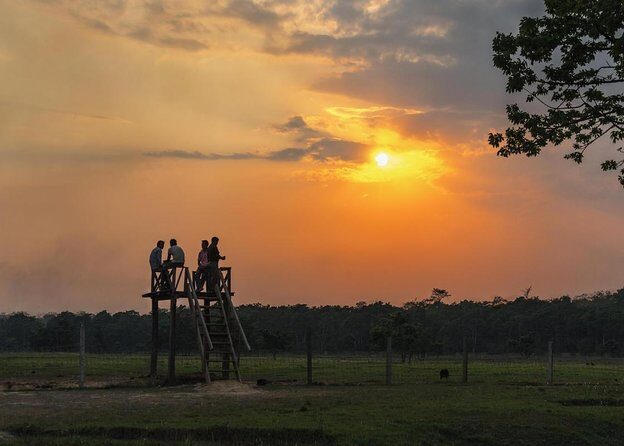
- Early morning start (6:30 am): more time in the park during peak wildlife activity
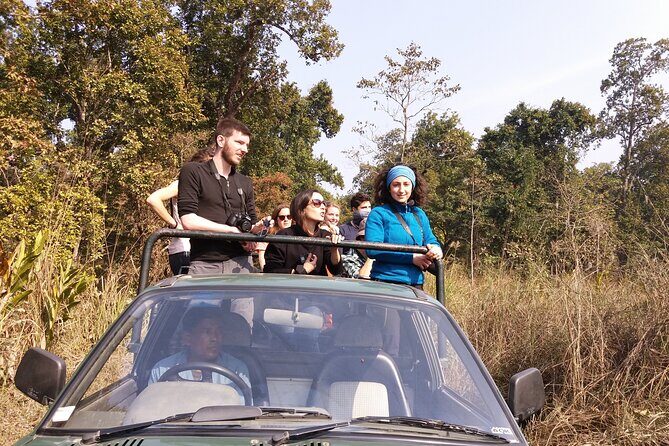
- Open-hooded Jeep access: helps you see and react quickly when animals show up
- Target species mix: tiger, rhino, sloth bear, elephants, crocodile, and standout birds
- Guide-led pacing: the best moments come from knowing when to wait vs. move
- Included fuel for the day: lunch box plus water, fruits, and juice included
- Private format: only your group goes together, so the pace can feel more personal
Chitwan’s “who might show up” list: tiger, rhino, elephant, and bird drama
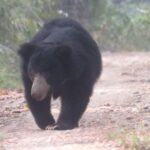
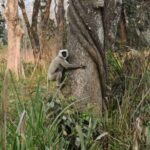
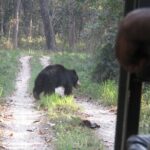
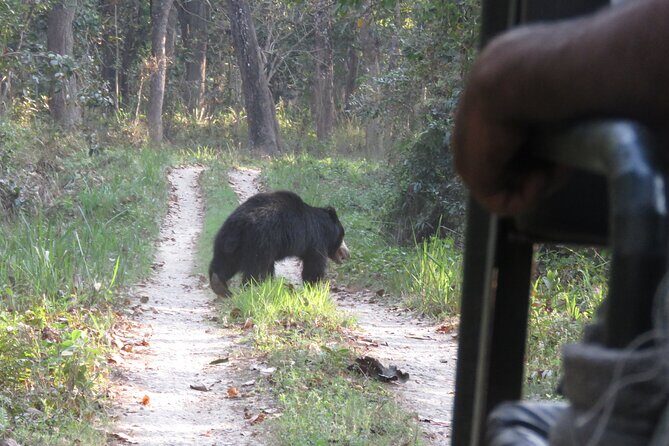
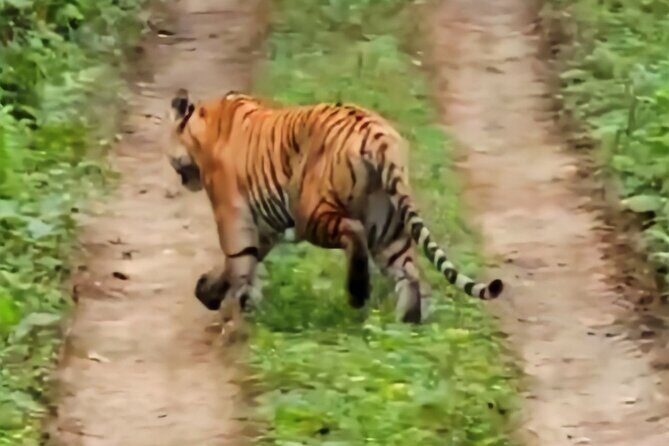
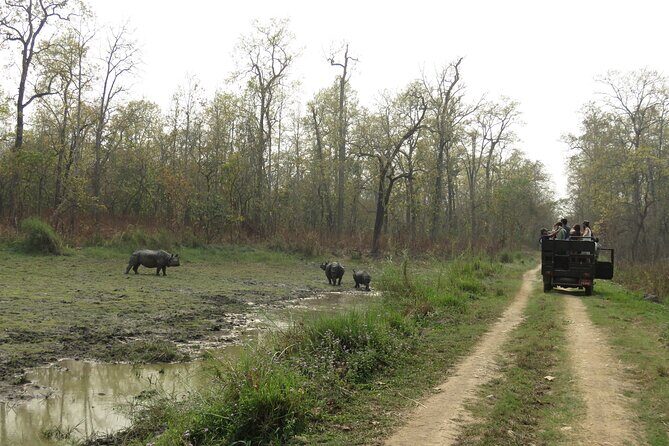
Chitwan National Park is famous for high-odds wildlife days, and this Jeep safari is geared for exactly that. The standout target animals you’re hunting for include Royal Bengal Tiger, Sloth Bear, wild elephant, and Greater one-horned Rhinoceros. There’s also a chance to spot crocodile—because yes, waterways and wildlife watching often overlap here.
On the bird side, you’re not only scanning treetops. The tour specifically calls out species like Giant hornbill and Bengal florican. That matters because birding in Chitwan isn’t just about spotting one bird; it’s about noticing movement, calls, and habitat patterns. A good guide can make you look in the right direction at the right time, and that’s where this safari earns its 5-star marks.
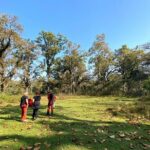
One more thing: the day isn’t marketed as a rushed checklist. It’s designed for time in dense jungle with different types of vegetation and terrain, which is exactly what wildlife needs—food, cover, and travel routes. If you’re the kind of traveler who enjoys reading the forest instead of only chasing a single photo, you’ll be in your element.
You can also read our reviews of more tours and experiences in Sauraha.
The 6:30 am start: why this timing works for wildlife
This tour starts at 6:30 am from the Chitwan Tiger Guide Service And Mini Library area near Rhino Rd, Ratnanagar. From there, the plan is to be on safari after sunrise and keep going until before sunset. That schedule isn’t an accident; it gives you the best chance of seeing active animals when they’re more likely to move, feed, or cross open sightlines.
You’ll also feel the practical rhythm of an early start. By the time the day heats up, you’re already inside the park route flow, instead of spending the morning catching delays outside the gates. The full-day structure is long, but it’s built around a simple idea: wildlife viewing rewards patience and timing more than speed.
If you’re deciding between morning-only vs. full-day, this is the version that gives you breathing room. With an 8–10 hour window, there’s time for repositioning and waiting—two things that matter a lot once you’re searching for elusive species like tiger and sloth bear.
Inside the park: open-hooded Jeep access and the guide-led “wait or move” game
The safari uses an open-hooded Jeep, and that’s a big deal for wildlife watching. You’re not sealed into a window-box experience. You can lean, scan faster, and react when something shifts—whether it’s a distant silhouette, a bird call, or fresh tracks.
The Jeep also takes you toward the core, deeper areas of Chitwan National Park. Dense jungle and varied habitat mean wildlife can be visible one moment and totally hidden the next. This is where the Tharu guide’s role matters. The best days come from knowing when to slow down and when to change position, and you’ll be with someone whose job is to read the area and help you do the same.
In the past, travelers have praised how guides know when to wait for animals and where to go for the best locations. That’s not just a nice comment—it’s the difference between a day that feels like a drive, and a day that feels like actual searching.
A fair heads-up: wildlife watching can still be unpredictable. This safari improves your odds by getting you into the right areas and using guide judgment, but it can’t guarantee specific animals on any given day.
What you’re eating on safari: lunch box timing and the included drinks
A full-day Jeep safari needs fuel, and this one includes a lunch box with water, fruits and juice. The point isn’t luxury—it’s keeping you steady during long hours in the park. Having drinks included is especially helpful because you’re out from early morning onward, and the day can feel longer than you expect once you factor in road time and waiting.
One of the consistent positives tied to this safari is that the lunch is really good. Even if the food details aren’t fancy on paper, the real value is simple: you get a practical break without wasting time hunting for options outside the park.
If you have dietary restrictions, this is something to confirm when you book, since the only stated promise is the lunch box with water, fruits, and juice. I’d treat that as your baseline and plan for personal needs accordingly.
Best months for Chitwan: October to April, with March and April leading the way
The best months listed are October–April. That’s a huge chunk of the year, and it lines up with when wildlife viewing is typically more comfortable and when skies and travel conditions are often better.
The tour info also calls out March and April as the best months for wildlife viewing, plus greener forest scenery. That combination is the sweet spot: greener habitat can mean better bird activity and a more “alive” feel in the forest, while peak wildlife conditions increase your odds of seeing more.
If you’re trying to plan around weather and wildlife, you can think of it like this:
- October–April = solid season
- March–April = stronger wildlife viewing window plus lush scenery
A few more Sauraha tours and experiences worth a look
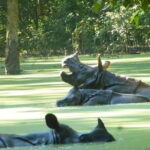
Price and value: $196.66 per person for 8–10 hours of Jeep time
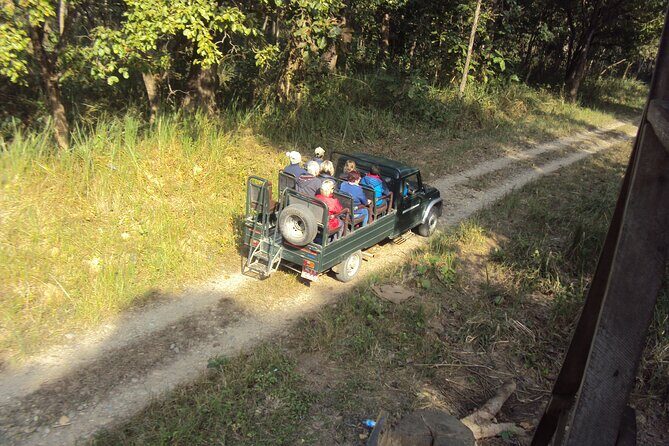
At $196.66 per person, this safari isn’t the cheapest way to see Chitwan. But it’s priced for a private, full-day Jeep format with the key costs bundled in.
What you’re paying for here includes:
- Jeep cost for a full day (8–10 hrs.)
- Guided fee
- Park entrance permit
- Lunch box with water, fruits and juice
For value, look at what’s included rather than just the sticker price. A Jeep safari is mostly about access (getting into the park) and time with the right guide. When the permit and guide fee are included, you’re less likely to get hit with add-ons mid-planning.
Also, the tour lists pickup as offered and mentions group discounts. Even if you’re traveling as a couple, it can be worth asking how group discounts apply to your exact party size when you book.
What’s not included (so budget for it):
- personal expenses
- personal insurance
- tips
Tips aren’t required information, but they’re common in Nepal for good service. If a guide helps you maximize sighting chances, plan to tip appropriately.
Who this tour fits best (and who should rethink it)
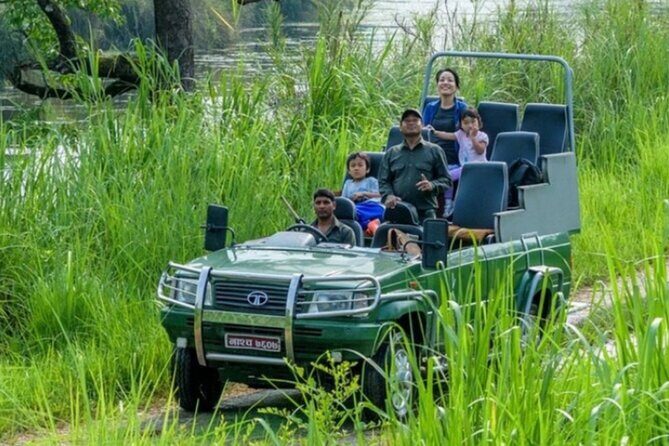
This is a private tour/activity, meaning only your group participates. That usually works well if you:
- want a steadier pace (not stuck with a crowd’s rhythm)
- like asking questions and getting direct guidance
- want an experience that feels more tailored to your interests in mammals and birds
It also mentions moderate physical fitness level. That doesn’t mean you need to be an athlete. It does mean you’ll be spending long hours seated in a Jeep and doing frequent scanning and short movements. If you have mobility limits, you’ll want to consider whether you can handle the full 8–10 hour duration comfortably.
This safari is best for nature and wildlife lovers—especially if you’re interested in a wider mix, not only tiger-chasing. The combination of big mammals and specific bird targets makes it feel like two experiences in one day: mammals on the ground and birdlife in the air.
Practical tips to make your day smoother in Chitwan
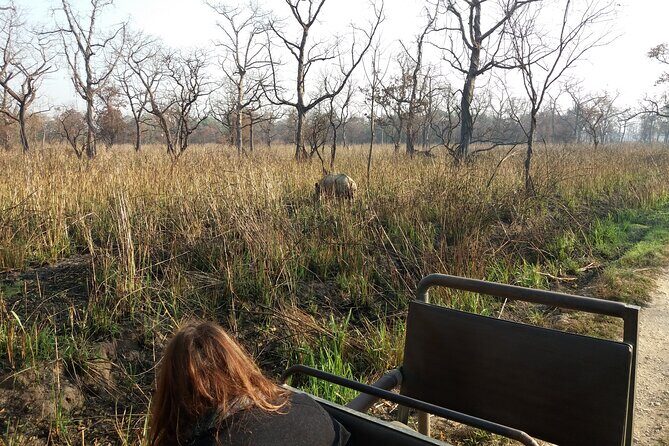
I’ll keep this practical. A great safari can’t fix bad planning.
Bring:
- A hat and sunglasses for early morning light and daytime glare
- Layers, because mornings can feel cooler than you expect
- A small bag for personal items (since personal expenses and extras aren’t included)
Plan your energy:
- This starts at 6:30 am and runs 8–10 hours. Eat a real breakfast before pickup if you can.
- Hydrate. You’ll have water with your lunch box, but bring what you personally need for the day.
Respect the wildlife vibe:
- When animals show up, the goal is calm and fast scanning, not rushing around.
- Follow your guide’s timing cues—especially when it comes to waiting in the right spot.
And one more thought: since the tour is private, you can often align your priorities. If you’re more into birds than mammals, or vice versa, you can ask your guide to spend time accordingly—within the realities of what the park is showing that day.
Should you book this private Chitwan Jeep safari?
If your idea of a great day is serious wildlife searching with a guide, time in dense habitat, and the chance for both mammals and birds, I’d say book it. The included park permit, guided jeep time, and lunch box are real value drivers, and the private format helps keep the day from feeling like a rush-job.
I’d hold off if you’re set on seeing one specific animal no matter what, or if you can’t comfortably handle a long, early start day. Also, because it’s non-refundable and cannot be changed, make sure your dates are locked before you commit.
For the right traveler, this is the kind of safari that feels like a focused day in the park rather than a quick drive through it.
FAQ
What’s the duration of the Private Jeep Safari in Chitwan?
It runs about 8 to 10 hours.
Where does the safari start and end?
It starts at the Chitwan Tiger Guide Service And Mini Library on Rhino Rd, Ratnanagar 44200, Nepal, and ends back at the same meeting point.
What time does the tour begin?
The start time is 6:30 am.
What’s included in the price?
Included are the full-day (8–10 hrs) Jeep cost, guided fee, park entrance permit, and a lunch box with water, fruits, and juice.
What should I budget for since it’s not included?
Personal expenses, personal insurance of any kind, items not mentioned on the package, and tips are not included.
What wildlife and birds can this safari help you see?
The tour highlights chances to see Royal Bengal Tiger, Sloth Bear, wild elephant, Greater one-horned Rhinoceros, crocodile, and birds such as Giant hornbill and Bengal florican.
What are the best months for this safari?
The best months listed are October to April, with March and April noted as especially strong for wildlife viewing and green forest scenery.
Is this a private tour or shared group?
It’s private. Only your group participates.
What’s the cancellation policy?
The experience is non-refundable and cannot be changed for any reason. If you cancel or request an amendment, the amount paid is not refunded.