REVIEW · KATHMANDU
Ghorepani Poonhill Trek
Book on Viator →Operated by Luxury Holidays Nepal Pvt. Ltd. · Bookable on Viator
Sunrise at Poon Hill turns a hike into a full-on mountain show. I like how this trip pairs classic Annapurna foothills trekking through rhododendron forests with real village time, then tops it off with big-name views at 3,210m. I also like that your days run with a guide and porters handling the logistics, so you can focus on pace and altitude. One drawback to keep in mind: you still need to budget for your own lunches and most dinners during the trek (the package covers breakfast and a Kathmandu farewell dinner).
What makes this trek particularly appealing is the balance of effort and payoff. You’ll walk from Nayapul up toward Ghorepani, then do the early climb for the famous morning panorama, and finish through places like Ghandruk and back down to the trailhead. Add on Kathmandu and Pokhara sightseeing, plus cozy teahouses, and it’s a strong “see Nepal, not just mountains” setup.
In This Review
- Key things I’d zero in on before you go
- Why Poon Hill Sunrise Feels Like a Nepal Upgrade
- Kathmandu and Pokhara: The Warm-Up Days That Actually Matter
- Day 2: Kathmandu valley sightseeing
- Day 3: Drive to Pokhara (200 km, 6–7 hours)
- Day 9: Pokhara sightseeing day
- Day-by-Day Trek: From Nayapul Up to Ghorepani (and Why the Steps Feel Real)
- Day 4: Nayapul to Tikhedunga (3–4 hours trek)
- Day 5: Tikhedunga to Ghorepani (5–6 hours trek)
- What I like about the Ghorepani side of the trek
- Poon Hill Morning: The 3210m Climb That Creates the Story
- Day 6: Hike to Poon Hill (3210m) and trek to Tadapani (5–6 hours trek)
- The one consideration
- Ghandruk to Nayapul: Descent Energy and Gurung Town Feel
- Day 7: Tadapani to Ghandruk (3–4 hours trek)
- Day 8: Ghandruk to Nayapul and drive to Pokhara (4–5 hours trek + drive)
- Teahouses, Meals, and What You’ll Actually Spend
- What’s included for meals
- What’s not included
- Vegetarian option
- Guides and Porters: The Real Comfort Factor
- Price and Value: Is $299 a Smart Deal?
- Getting Ready: Fitness, Altitude, and Packing Wisely
- Altitude reality check
- Gear the operator provides
- Your personal packing priorities
- Should You Book This Ghorepani Poonhill Trek?
- FAQ
- What’s the trek start point and end point?
- How long is the Ghorepani Poonhill Trek package?
- Where does the itinerary include sightseeing in addition to trekking?
- Is pickup available?
- What meals are included and what are not included?
- Are vegetarian options available and is single travel possible?
Key things I’d zero in on before you go
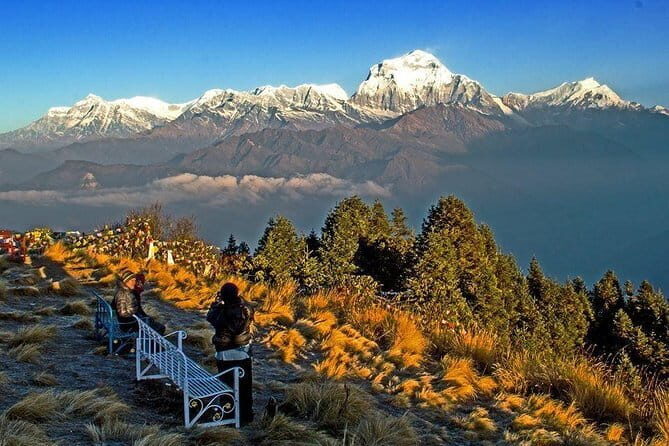
- Poon Hill at sunrise (3210m / 10530 ft): the one-time moment that makes the early start feel worth it
- Rhodo forests + village steps: classic Annapurna foothills trekking with lots of scenery and human-scale paths
- Teahouse stays: simple guesthouses with breakfast included, letting you travel lighter
- Guide and porter support: 1 porter for every 2 people so you’re not dragging everything uphill
- Kathmandu + Pokhara built in: UNESCO sights before your trek and lakeside time after
Why Poon Hill Sunrise Feels Like a Nepal Upgrade
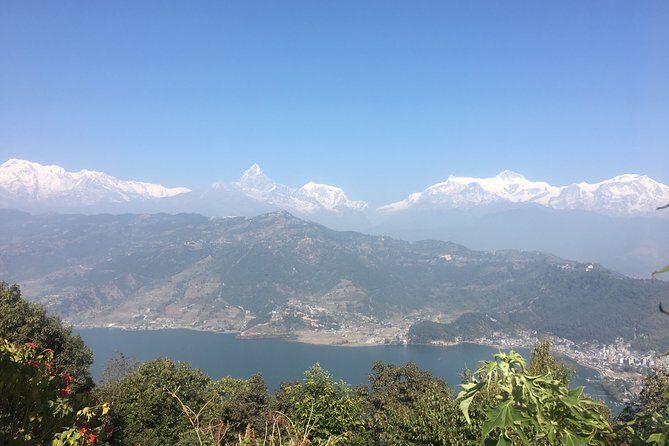
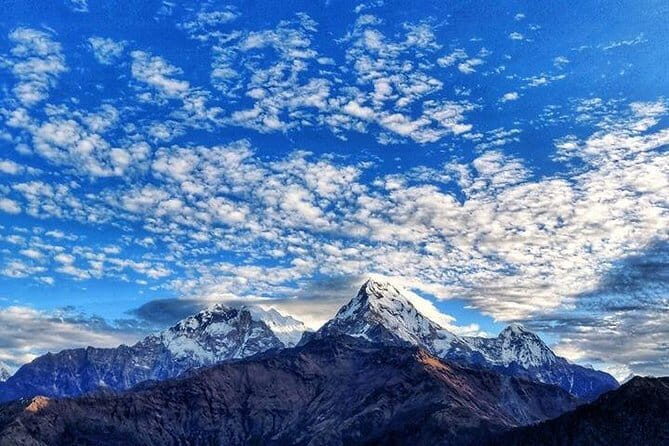
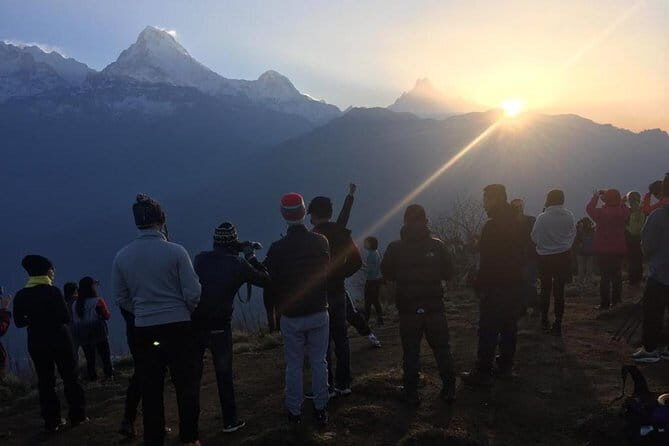
Poon Hill is one of those places where “famous” actually earns the label. The timing matters: you hike up early, then wait for the sky to do its thing. The reward is wide-angle mountain viewing—Annapurna massif and a roll call of surrounding peaks including Gangapurna, Himchuli, Dhaulagiri, Manaslu, and Ganesh Himal. You also get Machapuchare (Fish Tail) in the bigger skyline story.
Here’s the practical truth: you’re climbing in cool morning air, and your legs may not be thrilled at 4 or 5 a.m. But the climb is short compared to a full-day trek, and once the light hits, the atmosphere shifts fast. Clouds can steal views, but even if that happens, the morning walk itself still feels like a Nepal memory you can’t buy in a city.
I also like that the itinerary doesn’t treat Poon Hill like a random viewpoint stop. It’s paired with trekking days that move you through settlement life, not just scenery consumption.
You can also read our reviews of more hiking tours in Kathmandu


Kathmandu and Pokhara: The Warm-Up Days That Actually Matter
Your trip starts with arrival in Kathmandu and a pre-trip meeting at your hotel. That meeting is more than formality. It’s where you get your bearings and confirm what to expect from the trek pace, what to pack, and how the team plans to handle the day-by-day rhythm.
Day 2: Kathmandu valley sightseeing
You’ll get a full day to explore Kathmandu—city of temples—and visit UNESCO World Heritage Sites. This is smart because it grounds you in Nepal before you disappear into the hills. It also helps you understand why so many trails are tied to monasteries, community life, and old trade routes.
Day 3: Drive to Pokhara (200 km, 6–7 hours)
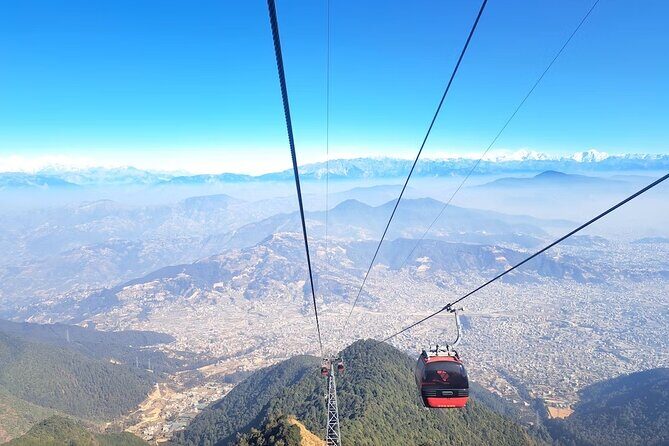
Then comes the shift from traffic and temples to mountains and lakes. The drive from Kathmandu to Pokhara is a long one, but it’s the kind of travel day that sets you up mentally. You’ll arrive in Pokhara, and you can sleep with a sense that the real adventure starts tomorrow.
Day 9: Pokhara sightseeing day
After the trek, you get a full day in Pokhara again. This matters because you’re not racing out the moment you finish. You can recover, take a breath, and do classic lakeside wandering before the final transfer back to Kathmandu.




Day-by-Day Trek: From Nayapul Up to Ghorepani (and Why the Steps Feel Real)
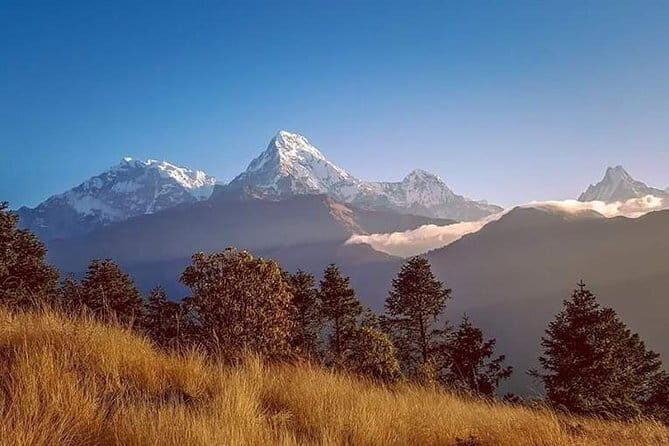
The trek begins with a short drive from Pokhara to Nayapul, then you walk into the Annapurna foothills.
Day 4: Nayapul to Tikhedunga (3–4 hours trek)
This day is your first feel for the rhythm of the trail. It’s not just about distance. You’re transitioning from road life to stone-step trekking, and the mind adapts fast when you’re moving through small settlements and valley views.
A good tip here: start slower than you think you need. The trail undulates, and your body benefits from controlled effort early.
Day 5: Tikhedunga to Ghorepani (5–6 hours trek)
This is the kind of day where the route starts to build mood. As you gain altitude, the air cools and the vegetation changes. The promise of lush rhododendron shows up on this stretch, and you’ll feel like you’re walking into a natural corridor instead of a paved path with views on the side.
Expect steady climbs, village stops for tea, and the overall Annapurna foothills vibe: practical, lived-in, and busy in the small way.
What I like about the Ghorepani side of the trek
Ghorepani is a classic base area for people doing the Poon Hill sunrise circuit, which means you get a mature trekking-support setup: guesthouses, meals, and local staff who know what hikers need. That makes the transition from “tourist mode” to “trek mode” smoother.
Poon Hill Morning: The 3210m Climb That Creates the Story
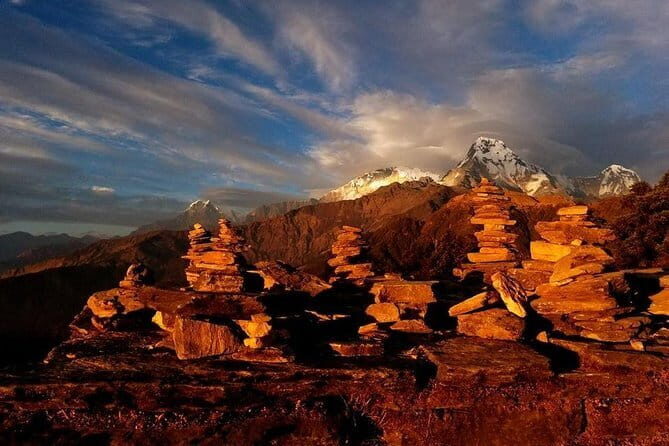
Day 6: Hike to Poon Hill (3210m) and trek to Tadapani (5–6 hours trek)
This day is a combo: early hike for sunrise plus a later trek continuing toward Tadapani (listed at 2675m / 8775 ft). It’s longer on the clock than it sounds, because the day is split into segments.
Here’s the value of that design: you get the high-impact experience first, then you don’t waste the day with a long idle period afterward. You keep moving, which helps your body feel productive and keeps the schedule from getting awkward.
Poon Hill is also the place where multiple peaks show up at once—if the sky is cooperative. You’re looking for those clean sightlines: the Annapurnas, the way the ridges layer in, and that sunrise glow that turns cold air dramatic.
The one consideration
Sunrise is a weather-dependent event. Clouds can reduce visibility. That doesn’t ruin the day, but it can change how magical the view feels, so bring the mindset that you’re hiking for the morning atmosphere as much as the panorama.
Ghandruk to Nayapul: Descent Energy and Gurung Town Feel
Day 7: Tadapani to Ghandruk (3–4 hours trek)
This is a solid half-day feel. The route keeps you in that rhododendron-and-ridgeline world, but it also shifts toward settlement structure. Places like Ghandruk are known for strong local culture, and this part of the walk gives you more time to observe daily life rather than just climb.
Day 8: Ghandruk to Nayapul and drive to Pokhara (4–5 hours trek + drive)
The return to Nayapul is your final big trekking push on the calendar. It’s often mentally tricky because you want the finish, but you still need your knees to cooperate. The good news is that the time is reasonable. The drive back to Pokhara then turns the day into a recovery mode.
I also like that you’re ending where you started trekking logistics-wise. No surprise transfers, no “we’ll figure it out later” energy.
Teahouses, Meals, and What You’ll Actually Spend
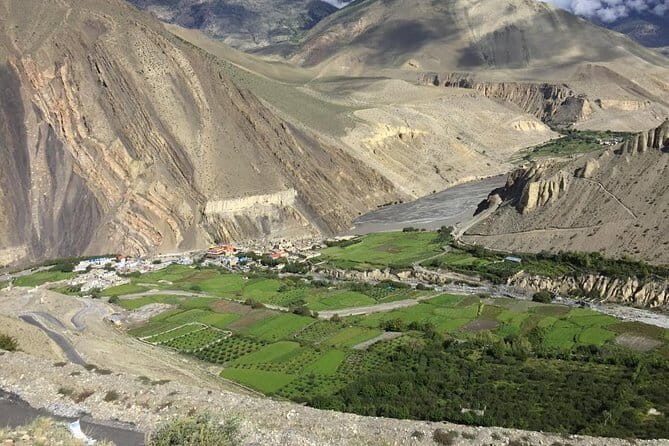
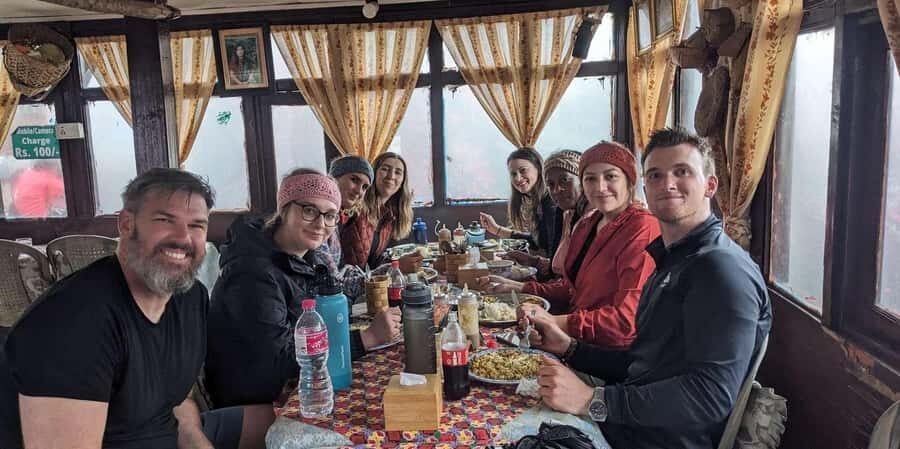
This trip includes cozy local teahouse accommodation and local organic food during the trek—but your budget needs one key note.
What’s included for meals
Your package includes breakfast for 10 days and dinner. It also includes a farewell dinner in Kathmandu with a cultural dance program.
What’s not included
Lunch and dinner while you are in Kathmandu, Pokhara, and during trekking days are not included. The meal costs are estimated at about $3–$7 per item, depending on where you eat.
That’s normal for Nepal trekking, but it changes how you should budget day-to-day. I’d plan for extra cash for:
- lunch on the trekking days
- dinner meals not covered by the included dinner
- snacks and hot drinks (because cold mornings make you polite to tea)
Vegetarian option
If you eat vegetarian, you can request it when booking. That’s an important detail because trekking menus can vary by village size.
Guides and Porters: The Real Comfort Factor
The trek is set up with an experienced, helpful guide and porters with a ratio of 1 porter for 2 people. That ratio is huge for comfort. It means you’re hiking with less load and can keep a steady pace instead of constantly redistributing your backpack.
In the feedback I saw, strong route guidance and cultural explanations were repeatedly praised. I also saw names like Pradip (guide) and Sunil (porter) credited for helping a group maintain a good pace and keeping everything smooth. Other feedback also mentioned guides such as Mountain Ram and Niraj supporting treks with organization and direction. And in another Annapurna context, Rupak Kadel was described as attentive and upbeat.
You don’t need to know those names to benefit from the system, but they hint at what the team values: good pace, clear trekking choices, and people who communicate.
Price and Value: Is $299 a Smart Deal?
The price listed is $299 per person, plus a $300 single supplement if you’re traveling solo.
If you compare this style of package to DIY travel, the value comes from what you don’t have to manage:
- Private vehicle pickup and drop-off (hotel and airport)
- Transport Kathmandu ↔ Pokhara via tourist bus, plus private vehicle transfers to and from trek starting points
- Accommodation in Kathmandu/Pokhara (breakfast included) and twin/double lodge stays on the trek (breakfast included)
- Guide + porters with their travel and insurance supported
- Kathmandu farewell dinner with cultural dance
- Down jackets, duffle bags, and route maps if necessary
Where the cost can feel different is the extras:
- International airfare and visa fee
- Lunch and dinner during trek and in cities
- Monument entrance fees
- Solo supplement
Still, for a trek that includes logistics, lodging, and a team built around shared hiking effort, $299 can be fair. You’re paying for reduced friction. And in the mountains, reduced friction is not just convenience—it’s how you keep enjoying the day instead of wrestling it.
Getting Ready: Fitness, Altitude, and Packing Wisely
This trek is described as suitable for moderate physical fitness. That’s accurate in the sense that you’re not doing technical climbing, but you are doing repeated uphill walking, steps, and a sunrise morning that can feel early and cold.
Altitude reality check
Poon Hill is at 3210m / 10530 ft, so plan for cooler temperatures and reduced breath comfort. You don’t get days off to fully acclimatize beyond the natural pacing of the route, so don’t treat it like a casual stroll.
Gear the operator provides
The trip may include down jackets and duffle bags, plus maps if necessary. That can be a lifesaver if you’re arriving from warmer countries and don’t want to buy winter gear just for a week.
Your personal packing priorities
Keep it simple:
- a warm layer for early morning
- rain protection (mountain weather changes fast)
- trekking shoes you trust on stone steps
- a water strategy you can stick to daily
The trek takes time. If you overpack, you’ll feel it. If you underpack, you’ll hate the cold hours at Poon Hill. Aim for comfort, not perfection.
Should You Book This Ghorepani Poonhill Trek?
If you want a classic Annapurna foothills experience with a proven highlight—Poon Hill sunrise—this package makes sense. You also get Kathmandu and Pokhara sightseeing, which turns the trip into a fuller Nepal sampler instead of a single-purpose hiking ticket.
I’d book it if:
- you want guided support and porter help (so you keep a relaxed pace)
- you like teahouse trekking and village life
- you want the mountains without needing a highly technical skill set
- you’re okay paying for some meals on your own during the trek and city days
I’d hesitate if:
- you strongly dislike sunrise plans and early departures
- you’re trying to minimize extra cash for lunch/dinner
- you want a fully contained all-in-one food package (this isn’t set up that way)
Bottom line: this is a well-structured Annapurna foothills trek that trades stress for guidance, then hands you a morning view that’s hard to forget.
FAQ
What’s the trek start point and end point?
The trek starts with a drive from Pokhara to the trek starting area (Nayapul) and then trekking onward. After finishing the trek, you return to Nayapul and drive back to Pokhara, so the trek ends at the same general point it begins.
How long is the Ghorepani Poonhill Trek package?
The duration is listed as about 11 days.
Where does the itinerary include sightseeing in addition to trekking?
You get Kathmandu valley sightseeing, including visits to UNESCO World Heritage Sites, and you also get a full day sightseeing in Pokhara.
Is pickup available?
Yes. Pickup is offered from and drop-off at the hotel and also to and from the airport using a private vehicle.
What meals are included and what are not included?
Breakfast is included for 10 days. Dinner is included, including a farewell dinner in Kathmandu, but lunch and dinner are not included during Kathmandu, Pokhara, and trekking days.
Are vegetarian options available and is single travel possible?
A vegetarian option is available if you request it at booking. Solo travelers can go on the trek but there is a single supplementary charge listed as USD 300.