REVIEW · NAYA PUL
Pokhara: 3- days Poon Hill Trek
Book on GetYourGuide →Operated by Travel Guides · Bookable on GetYourGuide
Some views feel like a reward for every step.
This 3-day Poon Hill and Ghorepani hike from Pokhara is all about the big morning payoff—Machapuchare and the south side of Annapurna, then that famous early sunrise from Poon Hill—plus the softer moments in small village life like Tikhedhunga and Ulleri. I also love how the route keeps you moving while still giving you time to rest, refuel, and actually look around. The only real drawback to weigh is logistics: expect early starts and changing weather that can affect the plan.
I took comfort in knowing it’s guided end to end, with permits handled and lodging included for the trekking nights. The reviews also highlight a guide named Rajesh, praised for thoughtful Nepal and mountain culture info and for choosing good tea houses and meals. Just keep your expectations realistic about accommodation on the trail—it’s basic—and plan to bring your own funds for food since it’s not included.
In This Review
- Key highlights worth getting excited about
- Pokhara to the trailhead: why the drive matters
- Day 1: Nayapul to Ulleri via Bhurungdi River and Tikhedhunga
- The Bhurungdi River walk
- Tikhedhunga: short break, local context
- Ulleri for the first night
- Day 2: From Tikhedhunga zone to Ghorepani for Machapuchare and rhododendrons
- Breakfast that actually fuels the day
- Rhododendrons and the view corridor
- Ghorepani for night two
- Day 3: Poon Hill sunrise, descent via Hille, and back to Pokhara
- Pre-sunrise start for the first rays
- Sunset or sunrise views and then the descent
- Minibus back to Pokhara
- Tikhedhunga and Ulleri: where the hike becomes human
- Tikhedhunga’s yoga-retreat connection
- Ulleri for village atmosphere
- Tea houses, breakfast, and what you pay for on the trail
- Practical spending reality
- Price and logistics: where $147 delivers value
- Your packing checklist for a comfortable Poon Hill trek
- Fitness, weather, and why early mornings are part of the deal
- Early mornings
- Weather can change the plan
- Basic accommodations
- Who this trek suits best (and who should skip it)
- Should you book the Poon Hill 3-day trek from Pokhara?
- FAQ
- How long is the Poon Hill trek from Pokhara?
- Is food included in the price?
- What does the tour price include?
- Do I need to bring cash?
- What should I bring for the hike?
- What is the cancellation policy?
Key highlights worth getting excited about
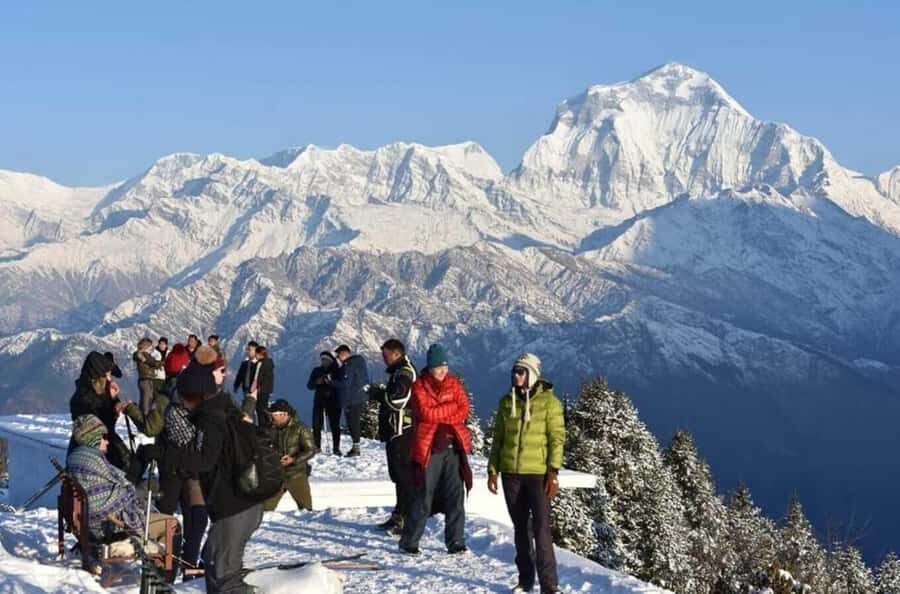
- Poon Hill sunrise: the early wake-up is built for those first rays and wide mountain views
- Machapuchare + Annapurna sightlines: you’ll see both as you walk toward Ghorepani and from the ridge
- Tikhedhunga stop: a village break with a chance to learn about local life, including yoga-retreat fame
- Ulleri village walk: slow down through the settlement and take in the surroundings as you move
- Colorful rhododendrons: a seasonal splash of pink and red you’ll notice along the route
- Breakfast timing: you get a hearty start before the next trekking push
Pokhara to the trailhead: why the drive matters
Most Poon Hill trekking days start with an early rhythm, but this one begins with the simple help that makes it smoother: you’re picked up in Pokhara and driven to Nayapul. That matters, because the goal is to spend your energy on the hike, not on figuring out transport at the start of a multi-day trek.
From Nayapul, you switch into walking mode along the Bhurungdi River corridor. It’s a good warm-up stretch because it gets you moving without instantly demanding everything from your legs. And once your permits are in order, the day becomes straightforward: keep walking, take breaks when offered, and arrive ready for the first night in the mountains.
If you like a trip that feels organized without feeling rushed, the structure here is comforting. You’ll also get a sharing jeep included, which helps you link Pokhara with the start and end without extra legwork.
You can also read our reviews of more hiking tours in Naya Pul
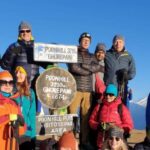
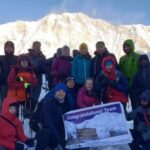
Day 1: Nayapul to Ulleri via Bhurungdi River and Tikhedhunga
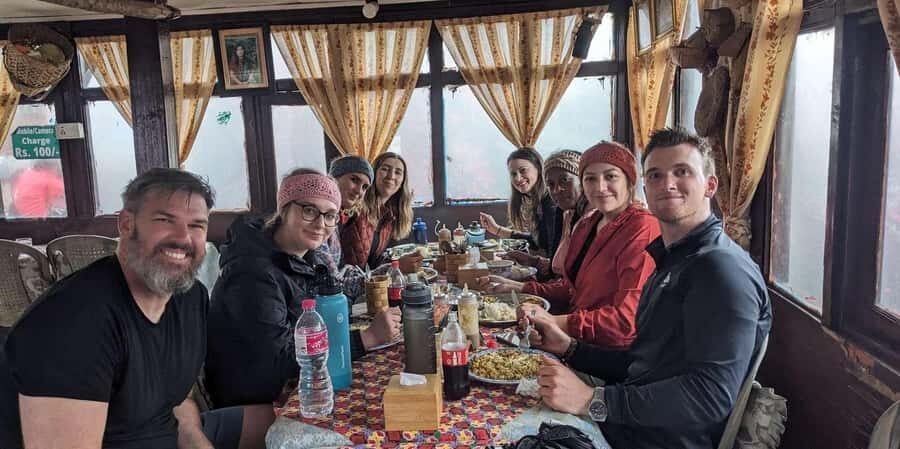
This first day sets the tone: scenic walking, village stops, and an easy win of a place to sleep after you’ve earned it.
The Bhurungdi River walk
Once you start from Nayapul, the trek follows the Bhurungdi River route toward Ulleri. This is the part where you get your “I’m really here” moment. You’re not just hiking in the abstract—you’re moving through the valley world that feeds the trekking routes.
Practical point: take it steady here. Day 1 shouldn’t feel like a sprint. You want to feel good when you reach the next village stop, not spent.
Tikhedhunga: short break, local context
On the way, there’s a break in Tikhedhunga. The focus isn’t just resting your legs—it’s learning more about the small village. Tikhedhunga is also known for yoga retreats, and that cultural link helps you understand why people end up staying longer than they planned.
If you’re the type who enjoys meaning behind a place name, this stop is a good one. It turns a quick pause into a moment that makes the hike feel less like a checklist.
Ulleri for the first night
The day ends in Ulleri, where you sleep for night one. Ulleri is part of why Poon Hill trekking feels special: you’re not only chasing scenery, you’re stepping into mountain village rhythms.
Because accommodation is described as basic, I’d pack for comfort in that reality—warm layers and an attitude that you’re there for the mountains first.
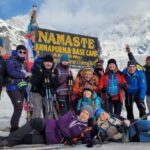
Day 2: From Tikhedhunga zone to Ghorepani for Machapuchare and rhododendrons
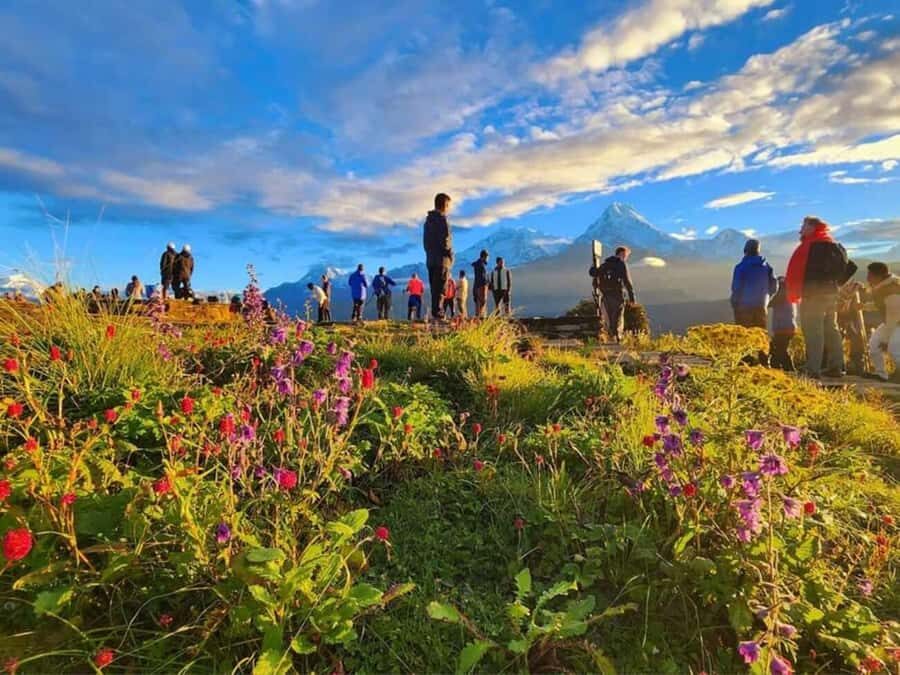
Day 2 is where the walking starts to feel more “mountain-focused.” You’ll get breathtaking views as you move, and the route actively points you toward the big-name peaks.
Breakfast that actually fuels the day
Before you continue toward Ghorepani, you enjoy a hearty breakfast. I like this detail because it’s not just a token meal—you’re feeding for trekking energy. It also means you’re not forced to rush into the first tea house you see.
Tip: plan to eat slowly and pack your snacks right after. Tea-house trek days are simple, but small planning saves you from feeling hungry at the wrong time.
Rhododendrons and the view corridor
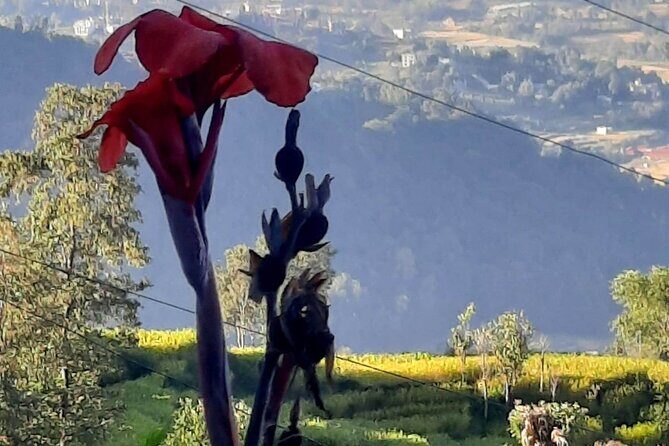
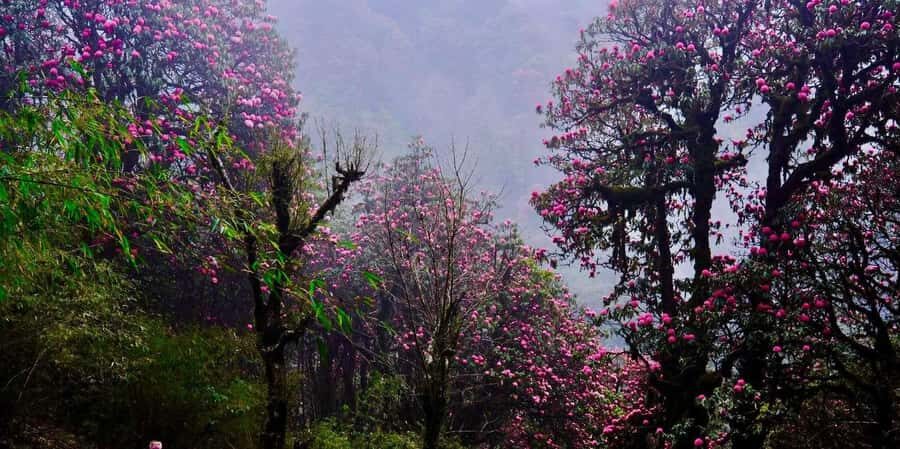
As you walk toward Ghorepani, you’ll pass colorful rhododendrons. The trees add color and texture that you otherwise miss when you’re staring straight at peaks. It’s also a reminder that this hike isn’t just one big photo spot—it changes as you move.
And then there are the sightlines:
- Machapuchare mountain views
- South side of Annapurna views
These aren’t one-time moments either. The route is built so you keep seeing the mountains from different angles as the day unfolds.
Ghorepani for night two
You arrive in Ghorepani for the second night. This village is important because it’s positioned for the sunrise mission on Day 3. In practical terms, it’s where you get your rest before the pre-dawn push—so treat it like the staging point it is.
Again, accommodation is basic, so keep your expectations aligned. The payoff is that you’re sleeping close enough to make sunrise possible without turning the day into an all-night grind.
Day 3: Poon Hill sunrise, descent via Hille, and back to Pokhara
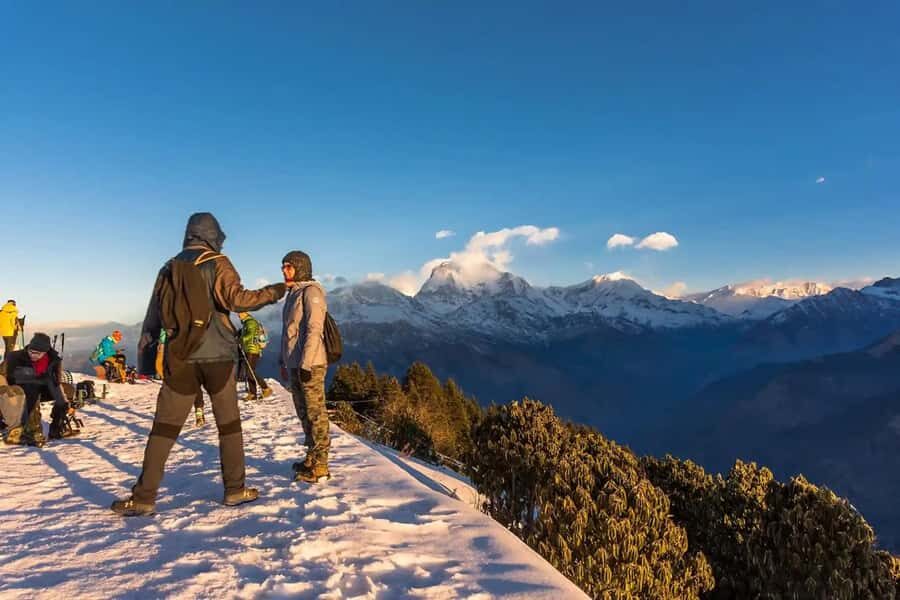
Day 3 is the one you hear about before you book. It’s also the one that can disappoint if you treat it casually. Here, the experience is simple: get up early, go up to Poon Hill, enjoy the light, then descend to Nayapul.
Pre-sunrise start for the first rays
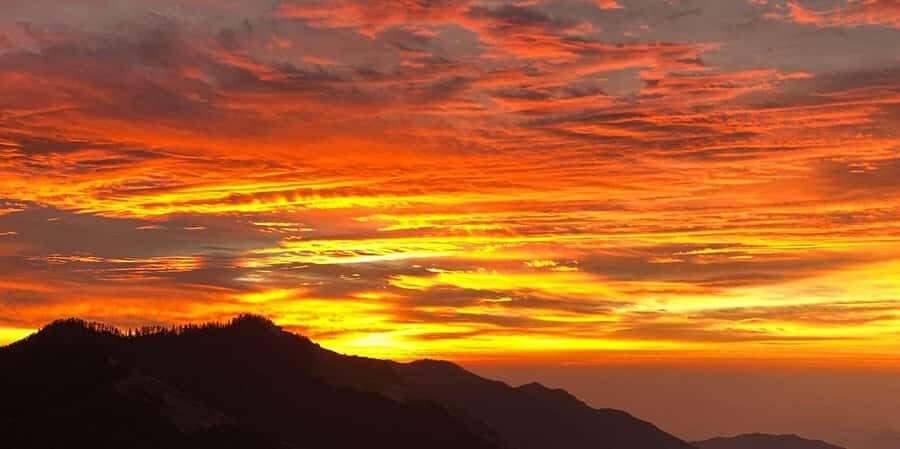
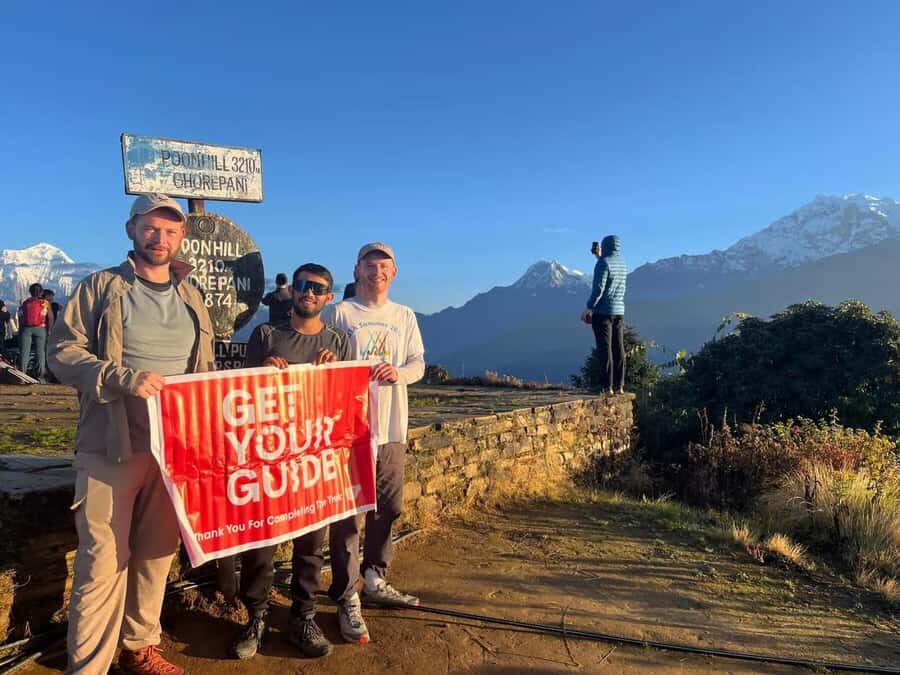
You get up before sunrise and head up to Poon Hill. The early start is not a suggestion—it’s the deal. When you reach the top, you’ll see incredible panoramic views as sunlight stretches across the scenery.
This is where the trek’s effort turns into a memory you can feel. The horizon views are the point, and the payoff is stronger because you already spent two days walking through the region’s villages and ridgelines. You’re not arriving cold; you’re arriving earned.
Practical advice: bring warm clothing and a hat. Even if your daytime trekking feels mild, early starts can turn chilly quickly at higher viewpoints.
Sunset or sunrise views and then the descent
After admiring the views, you begin the descent toward Nayapul. On the way, there’s a stop in Hille. This breaks up the descent, and it gives you a chance to reset your body for the final transport link.
Minibus back to Pokhara
Once you reach Nayapul, the minibus is waiting to take you back to Pokhara. That final transfer matters because it closes the loop cleanly. Instead of figuring things out on your own, you go straight from trail to city.
You’ll also be back with enough time to enjoy Pokhara’s food and rest—because the point of a trek is the mountains, but your body still needs recovery.
Tikhedhunga and Ulleri: where the hike becomes human
The best part of this trekking style is that it’s not only about peaks. It’s also about small village life, the way the trail carries you through real communities.
Tikhedhunga’s yoga-retreat connection
Tikhedhunga is known for yoga retreats, and that’s more than a marketing fact. It’s a clue that this village sits in a world where wellness seekers come for quiet and views. During your stop, you also learn more about the village itself, which helps the landscape feel like a lived place, not just a pass-through.
Ulleri for village atmosphere
Ulleri is another place where you slow down just enough to notice details: the setting, the surroundings, and the sense that people live year-round with the mountains as their nearest neighbors.
The walking through Ulleri also gives you a breather from constantly staring forward. If you enjoy small stops that change the pace, these village sections are a strong reason to choose this route.
Tea houses, breakfast, and what you pay for on the trail
This trip includes a hearty breakfast before the Ghorepani push, but it also clearly lists food as not included. So you’ll rely on tea houses for most meals.
That’s not a flaw—it’s how most Nepal trekking actually works. What you want is guidance that helps you choose places that fit your day. The reviews put a spotlight on the guide (Rajesh) for choosing tea houses and food well, which is a big value add if you’re new to trekking menus.
Practical spending reality
Since food is not included, budget for:
- Lunch and dinner at tea houses
- Snacks along the way
- Drinks beyond the included water bottle
Also, bring Nepalese Rupees, because ATMs are scarce. This is one of those details that can save your day. Without cash, you’ll be stuck negotiating basic logistics instead of trekking comfortably.
Price and logistics: where $147 delivers value
At $147 per person, you’re paying for a pretty tight package: hotel pickup and drop-off in Pokhara, a professional guide, permits, accommodation during the hike, a sharing jeep, and a water bottle to each.
Here’s the honest way to think about value:
- If you had to arrange permits, a guide, and trekking nights on your own, the admin time alone would cost you more than you expect.
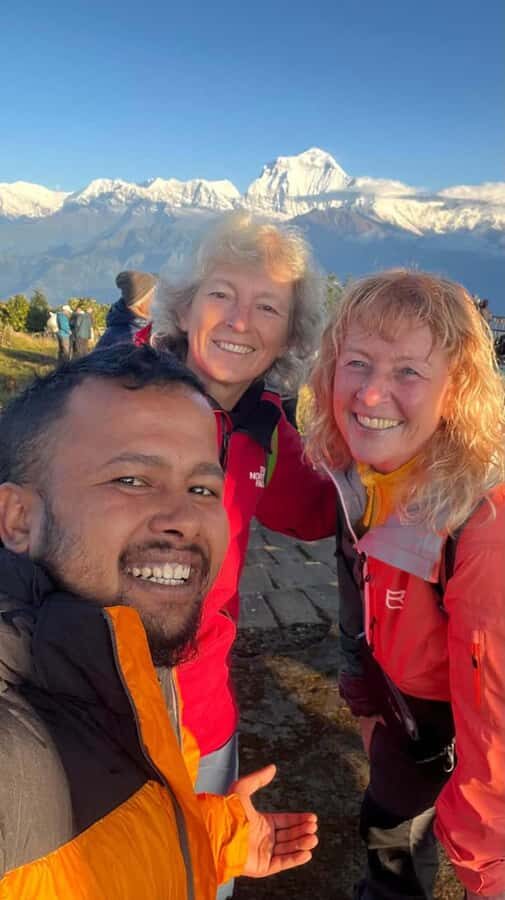
- The guide isn’t just there to lead; reviews emphasize that Rajesh shared helpful information about Nepal, the mountains, and local culture, plus kept the itinerary running smoothly.
- The included transport links (jeep + minibus) remove major friction at the start and end.
What’s not included changes the math:
- Food (so your total cost will rise)
- Personal expenses
- Porter option at $20 per day
If you’re deciding whether to add a porter, think about your comfort and pace. The trip requires moderate fitness, so a porter can turn the trek from challenging to enjoyable if you know you’ll be careful with your back or energy.
Your packing checklist for a comfortable Poon Hill trek
The list you should follow is already practical, and I’d treat it as a baseline.
Bring:
- Comfortable shoes and hiking shoes
- Warm clothing (especially for pre-sunrise)
- Hat and sunscreen
- Camera
- Snacks
- Water (plus you’ll receive a water bottle, but extra helps)
And a small mindset shift: you’re going to be outside for early mornings and long walking hours. Anything that reduces discomfort—warmth, sun protection, and proper shoes—raises your enjoyment quickly.
Also, no smoking is stated as not allowed. Easy to follow, but worth noting.
Fitness, weather, and why early mornings are part of the deal
This trek needs moderate fitness. That doesn’t mean you need to be a mountaineer. It does mean you should be comfortable with a multi-day walking rhythm and early starts.
Early mornings
Day 3 begins before sunrise. The plan explicitly assumes you’ll get up early and move. If you hate mornings, this is where you’ll pay attention to your energy management.
Weather can change the plan
Weather affects the itinerary, and that’s common in mountain regions. Clouds can blunt sunrise views, and rain can make paths slicker. The best approach is flexible expectations: even on a tougher weather day, the villages, walking, and mountain angles can still be rewarding.
Basic accommodations
Accommodation is described as basic during the hike. You’re not going for luxury. You’re going for proximity to the trail, sleep, and a warm layer before the next walking day.
Who this trek suits best (and who should skip it)
This is a strong fit if you want a classic 3-day Poon Hill and Ghorepani experience with an organized guide, included trek lodging, and the sunrise highlight.
It’s also a good match if:
- You enjoy village stops like Tikhedhunga and Ulleri
- You care about mountain views, especially Machapuchare and the south side of Annapurna
- You’re comfortable with moderate fitness and early starts
It’s not suitable for:
- Children under 9 years
- Pregnant women
- People with back problems
If any of those apply, look for a different style of trek.
Should you book the Poon Hill 3-day trek from Pokhara?
If you want sunrise views without the stress of planning permits, guides, transport links, and trekking nights, I think this is a solid choice. The price includes the big support pieces—guide, permits, accommodation, and Pokhara transfers—so you can spend your mental energy on the trail.
I’d book it if sunrise and mountain panoramas are your top priority, and if you’re okay with basic lodging and paying for your own meals. If you’re sensitive to early mornings or you know you need help with comfort or your back, consider whether a porter makes sense for you before you commit.
In short: if you can handle a moderate, well-run walking schedule, you’ll likely love how this trek mixes big views with real village days.
FAQ
How long is the Poon Hill trek from Pokhara?
It’s a 3-day trek, including hiking from Pokhara area to Ulleri and Ghorepani, then sunrise at Poon Hill and the descent back to Nayapul and Pokhara.
Is food included in the price?
No. Food is not included. The itinerary includes a hearty breakfast, but you’ll need to budget for additional meals at tea houses.
What does the tour price include?
Hotel pickup and drop-off in Pokhara, a professional guide, permits, accommodation during the hike, sharing jeep, and a water bottle to each person.
Do I need to bring cash?
Yes. You should carry Nepalese Rupees because ATMs are scarce, especially for personal expenses like food and drinks.
What should I bring for the hike?
Comfortable shoes and hiking shoes, warm clothing, a hat, camera, snacks, sunscreen, and water.
What is the cancellation policy?
Cancel up to 24 hours in advance for a full refund.