REVIEW · NAYA PUL
Pokhara: 5-Day Annapurna Base Camp Trek with Hot Spring
Book on GetYourGuide →Operated by Himalayan Nomad Treks Pvt. Ltd. · Bookable on GetYourGuide
Annapurna hits fast in five days. This Annapurna Base Camp trek from Pokhara pairs big-mountain drama with a payoff day of natural hot springs in Jhinu Dada. I like that you get a licensed English-speaking guide plus the trek paperwork handled for you, so you spend more energy on walking and less time on forms.
Two standout wins for me: the route climbs through forests and villages up to 4130m, then gives you a long, scenic descent back down. And you’re not left scrambling for basics either, because trekking poles, a sleeping bag, and a duffle bag are part of the package.
One consideration: five days is intense, especially if weather turns rough. In off-season conditions, expect cold, possible snow or ice, and real mountain risk on the way down, so I’d think hard about going longer (like 7 days) or waiting for better conditions if you’re not a confident hiker.
In This Review
- Key Things to Know Before You Go
- 5 Days to Annapurna Base Camp and Jhinu Dada Hot Springs
- Getting There: Pokhara Pickup, Permits, and the Setup
- Day-by-Day Trek Breakdown: Sinuwa to Base Camp and Back
- Day 1: Lakeside Pokhara to Samrung to Sinuwa (2200m)
- Day 2: Sinuwa to Deurali (3200m)
- Day 3: Deurali to Annapurna Base Camp (4130m)
- Day 4: Annapurna Base Camp to Lower Sinuwa (2200m)
- Day 5: Lower Sinuwa to Jhinu Dada Hot Springs, then Lakeside Pokhara
- Guides, Pace, and Comfort: Why the Private Format Helps
- Price and Logistics: Is $150 Good Value?
- What’s Included vs Not: Meals, Porters, and Your Real Budget
- What to Pack (and What You Might Not Need to Worry About)
- When Weather Turns: Off-Season Reality and Safety Choices
- Who This Trek Fits Best (and Who Should Consider 7+ Days)
- Should You Book This 5-Day Annapurna Base Camp Trek?
- FAQ
- Is trekking gear included?
- What’s the starting point, and is pickup included?
- Are trekking permits included?
- Do I get meals during the trek?
- Where do we stay on the trek?
- Does the itinerary include Annapurna Base Camp?
- Is Jhinu Dada Hot Springs part of the trek?
- Are porters included?
- What’s not included in the price?
- Is cancellation refundable?
Key Things to Know Before You Go
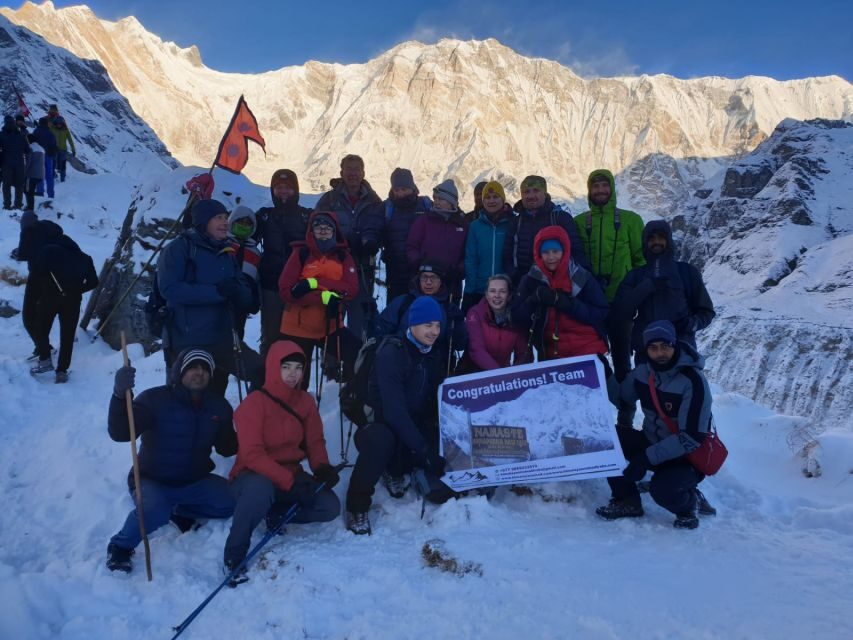
- Private guide and licensed support: You get an authorized English-speaking guide, plus the permits and paperwork handled.
- High-altitude goal with a clear climbing rhythm: You go from about 2200m up to 4130m at Base Camp over a short window.
- Forest-to-rhododendron scenery: The climb includes rhododendron areas and darker forest stretches that feel different each day.
- Hot spring reset on the last day: You soak at Jhinu Dada before returning to Lakeside Pokhara.
- Off-season can raise the difficulty: Weather and mountain conditions can change how hard the descent feels.
5 Days to Annapurna Base Camp and Jhinu Dada Hot Springs
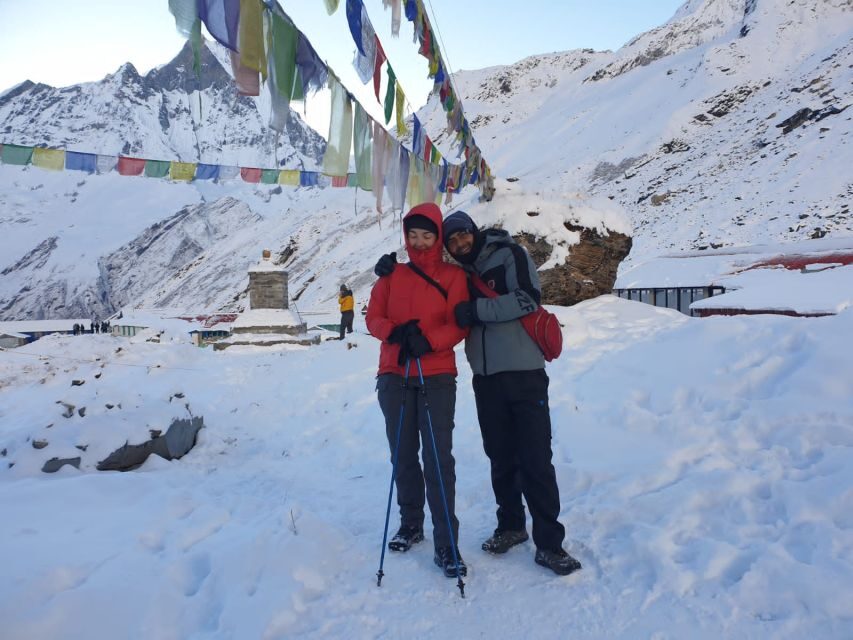
This trek is built around two emotional peaks: the climb to Annapurna Base Camp and the unwind at Jhinu Dada Hot Springs. The first three days focus on altitude gain and mountain views, while the last two days are about coming down smart and resetting your body with a warm soak.
What makes it especially appealing is the way it’s structured from Pokhara. You don’t just “show up and hope.” There’s hotel pickup and drop-off, guided trekking, private accommodation during the trek, and a plan that includes both walking and driving segments. Even the final day has a clean rhythm: trek down to the hot springs, soak, then jeep back to Lakeside.
You can also read our reviews of more hiking tours in Naya Pul
Getting There: Pokhara Pickup, Permits, and the Setup
You’ll start with hotel pickup from Lakeside Pokhara. Plan to be in the lobby about 10 minutes before pickup, because that timing matters when you’re traveling with a private group.
The next big value piece is the paperwork side. The trip includes trekking permits and all necessary paperwork, plus the Trekkers’ Information Management System fees. That matters in Nepal because having your documents sorted ahead of time saves stress and prevents small admin problems from turning into big delays.
Transportation is also included as “deluxe transportation as per the itinerary,” matching the ride portions of the route. In practice, that means you’re doing part of Day 1 by jeep, and part of Day 5 by jeep. The rest is your own two feet—so you’ll want hiking shoes that actually fit your style and foot shape.
Day-by-Day Trek Breakdown: Sinuwa to Base Camp and Back
Here’s how the days flow, with what each one is likely to feel like and why it’s worth your time.
Day 1: Lakeside Pokhara to Samrung to Sinuwa (2200m)
This day mixes road travel with your first real trekking start. You’ll take a jeep for about 3 hours and then hike for roughly 4 hours, ending in Sinuwa at around 2200m.
What I like about starting this way is you get acclimated gently. The scenic highway route is a highlight: you’ll pass the Seti River, mountains, and green paddy fields. Then Sinuwa is your first night, giving you a chance to settle in and get your gear routine down.
Why it works: you’re not thrown into a steep climb on Day 1. You’re moving into the trek while still getting comfortable with the rhythm.
Day 2: Sinuwa to Deurali (3200m)
Day 2 ramps up. You’re looking at about 7 hours of trekking to reach Deurali at around 3200m. The route goes through forests and includes areas where rhododendron blooms can show up, depending on timing and conditions.
As the day climbs, the views get better and the walking feels more “mountain.” This is one of those days where pacing is everything. Even if you’re fit, you’ll do better if you treat the climb like a steady climb, not a race.
Why it matters: Deurali is your staging point for the Base Camp push. Resting well here pays off later.
A few more Naya Pul tours and experiences worth a look
Day 3: Deurali to Annapurna Base Camp (4130m)
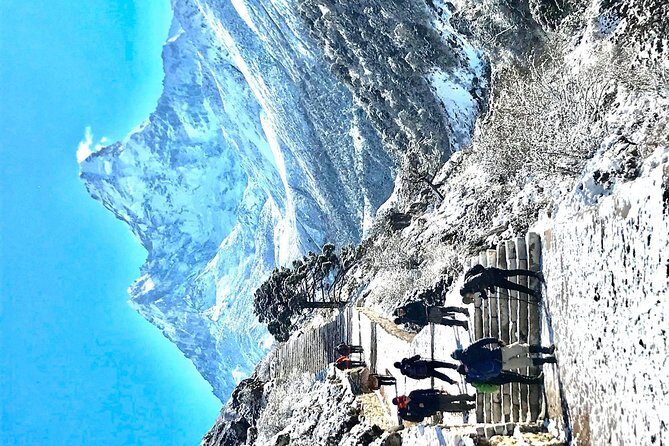
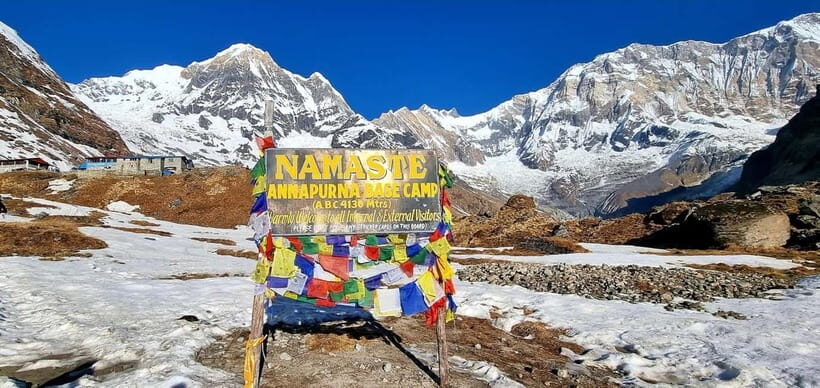
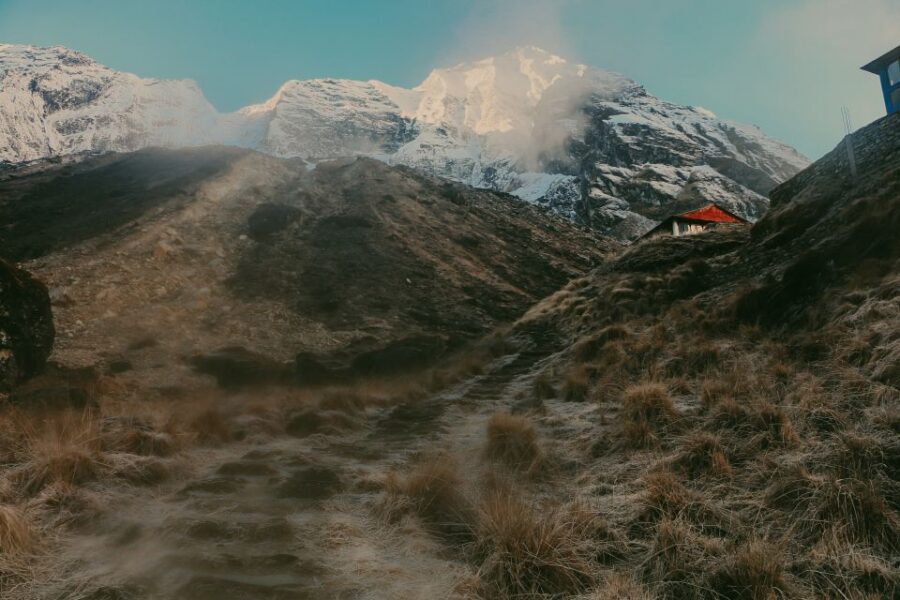
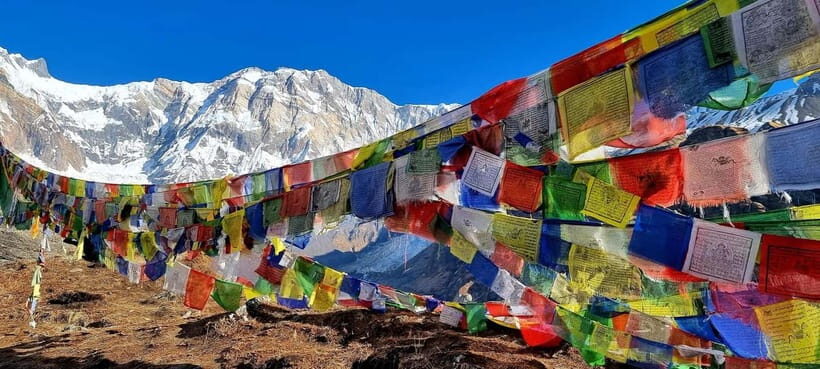
This is the day most people came for. It’s about 5 hours of trekking to reach Annapurna Base Camp at 4130m, and it’s where the mountain amphitheater feeling shows up.
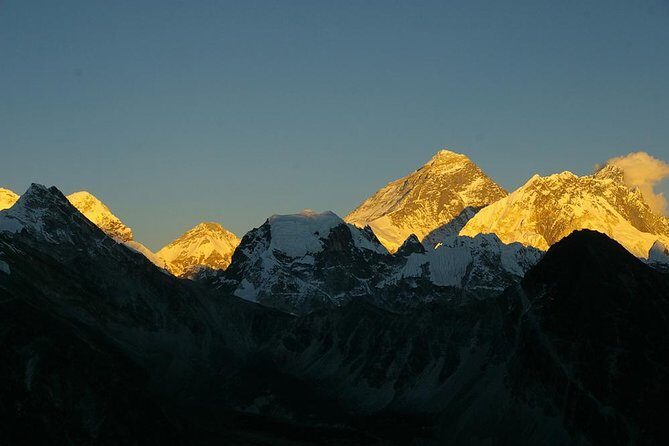
The reward is dramatic: towering peaks, glaciers, and a sense of being in the center of the massif. You’ll spend the night at Base Camp, so you’re not just passing through. That overnight part is important, because conditions can change between daytime views and early morning light.
One practical note: if you’re sensitive to cold or you hate getting out of warm layers, pack carefully for the night. Higher elevation nights are not the same as Pokhara.
Day 4: Annapurna Base Camp to Lower Sinuwa (2200m)
After sunrise, you start descending. This day is long: about 8 hours trekking from Base Camp down to Lower Sinuwa (around 2200m).
Descending can feel easier than climbing, but it’s often rougher on knees and ankles. You’ll be walking through forests and retracing some of the trail logic you already learned on the way up—just with the added challenge of fatigue.
This is also the day where mountain conditions matter. In colder or off-season conditions, the trail can become more treacherous. I’d take that seriously when you plan your comfort level for snow or ice.
Day 5: Lower Sinuwa to Jhinu Dada Hot Springs, then Lakeside Pokhara
Your final day is a great mix of movement and recovery. You’ll trek about 4 hours to Jhinu Dada and then take a jeep about 3 hours back to Lakeside Pokhara.
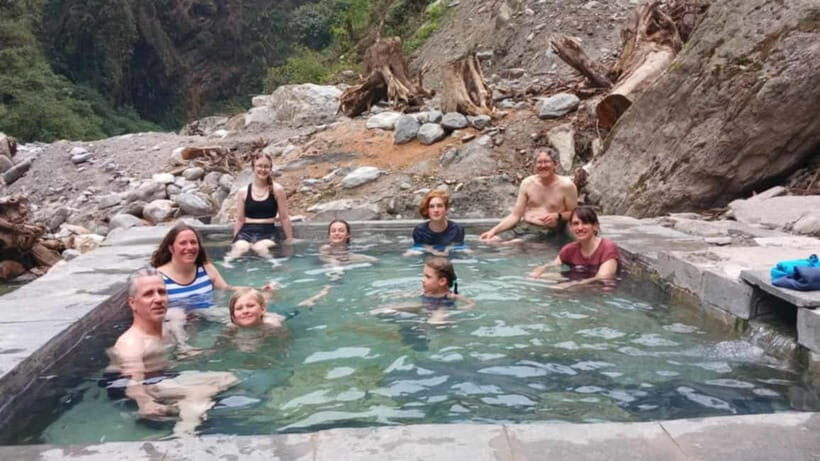
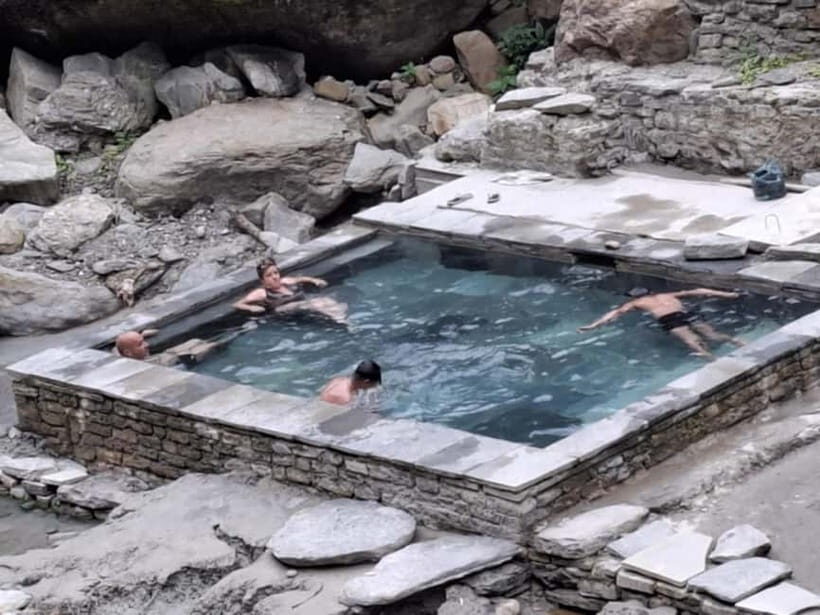
The best part is the soak: you’ll relax in the natural hot springs at Jhinu Dada, which is the perfect end to a trek built around high effort. It’s not just a reward—it’s also a practical way to help your body feel human again after multiple long days of walking.
Then you’re back in Pokhara to reflect, grab food, and let the journey land in your head and photos.
Guides, Pace, and Comfort: Why the Private Format Helps
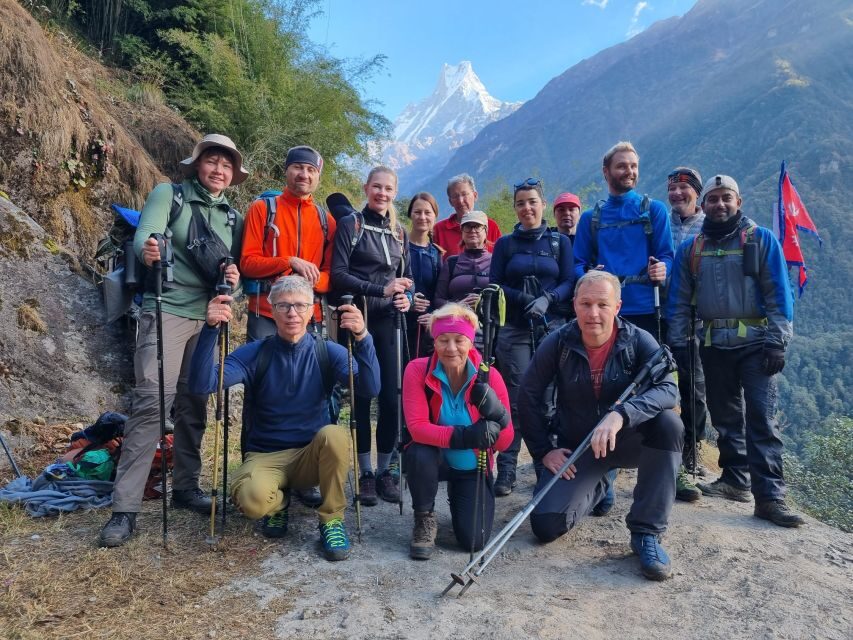
The trip is set up as a private group with a licensed guide. That means you’re not sharing instructions with strangers who walk at wildly different speeds. It also tends to make it easier to ask questions about pace, rest stops, and trail conditions.
Two guide details from real experiences are worth noting. One guide named Kaji provided continuous help during a rougher off-season descent, including support through multiple avalanche hazards on the way down. Another guide named Jeet was described as funny and attentive, explaining things constantly and making sure the group rested properly.
Even if your trek runs smoothly, you’ll feel the difference of having a guide who stays alert and keeps the group’s energy managed. In a short 5-day window, small pacing choices matter a lot.
Price and Logistics: Is $150 Good Value?
At $150 per person, this trek is priced as a budget-friendly adventure, especially because several key costs are already included.
Here’s what you’re getting for that price:
- Guided service with an authorized licensed English-speaking guide
- Trekking permits and required paperwork
- Private accommodation during the trek
- Trekking gear included (trekking poles, sleeping bag, duffdule bag)
- Pickup and drop-off in Pokhara
- Meals on the trek only on the All Inclusive Full Package
The “value math” depends on which meal option you choose. If you select the standard option, you can buy meals along the way. If you choose the All Inclusive Full Package, breakfast, lunch, and dinner during the trek are included. That can be the difference between a smooth budget and a day-by-day cost you didn’t plan.
Also watch the “not included” items that can add up:
- Soft and hard drinks
- Porters (you can request them for extra cost)
- Travel and rescue insurance
- Nepalese visa fee and international flights (separate from the trek cost)
- Personal expenses like phone calls, laundry, bar bills, battery recharge, bottle or boiled water, and showers
My practical take: $150 can be a strong deal if you keep your extras controlled and plan your personal spending. If you need a porter or you’ll buy lots of drinks and snacks, the final spend will rise.
What’s Included vs Not: Meals, Porters, and Your Real Budget
Included basics do a lot of the heavy lifting on this trek. You get all necessary trekking admin, private accommodation, luggage storage, and gear support. That means you can travel lighter and don’t have to solve the sleeping gear problem on arrival.
Meals are the main variable:
- All meals (breakfast, lunch, dinner) are included only on the All Inclusive Full Package.
- Other options allow you to purchase meals during the trek.
Porters are also optional. You can arrange porters upon request for an additional cost. If you’re carrying your own pack and you’re worried about long days, you might want to budget for help rather than white-knuckling it for five straight days.
Finally, remember the trip suggests you bring funds for personal expenses, including bottle or boiled water and shower needs. Those are small purchases that can sneak up if you’re not watching.
What to Pack (and What You Might Not Need to Worry About)
The recommended packing list includes:
- Passport or ID card
- Camera
- Sunscreen
- Hiking shoes
- Daypack
- Jacket
- Hat, socks, sunglasses
- Change of clothes and comfortable clothes
- Cash
- Shorts
- Trekking gear
- Sleeping bag
At the same time, the package includes trekking gear such as trekking poles, a sleeping bag, and a duffle bag. So your job is less about buying everything and more about checking what you personally need versus what’s provided.
My rule for trips like this: confirm gear you’ll rely on. If you’re bringing your own sleeping bag anyway for comfort, fine. If you hate unfamiliar gear, bring your preferred layer system. The trek’s success depends on warmth and foot comfort more than having the fanciest equipment.
When Weather Turns: Off-Season Reality and Safety Choices
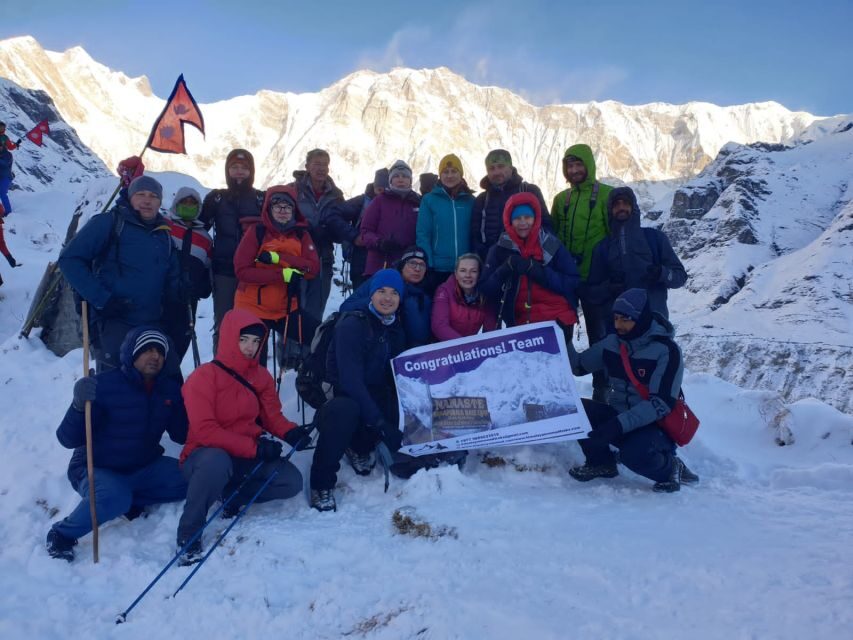
If you go during off-season, you should expect a tougher version of the trek. One experience described worse-than-expected weather and serious descent hazards, including climbing over four avalanches on the way down, with guide support from Kaji.
That doesn’t mean every trip will be that dramatic. But it does mean you should plan for conditions to change quickly, especially in winter or shoulder seasons.
Here’s what I’d do with that info:
- If you’re not comfortable with long hikes, snow, or ice, consider a longer duration (like 7 days) so the trek feels less squeezed.
- If you can time your trip for a more stable season, you’ll likely enjoy the views more and stress less about footing.
- Trust the guide’s calls about pace and trail decisions. This is where a capable guide earns their paycheck.
Who This Trek Fits Best (and Who Should Consider 7+ Days)
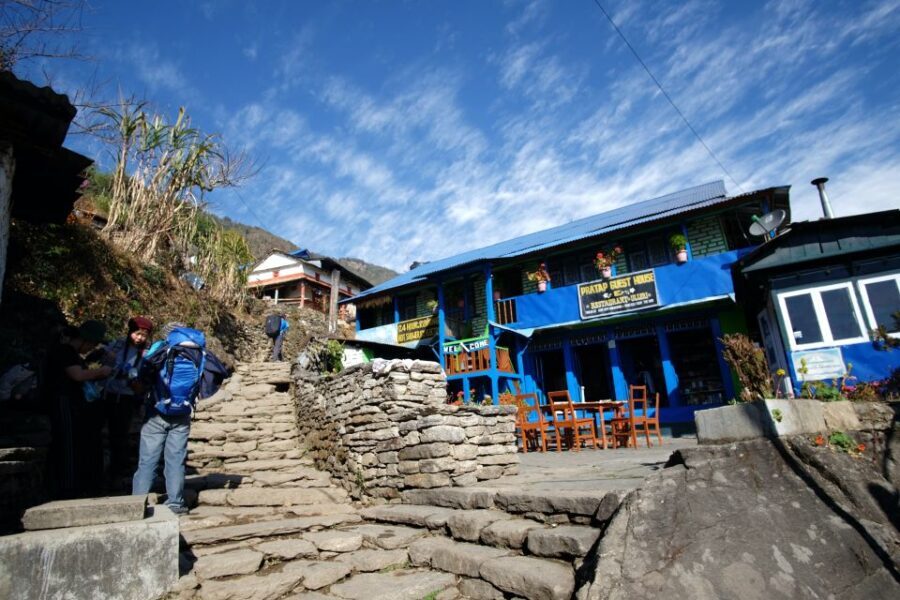
This is a solid pick if you:
- Want a guided Annapurna Base Camp trek starting from Pokhara
- Like the idea of a structured 5-day plan with overnight at Base Camp
- Are comfortable with a climb and a long descent
- Appreciate the convenience of permits, paperwork, and gear being taken care of
It might not fit as well if you:
- Want to take it slow or you’re nervous about snow/ice conditions
- Prefer more breathing room between high-walking days
- Hate the idea of an 8-hour descent day after a big Base Camp experience
If you’re the type who wants extra time for views and not just to reach the next waypoint, consider stretching to a longer trek. In one experience, the trek felt intense at five days, and the person wished they’d had more time.
Should You Book This 5-Day Annapurna Base Camp Trek?
I’d book it if you want the Annapurna Base Camp experience without building a complicated logistics plan yourself. The guide support, permit handling, private accommodation, and included trek gear make it easier than many DIY options.
Skip it (or upgrade your expectations) if you’re not confident with hard walking days or you’re going in off-season weather. In that case, plan for a safer pace with more days, or aim for a more stable season. And if you’re unsure, adding a porter can be a smart cost trade for comfort, especially if your own pack feels heavy.
If you’re excited by the idea of reaching Base Camp at 4130m and then finishing with a real warm soak at Jhinu Dada, this trek is built for you.
FAQ
Is trekking gear included?
Yes. The trip lists trekking gear as included, including trekking poles, a sleeping bag, and a duffle bag.
What’s the starting point, and is pickup included?
You’re picked up in Lakeside, Pokhara, and hotel pickup and drop-off are included. You should wait in the hotel lobby about 10 minutes before your scheduled pickup time.
Are trekking permits included?
Yes. Trekking permits and all necessary paperwork are included, along with the Trekkers’ Information Management System fees.
Do I get meals during the trek?
You can choose between options. The standard option allows you to purchase meals along the way, while the All Inclusive Full Package includes all meals (breakfast, lunch, dinner) during the trek.
Where do we stay on the trek?
The trip includes private accommodation during the trek.
Does the itinerary include Annapurna Base Camp?
Yes. The route reaches Annapurna Base Camp on Day 3, at about 4130m, and you spend the night there.
Is Jhinu Dada Hot Springs part of the trek?
Yes. On the final day, you trek to Jhinu Dada for a soak in the natural hot springs before returning to Lakeside, Pokhara.
Are porters included?
Porters are not included, but they can be arranged upon request for an additional cost.
What’s not included in the price?
Not included items include soft and hard drinks, travel and rescue insurance, Nepalese visa fee, international flights, domestic excess baggage charges, and personal expenses like phone calls, laundry, bar bills, battery recharge, bottle or boiled water, and shower costs.
Is cancellation refundable?
Yes. There is free cancellation up to 24 hours in advance for a full refund.