REVIEW · NAYA PUL
Pokhara: 7-Day Annapurna Base Camp Via PoonHill & Hot Spring
Book on GetYourGuide →Operated by Himalayan Nomad Treks Pvt. Ltd. · Bookable on GetYourGuide
Pokhara is just the warm-up; the real show starts high. This 7-day route blends Poon Hill sunrise with the main goal: Annapurna Base Camp at 4,130m. I like that it’s a tight schedule that still gives you time to enjoy Ghorepani and the Annapurna area, not just sprint to a summit. I also like the human side of it, with guides such as Mahesh and Prakash who explain what you’re seeing and help shape the pace. The one drawback to keep in mind is altitude: you’ll hit 3,210m and then push up to 4,130m, so you should be ready for a serious, tiring hike.
Here’s what makes this trek feel real: you drive into the start of the trail, trek through villages and forests, and end with a soaking reward at Jhinu Dada hot spring. Your itinerary also builds in big viewpoint moments—especially the early start for sunrise from Poon Hill—so you’re not waiting for the “best part” to arrive. Still, if you hate early mornings or you’re not comfortable hiking uphill for hours at altitude, you’ll feel the effort.
In This Review
- Key things that make this trek worth your time
- Poon Hill to Base Camp: a fast, focused Annapurna introduction
- Price and Logistics: what $267 really covers
- Your trek days, altitude by altitude
- Day 1: Pokhara to Ulleri to Ghorepani (2,840m)
- Day 2: Ghorepani to Poon Hill sunrise to Chuile/Tadapani (about 2,400m)
- Day 3: Chuile/Sinuwa with river crossing country (2170m)
- Rhododendron-and-bamboo trekking on the way to 3,200m
- Day 4: Sinuwa to Deurali (3200m) with Machhapuchhre views
- The day you came for: Annapurna Base Camp at 4,130m
- Day 5: Deurali to Annapurna Base Camp (4,130m)
- Coming down with style: Bamboo and Jhinu Dada hot spring
- Day 6: Base Camp to Bamboo (2,300m)
- Day 7: Bamboo to Jhinu Dada hot spring to Pokhara
- Guide quality and group feel: what you can expect day to day
- Who should book this trek, and who should skip it
- Should you book the Pokhara to Annapurna Base Camp via Poon Hill trek?
- FAQ
- What is the highest altitude on this trek?
- How long is the trek from start to finish?
- Are meals included?
- Do I need trekking permits?
- Is transportation included?
- Where do you sleep during the trek?
- What language will the guide speak?
- Is a porter included?
- Is the hot spring included?
- Is this trek suitable for pregnant women?
Key things that make this trek worth your time
- Sunrise push to Poon Hill (3,210m) with big Annapurna-range views
- Annapurna Base Camp at 4,130m, the amphitheater-style mountain wall moment
- Day-by-day altitude flow, including an important step up and back down
- A guide who can adjust to you, with English/Hindi/Nepali support
- Hot spring payoff in Jhinu Dada, with about two hours to soak
- Private-group pace, plus 4-wheel-drive jeep support where the route allows
Poon Hill to Base Camp: a fast, focused Annapurna introduction
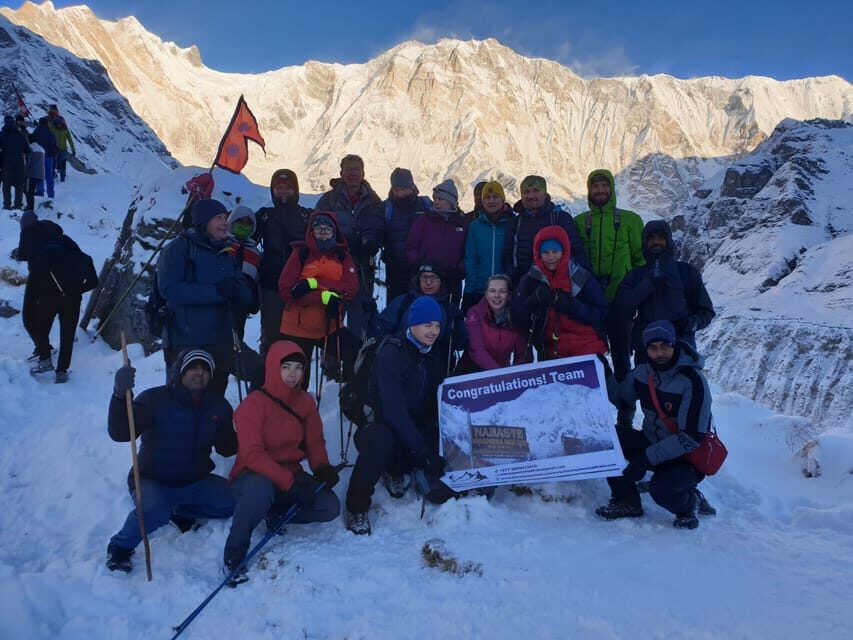
This trek is built for people who want the classic Annapurna hits without spending two weeks in transit and recovery. You start from Pokhara, work your way into the Ghorepani area, and then ladder your altitude upward in a way that gives you more than one reason to get up early or keep moving through fog and cold mornings.
What you’re really buying here is concentration: Poon Hill first, then the big day to Annapurna Base Camp. On paper, it’s “7 days.” In practice, those days are about rhythm. You’ll alternate uphill effort with downhill breathing space, and you’ll get rewarding scenery at multiple points—especially when you’re standing high above the valley looking back.
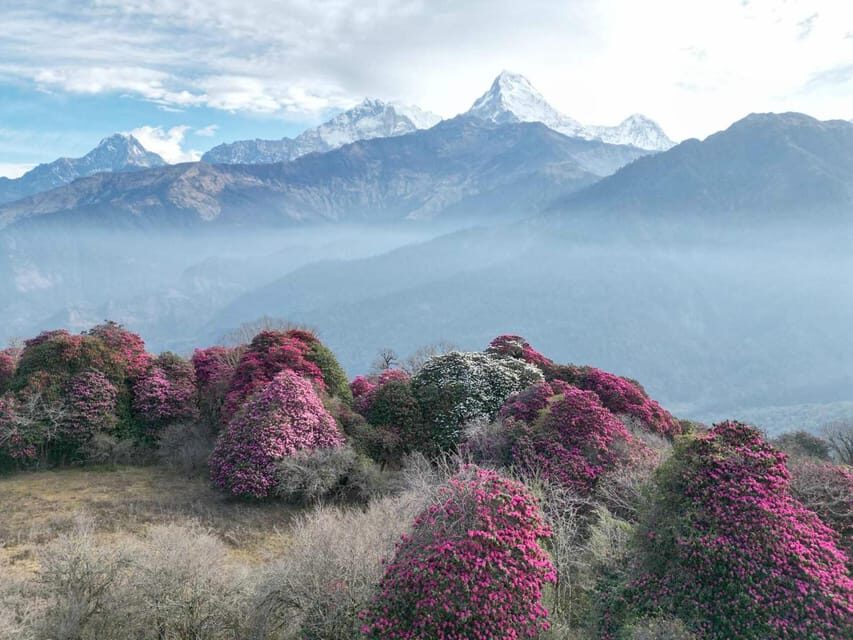
The route also gives you a useful mix of walking environments. You’ll see rhododendron forests and village paths around Ulleri and Ghorepani, then higher terrain as you move toward Base Camp. That variety matters because it keeps your brain engaged. You’re not just climbing and counting steps; you’re also reading the terrain, watching peaks change as the light shifts, and taking in the views when the trail opens up.
A few more Naya Pul tours and experiences worth a look
Price and Logistics: what $267 really covers
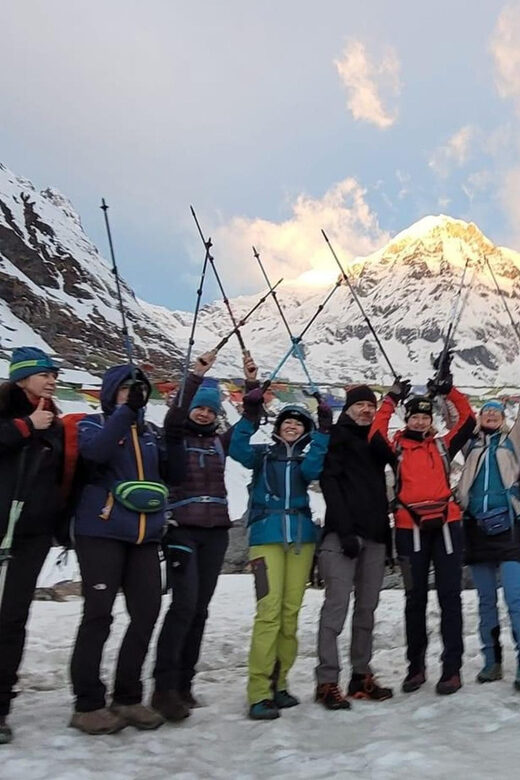
$267 per person is a sensible price for a guided, permit-included trekking package with transportation support. The value comes from what’s handled for you, not from the trek being “cheap.”
Here’s what you get included:
- An authorized English-speaking/local expert guide, plus guide costs (meals, accommodation, salary, insurance, transportation)
- Hotel pickup and drop-off
- Trekking permits and paperwork, plus the Trekkers’ Information Management System fee(s)
- Accommodation during the trek
- All meals during the trek for the Full Package option (breakfast, lunch, dinner)
- Deluxe 4-wheel-drive jeep transport as per the itinerary and group size
And here’s what you should budget separately:
- Personal expenses like phone calls, laundry, battery recharge, and similar items
- Soft and hard drinks
- Travel and rescue insurance
- Porter availability (you can buy it)
- Water and extra comforts like shower or extra snacks, since specifics aren’t included
- Any extra night in Pokhara outside the scheduled plan
If you want the simplest trip with the least decision-making, choose the Full Package so meals are covered. If you’re the type who prefers buying snacks along the way, you can still do it, but you’ll want to plan for spending on drinks, water, and extra items you’ll want at altitude.
Your trek days, altitude by altitude
This itinerary is the backbone of your experience. It’s also where you’ll feel the physical differences between a “nice hike” and a mountain trek.
Day 1: Pokhara to Ulleri to Ghorepani (2,840m)
You’ll start with a scenic jeep ride from Pokhara to Nayapul, then continue by road through streams, small villages, and rhododendron forests as you climb toward Ulleri. After that, the real trekking begins, and you finish the day in Ghorepani at 2,840m.
This first day is partly about motion and partly about confidence. You’re going up while still in a controlled setting, and you end in a place where you’re not jumping into the hardest segment immediately. Ghorepani also makes sense as a staging point: it positions you perfectly for an early sunrise climb.
One practical consideration: a jeep day plus trekking can feel “long” even before you hit the big altitude. Comfortable trekking shoes really matter here.
Day 2: Ghorepani to Poon Hill sunrise to Chuile/Tadapani (about 2,400m)
Day two has a split mission. First you climb toward Poon Hill (3,210m) for sunrise, then you descend after breakfast to Tadapani/Chuile around 2,400m.
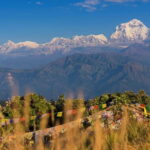
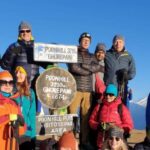
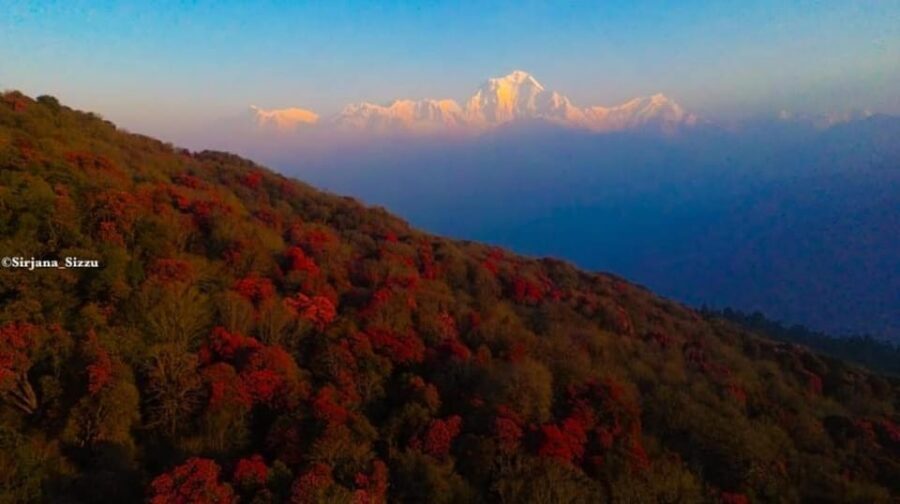
This is one of the highlights for a reason. Sunrise from Poon Hill is short in distance compared to the rest of the trek, but it’s intense because you’re going from “sleepy” to “moving hard” early. You also get payoff fast: once the light hits the mountains, you’re looking at the Annapurna range from a high viewpoint that feels close and dramatic.
The drawback is simple: it asks for early energy. If you don’t handle early starts well, you’ll be tempted to cut it close. Don’t. Give yourself a calm morning routine and stick to your guide’s timing.
A few more Naya Pul tours and experiences worth a look
Day 3: Chuile/Sinuwa with river crossing country (2170m)
You’ll trek toward Sinuwa around 2,170m, crossing the meeting point of the Kumrung and Modi Rivers along the way. This is a day that tends to feel “in-between” if you only track altitude numbers—but that river crossing matters because it’s your signal that you’re deep into the Annapurna walking world.
When your trail runs near water, your sense of place changes. The air can feel different, the vegetation shifts, and your pace becomes more about steady walking than chasing views around every bend.
Rhododendron-and-bamboo trekking on the way to 3,200m
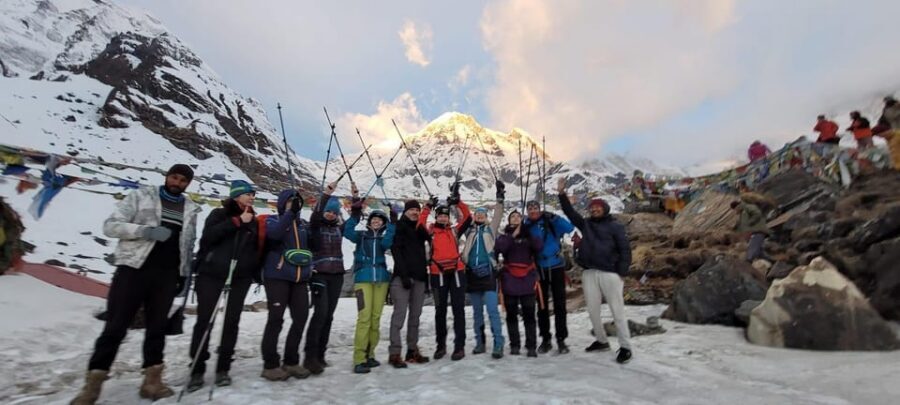
Day 4: Sinuwa to Deurali (3200m) with Machhapuchhre views
Day four climbs again to about 3,200m and is all about scenery as the trail tightens around the mountains. You’ll pass through lush forests and get vistas of the Annapurna range and Machhapuchhre along the way. You’ll reach Dovan and then continue toward Deurali, trekking through rhododendron and bamboo forests.
This is a key transition day. It’s where you stop feeling like you’re just “getting there” and start feeling like you’re in the high-country zone. Deurali at 3,200m also sets you up mentally for the Base Camp push the next day.
If you’re trying to manage altitude stress, this is where you should keep your effort steady. Going too hard early on a day like this can leave you drained for the last ascent tomorrow.
The day you came for: Annapurna Base Camp at 4,130m
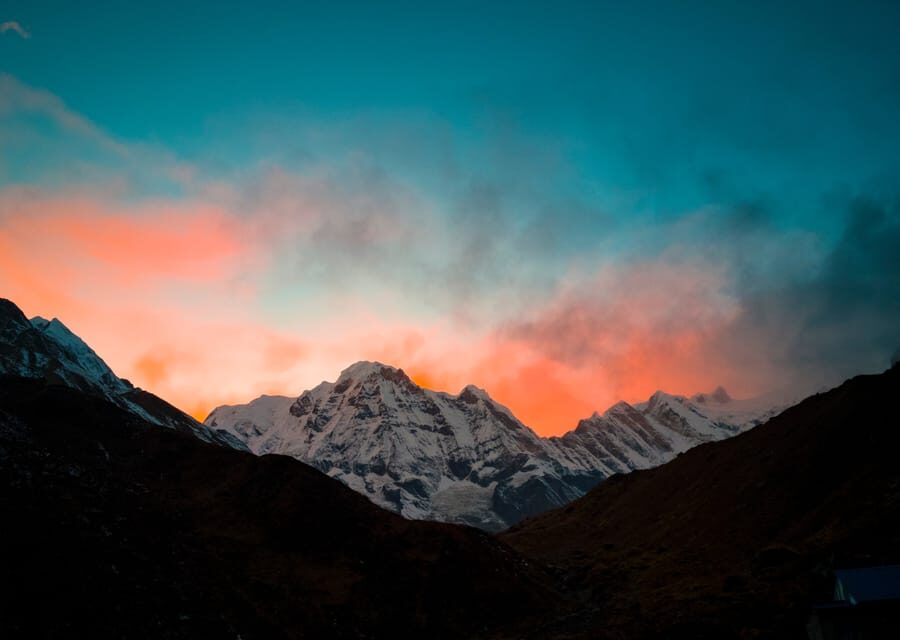
Day 5: Deurali to Annapurna Base Camp (4,130m)
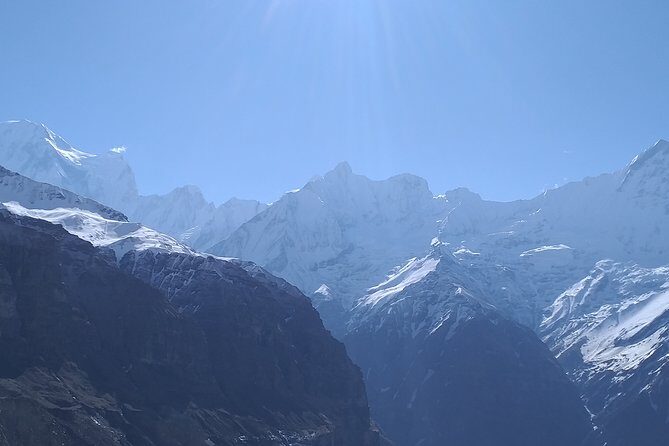
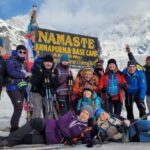
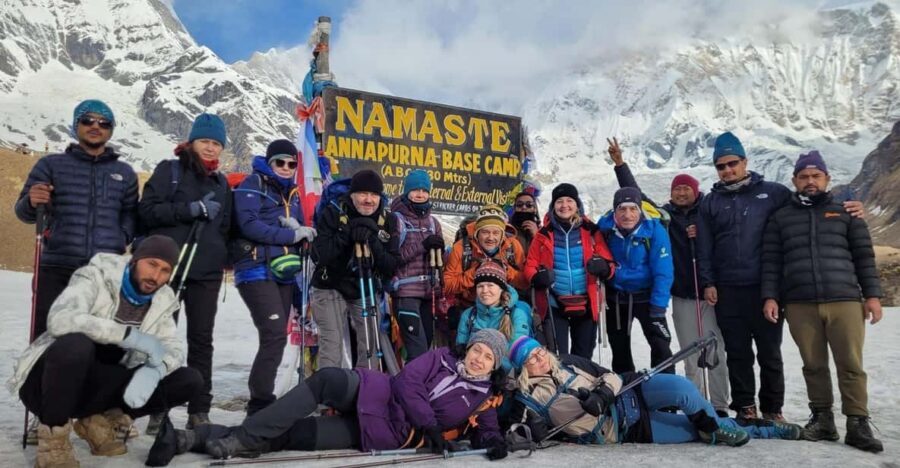
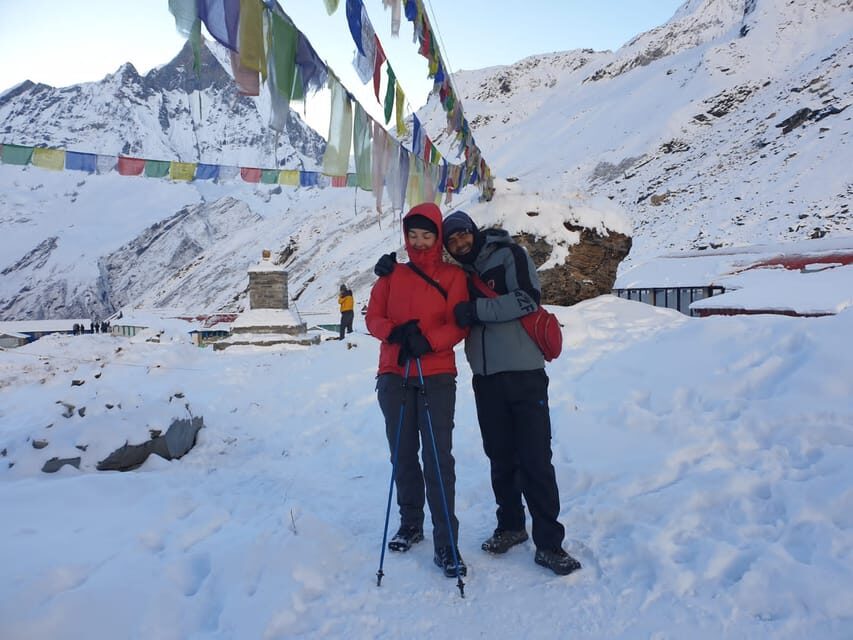
Today is the main event. You trek from Deurali up to Annapurna Base Camp at 4,130m, and the big moment is standing in a mountain amphitheater: dramatic peaks, snow-capped surroundings, and glaciers that make the whole area feel geologically alive.
This day is usually challenging, not because the whole route is brutal all the time, but because the altitude makes everything feel harder. Even breaks take effort. You’ll likely notice your breathing and your pace in a way that doesn’t happen at lower elevations.
The reward is worth planning for. Base Camp isn’t just a photo stop; it’s where the Annapurna region becomes a full-scale environment rather than a set of views. If you’re a “one big moment” trekker, this is your moment.
Practical tip: bring warm layers and be ready for wind or sudden temperature drops, especially when you’re stationary at high altitude. Your packing list already signals this with items like a jacket and sleeping bag.
Coming down with style: Bamboo and Jhinu Dada hot spring
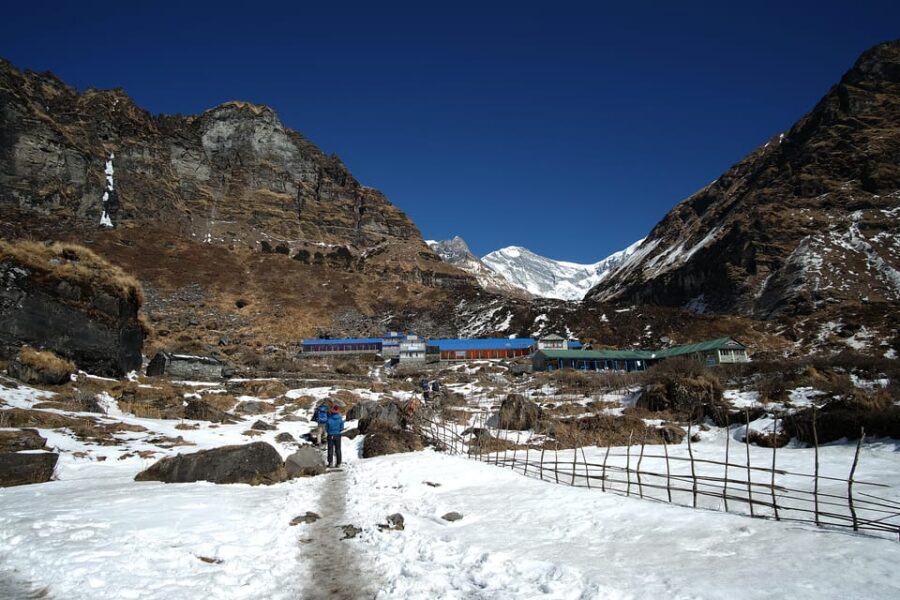
Day 6: Base Camp to Bamboo (2,300m)
After your time at Annapurna Base Camp, you retrace your steps back down to Bamboo at 2,300m, with about 6 hours of trekking. The point of day six isn’t only to reach the next bed; it’s to let your legs recover while you still get mountain views.
Retracing routes can feel repetitive, but it’s also useful. You’ll see the terrain with a different mindset—less “can I make it?” and more “I’m moving back through a place I’ve already earned.”
Day 7: Bamboo to Jhinu Dada hot spring to Pokhara
Your final day mixes walking and comfort. You descend from Bamboo to Jhinu Dada (1,600m), then you get to soak in the natural hot springs for about two hours. After that, you continue your descent toward Lakeside Pokhara, trekking to Samrung for about 30 minutes and then taking a jeep back to Pokhara (around 2.5 hours drive).
This is a smart ending. The hot spring isn’t just a nice extra; it’s a way to reset your body after several days of downhill strain. It also helps you transition from “trek mode” to “vacation mode” without needing a full rest day.
Guide quality and group feel: what you can expect day to day
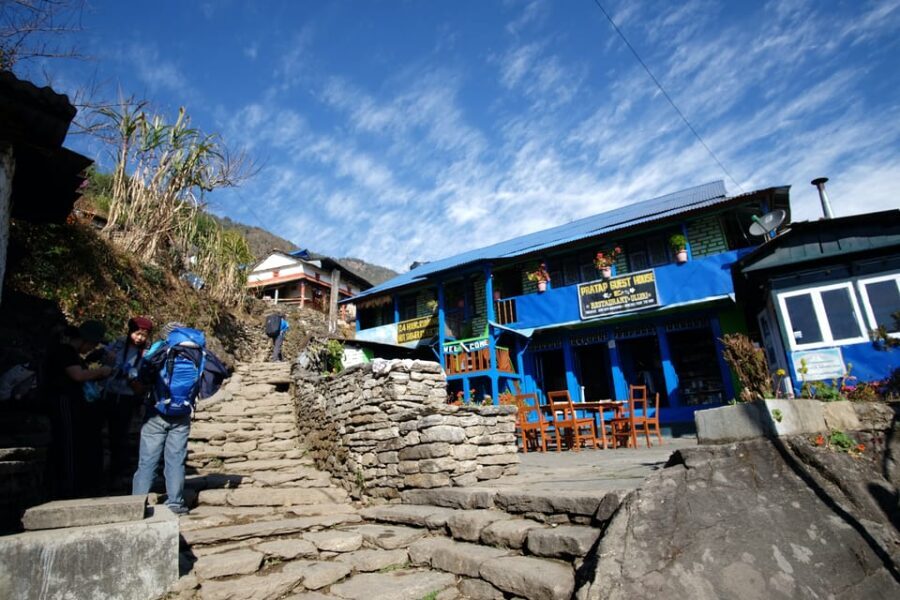
This is a private group trek with a guide who’s expected to handle your route, timing, permits, and day-to-day decisions. In real-life trekking terms, that’s the difference between a stressful hike and a manageable one.
From past trekkers’ experiences with Mahesh and Prakash, the guides didn’t just lead; they actively helped with understanding and pacing. Mahesh is described as answering questions, taking care of the group, and adjusting the route to abilities and expectations. Prakash is described as very knowledgeable and a supportive presence, while porters such as Bishal, Avinesh, and Sujal kept the team moving comfortably.
Even if you choose this trip for the scenery, the guide can make it safer and easier. They can help you gauge effort, explain what you’re seeing along the Annapurna range, and keep you on track for sunrise timing at Poon Hill.
One more practical angle: all guide expenses are included, which usually means the trip is set up to run properly rather than cutting corners.
Who should book this trek, and who should skip it
This itinerary is best for:
- People who want Annapurna Base Camp but still want the iconic Poon Hill sunrise add-on
- Hikers who can handle daily trekking segments around 5–6 hours, plus an early-morning start on day two
- Anyone who likes a guided, well-supported structure without needing to plan permits and paperwork
It may not be a fit for you if:
- You’re pregnant. The activity is listed as not suitable for pregnant women.
- You know you struggle with altitude and early starts. You’ll go from 2,840m up to 3,210m and then to 4,130m.
If you’re otherwise healthy and you train a bit beforehand, this is a classic “doable but serious” mountain trek.
Should you book the Pokhara to Annapurna Base Camp via Poon Hill trek?
I’d say yes if you want a compact, high-impact Annapurna experience: sunrise at Poon Hill, the signature trek through the Ghorepani area, and then the big Base Camp day at 4,130m, ending with Jhinu Dada hot springs.
I’d think twice if you’re looking for something easy, slow, or flexible with altitude. The schedule is efficient, and it asks you to work for the views.
If you book, do one thing that pays off fast: plan your packing so you’re ready for altitude days and cool mornings. Bring the basics listed (ID/passport, comfortable shoes, sunglasses, sunscreen, jacket, and a sleeping bag), and then trust the guide and the route. This trek is a well-run package, and the mountain moments are exactly what you think you came for.
FAQ
What is the highest altitude on this trek?
Annapurna Base Camp is reached at about 4,130m, and you’ll also climb to Poon Hill at about 3,210m.
How long is the trek from start to finish?
The total duration is 7 days, starting in Pokhara and finishing back in Pokhara after the hot spring stop.
Are meals included?
Meals are included during the trek only for the Full Package option (breakfast, lunch, dinner). Soft and hard drinks are not included.
Do I need trekking permits?
Yes. Trekking permits and required paperwork, including the Trekkers’ Information Management System fee(s), are included.
Is transportation included?
Hotel pickup and drop-off are included, and the itinerary uses deluxe 4-wheel-drive jeep transport as specified by the route and number of people.
Where do you sleep during the trek?
You’ll have accommodation during the trek. The plan specifically notes a tea house in Ghorepani on Day 1 and a hotel in Tadapani/Chuile on Day 2.
What language will the guide speak?
The live tour guide can speak English, Hindi, and Nepali.
Is a porter included?
A porter is not included, but porters are available for purchase.
Is the hot spring included?
Yes. On the final day you’ll visit Jhinu Dada hot spring and soak for about two hours.
Is this trek suitable for pregnant women?
No. It is listed as not suitable for pregnant women.