REVIEW · NAYA PUL
Pokhara: 7-Day Annapurna Base Camp Guided Trek
Book on GetYourGuide →Operated by Himalayan Nomad Treks Pvt. Ltd. · Bookable on GetYourGuide
Annapurna Base Camp is the big payoff. This guided 7-day trek starts in Pokhara and walks you up to 4,130m views, then finishes with the muscle-reset of Jhinu Dada hot springs. I like that the daily hiking blocks are long enough to feel like a trek, but not so long you’re wrecked by dinner. I also like that meals and paperwork are handled for the full package, so you can spend your energy on the trail instead of admin. One consideration: you’ll still be facing altitude and full hiking days, and mountain lodging is included but will not feel like a hotel.
The guides are a real part of the value. This trek runs with an English-speaking guide (also Hindi and Nepali), and past groups mention experienced leaders like Ghanshyam Silwal, Jeet, and Prakash—plus a hands-on approach to pacing and staying safe when conditions or energy levels shift.
In This Review
- Key highlights worth your attention
- What this trek really gives you (beyond the photos)
- Route overview: Pokhara’s start and how the trek flows
- Day 1: Lakeside Pokhara to Chhomrong (jeep + first big climb)
- Day 2: Chhomrong to Dovan through forests and suspension bridges
- Day 3: Dovan to Deurali with rhododendron, bamboo, and waterfalls
- Day 4: Deurali to Annapurna Base Camp (the main event)
- Day 5: Annapurna Base Camp to Sinuwa—retrace, reset, and regroup
- Day 6: Sinuwa to Jhinu Dada hot springs (the payoff for your legs)
- Day 7: Jhinu Dada to Lakeside Pokhara—finish strong
- Price and what $234 really covers (and what it doesn’t)
- Gear and packing: what matters for this specific route
- Who should book this trek (and who should pause)
- Should you book this 7-day Annapurna Base Camp trek?
- FAQ
- How long is the Pokhara 7-Day Annapurna Base Camp guided trek?
- What altitude do you reach at Annapurna Base Camp?
- Are meals included on the trek?
- Does the price include permits and paperwork?
- What transport is included on the route?
- Is there a guide, and what languages do they speak?
- Is porter service included?
- Is accommodation included?
- What’s included in the medical support?
- Are cancellations flexible?
Key highlights worth your attention
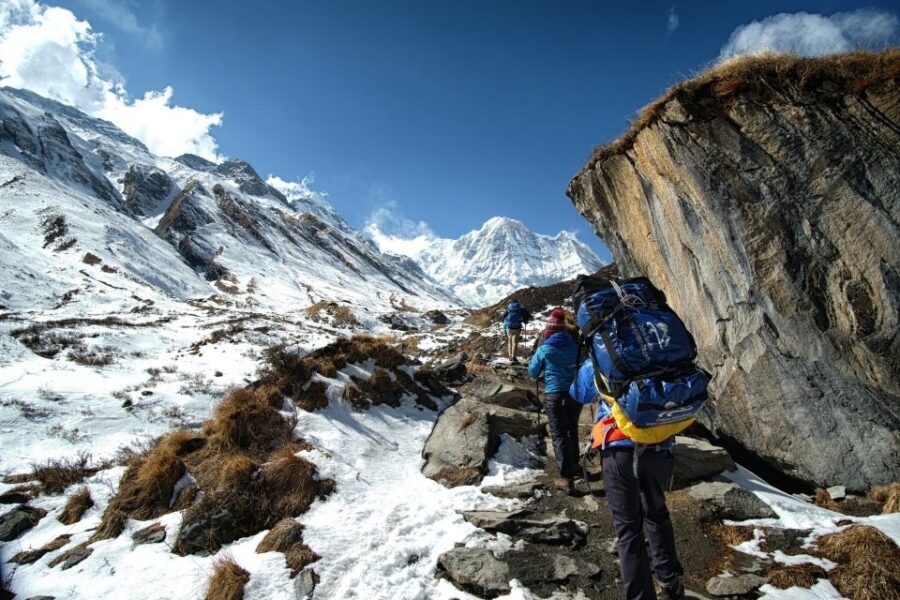
- Pokhara to Chhomrong via jeep: you swap some steep climbing for a faster start, then get your first taste of village life.
- Chhomrong to Dovan suspension bridges: crossings over the Modi River add a fun dose of focus.
- Deurali to Annapurna Base Camp day: a steady grind up into high-alpine terrain with dramatic glaciers ahead.
- Full-package meals during the trek: breakfast, lunch, and dinner are included for the full package option.
- Jhinu Dada hot springs recovery: warm natural waters to help tired legs unwind on Day 6.
- Permits + TIMS handled: paperwork and the Trekkers’ Information Management System fee(s) are included.
What this trek really gives you (beyond the photos)
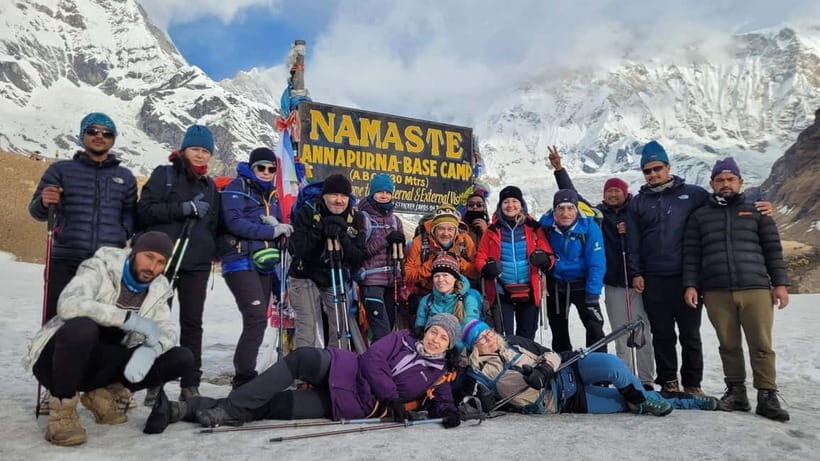
Annapurna Base Camp is the kind of goal that turns “vacation” into “I did that.” But the good version of this trek is not just summit-chasing. It’s the rhythm: a climb that feels doable each day, villages where you can slow down, and scenery that changes as you gain altitude.
This itinerary is built around that rhythm. You start at lakeside Pokhara (around 800m) and work upward in stages, with trekking days that range from about 4 to 7 hours depending on the leg. You won’t be sprinting from one altitude milestone to the next. You’ll be hiking long enough to feel it, then resting in included accommodation and eating included meals (for the full package).
The hot springs finish is also more than a cute extra. After days of downhill on stony paths, warm water can feel like a reset button. Jhinu Dada sits at 1,600m, so it’s a real altitude drop—not just a last-day soak.
The pricing is also part of the story. At $234 per person, this is positioned as a value-focused guided package. The real question is what you’re actually getting inside that price, because trekking costs can balloon fast once permits, guide time, meals, and transport stack up.
You can also read our reviews of more guided tours in Naya Pul
Route overview: Pokhara’s start and how the trek flows
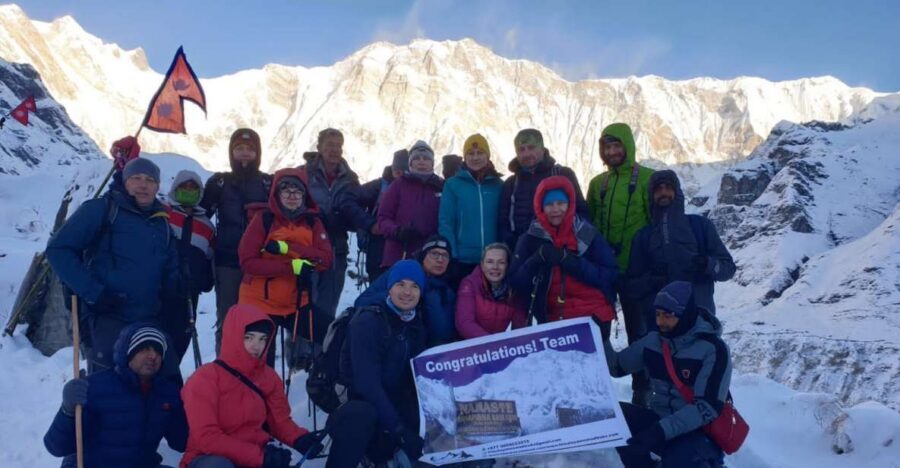
You’ll base everything out of Pokhara’s Lakeside area. Day 1 uses a mix of vehicle and foot travel, then the middle days switch fully to hiking through forests and villages. By Day 4, you’re moving from high-altitude forest zones into an alpine feel, and Day 5 turns you back around toward lower ground.
Here’s the altitude ladder you’re working through:
- Day 1: 800m → 2,200m (Chhomrong)
- Day 2: 2,200m → 2,400m (Dovan)
- Day 3: 2,400m → 3,200m (Deurali)
- Day 4: 3,200m → 4,130m (Annapurna Base Camp)
- Day 5: 4,130m → 2,200m (Sinuwa)
- Day 6: 2,200m → 1,600m (Jhinu Dada)
- Day 7: 1,600m → Lakeside Pokhara
That pattern matters. It’s not just “go up, go down.” It’s structured to give you a big acclimation push before the base camp day, then a long descent that you recover from using the hot springs.
Day 1: Lakeside Pokhara to Chhomrong (jeep + first big climb)
Day 1 starts easy on paper and still feels exciting in real life. You begin from Lakeside Pokhara (800m) after breakfast, then take a jeep for part of the route. The goal is to reach Chhomrong efficiently, while giving you scenic glimpses along the way—Seti River views, mountains, and green paddy fields are specifically part of the drive experience.
You also pass through key waypoints:
- Jeep travel takes you toward the area around Matqui (noted as about half an hour after Ghandruk).
- Then you start trekking for about 3 hours into Chhomrong.
Chhomrong (about 2,200m) is your first taste of Annapurna life at altitude. This is where the air feels sharper and where you’ll start to understand why everyone says trekking is “as much about energy management as it is about willpower.”
Practical advice: treat Day 1 like your warm-up. Don’t walk fast to prove a point. You’ll still have the long days ahead, and Day 1 is already doing useful work: setting your pace and helping you get your legs used to the rhythm.
Day 2: Chhomrong to Dovan through forests and suspension bridges
Today is where the trail starts feeling like a proper mountain trek. You hike about 5 to 6 hours from Chhomrong to Dovan (2,400m).
What makes this day fun is the variety packed into a single segment:
- lush forests
- suspension bridge crossings
- a constant sense of moving through river country, with the Modi River mentioned as a highlight
- views of major faces like Annapurna and Machhapuchhre
Suspension bridges add a specific kind of focus. Your body is working, but your brain is also paying attention to footing and wind. That mix can be tiring, but it’s also why this day doesn’t feel repetitive.
The small drawback: bridge crossings and forest sections can slow your pace a bit compared to open terrain. The upside is that the day doesn’t feel like you’re staring at the same view for hours.
Day 3: Dovan to Deurali with rhododendron, bamboo, and waterfalls
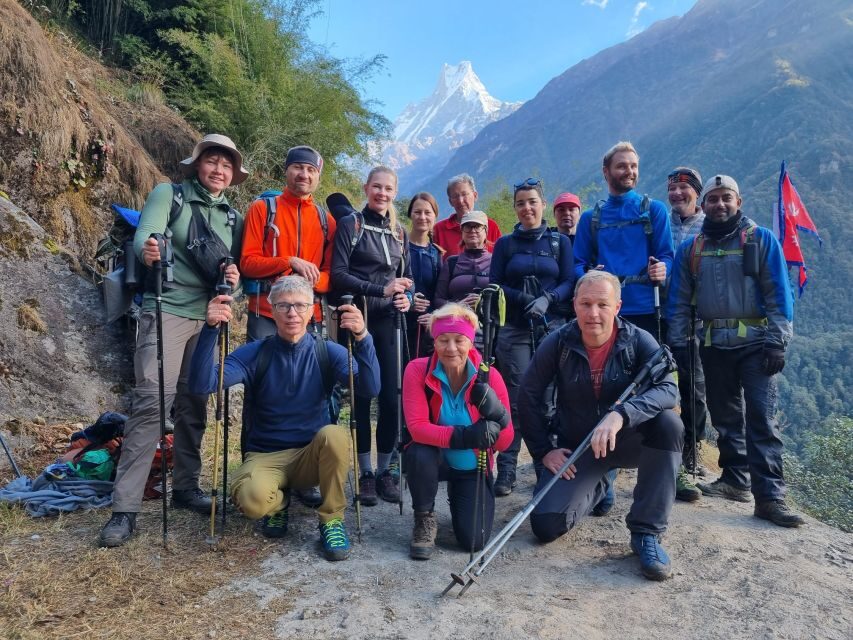
Day 3 pushes you higher, moving from Dovan to Deurali (3,200m) in about 6 hours.
The trail character changes in a good way:
- rhododendron and bamboo forests
- more water in the form of waterfalls as you ascend
- more dramatic mountain framing as the air thins and the trees give way to higher terrain
Deurali at 3,200m is a turning point. You’ll feel the altitude shift more than in the first two days, but it’s also not the “one-day-from-hell” height. It’s a staging stop—your body learns the new normal before you attempt the big goal.
What to watch for: at this point, you want steady breathing. If you’re breathing hard, slow down. A guide who adapts pace to your condition is genuinely valuable here, and past trekkers connected that kind of care to leaders like Ghanshyam Silwal, who adjusted effort so people could keep moving safely.
You can also read our reviews of more hiking tours in Naya Pul
Day 4: Deurali to Annapurna Base Camp (the main event)
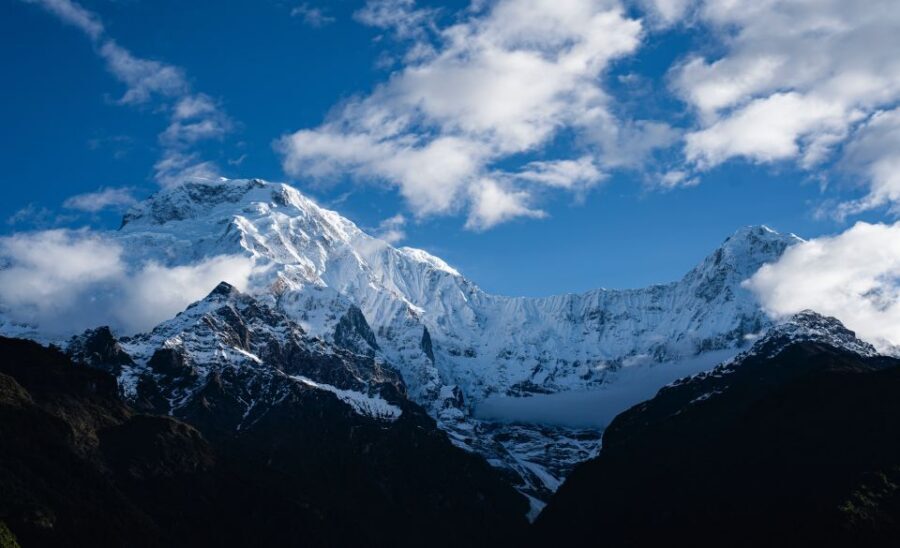
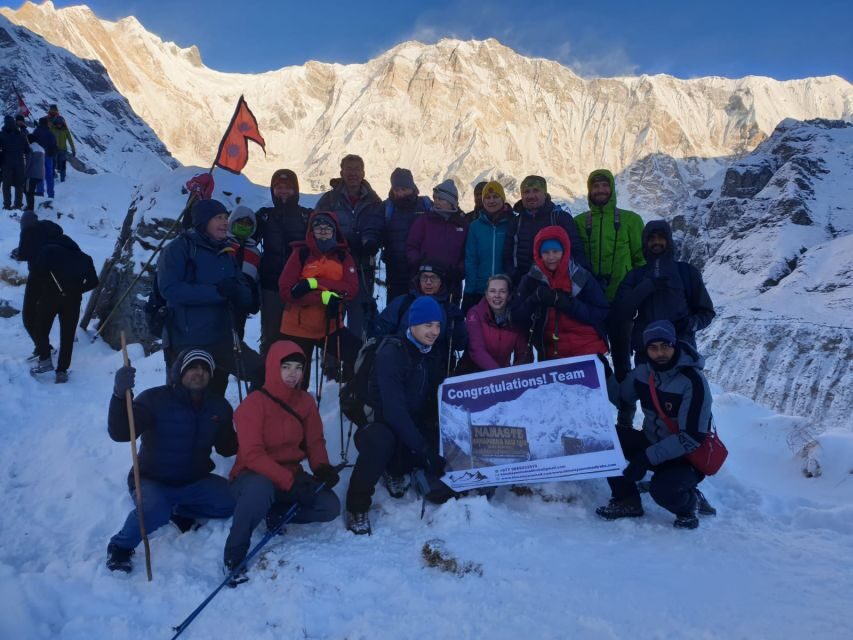
This is the day you’ve been building toward: Deurali to Annapurna Base Camp (4,130m), about 6 hours.
The route goes from forest-and-foliage vibes into a high-alpine world where the air feels thinner and the scenery turns stark and glacier-heavy. The “amphitheater of mountains” description matters, because it’s the kind of geometry you can’t fake with a phone camera. You’re reaching the legendary staging spot for the Annapurna complex, with snow-capped peaks and glaciers framing where you finally arrive.
How to make the most of the day:
- Expect to feel slower than you think. High altitude doesn’t care about your fitness bragging rights.
- Plan for a longer emotional pause at Base Camp. This is where you’ll want time to stand, look, and actually notice the scale.
The trade-off: it’s the highest point in the plan. Even if you handle it well, you’ll want to treat your body gently afterward, because Day 5 asks for a long descent.
Day 5: Annapurna Base Camp to Sinuwa—retrace, reset, and regroup
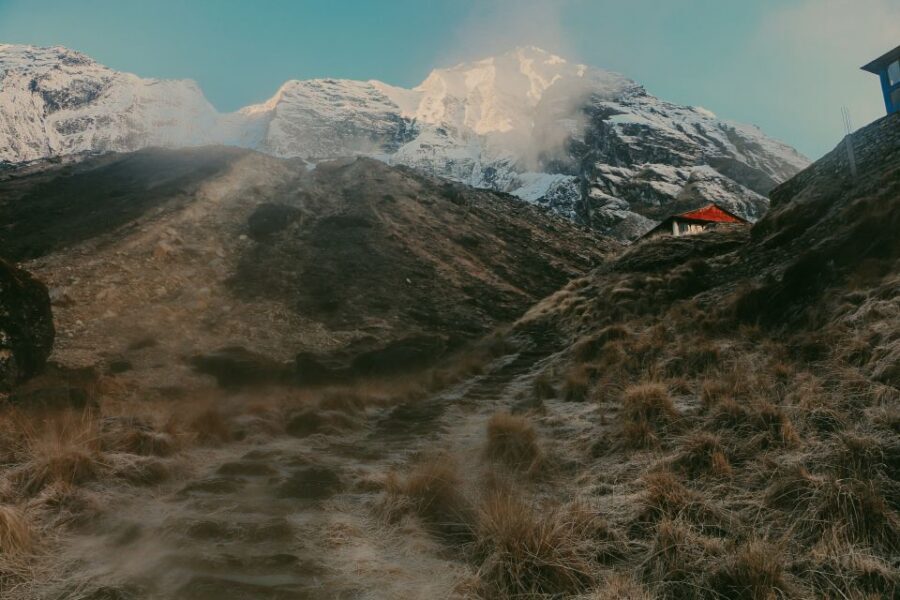
After Base Camp comes the return leg: Annapurna Base Camp to Sinuwa (2,200m) in about 7 hours.
Yes, it’s retracing steps, but that’s not wasted time. It’s a chance to:
- conserve energy by using a familiar path
- see the same terrain from a lower angle
- mentally shift from “goal mode” to “recovery mode”
Sinuwa at 2,200m is your overnight base. This stop keeps you relatively high compared to the hot springs day that follows, so you still have altitude in the mix—just less strain than at 4,130m.
Practical note: descents can be harder on your knees than the ascent feels in your head. Take shorter steps and keep your weight controlled. Your guide can also keep the line moving safely, which matters when paths get crowded or slippery.
Day 6: Sinuwa to Jhinu Dada hot springs (the payoff for your legs)
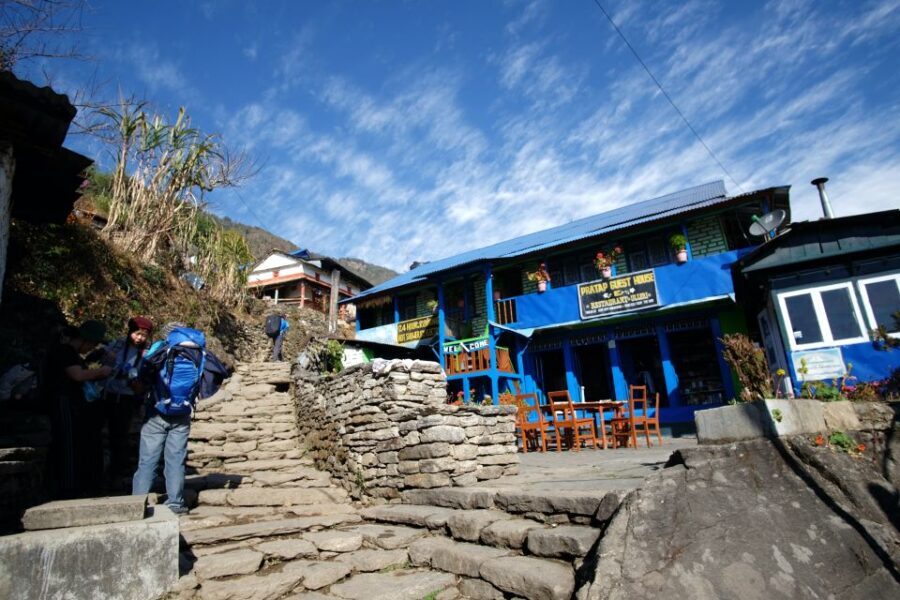
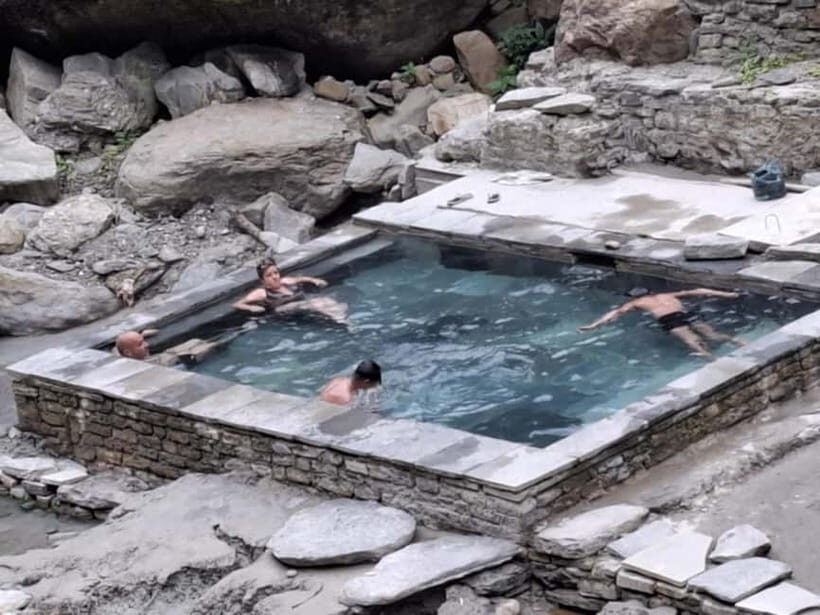
Day 6 is the “thank goodness” day. You hike from Sinuwa to Jhinu Dada (1,600m) in about 5 hours, then you soak.
The itinerary makes it clear what you’re doing: soaking in natural hot springs to unwind tired muscles. This is one of the most satisfying ways to end a multi-day trek because it addresses the body’s needs, not just your schedule.
This is also a psychologically important day. After Base Camp and the long descent, it helps to land on something that feels relaxing and easy to enjoy.
What I suggest you do: treat the hot springs like recovery time, not a photo shoot. Use it to reset your legs, then keep your evening calm. That’s how you’ll feel better on the final travel back to Pokhara.
Day 7: Jhinu Dada to Lakeside Pokhara—finish strong
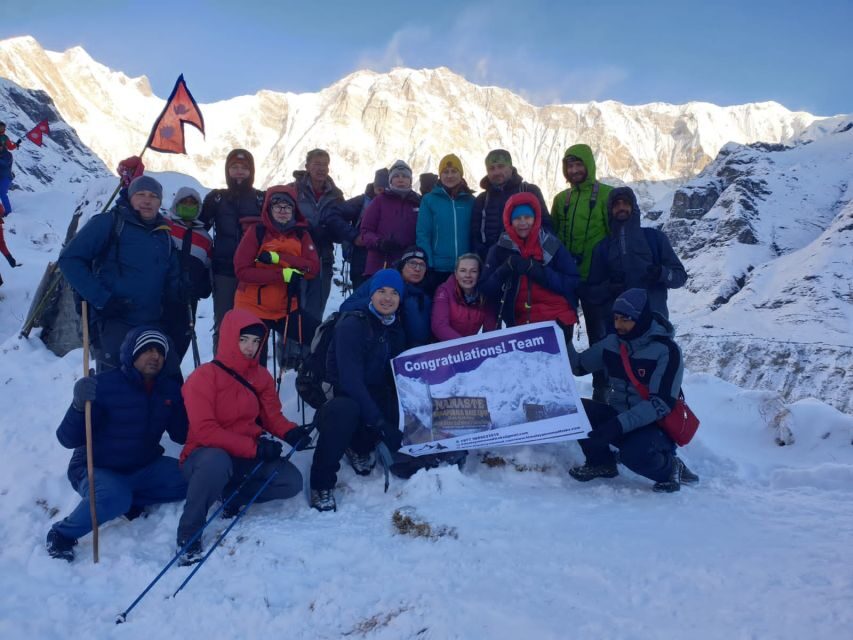
On the final day, you get a mix of hiking and vehicle time. After breakfast, you trek for about 2 hours, then take a jeep back to Pokhara.
The itinerary calls the return route: from Jhinu Dada to Lakeside Pokhara, with scenic reflection time built in. You’re not climbing anymore. You’re closing the loop, letting your body come down to normal rhythm while your brain catches up to what you just accomplished.
Realistic takeaway: if you come home expecting to feel totally fresh, you may be disappointed. You’ll likely be tired—just a good kind of tired. The best way to handle it is to plan a low-key afternoon in Pokhara once you arrive.
Price and what $234 really covers (and what it doesn’t)
The headline price is $234 per person. For trekking, that can be a steal or a trap, depending on what’s included. Here, the included list is meaningful:
Included essentials:
- hotel pickup and drop-off in Pokhara
- trekking permits and paperwork, including TIMS fees
- a medical kit
- guide (with insurance) and all guide expenses
- accommodation during the trek
- meals during the trek for the full package option (breakfast, lunch, dinner)
- deluxe transportation as per the itinerary (for full package)
What you should plan around (not included):
- travel and rescue insurance (you’ll want your own)
- drinks (soft and hard)
- international flights and Nepal visa fee
- porter service (available for purchase)
- personal expenses like phone calls, laundry, extra recharge, extra nights in Pokhara
- lunches/evening meals in Pokhara (outside trek meals)
So the value equation looks like this: you’re paying for a guided, organized climb with paperwork handled and food covered during the walking days (if you choose full package). If you’re traveling light and healthy, you’ll likely appreciate that structure.
One smart move: decide early whether you need a porter. Even though porters are not automatically included, buying porter help can protect your energy—especially if you’re not used to steep, multi-day hiking.
Gear and packing: what matters for this specific route
The list provided is solid. If you want a practical checklist, it’s basically about staying warm, protecting skin, and keeping feet happy.
Bring:
- hiking shoes (the most important gear item here)
- jacket and long pants
- sunscreen and sunglasses
- trekking gear and a towel
- a sleeping bag
- camera (you’ll use it)
- a small cash reserve
For comfort, also think about your “recovery kit” mindset. You finish at hot springs, so a towel and basic personal items matter more than usual on this itinerary.
If you’re missing one category, I’d prioritize footwear first, then weather layers. Don’t wait until Day 3 to realize your jacket isn’t enough.
Who should book this trek (and who should pause)
This trek fits best if you:
- want a guided Annapurna Base Camp push with food and permits handled
- like a mix of trail types: forests, bridges, and village days
- want a clear endpoint with hot springs recovery, not just a random downhill scramble
You might pause or choose another option if you:
- are unsure about altitude stress, even if you’re fit
- need a fully cushy comfort level (accommodation is included, but it’s still mountain travel)
- don’t have travel/rescue insurance and prefer to sort that out later (the plan doesn’t include it)
The private group format can be a plus for pacing and comfort. You’re not stuck with someone else’s tempo.
Should you book this 7-day Annapurna Base Camp trek?
If your goal is Annapurna Base Camp with a guided structure that reduces hassle, I think it’s a strong pick. The itinerary makes sense day to day: gradual altitude work, a dedicated Base Camp day at 4,130m, then a long descent you actually get to enjoy because you end at Jhinu Dada hot springs.
Book it if you value organization—permits, paperwork, guide support, and (with the full package) meals during the trek. Also consider booking if you want experienced guidance like the leaders referenced by prior groups, because a good guide’s job is not just leading—it’s adjusting pace and helping you stay safe when your body sends signals.
Before you hit reserve, double-check:
- whether you’re choosing the full package (this affects meals included)
- porter options if you want extra help carrying
- your insurance situation
If those boxes are checked, this is the kind of trek that leaves you tired, satisfied, and already planning your next mountain problem.
FAQ
How long is the Pokhara 7-Day Annapurna Base Camp guided trek?
It’s a 7-day trek, with starting times shown as available dates. The itinerary runs through the Annapurna Base Camp day and ends back in Lakeside Pokhara.
What altitude do you reach at Annapurna Base Camp?
The itinerary lists Annapurna Base Camp at 4,130m.
Are meals included on the trek?
Meals are included during the trek for the Full Package only, with breakfast, lunch, and dinner listed as included. Meals like lunch and evening meals in Pokhara are not included.
Does the price include permits and paperwork?
Yes. Trekking permits, all necessary paperwork, and the Trekkers’ Information Management System fee(s) are included.
What transport is included on the route?
The itinerary includes hotel pickup and drop-off, plus jeep/transport as listed for the trekking start and end segments. A deluxe transportation option is included as per the itinerary for the full package, while shared bus transportation is mentioned for non-full package.
Is there a guide, and what languages do they speak?
Yes, there’s an authorized English-speaking guide for the trek, and languages also include Hindi and Nepali.
Is porter service included?
Porter service is not included, but it’s available for purchase.
Is accommodation included?
Yes. Accommodation during the trek is included.
What’s included in the medical support?
A medical kit is included, and the guide also includes insurance.
Are cancellations flexible?
There is free cancellation up to 24 hours in advance for a full refund, and the activity offers a reserve now & pay later option.