REVIEW · POKHARA
Golden Mountain Annapurna Base Camp Trek
Book on Viator →Operated by AM Travels and Tours · Bookable on Viator
Golden Mountain Annapurna Base Camp is the kind of trek plan that makes logistics feel manageable. You start from Pokhara, hike through the Annapurna region day by day, and you come back to a hot shower in town after 7 days on the trail. What makes it interesting is the mix of government-authorized guidance and a porter setup that aims to keep you focused on walking, views, and village life.
I love how clearly the route is paced with well-known waypoints like Chhomrong, Bamboo, and Jhinu Danda, so you’re not guessing what you’re hiking toward each day. I also like that permits are handled for you, since trekking permit and TiMS card are included in the price. One thing to consider: meals and drinks are not included, so you’ll want extra cash or a card-ready plan for daily tea house stops.
In This Review
- Golden Mountain Annapurna Base Camp: the key reasons to pick this route
- Day-by-day routing: what each stop feels like on your feet
- Day 1: Phedi Khola to Tolkha (your first walking day)
- Day 2: Tolkha to Chhomrong (the big village feeling)
- Day 3: Chhomrong to Bamboo (where the trail becomes a routine)
- Day 4: Bamboo to Machhapuchhare Base Camp (the day for big mountain energy)
- Day 5: Annapurna Sanctuary (the moment that anchors the whole trip)
- Day 6: Back out toward Bamboo (the wise move: returning without panic)
- Day 7: Bamboo to Jhinu Danda (relaxation with hot springs)
- Day 8: Nayapul to Pokhara, hotel transfer (finish strong)
- Guides, porter support, and why the small details matter
- Permits, TiMS, tea houses: what’s included and what to plan for
- Meals and drinks: your main extra cost
- Rescue costs: not included
- Transport and the Pokhara setup: where comfort starts
- Price check: what $370.29 really buys you
- Weather and the day you can’t control
- Who this trek is best for, and who should think twice
- Should you book Golden Mountain’s Annapurna Base Camp trek?
- FAQ
- What does the trek include?
- Are meals included in the price?
- Is there a porter on this trek?
- What is the duration of the Golden Mountain Annapurna Base Camp trek?
- Where does the trek start and end?
- What fitness level do I need?
- What happens if weather is poor?
Golden Mountain Annapurna Base Camp: the key reasons to pick this route
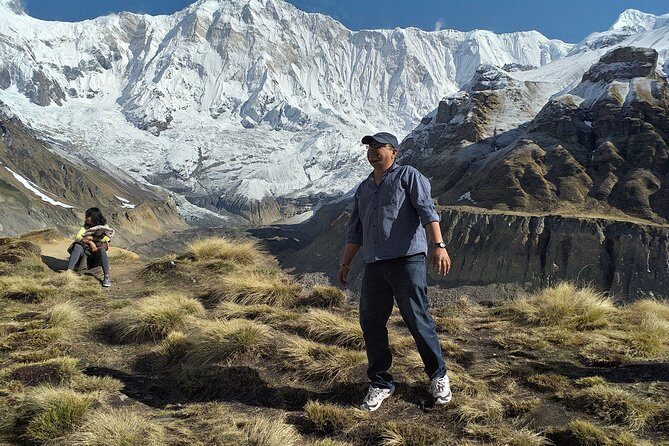
- Government-authorized, English-speaking guidance: You get a guide who can explain what you’re seeing, not just walk behind you.
- Porter included for a lighter trek: The trip is set up so you don’t need to carry everything yourself.
- Classic Annapurna waypoints, day-by-day: Stops like Chhomrong, Annapurna Sanctuary, and Jhinu Danda keep the trek feeling complete.
- Tea house accommodation included: You’re not scrambling for lodging every night after a long day.
- Pokhara transfers are built in: Hotel pickup/drop-off plus car transfers from Pokhara to Phedi and from Nayapul back to Pokhara.
- Private tour for your group only: Only your group participates, which helps with pacing and comfort.
Day-by-day routing: what each stop feels like on your feet
This trek is built around a simple idea: start close to the Annapurna foothills, climb through the main trekking villages, reach the sanctuary zone, then unwind with the Jhinu hot spring stop before dropping back to Pokhara.
A quick note on timing: your itinerary lists hike durations each day. Those times matter more than you’d think, because tea house trekking is about rhythm. You’ll want to walk steadily and save your energy for the upward sections rather than sprinting early and fading later.
You can also read our reviews of more hiking tours in Pokhara
Day 1: Phedi Khola to Tolkha (your first walking day)
You drive to Phedi and then trek toward Tolkha. This is the day that sets the tone. The first hours usually feel easier than later days, but that’s also when you’re most likely to overdo it because everything feels fine. I like that the first day is framed as a manageable start, because it gives you time to get used to altitude and footing.
Even though the plan says no admission tickets for these stops, you still get the real trek feel: village paths, gradual uphill effort, and the sense that you’re moving into the Annapurna system rather than just sightseeing.
Day 2: Tolkha to Chhomrong (the big village feeling)
You trek up to Chhomrong, one of the most famous village names on the Annapurna circuit-style routes. This day is longer on the itinerary, so expect that your body will start paying attention. Chhomrong is also where the trek begins to feel more “Himalayas” and less “first hikes.”
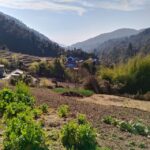
Chhomrong is a place where you can slow down, watch other groups pass through, and look around at how high-altitude villages function. It’s one of those stops where culture and trekking meet directly: you’re not just chasing scenery; you’re walking through living communities.
Day 3: Chhomrong to Bamboo (where the trail becomes a routine)
Today you head to Bamboo (Dovan). This is where trekking turns into routine: consistent footfalls, steady climbs and descents, and time to chat with your guide while you hike.
Bamboo/Dovan is also a reminder that the trek isn’t only about the highest points. It’s about the whole journey. If you pace yourself here, you’ll arrive on the next days with more patience for the ups and downs.
Day 4: Bamboo to Machhapuchhare Base Camp (the day for big mountain energy)
You trek to Machhapuchhare Base Camp. In Annapurna treks, this kind of destination day is often where the “wow” factor becomes physical. The itinerary puts it at a shorter hike duration than some other days, which can be a relief on your legs.
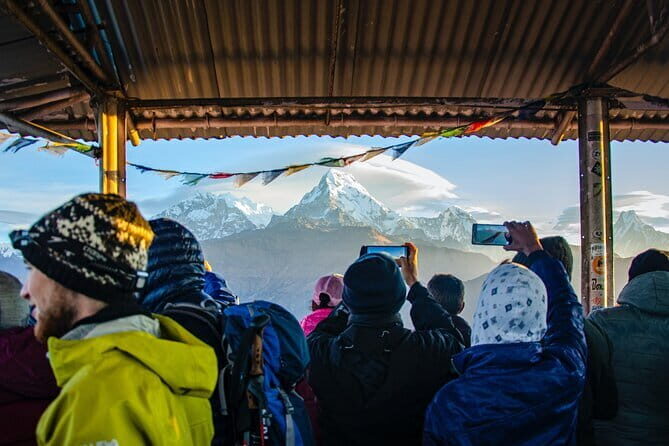
This is also a good day to keep your mind calm. When weather turns clear, mountain views can be sharp and motivating. When it turns cloudy, you’ll still have a satisfying sense of arrival because you’re reaching a known base area, not just hiking into mist.


Day 5: Annapurna Sanctuary (the moment that anchors the whole trip)
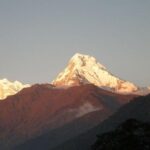
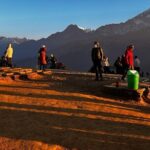
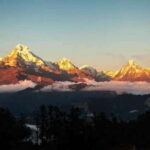
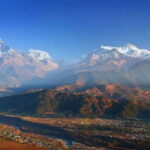
You move into the Annapurna Sanctuary, described as desert wilderness with the Annapurna Himalayas and the Annapurna glacier in view. This stop is the emotional center of many Annapurna Base Camp treks, because the trek shifts from village trail to the high, wide feeling of the sanctuary zone.
The itinerary lists this as a shorter hike duration, but don’t let that trick you. High zones can feel slower because your body is working differently. I like that this day is framed around a destination concept rather than only a distance concept. You’re there to take it in.
Day 6: Back out toward Bamboo (the wise move: returning without panic)
You trek to Bamboo again. This is one of the most important practical days. In many trekking plans, people get too focused on going forward and forget that coming back is part of the route logic. Returning helps you regain steadier breathing and gives your legs a chance to reset.
It’s also where your guide’s explanation becomes useful. If the weather is clear, you’ll enjoy spotting familiar terrain from a different angle. If it’s not, you still benefit from the rhythm: hike, rest, hydrate, repeat.
Day 7: Bamboo to Jhinu Danda (relaxation with hot springs)
You end at Jhinu Danda, with the natural Jhinu hot spring as the highlight. The hot spring stop is why a lot of people look forward to this trek’s later days. After days of uphill effort, the chance to soak tired feet is not just pleasant, it’s practical recovery.
Expect your legs to feel better after this. Then you’re ready for the final day’s trek out toward Nayapul and the drive back to Pokhara.
Day 8: Nayapul to Pokhara, hotel transfer (finish strong)
You trek to Nayapul and then drive back to Pokhara by private car. Once you arrive, the tour transfers you to your hotel and the trip ends.
This day is about comfort after effort. I like that the plan includes the car ride from Nayapul to Pokhara and hotel transfer, because it removes a common last-day headache. Your body needs downtime; you don’t want to negotiate transport after a trek.
Guides, porter support, and why the small details matter
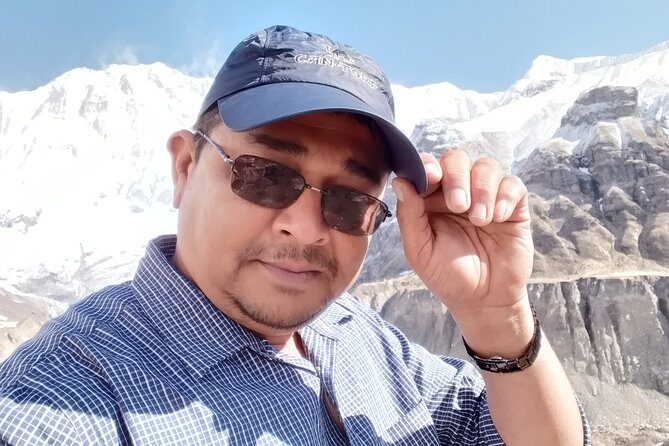
This trek is positioned as a “Be a Boss” style adventure, with an experienced, well-informative government authorized trekking guide and 1 local porter. That combination matters more than it sounds.
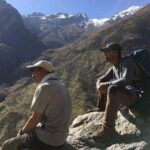
A porter means you’re not constantly balancing your pack against your energy. It’s easier to keep a steady pace, especially as altitude and fatigue stack up. And if your guide is genuinely good at explaining nature and culture, the hike becomes more than a workout. You’ll spend more time understanding what you’re walking through and less time guessing.
The review stories around AM Travels and Tours also underline guide quality. I noticed multiple mentions of Mr. Bishnu handling responsible coordination when travelers arrived in Pokhara, and strong praise for guide Mr. Dadhi Ram Thapa’s helpful, gentle approach. That kind of consistency is exactly what you want in the mountains, where small misunderstandings can become big problems.
One note: the trip description says you don’t need to carry anything. Even so, I recommend you bring your own essential items in a small personal pack, because the itinerary only clearly promises porter support, not a guarantee that every personal item is handled for you.
Permits, TiMS, tea houses: what’s included and what to plan for
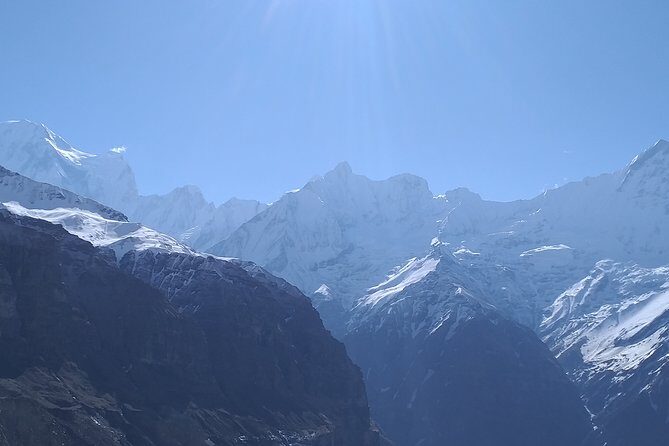
You get trekking permit and TiMS card included, plus tea house accommodation during the trek. You also get English-speaking guide support, and private trip service.
That set of inclusions is a value win. Permits can be confusing if you’re doing things solo, and they can also eat up time and energy when you’d rather be preparing your body for the hike. Having them included means you start the trek with one less admin worry.
Meals and drinks: your main extra cost
Meals and drinks are not included, though they are available to purchase at tea houses. So you should budget for breakfast, lunch, dinner, and snacks along the way. If you don’t plan for this, it’s easy to underestimate the total trip cost.
Rescue costs: not included
Rescue cost in an emergency isn’t included. This is a big one to understand before you go. I can’t tell you what coverage you should choose, but I can say: don’t treat rescue coverage as optional when you’re heading into remote trekking zones.
Transport and the Pokhara setup: where comfort starts
The itinerary includes hotel pickup and drop off, plus car transfers:
- Pokhara to Phedi
- Nayapul back to Pokhara
This is the kind of detail you’ll appreciate on travel days. You arrive in Nepal, you’re tired from flights and jet lag, and then you need to move to the trailhead. When that’s handled, your trekking days start with less stress.
It also fits the reality that Pokhara is your base. If you’re choosing this trek because you want a smooth start and finish, this plan supports that.
Also, the experience notes mobile ticket and group discounts. If you’re traveling with friends, group discounts can help, and mobile tickets can save time at check-in points.
Price check: what $370.29 really buys you
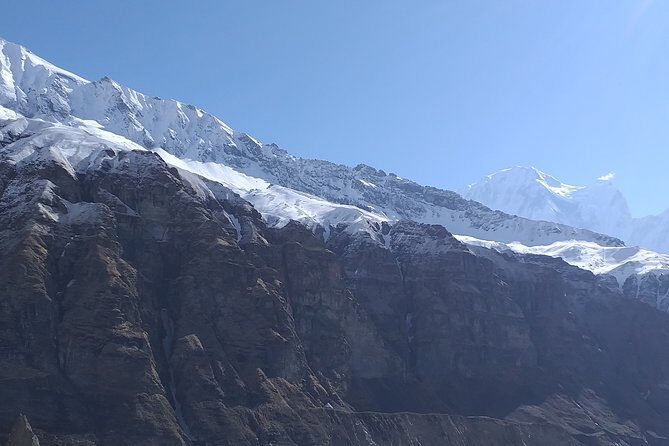
At $370.29 per person, you’re paying for more than walking days. You’re paying for:
- guide services (English-speaking, government authorized)
- a local porter
- permits (trekking permit and TiMS)
- tea house accommodation
- private trip setup
- Pokhara trailhead and return transfers
The biggest reason the price can feel fair is that it covers the admin and support side of trekking. Many trekking costs are hidden: permits, transport coordination, and guide/porter arrangements. Here, those core pieces are included.
What’s not included is the daily fuel for your body: meals and drinks. So the real value question becomes simple: if you’re comfortable paying for food and snacks on the trail, this package is likely to feel like a good deal compared to trying to assemble everything yourself.
Weather and the day you can’t control
Your itinerary is built around walking and reaching key points like Machhapuchhare Base Camp and the Annapurna Sanctuary. But Annapurna is weather-dependent. The experience notes that it requires good weather and that if the trek is canceled due to poor weather, you’ll be offered a different date or a full refund.
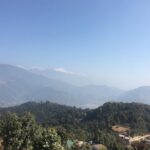
I’ve seen in real trekking planning that clear weather can make certain days feel almost unreal. One review mentioned luck with amazingly clear weather, which made the trek even more enjoyable. That matches what you should expect: clear days feel sharper, clouds feel moodier, and either way you’re still hiking into a high-altitude zone that’s bigger than your schedule.
Who this trek is best for, and who should think twice
This is a great fit if you want:
- a structured 8-day plan with clear stops
- a government authorized guide who explains nature and culture
- tea house comfort without arranging it yourself
- a private group setup
- porter support so you can focus on the trek
It also specifically says travelers should have moderate physical fitness. That’s honest. You don’t need to be a mountaineer, but you should be ready for daily walking and changing altitude.
Think twice if you:
- hate hikes with some uphill effort and long walking days
- don’t want to budget for meals and drinks on top of the tour price
- are sensitive to altitude and haven’t built any hiking stamina
Should you book Golden Mountain’s Annapurna Base Camp trek?
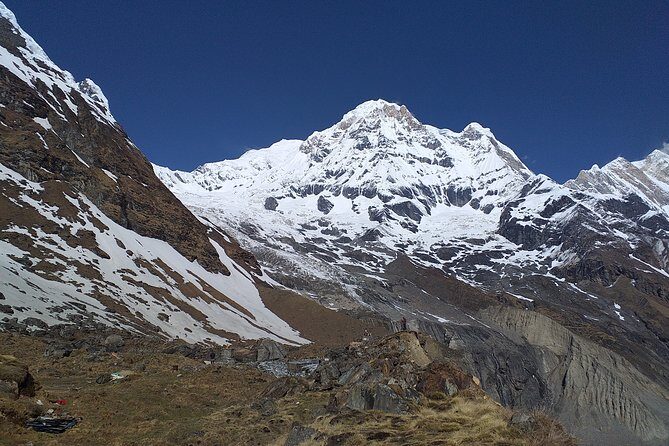
I’d book this if you value guidance, included permits, tea house lodging, and smooth Pokhara transfers. It’s the kind of trekking plan where you spend your energy on the mountains, not on figuring out what comes next.
Choose it especially if you’re traveling with friends and want a private setup. And pay attention to your planning around meals, drinks, and emergency coverage since those are the pieces that sit outside the package.
If you want an Annapurna Base Camp trek that feels organized, culturally aware, and realistically paced, this one has the right ingredients.
FAQ
What does the trek include?
It includes hotel pickup and drop off, trekking permit and TiMS card, an English speaking trekking guide, car transfers from Pokhara to Phedi and from Nayapul back to Pokhara, tea house accommodation, and a private trip.
Are meals included in the price?
No. All meals and drinks are not included, but they are available to purchase along the way.
Is there a porter on this trek?
Yes. The trek includes 1 local porter, and the tour description says you do not need to carry anything so you can enjoy the nature and culture.
What is the duration of the Golden Mountain Annapurna Base Camp trek?
The duration is listed as 8 days (approx.), with an itinerary from Day 1 through Day 8.
Where does the trek start and end?
It starts in the Phedi area (with a drive from Pokhara) and ends with trekking to Nayapul and then driving back to Pokhara, with hotel transfer after you arrive.
What fitness level do I need?
The information provided says travelers should have moderate physical fitness level.
What happens if weather is poor?
The experience requires good weather. If it’s canceled due to poor weather, you’ll be offered a different date or a full refund.