REVIEW · KATHMANDU
Mera Peak Climbing
Book on Viator →Operated by Nepal Guide Treks and Expedition P. Ltd. · Bookable on Viator
Mera Peak gives Everest-scale views. This 18-day Mera Peak climbing trip out of Kathmandu (with pickup offered) targets Nepal’s highest officially permitted trekking peak and aims for summit day surrounded by towering 8000m giants.
I especially like two things: you get Hongu and Hinku valley trekking (wild, less-crowded feeling) and you travel with an experienced team plus climbing support. A heads-up though: you’ll be dealing with real altitude risk, so you need a strong fitness level and you should ask what safety equipment is actually provided for emergencies.
In This Review
- Key reasons this Mera Peak climb gets praise
- Mera Peak: the Everest-region summit with a very practical goal
- Kathmandu prep: 4 nights, permits, and getting your kit sorted
- Trekking into the Hongu and Hinku valleys
- What actually happens during the climb and summit attempt
- Acclimatization rules you should actually follow
- Gear, permits, and the stuff that can quietly break your budget
- Price and value: what $3,000 covers (and what it doesn’t)
- Who this Mera Peak climb fits best
- Final call: should you book this Mera Peak climbing trip?
- FAQ
- Where is the meeting point for this Mera Peak climbing experience?
- How long is the tour?
- What’s included in the Kathmandu part of the trip?
- What kind of accommodation and food do you get during the trek?
- What does the price include?
- What are the basic requirements to join?
- Can I cancel and get a full refund?
Key reasons this Mera Peak climb gets praise
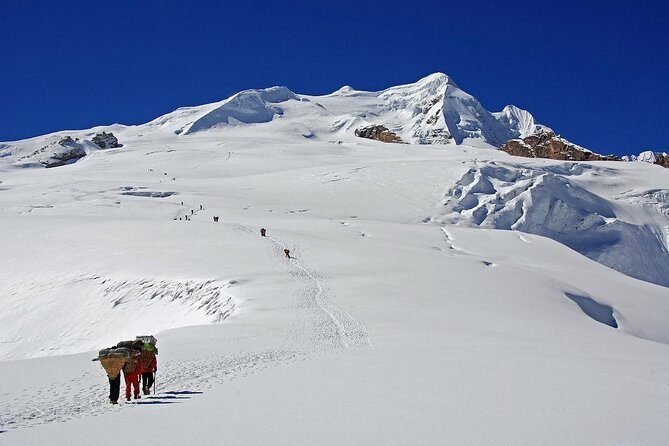
- Officially permitted high-altitude peak: Mera Peak is described as Nepal’s highest permitted trekking peak near Everest
- Big-picture Himalayan views: the plan highlights sightlines toward multiple 8000m peaks (Everest-area heavy hitters)
- Hongu and Hinku valleys: a quieter trek through wild, uninhabited-feeling terrain
- Tea house + camping mix: you’re not stuck in only one style of lodging
- Safety-first altitude guidance: specific do’s and don’ts for sickness, plus options like Diamox and a Gamow bag (check coverage)
- Small group size max 15: easier logistics and more personal attention from your guide team
Mera Peak: the Everest-region summit with a very practical goal
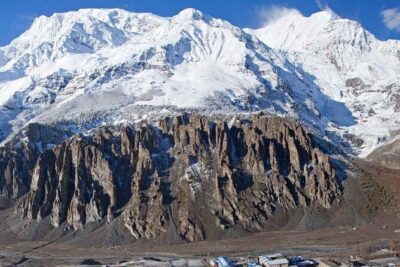
Mera Peak sits in that sweet spot of hard but approachable high-mountain travel. It’s officially one of Nepal’s permitted trekking peaks, and it rises south of Mount Everest—meaning you’re not just “climbing a hill,” you’re chasing big, high-altitude scenery that’s usually reserved for much more technical expeditions.
The trip’s view list is the kind that makes you stop mid-sentence: Everest (8848m), Cho Oyu (8201m), Makalu (8485m), Kanchenjunga (8586m), Lhotse (8516m), plus other peaks in the Everest region. That’s the payoff you’re training for. On summit day, you’re aiming for a wide horizon where the Himalaya feels close enough to touch—without needing a long siege of permits like the biggest “real” climbs.
That said, a summit list doesn’t mean the mountain is easy. This experience is built for people who take altitude seriously, follow a pacing plan, and don’t treat sickness like a moral failure.
You can also read our reviews of more tours and experiences in Kathmandu.



Kathmandu prep: 4 nights, permits, and getting your kit sorted
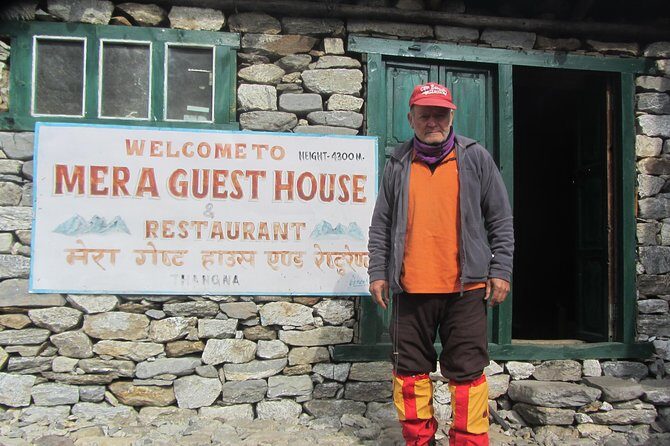
You start in Kathmandu, and the package includes 4 nights stay in Kathmandu on a BB (breakfast) plan. That matters more than it sounds. Before you go high, you need time to:
- confirm your details with your trekking/climbing team
- handle logistics and gear checks
- rest and eat like a person who’s about to climb at altitude
The experience is provided by Nepal Guide Treks and Expedition P. Ltd., and your first real meeting point is Tribhuvan Airport, Kathmandu. The tour also lists pickup offered and mobile ticket—useful if you want less hassle on arrival day.
One practical note: the included items cover climbing permits for Mera Peak and say all necessary climbing gears are provided. But the trip also lists personal climbing gears as not included. That’s a classic mismatch that can ruin your budget if you assume “gear” means everything. Plan on bringing your own essentials (and confirm the exact list with your organizer before you fly).
Trekking into the Hongu and Hinku valleys
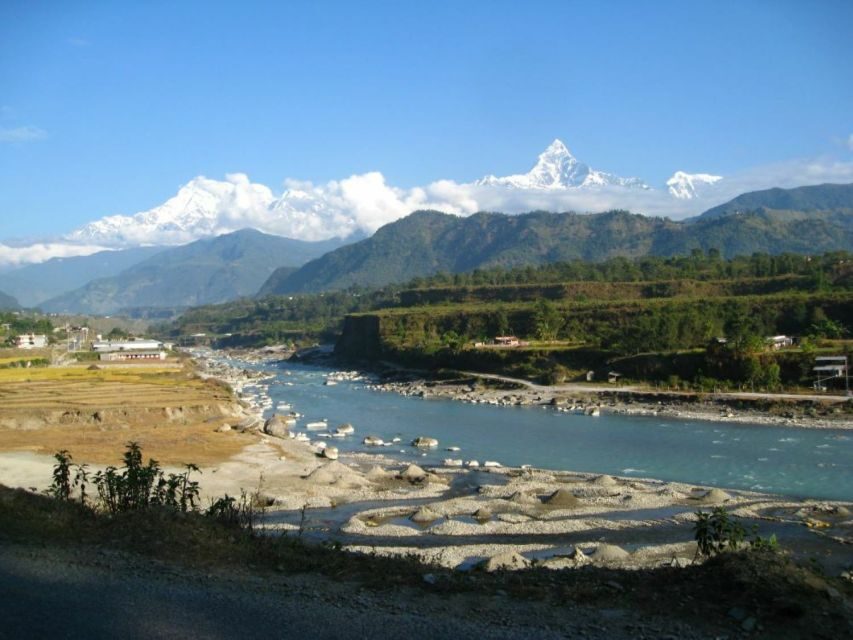
The itinerary description puts real focus on exploration around the Hongu and Hinku valleys. That’s a strong choice if you want more than a treadmill-style route. These valleys are described as wild, uninhabited, and beautiful—exactly the kind of setting where you start to feel the scale of the mountains without the constant buzz of other groups.
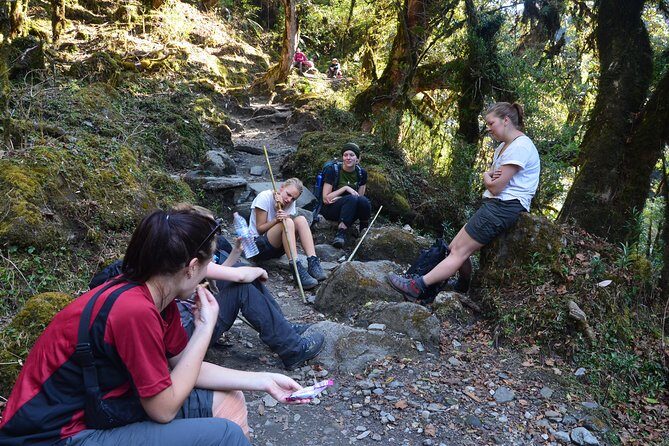
You also get a lodging mix: tea house + camping combined for food and accommodation during the trek. In practical terms, that means you’re not just relying on one type of overnight plan. You’ll adapt. You’ll carry what you need for the day, and you’ll get nights that can range from more settled tea house comfort to the basics of camping.
Why I like this setup for value: you’re paying for a guided experience that can flex with the route and conditions, instead of a rigid day-by-day schedule that falls apart the moment weather turns.
What actually happens during the climb and summit attempt
The core of the experience is climbing Mera Peak after trekking. While the exact day-by-day technical progression isn’t laid out in the details you provided, the expectations are clear: you’re heading into altitude where acclimatization and decision-making matter.
You’ll also be navigating the reality that high passes and routes can change. From the information shared, this trip has had to adjust when winter conditions bring heavy snow and route closures. That’s not a reason to fear the mountain. It’s a reason to choose a company that’s ready to make smart substitutions when nature changes the map.
On summit day planning, the package emphasizes:
- staying disciplined with hydration and calorie intake
- managing mild illness early rather than forcing panic
- descending if acclimatization doesn’t work
- using additional oxygen-related options in serious cases (with guidance)
So the climb is not just “walk uphill and hope.” It’s a managed high-altitude process.
Acclimatization rules you should actually follow
This is the part I’d highlight most for your own safety: the trip’s guidance is very specific about what to do if you start feeling off.
Here’s the altitude approach they recommend:
Hydration and fuel
- Drink enough water, with a target mentioned as 2–3 litres a day.
- Use lukewarm water.
- Avoid alcohol and smoking.
- Eat light food but keep calories coming.
- Add ginger and garlic into your food.
That last bit may sound simple, but it fits how trekking bodies behave at altitude: warmth helps comfort, and small calorie hits keep energy from crashing.
If sickness shows up
- If symptoms are mild: don’t panic. Stay put, sleep enough, and drink enough water.
- If it doesn’t get better after acclimatizing: start descending.
- If it’s serious: descend immediately and use Diamox pills (as referenced in the provided guidance).
- Use a Gamow Bag (a high-pressure inflatable oxygen/air-pressure support tool) to restore oxygen level and air pressure, but only after checking whether your organizer provides the needed altitude gear.
This is the key takeaway for you: altitude management is decision speed. The trip’s guidance pushes you toward early action—especially descending—rather than “toughing it out.”





Gear, permits, and the stuff that can quietly break your budget
Let’s talk value in real-world terms. Your package includes:
- Mera Peak climbing permits
- Tea house + camping combined food and accommodation during the trek
- An experienced trekking & climbing guide
- All necessary climbing gears
But it does not include:
- international airfares and departure tax
- personal climbing gears
- personal expenses
- tips to guides/porters
So you’re not just buying a “summit.” You’re buying structured logistics, guides, permits, and core climbing support. That can reduce stress a lot compared with trying to build the whole thing yourself in Nepal.
Still, the “personal gear” line is where people often overspend. Before you pack, ask what “all necessary climbing gears” means for you. For example, some companies include helmets and basic climbing kit but expect you to bring outer layers, liners, or specific cold-weather items. Since the details here don’t list categories, treat it as a must-confirm checklist.
Also remember the note about altitude safety equipment: they mention the Gamow bag concept and tell you to check if the trekking company provides all altitude gears. So even if you’re told “we provide gears,” ask directly about the emergency/altitude gear piece.
Price and value: what $3,000 covers (and what it doesn’t)
At $3,000 per person for an 18-day experience (listed as 18 days 2 hours 5 minutes approx.), you’re paying for a full package approach:
- pre-trek Kathmandu base (with 4 nights included on BB)
- permits for Mera Peak
- guided trekking and climbing support
- food and accommodation in the field (tea house + camping combined)
- the key equipment that makes a summit attempt feasible
If you compare this to building it piece-by-piece, the inclusion list matters. A trekking peak in Nepal isn’t just permits and a guide. It’s also day-to-day coordination, route planning, and risk management at altitude. A package like this is trying to make those parts frictionless for you.
Your biggest additional costs are the usual ones:
- getting to Kathmandu (international airfares and departure tax)
- personal climbing gear
- personal expenses and tips
I think the value is strongest if you want a guided, organized route through Hongu and Hinku valleys with a summit goal that’s taken seriously. If you’re the type who already has complete climbing gear and you love doing everything yourself, you might find cheaper options. But if you want fewer moving parts, $3,000 starts to look reasonable.
Who this Mera Peak climb fits best
This experience is set up for people with strong physical fitness. It also lists a minimum age of 18. And it has a maximum group size of 15 travelers, which is great for staying organized on trek while still having the feel of a group outing.
I’d say this trip suits best if you:
- want the climb goal without building logistics from scratch
- are comfortable following altitude guidance closely
- value a trekking route that includes quieter valley time, not just a busy trail
- like the idea of a guided summit attempt with contingency planning
It’s not a great match if you’re easily tempted to push through symptoms, ignore hydration, or treat altitude sickness as something you can out-will.
Also, if you’re coming in with anxiety about “what if,” this plan’s specific sickness and descent guidance can actually be comforting. It gives you a framework.
Final call: should you book this Mera Peak climbing trip?
If your goal is a guided, organized Mera Peak summit with strong altitude rules, permits handled, and a trek through Hongu and Hinku valleys, I’d put this on your shortlist.
Just do two things before you commit:
- Confirm exactly what’s included in the climbing gear vs what’s personal, so you don’t arrive missing critical items.
- Ask about emergency altitude equipment coverage, especially the Gamow bag and whether your team has it available for your dates.
If those answers are clear and you’re physically ready for high altitude, booking makes a lot of sense. You’ll spend your time climbing and trekking—not chasing paperwork.
FAQ
Where is the meeting point for this Mera Peak climbing experience?
The meeting point is listed as Tribhuvan Airport in Kathmandu, Nepal.
How long is the tour?
The duration is listed as about 18 days and 2 hours (approx.).
What’s included in the Kathmandu part of the trip?
The package includes 4 nights in Kathmandu with a BB (breakfast) plan.
What kind of accommodation and food do you get during the trek?
During the trek, the package uses a combination of tea house and camping for food and accommodation.
What does the price include?
The price includes Mera Peak climbing permits, a guide (experienced trekking & climbing), tea house + camping during the trek, and all necessary climbing gears. It also includes the 4 nights in Kathmandu with BB.
What are the basic requirements to join?
The minimum age is 18. The tour notes you should have a strong physical fitness level.
Can I cancel and get a full refund?
Yes. The tour offers free cancellation, and you can cancel up to 24 hours in advance for a full refund. If you cancel less than 24 hours before the start time, the amount you paid is not refunded.