REVIEW · POKHARA
Pokhara: 3-Day Trek
Book on GetYourGuide →Operated by iTourNepal P Ltd · Bookable on GetYourGuide
One sunrise makes this trek real. You leave busy Pokhara behind, trek out to the Rhododendron teahouse area at Australian Camp, and finish in Astam’s eco-friendly village zone with Annapurna peaks in sight.
I love the easy pace you can actually keep for three days. Most walking is measured in hours, not suffering, and you’re supported by a guide and a porter so your pack stays light. I also like the comfort: the first night includes an attached toilet and hot shower, and the second night gives you a private room setup with an attached bathroom/toilet.
My only real caution: meals aren’t included, so you’ll pay for lunches and dinners directly at the teahouses as you go.
In This Review
- Key highlights that make this trek worth your time
- Why this short Pokhara trek feels like the real Himalayas
- Day 1: Naudanda, Dhampus, Pothana, then Australian Camp
- Day 2: Ridge walking to Astam and Annapurna Eco Village Resort
- Day 3: A short descent to the highway and back to Pokhara
- The guides and porters: your safety and your story
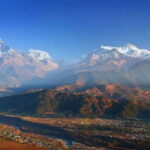
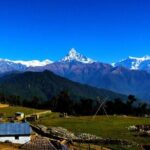
- Sunrise and sunset over the Annapurna Range
- Lodges that feel clean and practical (not just scenic)
- Price and value: what $250 covers, and what it doesn’t
- Who this trek is for (and who should skip it)
- What to bring, what to plan for, and how to avoid hassles
- Should you book this Pokhara 3-day lodge trek?
- FAQ
- What does the trek cost?
- How long is the trek?
- Where does the trekking start and how do you get there?
- Are meals included in the package?
- What kind of accommodation do you sleep in?
- Is there a guide and porter?
- How difficult is this trek?
- What are the main walking days like?
- Is this trek suitable for everyone?
Key highlights that make this trek worth your time
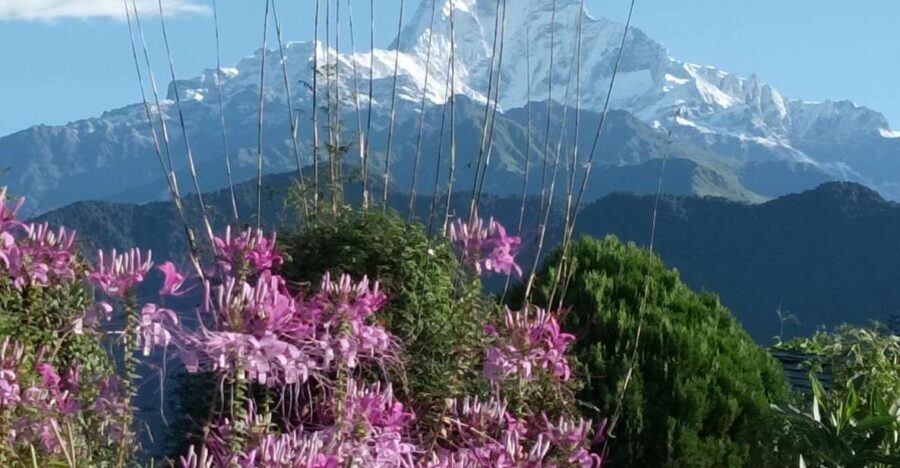
- Australian Camp: a small teahouse settlement in rhododendron forest with big mountain views
- Annapurna sunrise timing: mornings and evenings are built for peak sightlines over the Annapurna Range
- Private pace + porter help: customized walking, with luggage carried to your daily stop
- En-suite comfort: hot shower and attached facilities where you sleep
- Astam’s eco village stop: organic farming and water-saving efforts at Annapurna Eco Village Resort
Why this short Pokhara trek feels like the real Himalayas
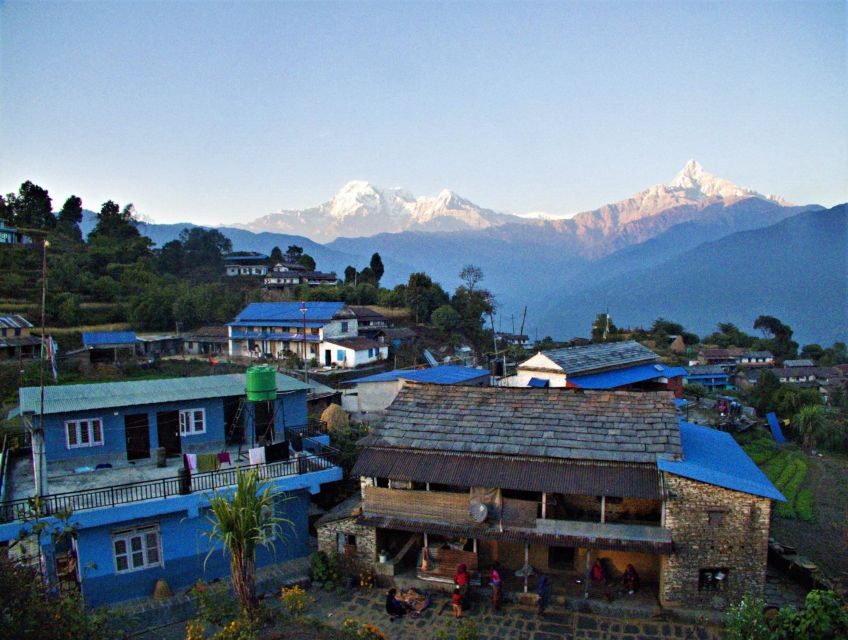
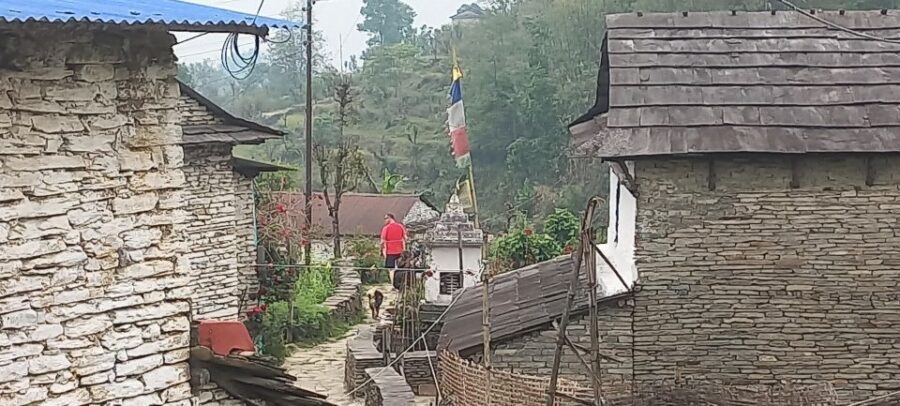
This trek is designed for people who want Himalaya views without committing to a week-long grind. You’re still walking in the foothills where terraced fields, village paths, and ridge winds make it feel like you’ve stepped into a different Nepal than the Lakeside strip.
What I like most is the balance. Day 1 gets you moving with a steady climb toward higher viewpoints, then you settle in for your first proper mountain night. Day 2 shifts into ridge walking toward Astam, where the valley opens up and the air tends to feel sharper. Day 3 is a controlled descent back to the highway, so you end without the “one more brutal hour” feeling.
Also, this isn’t a random stroll. You’ll be trekking about 30 kilometers northwest of Pokhara, in the direction of the Mount Fishtail and Annapurna area. That matters because you’re not just hiking near viewpoints—you’re actually gaining elevation and following ridgelines that frame the big peaks.
One more thing: this setup is private and can be adjusted. There are options to drive to a higher point to make the walking shorter if you want an easier finish.
You can also read our reviews of more hiking tours in Pokhara
Day 1: Naudanda, Dhampus, Pothana, then Australian Camp
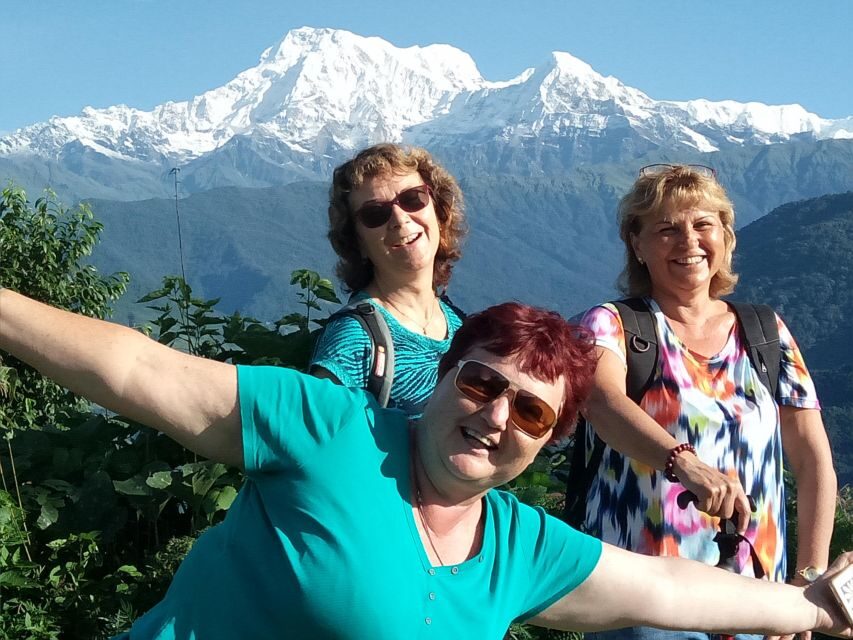
Day 1 starts with driving to Naudanda (about half an hour from Pokhara). From there, the walk begins gently: you head down toward a stream, then work your way up to Dhampus. The Dhampus climb is usually the first reality check—nothing extreme, but enough elevation gain to wake up your legs.
What to expect on the ground
You’ll spend around 2 hours climbing to Dhampus, then continue about 1 hour to Pothana for lunch. Pothana is a good lunch pause because it breaks the day into sections—you’re not just trudging straight through. After lunch, there’s another shorter stretch (around 30 minutes) to reach Australian Camp for the night.
Why Australian Camp is such a good first-night choice
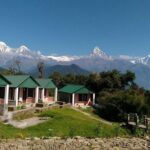
Australian Camp is a small teahouse settlement above Dhampus, set in a rhododendron forest. Teahouses there are built for trekkers and have been serving hikers for a long time, with rooms that include an attached toilet and a hot shower.
In practical terms, this is huge value. After a day of walking, you get a real wash and a proper bathroom setup instead of “nature’s bathroom” and hope. It also sets you up for those morning and evening mountain views over the Annapurna Range, which is exactly what people look for on this style of trek.
Possible drawback on Day 1
Your only “watch-out” is pacing: if you rush the climb to Dhampus, you’ll pay for it on the quieter stretches afterward. I’d rather start steady and arrive ready to enjoy the sunset and the next-day sunrise than sprint up and regret it at lunch.
Day 2: Ridge walking to Astam and Annapurna Eco Village Resort
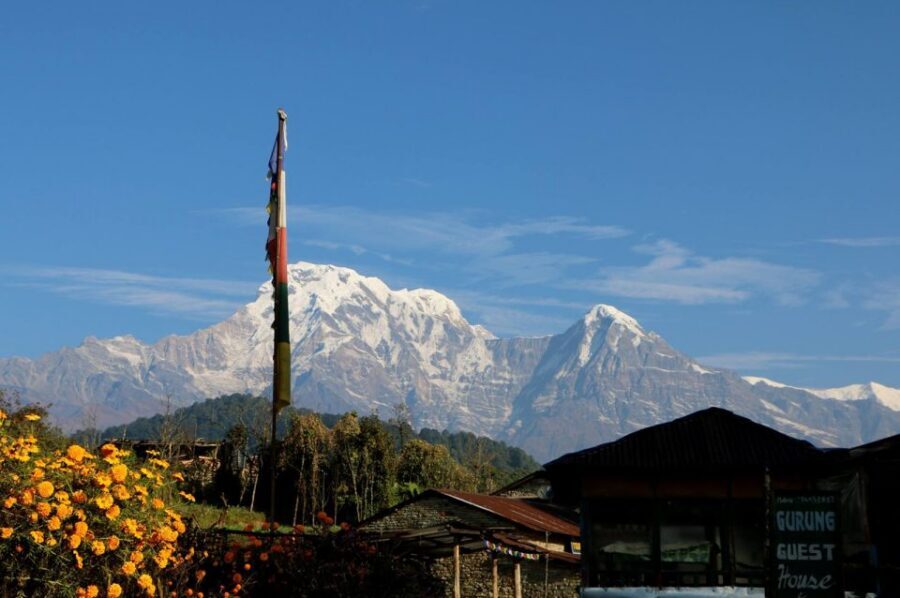
Day 2 is the ridge day. After breakfast (with Himalaya views), you’ll walk along scenic ridge paths toward Astam village. The total trekking time is about 4 hours.
Why ridge walking changes the whole feel
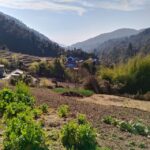
Ridge trails tend to give you long sightlines. Instead of only seeing mountains ahead, you often get layered views—peaks in the distance, the valley below, and village terraces spread out across slopes. It’s also where weather matters most: a light breeze can cool you off even when the sun is strong.
As you move, you’ll get that “foothills to high-view” transition—first the village sections, then the ridge lines that feel more exposed. One of the big appeals here is that you can get the trekking experience without a technical route.
The Astam eco village angle
You’ll check in at Annapurna Eco Village Resort in Astam for the second night. Rooms are simple but comfortable, with an attached bathroom/toilet. The resort and village focus on eco-friendly practices such as water reuse, rainwater harvesting, and organic farming.
This stop is valuable because it doesn’t feel like a “check-box” rest point. You get a chance to learn how organic agriculture and water-saving systems work in a mountain village setting—useful context for understanding what life is like beyond Pokhara. It also means your day ends with purpose, not just a bed.
Meals on Day 2
Meals aren’t included in the package. The upside: teahouses and the eco lodge setup allow you to order food directly. You’ll find simple international dishes, and in Astam you’ll also have access to organic meals as part of the lodge experience.
Day 3: A short descent to the highway and back to Pokhara
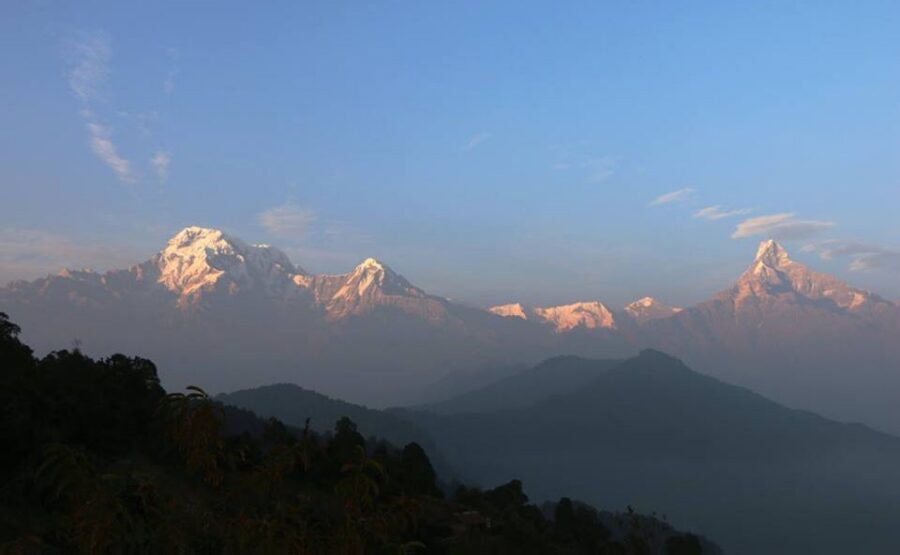
On Day 3, you trek about 2 hours down to the highway, then drive back to Pokhara. This is one of the reasons this trek works so well for a first trekking trip.
The descent is usually mentally easier than Day 1’s climb. Your goal is steady feet and good foot placement. If you tend to strain knees downhill, slow down early and take shorter steps. The route is also about finishing cleanly, so you don’t need to “make up time” to enjoy the day.
Once you hit the highway, you’ll be back in the Pokhara area in time to decompress—hot shower, meal at a normal restaurant, and the satisfaction of having walked in the Annapurna foothills without turning it into a full vacation inside your sleeping bag.
The guides and porters: your safety and your story
This is a guided trek with a professional, licensed guide and a porter to carry luggage to each day’s destination. That single detail changes the whole experience.
The human side that makes it feel worthwhile
People consistently mention guides who are reliable, kind, and attentive. Names that have come up include Jit, Prabin, Dansay, Probin, and Basanta. I’m not assuming all operators staff all guides, but it’s a helpful sign that the trek leadership you might get is experienced and people-focused.
A good guide does two things well:
- Keeps you on-route and helps you match the trek to your pace
- Adds context so you understand what you’re seeing—botanical details, village life, and stories connected to the mountains
Also, porters aren’t just “carry people.” When they’re engaged and respectful, they can offer real insight into daily Nepalese life and mountain culture.
A few more Pokhara tours and experiences worth a look
Sunrise and sunset over the Annapurna Range
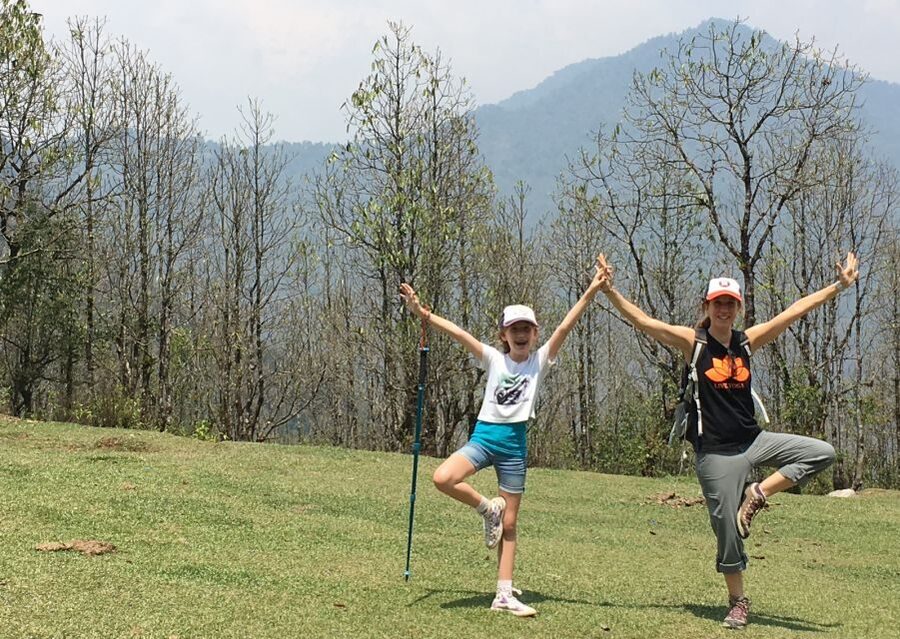
This trek is built for views at the times when light makes mountains look dramatic instead of just tall.
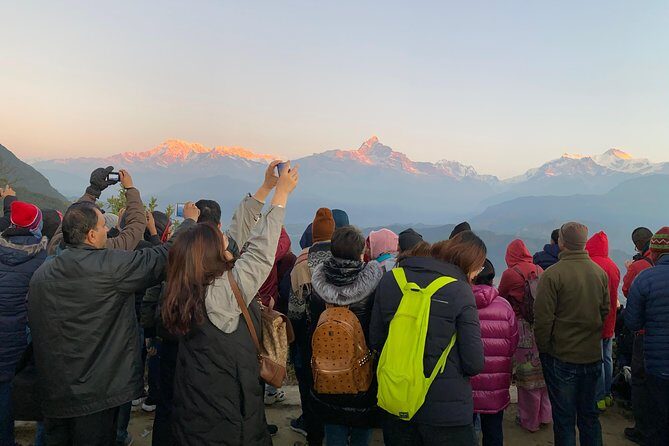
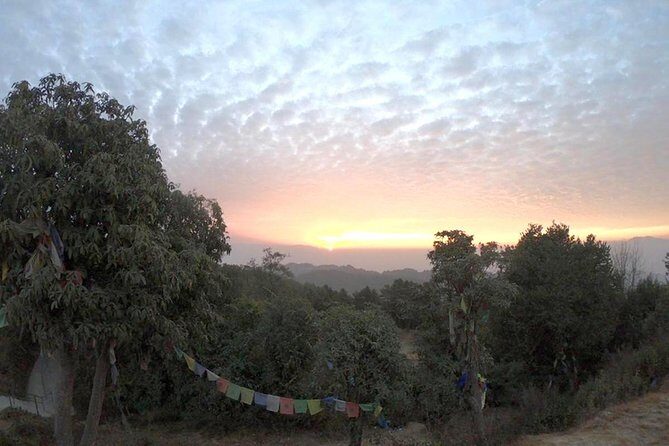
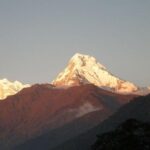
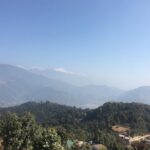
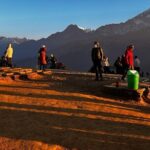
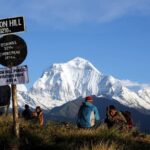
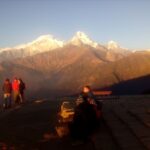
The highlight here is the sunrise and sunset sightline over the Annapurna Range. The first night at Australian Camp is the big view opportunity because you’re high enough to see into the mountain bowl and get panoramic angles. Day 2 also starts with breakfast in view mode, which is a smart way to start the ridge walk.
How to make the most of it
Bring sunglasses, and consider extra comfort items like sunscreen and mosquito spray—one hiker specifically called these out as worth remembering. If you’re prone to cold in early mornings, plan for a layer, even if the afternoon feels warm.
Lodges that feel clean and practical (not just scenic)
Accommodation is one of the best reasons this trek is so popular.
- Australian Camp (Night 1): attached toilet and bathroom with hot shower
- Astam (Night 2): rooms with attached bathroom/toilet at Annapurna Eco Village Resort
This matters because short treks can still get physically tiring. When your sleep setup is basic but functional—especially with hot water—you recover faster and enjoy the next day more.
That said, it’s still a lodge trek. Rooms may be simpler than a hotel, and you should be fine with teahouse style dining and practical mountain comfort.
Price and value: what $250 covers, and what it doesn’t
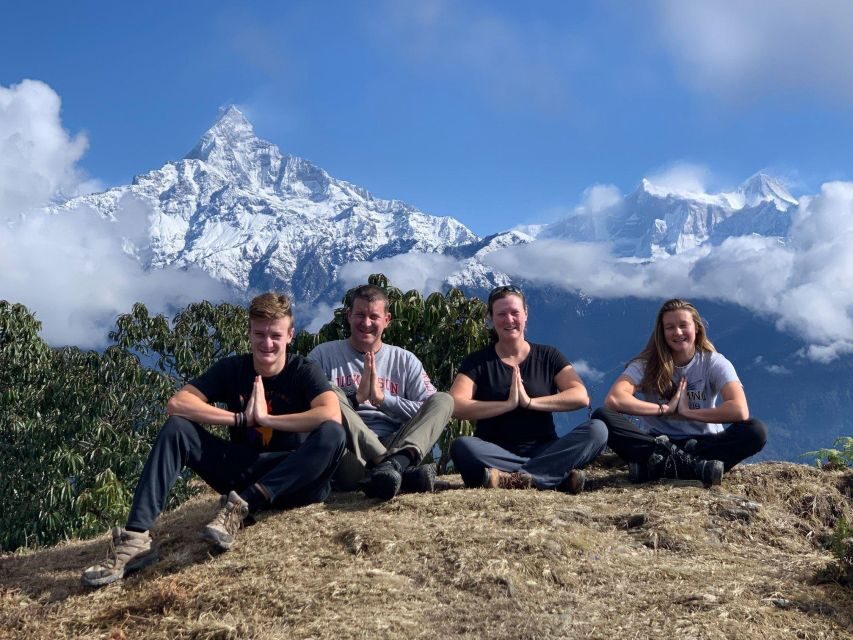
At $250 per person for a 3-day trek, you’re paying for the structure that makes this easy to manage:
Included:
- private transportation to and from the trail head
- comfortable teahouse accommodation with attached bathroom/toilet
- trekking guide and porter
Not included:
- insurance
- meals (you order and pay directly at the teahouses)
From a value standpoint, the big contributors are private transport plus guide/porter support, plus the fact that the first night includes an attached bathroom with hot shower. For many people, those are exactly the items that turn a “maybe” trek into a “yes, I can do this” trek.
The meals gap is the one cost you should factor in. Since you’ll order directly at teahouses, you’ll have flexibility, but budgeting is still on you.
Who this trek is for (and who should skip it)
This works best if you want:
- a short trekking break from Pokhara
- manageable walking times
- strong mountain views without a strenuous multi-week plan
- comfortable lodge nights with attached facilities
It’s also a good fit if you like cultural context. The walk threads through village areas and countryside life toward Astam, and the eco lodge stop adds a layer about organic farming and water-saving practices.
It’s not suitable for pregnant women or people with mobility impairments, based on the trek nature and route requirements.
What to bring, what to plan for, and how to avoid hassles
You only have a few explicit items to pack:
- comfortable shoes
- sunglasses
But in real trekking terms, you’ll want to be ready for mountain temperature swings and teahouse timing. A short trek doesn’t remove the outdoors; it just compresses it.
Practical reminders:
- Wear shoes you trust on downhill days (Day 3 matters).
- Plan for ordering meals yourself since they aren’t included.
- If you’re sensitive to insects, bring what you need—one trekker specifically suggested mosquito spray.
- Start the climb at a pace you can maintain. You’ll enjoy everything more when you’re not rushing.
One more practical tip: I’d recommend confirming the briefing time ahead of the first pickup day. One booking experience described a meeting-day timing slip, which caused a wait and some awkwardness. It’s fixable—just don’t assume everything will be perfect the first time you connect.
Should you book this Pokhara 3-day lodge trek?
If you want a real taste of the Annapurna region—without turning it into a week-long commitment—this is a solid pick. The combination of ridge views, an easy-to-manage schedule, and lodge comfort (including hot shower on night one) makes it feel like a smart value option, not a “pay for views and suffer for it” trek.
Book it if:
- you’re short on time but still want mountain sunrise/sunset
- you like private guidance and porter support
- you appreciate a mix of walking and cultural village context
Skip it if:
- you need full accessibility support (this trek isn’t set up for mobility impairments)
- you dislike paying for meals on the trail
- you’re expecting luxury hotel standards (it’s comfortable lodge trekking, not a resort)
If that sounds like your kind of trip, this 3-day loop from Pokhara is one of the better ways to get trekking credit in the Annapurna foothills.
FAQ
What does the trek cost?
The price is $250 per person for the 3-day trek.
How long is the trek?
It runs for 3 days.
Where does the trekking start and how do you get there?
You’ll have private transportation to and from the trekking trail head. Pickup is included if your hotel is in the Lakeside area of Pokhara.
Are meals included in the package?
No. Meals are not included, but you can order meals at the teahouses and pay directly.
What kind of accommodation do you sleep in?
Night 1 is at Australian Camp with an attached toilet and bathroom and a hot shower. Night 2 is at Annapurna Eco Village Resort in Astam with simple but comfortable rooms and an attached bathroom/toilet.
Is there a guide and porter?
Yes. A professional, licensed English-speaking trekking guide leads the walking, and porters carry luggage to each day’s destination.
How difficult is this trek?
It’s described as a short and easy trek around Pokhara, designed to give you the feel of trekking in the Himalayas without much stress.
What are the main walking days like?
Day 1 includes driving to Naudanda, hiking to Dhampus, then to Pothana for lunch, and continuing to Australian Camp. Day 2 is about 4 hours on scenic ridge routes to Astam. Day 3 is about 2 hours downhill to the highway, then you drive back to Pokhara.
Is this trek suitable for everyone?
No. It’s not suitable for pregnant women or people with mobility impairments.