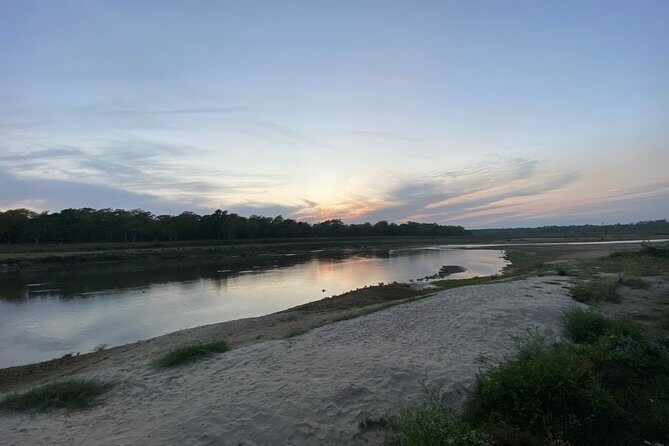
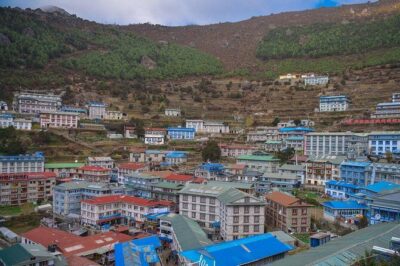
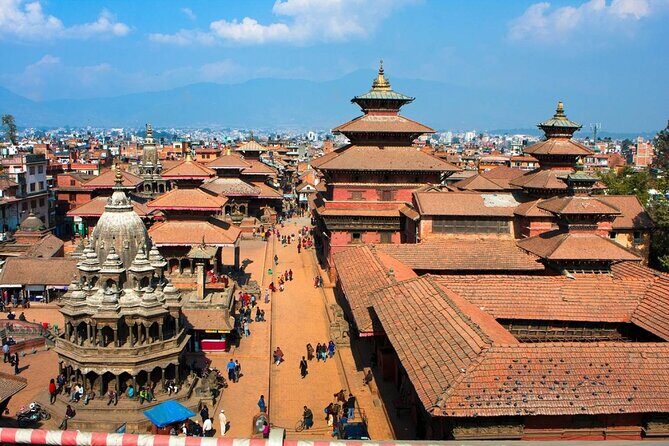
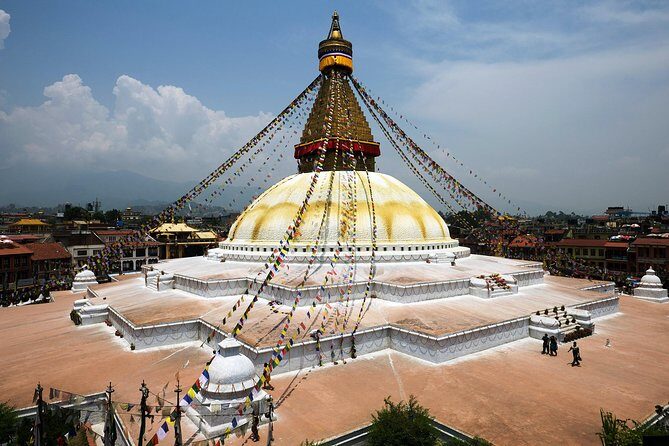
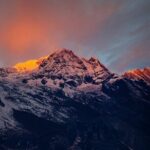
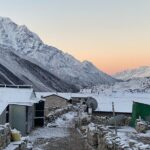
One trail, big mountains, zero stress. This Annapurna Base Camp trek is built for travelers who want the iconic views without wrestling the details. You’ll move through classic villages, hike high enough to feel it, and finish with time to reset in Kathmandu and Pokhara.
I especially like two things: first, the trip is genuinely all-inclusive on the trail—meals, overnight stays, permits, and the guide. Second, you get airport pickup and drop-off plus transportation between cities, so your “travel day” doesn’t eat your energy before you even start climbing. It’s the kind of structure that makes this route feel doable.
One possible drawback: it’s hiking in Nepal at altitude, and while the fitness level is listed as moderate, you’ll still spend long days on steep trails. If you’re prone to altitude discomfort or you hate early starts, you’ll want to take the pace seriously.
In This Review
- Quick Takeaways
- Annapurna Base Camp in 11 Days: What Makes This Trek Work
- Small-Group Trekking With a Guide (and Why Indra-Style Planning Matters)
- Price and Logistics: Is $785.72 Good Value?
- What you get that adds up fast
- What costs extra (so you don’t get surprised)
- Getting There: Kathmandu Arrival, Pokhara Transfer, Then Out of Town
- Day-by-Day: From Nayapul Trailheads to Bamboo and Back
- Day 2: Nayapul to Tikhedunga via Birethanti
- Day 3: Tikhedunga to the Ulleri Side (steep start)
- Day 4: Poon Hill Sunrise Views Day
- Day 5: Forest Descent to Ghorepani
- Day 6: The Chhomrong Khola Suspension Bridge Day
- Day 7: Toward the Sanctuary Gates and Widening Valley
- Day 8: Visit Base Camp, Then Turn Back to Dovan
- Day 9: Bamboo Forests and the Return Climb
- Day 10: Nayapul to Birethanti Lunch Break, Then Back
- Day 11: Kathmandu City Drive
- The Best Viewing Moments: Poon Hill and Base Camp
- Meals, Overnight Stays, and Gear: Comfort Without Overpacking
- Kathmandu and Pokhara Time: The Reward After the Work
- What to Pack (Without Guessing Beyond the Provided Gear)
- Who Should Book This Trek (and Who Might Rethink It)
- Should You Book This Annapurna Base Camp Trek?
- FAQ
- Where does the tour start, and what time?
- How long is the Annapurna Base Camp trek?
- What is the group size?
- What’s included in the price?
- What is not included?
- Is a porter available, and what does it cost?
- Do I get airport pickup and drop-off?
- When do I get confirmation after booking?
- What’s the cancellation policy for a full refund?
Quick Takeaways
- Small group size (max 10) keeps the trek feeling personal and easier to manage with logistics.
- Everything on the trail is handled: guide, accommodations, meals, permits (TIMS + Annapurna Conservation), plus trekking gear like a sleeping bag and down jacket if needed.
- High-impact viewing day at Poon Hill puts sunrise views on your calendar with specific peaks called out.
- Base Camp day is the payoff: you visit the base camp area, then turn around and head back through forests and bamboo country.
- City time is included: Kathmandu and Pokhara aren’t “just a transfer,” they’re part of the itinerary.
Annapurna Base Camp in 11 Days: What Makes This Trek Work
Annapurna Base Camp is one of those treks that feels famous for a reason. You’re moving through real Himalayan village life, crossing suspension bridges, and climbing toward big viewpoints where the mountains finally own your attention.
This particular experience adds two things that matter. First, it compresses the whole journey into about 11 days, which is great if you want a major trek without turning it into a three-week project. Second, it blends trekking with practical city time. That matters because you don’t want your whole Nepal story to be tea houses and altitude adjustments.
You can also read our reviews of more hiking tours in Kathmandu


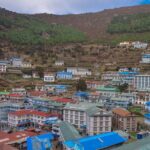
Small-Group Trekking With a Guide (and Why Indra-Style Planning Matters)
The trek runs as a small group (maximum 10 travelers), and that size changes how the day feels. You can ask questions without feeling lost in a crowd, and the guide can pace the group based on how people are handling the climb.
A detail worth paying attention to: one guide name mentioned for this trek is Indra. The feedback around him emphasizes attentiveness and knowing how to read route conditions, terrain, and weather. That’s not just “nice.” On the Annapurna trek, weather and trail conditions can change quickly, and having a guide who plans around that makes your hiking days smoother and safer.
If this is your first real high-altitude trek, I’d treat the guide as your altitude translator. Ask how quickly to move, when to take breaks, and what symptoms to watch for. A good guide will make those conversations simple.
Price and Logistics: Is $785.72 Good Value?
At $785.72 per person, the price can look modest or steep depending on what you’d otherwise pay to organize everything yourself. Here’s the value math that matters.
What you get that adds up fast
You’re covered for:
- A guide
- Transportation Kathmandu–Pokhara–Kathmandu by tourist bus
- Accommodations for 10 nights
- All trail meals: breakfast included 10 times, lunch 9 times, and dinner 8 times
- Permits and fees: TIMS and Annapurna Conservation Permits
- Trekking gear support: a sleeping bag and down jacket if necessary, plus a trekking map (returned after the trek)
When you price those separately—permits, guide fees, and the cost of multiple nights plus meals—this kind of packaged structure starts to make sense.
What costs extra (so you don’t get surprised)
Not included:
- International flights to and from Nepal
- Nepal entry visa fee (you can get it on arrival at Tribhuvan with 2 passport photos)
- Your travel insurance (listed as compulsory)
- Tips for guide and driver
- Personal expenses
- Alcoholic and non-alcoholic drinks and dessert
- A porter, if you choose one: $20 USD per day
My take: the price is fair when you want a guided, permit-ready trek without DIY headaches. If you love planning every detail yourself and already have gear and insurance covered, you might find cheaper routes—but this setup trades a bit of cost for time saved and fewer moving parts.




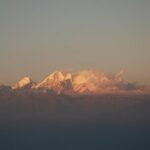

Getting There: Kathmandu Arrival, Pokhara Transfer, Then Out of Town
The tour starts at Tribhuvan Airport in Kathmandu at 7:15 am. You also get airport pickup and drop-off, which is a big quality-of-life improvement. Nepal logistics can be smooth, but having someone handle the first handoff reduces stress on travel day.
Day 1 is the “move and set your body up” phase. You drive to Malekhu, passing along rivers like the Trisuli and Marsyangdi, with views of peaks such as Ganesh Himal and Manaslu. It’s a long drive (listed around 7 hours), but it’s not a dead day. This is where you start getting used to Himalayan scale and river valleys.
Day-by-Day: From Nayapul Trailheads to Bamboo and Back
Below is what you can expect each day, and why each section matters. Some of these days include steep stretches, some are more gradual—but every day has a purpose.
Day 2: Nayapul to Tikhedunga via Birethanti
After breakfast at your hotel, you drive about 1.5 hours to Nayapul, then start hiking out to Tikhedunga. The route goes through Birethanti first.
This day is your first real “trek legs” test. You’ll be walking at elevation with an active rhythm, but it’s still a manageable setup before the bigger climb days.
Day 3: Tikhedunga to the Ulleri Side (steep start)
You ascend steeply for about the first two hours, then continue with a gentler climb passing Ulleri (2070m) and Banthanti.
If you’ve never hiked uphill all day, this is the day to respect your pacing. Don’t attack the first steep hours. Use the guide’s break rhythm and keep your breathing controlled.
Day 4: Poon Hill Sunrise Views Day
This is one of the most famous parts of the overall trekking region. You hike to Poon Hill (3232m) for sunrise views, with specific peaks listed like Dhaulagiri, Tukuche Peak, Nilgiri, Varaha Shikhar, Annapurna I, and Annapurna South.
Even if you’re not a sunrise person, Poon Hill is worth it because it gives you the first big “oh wow” mountain panorama. It’s also a good altitude checkpoint day. You’ll feel the air—plan to take it slow and steady.
Day 5: Forest Descent to Ghorepani
You start with breakfast at a lodge, then hike downhill gently through forests. You’re in rhododendron and oak country, and the description even leans into the soundscape—chirping birds and dense trail shade.
This day helps balance the schedule. It’s less about pushing hard and more about settling into the rhythm: step, breathe, and soak in the slower moments.
Day 6: The Chhomrong Khola Suspension Bridge Day
After a hot breakfast, you descend on stone stairways for about the first 1.5 hours, then cross Chhomrong Khola on a suspension bridge. From there, you climb out of the side of the valley.
Bridges can be a highlight on this trek because they break up the monotony. It’s also a natural moment to pause and take photos, before the next climb resumes.
Day 7: Toward the Sanctuary Gates and Widening Valley
Today’s route is described as becoming less steep as the valley widens. You also pass gates connected to a sanctuary area and continue along a trail that crosses avalanche terrain points.
This is a good day to watch your footing and keep your trekking focus. Even when the grade changes, the trail surface and exposure can still demand attention.
Day 8: Visit Base Camp, Then Turn Back to Dovan
After breakfast at the guest house, you visit Annapurna Base Camp and the surrounding views. After that, you begin trekking back toward Dovan.
This is the payoff day. You’ll get the base camp experience, but it’s also the day you realize the trek is a round trip: you’re celebrating and then immediately transitioning to the long walk back.
Day 9: Bamboo Forests and the Return Climb
You descend to Bamboo through forests with rhododendron, oaks, and bamboo plants. After Bamboo, the path goes steeply up for about an hour (then continues onward).
I like days like this because they’re memorable for different reasons. Instead of only “big peaks,” you’re also walking through a specific vegetation zone. It gives the trek variety beyond altitude.
Day 10: Nayapul to Birethanti Lunch Break, Then Back
You start after breakfast at the hotel. The first part is a descent, then it flattens out until Birethati, where you stop for lunch. After that, you walk about 30 minutes to Nayapul.
This day feels like a transition from “trek mode” to “arrival mode.” You’re still walking, but you’re moving toward the end. Enjoy the flatter stretches—they’re your reward.
Day 11: Kathmandu City Drive
After breakfast, you take a tourist bus at 7:00 am to Kathmandu. The ride is described as a fantastic drive through satellite towns, rural settlements, and gushing rivers.
By day 11, you’ll feel that strange mix of relief and nostalgia. The drive helps land the trip back in real-world Nepal.
The Best Viewing Moments: Poon Hill and Base Camp
This trek’s viewing style is very practical. You get one major “sunrise mountain show” at Poon Hill, and then you get the big terminal experience with a visit to Annapurna Base Camp.
A smart move is to treat the viewing days like training days. Hydrate well, keep breaks short but frequent, and don’t let excitement push you into overexertion. Sunrise viewing is usually quick—so be ready before you’re actually ready.
Also, the overview includes a chance to dip in a natural hot spring. I’d plan your schedule around that possibility. It’s the kind of reset that can make sore legs feel human again.
Meals, Overnight Stays, and Gear: Comfort Without Overpacking
One of the biggest reasons this trek works for many people is that the basics are handled. You’ll have meals included on the trail and overnights covered for 10 nights.
Even better, some trekking comfort gear is included if you need it: a sleeping bag and down jacket (with return after the trek), plus a trekking map.
That doesn’t mean you can show up empty-handed. But it does mean you can travel lighter, especially if you don’t want to spend on gear that will only get used once.
Kathmandu and Pokhara Time: The Reward After the Work
You get time to explore both Kathmandu and Pokhara as part of the experience. That balance is underrated.
Treks can turn into a single-note experience: walk, eat, sleep, repeat. With city stops built in, you get a chance to do normal human things—stretch your legs in a different way, eat something not cooked in tea-house steam, and reset your brain after altitude.
If you’ve only ever seen Nepal in photos, this pairing helps you remember it’s more than just the mountains.
What to Pack (Without Guessing Beyond the Provided Gear)
Because the trek includes a sleeping bag and down jacket if necessary, you can focus your packing on the items that affect your daily comfort:
- Shoes you trust for uneven steps
- Warm layers for higher altitude days
- A daypack for water and essentials
- Sun protection for exposed trekking hours
- A plan for staying dry if weather turns
You’ll also want to think about your personal travel insurance since it’s listed as compulsory. Bring proof and keep it accessible.
If you do need a porter, the option is $20 USD per day. That can be a smart trade if your knees or shoulders need help, especially on longer return days.
Who Should Book This Trek (and Who Might Rethink It)
This trek fits best if you:
- Want a small-group Annapurna Base Camp experience with guidance
- Appreciate that meals, permits, and accommodations are included
- Prefer not to manage the transport and paperwork side of Nepal on your own
- Have moderate physical fitness and can handle long hiking days
If you hate early starts, struggle with uphill stair climbing, or know you get hit hard at altitude, you might still consider it—but you’d need a clear plan with your doctor and a conservative approach to pace.
Should You Book This Annapurna Base Camp Trek?
I’d book it if your priority is a well-run trek where logistics don’t steal your energy. The combination of permits, meals, overnights, and guide support makes it one of those rare “big trek” deals that doesn’t require you to be a project manager.
Skip booking it only if you’re the type who wants full DIY freedom and already has everything (gear, insurance, and a solid plan) lined up. Otherwise, the value is hard to ignore—especially because the trek is scheduled with city time so you get a fuller Nepal experience, not just the trail.
FAQ
Where does the tour start, and what time?
The start point is Tribhuvan Airport in Kathmandu, Nepal, with a start time of 7:15 am.
How long is the Annapurna Base Camp trek?
The duration is listed as 11 days (approximately).
What is the group size?
This tour has a maximum of 10 travelers.
What’s included in the price?
Included items are a guide; transportation Kathmandu–Pokhara–Kathmandu by tourist bus; guide salary, food, drinks, accommodation, transportation, and insurance; sleeping bag and down jacket (if necessary) and a trekking map; accommodations for 10 nights; all fees and taxes; Annapurna Conservation Permits and TIMS; and trail meals (dinners, lunches, and breakfasts as listed).
What is not included?
Not included are international flights, Nepal entry visa fee, tips for the guide and driver, your travel insurance, personal expenses, alcoholic and non-alcoholic drinks and dessert, and any optional porter service.
Is a porter available, and what does it cost?
A porter is not included, but if you need one it is listed as $20 USD per day.
Do I get airport pickup and drop-off?
Yes. Airport pickup and drop-off are included, and pickup is offered.
When do I get confirmation after booking?
Confirmation is received within 48 hours of booking, subject to availability.
What’s the cancellation policy for a full refund?
You can cancel up to 3 days in advance of the experience for a full refund. For a full refund, you must cancel at least 3 full days before the experience’s start time.