REVIEW · POKHARA
Annapurna Base Camp Trek from Pokhara 7 Days
Book on Viator →Operated by My Dream Adventure (MDA) · Bookable on Viator
One of Nepal’s best view-to-effort ratios. This 7-day Annapurna Base Camp trek from Pokhara blends village life with real Himalayan scenery, from rhododendron forests to the stark setting of ABC. I like that the trip handles the paperwork side with TIMS and trekking permits and that your route is built around classic checkpoints like Chhomrong and Deurali. One thing to plan for: the downhill days can be tough on your knees, especially the long push from base camp back toward Bamboo.
You’ll also get English-speaking guidance and a steady rhythm of walking days with guest-house nights, so you’re not stuck figuring things out mid-trail. The overall style is practical: pickup, jeep transfers, checked permits, then hiking with local support and simple comfort along the way. If you like mountains but also care about how people actually live here, this route is a strong match.
In This Review
- Quick hits worth knowing
- From Pokhara to Jhinu Danda: your trek starts with a plan
- Jhinu Danda and the river villages: your first taste of local rhythm
- Chhomrong: the uphill grind that pays off
- Deurali and those mountain breaks for lunch
- Toward Annapurna Base Camp: Machhapuchhre and Ablation Valley
- Bamboo: the knees-pay-the-bill descent day
- Jhinu Danda and hot springs: recovery with a view
- Ending in Pokhara: farmland trails to Nayapul
- What you pay matters: value in the $395 setup
- Guides and guest-house nights: support you’ll actually feel
- Timing, group size, and what private really means
- Packing and fitness: how to set yourself up for fewer regrets
- Should you book this Annapurna Base Camp trek with My Dream Adventure?
- FAQ
- Where does the Annapurna Base Camp trek start and finish?
- How long is the trek?
- What is the price per person?
- Is hotel pickup and drop-off included?
- How is transportation handled during the trip?
- Are trekking permits included?
- What kind of accommodation is included?
- Is there a trekking guide?
- What is not included in the price?
- Do I need moderate fitness to do this trek?
Quick hits worth knowing
- Pokhara pickup + jeep transfer keeps your first morning low-stress.
- Permits included (TIMS + trekking permit) means less last-minute admin.
- Classic ABC route highlights like Chhomrong, Deurali, and Ablation Valley.
- Jhinu Danda hot springs adds a rewarding recovery stop after the descent.
- English-speaking trekking guidance helps you understand what you’re seeing.
- Private trip feel with shared jeep transport, so it’s more tailored than big-group chaos.
From Pokhara to Jhinu Danda: your trek starts with a plan
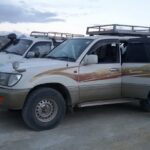
Your journey begins in Pokhara with hotel pickup, then a drive to the trekking starting point area around Jhinu Danda. You’ll be set up with the basics right away—think permit checking and making sure your gear is ready—so you don’t start the first day scrambling. The transfer uses a sharing jeep, which is part of how the trip stays good value.
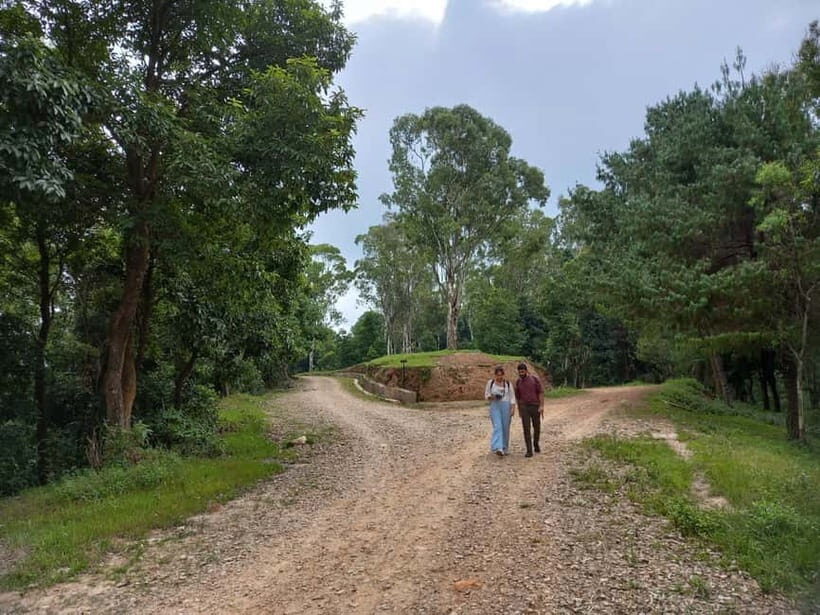
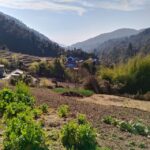
Day 1 follows the Modi Khola River through small villages. That’s an underrated part of the Annapurna region: you’re not just hiking into big scenery; you’re walking through lived-in Nepal, where the trail is part of daily routines. Expect your first views to build gradually, not all at once.
Practical note: after a travel day, the first hike can feel like a warm-up you don’t know you needed. I’d treat it like that—settle in, find your pace, and don’t burn energy trying to “win” day one.
You can also read our reviews of more hiking tours in Pokhara
Jhinu Danda and the river villages: your first taste of local rhythm
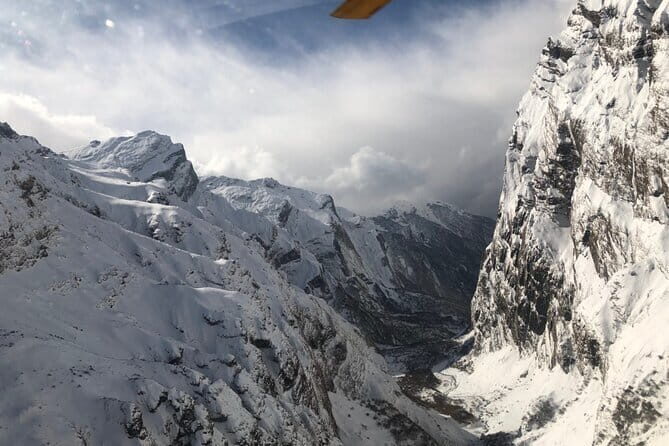
Jhinu Danda is often remembered for hot springs, but the trek route around it also sets the tone. You’ll walk alongside the river and through clusters of homes, with plenty of chances to see small-scale agriculture and daily movement along the trail. This is where the Annapurna region feels human, not just cinematic.
This first day also matters because you’ll get a reality check on your own pace. If you come out too fast, you’ll feel it later when the walking length adds up. If you pace calmly, the rest of the trek feels more like a steady progression toward big milestones.
A small but helpful detail: having your permits checked early reduces anxiety later. Once paperwork is handled, you can focus on the trail and the faces you pass.
Chhomrong: the uphill grind that pays off
The next section climbs toward Chhomrong, one of the larger villages on the route. This is a day where you can feel the difference between “flat trail tourism” and actual trekking. You’ll move uphill, then settle into a denser forest setting as you continue onward.
Chhomrong is popular because it gives you both a sense of scale and a strong village backdrop against mountain terrain. You also get that “arriving somewhere” feeling—like you’ve earned the rest stop, not just reached it.
The drawback here is simple: it’s a leg-burner day. If you’re traveling with stiff calves or tight ankles, I’d do ankle-friendly shoe lacing and take short breaks rather than one big stop. Short breaks keep your breathing steady and your legs happier.
Deurali and those mountain breaks for lunch
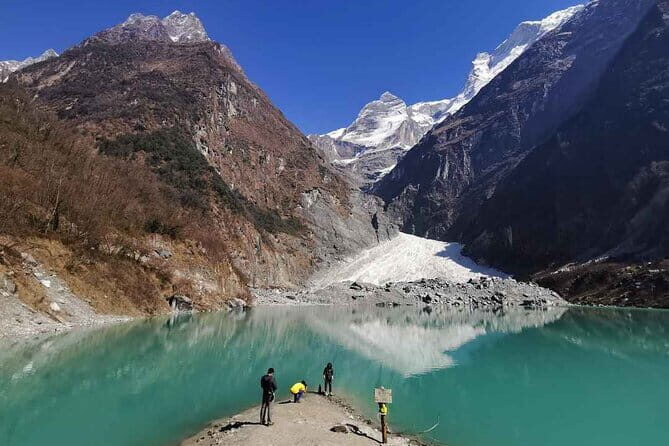
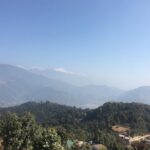
On the way to Deurali, you’ll hike a route that moves between scenic pauses and steady climbs. This is also where you get some of the classic “wow” moments—views toward the Annapurna range—and time to take a breath before pushing higher.
Lunch here is more than fuel. The idea is that you stop with mountain sightlines and forest around you, so your break feels like part of the day, not something you endure. That matters, because trekking days can blur together if there’s nothing to mark them.
Deurali is your accommodation stop for the night, so you’re sleeping in the higher trekking zone. Expect cooler temperatures than in Pokhara, and plan for a slower start in the morning while your body adjusts.
Toward Annapurna Base Camp: Machhapuchhre and Ablation Valley
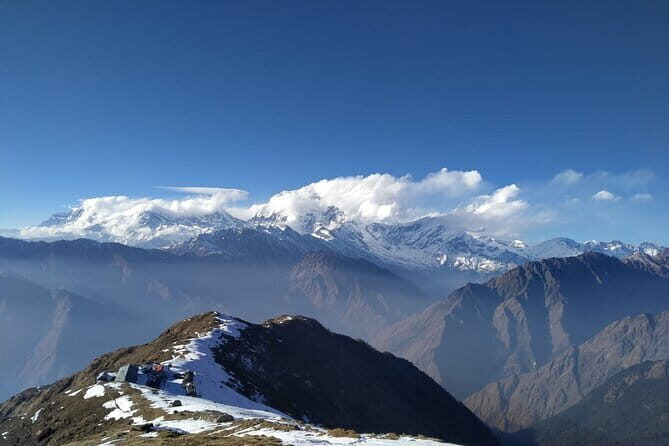
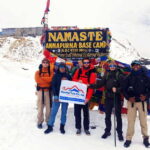
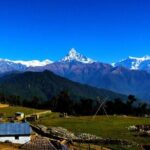
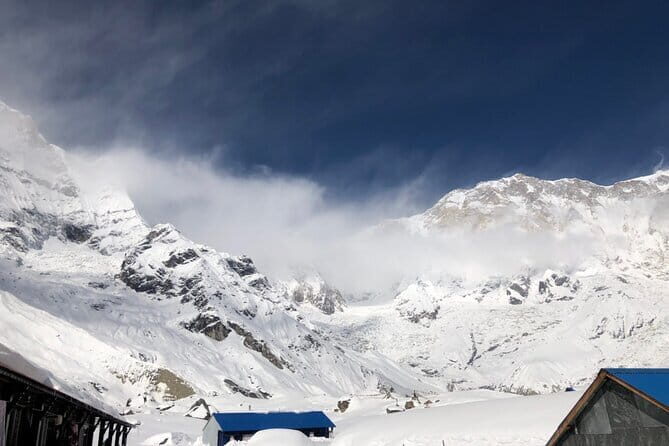
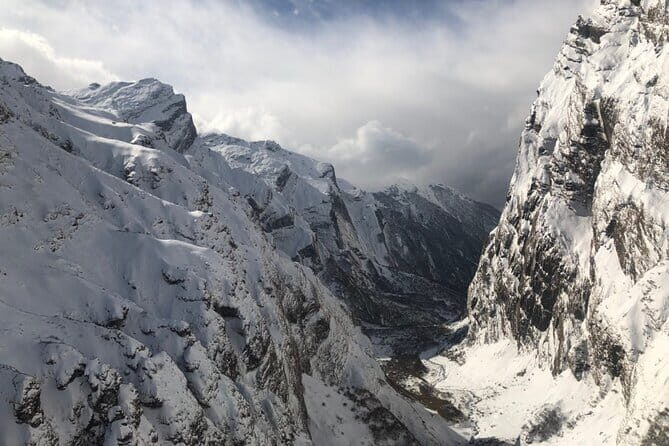
This is the milestone day. The route leads you through stream crossings and toward Machhapuchhare Base Camp, then on to Annapurna Base Camp. Along the way you’ll go through Ablation Valley, a hollow corridor between glacier and mountain—an area that feels more stark and elemental than the forest days lower on the trail.
If you care about “why this trek matters,” this is where it clicks. You’re no longer just moving between villages; you’re stepping into the high-country geometry that people come to see. The peaks around you make it feel like a different world, even if the hike is still very much on dirt and stone under your feet.
A practical reality check: days like this usually bring quick weather changes. So even if the views look great when you start, keep your layers ready. Trekking comfort comes from being able to add or remove warmth fast.
A few more Pokhara tours and experiences worth a look
Bamboo: the knees-pay-the-bill descent day
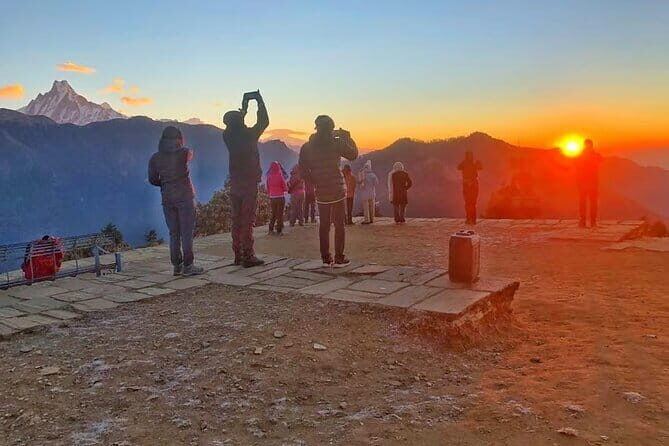
After Annapurna Base Camp, you head down to Bamboo, roughly 1,600 meters lower. This is where the trek becomes more about stamina and leg management than skyline-chasing. The descent can be challenging for your knees, and it’s not just “a little uncomfortable”—it can be the hardest day of the whole itinerary if you step wrong.
The win is that you get a change in scenery and a sense of progress. You’re walking away from the base camp zone and into denser trails again, and the body starts learning that downhill is still work. You also get the mental reward of seeing your route continue to unfold instead of looping around.
What helps on descent: take shorter steps, keep your weight controlled, and use trekking poles if you have them. If you don’t, you can still use your hands for balance and take more frequent rests. Your goal is to finish the day with your knees intact—not to prove a point.
Jhinu Danda and hot springs: recovery with a view
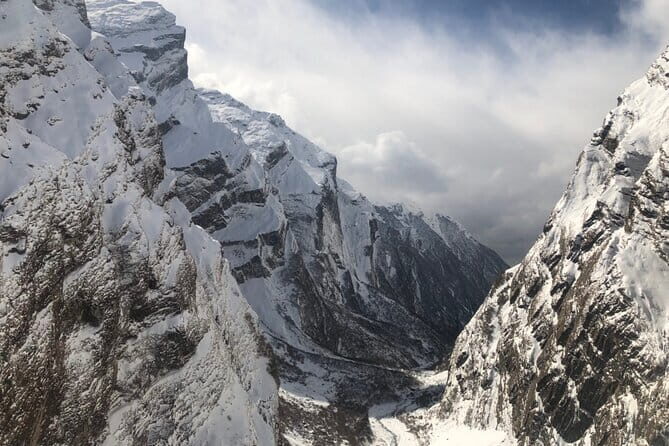
Next you continue down the valley, passing through the route back toward Chhomrong and Jhinu Danda. This final hiking stretch is where the trail feels like it’s guiding you back toward civilization, with the occasional burst of panoramic views.
The highlight for many people is the chance to soak in hot springs in Jhinu Danda. It’s a simple reward, but it’s exactly the kind of small payoff that makes a tough trek feel worth it. Your legs will already be sending messages by then, and warm water helps you hear them less.
Even if you’re not a “hot springs person,” consider it as practical recovery. One good soak can mean the difference between walking around Pokhara feeling fine versus feeling like you borrowed someone else’s joints.
Ending in Pokhara: farmland trails to Nayapul
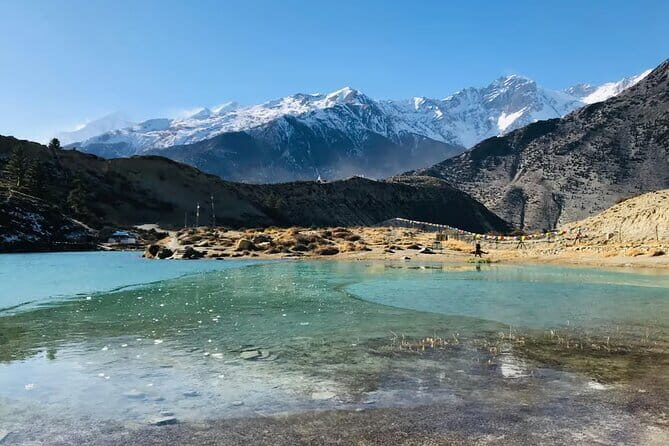
Your last day keeps things lighter. You take a short morning trek passing through farmland along the river, reaching Nayapul, and then return to Pokhara for drop-off.
This final stretch helps you decompress. You’ve done the hard part—climbs, high points, base camp—and now you’re walking through softer scenery that feels closer to everyday life. It’s a nice way to end without turning your last day into another “push.”
If you’ve got energy, use it to notice the transition: fewer mountain passes, more fields and daily work. That shift is part of what makes the Annapurna region memorable.
What you pay matters: value in the $395 setup
At $395 per person for an approx. 7-day trek, the value is in how much the essentials are bundled. You’re not just buying a route name. You’re paying for pickup and drop-off, round trip sharing jeep transfers, an English-speaking trekking guide, permits (TIMS + trekking permit), and guest-house accommodation.
That bundle matters because costs can balloon when you piece everything together separately—guides, permits, and logistics add up fast. Here, the structure is clear: you get support to keep the trek moving smoothly, and you’re not stuck negotiating basics mid-trip.
The trip also appears to offer group discounts and provides a mobile ticket, which can help if you’re managing travel plans and documents while moving between cities.
What’s not included is also important: personal expenses and gratitude (optional). If you plan to buy snacks, hot drinks, extra charging time, or do any on-the-go shopping, budget for it. It’s usually the small stuff that quietly turns into the biggest line item.
Guides and guest-house nights: support you’ll actually feel
A big reason this trek works for many people is the human support piece. You’ll hike with an English-speaking trekking guide, which changes the experience from “walking somewhere” into “understanding what you’re looking at.”
Past guide names credited by trekkers include Biru, Dadi, Bikram, Prakash, and Krishna. You can’t bank on a specific person, but it’s a good sign that experienced guides are part of the service. Even when the day is physically hard, a strong guide helps with pacing, route confidence, and timing when weather shifts.
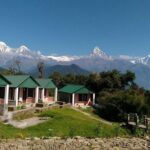
On the accommodation side, you stay in guest houses. That means simpler rooms and shared basic comforts rather than hotel-style luxury. The good news is that guest houses fit this trek’s rhythm: you eat, rest, sleep, and reset for the next hike without overcomplicating your day.
For your planning: bring a plan for staying comfortable at night—warm layers matter more than you think at higher elevations.
Timing, group size, and what private really means
This is described as a private trip where only your group participates. That’s valuable if you want flexibility in pacing and less time waiting around for mismatched walking speeds. The tradeoff is that you still use sharing jeep transport for the round-trip transfers, so you may be riding with other people when heading in or out.
The big thing to protect is your walking rhythm. If you’re with a private group, you’ll usually spend less time negotiating logistics and more time moving at the pace you need. If your group is slower, it helps to bring that up early so the guide can plan rest stops and schedule.
The trek is best for people with moderate physical fitness. If you’re new to trekking, don’t assume “moderate” means “easy.” It usually means manageable with consistent effort, not couch-to-summit.
Packing and fitness: how to set yourself up for fewer regrets
With a route that includes both climbs and knee-stressing descents, you should pack for comfort and recovery, not just for the summit view.
Bring:
- Shoes you trust for rocky downhill
- Layers for cooler higher evenings
- A way to manage sweat and warmth quickly
- Trekking poles if you already use them (they can be a knee-saver)
Fitness-wise, treat this as a test of consistency. You’re hiking multiple days, with a major base camp day and a long lower-day descent. If you can walk uphill for an hour or two at a steady pace before you go, you’ll feel more in control.
Also, keep your expectations realistic. Annapurna Base Camp can look close on a map, but it’s still a full trek with cumulative fatigue. The best trick is pacing and hydration—don’t try to run the mountains.
Should you book this Annapurna Base Camp trek with My Dream Adventure?
If you want a structured ABC trek that covers the essentials—permits, guide, guest-house stays, and Pokhara transfers—this is a strong option. The price looks fair for what’s included, and the route hits classic highlights like Chhomrong, Deurali, Machhapuchhre area crossings, Ablation Valley, and the Jhinu hot springs recovery moment.
Book it if:
- You like guided trekking and want the admin handled for you
- You’re aiming for authentic village trail life, not just a summit photo
- You’re okay managing some knee stress on descent days
Consider alternatives or ask more questions if:
- You have knee issues and downhill days scare you
- You want a more luxury accommodation setup (guest houses are basic by design)
- You’re trying to do this with very limited hiking experience
Finally, there’s also the practical safety net: the experience lists free cancellation up to 24 hours in advance for a full refund, which is helpful when weather and schedules are in motion.
FAQ
Where does the Annapurna Base Camp trek start and finish?
The trek starts with hotel pickup in Pokhara and transfer toward the starting area near Jhinu Danda. It finishes back in Pokhara after walking to Nayapul and then returning for drop-off.
How long is the trek?
It’s listed as 7 days (approx.).
What is the price per person?
The price is $395.00 per person.
Is hotel pickup and drop-off included?
Yes. The package includes hotel pickup and drop off.
How is transportation handled during the trip?
There are round trip transfers by sharing jeep between Pokhara and the trekking start/finish points.
Are trekking permits included?
Yes. The package includes a trekking permit and the TIMS card.
What kind of accommodation is included?
Accommodation is included in guest houses.
Is there a trekking guide?
Yes. You’ll have an English speaking trekking guide.
What is not included in the price?
The package does not include personal expenses and gratitude (optional).
Do I need moderate fitness to do this trek?
The information provided says travelers should have moderate physical fitness.