REVIEW · KATHMANDU
Everest Base Camp Helicopter Tour With Sharing Flight
Book on Viator →Operated by Nepal Horizon Treks and Expedition Pvt. Ltd. · Bookable on Viator
Sky-high Everest in one morning. This Everest Base Camp helicopter tour is built for people who want the Khumbu region’s big views without losing days to logistics on the ground. I especially like that it’s a sharing flight with insurance coverage, plus hotel pickup and drop in the Kathmandu Valley. One real consideration: the experience is weather-dependent, so you’re relying on clear conditions.
You’ll get an early start and a short, focused ride—about 4 hours total. Most of what makes the Everest region feel unreal is easiest from the air, and this tour leans into that, aiming at iconic sights like Mt. Everest views, the Khumbu Glacier, and Gokyo Lake.
Because it’s operated for up to 5 travelers, the day feels structured but not crowded. Just know the flight schedule depends on conditions, so plan your broader Nepal trip with some flexibility.
In This Review
- Key things to know before you go
- Why an Everest Helicopter “Short Cut” Actually Makes Sense
- Price and What You’re Really Buying for $1,550
- The 5:45am Kathmandu Start: How the Morning Rhythm Works
- Inside a Sharing Flight: Calm, Small, and Manageable
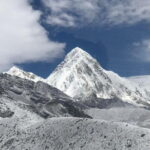
- What You Actually See: Mt. Everest, Khumbu Glacier, and Gokyo Lake
- Everest Base Camp Area: The Best Kind of “No-Sweat” Access
- The Human Side: Professional Approach and Planning
- Included Services vs. Extra Costs: Don’t Get Surprised
- Weather Is the Real Itinerary: Your Most Important Planning Factor
- Practical Tips That Actually Help on Flight Days
- Who This Tour Is Best For (and Who Might Prefer Another Plan)
- Should You Book This Everest Base Camp Helicopter Tour?
- FAQ
- What time does the tour start?
- How long is the Everest Base Camp helicopter tour?
- Do you get hotel pickup and drop-off in Kathmandu?
- Is this a private helicopter or a shared flight?
- Is insurance included?
- Are national park fees included in the price?
- What happens if the flight can’t operate due to weather?
Key things to know before you go
- Sharing heli, max 5 travelers: a smaller group helps the day feel calm and organized.
- Insurance coverage included: added peace of mind for a flight-based adventure.
- Early 5:45 start: you’re set up for the best chance of workable weather and visibility.
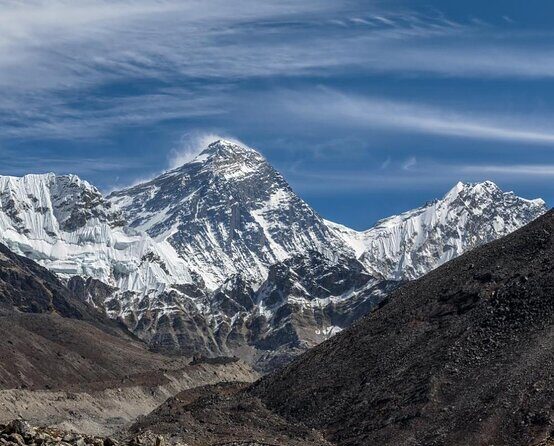
- Khumbu Glacier and Gokyo Lake highlights: you’re not just looking at one peak, you’re seeing a whole system of ice and water.
- Park fees and breakfast cost extra: national park fees aren’t included, and breakfast is optional.
- Passport required: bring it along, since it’s specifically requested.
Why an Everest Helicopter “Short Cut” Actually Makes Sense
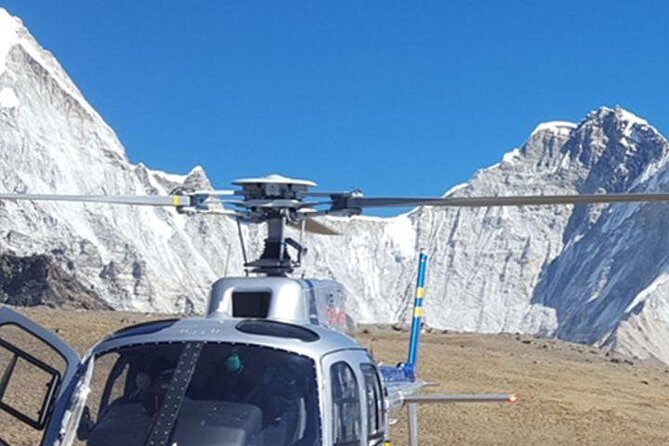
If your time in Nepal is tight, a helicopter tour can be the smartest move. Trekking to Everest Base Camp is a life project for most people. A helicopter flight is different: it gives you a fast, high-altitude perspective you can’t really copy from roads, lodges, or even shorter hikes.
I like the value logic here. You’re paying for access: the air gives you straight-line sight of the Everest region’s scale. When you look down at the Khumbu’s ice flows and the jagged shapes of the valleys, the whole area starts to make sense in one go.
The other win is how the tour keeps things simple. Instead of chasing multiple checkpoints and permits on your own, you’re working inside one organized plan—pickup, flight service, taxes, and fuel surcharge are handled as part of the package.
A few more Kathmandu tours and experiences worth a look
Price and What You’re Really Buying for $1,550
At $1,550 per person, this is not a “budget” choice. But it’s also not just a flight ticket taped to a promise. The package includes the helicopter flight service, insurance coverage, hotel pickup and drop (any city in the Kathmandu Valley), plus all governmental and local taxes and a fuel surcharge.
That matters because helicopter pricing often changes with fuel and admin costs. Here, you’re not piecing it together like a DIY project. You’re paying for a managed day where the main variable is weather, not paperwork.
What’s not included is where your budget could shift. You’ll want to plan for Everest National Park fees (USD 30 each). Breakfast is optional at USD 30 each, and personal expenses will be on you. Also, you’re asked to carry your passport, which is easy to miss if you pack like you’re just traveling light.
If you’re trying to decide whether it’s “worth it,” I’d use this test: would you rather spend your money on one unforgettable aerial day, or on more days of travel time and trekking costs? For many people, the helicopter wins because it compresses the best views into a short window.
The 5:45am Kathmandu Start: How the Morning Rhythm Works
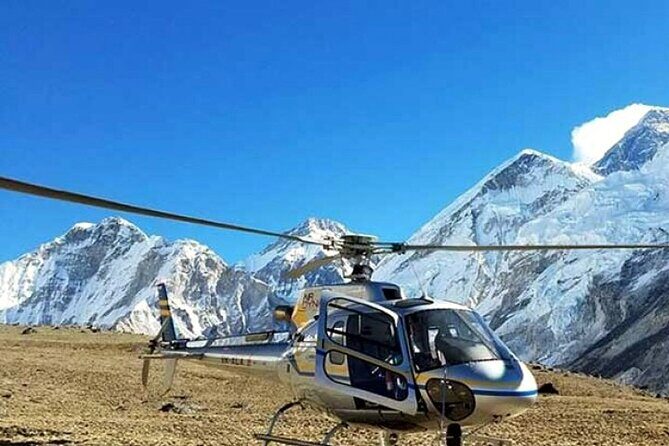
The tour start time is 5:45 am. That’s early, yes, but in the Everest region, early can be the difference between good visibility and flat, hazy conditions. Helicopter tours run on weather windows, and mornings often give you a better shot.
Pickup is included, and it covers hotel pickup and drop, or you can meet within the Kathmandu Valley. In plain terms: you won’t be scrambling for a ride at dawn, which is exactly when Kathmandu traffic and early timing can feel like a headache.
The total experience is listed at about 4 hours, so this is not a full-day excursion you’ll barely remember. It’s a concentrated plan that typically ends with you back on the ground soon enough to keep your Nepal itinerary moving.
Inside a Sharing Flight: Calm, Small, and Manageable
This is a sharing heli service, and the tour has a maximum of 5 travelers. That small number is a big deal for how the day feels. Helicopter seats and waiting time can get complicated fast when groups are large. A smaller cap makes it easier to keep things organized without turning it into a production line.
I also like that you get insurance coverage included. Flights always come with an extra layer of responsibility, and having insurance built into the tour package reduces the mental work for you.
One small reality check: “sharing flight” still means you’re not completely in control of exact timing like a private charter might be. But the upside is you’re paying less than private, while keeping the group size tight.
What You Actually See: Mt. Everest, Khumbu Glacier, and Gokyo Lake
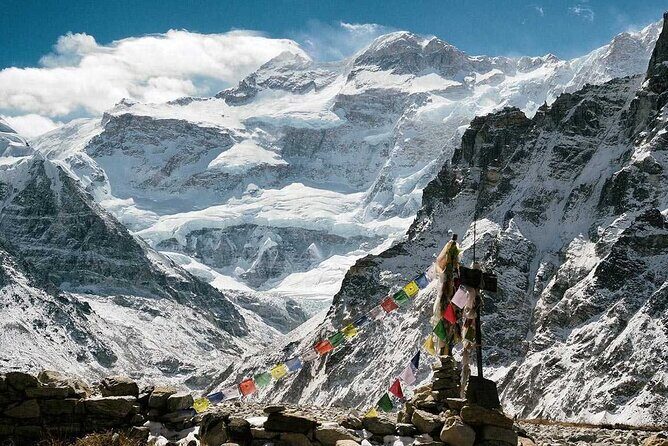
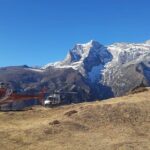
The highlights are built around aerial views of the Everest ecosystem. You’re not just seeing a single peak silhouette. You’re getting the bigger picture: high ridgelines, ice formations, and the dramatic contrast between glacial terrain and the water-focused landmarks of the region.
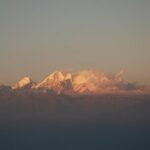
Mt. Everest views are the obvious headline. From the air, the mountain’s scale is hard to describe and easy to feel. The heights aren’t just tall; they look layered, like the landscape is stacked in stages.
Then you have the Khumbu Glacier, described as one of the most dramatic stops on the route. Glaciers from ground level can feel distant and hard to read. From the helicopter, you can see how the ice bends, fractures, and flows through the valleys, which gives you a better sense of how the terrain actually moves.
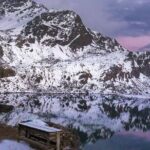
Finally, Gokyo Lake comes into the mix. The way water sits in the high Himalaya is one of those visual lessons you don’t get from a single photo. It also adds variety to the day, so you’re not staring at one frozen scene for hours.

Everest Base Camp Area: The Best Kind of “No-Sweat” Access
Even though this tour is called Everest Base Camp, the key point is aerial access. You’re seeing the Base Camp area from above as part of a flight route that also includes other major Khumbu landmarks. That’s important because it sets expectations: you’re not doing the full Base Camp trekking routine.
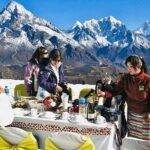
Some people still come away feeling like they got part of the dream. One write-up I saw mentioned the desire to step and walk for a few moments was fulfilled with Air Dynasty Helicopter during their experience. That’s not something I’d promise as a rule, since operations can vary, but it highlights what some travelers value most: not only seeing the region, but also getting a short, memorable moment that feels real.
If your goal is to say you stood in the Everest zone without the days of effort, a helicopter tour can hit that target. If your goal is to experience the entire trekking culture, you’ll still miss most of it from the air.
The Human Side: Professional Approach and Planning
A helicopter day is only as smooth as the team running it. What stood out in the feedback pattern is professionalism and a serious approach to client care. People praised the way the operator handled the day and also emphasized the feeling of safety in the flight experience.
One name that comes up is Dip, described as the owner who plans things perfectly and keeps everything on time. That kind of planning is what you want to hear when you’re booking something weather-dependent. When the team has a practiced routine, you’re more likely to get a clean, low-stress morning instead of last-minute chaos.
Also, multiple comments referenced the ride itself as smooth. That’s exactly the sort of thing you want to prioritize with flights: a calm process matters as much as the view.
Included Services vs. Extra Costs: Don’t Get Surprised
Here’s what you should expect to be covered:
- Sharing heli service with insurance coverage
- Hotel pickup and drop anywhere in the Kathmandu Valley
- All governmental and local taxes
- Fuel surcharge
- Everest helicopter flight service
- Mobile ticket and confirmation at booking
Here’s what you should plan for:
- Breakfast (optional) at USD 30 each
- Everest National Park fees at USD 30 each
- Personal expenses
- Bring your passport
That park fee detail is a classic budget trap. If you’re comparing prices between operators, make sure you’re comparing apples to apples. A slightly lower headline price can become more expensive once park fees are added.
And breakfast is optional. If you’re already waking early, you might want it. But if you eat before pickup or prefer a simple snack, you can keep costs down.
Weather Is the Real Itinerary: Your Most Important Planning Factor
This tour requires good weather. If it’s canceled due to poor weather, you’ll be offered a different date or a full refund. That’s the practical bottom line: the mountain doesn’t care about your calendar.
This is why I think flexibility is the hidden “value” you should bring. If you can keep another day free in Kathmandu—or at least reduce pressure on flight connections—you’ll handle changes much better.
When you book, keep the rest of your Nepal plan realistic. A helicopter tour is one of those experiences you don’t want chained to a tight travel day. You’re paying for visibility, and visibility comes from the sky, not from willpower.
Practical Tips That Actually Help on Flight Days
You don’t get to control mountain weather. But you can control a few things that reduce stress.
First: carry your passport. It’s explicitly requested, and missing it can turn a smooth morning into an avoidable problem.
Second: plan your spending for park fees. The Everest National Park fee (USD 30 each) is not included. If you have multiple people, it adds up quickly, so it’s worth setting the budget aside.
Third: make sure your morning pickup location is correct. The tour includes pickup and drop within Kathmandu Valley, but you don’t want to waste time negotiating at dawn.
Finally: keep your expectations aligned with what helicopters do best. You’re paying for wide, high-level views of Everest region landmarks: Mt. Everest area, Khumbu Glacier, and Gokyo Lake. This isn’t about slow exploration. It’s about seeing more than you can ever see in a day on foot.
Who This Tour Is Best For (and Who Might Prefer Another Plan)
This tour is a strong match if:
- you have limited time and want Everest-area views without trekking for days
- you like your travel days structured and time-efficient
- you want a small group experience with max 5 travelers
- you value safety and insurance coverage built into the booking
It might feel like the wrong fit if:
- you’re looking for the full Base Camp trekking experience, the villages, and the trail culture
- you’re traveling on a schedule with zero flexibility, because weather can shift the plan
- you’re not comfortable with paying for premium access
Should You Book This Everest Base Camp Helicopter Tour?
I’d book it if you can handle an early start and you’re okay with the weather dependency. The price is high, but the package includes the parts that usually add friction: taxes, fuel surcharge, insurance coverage, and hotel pickup and drop within Kathmandu Valley. You’re also getting a day that focuses on multiple iconic sights from the air—Mt. Everest area, Khumbu Glacier, and Gokyo Lake—so the time isn’t wasted.
I’d think twice if your budget is tight, because park fees and optional breakfast add to the total. I’d also think twice if your schedule doesn’t allow for changes due to poor weather, since cancellations can lead to a different date or a full refund, not a magic weather fix.
If you want the Everest region in a short window, with professional organization and a small shared group, this is a very practical way to do it.
FAQ
What time does the tour start?
The meeting start time is 5:45 am.
How long is the Everest Base Camp helicopter tour?
The duration is approximately 4 hours.
Do you get hotel pickup and drop-off in Kathmandu?
Yes. Pickup and drop-off are included for any city in the Kathmandu Valley.
Is this a private helicopter or a shared flight?
It’s a sharing heli service, with a maximum of 5 travelers.
Is insurance included?
Yes. The sharing helicopter service includes insurance coverage.
Are national park fees included in the price?
No. Everest National Park fees are USD 30 each and are not included.
What happens if the flight can’t operate due to weather?
This tour requires good weather. If it’s canceled due to poor weather, you’ll be offered a different date or a full refund. You can also cancel up to 24 hours in advance for a full refund.