REVIEW · KATHMANDU
Everest Base Camp Helicopter Tour
Book on Viator →Operated by Travel Pinto · Bookable on Viator
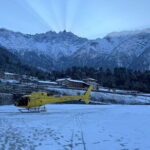
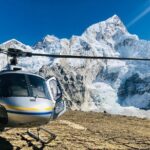
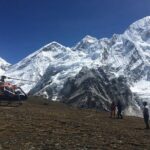
One short flight idea turns Everest from a name into a sight you can point at. This helicopter tour gets you flying over the core Everest area and, when conditions allow, landing at Everest Base Camp or Kalapatthar for real stop-on-the-ground views.
What I like most is that you also get a focused flyover with clear views of Everest’s big neighbors, like Lhotse, Nuptse, and Pumori.
I also like the way the route handles groups. If there are more than three people, the flight plan includes a split at Pheriche so you’re more likely to end up with window seats for the Everest Base Camp portion.
One thing to weigh carefully: this experience depends heavily on weather and helipad conditions, so your exact landing point can shift. There’s also a 95 kg / 209 lb weight limit (with extra cost if you’re over 100 kg), so check that before you fall in love with the idea.
In This Review
- Key things to know before you fly
- Everest by helicopter: what you’re really buying
- Kathmandu pickup and the 7:15 am start: why timing matters
- Aircraft and the feeling of the ride
- Lukla fuel stop: the unglamorous part that makes the magic possible
- Pheriche split flight: how window seats get handled
- The Base Camp / Kalapatthar landing gamble
- Flyover views: what to watch for during the Everest segment
- Syangboche Marg and the Hotel Everest View breakfast option
- Return to Kathmandu: fuel decisions and what to expect
- Price and value: what USD 1,700 buys you (and what adds up)
- The human factor: communication and guides you can count on
- Who should book this Everest Base Camp helicopter tour?
- Should you book it? My practical take
- FAQ
- How long is the Everest Base Camp helicopter tour?
- What time does the tour start?
- Is hotel pickup and drop-off included?
- Do I need my original passport?
- Is breakfast included?
- What are the weight limits?
- How does the tour handle window seats for larger groups?
Key things to know before you fly
- Landing point depends on helipad conditions: Base Camp or Kalapatthar, not always both.
- Window-seat strategy: groups can be split at Pheriche so the Everest portion favors windows.
- It’s short-air-time, long-experience: the ride totals about 4–6 hours even though many hops are brief.
- Fuel stops are part of the plan: there’s a stop in Lukla for refueling.
- There may be an optional breakfast: at Hotel Everest View (USD 31), if the weather allows.
- Operator track record matters: guides supported by Travel Pinto on other Nepal trips include people like Bishal, Bashu, Dipendra, Devendra, and Mohan.
Everest by helicopter: what you’re really buying
This tour is for people who want the Everest wow-factor without the days (or weeks) of trekking. You’re paying for three things at once: time savings, altitude views from the air, and the chance to actually land somewhere in the Base Camp/Kalapatthar zone instead of only circling at a distance.
Even with short flight segments, the experience is still built around the right geography. You fly in and out of Kathmandu, you touch Lukla (a key gateway for trekkers), you pass through Pheriche, and you end up in the Everest area long enough to feel like you’re there for more than a quick photo-op.
You should go in with a flexible mindset. This is not a theme-park ride with guaranteed ground time. The plan is weather-dependent, and helipad access can change what you do on the ground.
A few more Kathmandu tours and experiences worth a look

Kathmandu pickup and the 7:15 am start: why timing matters
The meet-up time is 7:15 am, with hotel pickup and drop-off included. That early start is not just tradition. In the Everest region, visibility and cloud layers can shift quickly through the morning, and helicopter operations want the day to be as stable as possible.
Your day is structured to fit a flight schedule that includes multiple segments and at least one fuel-related pause. Expect the whole experience to run about 4 to 6 hours overall, even though some flight portions are measured in minutes.
One practical tip: wear layers you can handle in the morning warmth but also in colder altitude conditions. The tour notes winter temps around -10°C for higher points and even in summer you should prepare for around -5°C.
Aircraft and the feeling of the ride
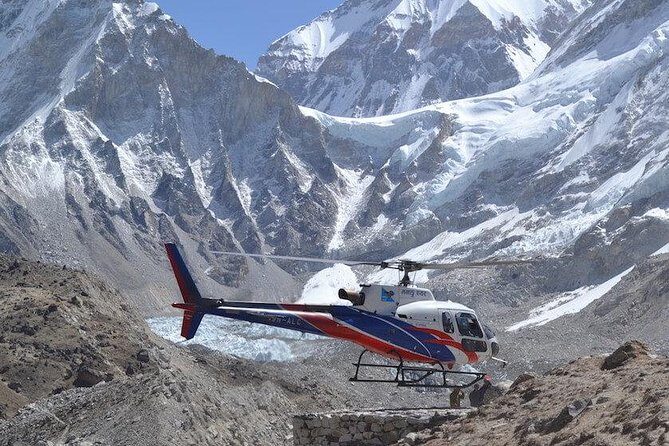
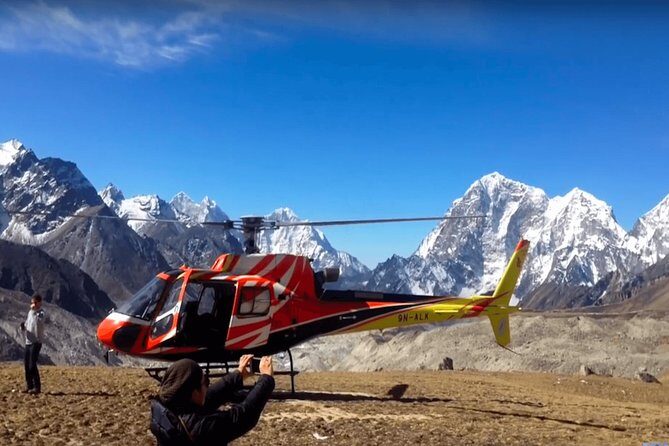
The helicopter model used is listed as Airbus H125 / Eurocopter 350. That matters for two reasons.
First, smaller helicopters tend to feel quick and direct. There’s no long bus ride to some far-off scenic overlook. You’re already in the air when views begin.
Second, window access can become a real part of your satisfaction. That’s why the route includes a split at Pheriche when the group size crosses a certain line—because sitting by the window on the right segment is what turns a flight into a memory you’ll keep replaying.
Lukla fuel stop: the unglamorous part that makes the magic possible
Lukla is where trekkers typically start their Everest journey. Here, it plays a different role: a brief refuel stop. The plan calls for a quick stop in Lukla, around 10 minutes, largely for fuel purposes.
It’s easy to think of fuel stops as wasted time. But in practice, it’s part of how these flights stay realistic. You’re not seeing Lukla to explore the town—you’re seeing it because it’s a functional piece of the Everest aviation puzzle.
If you’re the type who likes to understand the logic behind the itinerary, this stop helps. It connects the helicopter shortcut to the same place that trekkers use as their launchpad.
Pheriche split flight: how window seats get handled
Pheriche is where the plan can get clever. If you’re flying with more than three people, the itinerary includes a split so not everyone is forced into the same side of the helicopter for the key Everest portion.
The goal is simple: window seats for the Everest Base Camp part of the flight. The notes explain an approach where fewer people fly first, then the rest go afterward, which gives people a better shot at seeing the big mountains from the best angle.
In other words, this is not just route planning. It’s an attempt to protect the viewing experience. If you care about photography, video, or just wanting to actually see the mountains instead of looking at sky and sky only, this detail matters.



The Base Camp / Kalapatthar landing gamble
This tour’s headline is the idea that you may land at Everest Base Camp or Kalapatthar depending on helipad conditions. That wording is important. You’re not signing up for one fixed landing. You’re signing up for an operational window, then landing where the helicopters can safely go.
When landing happens, the experience shifts from aerial viewing to grounded perspective. That’s where you get the chance to take in the scale for yourself and capture photos from a position that feels much closer to the Everest story than a flyover alone.
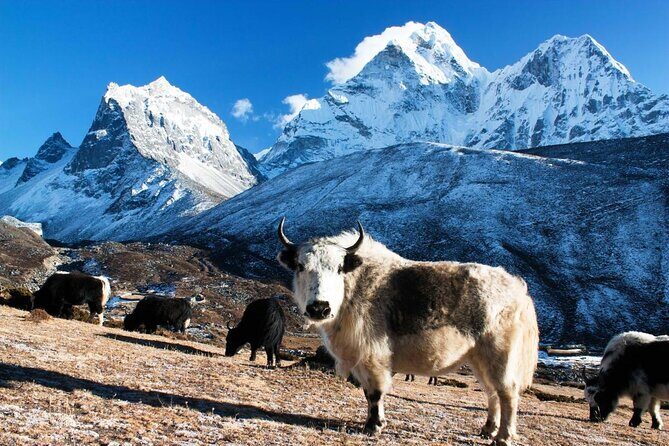
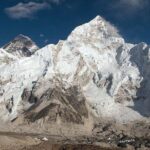
Even if you don’t land at the exact point you imagined, you still get an Everest-focused flyover segment with clear sightlines in suitable weather. The notes call out the best-view target areas and mention you’ll be able to spot major peaks like Mount Everest, Lhotse, Nuptse, and Mount Pumori.
Flyover views: what to watch for during the Everest segment
The flyover portion is where you’ll do your serious eye-work. The plan specifically notes a view of the Base Camp area from the air, plus opportunities to take videos and photos.
Here’s what to watch for as you look:
- Everest as the center reference, with Lhotse and Nuptse nearby.
- Pumori in the mix, which helps you orient the wider scene.
- The way the terrain changes as you approach Base Camp area—this is where a helicopter perspective helps more than you might expect. You get a sense of spacing and angles that’s hard to replicate on foot.
If you go in thinking you’ll just snap a few pictures and move on, you’ll miss the best part. Instead, treat the flyover like a moving viewpoint. Pause your filming for a few seconds at a time and really look.
Syangboche Marg and the Hotel Everest View breakfast option
One of the most interesting parts of the itinerary is the stop at Syangboche Marg, used as a landing/breakfast point during the flight. The plan mentions a stop at Hotel Everest View, and it’s subject to weather.
They usually allow about one hour here, but breakfast is not automatically included. The optional breakfast is listed at USD 31 per person, and it’s described as set breakfast, likely only available when the weather makes the stop practical.
This stop is valuable even if you’re not a big breakfast person. It turns the day into more of an out-and-back journey with a real break on the ground. You get a chance to warm up, reset, and check the views again from a calmer spot.
Just be ready for the possibility that weather can reduce or remove this part. If it does happen, dress for cold, not for Kathmandu.
Return to Kathmandu: fuel decisions and what to expect
After the Everest portion, you fly back toward Kathmandu. The plan lists a return route that can go via Lukla or direct, depending on the fuel situation and operational decisions.
This is a normal aviation detail, but it affects your day schedule and your sense of predictability. If you’re hoping for a perfect, identical loop every time, you won’t get that. You’ll get a safe, workable route.
Also note that the return landing at Tribhuvan International Airport is part of the final segment, and the total ride back includes time for the flight plan and the landing sequence.
Price and value: what USD 1,700 buys you (and what adds up)
At USD 1,700, this is a premium way to experience Everest country. The value depends on what you’re trying to buy:
You are getting:
- Hotel pickup and drop-off
- A joining group helicopter trip with 5–6 passengers and a pilot
- Multiple landing points and viewpoints
- Flight structure with a very early morning start that supports visibility
- A plan that aims for window seats during the key Everest portion
- A fast, high-impact route using helicopters that can land in the Everest area when conditions allow
You are not getting:
- The optional breakfast at Hotel Everest View (USD 31, weather dependent)
- Approximate extra fees around USD 50 for national park, airport tax, and Khumbu village development fees
- Anything else you choose to buy for food/drinks beyond what’s listed
There’s also an important constraint: body weight. The note says maximum body weight per passenger is 95 kg / 209 lbs, and if you’re more than 100 kg you need to pay extra. That’s not a small footnote. It can be a deal-breaker if you’re near the edge.
Put together, the best value is for people who can’t justify trekking time, but still want more than a distant view. If you want guaranteed ground time regardless of conditions, you’ll likely feel disappointed. If you can roll with changing landing points, this can feel like money well spent.
The human factor: communication and guides you can count on
One thing I appreciate about Travel Pinto’s broader Nepal operation is the consistency of strong guide support in other Everest-related trips. Reviews for the company mention guides and trip leaders such as Bishal and Bashu (for Kathmandu and the Everest experience) and Devendra, Dipendra, and Mohan (for Everest-area trekking and interpretation).
I can’t promise the same individuals will guide you during a helicopter day. The helicopter portion is primarily aviation-led. Still, the pattern suggests you’re working with a provider that knows how to pair logistics with on-the-ground storytelling. That matters in Nepal. You don’t just want to see mountains—you want context while you’re there.
If you like questions, ask them before the flight. Learn what you’ll be seeing from the air so your photos mean something afterward.
Who should book this Everest Base Camp helicopter tour?
This tour fits best if you:
- Want an Everest experience without trekking for days
- Prefer a short, structured day with hotel pickup and a clear flight plan
- Care about views enough to take advantage of the window-seat strategy
- Can handle cold conditions with proper layers
- Are traveling in a group size that benefits from the Pheriche split approach
It’s less ideal if you:
- Have strict expectations about landing at one specific point every time (it can shift with helipad and weather conditions)
- Are near the weight limit and don’t want extra fees or complications
- Are traveling with children under 10 (it’s noted as not recommended)
Should you book it? My practical take
Book it if you want the fastest path to Everest imagery that includes a real chance of landing in Base Camp or Kalapatthar. The best part is the combination: flyover clarity plus the possibility of ground-level presence, all while your day is capped around 4–6 hours.
Skip it (or swap to a different style of Everest trip) if you need total certainty—this one is weather-hungry, and helipad conditions can change where you go. Also reconsider if you’re sensitive to cold. Even with a short day, you’ll be in the Everest region temperature range noted by the tour.
If you do book, plan like a pro: pack warm layers early, bring a passport copy (a phone photo works), and be ready to pay the approximate additional fees on top of the helicopter price. You’ll get a high-impact Everest day that feels more real than a distant view.
FAQ
How long is the Everest Base Camp helicopter tour?
The tour runs about 4 to 6 hours in total, with many of the flight hops being short segments.
What time does the tour start?
The start time is 7:15 am, with hotel pickup included.
Is hotel pickup and drop-off included?
Yes. Hotel pickup and drop-off are included, and you share your hotel name and address so the operator can arrange the pickup time.
Do I need my original passport?
No. A passport copy is required, and a picture of the passport on your phone works.
Is breakfast included?
Breakfast is optional and not included. If weather allows, you can stop at Hotel Everest View for a set breakfast costing USD 31 per person.
What are the weight limits?
The tour lists a maximum body weight limit of 95 kg / 209 lbs. If you are more than 100 kg, you need to pay extra.
How does the tour handle window seats for larger groups?
If there are more than 3 people flying together, the plan includes a split at Pheriche. The notes say window seats are guaranteed for the Everest Base Camp part only.