REVIEW · POKHARA
3-Day Poon Hill Trek from Pokhara.
Book on Viator →Operated by Eco Holidays Nepal · Bookable on Viator
Three days to reach Poon Hill. I like how this trek keeps the classic teahouse experience while moving at a practical pace, and I really appreciate the included teahouse meals. You also get the kind of Poon Hill sunrise payoff that makes the early start feel worth it. One thing to watch: bottled water, WiFi/battery charging, and a porter are not included, so you’ll still budget for a few extras.
The route itself is built for moderate fitness: you hike through rhododendron forests, mountain villages, and rice fields without chasing extreme altitude. Nights are handled in teahouses (twin sharing), and the company provides a sleeping bag plus a duffel bag—helpful if you’re traveling light. If you’re sensitive to cold mornings, plan for chilly starts around the sunrise climb.
This is a private setup, so your group goes together, and the itinerary can be customized to fit your needs. That’s great if you want control over your pace and breaks, not just a cookie-cutter march. If you’re chasing the clearest Himalayan views possible, keep an eye on weather—this trip depends on it.
In This Review
- Key things that make this Poon Hill trek a smart 3-day plan
- Pokhara pickup, private transport, and the smooth start you want
- Why this 3-day Poon Hill trek hits the sweet spot
- The trek experience: what each day feels like (without the stress)
- Teahouse life: what’s included, what you’ll buy, and what to expect
- Guides and service quality: the human part that makes a short trek work
- Price and value: is $410 really fair for three days?
- Weather, visibility, and the honest truth about sunrise
- Packing and comfort tips that match what’s actually provided
- Who should book this trek (and who should rethink it)
- Should you book this Poon Hill trek from Pokhara?
- FAQ
- How long is the 3-day Poon Hill trek?
- Where does the trek start?
- Is this a private tour or a shared trek?
- What’s included in the price?
- Are meals included every day?
- Do I need to bring a sleeping bag?
- Is pickup included from Pokhara?
- Is a porter included?
- Is WiFi or battery charging included?
- What if the weather is bad?
Key things that make this Poon Hill trek a smart 3-day plan
- Private, customizable pacing: It’s not a large group herd. Your trek can be adjusted to your needs.
- Teahouse comfort that’s actually included: Breakfast, lunch, dinner, and twin-share accommodation are part of the deal.
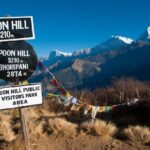
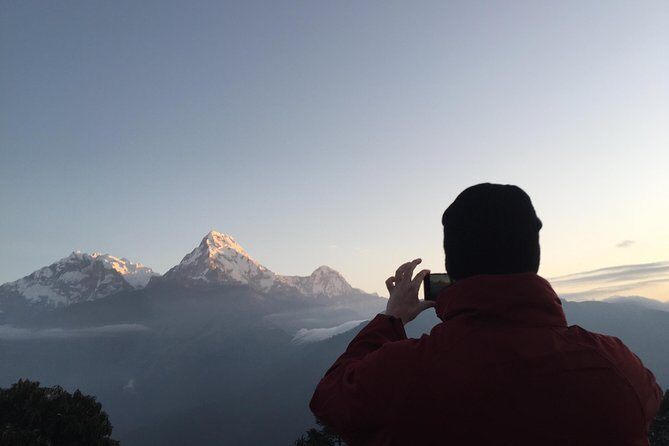
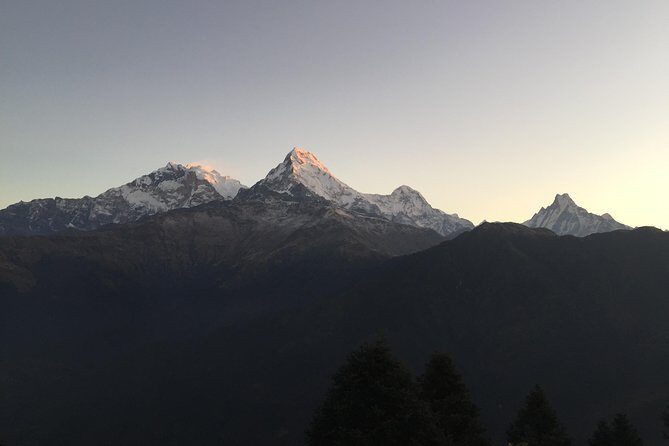
- Sunrise at the core of the experience: Poon Hill is the main event, with panoramic views in time for dawn.
- Gear support for lighter packing: Sleeping bag and duffel bag are provided.
- Solid “on the ground” guidance: Feedback highlights guides like BK, Shiva, Bikram, Sagar, and Sudip Shrestha for support and know-how.
- Weather can change everything: Poor weather can trigger a different date or a full refund.
Pokhara pickup, private transport, and the smooth start you want
Starting from Pokhara is one of the biggest conveniences here. You’re not spending half your trip wrestling with logistics before the first scenic step. Pickup is offered, and you’ll have private transportation as part of the package, which matters because the trek starts quickly and doesn’t leave much room for delays.
You’ll also get a mobile ticket, which sounds small until you’re trying to coordinate schedules in a busy city. It’s one less thing to print or chase down at the last minute. Add in “all fees and taxes” being covered, and the trip tends to feel more like a guided service than a DIY scramble.
Value note: the price isn’t just paying for a route on a map. It’s paying for the whole “get you there, feed you, house you, and keep you moving” workflow that short treks depend on. When you only have three days, that kind of support is worth real money.
You can also read our reviews of more hiking tours in Pokhara
Why this 3-day Poon Hill trek hits the sweet spot
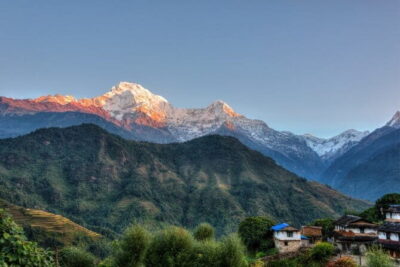
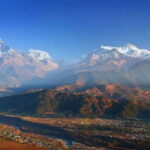
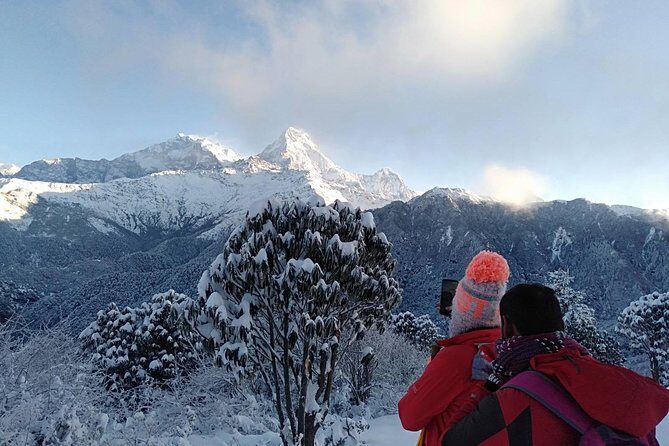
Poon Hill is famous for sunrise views of the Annapurna region, and this trek is designed to get you there fast. Over three days, you’ll hike through rhododendron forests, rural villages, and rice fields—so you don’t just do a single viewpoint and call it a day. You get a proper Himalayan teahouse rhythm without committing to a longer trek.
What I like about the “moderate” approach is that it’s aimed at hikers with experience, but it doesn’t promise a grueling, high-altitude slog. The trek is described as not rising too high in altitude, and that helps keep the experience more about enjoyment and scenery than nonstop altitude management.
Possible drawback to plan for: it’s still trekking. Even if altitude stays lower, your legs will feel the climbs, especially with an early morning for sunrise. If you’re coming straight from sea level with limited hiking practice, you’ll want to take the conditioning seriously before you go.
The trek experience: what each day feels like (without the stress)
This is a private three-day trek centered on reaching Poon Hill and enjoying the sunrise viewpoint. The exact stop-by-stop geography isn’t something you need to obsess over beforehand, because the overall flow is clear: you move from Pokhara into the trekking area, spend nights in teahouses, and build toward dawn views.
Day 1 is the “settle in and start climbing” day. You’ll begin the hike and spend your first night in a teahouse. This is where you’ll notice the character of the route: forests (often rhododendron), then slower village sections where daily life feels close to the trail. It’s a good day for your guide to adjust pacing and answer questions as you go.
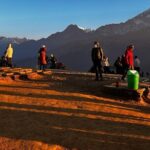
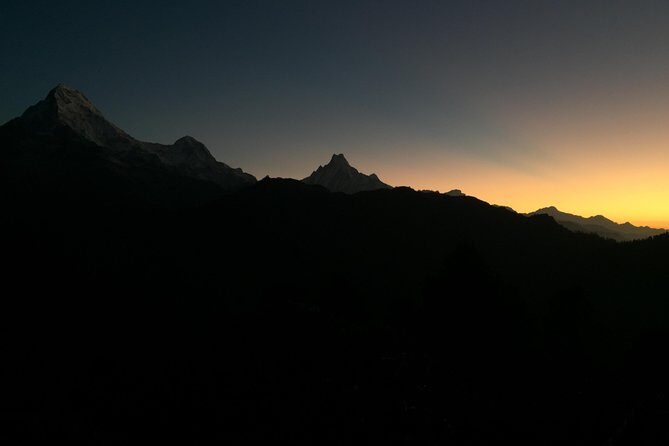
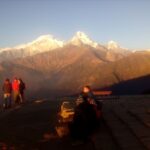
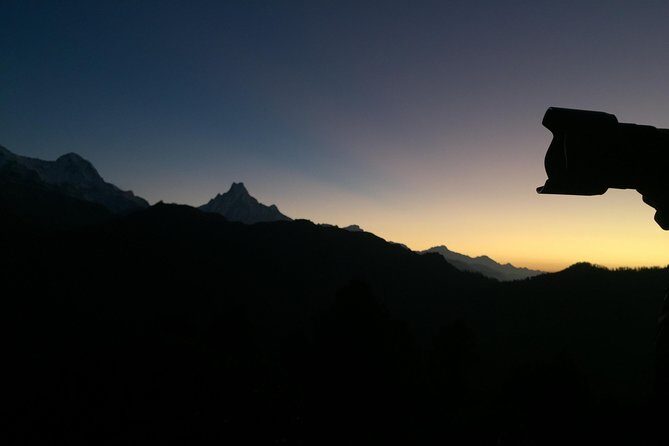
Day 2 is the early one—sunrise is the reason you do this trek at all. You’ll hike to the Poon Hill lookout in time for dawn panoramic views. After that, you’ll continue trekking through the village-and-field scenery and end the day back at a teahouse for dinner and rest.
Day 3 is the “finish and return” day. You’ll wrap up the trek and shift back toward Pokhara, keeping things simple for a short itinerary. This is the day when you’ll be most grateful you didn’t have to carry everything: a sleeping bag is provided, and the duffel bag support helps keep your pack manageable.
Quick comfort reality check: mornings can be cold, and tea houses can be rustic. The included sleeping bag helps a lot, but you’ll still want layers and a realistic attitude toward basic mountain comfort.
Teahouse life: what’s included, what you’ll buy, and what to expect
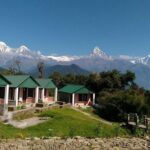
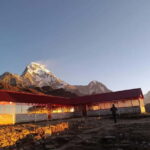
The practical charm of this trek is how much of the daily grind is handled for you. You get tea house accommodation on twin sharing, plus meals: breakfast, lunch, and dinner. That removes a huge chunk of decision-making, especially if you’re not used to trekking in Nepal.
The package also includes a first aid kit, which is reassuring on a route where minor issues can become big if you’re unprepared. And because it’s a private trek, your guide can tailor stops—meaning you’re less likely to get stuck waiting on a slow pace or rushed by someone else’s timeline.
What isn’t included is also worth noting:
- Snacks aren’t included
- Bottled water isn’t included
- Alcoholic beverages aren’t included
- WiFi and battery charging aren’t included
- The porter is not included
That last point is the one I’d circle in your planning notes. A porter can make a short trek feel dramatically easier, especially if you’re carrying camera gear, extra layers, or you’re simply not a fan of bulky packs. If you want that comfort, you’ll likely need to arrange a porter separately.
Guides and service quality: the human part that makes a short trek work
In a short trek, your guide isn’t just a map-holder. They’re your pace coach, translator of local choices, and the person keeping the day on track. The feedback you see around this trek repeatedly points to experienced, helpful guides—names that come up include BK, Shiva, Bikram, Sagar, and Sudip Shrestha.
Here’s what that support usually looks like on the ground (and why it matters to you):
- You don’t waste time figuring out what you need mid-trip
- You get help arranging the small stuff—things you might otherwise scramble for in Pokhara
- You’ll be steered to good places to eat and take breaks
- Your route pacing is more likely to match your group
One review detail that I’d treat as a hint for your expectations: even trekkers in their seventies described feeling comfortable with the service and support around them. That suggests the guiding style is practical and attentive rather than “press on no matter what.” For a three-day trek, that kind of calm efficiency is exactly what you want.
Also worth mentioning: porters get credit in the feedback too—strong, humble, and attentive. Even if a porter isn’t included, the service culture around the trek appears to be solid.
A few more Pokhara tours and experiences worth a look
Price and value: is $410 really fair for three days?
At $410 per person, you’re paying for a private guided teahouse trek with real inclusions, not just “good luck out there.” What you get matters:
Included items that reduce your costs and hassle:
- Pickup and private transportation
- All fees and taxes
- Tea house accommodation (twin sharing)
- Breakfast, lunch, and dinner
- Sleeping bag and duffel bag
- First aid kit
What you still need to budget for:
- Porter (not included)
- Bottled water and snacks
- Alcohol
- Tips (not included)
- WiFi and battery charging (not included)
- Personal expenses
So the value question comes down to this: do you want a guided service that handles most of your logistics? If yes, $410 can make sense because a short trek becomes expensive fast when you start paying for everything separately (guide, transport, lodging, meals, gear rentals).
If you’re a confident hiker with your own gear and you want to travel ultra-budget, you might find cheaper options elsewhere. But if you’d rather spend your energy on the mountains instead of spreadsheets, this package feels built for that.
Weather, visibility, and the honest truth about sunrise
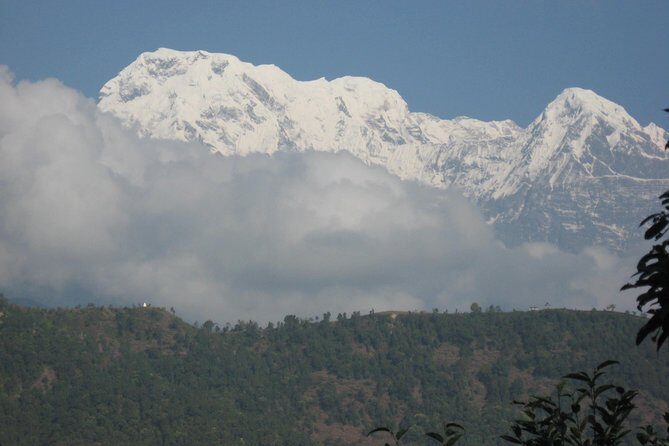
This trek requires good weather. That’s not just a legal line—it’s the difference between a crisp view and a cloudy one at the viewpoint. If the skies don’t cooperate, the policy is straightforward: you’ll be offered a different date or a full refund.
For your planning, here’s the practical mindset: sunrise is the main event, but you’re hiking in mountain conditions where clouds happen. You can still get a memorable trek even with less-than-perfect visibility because you’ll be surrounded by forests, villages, and the gradual rhythm of the trail. Still, if your goal is clear, dramatic views, build flexibility into your travel schedule.
Altitude is described as not too high, which helps. But early mornings can still make you feel colder than you expect, especially if you tend to run warm. This is where your sleeping bag and layers matter more than bravado.
Packing and comfort tips that match what’s actually provided
Because sleeping bag and duffel bag are included, you can pack lighter than you might for a DIY trek. You’ll still want to bring the basics that aren’t covered:
- A warm layer for early morning at the viewpoint
- A rain layer (weather changes quickly in the mountains)
- Good hiking shoes or boots with decent grip
- Any personal items you’re used to (meds, basic toiletries)
- A plan for water needs, since bottled water isn’t included
Food is included as meals, but snacks are not. If you like something between meals, bring a few of your favorites. And if you rely on battery charging, remember WiFi/battery charge isn’t included—so bring a power strategy you trust.
Small tip: keep your day-to-day items easy to access. You’ll be moving in and out of tea houses and out to viewpoint hours, and the less you wrestle with your bag, the better your mornings feel.
Who should book this trek (and who should rethink it)
This trek is a strong match if you:
- Want a classic Himalayan teahouse trek but don’t have many days
- Have moderate hiking fitness and at least some trekking experience
- Prefer private guiding and a bit of customization
- Like sunrise viewpoints and want the “big moment” without a week-long commitment
You might rethink it if you:
- Want a very budget, self-guided style trip
- Strongly dislike early starts (sunrise means early)
- Don’t want to carry anything extra and also don’t want to arrange a porter (porter isn’t included)
If you’re traveling with friends or a partner, private treks tend to work well because pacing can be matched to your group rather than forced by a crowd.
Should you book this Poon Hill trek from Pokhara?
I’d book it if you want a smooth, guided three-day Himalayan experience that doesn’t ask you to plan every meal, bed, and climb. The included meals, teahouse lodging, and sleeping bag support make a short trek feel doable, even if you’re not a full-on long-distance trek person.
I’d also book it if you’re the type who values a good guide. Names like BK, Shiva, Bikram, Sagar, and Sudip Shrestha show up for a reason: people trust them to keep the trek comfortable and organized.
The only real reason to pause is the add-ons you still need to handle—especially porter and water/snacks. If you’re okay planning for those, this is a practical way to get to the Himalayan viewpoint you came for in just three days.
FAQ
How long is the 3-day Poon Hill trek?
It’s listed as 3 days (approx.).
Where does the trek start?
The trek starts from Pokhara.
Is this a private tour or a shared trek?
It’s a private tour/activity, so only your group participates.
What’s included in the price?
The included items are breakfast, lunch, and dinner, tea house accommodation on twin sharing, private transportation, all fees and taxes, sleeping bag and duffel bag, and a first aid kit.
Are meals included every day?
Yes. The tour includes breakfast, lunch, and dinner.
Do I need to bring a sleeping bag?
No. Sleeping bag and duffel bag are provided for your convenience.
Is pickup included from Pokhara?
Pickup is offered, and private transportation is included.
Is a porter included?
No. Porter is not included.
Is WiFi or battery charging included?
No. WiFi and battery charge are not included.
What if the weather is bad?
This experience requires good weather. If it’s canceled due to poor weather, you’ll be offered a different date or a full refund.