REVIEW · KATHMANDU
Millennium Homestay Trek
Book on Viator →Operated by Swotah Travel and Adventure Pvt. Ltd. · Bookable on Viator
A cave trek into real Nepal takes planning. This 13-day Millennium Homestay Trek trades postcard routes for walking through 30+ local villages and sleeping with Nepali host families, then adds a standout day at Millennium Cave with waterfall scenery.
What I really like is how direct the cultural time feels: you’re not just watching from the edge. You’ll spend evenings with community activities like shaman performances and prayers, and you’ll eat the food families actually serve. The only caution: with trekking days that can run 5–10 hours and long road transfers (up to about 7–8 hours), you’ll want decent stamina and a flexible attitude toward pace and day-to-day meals.
In This Review
- Key moments that make this trek worth it
- Why the Millennium Homestay Trek feels different
- Kathmandu warm-up: Durbar Square and Swayambhu without jet lag chaos
- The drive to Pokhara: a long transfer that actually sets you up
- Khairenitar to Bankewa: the first homestay welcome
- Gurunghe Hill day: long walks, steep bits, and mixed-ethnic culture
- Surdaudi river and PyuriDobhan: easy walking mixed with sacred meaning
- Millennium Cave day: a hard walk rewarded by viewpoints
- Rangrung and Newari nights: village walking and traditional food
- Tibetan camp and Pokhara’s return: cultural shift, then lakeside time
- Kathmandu again: transfers that end cleanly
- Price and value: what $1,500 buys in real experiences
- Guides, pace, and the small details that affect your day
- Who should book this trek (and who might think twice)
- Should you book the Millennium Homestay Trek?
- FAQ
- Where does the tour start?
- How long is the Millennium Homestay Trek?
- What group size should I expect?
- Is pickup offered?
- What cultural stops are included in Kathmandu?
- How do you get from Kathmandu to Pokhara?
- What’s the main trek highlight mentioned in the route?
- Is the trek altitude demanding?
- What if weather is bad?
Key moments that make this trek worth it
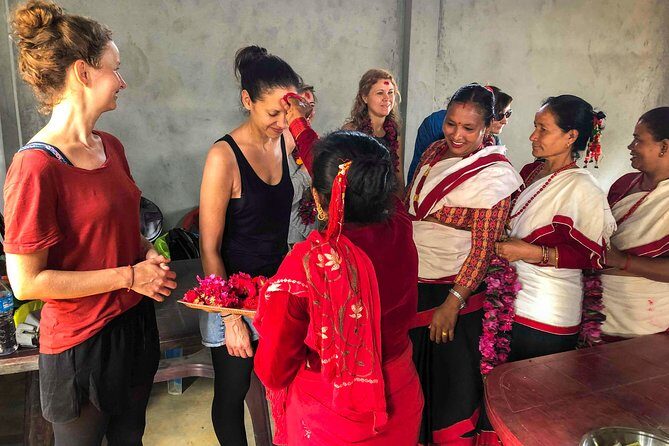
- Homestays with host families and only authentic Nepali home cooking
- Millennium Cave time on the walking route to the higher viewpoints
- 30+ colorful villages across multiple ethnic communities in a smaller area
- Small group size (max 10), so guides can actually manage the pace
- Cultural evenings like shaman show and evening prayers
- A Tibetan camp visit focused on refugee community life
Why the Millennium Homestay Trek feels different
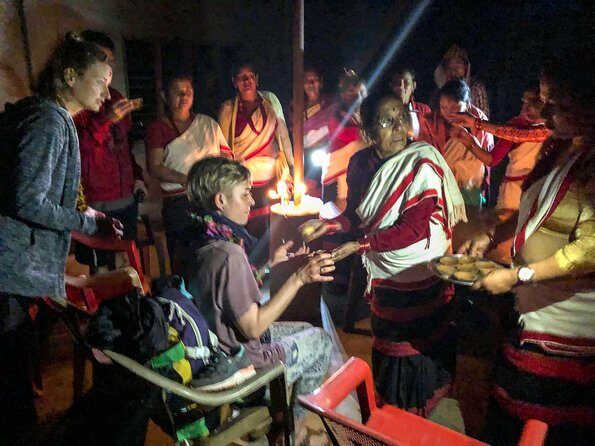
Most Nepal treks feel built for photos. This one feels built for people.
Instead of chasing big-name crowds, you move through hill villages and spend nights where daily life keeps going. The promise here is simple: you get real homestay interactions and local cuisine instead of a constant parade of tourist restaurants. One review-backed advantage I’m glad to see is that the pace can be adjusted even for families with kids, which tells me this route can be handled with the right guide and expectations.
The trade-off is that you’re signing up for “more living, less comfort.” Rooms can be clean and private, but it is still rural Nepal. And because the plan is built around home-style meals, don’t be shocked if some days taste similar.
You can also read our reviews of more hiking tours in Kathmandu
Kathmandu warm-up: Durbar Square and Swayambhu without jet lag chaos
Your trip starts at Tribhuvan International Airport with a 6:15 am meet. You’ll be transferred to your hotel, then the first evening is about getting your bearings. That small, calm setup matters because trekking starts soon after, and Kathmandu traffic can eat your energy.
Then you shift into two big cultural hits.
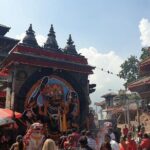
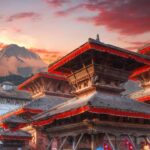
Kathmandu Durbar Square gives you the old-city feeling fast. Even if you’re not a sightseeing person, it’s the kind of place that helps you understand why Nepal’s heritage is woven into daily streets.
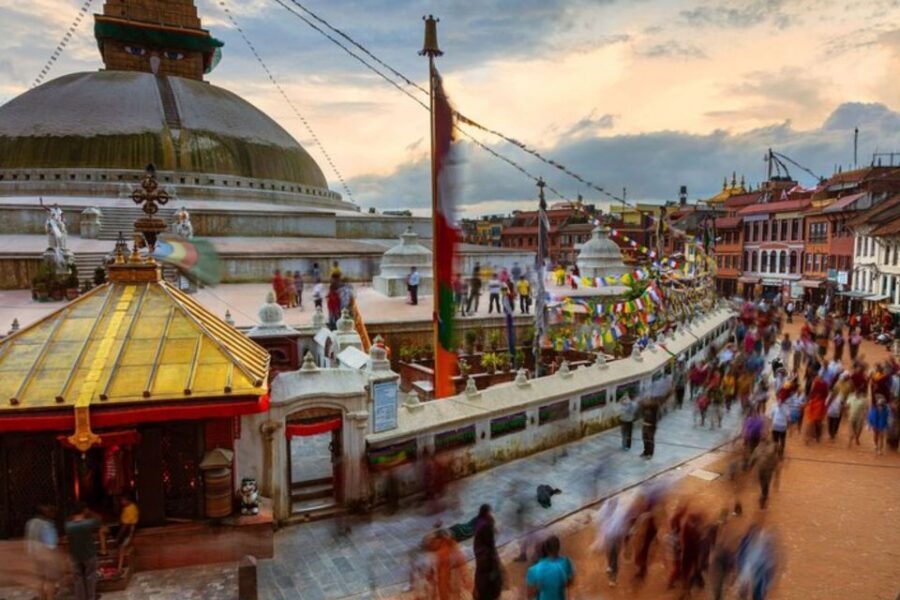
Swayambhu Mahachaitya (Swayambhunath) is another level. The plan places it as a full-day style stop, which usually means you have time to wander and adjust to crowds. This also helps you learn the city rhythm before you leave it.
Practical note: your schedule is full on paper, so wear shoes you can handle on uneven stone. You’ll thank yourself later.
The drive to Pokhara: a long transfer that actually sets you up
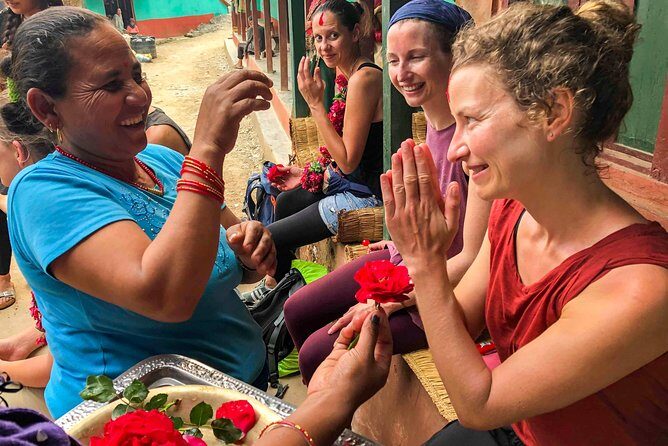
After breakfast, you take an approx. 6–7 hour drive from Kathmandu to Pokhara. The route passes countryside villages and the Trishuli river, so it doesn’t feel like a straight transfer with nothing to look at.
Once you arrive, you’re not thrown immediately onto the trail. You get an evening by the lake and time to prep for trekking tomorrow. That downtime is more valuable than it sounds. When trekkers rush the first night, they’re the ones who feel off on day two.
Also, Pokhara is where you’ll later return after the trek. So using that first arrival time to reset your body makes the later end feel smoother.
Khairenitar to Bankewa: the first homestay welcome
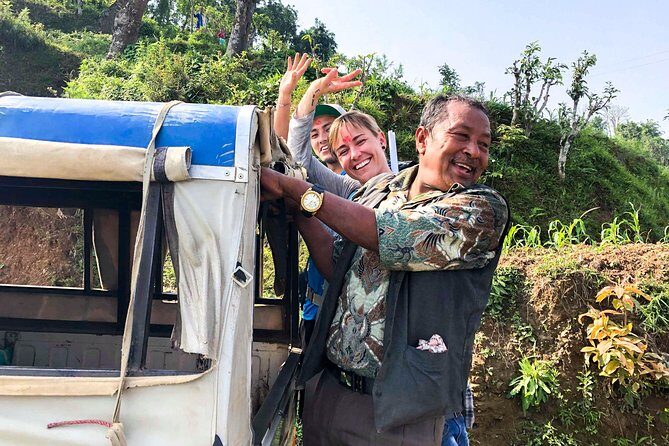
The trekking proper starts around Khairenitar Bazar. You’ll travel a short distance (about 28 km) by bus or car depending on group size, then begin walking toward Bankewa, where you spend the first night with a host family.
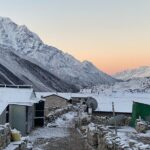
This is where you start learning what the trek is actually about. The value isn’t only scenery. It’s the moment you step into village routine: greetings, shared space, and a sense that you’re part of someone else’s day for a while.
You also get a welcome program arranged by the community. That kind of planned reception helps reduce the awkwardness that can happen on homestay trips. And it sets the tone for direct interaction, not just observation.
Gurunghe Hill day: long walks, steep bits, and mixed-ethnic culture
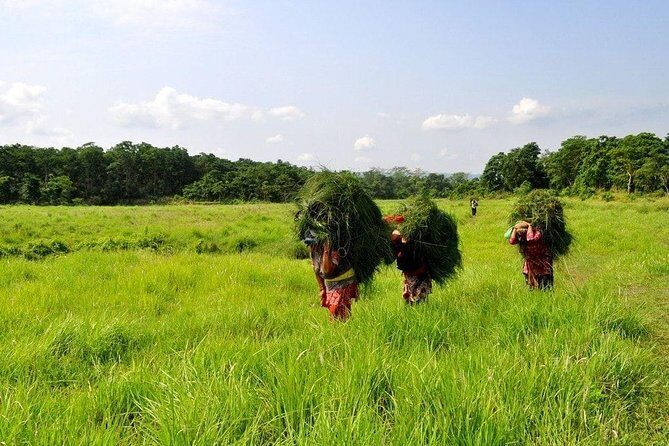
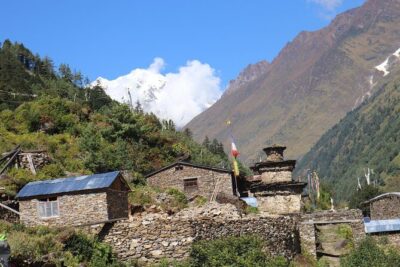
One day focuses on a climb through village trails, with a start that includes a local breakfast, then trekking that crosses small settlements. You’ll pass through areas tied to major ethnic groups, and you’ll get a sense of how communities live at different elevations.
You’ll come across Gurung village of Lamagaon, then after lunch head down toward Gharedi, described as one of the larger villages in the region. That down-and-up rhythm is common on this kind of lower-altitude trek, and it’s part of why it can be more accessible than the big base-camp routes.
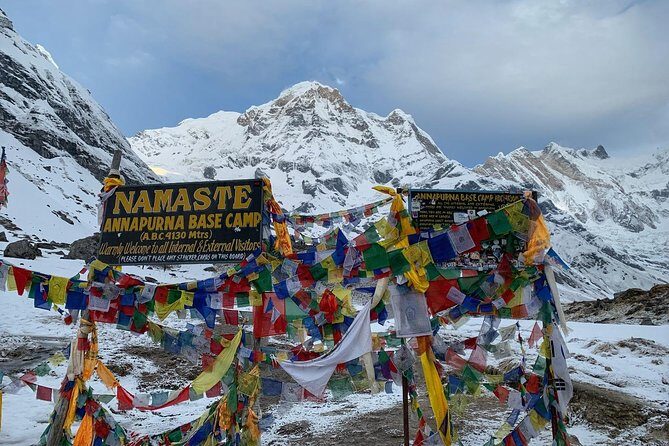
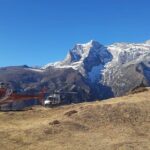
A review-based point I found encouraging: people reported the trekking stays comparatively lower than routes like Annapurna or Everest base camps, with some noting it doesn’t go above about 6,500 ft. That doesn’t remove effort, but it often reduces altitude stress for many visitors.
Still, “lower altitude” doesn’t mean “easy.” You’ll be walking for hours. Bring a steady pace mindset.
Surdaudi river and PyuriDobhan: easy walking mixed with sacred meaning
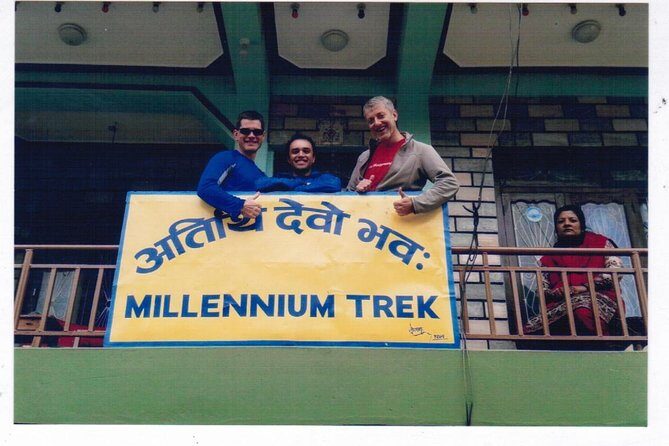
Another day shifts into flatter or easier walking segments and includes river time. You’ll cross bridges and walk along the Surdaudi river area, then later head toward PyuriDobhan, described as a holy place where three sacred rivers meet.
This kind of stop is the heart of what makes a homestay trek feel different from a standard hiking itinerary. Sacred sites in Nepal aren’t museum pieces. People use them. They pray there. It’s part of daily belief.
The plan also includes a cultural evening: a shaman show plus evening prayers. If you’re curious about local spiritual life, this is a far more personal encounter than a church or temple visit where you just look and leave.
Possible drawback: because these days are built around community life, your meal variety can be limited. One review mentioned the meals felt repetitive. You can soften that by going in expecting home-style cooking and focusing on the relationships more than menu variety.
Millennium Cave day: a hard walk rewarded by viewpoints
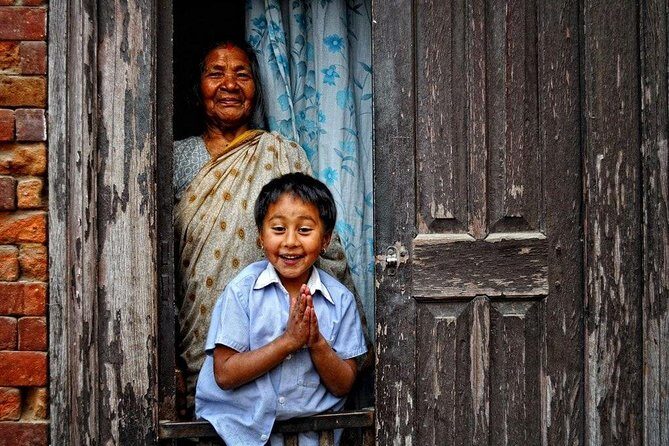
This is one of the biggest drawcards. You head downhill to the route toward Millennium Cave, then spend time inside a cave with waterfalls before continuing upward toward Kalkhu village and finally to Kolma village for the night.
The day is described as a hard walk up. That’s the kind of statement that should set your expectations correctly. You don’t want to treat this as a casual stroll day.
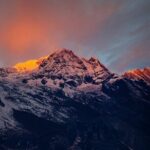
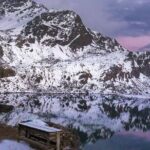
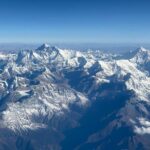
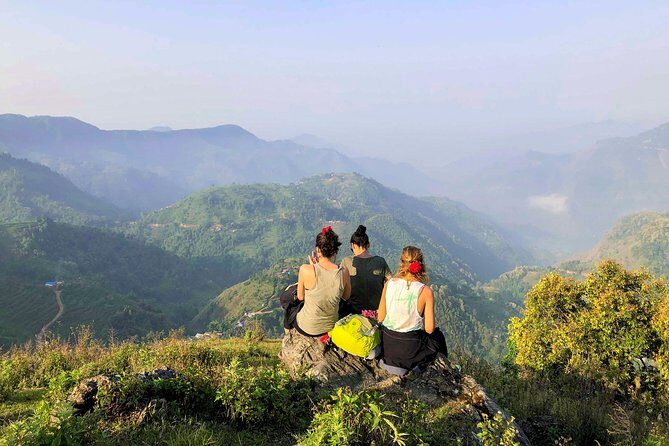
But once you reach the top viewpoints, the reward is the big-sky feeling over the Himalaya. The cave part also breaks up the hiking monotony. It turns a walking day into a story you remember.
A smart practical approach: take breaks early, not late. If you wait until you’re exhausted, you’ll lose your headspace. If you rest on schedule, you’ll enjoy the cave more.
Rangrung and Newari nights: village walking and traditional food
After breakfast, you head toward Rangrung, passing smaller settlements and getting more of that everyday village rhythm. The plan includes time walking, plus returning to the Rangrung area and observing places like ThuloHattiya.
You’ll spend a night in the center of Newari village with locals. That matters because Newari culture is its own world within Nepal. Even if you only catch glimpses, staying among the people—not in a separate hotel bubble—helps you see cultural details in how homes and routines work.
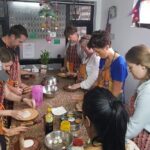
Also, the plan calls out traditional cuisines with trekking time tied to local life. For me, that’s the best way to enjoy food here: you don’t just taste it, you understand where it fits in the day.
Tibetan camp and Pokhara’s return: cultural shift, then lakeside time
A later trekking day brings you down toward the Kyangdi River, then through Lalim village and into a Tibetan camp. The plan notes that Tibetans settled there as refugees after the Chinese invasion of Tibet, and that this camp is one of five such camps in Nepal.
This part isn’t about watching people from a distance. It’s about observing community life as it exists now, and learning how refugee communities build their own routines, traditions, and social fabric.
After that, you cross the Seti gorge, see the popular rock garden, then take a bus or jeep to Pokhara. The good thing about this day is that you’re no longer fighting the clock with more trekking. It’s a slower win, and you’ll likely feel relief.
In Pokhara, you get sightseeing time, plus the classic lakeside vibe. The plan also mentions late nightlife around the lake area. Keep it light if your legs are tired. Even one calm evening can do more for recovery than a crowded tour.
Kathmandu again: transfers that end cleanly
On the way back to Kathmandu, you take a deluxe coach or jeep (group size dependent). The drive takes about 7–8 hours, passing the Trishuli river again and the same kinds of villages you saw on the outbound leg.
When you land back in Kathmandu, your representative meets you at the hotel and handles airport transfer based on your flight schedule. The trip ends with a farewell moment like quick coffee or a farewell lunch plus time for souvenir shopping.
That last piece matters because trekking trips sometimes end abruptly. Here, you get a little closure before you join the airport chaos.
Price and value: what $1,500 buys in real experiences
At $1,500 per person for roughly 13 days, you’re not paying for a basic hike. You’re paying for logistics that rural routes require, and for the human side of the trip that costs real time.
Here’s what stands out as value in the plan:
- Pickup and transfers between Kathmandu, Pokhara, and trekking start/finish points
- Admissions included for multiple key stops around Kathmandu
- Homestay arrangement (the main product), meaning you’re sleeping in local homes rather than standardized trekking lodges
- Small-group handling with a maximum of 10 people, which helps guides keep the pace realistic
- Cultural programming like shaman show and prayers, plus community welcome moments
Compared with treks that only sell views, this one spends money on relationships. That’s the main justification for the price.
Is it a bargain? Only if you actually want what makes it different. If you just want big mountains and a check-the-box adventure, you might prefer a more standard route. If you want daily life in villages, this price starts making sense.
Guides, pace, and the small details that affect your day
A big part of why this trek seems to work for so many different people is the guidance. Reviews mention guides such as Rajkumar, Kumar, and Chandra, plus support teams like Temba, Tek, and others. One review also called out Maila as part of the experience.
What I’d take from that for your planning: the trek can feel supportive and not like a self-guided scramble. English-speaking guidance is mentioned in some accounts, and people appreciated guides who shared mountains and scenery in Pokhara too.
Pace is another key. At least one review mentioned the itinerary was adapted for children as young as 5. That doesn’t mean it will be that slow for everyone, but it does suggest the operator understands varying fitness levels.
Who should book this trek (and who might think twice)
This trek is a great fit if you want:
- Homestay culture as the main event, not a side activity
- Village-to-village walking with community evenings and local food
- A route that stays comparatively lower than big base-camp treks (some accounts cite around 6,500 ft)
You might think twice if you:
- Want a lot of private bathroom comfort and hotel routines
- Get annoyed when meals feel similar day after day
- Don’t want long road days (the plan includes long drives in both directions)
Should you book the Millennium Homestay Trek?
If your goal is to see Nepal through people, this is a strong choice. You’ll spend nights with host families, walk through communities tied to multiple ethnic groups, and get Millennium Cave as a memorable break from pure trekking time.
My “book it” checklist is simple:
- You’re excited by village life and cultural evenings.
- You can handle repeated walking days and big transfers.
- You’re okay with home-style food rhythms over restaurant variety.
If that sounds like your kind of trip, the Millennium Homestay Trek is the sort of experience you remember long after the photos fade.
FAQ
Where does the tour start?
It starts at Tribhuvan Airport, Kathmandu, Nepal, with a 6:15 am start time. You’ll then be transferred to your hotel.
How long is the Millennium Homestay Trek?
The trip is listed as about 13 days.
What group size should I expect?
The tour has a maximum of 10 travelers.
Is pickup offered?
Yes, pickup is offered.
What cultural stops are included in Kathmandu?
You visit Kathmandu Durbar Square and Swoyambhu Mahachaitya, and the plan includes admission tickets for these stops.
How do you get from Kathmandu to Pokhara?
You take an approximate 6–7 hour drive along the highway from Kathmandu to Pokhara.
What’s the main trek highlight mentioned in the route?
A key highlight is visiting Millennium Cave, described as a cave with waterfalls, plus spending time in surrounding villages.
Is the trek altitude demanding?
The plan says most travelers can participate, and one set of accounts notes the trek does not go higher than about 6,500 ft and is lower than Annapurna or Everest base camp treks.
What if weather is bad?
This experience requires good weather. If it’s canceled due to poor weather, you’ll be offered a different date or a full refund.