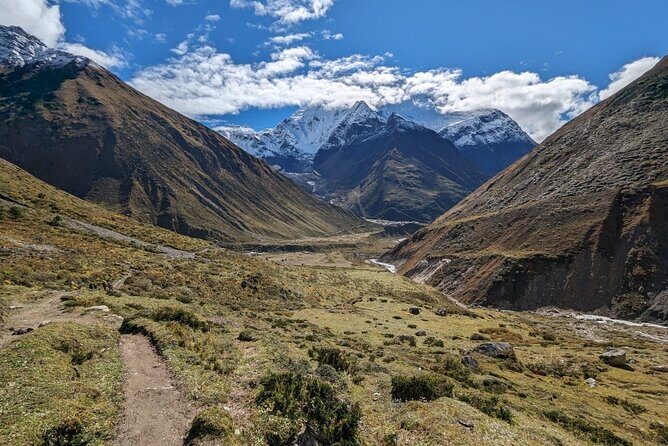
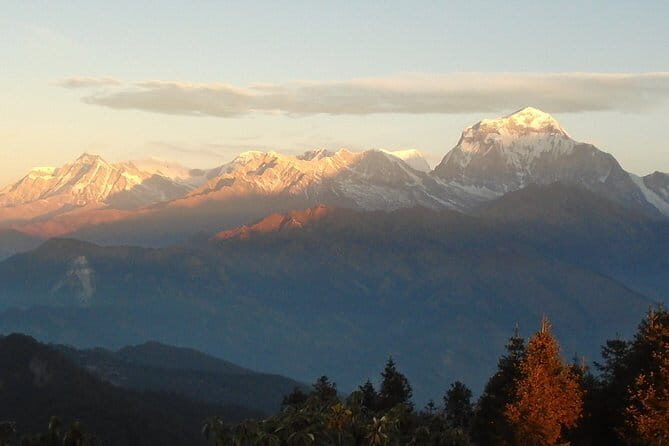
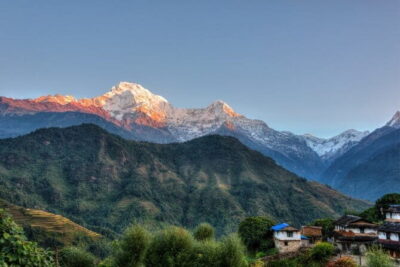
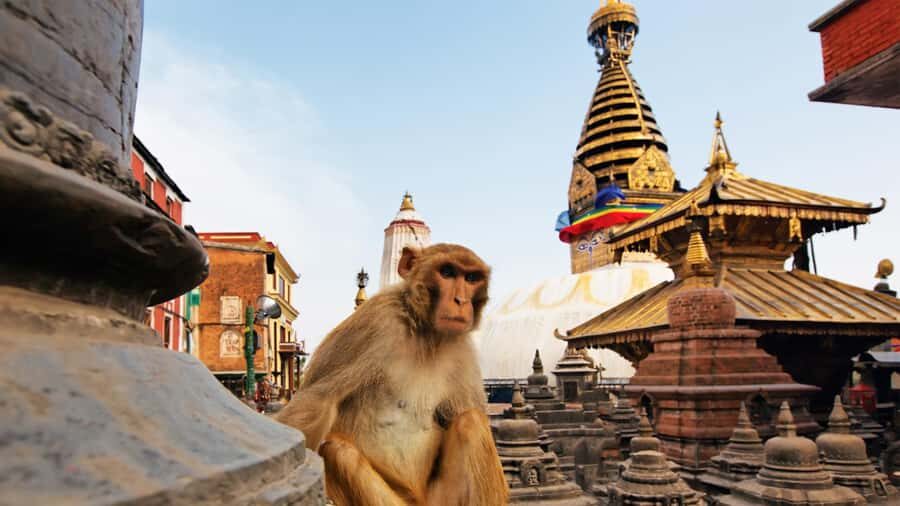
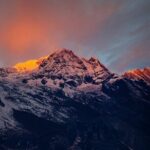
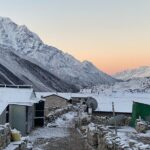
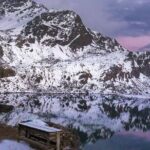
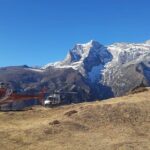
Manaslu hits different: fewer crowds, big views. This Manaslu Circuit route follows the Budhi Gandaki river through Tibetan-influenced villages, with suspension bridges, cliffside paths, and that rare off-the-main-trail feeling.
I love the built-in calm of walking with a government-licensed guide in a small group (up to 12). You also get tea house lodging and three meals a day on trek, so you’re not stuck juggling food and logistics at the end of each day.
The trade-off is effort. You’ll tackle long climbs and a slow-going pass day toward Larkya La, and you should be ready for Samdo’s strong winds—pack warm layers and keep a steady pace.
In This Review
- Key things that make this trek worth your time
- Manaslu Circuit: the off-beat Himalaya feel you’re looking for
- Price and what $1,499 covers in real-world value
- From Kathmandu to Machha Khola: a practical kickoff day
- Early trail days: rivers, bridges, and cliff paths that keep you alert
- Namrung to Lho: waterfalls, forests, and a steady move toward Manaslu
- Lho, Samagaon, and the Tibetan trading-post vibe
- Samdo: glacier remnants, strong wind, and slow admiration
- Larkya La pass day and the big descent to Bimthang
- Back down to Besishar: transport days that actually matter
- Lodging, meals, and borrowed gear: how to pack smart
- Who this Manaslu trek fits best (and who might struggle)
- Should you book this Manaslu Circuit trekking experience?
- FAQ
- Where does the trek start and end?
- How long is the Manaslu Circuit trek?
- What’s included during the trek itself?
- Do I need to arrange permits or meals?
- Can I travel by Jeep instead of bus on the first transport day?
- What gear can be borrowed?
- Do I get travel and rescue insurance included?
- What happens if my schedule requires extra hotel nights in Kathmandu or Pokhara?
- FAQ
- Can I change the booking or get a refund if I cancel?
Key things that make this trek worth your time
- Small-group pace (max 12) with a licensed guide to keep you on route and moving safely
- Permits and overland transport included, which saves time and planning stress
- Tea-house trekking with 3 meals daily on the trail, so your day-to-day rhythm stays simple
- High-pass payoff at Larkya La, followed by a long, scenic descent
- Gear lending available (down jacket, sleeping bag if needed, plus hiking poles) for lighter packing
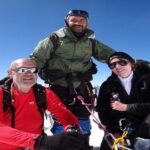
- Guides praised by name in past trips, including Raman, Raj, Suresh, Santosh, and CK Gurung
Manaslu Circuit: the off-beat Himalaya feel you’re looking for
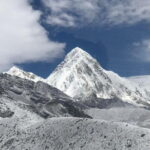
If you’re tired of the loud, crowded trek circuit vibe, the Manaslu Circuit is a strong counterpoint. Here, the route threads through working villages and river valleys where life still feels close to the trail.
You’ll spend days surrounded by the Budhi Gandaki River, so the scenery stays grounded in real geography, not just views from afar. And culturally, the trek carries that Tibetan-influenced feel—especially once you reach places like Samagaon and Samdo.
What I like most is how the walking itself keeps you engaged. The trail rhythm flips between steep pushes, careful bridge crossings, and calmer stretches where you can look around and notice details.
You can also read our reviews of more hiking tours in Kathmandu
Price and what $1,499 covers in real-world value
At $1,499 per person, this trek isn’t just buying a route. You’re paying for a lot of the “stuff that adds up” in Nepal trekking.
Included items you’ll feel on the trip:
- Hotel in Kathmandu at the start (and you return to a hotel at the end)
- Tea-house accommodation while trekking
- Three meals a day during the trek
- All required permits
- Overland transport segments (plus public bus tickets where listed)
- A government-licensed guide, first-aid kit, and government service/taxes
- Down jacket and sleeping bag if needed, with hiking poles available to borrow
Not included (the common budget surprises):
- Travel and rescue insurance
- Personal expenses like phone calls, laundry, bar bills, bottled/boiled water, and extra porters
- Extra hotel nights in Kathmandu/Pokhara if your timing forces it
So for the price, you’re mostly covered for the essentials that keep trekkers on track: permits, meals, lodging, guide, and core transport. Then you only budget for personal spending and insurance.
From Kathmandu to Machha Khola: a practical kickoff day
You start in Kathmandu and travel out toward Machha Khola, taking either a public bus or a Jeep depending on your preference (Jeep costs extra). The road follows the Kathmandu valley northwest, with the kind of uneven construction delays you should expect on mountain highways.
This matters because it sets your mindset for the trek. Instead of immediately suffering, you ease into it with a real travel day, then wake up ready to hike.
Once you reach the Machha Khola area, you’re positioned to start walking in the Budhi Gandaki region and build momentum day by day.
Early trail days: rivers, bridges, and cliff paths that keep you alert
Days 2 and 3 are the “wake up your legs” phase, but they’re also genuinely fun if you like variety.
Day 2 starts with breakfast and a walk into Khorlabesi, where coffee grows right in the village. It’s a neat reminder that you’re not just trekking through scenery—you’re moving through places that produce real things.
From there, the valley narrows and the trail climbs and contours above the river. You’ll pass Dovan, gain dramatic Budhi Gandaki views near Yaruphant, and walk a cliff-hugging walkway. You end the day in Jagat, crossing a final suspension bridge into the check-post village feel.
Day 3 continues with a long suspension bridge and an exposed descent toward river level. That exposed section is the kind of spot where a guide earns their keep—slow steps, good pacing, and no rushing.
You pass Saleri (with a glimpse of a traditional tea house), then climb toward Siridibas and Philim. The trail takes altitude up and down again before you reach what’s described as Nepal’s longest suspension bridge. After crossing, you start a steep path to Deng.
If you tend to get anxious on narrow, exposed parts, this is where the guided structure pays off most.
Namrung to Lho: waterfalls, forests, and a steady move toward Manaslu
Day 4 brings more river gorge walking and waterfalls before you reach Ekle Bhatti. Then you steeply descend to a short suspension bridge crossing the Budhi Gandaki, which pulls you closer to the Manaslu zone.
A final push includes a village archway, and you arrive at Namrung after additional bridge crossings over tributaries. This is one of those days where the route feels like it’s stitching together the region—bridge after bridge, trail after trail, always with the river nearby.
Day 5 starts with an early checkout and a climb toward Bihi Phedi, then a careful passage through a section destroyed by landslide. When you’re moving through terrain like this, you don’t want to “guess.” You want someone who knows the safest way to proceed.
After that, the trail steadies into forests of blue pine, oak, and rhododendron, with two more river crossings. You’ll work hard uphill, then descend into Lho—the kind of arrival that feels like reward after effort.
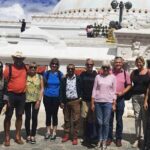
Lho, Samagaon, and the Tibetan trading-post vibe
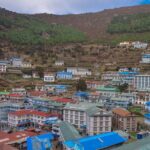
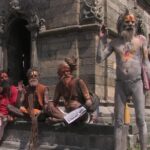
Day 6 is special because the views and culture sharpen. You’ll pass Lihi and then Sho, where you’ll see old traditional houses and locals still dressed in traditional clothes.
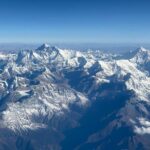
If the famous summit cloud isn’t covering things, you may get clear views of Manaslu’s twin peaks framed by millet fields around Lho. That kind of framed view is memorable even if you’ve trekked elsewhere.
From Lho, the route climbs through the village and moves into oak forests past Shyala. You stroll into Samagaon, described as an ancient Tibetan trading post with a centuries-old Gompa. This is a good contrast day: less rushing, more noticing.
Day 7 is a rest day at Samagaon. Rest days on high treks are not just convenience—they’re part of how you manage altitude and energy.
Samdo: glacier remnants, strong wind, and slow admiration
Day 8 is an easier walking day by comparison. You start with the remnants of the east Manaslu glacier moraine, then follow a largely flat trail alongside the smaller Budhi Gandaki.
You’ll cross a bridge, handle a short steep ascent, and reach a chorten that marks your arrival in Samdo. Samdo sits at a confluence of valleys, and it can get windy because of air flow from the Tibetan Plateau.
There’s an option for afternoon hikes if you have energy. I like this setup because it gives you flexibility: some days you’re ready for more, some days you’re happy just watching clouds move.
Day 9 brings you to Larke Phedi. This is a “get ready” stop before the pass day, where you focus on sleep, layers, and an early start mindset.
Larkya La pass day and the big descent to Bimthang
Day 10 is the highlight, and it’s also where you learn patience. You arrive at the base of the high pass and start a slow-going ascent to Larkya La.
Slow-going is the right word here because this is not about speed. It’s about controlled steps and steady breathing while the views open up around you.
After reaching the pass, you begin a long descent, arriving in Bimthang in the meadow area. The day is described as offering some of the most spectacular views of the trek, and that matches what people usually remember most: the combination of pass achievement and the sweep of the descent.
If you enjoy reward moments after effort, this is the day you should look forward to from the start.
Back down to Besishar: transport days that actually matter
Day 11 shifts gears away from trekking. After breakfast, you take a Jeep or bus ride (listed as 4–5 hours) from Dharapani to Besishar, where you spend your last night.
This matters because you’ll likely arrive tired and ready for real food and a solid bed. The transport option also lets you adapt—Jeep is usually faster and more direct in comfort terms, while bus can be a bit slower but simpler.
Day 12 is your final breakfast on the trail area, then transport back to Kathmandu, or to Pokhara if you prefer. You end with an overnight hotel.
Lodging, meals, and borrowed gear: how to pack smart
Throughout the trek you stay in tea houses. That means you’re not sleeping in tents the whole time, and your day ends with a predictable routine: walk, eat, rest, repeat.
Meals are provided as breakfast, lunch, and dinner while on trek. The tea-house setup keeps things practical, and it also helps you stay fueled for climbs.
Gear notes matter because this trek offers borrowing:
- Down jackets and sleeping bags can be borrowed if needed
- Hiking poles can be borrowed
So you don’t have to show up with every cold-weather item. Still, you should plan to bring layers suited for chilly mornings and windy conditions—especially with Samdo’s strong winds and the pass day cooler air.
One more practical note: bottled water, boiled water, and many personal items are listed as personal expenses. Build that into your budget so you’re not surprised mid-trek.
Who this Manaslu trek fits best (and who might struggle)
This trek is for people with strong physical fitness. You’re dealing with repeated climbs, long trekking days, and at least one demanding pass approach.
If you like:
- working up to big views slowly
- river-valley hiking with frequent bridge crossings
- villages that feel more lived-in than touristic
…then you’ll likely enjoy this a lot.
If you want mostly flat walking, or you’re not comfortable moving on exposed sections and suspension bridges, you might find it tougher than expected. Also plan for a steady pace rather than a fast one—reviews you’ll find elsewhere often praise guides for pacing and support, which is exactly what makes treks like this work.
Should you book this Manaslu Circuit trekking experience?
Yes, if you want a guided Manaslu Circuit trek that handles the big logistical pieces—permits, meals, tea-house beds, and transport—while still giving you days that feel real and remote.
I’d especially consider booking if:
- you prefer a smaller group (max 12) with a licensed guide
- you’d rather not manage permits and day-to-day travel logistics yourself
- you want the pass payoff at Larkya La plus Tibetan-influenced stops like Samagaon and Samdo
I’d think twice if you have limited stamina for long climbs, dislike exposed trail sections, or you’re not ready to plan around cold mornings and wind.
If you’re physically ready and you like the rhythm of tea-house trekking, this one looks like a strong match.
FAQ
Where does the trek start and end?
The trek starts at Adventure Bound Bahati Pokhari, Kathmandu 44600, Nepal. It ends back at the same meeting point.
How long is the Manaslu Circuit trek?
The tour duration is listed as 12 days (approximately).
What’s included during the trek itself?
Tea house accommodations are included during the trek, along with breakfast, lunch, and dinner each day on trek. Permits and a government-licensed guide are also included.
Do I need to arrange permits or meals?
No. All required permits are included, and three meals per day are provided while you’re trekking.
Can I travel by Jeep instead of bus on the first transport day?
You can choose between a local bus or a Jeep depending on your preference. If you choose the Jeep, there’s an additional cost.
What gear can be borrowed?
You can borrow a sleeping bag and down jackets if needed, and hiking poles can be borrowed.
Do I get travel and rescue insurance included?
No. Travel and rescue insurance is not included.
What happens if my schedule requires extra hotel nights in Kathmandu or Pokhara?
Extra night accommodation in Kathmandu and Pokhara is not included if you arrive early, depart late, or return early due to reasons outside the trek schedule.
FAQ
Can I change the booking or get a refund if I cancel?
No. This experience is non-refundable and cannot be changed for any reason. If you cancel or request an amendment, the amount you paid is not refunded.