REVIEW · KATHMANDU
Annapurna Luxury Circuit Trek
Book on Viator →Operated by Nepal Trek Adventure and Expedition P.Ltd · Bookable on Viator
Some treks feel like a checklist. This one feels smoother.
The Annapurna Luxury Circuit Trek mixes classic high-mountain drama—especially the Thorong La Pass crossing—with comfort perks like 4-star hotels in Kathmandu and Pokhara, plus a porter to take the weight off your shoulders. It’s also built around sensible pacing and altitude awareness, so the trip feels more controlled than most “do it fast” adventure tours.
I love how well this experience is set up from the start: airport pickup, clear planning, and a guide team (including Binod and Shiva in customer stories) that comes across as calm, organized, and safety-first. I also like that the route doesn’t just chase big views. You get real stops in traditional towns, plus a day in Manang to adjust to the altitude instead of forcing the pace.
One consideration: with luxury comes a higher price tag, and you still need moderate fitness for long days and thin-air altitude. Luxury doesn’t remove the mountain. It just makes the suffering… more civilized.
In This Review
- Key highlights I’d actually notice on the Annapurna Luxury Circuit Trek
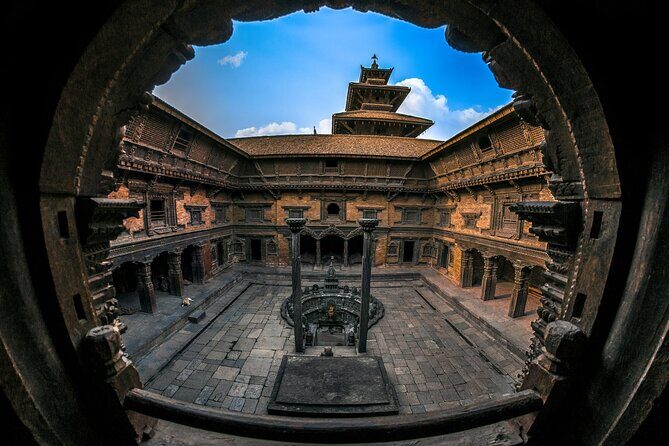
- Kathmandu to the Annapurna Trail: getting set up like an adult
- Luxury touches: what you get (and what you still do yourself)
- The road days: Kathmandu to Besisahar, then to Chame and beyond
- Upper Pisang and Manang: traditional towns with higher-altitude payoff
- Your altitude insurance policy: the acclimatization day in Manang
- Ladar, Thorong High Camp, and the grind to Thorong La
- Muktinath to Jomsom: temples, apple towns, and wind you’ll respect
- Flights back to comfort: Jomsom to Pokhara, then Pokhara to Kathmandu
- Is the $2,000 price tag worth it for this style of trek?
- Who should book the Annapurna Luxury Circuit Trek?
- Should you book this trek?
- FAQ
- Where do I meet on Day 1, and when does the trek start?
- How long is the Annapurna Luxury Circuit Trek?
- What’s the group size for this tour?
- Is pickup offered from the airport or in Kathmandu?
- Are porters included, and do they carry all your luggage?
- What lodging is included during the trek?
- Are flights used during the trip?
- Do I need travel insurance?
- What if I need to cancel?
Key highlights I’d actually notice on the Annapurna Luxury Circuit Trek
- Porter support for your luggage so you can focus on your boots, not your backpack weight
- 4-star hotel nights in Kathmandu and Pokhara, a real break after trekking days
- A built-in acclimatization day in Manang with optional learning time around altitude awareness
- Thorong La Pass at 5,416 m with dramatic downhill reward toward Muktinath
- Thru-rural culture stops like Chame, Upper Pisang, Ladar, and Muktinath’s spiritual sites
- Smart finishing flights (Jomsom to Pokhara, then Pokhara to Kathmandu) to reduce travel drag
Kathmandu to the Annapurna Trail: getting set up like an adult
Most Annapurna trips start with a scramble. This one starts with you being handled. On Day 1, an airport representative meets you outside the terminal (look for the Nepal Trek Adventures signboard) and guides you to your vehicle for the drive to the hotel. It’s a small detail, but after a long flight it matters. You get your bearings fast, and you don’t waste the first evening figuring out logistics.
You’ll also have a pre-briefing before heading out, so you’re not walking blind. That matters on a trek like the Annapurna Circuit where weather, altitude, and daily route decisions can shift. The trip is capped at a maximum of 10 travelers, which usually keeps things from feeling like a moving bus station.
On the luxury side, you also get real comfort from Day 1 forward: 4-star hotel stays in Kathmandu and later another 4-star hotel in Pokhara. Think hot showers, proper beds, and meals that don’t taste like they came from a storage closet. It’s a nice contrast to the teahouse rhythm of the higher elevations.
A few more Kathmandu tours and experiences worth a look
Luxury touches: what you get (and what you still do yourself)
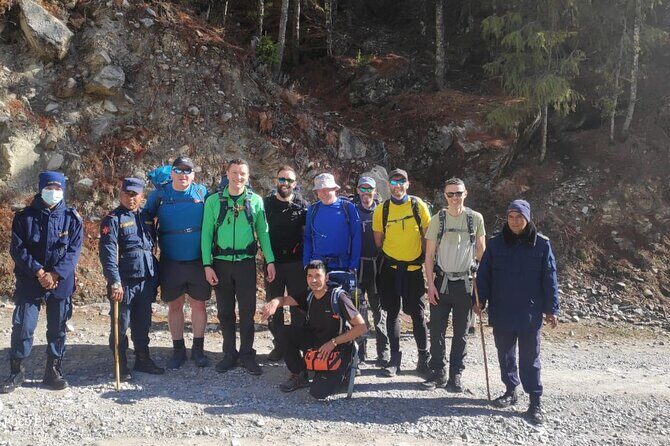
This trek is often sold as luxury, but the mountain still runs the show. Here’s what the “luxury” part means in practical terms:
Included support
You get trekking porters for carrying your luggage (the plan is 2 guests sharing 1 porter). You still walk, you still manage your own water, and you still need layers. But the main load on the trail is reduced, which can make a big difference on steep or high-altitude days.
Comfort in the cities
You’re booked for 2 nights at a 4-star hotel in Kathmandu and 2 nights at a 4-star hotel in Pokhara. That’s not just a nicer bed. It helps you recover better between travel legs and keeps the whole trip from feeling like constant fatigue.
Meals and the farewell dinner
The experience includes meals (with lunch/dinner and breakfast noted in the inclusions), and you also have a farewell dinner in Kathmandu on Day 12. I like this approach because it removes decision fatigue. You’re not hunting for food while also trying to stay packed, hydrated, and organized.
What’s not included
Alcohol isn’t included, and the trekking gear isn’t included. Tips for the guide and porter are expected. That last part is common in Nepal, and I’d plan for it so it doesn’t become awkward at the end.
The road days: Kathmandu to Besisahar, then to Chame and beyond
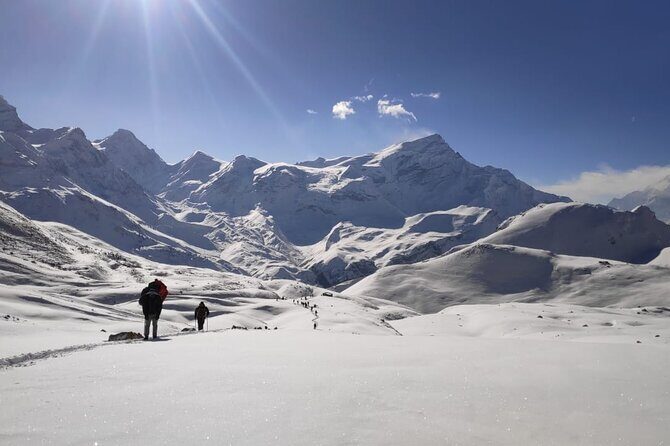
Days 2 and 3 are all about transitions. You drive from Kathmandu to Besisahar (about 6–7 hours) through lush hills, traditional towns, and river valleys. Then you go again from Besisahar to Chame (also about 6–7 hours). Chame sits at 2,670 meters, and it’s described as a gateway toward other Himalayan areas.
Why I like these road-to-trail steps:
They save your legs early. You ease into the region without burning your first day purely on walking. And because you’re still moving through different terrain, the scenery changes steadily instead of hitting you all at once.
A small warning: long drives in Nepal can be bumpy. Pack a neck pillow if you’re sensitive, and don’t judge your trekking legs based on Day 2–3. You’re not testing fitness here. You’re just starting the game.
Upper Pisang and Manang: traditional towns with higher-altitude payoff
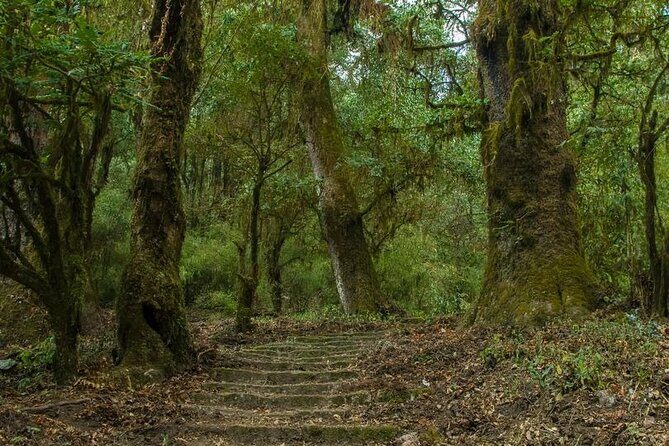
By Day 4, you’re heading to Upper Pisang, and the day is described as a mix of road travel plus walking through dense forests, streams, and rocky terrain. Upper Pisang is known for traditional culture, and you can visit monasteries and chat with locals. Even when your feet are tired, these are the stops that give the trek its human texture.
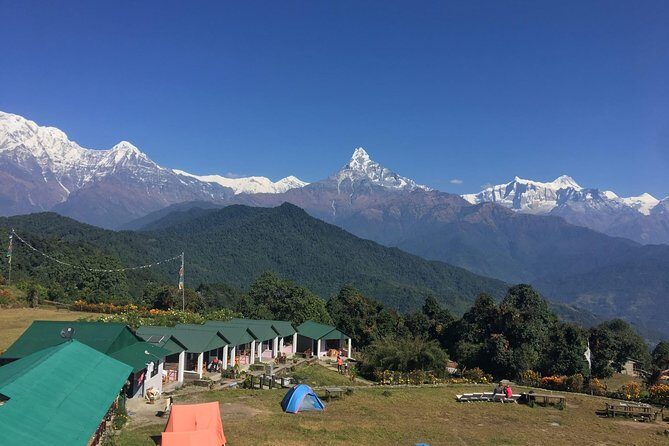
Day 5 brings the big shift into Manang at about 3,540 meters. Manang is a major center for trade in the area and surrounded by towering peaks like Annapurna III, Gangapurna, and Tilicho Peak. The trip description also emphasizes the Tibetan-influenced architecture and the chance to rest and acclimatize.
A useful mindset here: Manang isn’t just a “sleep stop.” It’s a pivot point. You’ll feel the altitude more. You’ll likely notice your breathing. And that’s exactly why the trek slows down later with an acclimatization day.
Your altitude insurance policy: the acclimatization day in Manang
Day 6 is built for altitude management. You stay in Manang to adjust, and the altitude (again, about 3,540 meters) is higher than most people are used to. This matters because rushing through altitude is where trips go wrong.
The plan also includes learning and optional activities. You may visit areas connected with the Gangapurna and ice lakes, and you can go to Vraja village to see the work of the Himalayan Rescue Association. The stated focus there is acute mountain sickness and everything connected to it.
I appreciate this because it turns acclimatization from a vague idea into an actual activity. You don’t just sit in your room and hope your body adapts. You get information, you get a structure for the day, and you still have time to explore Manang’s views at a gentler pace.
Tip that fits the route: if you feel off, take it seriously. This trip is already designed to reduce risk, but you still need to listen to your body.
You can also read our reviews of more hiking tours in Kathmandu



Ladar, Thorong High Camp, and the grind to Thorong La
Day 7 hikes from Manang toward Ladar (about 4,230 meters) over 5–6 hours. The description highlights juniper and pine forest before you get closer to a landscape where Tibetan influence shows up strongly in the buildings and daily life. Ladar is known for mountain views, and this is one of those nights where you can feel the trek shifting into its highest gear.
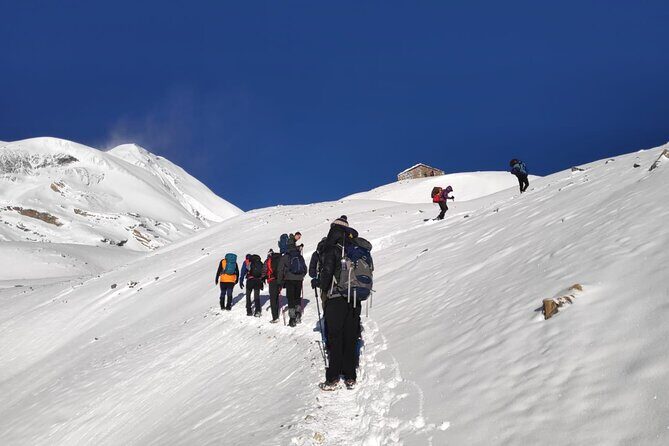
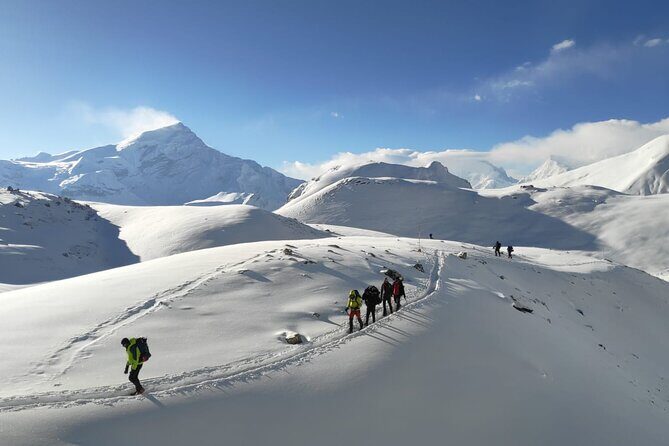
Day 8 is described as trekking from Ladar to Thorong High Camp. This is marked as harder: steeper ground and increasing altitude. Snow-covered paths show up above the tree line, and the timing suggests you’ll work for your views.
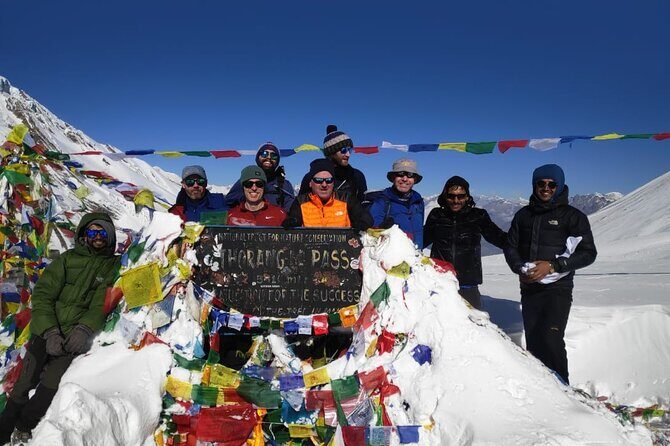
Then comes Day 9: the crossing of Thorong La Pass at 5,416 meters. The climb to the pass is called out as the hardest part, and honestly, that matches what most people experience on this route: your body feels the altitude before your mind finishes negotiating. But the payoff is big. After reaching the pass, you descend toward Muktinath, a holy site with both Hindu and Buddhist temples and natural spring water sources.
I like that the day doesn’t end abruptly in the middle of nowhere. It gives you a purpose beyond suffering. You’re moving toward a spiritual, cultural stop that also helps break up the mental load.
Muktinath to Jomsom: temples, apple towns, and wind you’ll respect
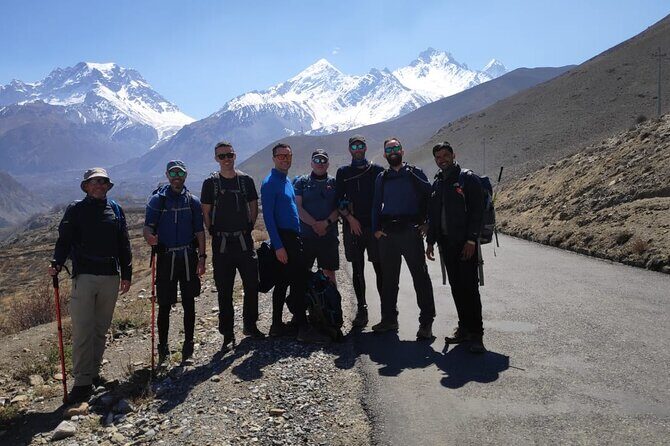
Day 10 walks from Marpha to Jomsom. You pass traditional stone houses and apple orchards, cross the Kali Gandaki River, and follow the riverbank to Jomsom. Jomsom is the administrative center of the Mustang region, with shops, hotels, and places to eat—so it’s less of a tiny outpost and more of a real town.
Jomsom is also known for strong winds. That’s not a vague “you might get weather.” It’s part of the reality of the region. Pack for it, and be ready for conditions that can feel harsher than the altitude alone.
There are also options once you arrive, like visiting the Jomsom Museum or relaxing in hot springs. That kind of downtime helps you enjoy the end of the trekking portion instead of just pushing through to the next transport day.
Flights back to comfort: Jomsom to Pokhara, then Pokhara to Kathmandu
After the trail climax, the trip smartly switches gears. Day 11 includes a morning flight from Jomsom to Pokhara. From the air, you get views of big-name mountains including Dhaulagiri and Annapurna. In Pokhara, you can slow down in a city known for its lake views and easy atmosphere. The plan calls out Fewa Lake as a highlight, plus the idea of enjoying nightlife if you want it.
Day 12 takes you by short flight from Pokhara to Kathmandu (about 30 minutes), with transfers to your hotel and a farewell dinner in the evening. Day 13 wraps with an airport representative transfer to Tribhuvan International Airport for your flight out.
This is a practical advantage of the route design: you’re not trapped in long overland travel after altitude fatigue.
Is the $2,000 price tag worth it for this style of trek?
At $2,000 per person for an approximately 13-day circuit trek, you’re paying for a few things that add up fast:
- City comfort: 4-star hotels in both Kathmandu and Pokhara
- Fewer headaches: airport pickup, organized transfers, pre-briefing
- Physical load reduction: porter support for luggage
- Route support: experienced guiding and a structured pacing plan focused on acclimatization
If you’re comparing this to a very basic approach (just a guide and cheaper meals), this is definitely the higher end. But the question isn’t only price. It’s how much you value keeping energy for the trail and recovery, not for logistics.
For me, the value lands best if you want the Annapurna Circuit experience—including the Thorong La crossing—without turning the trip into pure austerity. You still have to work, but the trip makes room for recovery and culture.
Who should book the Annapurna Luxury Circuit Trek?
This trek fits best if you:
- Want the Annapurna Circuit highlights with more comfort than standard budget trekking
- Like clear planning and don’t want to manage permits and logistics yourself
- Are comfortable with moderate fitness and long days, including high altitude
- Prefer a small group setup (max 10 travelers)
It may not be ideal if:
- You’re looking for a low-effort walk with minimal altitude impact
- You hate windy conditions (Jomsom can be rough)
- You want everything fully all-inclusive, because drinks with alcohol are not included and tipping is expected
Should you book this trek?
I think you should book it if your priority is doing the Annapurna Circuit properly—reaching the big pass and cultural sites—while keeping the trip structured and comfortable where it counts. The combination of porter support, 4-star city stays, and a pacing plan that builds in acclimatization in Manang is exactly what makes the whole thing feel more humane.
If your main goal is pure adventure minimalism and you’re budget-driven, you could find cheaper versions. But if you’re paying this price, pay it for what it gives: smoother logistics, smarter altitude rhythm, and a guided experience that’s designed to keep you safe.
FAQ
Where do I meet on Day 1, and when does the trek start?
The start time is listed as 6:15 am, with the meeting point at Nepal Trek Adventure and Expedition P. Ltd., Thamel Marg, Kathmandu 44600.
How long is the Annapurna Luxury Circuit Trek?
It’s listed as 13 days (approx.).
What’s the group size for this tour?
The experience has a maximum of 10 travelers.
Is pickup offered from the airport or in Kathmandu?
Yes. Airport pickup/transfer is part of the plan, and an airport representative meets you at Tribhuvan International Airport on arrival.
Are porters included, and do they carry all your luggage?
A trekking porter is included for carrying luggage. The plan states 2 guests sharing 1 porter.
What lodging is included during the trek?
The package includes 2 nights at a 4-star hotel in Kathmandu and 2 nights at a 4-star hotel in Pokhara. The trekking days also include lodge/teahouse-style stays as the route progresses (based on the day-by-day plan).
Are flights used during the trip?
Yes. The route includes a morning flight from Jomsom to Pokhara and a short flight from Pokhara to Kathmandu.
Do I need travel insurance?
Yes. The data states that travel insurance must be covered in both medical and emergency evacuation.
What if I need to cancel?
The policy is free cancellation, with a full refund if you cancel at least 24 hours in advance. If you cancel less than 24 hours before the start time, you won’t receive a refund.