REVIEW · POKHARA
Annapurna Sanctuary Trek
Book on Viator →Operated by Outshine Adventure Pvt Ltd · Bookable on Viator
The Himalayas, without the hassle. I like that this Annapurna Base Camp style trek comes with private car pickup and drop-off and an English-speaking guide plus porters, so you spend your energy on the trail. The catch: meals and drinks are not included, and at the trek’s max elevation of 4,110 meters, you’ll want to budget and pace yourself carefully.
What also feels like good value is the practical packing support. You get down jacket and sleeping bag if needed, plus the paperwork side like Annapurna conservation permits and a TIMS card handled for you. One more thing to consider: the schedule info I have mixes Pokhara and a short Kathmandu sightseeing block, so it’s smart to confirm how the dates connect to your full trek days.
The plan starts with a meeting at Outshine Adventure in Pokhara, then rolls into a brief Kathmandu cultural stop. The trekking portion is described as a nine-day Annapurna Base Camp package overall, even though the sample day-by-day notes look shorter—so I’d treat the exact structure as something you should double-check before you go.
In This Review
- Key things I’d circle before you book
- First step: Your Pokhara morning and Outshine Adventure briefing
- Kathmandu Durbar Square and major temples: a short culture reset
- The Annapurna Base Camp trek at 4,110 meters: what to expect
- Lodges, eight nights of accommodation, and why they matter
- Down jacket, sleeping bag, and the porter plan that lightens your day
- English-speaking guidance and real-world communication support
- Price and value: what you pay $668.66 for (and what you’ll still cover)
- Logistics that affect your comfort more than you think
- Who this Annapurna Base Camp package suits best
- Should you book it? My practical take
- FAQ
- Where does the trek start and end?
- What is the maximum elevation on this trek?
- Are meals included?
- Does the tour include trekking gear?
- Is there porter support?
- How big is the group?
- What is the cancellation policy?
Key things I’d circle before you book
- Private car transfer from Pokhara to the trek start (and back), which saves you time and stress.
- Porter support for shared luggage, so you’re not hauling everything yourself.
- Gear included for cold nights with a down jacket and sleeping bag provided if required.
- Permits handled (Annapurna Conservation Area + TIMS) so you’re not scrambling.
- Small group cap (maximum 15 travelers), which usually means a calmer trip pace.
- Language support can extend beyond English, including Spanish help via the company leadership when needed.
First step: Your Pokhara morning and Outshine Adventure briefing
Your trek day really begins with a simple start in Pokhara, with an early 7:00 am start time at the local meeting point. The operator’s office (Outshine Adventure) is where you’re set up for the trip—think paperwork, team intro, and basic gear check rather than a big show.
This kind of first step matters more than it sounds. When you’re heading into altitude and cold-weather hiking, the best time to get your questions answered is before you’re already on the trail with limited help. If you have any special concerns—temperature expectations, fit for down gear, or how porter sharing will work—this is when you want to ask.
Also, the materials state that this trip is aimed at guests with moderate physical fitness. That doesn’t mean it’s a casual walk, but it does mean you’ll want to go in with a baseline of stamina and willingness to climb steadily.
You can also read our reviews of more hiking tours in Pokhara
Kathmandu Durbar Square and major temples: a short culture reset
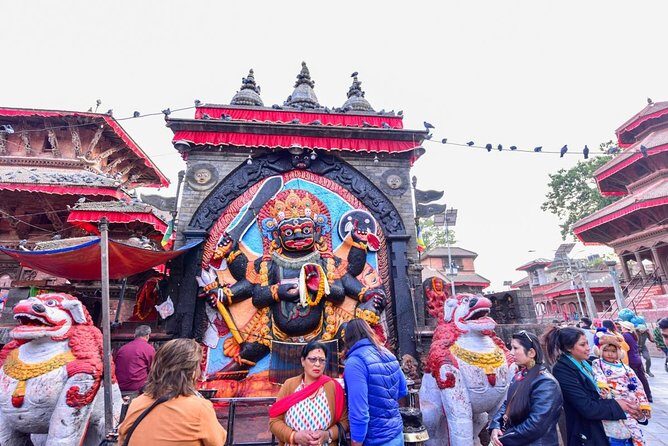
One of the provided day notes includes a Kathmandu sightseeing block: Kathmandu Durbar Square, Swayambhunath, Boudhanath, and Pashupatinath, grouped together under a 2-hour window. Admission tickets for these stops are not included, so this part is about sights and context, not a fully ticket-covered tour.
Here’s what I like about this structure: it gives your trip a different rhythm. After the physical demands of trekking, a compact cultural day can help you feel like you’re doing more than just hiking from point A to point B.
The tradeoff is timing and energy. Two hours moves fast when sites are spread out, and temple days usually involve stairs, uneven ground, and long walks between viewpoints. If you tend to get tired easily, you may want to treat this Kathmandu block as a gentle add-on rather than a must-see marathon.
The Annapurna Base Camp trek at 4,110 meters: what to expect
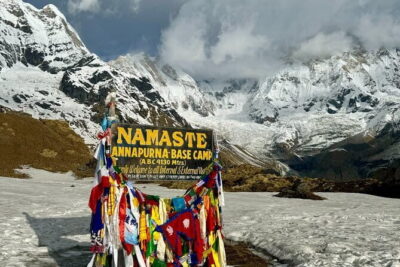
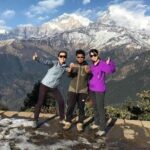
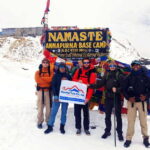
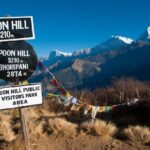
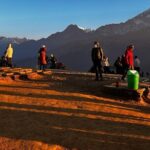
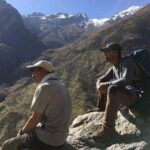
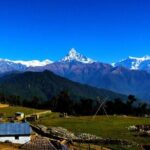
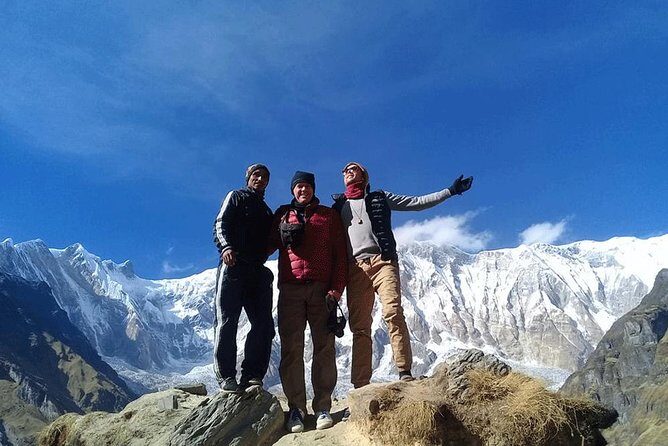
The big promise of this experience is a trek to Annapurna Base Camp, with a stated maximum elevation of 13,484 feet / 4,110 meters. That number is the headline for a reason: once you’re high enough, you stop thinking about distance and start thinking about how you feel.
You’ll be hiking in a professional setup that includes:
- a licensed English-speaking guide (and other native language support)
- local porters to carry your luggage
- guesthouse-style accommodation during the trek
- team medicine/equipment coverage for trekking staff, plus overall staff support
The itinerary details for each trekking day aren’t fully spelled out in the notes I have, but the way the package is built makes the intent clear. This is a trek designed to be manageable with a guided schedule, fixed lodging options (guesthouses/lodges), and organized logistics for permits and entry requirements.
The one drawback to keep in mind is also obvious: you’re not getting meals included (other than a stated breakfast count). So you’ll need to plan your food budget while you acclimatize. At higher elevations, eating consistently can help you keep your energy steady.
Lodges, eight nights of accommodation, and why they matter
The package description includes eight nights’ accommodation during the trekking portion. That’s a meaningful part of the value equation. Trek packages often require you to hunt for your own bed after a long day, which is a great way to waste energy on the very thing you traveled for: hiking.
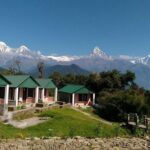
With this setup, you can focus on the hiking effort and trust that you’ll have a place to rest each night. Lodges and guesthouses also give you warmth and a social hum that you won’t get if you’re doing a fully independent trek.
The practical question for you: what kind of comfort level are you expecting? The notes say “best available lodges, guesthouses,” which usually means solid basics rather than luxury. If you’re the type who needs private hot showers and top-tier bedding, you may find the experience more rustic than you imagined.
Still, it’s hard to beat this level of structure when your goal is the Annapurna region without overspending or dealing with logistical guesswork.
Down jacket, sleeping bag, and the porter plan that lightens your day
This package includes down jacket and sleeping bag if you require them. That’s a big deal for value and convenience. Buying or renting cold-weather gear can quietly inflate the total cost of any Himalayan trek, and winter-style temperatures at high elevations can be unforgiving.
Just make sure you think about fit and warmth needs. Down gear is not one-size-fits-all, and sleeping bag warmth matters too. If you can, confirm the options and how they match your comfort level before you leave.
Then there’s the porter system: you get a porter to carry your luggage, described as share two people basis. In plain terms, that means your backpack weight should be reduced compared with a solo carry. It also means you should pack smart so what you do carry is what you can use quickly—day-to-day essentials you won’t want to wait for later.
The upside here is real: a lighter pack can help your pace and reduce the risk of turning the trek into a pack-drag workout.
English-speaking guidance and real-world communication support
Guides are the difference between a trek that feels like a mission and one that feels like you’re being cared for. This experience is built around a local licensed guide who speaks English plus other native languages.
I also appreciated the way communication support is described. The company’s leadership has been referenced as able to help when Spanish support is needed, which is useful if you’re not confident in English for questions about pace, gear, or day planning.
You should also know the group size cap: maximum 15 travelers. Smaller groups usually mean you can ask questions without shouting, and it’s easier for the guide to manage everyone’s rhythm—especially on tougher elevation days.
If you’re nervous about altitude, language, or simply want someone to handle the moving parts, this is a comforting match.
Price and value: what you pay $668.66 for (and what you’ll still cover)
The price listed is $668.66 per person, which is where the “value” part of this trek lives. This package covers a lot of the expensive friction points:
- Pokhara ↔ Nayapul ↔ Pokhara transfers by private car
- Best available lodges/guesthouses during the trek
- Guide and porter support
- Annapurna conservation permits + TIMS card
- Down jacket and sleeping bag if required
- Government taxes
- Breakfast (2)
What’s not included is equally important:
- Meals and drinks during the trek
- Tips for trekking staff (tipping is expected)
- Any other expenses not mentioned
So, here’s how I’d evaluate the value if I were budgeting for you. If you’d otherwise have to pay for your own guide, permits, down gear rental/purchase, and private transfers, this package bundles those costs into a predictable total. The meal gap is the main unknown you’ll need to control with your daily spending plan.
If you travel with a strict food budget, you’ll want to set an estimated amount for lunches/dinners and snacks at higher elevations.
Logistics that affect your comfort more than you think
A few details here are worth taking seriously because they shape how smooth your trek feels.
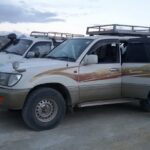
Pickup and drop-off are included by private car, and the route is tied to Pokhara / Nayapul / Pokhara. That matters because getting to trailheads in Nepal can eat time if you’re coordinating independently.
You also need to travel with a current valid passport on the day of travel. That’s not glamorous, but it’s how you avoid last-minute stress.
And a quick note on trip pace expectations: the materials say the experience is best for guests with moderate physical fitness. If you’re coming from sea level and you’re not used to hills, you’ll want to manage your pace and keep your breathing steady.
Who this Annapurna Base Camp package suits best
This trek suits you if:
- you want Annapurna Base Camp in an organized, guided format
- you want porter support to reduce your load
- you prefer guesthouse-style lodging rather than planning accommodations yourself
- you value having permits and key paperwork handled
- you’d rather pay one package price than assemble everything piece by piece
It might be a weaker fit if:
- you hate spending extra on meals and drinks after paying for the package
- you expect luxury accommodations
- you have zero flexibility on schedule and hate any day-by-day structure changes
Altitude is the main real-world filter. Since the max elevation is 4,110 meters, you should be honest with yourself about your fitness and how your body handles climbs.
Should you book it? My practical take
I’d book this if your goal is to reach Annapurna Base Camp with a small-team feel, clear logistics, and reduced packing/permit headaches—especially if you don’t want to manage permits, transfers, and gear sourcing on your own.
I’d pause and ask more questions if you’re trying to line up exact days tightly or you dislike paying for most meals on top. Since meals and drinks aren’t included (and tips are expected), your final cost will depend on how you eat each day.
Bottom line: for $668.66, this looks like a solid “get it handled for you” trekking package, with the comfort upgrades you actually need (down gear, sleeping bag, guide, porter, permits) and the add-ons you can plan around (meals, drinks, tips).
FAQ
Where does the trek start and end?
The experience starts in Pokhara at the listed meeting point and ends back at the same meeting point.
What is the maximum elevation on this trek?
The package states a maximum elevation of 13,484 feet (4,110 meters).
Are meals included?
Meals and drinks during the trek are not included. The package notes breakfast is included for two days, and you’ll need to budget for the rest.
Does the tour include trekking gear?
Yes. A down jacket and sleeping bag are included if necessary.
Is there porter support?
Yes. A porter carries your luggage during the trek, described as a share-two-people basis.
How big is the group?
The tour lists a maximum of 15 travelers.
What is the cancellation policy?
Free cancellation is available if you cancel up to 24 hours in advance of the experience start time for a full refund.