REVIEW · POKHARA
3 Day Mardi Himal Base Camp Trek from Pokhara
Book on Viator →Operated by CAN Travels · Bookable on Viator
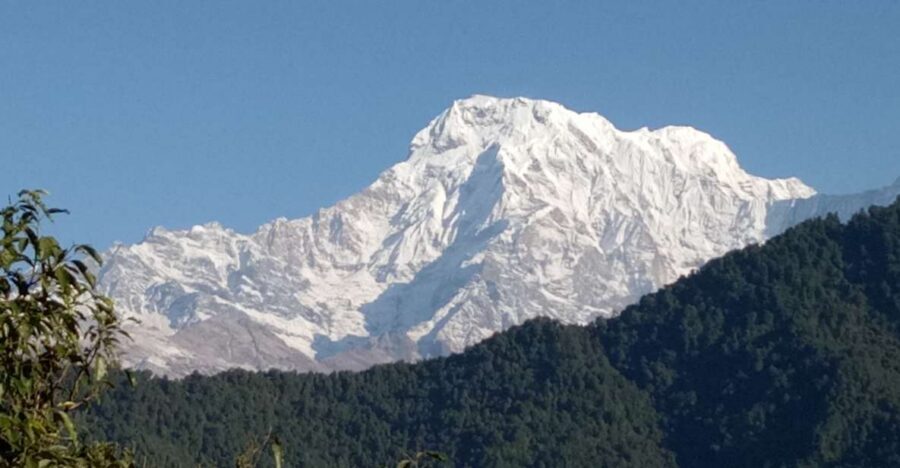
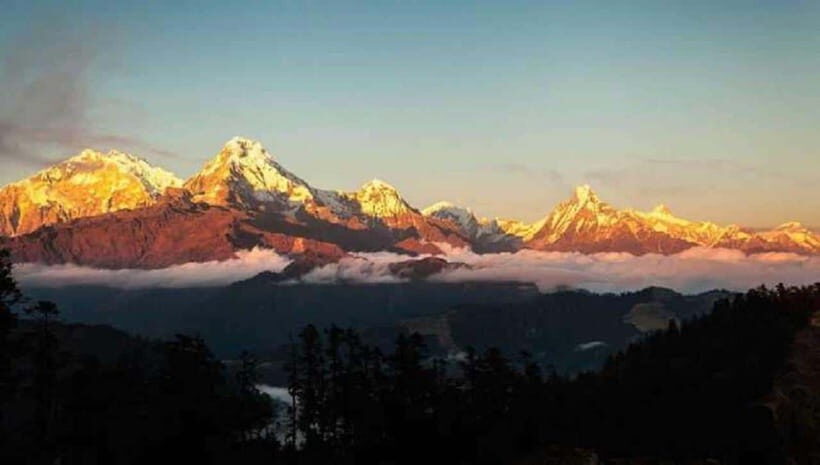
Mardi Himal Base Camp is a small-trek that feels huge. This 3-day hike in Nepal’s Annapurna region mixes green forest walking, rhododendron shade, and mountain views of Machhapuchhre and Annapurna without needing a week off work.
What I like most is the practical setup: private jeep transfers (Pokhara to Dhampus, then Siding back), plus permits handled.
The other big plus is the human part—an English-speaking, friendly trekking guide, and guesthouse stays built into the plan.
One thing to plan for: meals and drinks cost extra since food and drinks aren’t included, and you may want an optional porter depending on how you like to travel.
In This Review
- Key things to know before you go
- Mardi Himal from Pokhara: what makes this trek work in just 3 days
- Day 1: Dhampus, checkpoint, Pothana, and the Forest Camp vibe
- Day 2: rhododendron forests and the climb to Mardi High Camp
- Day 3: early start, headlamp walking, and reaching the base camp viewpoint
- Guides and support: what you’re really paying for with CAN Travels
- Guest houses and tea-house meals: comfort that doesn’t cost extra
- Price and logistics: does $299 per person make sense
- Who this trek suits best (and who should think twice)
- What to pack and how to make the 3 days feel easier
- Should you book this Mardi Himal Base Camp trek?
- FAQ
- How long is the Mardi Himal Base Camp trek from Pokhara?
- What travel transfers are included?
- Is an English-speaking guide included?
- Are meals and drinks included?
- Do I need a porter?
- Can I cancel for a full refund?
Key things to know before you go
- Private jeep transfers between Pokhara, Dhampus, and back from Siding reduce stress on day one and your last day
- English-speaking trekking guide means easier communication on trail and in tea houses
- Permits and official documents handled so you can focus on hiking instead of paperwork
- Guest house accommodation included during the trek (you’ll eat and sleep at local places)
- A short, focused schedule with longish walking days (about 7–9 hours) and early starts
Mardi Himal from Pokhara: what makes this trek work in just 3 days
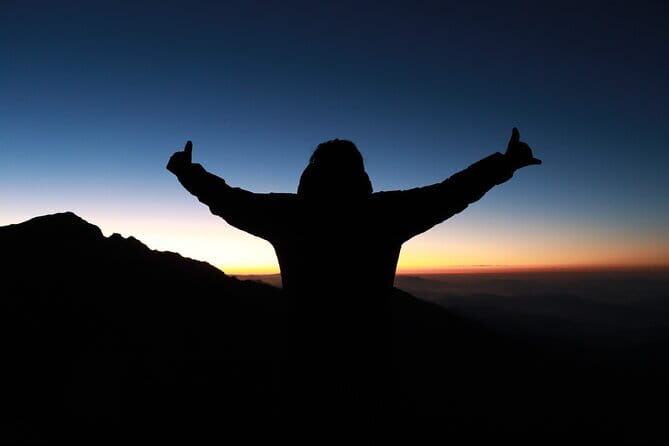
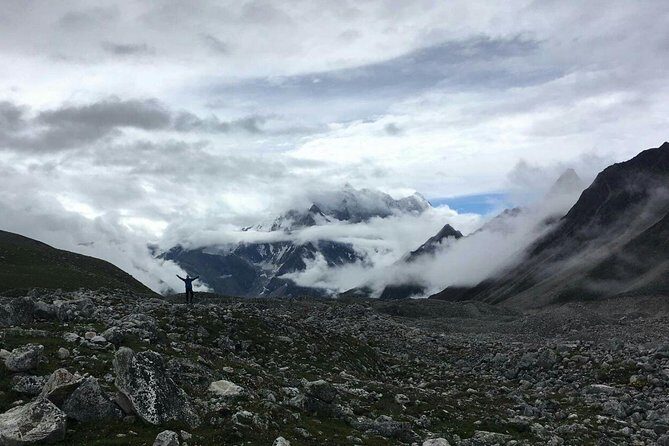
Mardi Himal Base Camp is in the Annapurna region of Nepal, and it’s famous for the way the views build as you gain height day by day. Even with only 3 days, you still get the classic “trail progression” feeling: forest paths, then a higher camp day, then an early push to the viewpoint and base camp area.
What makes this format especially appealing is the balance between effort and reward. You’ll hike for several hours each day, but the itinerary is short enough that you’re not spending the whole trip just moving between towns. You also get the convenience of being based out of Pokhara, with transfers built in—no wrestling with timetables or random local transport on your tight schedule.
And there’s another underrated plus: the trail is often quieter than the most crowded classic routes. You’re still doing a famous trek, but the vibe tends to feel calmer—more time for your own rhythm and fewer constant interruptions.
You can also read our reviews of more hiking tours in Pokhara
Day 1: Dhampus, checkpoint, Pothana, and the Forest Camp vibe

Day one starts after breakfast with about an hour’s drive to Dhampus, a village in the Annapurna region. From there, you’ll hit a checkpoint before your trek proper begins. It’s a small step, but it matters because it sets the tone: this is a guided trek where the logistics are handled so you can walk.
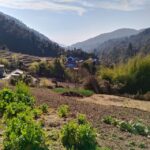
Once you’re on the trail, expect a steady approach through green forest areas, with your route continuing toward Pothana. You’ll be moving long enough to warm up, but not so long that you’re wrecked before you’ve even settled into the day’s overnight plan.
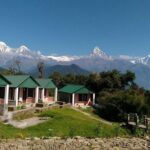
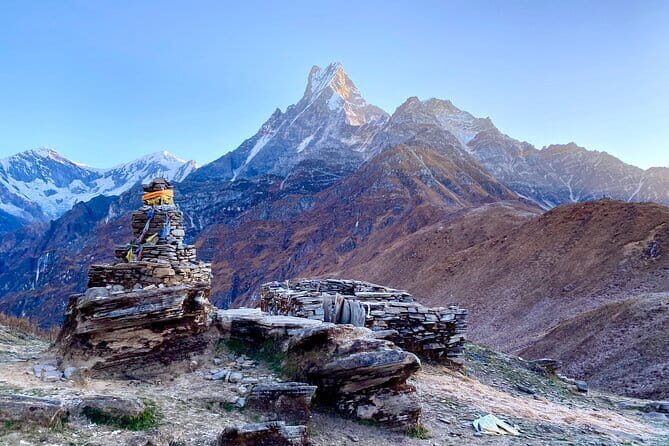
At some point you’ll reach the area of your first stop—Forest Camp—where you’ll spend the night in a guest house. This is the part of the trek that feels most like Nepal on foot: forest air, local walking pace, and small tea-house breaks that feel normal rather than staged.
What I appreciate about this day is that it gives you time to adjust. Even if you consider yourself “moderate fitness,” day one helps you find your stride before the trekking gets more “camp-to-camp” in feel.
Potential drawback: because the day begins with driving and then walking, you’ll want to treat it like a full day out of the comfort zone. Wear something you can hike in for hours, and bring layers you can adjust when the temperature shifts under the tree cover.
Day 2: rhododendron forests and the climb to Mardi High Camp
Day two is where the trek starts to feel more Himalayan and less village-to-village. You wake up with breakfast and then head uphill in a gradual, guided way. A key feature of the day is rhododendron forests, which can make the walk feel cooler and more shaded—especially when the light changes.
The point of day two is to reach Mardi High Camp, so your pacing matters. You’re not doing technical climbing, but you are doing sustained uphill walking. Your guide’s job here is more than just navigation: they’ll help you keep a steady pace so you arrive without feeling completely cooked.
I also like that the trek keeps you in the rhythm of short breaks and then continuing. That’s the difference between a hike you enjoy and one that feels like punishment. With an English-speaking, friendly guide, those breaks tend to be more useful—asking questions, getting practical advice, and getting your footing right before you keep climbing.
What to watch for on day two: the day is described as about 7 hours, so even if you’re not constantly sprinting uphill, you’ll still want to treat it like a workout day. Pack light, sip water consistently, and don’t overthink every rest stop.
Day 3: early start, headlamp walking, and reaching the base camp viewpoint
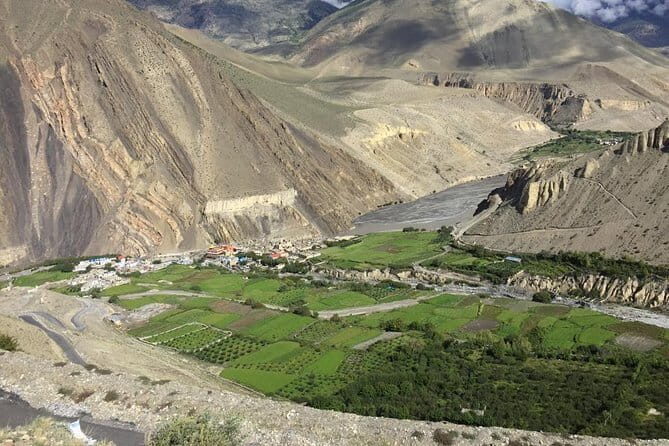
Day three begins early. You’ll have hot tea and get moving with warm clothes, a water bottle, and even a headlamp. That combination tells you everything you need to know: you’re hiking early in the day when it’s still cool and visibility may be limited.
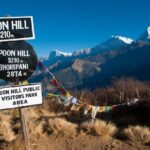
The trek from High Camp to the Viewpoint is about 2 hours, and then you continue toward Mardi Himal Base Camp. This structure is smart for a short trek. It gives you an achievable plan: early effort, a milestone you can focus on, and then the payoff zone.
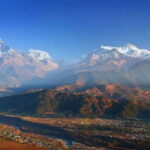
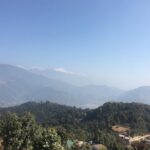
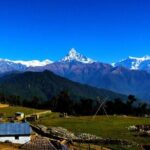
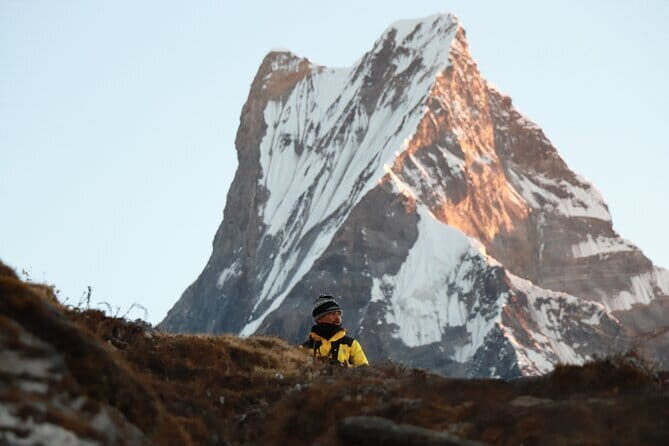
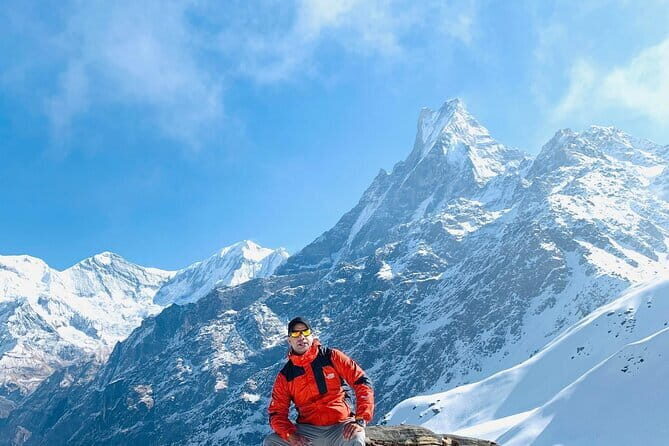
The viewpoint part is particularly rewarding because it’s where your day starts to click into place. The whole region’s famous peaks—Machhapuchhre, Annapurna, and Hiunchuli—are the kinds of mountains you’ll look for as you move. And based on what guides have repeatedly been praised for, the navigation and timing help you reach the base camp area in a way that feels worth it, not rushed.
One thing I’d emphasize: day three is longer overall (about 9 hours). So think of this as your commitment day. If you go into it tired from day two, you’ll feel it. If you go into it ready—layers comfortable, snacks planned for (since meals are extra)—you’ll feel the excitement in a good way.
Guides and support: what you’re really paying for with CAN Travels
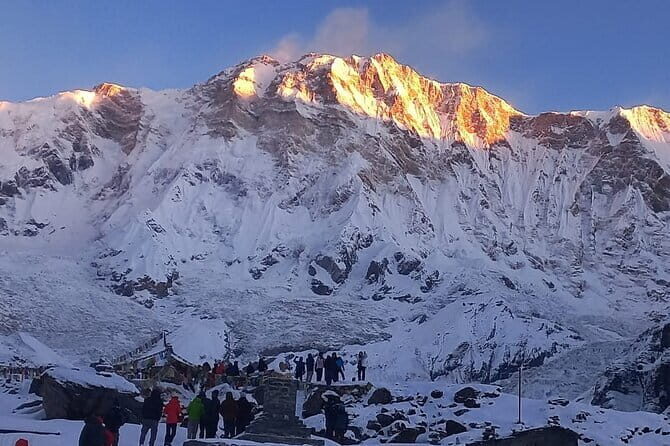
This trek is run by CAN Travels, and a big part of the value is the support system. You’re not just buying a route—you’re buying a calmer experience.
The included support includes:
- An English-speaking, experience-friendly trekking guide
- Trekking permit and all official documents
- Emergency normal first aid kit with the guide
- Accommodation in guest houses during the trek
- Private tour (only your group participates)
The guide quality shows up clearly in the names that have been mentioned: guides like Amrita, Krishna, and Prakash have been praised for being professional and friendly, and for helping make the whole trip feel smooth. That aligns with what you actually need on a base camp trek: someone who can handle small problems quickly, explain what’s next, and keep you safe and comfortable.
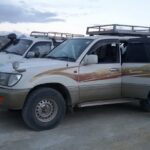
You’ll also appreciate how the plan includes the big transportation pieces. Private jeep transfer from Pokhara to Dhampus, and then back from Siding to Pokhara, means you spend less time planning and more time walking.
A few more Pokhara tours and experiences worth a look
Guest houses and tea-house meals: comfort that doesn’t cost extra
You’ll sleep in guest houses during the trek, which is a major comfort advantage on a short schedule. These places are basic but functional—exactly what you want after a long walking day.
Meals are a little different: food and drinks are not included, though they’re available to purchase along the way. That sounds like a downside at first, but it’s also freedom. You can choose what you feel like eating in the moment instead of being locked into a fixed menu when your appetite is different from day to day.
From the experience pattern shared, the food and accommodation have been part of what people enjoyed most. In practice, that usually means the guide steers you to places that are open, warm, and reliable—so you’re not stuck searching when you’re tired.
Practical tip: bring cash for tea-house purchases if that’s what you’re comfortable with, and keep your water situation simple—your plan specifically calls for a water bottle for day three.
Price and logistics: does $299 per person make sense
At $299 per person for a 3-day trek, you’re paying for a focused package. The good news is that several costly-but-necessary elements are handled: permits, guest house accommodation, and the private jeep transfers. That’s a lot more than a “just a trail map” deal.
Here’s how I’d judge value for this specific trip:
- If you’d otherwise pay a guide separately and figure out permits yourself, this package is more efficient.
- Private jeep transfers (Pokhara ↔ Dhampus and Siding ↔ Pokhara) save time and reduce hassle. On short trips, saved time is real value.
- A private tour means you’re not stuck sharing the experience with extra people if you prefer a tighter group dynamic.
Where the value can shift for you is food. Since meals and drinks aren’t included, you’ll want to budget additional money for daily tea-house meals. Also consider whether you want a porter. There is an optional porter cost listed as $25 per day, and the note says one porter for two people—so it can be cost-effective if you’re traveling with a friend.
If you pack smart, walk your own pace, and carry what you truly need, you may not feel a porter is necessary. But if your shoulders don’t like long carries, it’s worth discussing as soon as you book.
Who this trek suits best (and who should think twice)
This trek is described for people with moderate physical fitness. That’s realistic: you’ll be walking for about 7 hours on day one, about 7 hours on day two, and about 9 hours on day three. Those are long enough that “moderate” should mean you’re comfortable hiking for half a day at a time.
I think this trek fits best if you:
- Want a base camp goal without a week-long timeline
- Prefer a guided, organized approach with permits and transport handled
- Like the idea of forest-to-camp-to-viewpoint progression
- Appreciate cooler, shaded walking through rhododendron forests
You might think twice if you:
- Hate early starts, since day three specifically includes headlamp walking and cold-weather prep
- Don’t want to pay extra for food and drinks
- Expect everything to be fully inclusive and hands-off—this trip still runs on tea-house purchases along the way
What to pack and how to make the 3 days feel easier
Even with a guide handling the route, you control comfort. Based on what’s specifically mentioned for day three, you should be ready for cold mornings:
- Warm clothes for early walking
- Headlamp for the early start
- A water bottle (bring a good one you’ll actually use)
Since meals and drinks are available on purchase, also bring:
- Cash for tea-house purchases (and snacks if you have preferences)
- A light daypack so you’re not carrying extra bulk
If you’re tempted to overpack, don’t. With a short itinerary, every extra item becomes one more weight you’ll feel on day two and especially on day three.
If you’re traveling with a friend, you can also consider the porter setup: the porter note says one porter for two people, which can reduce costs while still saving your back.
Should you book this Mardi Himal Base Camp trek?
If you want a short, structured Himalayan hike from Pokhara with private jeep transfers, permits taken care of, guest house nights included, and a guide who can keep the experience calm and clear, I think this is a strong choice. The repeated praise for guides like Amrita, Krishna, and Prakash points to the kind of service you’ll feel day to day—helpful, practical, and focused on getting you to the views.
I’d skip or at least rethink it if you need everything to be fully inclusive with no extra spending for meals, or if early, long walking days feel stressful for you.
In most cases, though, this is the kind of trek that delivers a real base camp feeling without turning your vacation into a long logistics project.
FAQ
How long is the Mardi Himal Base Camp trek from Pokhara?
It’s listed as 3 days (approx.).
What travel transfers are included?
The package includes private jeep transfers from Pokhara to Dhampus and from Siding to Pokhara, plus hotel pickup and drop-off.
Is an English-speaking guide included?
Yes. An English speaking, experience friendly trekking guide is included.
Are meals and drinks included?
No. Food and drinks are available for purchase.
Do I need a porter?
Porter service isn’t included. If you choose to hire one, the cost is listed as $25 per day, and the note says one porter for two people.
Can I cancel for a full refund?
Yes. You can cancel up to 24 hours in advance for a full refund. If you cancel less than 24 hours before the start time, you won’t get a refund.