REVIEW · KATHMANDU
20 Days Annapurna Circuit Trek
Book on Viator →Operated by The Great Adventure Treks & Expedition - Private Day Tours · Bookable on Viator
This trek feels like a mountain time machine. You start in Kathmandu, then walk the Annapurna massif as the scenery shifts from subtropical greenery up into high-altitude barrens, with the big finish at Thorong La Pass (5,416m).
Two things I’d especially like: the mix of cultural stops in Kathmandu plus village trekking days that feel more human than scenic-only. And the route includes a real acclimatization day in Manang, which matters because your body is working hard.
One thing to think about: it’s not a budget-slim trek. Temple entrance fees in Kathmandu and drinks along the way aren’t included, and the pass day is long and cold when weather turns.
In This Review
- Key highlights I’d plan around
- Kathmandu temples before the trail grind
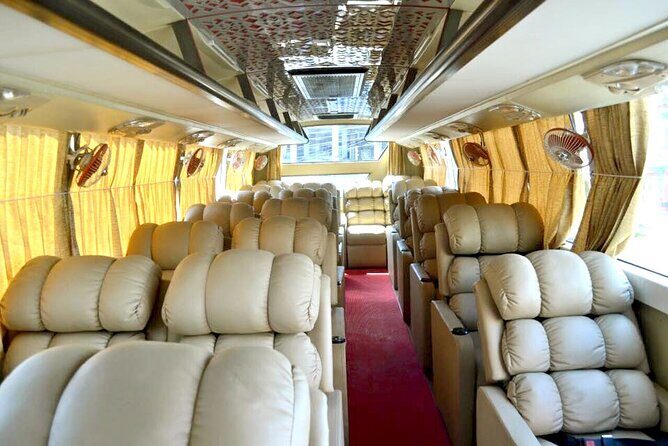
- The long travel day to Syange: when comfort matters
- Day-by-day trekking feel: terraces, forests, and villages that change with altitude
- Dharapani (Day 4): a steep start that sets the tone
- Chame (Day 5): vegetation cools and the trail feels different
- Pisang (Day 6): higher ground and continuous peak views
- Manang (Day 7–8): the acclimatization day you’ll be glad for
- Yak Kharka to Thorong High Camp: getting closer to pass country
- Crossing Thorong La Pass: the day that makes the whole circuit feel real
- My practical advice for pass day
- Muktinath to Marpha (Day 12): a big drop into Kali Gandaki country
- Marpha to Lete (Day 13): follow the river and watch the terrain shift
- Tatopani (Day 14): arid desert to pine and conifer forests
- Ghorepani (Day 15): suspension bridge energy
- Tikhedhunga and Poon Hill (Day 16): sunrise if the weather behaves
- Down to Pokhara (Day 17–18): take a breath and use the downtime
- The return ride: Pokhara to Kathmandu and off to your flight
- Staff and service details that actually matter
- Price and what you really get for $1,200
- Who this Annapurna Circuit trek fits best
- Quick packing and planning tips (based on the trek design)
- Should you book this 20 Days Annapurna Circuit trek?
- FAQ
- What is included in the $1,200 per person price?
- Do I need to pay extra for Kathmandu temple entrances?
- What’s the key high-altitude moment on the trek?
- Is this trek private?
- Are the permits and trekking cards included?
- What’s the cancellation policy?
Key highlights I’d plan around
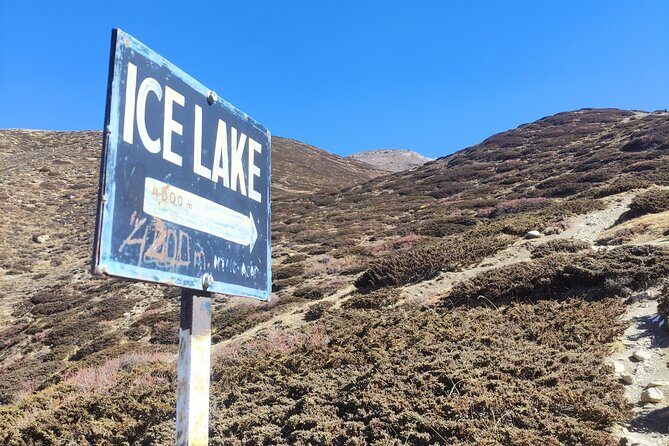
- Thorong La Pass early start designed to get you over before the cold wind hits
- Manang acclimatization day to help you adjust before higher, harsher terrain
- Government-licensed guide + porter support (2 guests share 1 porter, max 25 kg)
- Permits handled for you: ACAP and TIMS card included
- Kali Gandaki Valley variety from greener terraces down into sharper, drier sections
- Poon Hill sunrise option with views toward Dhaulagiri, Annapurna, and Manaslu
Kathmandu temples before the trail grind
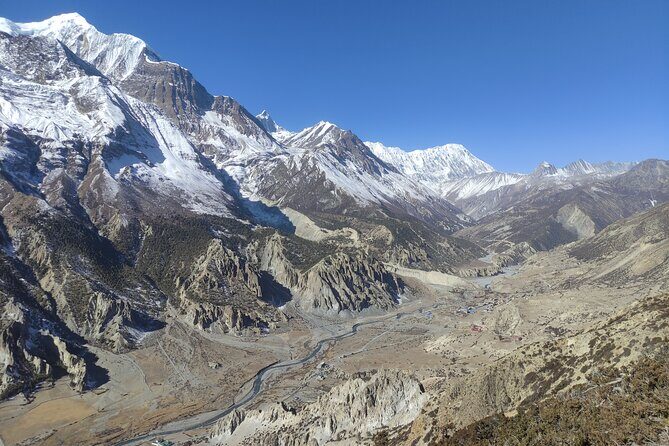
Your trek starts in Kathmandu with airport pickup and a hotel transfer once you land at Tribhuvan Airport. If you arrive feeling jet-lagged, this first handoff is genuinely useful. You’re not spending your first day figuring out taxis or where to stand.
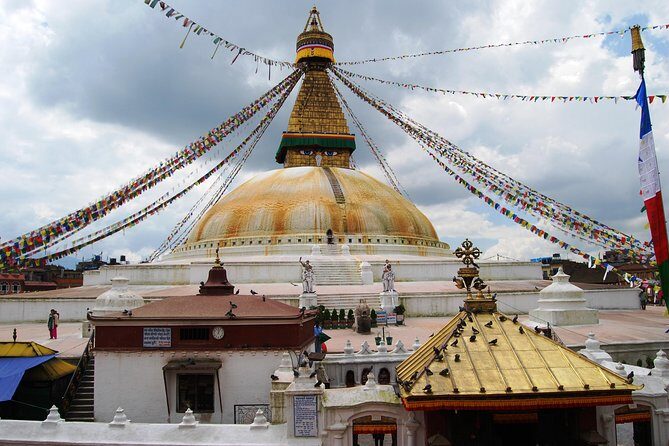
Day 2 is your culture primer, by car. You’ll visit Pashupatinath Temple on the Bagmati River (a major Hindu pilgrimage site), then head to Boudhanath Stupa, a UNESCO site known for its big, calming presence. After that, Kathmandu Durbar Square rounds out the mix of religion and old royal architecture.
The value here is pacing. You get your bearings: the smells, the crowds, the rhythms. Then the next day you’re in travel mode again heading toward the trek start.
A practical note: temple entrance tickets for these stops are not included. Budget the NPR fees and keep a little cash handy, especially if you’re buying tickets on the spot.
You can also read our reviews of more hiking tours in Kathmandu


The long travel day to Syange: when comfort matters
On day 3, you trade city energy for highway views and a long drive. The plan takes you along the hills toward the Pokhara highway area, then continues until you reach Syange (823m / 2,699ft) for the overnight. This is also where you shift from “vacation logistics” into “trek logistics.”
Included transport is already built into the plan: Kathmandu to Besisahar by regular bus, then Besisahar to Syange by sharing jeep. That means you’re not piecing it together yourself, and you’re less likely to lose a day to mismatched schedules.
What I like about this approach is the timing. Starting the trek early in the mountains is easier when you’ve already done the slow elevation-to-travel step. Your legs will still feel it later, but at least you’re not bouncing from one chaotic transfer to another on day 1 of trekking.
Day-by-day trekking feel: terraces, forests, and villages that change with altitude
Dharapani (Day 4): a steep start that sets the tone
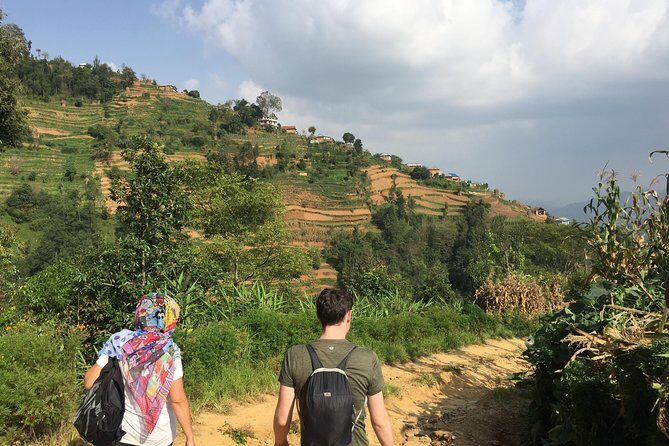
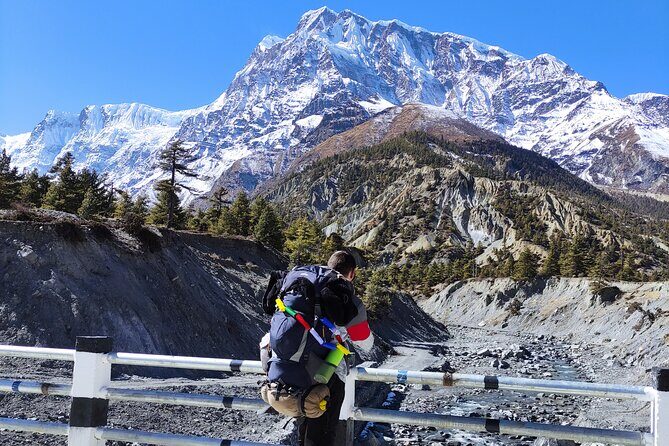
You begin trekking from Besisahar, walking through gorge views, high hills, and waterfalls. There’s a steep push for about half an hour at the start, then you settle into lush farm terraces.
This day is less about the summit dream and more about learning your own rhythm. If you start too fast, you’ll pay later. If you start steady, you’ll feel stronger as the trail keeps giving you views.
Chame (Day 5): vegetation cools and the trail feels different
From Dharapani, the air cools and the vegetation changes. The trek runs through forests and heads toward Bagarchhap, described as a first-village stop with typical Tibetan-style influence, before reaching Chame.
This is one of those “you can feel the altitude” days. Even if you’re not staring at numbers, the air and the greenery are shifting in a way you’ll notice.






Pisang (Day 6): higher ground and continuous peak views
The move from Chame to Pisang climbs you to 3,200m and takes about 5–6 hours. The route follows the other side of the river on the northern bank.
I like this section because the trail keeps you occupied. When you’re walking in terrain that’s clearly higher, you tend to get more consistent payoff from the views—rather than waiting all day for one good sight.
Manang (Day 7–8): the acclimatization day you’ll be glad for
You reach Manang after about 5 hours from Pisang. The trail from Pisang is known for constant views of high snow-capped peaks, plus a steeper climb right after leaving the village.
Then comes the big bonus: day 8 is built as an acclimatization day in Manang. You explore Manang, a village with around 500 flat-roofed houses, set amid strong Himalayan scenery.
If you’re wondering whether an extra rest day is worth it: for this trek, yes. The later portion of the route becomes harsher and higher, and you’re crossing to a very different climate on the far side. That’s exactly when “feeling okay” beats “being tough.”
Yak Kharka to Thorong High Camp: getting closer to pass country
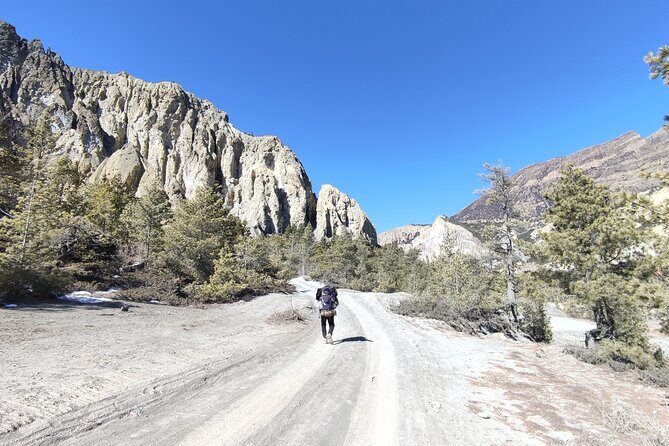
From Manang to Yak Kharka (Day 9), the trail climbs slowly and offers inspiring views of Annapurna II, Gangapurna, Tilicho, and close-up views of Chuli peaks. As you go higher, the area becomes more barren and winds can be a factor.
Day 10 continues toward Thorong High Camp Viewpoint. You climb slowly to the last settlement at Ledar, then wind upward with grand views of Annapurna II, Gangapurna, Tilache, and Chuli.
This section is where you start thinking like a mountain traveler. You’re not just admiring. You’re managing energy, staying warm early, and keeping your breathing calm. If you’re prone to rushing, now’s the time to cut it out.
Crossing Thorong La Pass: the day that makes the whole circuit feel real
Day 11 is your pass day. You start early after breakfast so you can reach the top of Thorong La Pass (5,416m) before the cold wind really settles in.
The trek can be strenuous at the beginning due to a steep start. After you crest the pass, the descent brings you to Muktinath (about 3,800m). The plan notes this as the longest day in terms of trekking time, which makes sense: you’re combining a major climb with a serious descent.
The reward isn’t just altitude. Muktinath is a sacred village stop, and after the walking you’ll likely appreciate having a few teahouses at the bottom for refreshment and a place to reset.
My practical advice for pass day
Dress in layers that work even if you sweat early and freeze later. Start steady on the climb. And don’t wait until you feel terrible to slow down.
Muktinath to Marpha (Day 12): a big drop into Kali Gandaki country
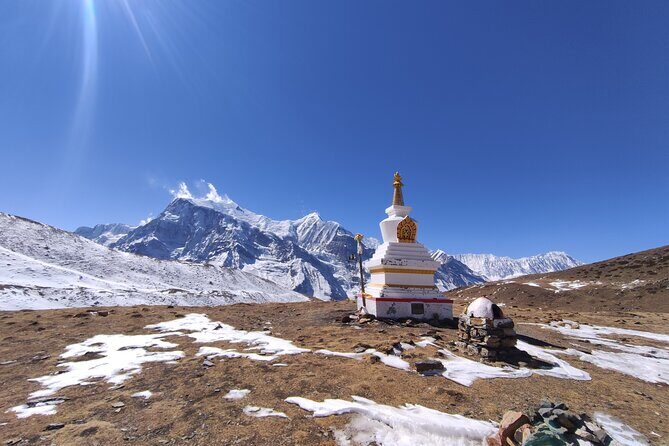
After the pass, the trek descends about 1,200m to the river valley floor near the Kaligandaki River. Day 12 is walking toward Marpha, with a brief stop at Ekale Bhatti, a small settlement literally described as a lonely teahouse.
This day has a different emotional feel than the pass day. You’ve earned the effort already. Now you’re getting your senses back—watching the valley open up and letting your legs stop feeling like they’re vibrating with effort.
Marpha to Lete (Day 13): follow the river and watch the terrain shift
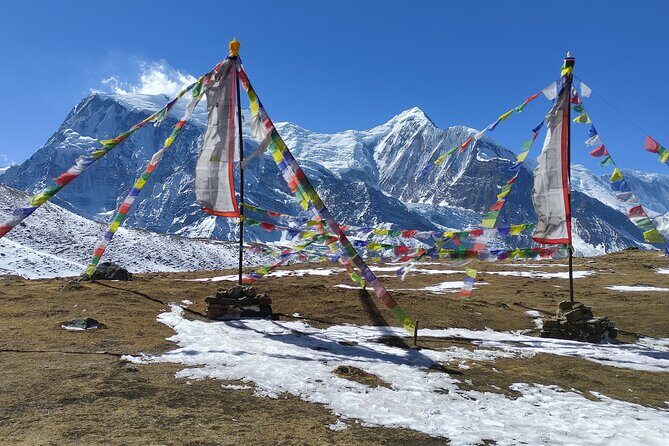
The walk to Lete is described as enjoyable and follows Kali Gandaki downstream. You pass Tukuche village, located under the towering Tukuche peak and Dhaulagiri, and you can catch spectacular views as you walk.
Even when the trail isn’t steep, this is still a serious day. Long valleys can tempt you to walk faster. I’d keep your pace comfortable. You want arrival at the next overnight feeling manageable, not like a “done but wrecked” situation.
Tatopani (Day 14): arid desert to pine and conifer forests
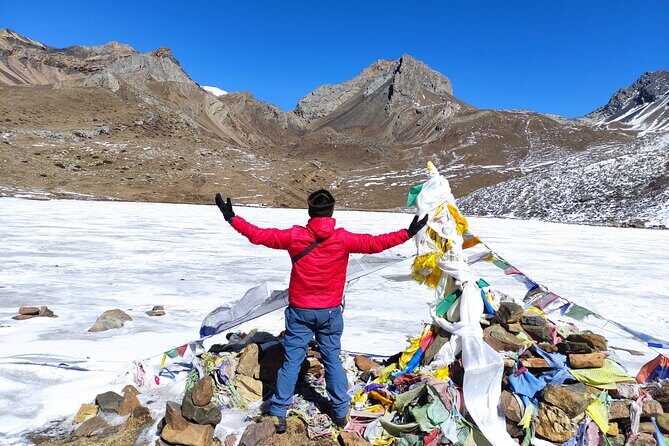
This is one of the trek’s signature transitions. The trail starts with dry, arid terrain and then shifts into pine and conifer forests. You also pass between two giant peaks—Dhaulagiri and Annapurna—so the mountain walls feel close.
The value here is variety within a single trekking schedule. You’ll experience more than one version of Nepal’s high-altitude world, and you’ll do it with your own eyes, not a brochure.
Ghorepani (Day 15): suspension bridge energy
After Tatopani, you head to Ghorepani (about 2,860m) on a 6–7 hour trail. You cross a suspension bridge over the Kali Gandaki River along the way.
Bridges are funny that way. They’re only a short stretch, but they change your whole mood. You get that quick adrenaline hit, then you settle back into steady walking.
Tikhedhunga and Poon Hill (Day 16): sunrise if the weather behaves
Day 16 includes an optional hike (about 1 hour) up to the top of Poon Hill (3,195m) for sunrise. The panorama described includes Dhaulagiri, Annapurna, and the Mt. Manaslu range.
Important detail: the sunrise hike is weather-dependent. If the sky is clear, you’ll get the payoff. If it isn’t, you can still walk the route without treating the day like it’s ruined.
This is also a good moment to appreciate how the circuit finishes with a more “human scale” trek feel—less exposed than the pass section, but still very much in the Himalayan rhythm.
Down to Pokhara (Day 17–18): take a breath and use the downtime
You trek from the Tikhedhunga area toward Pokhara over about 7 hours. The route is described as pleasant, moving through rural farm villages and past views of cascading waterfalls nearby before reaching the lakeside area.
Then day 18 is leisure in Pokhara, with optional sightseeing around lakes like Phewa Lake, Begnas Lake, and Rupa Lake. This day is where you remember how far you’ve come. After days of stairs and stone steps, flat-ish lake air feels like luxury.
And it’s not a throwaway day. If you plan it well, you’ll get a calmer finish and better recovery for the drive back later.
The return ride: Pokhara to Kathmandu and off to your flight
On day 19, you drive back to Kathmandu from Pokhara over roughly 8 hours. The route goes along scenic hills with views of Trisuli and Marsyangdi River. You might also catch mountain views depending on conditions (the exact line varies day to day).
Day 20 is your airport transfer. You’re dropped around 3 hours before your scheduled international flight, which is the right kind of buffer in a place where plans can shift with roads and weather.
Staff and service details that actually matter
A trekking plan is only as good as the human system around it. What stands out with the Great Adventure Treks team is helpful organization and friendly care. In past client stories, the owner is described as able to speak Chinese very well, and the guide-and-porter partnership is repeatedly praised as kind and attentive, with named staff like Jaya (guide) and porters Malik and Dinesh mentioned for looking after people.
You don’t need perfection to have a great trek. You do need responsiveness. This kind of team support makes it easier to handle small issues—wrong timing, a too-heavy day pack, or needing a warm layer earlier than you planned.
Price and what you really get for $1,200
At $1,200 per person for about 20 days, the value mainly comes from what’s packaged instead of added later.
Here’s what is included:
- Airport pickup and drop
- Kathmandu sightseeing by car
- Kathmandu to Besisahar by regular bus, plus Besisahar to Syange by sharing jeep
- A government-licensed trekking guide and a porter (2 guests per porter, 25 kg max)
- ACAP permit and TIMS card
- Meals: 15 lunches, 18 breakfasts, and 15 dinners are specified as included
What’s not included:
- Visa and international flight ticket
- Drinks (soft and hard)
- Personal expenses and tips
- Rescue/evacuation costs
- Some Kathmandu temple entrance fees
To judge value, I look at risk. Permits and the guide/porter system reduce paperwork stress and reduce the odds you’ll be on your own in the tough parts. Meals matter too. At altitude, choosing food is often harder than it sounds—so having it planned is real convenience.
Is it the cheapest trek? Maybe not. But if you want a smoother experience where your energy goes into the trail, this kind of package pricing usually makes sense.
Who this Annapurna Circuit trek fits best
This is a great fit if you want:
- A full classic Annapurna Circuit trek experience with a real pass day
- A structured plan that includes acclimatization in Manang
- Private group timing (it’s set up as private, so you’re not sharing decisions with strangers)
It may not be the best fit if:
- You’re very tight on budget once you add temple fees, drinks, and tips
- You’re expecting an easy walk all the way through. Even with pacing, there are steep sections and a serious pass climb.
Quick packing and planning tips (based on the trek design)
You’ll be dealing with big altitude range and changing conditions. That means layers beat one bulky jacket.
Plan for:
- Warm clothing for cold early morning and pass-time wind
- Sturdy boots and socks you trust for long days
- Cash for entrance fees in Kathmandu (and tips if you choose to give them)
- A day pack, while using the porter system for your heavier items (max 25 kg per porter)
Also, confirm details like start time and meeting spot. The activity start is listed as 8:15 am at the Great Adventure Treks & Expedition office area in Kathmandu (Chhusya Galli). Showing up early keeps the first day calm.
Should you book this 20 Days Annapurna Circuit trek?
If you want the Annapurna Circuit in a way that feels organized, human, and ready for real mountain days, I’d book this. The included guide + porter support, the ACAP/TIMS paperwork handled, and the Manang acclimatization day are the kinds of choices that pay off when altitude and weather get serious.
I’d only hesitate if your budget can’t flex for temple fees, drinks, and gratuities, or if you’re looking for a lightweight, low-effort trek. This one is built for hikers who want the full arc: village days, river valleys, and a pass day that changes you.
FAQ
What is included in the $1,200 per person price?
It includes airport pickup and drop, Kathmandu sightseeing by car, transport from Kathmandu to Besisahar by regular bus and from Besisahar to Syange by sharing jeep, a government-licensed trekking guide plus a porter (2 guests share 1 porter, 25 kg max), ACAP permit, TIMS card, and meals (15 lunches, 18 breakfasts, 15 dinners).
Do I need to pay extra for Kathmandu temple entrances?
Yes. Entrance fees for Pashupatinath Temple, Boudhanath Stupa, and Kathmandu Durbar Square are not included, and the listed NPR amounts vary by nationality category.
What’s the key high-altitude moment on the trek?
You cross Thorong La Pass at 5,416 meters. The plan calls for an early start after breakfast so you can reach the top before the cold wind starts to blow.
Is this trek private?
Yes. It’s listed as a private tour/activity, so only your group participates.
Are the permits and trekking cards included?
Yes. The trek includes the Annapurna Conservation Area Project permit (ACAP) and the TIMS card.
What’s the cancellation policy?
You can cancel up to 3 days in advance for a full refund. If you cancel less than 3 days before the start time, the amount paid is not refunded, and changes made less than 3 full days before the experience start time are not accepted.