REVIEW · KATHMANDU
Kathmandu Valley Rim Trekking – 3 days
Book on Viator →Operated by Eco Holidays Nepal · Bookable on Viator
Day-hike views near Kathmandu are a special kind of magic. This short Kathmandu Valley Rim Trek loops around the city’s green hill belt, taking you from Sundarijal’s forest and village paths to classic viewpoints at Chisapani and Nagarkot, then finishing at Changunarayan’s ancient Vishnu temple. I like that it’s built for real time outdoors (cool woodland walking, farm villages, terrace scenery), and that the package keeps things simple with a professional guide and private transport. One thing to keep in mind: the mountain panorama depends on weather, so rain or haze can soften those big Himalayan views.
You’ll spend your days moving on gradual paths, with overnight stops that are known for early light and wide angles. The overall feel is escape-from-city, without turning it into a hard-core trek. If you’re the type who hates surprises, plan for this: drinks aren’t included, so you’ll want to budget for water or hot/cold beverages during breaks.
In This Review
- Key Points I’d Prioritize Before You Go
- Three Days Around Kathmandu’s Hill Rim: What You’ll Actually Do
- Day 1: Sundarijal Water Shed Climb to Chisapani’s Hilltop Calm
- Day 2: Rhododendron and Pine Forest Paths to Nagarkot Views
- Day 3: Downhill to Changunarayan and a Temple-Complex Finish
- Meals and Transport: Why the Package Feels Low-Stress
- Weather and Mountain Views: How to Handle the Big-View Reality
- Price and Value at About $380: What You’re Paying For
- Who This Trek Fits Best (And Who Might Want a Different Plan)
- Tips That Actually Help on This Route
- Should You Book Kathmandu Valley Rim Trekking?
- FAQ
- How long is the Kathmandu Valley Rim Trek?
- Where does the tour start and where does it end?
- Is pickup included?
- What meals are included?
- Are beverages included with meals?
- Is travel insurance included?
- Is cancellation free?
Key Points I’d Prioritize Before You Go
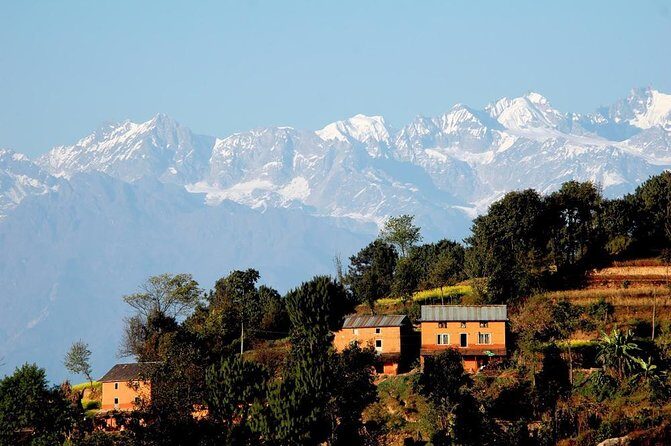
- Short, rim-style walking: easier than big trekking routes, focused on hills around Kathmandu
- Chisapani and Nagarkot overnights: built-in chances for sunrise and sunset views
- Forest-to-village route: Sundarijal watershed climb, then Tamang farmland and terraced countryside
- Changunarayan temple stop: a calm historical break at an old pagoda-style site
- Meals included, drinks not: breakfast twice, lunch three times, dinner twice
- Private group experience: just your group with pickup and a guide
Three Days Around Kathmandu’s Hill Rim: What You’ll Actually Do
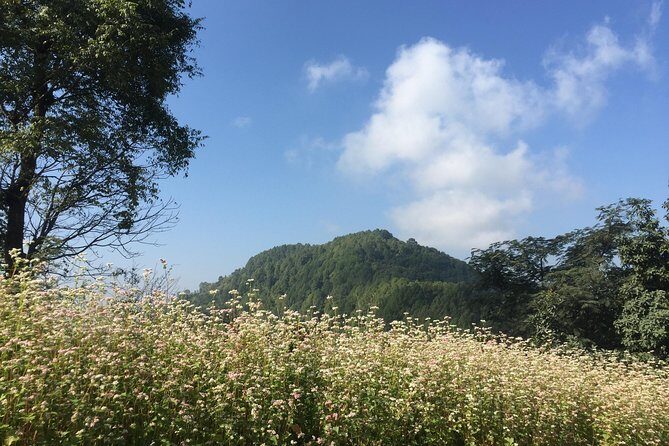
This trek is the kind of trip that fits into a busy Nepal plan without demanding a huge time commitment. Over about 3 days, you walk the outer rim of Kathmandu Valley—rolling hills, patchwork farms, and stretches of cool forest—while keeping Kathmandu close enough that your return feels smooth, not stressful.
The route is designed to take you away from traffic noise fast. You start with a short drive from the Kathmandu side up toward Sundarijal, then your walking time ramps up through forest and villages. By Day 2, you’re in the kind of scenery where rhododendron and pine forest feel like a reset for your brain. Then you work your way into Nagarkot, a hill town built around viewpoints.
By Day 3, you shift from walking to a cultural finish. You head downhill through farm villages and terrace fields, enter a cooler forest patch, and end at Changunarayan. This is where the trip becomes more than scenery: you’re also visiting an old temple complex dedicated to Lord Vishnu.
You can also read our reviews of more hiking tours in Kathmandu


Day 1: Sundarijal Water Shed Climb to Chisapani’s Hilltop Calm
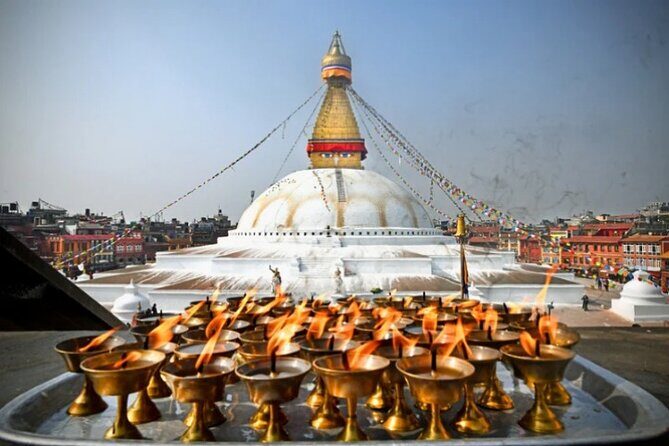
Day 1 starts with a practical repositioning: you leave your Kathmandu hotel in the morning and drive past the Boudhanath area toward Sundarijal on the north-east side of the valley rim. From there, you climb into the Sundarijal water shed and water reservoir zone, which is a nice early hint that this trek isn’t just about views—it’s also about how the region functions.
Once you’re on the trail, the walking is through cool forest areas. You’ll pass through Burlung Bhanjyang, a place connected with Tamang farming villages. This matters because it keeps the trek from feeling like a theme-park hike. You’re not just passing scenery; you’re moving through real rural life along the rim.
Your Day 1 goal is Chisapani, where the overnight stop sits on a hilltop-like green field. Chisapani is known for big morning energy—especially sunrise views—while still feeling comfortable because it’s tied to local lodge life. The experience here is the simple pleasure of settling into a quiet place with fresh air after a day of walking.
What to watch for on Day 1: If it’s rainy, the forest can be slick. Bring something that handles mud and keep your pace steady on the climb.
Day 2: Rhododendron and Pine Forest Paths to Nagarkot Views
Day 2 is the most classic “short trek” day. You begin with gradual walking along winding paths through rhododendron and pine forest. There’s a downhill element early on, and that’s good news if you want your legs to warm up gradually rather than getting thrown into steep uphill work right away.
You make your way toward Chowki-Bbhanjyang, a small farm village. This is one of those spots where breaks feel natural because the trail and the settlement rhythm match each other. After a short pause, you continue on a scenic path that runs past Jarsing Pawa.
Then the route shifts to higher ground before dropping again. You’ll head downhill to Kartike Bhanyang, and later you’ll push uphill to reach Nagarkot for the overnight stay.
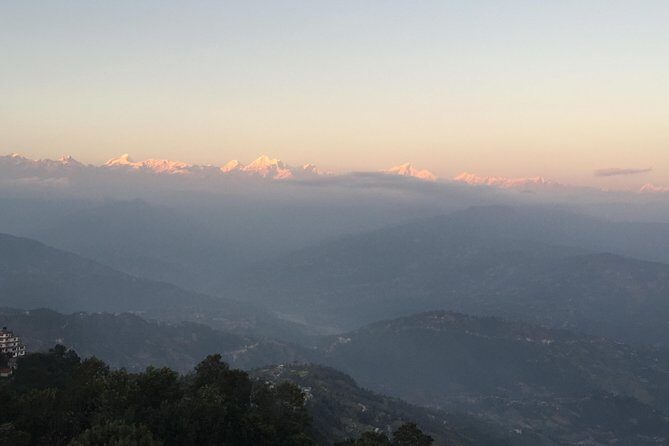
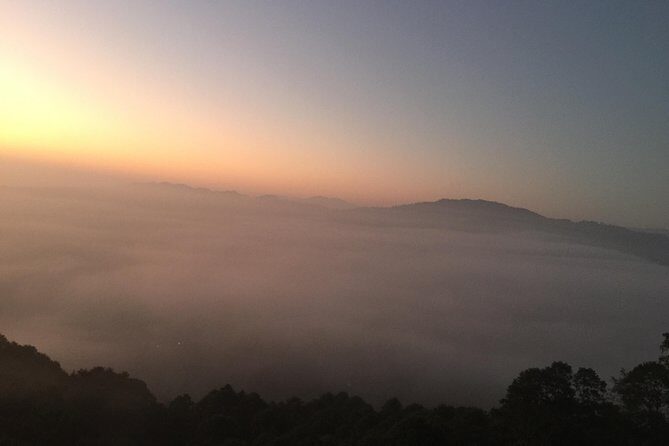
Nagarkot itself is a named highlight for a reason. It sits at an elevation listed around 1,932 to 2,100 m, and it’s famous for sunrise and sunset, with light playing across the Himalayan range when conditions are right. If you’re chasing those iconic photos, this is where your timing matters most: early morning and late evening are the money hours.
The honest consideration: views are weather-dependent. One review notes that rain affected how clear the vistas were. So keep your expectation flexible: you’re still walking through a great environment, but you might not get the crispest line-of-sight mountains every day.
Day 3: Downhill to Changunarayan and a Temple-Complex Finish
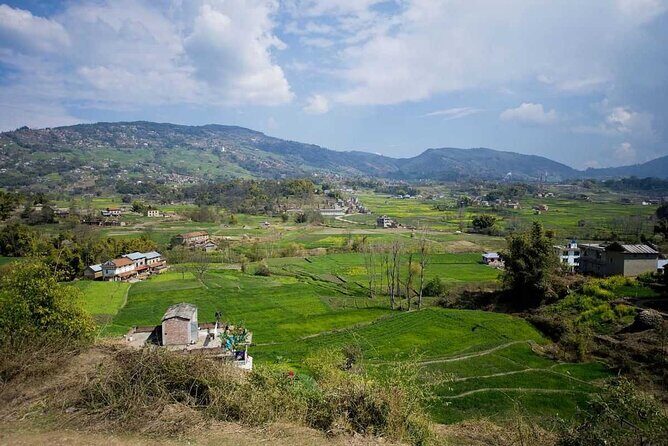
Day 3 starts with a calmer vibe. After time for the early Nagarkot atmosphere, you head downhill past farm villages and terrace fields. This part is visually rewarding because it shows Kathmandu Valley as working countryside, not just a backdrop.
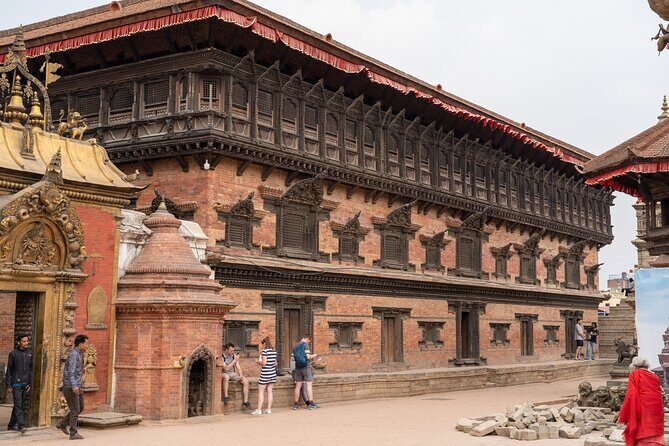
You then enter a cooler forest patch and reach Changunarayan, a quaint town centered around an old temple complex. Here’s the cultural anchor: Changunarayan is dedicated to Lord Vishnu. The temple is described as having fine pagoda architecture, and you get time to visit the serene surroundings.
Even if you’re not the type to plan religious sites, this stop is worth it because it breaks up the trek into a complete story: forest walking, rural ridgeline movement, then an ancient spiritual landmark at the finish.
After the temple visit, you return to Kathmandu by drive. You’ll have the afternoon free for leisure time and souvenir shopping, which is a practical perk. It means you don’t feel rushed to sprint back into city life right after your last downhill stretch.
Meals and Transport: Why the Package Feels Low-Stress
This is a private experience, which matters more than you’d think on short treks. You’re not sharing the day with a random mix of strangers and differing walking speeds. Private transportation also keeps transitions simple: you get picked up in Kathmandu and driven between walking starts and finish points.
The included food setup is clear:
- Breakfast (2)
- Lunch (3)
- Dinner (2)
That’s solid because it reduces the day-to-day decisions when you’re tired. You can focus on walking, water, and enjoying viewpoints instead of hunting for meals mid-route.
One key detail: hot/cold beverages and soft drinks aren’t included. Plan to buy them during breaks or bring what you can carry comfortably. It’s a small thing, but it makes a big difference on long hours outdoors.
And yes, the trek includes a professional guide, which I’d put high on the value list. On a route like this—where trails connect villages and forest segments—having a guide helps you move efficiently and confidently.
A few more Kathmandu tours and experiences worth a look

Weather and Mountain Views: How to Handle the Big-View Reality
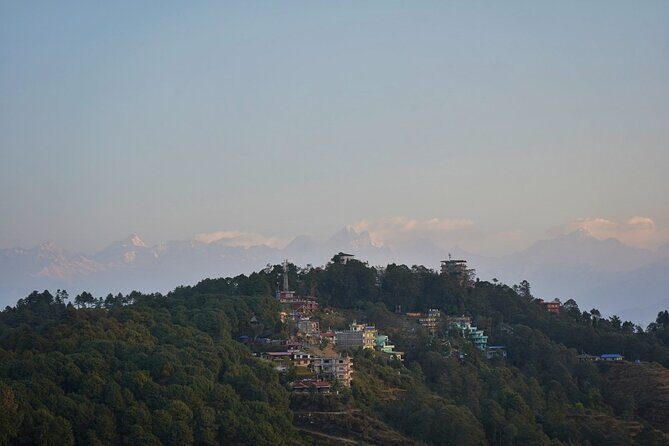
The Kathmandu Valley Rim route is sold with wide panorama potential, from Central Himalaya ranges to peaks stretching toward the Everest region. That sounds dramatic—and it can be. But in real life, the sky has a vote.
If clouds roll in, you may still see hills and valley greens clearly, but you can lose the sharper mountain outlines. One review specifically mentions bad weather and rain making views less clear. That’s not a dealbreaker, just a heads-up: you’re choosing a place for the scenery and experience, not only a guaranteed postcard.
Your best strategy: be ready for sunrise opportunities at Chisapani and Nagarkot, but also accept that fog and rain can happen. Pack for damp conditions even if the forecast looks okay the day before.
Price and Value at About $380: What You’re Paying For
At $380.67 per person for an approx 3-day program, the real question is what you get for your money.
You’re paying for:
- Private transportation
- Professional guide
- All fees and taxes
- Meals (breakfast, lunch, dinner as listed)
- Overnight stops at the trek’s key viewpoints (Chisapani and Nagarkot are part of the program)
That package structure usually works well for first-timers. You don’t need to assemble transport, permits/fees, or meal plans yourself. And you’re getting guided navigation through forest and village paths around the valley rim.
What you should treat as extra costs:
- Hot/cold beverages and soft drinks (not included)
- Travel insurance (not included)
Also, you should plan on your own spending for snacks you want on the trail, plus any personal items.
If you value convenience and a smooth schedule, this is priced in the zone where it can be good value. If you’re a hardcore budget traveler who enjoys arranging everything independently, you might find cheaper ways to do a similar rim-walk loop—but it won’t feel as frictionless.
Who This Trek Fits Best (And Who Might Want a Different Plan)
This trek is described as short and enjoyable, and it’s framed as suitable for most travelers. That matches the shape of the itinerary: gradual walking, village-to-viewpoint pacing, and no mention of extreme high-altitude stages.
You’ll likely love it if you:
- Want a taste of trekking without committing to a long trek
- Prefer day-to-day manageable walking with comfort stops
- Like mixes of nature + village life + a temple visit
- Want a guided route around Kathmandu that feels organized
You might think twice if:
- You need fully guaranteed mountain visibility and hate weather uncertainty
- You want unlimited beverages included (they’re not)
- You’re looking for a bigger adventure with dramatic elevation gains
Tips That Actually Help on This Route
Bring the basics that make a short trek easier. Not fancy gear—just smart choices.
- Rain-ready layer: even if it’s sunny, the forest sections can turn damp.
- Water strategy: since beverages aren’t included, you’ll want access to water on breaks.
- Comfortable shoes: you’ll be walking downhill and through forest paths with uneven ground.
- Early-morning mindset: sunrise viewing is a big part of why Chisapani and Nagarkot are chosen.
- Ask your guide about pacing: I’ve seen praise for guides such as Sagar Ghising and also for strong management by Dhurba. Use that advantage—tell them how your energy feels and adjust.
Also, take time to enjoy the small village stops. Chowki-Bbhanjyang and terrace fields aren’t just photo backdrops. They’re where the rim trek becomes a Kathmandu escape instead of a corridor of viewpoints.
Should You Book Kathmandu Valley Rim Trekking?
I’d book this trek if you want a short, organized nature break around Kathmandu with enough walking to feel outdoorsy, but enough structure to avoid planning headaches. It’s especially strong for first-time trekkers who still want sunrise-class viewpoints at Chisapani and Nagarkot, plus a meaningful finish at Changunarayan.
Don’t book it expecting perfect summit-level clarity every day. If weather is cloudy, you’ll trade crisp mountain lines for moodier views and still-beautiful hills. If that sounds like your kind of trek, go for it.
FAQ
How long is the Kathmandu Valley Rim Trek?
The trek runs for about 3 days.
Where does the tour start and where does it end?
It starts at Tribhuvan Airport, Kathmandu, Nepal, and ends back at the meeting point.
Is pickup included?
Pickup is offered.
What meals are included?
Breakfast is included twice, lunch is included three times, and dinner is included twice.
Are beverages included with meals?
No. Any hot/cold beverages and soft drinks are not included.
Is travel insurance included?
No, travel insurance is not included.
Is cancellation free?
Yes, you can cancel up to 24 hours in advance for a full refund.