REVIEW · KATHMANDU
Annapuran Base Camp Trek
Book on Viator →Operated by Well Plan Trekking · Bookable on Viator
Mountain air hits the moment you start walking. This Annapurna Base Camp trek is built around a smart route through Ghandruk, then up to Annapurna Base Camp, guided by an experienced, English-speaking leader like Ram. I also like how the plan feels practical on paper: permits, paperwork, and day-to-day logistics are handled so you can focus on walking and breathing high air.
On the trail, tea or coffee with every meal keeps things steady, and I like that your mountain stays are simple but clear-cut: private rooms with shared toilets. I also appreciate that strong Sherpa helpers and porters are part of the system, with meals, accommodation, salary, and insurance included for them.
One real consideration: weather and altitude can be rough even with good organization, and the trip asks for moderate physical fitness and the right rain gear. If cold rain (and the occasional hail) shows up, you’ll want to be ready, because the mountains don’t pause for your comfort.
In This Review
- Key highlights worth knowing
- Annapurna Base Camp isn’t one thing. It’s a whole mix.
- Route map in words: from Kathmandu to Ghandruk to Base Camp
- Day 1: Arrival in Kathmandu (about 1,300m)
- Day 2: Kathmandu to Pokhara by road (about 6–7 hours)
- Day 3: Pokhara to Nayapul, then trek to Ghandruk (about 5–6 hours)
- Day 4: Ghandruk to Sinuwa (about 5–6 hours)
- Day 5: Sinuwa to Deurali (about 6 hours)
- Day 6: Deurali to Annapurna Base Camp (about 5 hours)
- Day 7: Base Camp down to Bamboo (about 6 hours)
- Day 8: Bamboo to Jhinu Hot Spring (about 5 hours)
- Day 9: Jhinu Hot Spring to Nayapul, then drive to Pokhara (about 7 hours)
- Day 10: Pokhara to Kathmandu (about 7–8 hours)
- Day 11: Departure day
- Ram, Santosh, and the safety-first support you hope for
- Comfort basics on mountain days: private rooms, shared toilets
- Food, tea, and hot spring recovery: what your body will thank you for
- Price and logistics: what $741.34 covers and what you must plan
- Day-to-day pacing: altitude you can read, plus room to recover
- Who should choose this trek (and who should think twice)
- Should you book this Annapurna Base Camp trek?
- FAQ
- What does this Annapurna Base Camp trek cost?
- How long is the experience?
- Do I get pickup from the airport in Kathmandu?
- What kind of guide and porter support is provided?
- Are permits included for trekking in the Annapurna region?
- What meals are included during the trek?
- What is the accommodation like on the mountain?
- What fitness level do I need?
- Can I cancel for a full refund?
Key highlights worth knowing
- A route that includes Ghandruk and cultural encounters: You pass through Ghandruk, with the trip specifically calling out time in Gurung and Dalits community areas.
- English-speaking guidance led by Ram, plus porter support: Reviews point to Ram’s knowledge and a safety-first approach, with Santosh highlighted as a key porter.
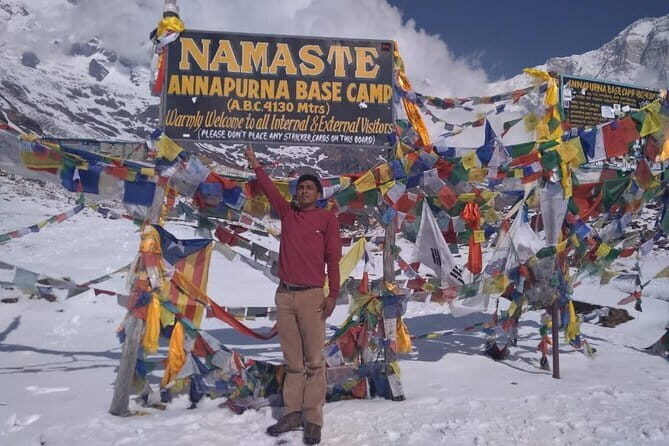
- An Annapurna Base Camp summit day with a focused uphill: The trek brings you to Base Camp around 4,130m, after a series of altitude steps that help you keep moving smart.
- Real downshift after Base Camp: Instead of just bouncing back, the plan includes a trek down toward Bamboo and then to Jhinu Hot Spring for recovery.
- Meals and mountain lodging are clearly included: Breakfast in cities plus three trekking meals daily with tea or coffee, and private-room mountain accommodation with shared toilets.
Annapurna Base Camp isn’t one thing. It’s a whole mix.
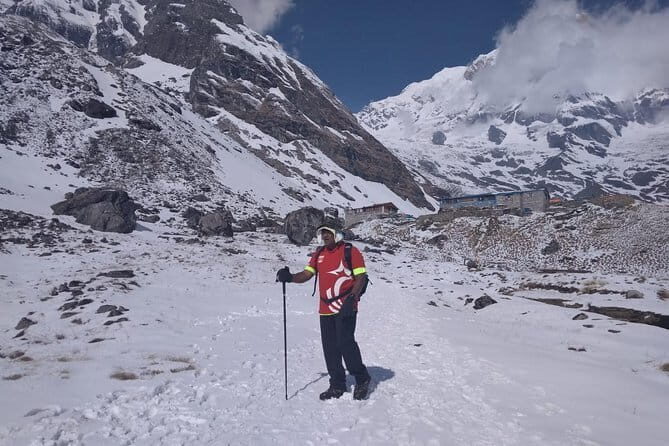
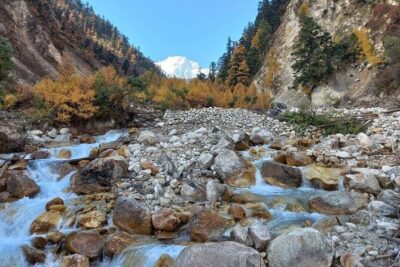
Annapurna Base Camp is popular for a reason: it’s the kind of hike where the goal is dramatic, but the best parts often happen on the way. You start in Kathmandu, shift to Pokhara, and then work your way through villages and altitude until Base Camp. Along the route, the trip isn’t just about views. It’s also about daily rhythm—walking hours, tea breaks, and the steady change from city life to mountain life.
This trek also has a clear structure that matters. Permits and paperwork are covered, and the tour is set up as a private experience, so you’re not being shuffled into some random group pace. For many people, that makes the difference between a “hard trek” and a “tough but enjoyable trek.”
You can also read our reviews of more hiking tours in Kathmandu


Route map in words: from Kathmandu to Ghandruk to Base Camp
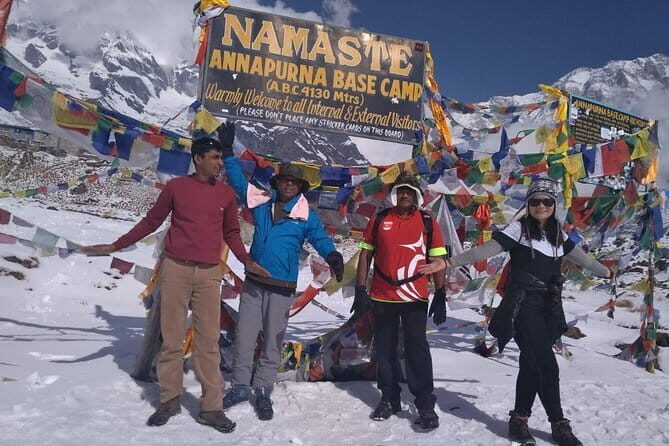
The plan runs about 11 days total, with city travel days wrapped around the trek. Your elevations start around 1,300m in Kathmandu and climb up toward Annapurna Base Camp around 4,130m.
Here’s how the walking days and travel days shape the trip:
Day 1: Arrival in Kathmandu (about 1,300m)
You arrive in Kathmandu and get the benefit of an organized start. The itinerary keeps Day 1 as a true arrival day, which is smart because Kathmandu traffic and altitude can make day-one feel busy enough without adding a long trek.
Day 2: Kathmandu to Pokhara by road (about 6–7 hours)
You drive to Pokhara (around 820m). This is more than just transportation. Pokhara is where the whole mood changes—from the tight pace of Kathmandu to the calmer staging point for trekkers.
Day 3: Pokhara to Nayapul, then trek to Ghandruk (about 5–6 hours)
You take a drive from Pokhara to Nayapul, then begin walking to Ghandruk (around 1,940m). This day matters because it introduces you to the village trail feel early, with a route that the trip describes as passing through areas linked to Gurung and Dalits communities.
Why you’ll probably like it: you get a real sense of how trekking fits into local life, not just a trail with scenery.





Day 4: Ghandruk to Sinuwa (about 5–6 hours)
Next you trek to Sinuwa (about 2,360m). This is a steady climb day that helps you settle into altitude without going straight from village to “wow” high camp.
Day 5: Sinuwa to Deurali (about 6 hours)
You go up to Deurali (about 3,230m). The day-by-day altitude steps are what keep this from feeling like one giant cliff-jump. Also, it’s the kind of day where weather can change fast, so don’t treat Deurali as a guaranteed clear-sky checkpoint.
Day 6: Deurali to Annapurna Base Camp (about 5 hours)
This is your big goal day to Annapurna Base Camp (around 4,130m). The trek description keeps it focused: you push up from Deurali to Base Camp in about five hours of trekking time.
Practical tip: at this point, your pacing matters more than speed. You’ll get more out of the day by managing effort than by trying to prove anything to yourself.
Day 7: Base Camp down to Bamboo (about 6 hours)
After Base Camp, you trek down to Bamboo (about 2,340m). This downshift is a big deal. It helps your body recover from the high point, and it also breaks the monotony of constant climbing.
Day 8: Bamboo to Jhinu Hot Spring (about 5 hours)
You move to Jhinu Hot Spring (around 1,780m). This day adds a classic trekking payoff: the chance to soak in the hot springs after days of hiking and cold weather exposure. It’s not a luxury spa plan. It’s more like a well-earned reset button.
Day 9: Jhinu Hot Spring to Nayapul, then drive to Pokhara (about 7 hours)
You trek to Nayapul and then drive back to Pokhara (about 820m). This is a long travel day, but it’s also a good one to plan mental recovery around. You’ll likely want to eat well and sleep early in Pokhara.
Day 10: Pokhara to Kathmandu (about 7–8 hours)
Drive back to Kathmandu (around 1,300m). You’ll feel the switch from mountain schedule to city schedule. Having a travel buffer here makes the last night feel less rushed.
Day 11: Departure day
Day 11 is set aside for departure. The trip ends back at the meeting point in Kathmandu.
Ram, Santosh, and the safety-first support you hope for
If you’ve ever watched someone struggle on a high-altitude trail, you know it’s not always about legs. It’s about decision-making. That’s where the guide and porter team matters.
This trek includes an experienced, helpful, friendly English-speaking trekking guide and strong Sherpa helpers as porters. Reviews specifically highlight Ram as the lead guide, praised for route knowledge and for putting safety first. One review also calls out porter Santosh by name, which is a nice reminder that the support crew isn’t anonymous.
Support also shows up in real-life weather handling. One reviewer described poor weather early and even hail around the day heading up toward Deurali, with Ram preparing the right rain protection. You can’t control the mountains, but you can control how prepared you are and how fast your team adapts.
What this means for you: you’ll likely spend less time worrying about the route and more time focusing on your pace and comfort. That’s the underrated value of a well-run trek.
Comfort basics on mountain days: private rooms, shared toilets
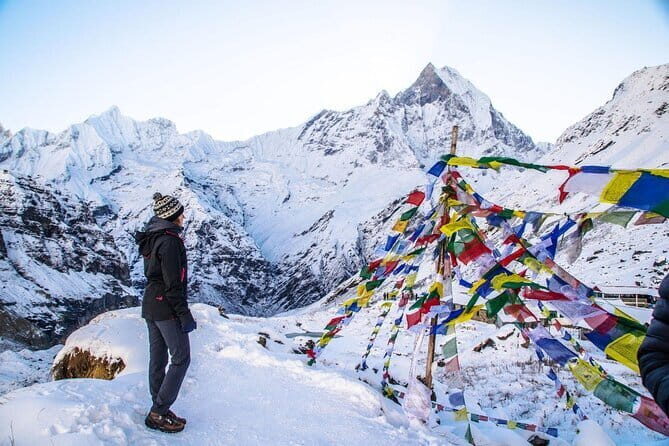
Let’s talk about lodging in plain terms. The trip includes all mountain accommodations with a soft, comfort-style setup and private room sleeping arrangements. Toilets are shared, so this is not a private-bath situation.
For many trekkers, that’s a fair trade. You’ll still get personal space for sleep, and you won’t lose your whole day managing basic facilities. If you’re the type who needs quiet and control at night, private rooms help.
You’ll also get a reliable food rhythm:
- Breakfast, lunch, dinner during the trek
- Plus a cup of tea or coffee with meals
That regularity is more important than it sounds. When you’re walking for hours in thin air, you don’t want meals to become a guessing game. The included structure helps you stay consistent.
Food, tea, and hot spring recovery: what your body will thank you for
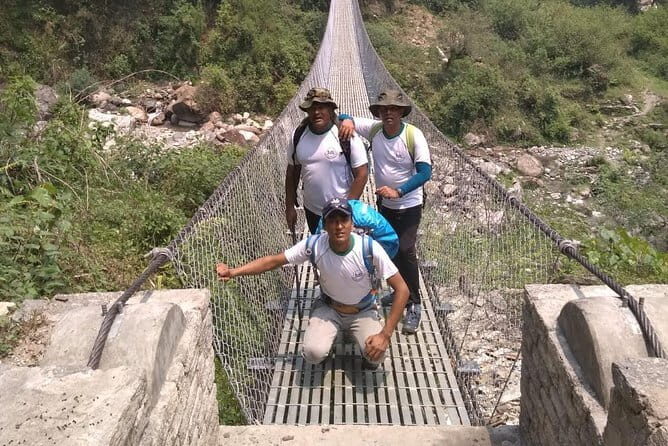
The itinerary is built around daily meals during the trek, with tea or coffee included. In practice, this keeps you from burning mental energy on searching for food every stop. It also helps you stay warm, because hot drinks do more than taste good at altitude.
Then there’s Jhinu Hot Spring. The trek plans Jhinu right after the Bamboo day, when you’re already deep into the climbing story and then heading into recovery mode. A hot soak after trekking is one of those things you don’t fully appreciate until you’ve had sore legs for days.
Just don’t treat it like an all-day lounge plan. It’s a short recovery moment that fits the overall trekking schedule.
Price and logistics: what $741.34 covers and what you must plan
At $741.34 per person, this trek is priced as a package that covers the “hard to organize” parts. You’re not just paying for guide time. You’re paying for a system: lodging in cities, mountain stays, meals, transport between key points, and the paperwork needed to trek in the Annapurna area.
What’s included (big-ticket items):
- 2 nights in Kathmandu and 2 nights in Pokhara, with breakfast
- Airport pickup and drop in Kathmandu by private car
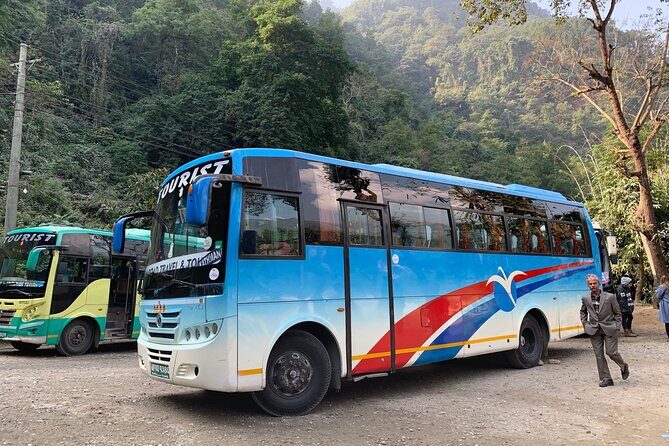
- Kathmandu–Pokhara–Kathmandu by tourist bus
- Permits: TIMS and Annapurna Conservation permit
- Guide (English speaking) plus Sherpa helpers/porters
- Trek meals: three meals daily with tea or coffee
- Mountain accommodations: private rooms, shared toilet
What you should budget for separately:
- Travel and rescue insurance
- Alcohol and bar bills
- Tips for your guide and porter
- Personal expenses like phone calls, laundry, shower charges, and other small costs
Here’s how to judge value honestly: the package includes the essentials that often become surprise costs for DIY planning. If you already have your insurance and you’re comfortable budgeting tips and personal extras, this can feel like good value.
If you don’t have insurance yet, make that one of your first purchases. Rescue and travel insurance is not just paperwork. It’s your safety net.
Day-to-day pacing: altitude you can read, plus room to recover
The itinerary’s altitude pattern is not random. It climbs in steps:
- Ghandruk at about 1,940m
- Sinuwa around 2,360m
- Deurali around 3,230m
- Base Camp around 4,130m
Then after Base Camp, it drops:
- Down to Bamboo around 2,340m
- Then further down to Jhinu at about 1,780m
That downshift is a smart way to reduce the grind after reaching the high point. It’s also why Jhinu Hot Spring makes sense in the overall storyline. You’re not just stopping. You’re recovering.
Weather is the wildcard. One review described hail near Deurali, so assume you’ll need layers and rain protection. Even if forecasts look good, pack like you’ll get cold rain.
Who should choose this trek (and who should think twice)
This is a private tour/activity, meaning only your group participates. That suits couples, friends, or solo travelers who want a guide and porter system without sharing with strangers.
It also fits people with moderate physical fitness who understand that trekking to Base Camp is not a walk in the park. If you’re new to hiking, you’ll still do fine if you pace slowly and listen to your guide. The key is not speed. It’s consistency.
If you hate shared toilets, or if you expect a resort-style comfort level on mountain nights, this trek may feel too basic for your taste. But if you can handle simple mountain accommodations and focus on the experience, it’s a solid match.
Should you book this Annapurna Base Camp trek?
I’d book this if you want the Annapurna Base Camp experience without the stress of figuring out permits, transport timing, and daily meal plans. You’re also getting a guide-porter structure that’s been praised for safety and organization, with Ram named as the lead in multiple accounts and Santosh mentioned as a helpful porter.
Skip it if you know you’re not comfortable with mountain weather swings or if you prefer private bathrooms and luxury comfort. This is a trekking plan built for walking days, real altitude, and practical mountain lodging.
My best advice: read the inclusion list and line up your extras early. Insurance and tips are the two categories that most easily surprise people. If you handle those before you go, the rest of the trip is set up to run smoothly.
FAQ
What does this Annapurna Base Camp trek cost?
The price is $741.34 per person. The package includes city accommodations with breakfast, a trekking guide, airport pickup and drop in Kathmandu, transport between Kathmandu and Pokhara, permits (TIMS and Annapurna Conservation permit), porters, trekking meals with tea or coffee, and mountain accommodations.
How long is the experience?
The itinerary is planned for about 11 days, with arrival and departure days in Kathmandu plus driving days to and from Pokhara and Nayapul.
Do I get pickup from the airport in Kathmandu?
Yes. Airport pickup and drop are included by private car in Kathmandu.
What kind of guide and porter support is provided?
You’ll have an experienced, helpful, friendly, English-speaking trekking guide. The trek also includes strong experienced Sherpa helpers/porters with meals, accommodation, salary, and insurance.
Are permits included for trekking in the Annapurna region?
Yes. The Annapurna Conservation permit and TIMS are included.
What meals are included during the trek?
During the trek you get three meals per day (breakfast, lunch, and dinner), plus a cup of tea or coffee with meals.
What is the accommodation like on the mountain?
Mountain accommodation is included with soft comfort, private rooms, and shared toilets.
What fitness level do I need?
You should have a moderate physical fitness level.
Can I cancel for a full refund?
Yes. You can cancel up to 24 hours in advance of the experience start time for a full refund. If you cancel less than 24 hours before, the amount paid will not be refunded.