REVIEW · KATHMANDU
Kathmandu at Sunset: Explore the City on Rickshaw
Book on GetYourGuide →Operated by Intrepid Urban Adventures - Asia · Bookable on GetYourGuide
Pedal power at dusk makes Kathmandu feel alive. I love the rickshaw ride through backstreets and the chance to watch life unfold at Kathmandu Durbar Square as the day cools down. One thing to keep in mind: even though the tour is listed for 2.5–3 hours, the time on the ground can run shorter.
You start at Hotel Marshyangdi in Thamel with an English-speaking Nepali guide and a small group of up to 12. I also like that this tour supports local drivers directly, while the trip is described as carbon neutral through a B Corp certified operator and entrance fees that help preserve cultural heritage.
In This Review
- Key things to know before you go
- How a sunset rickshaw changes Kathmandu
- From Hotel Marshyangdi to Thamel: setting the scene in 15 minutes
- Sigal shrine stop: a calm Buddhist pause in a narrow alley
- Asan market at night: spices, shopping, and Annapurna Temple nearby
- Kathmandu Durbar Square after sunset: UNESCO monuments with real daily life
- The rickshaw ride itself: why pedaling through backstreets feels different
- Price and timing: what $49 buys, and how long you should plan
- Should you book Kathmandu at Sunset by Rickshaw?
- FAQ
- What is included in the tour price?
- Where does the tour start and end?
- How long does the Kathmandu sunset rickshaw experience take?
- Do you include food or drinks?
- Is the tour carbon neutral or does it support heritage preservation?
- Can I reserve and cancel if my plans change?
Key things to know before you go
- Thamel start, sunset timing: you hit the most atmospheric streets as evening takes over.
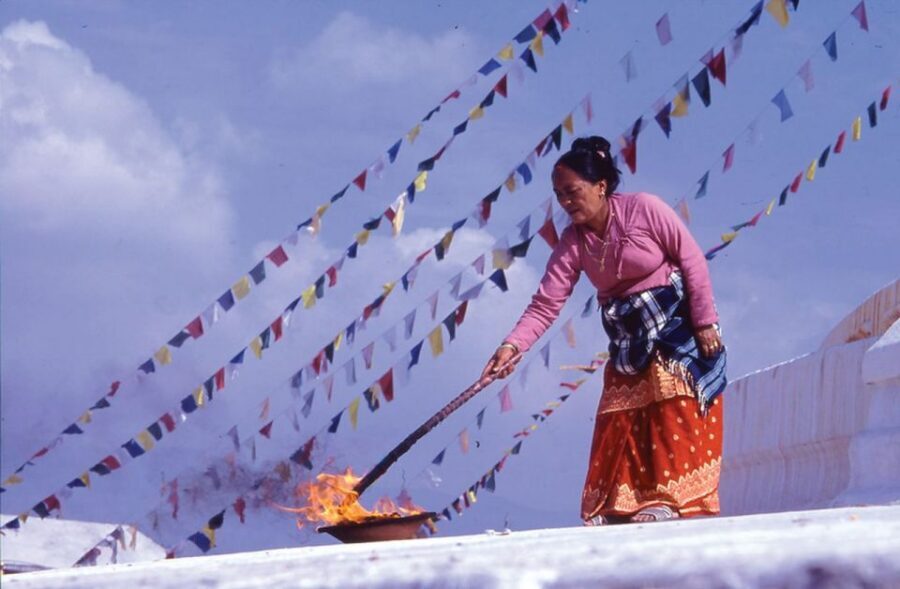
- Sigal shrine stop: a calm Buddhist moment inside a narrow alley.
- Asan market + Annapurna Temple views: spices and daily shopping in one concentrated hour.
- Kathmandu Durbar Square: a UNESCO-listed site with prayer, chai, and everyday rhythm around the monuments.
- Rickshaws hired from drivers: your transport fee is routed straight to the people pedaling you through the city.
How a sunset rickshaw changes Kathmandu
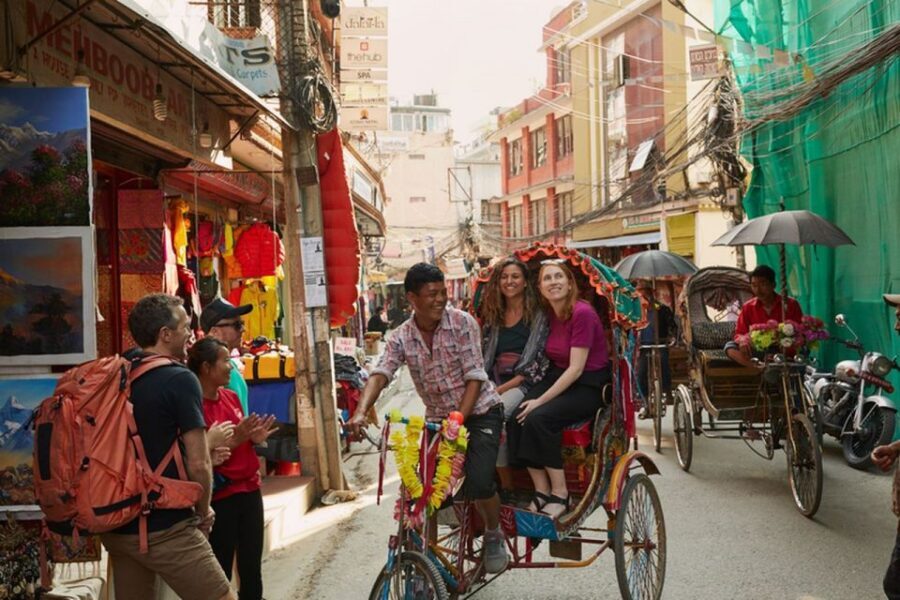
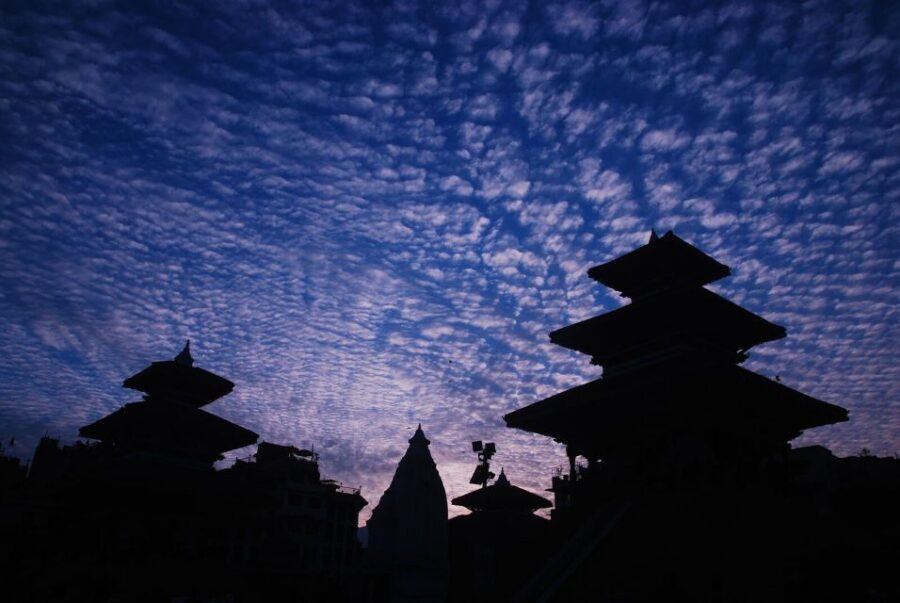
Kathmandu after sunset has a different pace. By day, the city can feel like a traffic puzzle; at dusk, it turns into a sequence of small scenes—people making their way home, shops lighting up, temple bells starting to sound more frequent.
This is the kind of tour that makes you slow down without feeling stuck. You get a mix of walking and pedicab time, so you’re not just parked at attractions—you’re moving through the neighborhoods that actually connect them. And when you do stop, you stop in the right places: temple squares and market edges, where locals are present in a real way.
You can also read our reviews of more city tours in Kathmandu
From Hotel Marshyangdi to Thamel: setting the scene in 15 minutes
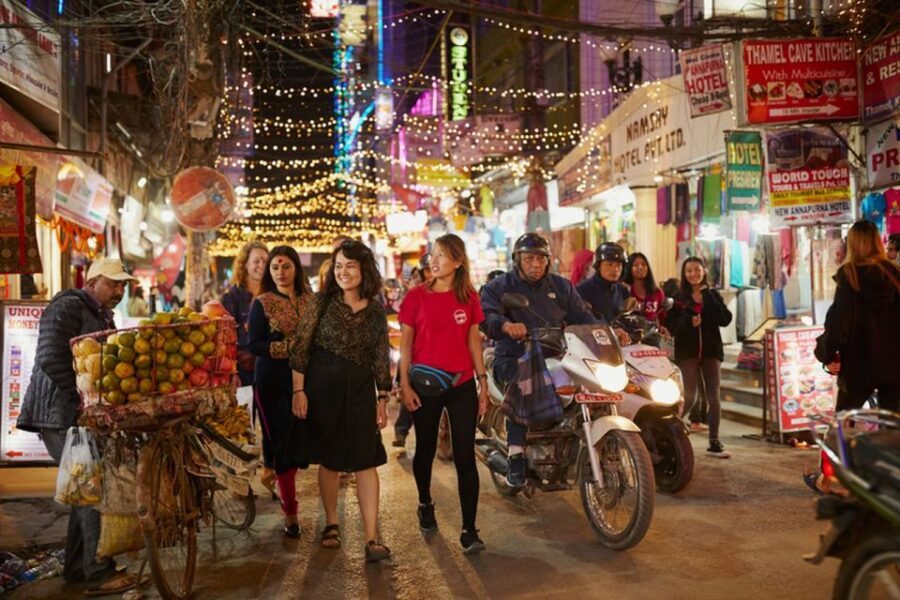
Your tour begins at Hotel Marshyangdi in Thamel (Chaksibari Marg). From there, you take the pedicab/rickshaw portion for about an hour, weaving through the city streets while the light shifts toward orange and gold.
Thamel itself gets a short visit—about 15 minutes. You’re not meant to shop for hours here; you’re using Thamel as a staging area. It’s busy enough to get your bearings, but quick enough that you can keep your energy for what comes next: the quieter alleys and heritage zones that feel more local than tourist.
Practical tip: Thamel can be louder and more crowded than other parts of Kathmandu. Use that first stop to orient yourself—mentally map the direction you’ll be heading—then let the tour pull you away from the main strip.
Sigal shrine stop: a calm Buddhist pause in a narrow alley
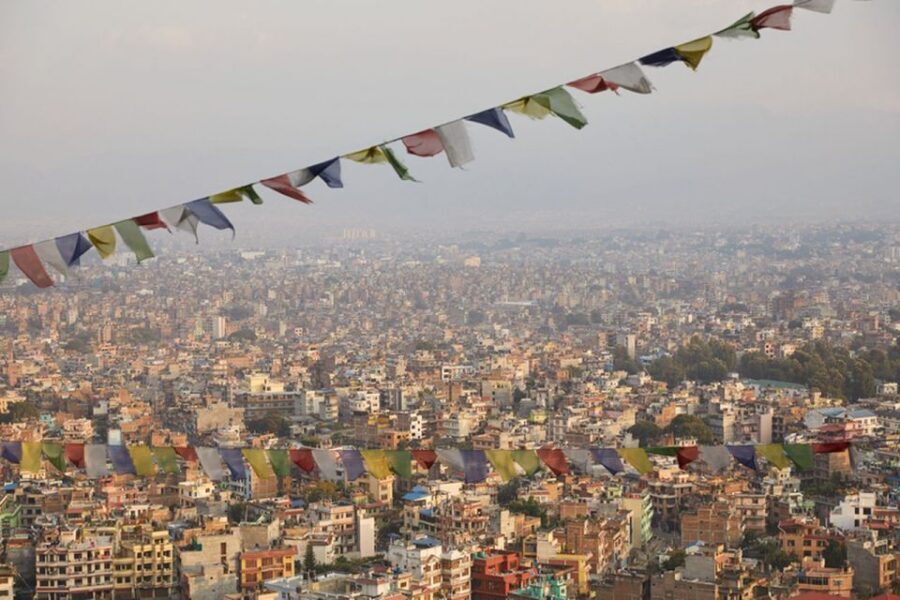
After you zip through the energetic streets, the tour gives you a break: a visit to Sigal, a Buddhist shrine reached a few steps inside an alley. This is one of those stops that feels small in size but big in effect.
Why it works: a shrine visit changes your “listening.” Instead of only hearing traffic, you start noticing other sounds—soft conversation, footsteps on stone, and the quiet attention people give to prayer. And because the shrine is tucked away from the main road, you feel the difference between Kathmandu’s street noise and its inner spiritual rhythm.
What to do: take a minute before you look around. Watch where people naturally stand, and follow their pace. You’ll get more from the stop if you treat it as a pause, not a photo sprint.
Asan market at night: spices, shopping, and Annapurna Temple nearby
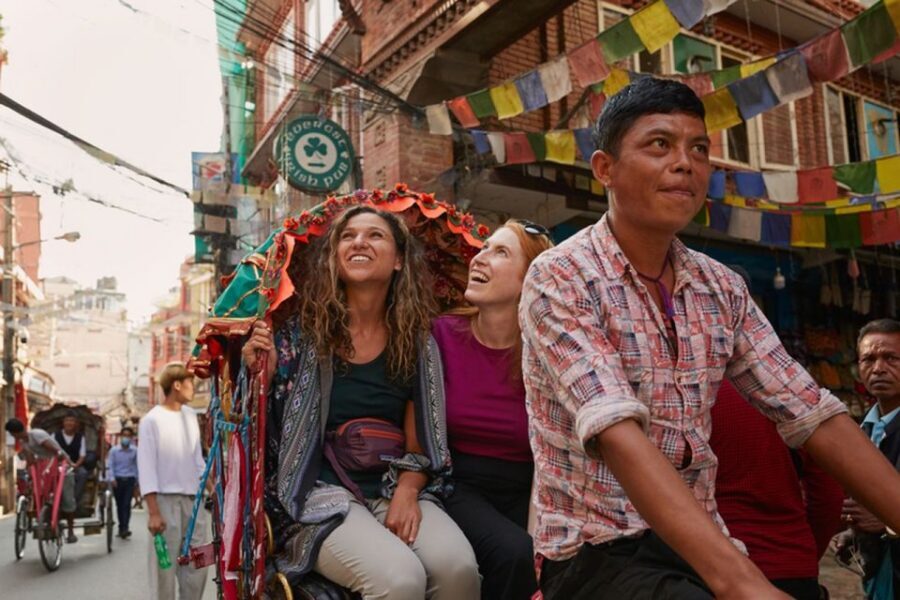
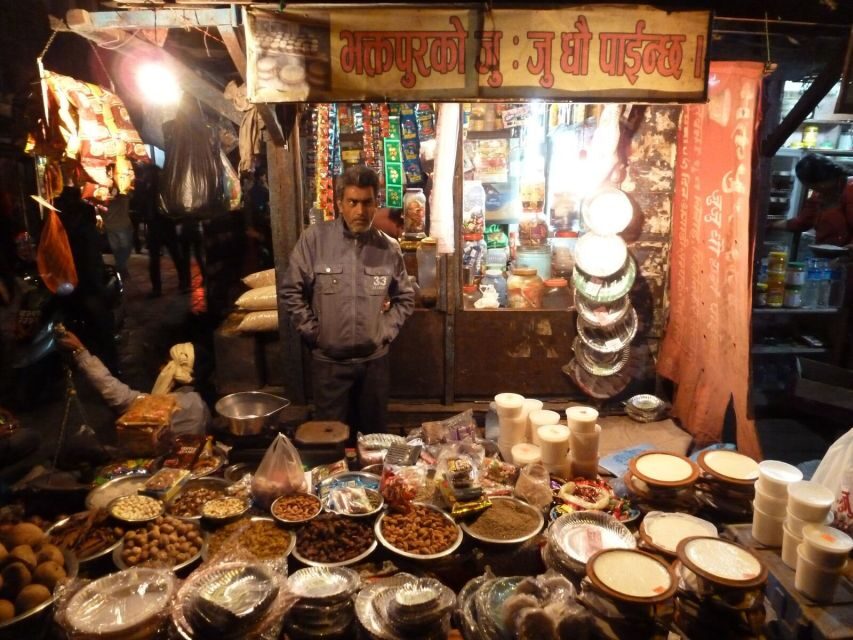
Asan is one of those places that’s better understood by looking slowly, even if you only have an hour. Here you’ll spend around an hour exploring the market area known for vegetable and spice trading.
The timing matters. At sunset, you’re catching the “hand-to-mouth” energy of market life—people buying what they need for the next meal, vendors setting up, and the air carrying that mix of spices that makes Kathmandu smell like Kathmandu.
Also, Asan sits near the Annapurna Temple, and that relationship helps you connect the dots. You’re seeing how sacred space and daily life share a neighborhood. That’s the main reason this stop feels worth your time: it doesn’t treat religion and commerce as separate worlds.
Practical tip: Asan involves lots of stalls and tight movement. Wear shoes that handle uneven ground. If you’re sensitive to strong smells, pace yourself—breathing through your nose is not required for enjoying the market.
Kathmandu Durbar Square after sunset: UNESCO monuments with real daily life
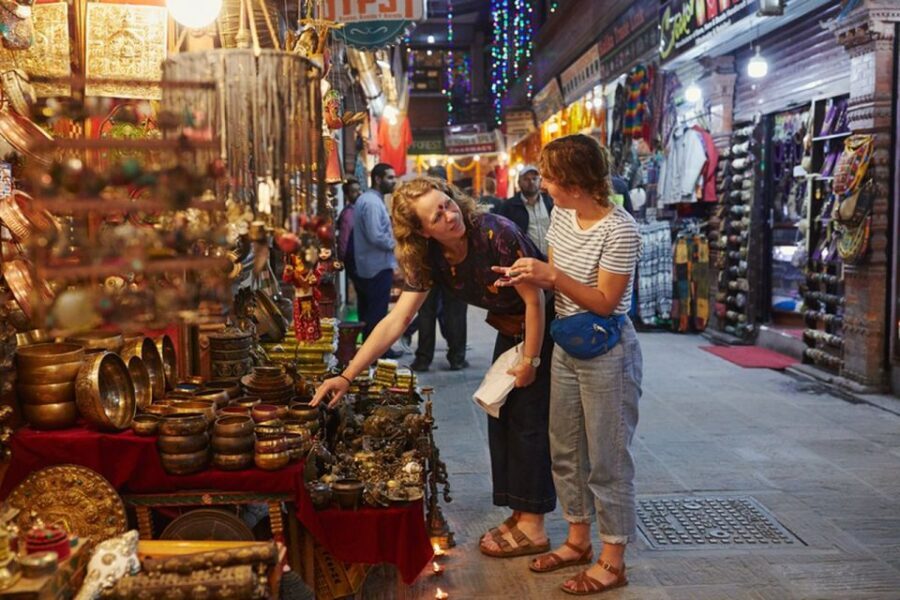
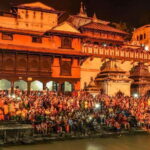
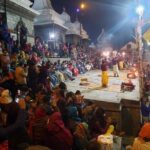
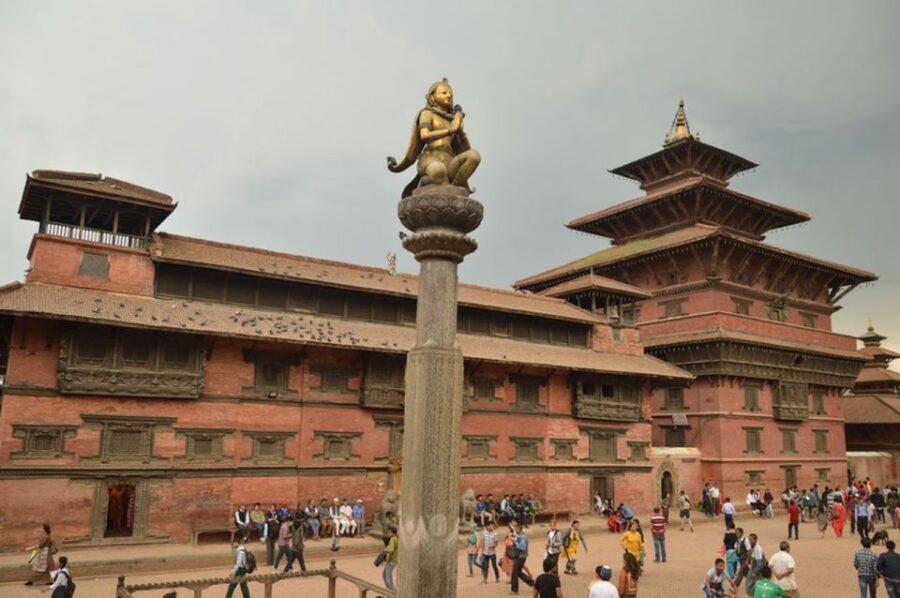
Then comes the big heritage moment: Kathmandu Durbar Square, where you’ll spend about 1.5 hours. The square is part of a UNESCO World Heritage context, and the monuments are impressive in the obvious way—but the tour focuses on what happens around them.
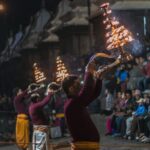
This is where the experience turns from sightseeing into observing. You’ll have time to park yourself in a temple square area and watch daily life: locals sipping hot chai, devotees deep in prayer, and pigeons moving around like they own the place (they don’t pay for anything, so fair).
Why this stop lands: monuments are static. Daily life isn’t. When you spend time watching people in and around the temples, you understand that Durbar Square isn’t only a photo destination—it’s still part of how Kathmandu organizes its day.
What about entrance fees? They’re included, so you don’t waste time sorting paperwork while the light keeps fading. And because these entrance fees support cultural preservation, your ticket has a practical impact beyond your own memories.
You can also read our reviews of more evening experiences in Kathmandu
The rickshaw ride itself: why pedaling through backstreets feels different
Most Kathmandu street time happens with motorbikes and cars. This tour does something more personal: it uses rickshaws hired directly from drivers, and that matters.
First, the ride is slower. You notice details—shopfronts, temple edges, small shrines you’d miss if you were stuck in a faster vehicle. Second, rickshaws can squeeze into spaces where larger traffic can’t, which means your route is more “neighborhood-shaped” than “road-shaped.”
And third, it’s framed as support for drivers. The tour information specifically notes that modern motorbikes and cars have largely replaced rickshaws, so using hired rickshaws helps provide much-needed business for the people doing the work.
Practical tip: sit back and relax during the ride portion. If you’re constantly adjusting your posture to grab photos, you’ll tire out early. Better plan: enjoy the motion, then focus on photos during the walking stops.
Price and timing: what $49 buys, and how long you should plan
The price is $49 per person, and what you’re paying for is more than transport. Your included costs cover rickshaw hire, an English-speaking Nepali guide, the entrance fee to Kathmandu Durbar Square, and the Sigal shrine visit.
That combination is where the value usually shows up. If you tried to piece it together yourself, you’d spend time managing logistics, finding reliable local guidance, and paying separate admission and local transport costs. Here, you get a guided “sequence” that connects Thamel, markets, and heritage in one evening block.
Timing note: the tour is listed at 2.5–3 hours, but the pace can vary. One practical way to handle this is to treat it as an evening window. If you’re planning dinner right after, keep some breathing room.
Who this tour fits best:
- You want Kathmandu at an easier tempo than daytime traffic.
- You like heritage sites, but you also care about markets and daily routines.
- You prefer a small group experience (up to 12) rather than a large crowd.
It’s also described as having a private group option, which is handy if you’re traveling with a friend or small family and want the guide to match your pace.
Should you book Kathmandu at Sunset by Rickshaw?
Book this tour if you want a Kathmandu evening that feels lived-in. The mix of Thamel access, a quiet shrine stop at Sigal, market time at Asan, and the heritage focus at Kathmandu Durbar Square creates a well-balanced arc—spiritual pause, everyday commerce, then monuments with people still using the space.
Skip it (or choose a different format) if your main goal is a long, uninterrupted rickshaw ride. The experience includes walking and multiple short stops, so it’s not only about riding. And if you’re extremely time-tight, plan for the possibility that the schedule might run shorter than the stated range.
FAQ
What is included in the tour price?
The price includes rickshaw hire, an English-speaking Nepali guide, the entrance fee to Kathmandu Durbar Square, and the visit to the Sigal Buddhist shrine.
Where does the tour start and end?
You meet at Hotel Marshyangdi on Chaksibari Marg in Thamel, Kathmandu, and you return there at the end of the tour.
How long does the Kathmandu sunset rickshaw experience take?
The tour duration is listed as 2.5–3 hours, with starting times depending on availability.
Do you include food or drinks?
No. Food and drinks are not included.
Is the tour carbon neutral or does it support heritage preservation?
The tour is described as carbon neutral, operated by a B Corp certified company. It also states that you support cultural heritage preservation through entrance fees to Kathmandu Durbar Square.
Can I reserve and cancel if my plans change?
Yes. The details say you can reserve now and pay later, and you can cancel up to 24 hours in advance for a full refund.