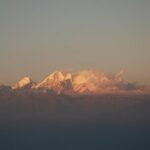
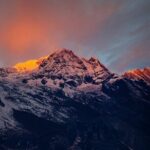
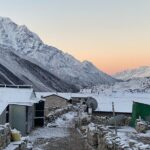
Cold air, hot sunrise, and mountain scale. I love the pre-dawn hike to Poon Hill for those huge Annapurna and Dhaulagiri panoramas, and I also like the organized support with an English-speaking guide plus modern lodge comfort (including heating in the dining area). The main drawback to plan around is weather, because poor visibility can dull the sunrise show.
This route is short enough that many ages can manage it, yet you still get variety: rhododendron forests, stone stair sections, classic village stops, and a pass crossing at Deurali (3090m). If you want a well-run Annapurna trek that hits the highlights without a long slog, this one makes a strong case.
In This Review
- Key highlights at a glance
- Why the Ghorepani Poon Hill Trek Feels Like the Annapurna Fast Pass
- Price and What You Really Get for $590
- Timing That Matters: Starting at 6:15 and Chasing Sunrise
- Day 1: Kathmandu to Pokhara, Lakeside Time Before the Trail
- Day 2: Nayapul, the Suspension Bridge Over Modi Khola, and Ulleri Stair Climbing
- Day 3: Rhododendron Steps to Ghorepani and Village Life by Bhurungdi Khola
- Day 4: Poon Hill Before Sunrise, Then Deurali Pass (3090m) to Tadapani
- Day 5: Ghandruk, Rhododendron Forests, and the Kyumi Descent to Pokhara
- Day 6: Private Van Back to Kathmandu and a Final Stroll
- Lodges, Heating, and the Meal Setup That Keeps You Warm
- Guide and Logistics: The Difference Between a Trek and an Anxiety Test
- What to Pack When Personal Trekking Gear Isn’t Included
- Who This Trek Fits Best (and One Real Caveat)
- When Weather Changes Your Plans
- Should You Book the Ghorepani Poon Hill Trek?
- FAQ
- Where does the trek start and end?
- What time does the experience start?
- How long is the Ghorepani Poon Hill Trek?
- Is this a private tour?
- What’s included for meals during the trek?
- Is an English-speaking guide included?
- Are trek permits and entry fees covered?
- What equipment is provided and what do I still need?
- Do I need travel insurance?
- What happens if weather is poor?
Key highlights at a glance
- Poon Hill sunrise: early hike with sweeping views of Annapurna and Dhaulagiri massifs
- Heated lodge dining: a practical comfort upgrade during cool mornings and nights
- English-speaking guidance: licensed guide support for navigation and safety
- Family-friendly pace: an easier Annapurna-region trek with big payoffs
- Village-to-village walking: Ulleri, Ghorepani, and Ghandruk on the classic route
- Modern trek logistics: permits, meals, and surface transfers are handled
Why the Ghorepani Poon Hill Trek Feels Like the Annapurna Fast Pass
The Annapurna region can be intimidating if you think you need weeks on the trail. This trek keeps things short and approachable, while still delivering the dramatic mountain moments people come for.
You’ll start with Pokhara, then work your way through Ulleri and Ghorepani before earning the early-morning sunrise at Poon Hill. After that, you’re not stuck repeating the same path—you continue over Deurali (3090m), then finish via Ghandruk and a descent to Kyumi for the ride back to Pokhara.
The views are the star, but the pacing matters too. It’s one of those trips where you can look around often and not just survive the day.
You can also read our reviews of more hiking tours in Kathmandu


Price and What You Really Get for $590
At $590 per person, the value is strongest if you price it like a package, not like a DIY idea. This trip includes lodging in guesthouses or lodges (mostly twin sharing), a licensed English-speaking guide, entry permits and fees, and the surface transfer from and back to Kathmandu.
It also includes a practical gear bundle: a down jacket, a sleeping bag, and a duffel/kit bag that you return after the trek. Those items can easily add up if you’d otherwise have to rent or buy them, especially for cold early mornings.
Meals are covered too: breakfast is included for 5 days, lunch for 4 days, and dinner for 3 days. Alcohol, hot and cold drinks, and laundry are not included, so you’ll still want to budget a little for drinks and extras.
One more value angle: the tour is private. That matters if you’re traveling with kids, older relatives, or a group that wants a little control over the pace.
Timing That Matters: Starting at 6:15 and Chasing Sunrise
The trek starts from Kathmandu at 6:15am. That early start isn’t just for convenience—it’s how you reach Poon Hill before sunrise on Day 4.
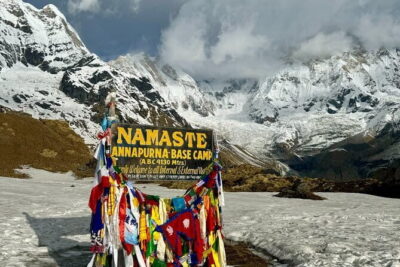
Morning hikes are where this trek earns its reputation. You’ll hike up to Poon Hill before sunrise, then head back down to Ghorepani after you’ve seen the mountains light up. The itinerary is built around that window, including the effect on peaks like Annapurna and Dhaulagiri massifs, Machhapuchhre, and Patal Hiunchuli.
If you’re the type who hates waking up early, you’ll still survive. Just plan for it mentally. This is a sunrise trek, not a sleep-in trek.
Day 1: Kathmandu to Pokhara, Lakeside Time Before the Trail
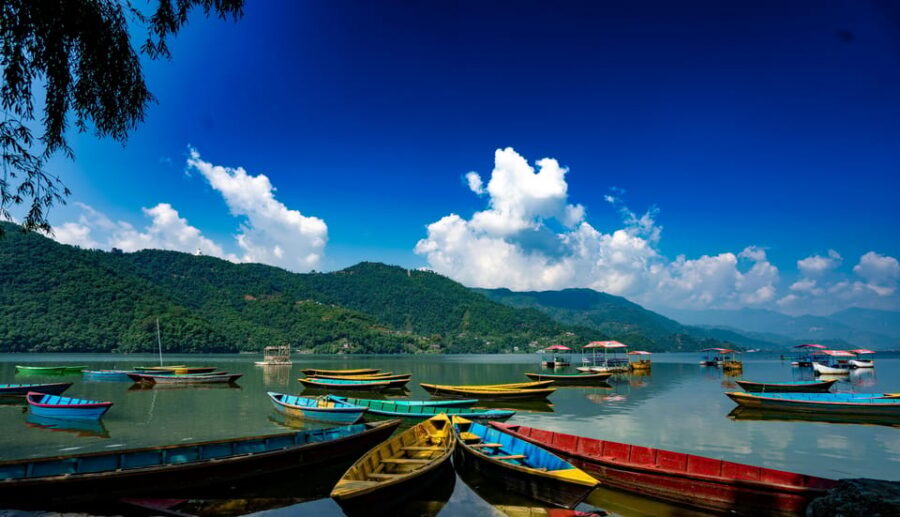
Day 1 is mostly about getting into position. You’ll drive from Kathmandu to Pokhara, with time to enjoy the lakeside area after you arrive.
This day is a smart buffer. Instead of going straight into steep hiking on arrival day, you get a chance to adjust, hydrate, and do a little easy strolling around Lakeside Pokhara.
What you should watch: long road time can make you feel stiff. If you can, stretch a bit on the arrival day so Day 2 doesn’t feel like a rude awakening.
Day 2: Nayapul, the Suspension Bridge Over Modi Khola, and Ulleri Stair Climbing
On Day 2, you’ll get from Pokhara to Nayapul by quick drive, then start the trek by crossing a suspension bridge over Modi Khola. From there, the route climbs on steep stone stairs toward Ulleri.
This is one of the first places you’ll see real reward fast: in Ulleri, you get views of Annapurna South (7219m), Hiunchuli (6441m), and other peaks. It’s a good day for photos, but also a good day for learning how your body reacts to uphill stairs.
Practical tip: stone stair routes can be hard on knees. Go slowly, keep your steps short, and let the guide set a steady pace that fits your group.
A few more Kathmandu tours and experiences worth a look
Day 3: Rhododendron Steps to Ghorepani and Village Life by Bhurungdi Khola
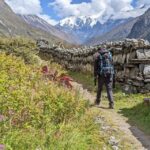
Day 3 shifts you from the first climb to a more varied walk. You’ll leave Ulleri and go through rhododendron forest on carefully placed stone steps, then pass through villages like Banthanti and Nangge Thanti.
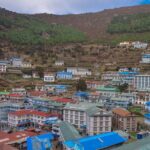
The trek follows the Bhurungdi Khola for stretches, which gives the walk a sense of continuity instead of feeling like random uphill and downhill. You’ll finish at the Gurung village of Ghorepani.
If you like small cultural scenes mixed into hiking, this is where the trip starts to feel like more than just viewpoints. It’s village rhythm plus mountains in the background, which is exactly what makes short trekking routes feel full.
Day 4: Poon Hill Before Sunrise, Then Deurali Pass (3090m) to Tadapani
Day 4 is the heart of the trek. Before sunrise, you hike up to Poon Hill to catch the sunrise and how it hits the mountains—Annapurna and Dhaulagiri massifs, Machhapuchhre (6993m), and Patal Hiunchuli (6441m) among others.
Then you hike back to Ghorepani and continue on toward Tadapani via Deurali Pass (3090m). After the pass, Tadapani is your next viewpoint moment, including views of Annapurna South and Machhapuchhre and surrounding valleys.
This day is a lot, but it’s built as a sequence: you earn the sunrise, then you keep walking long enough to feel the route has moved forward. The pass gives a sense of achievement without turning this into an extreme trek.
If you’re trekking with kids or older hikers, Day 4 is the day where good pacing matters most. Take breaks when the guide suggests them and don’t try to “make up time” early.
Day 5: Ghandruk, Rhododendron Forests, and the Kyumi Descent to Pokhara
Day 5 is a classic transition from high-point hiking to a more downhill, end-of-trek feeling. You’ll walk through lush rhododendron forest to reach Ghandruk, where you stop for lunch.
After lunch, the route descends on stone staircases to Kyumi, and then you take a bus back to Pokhara. That bus ride is a nice payoff: you get a clean finish without forcing more walking after you’ve already earned it.
In the evening, you can hang around the pubs and restaurants of Pokhara. For many people, this is the first time you feel fully human after a couple of long walking days.
Day 6: Private Van Back to Kathmandu and a Final Stroll
On Day 6, you leave Pokhara for Kathmandu by private van and get dropped at your hotel. Then you have time to stroll and get a taste of the capital city.
This is a helpful ending if you don’t want to rush. You finish with rest instead of immediately jumping into another long travel day.
One practical point: after a trek, you’ll appreciate a low-effort evening. Don’t schedule a big museum day right away unless you like sore feet.
Lodges, Heating, and the Meal Setup That Keeps You Warm
One detail that matters more than people think: the dining rooms in these guesthouses have good heating systems. That can change how you feel after a cold morning.
Accommodation is mostly twin sharing in best-available lodges and guesthouses on the route. It’s not a luxury vacation, but it’s set up to keep the trek comfortable enough that you can focus on the mountains.
Meals are included in set counts (breakfast 5, lunch 4, dinner 3). You’ll want to remember that alcohol, laundry, and extra drinks are not included, so keep it simple in the evenings if you want the budget to stay predictable.
Guide and Logistics: The Difference Between a Trek and an Anxiety Test
The included guide is a big deal. You get a local government licensed English-speaking guide during the trek, plus first aid medical kits.
Support can also show up in the human details. In the accounts shared about this operator, the owner Shree has been described as very helpful in Kathmandu. Groups have trekked with guides like Shiva and Prakash, and the focus was on organization and knowing the region.
There’s also a standout example of how staff treat families: a porter named Saha is mentioned as being especially kind with children and always smiling. That’s not a small detail when you’re walking days with kids who need reassurance.
Flexibility matters too. One account mentions guide Navaraji adjusting the itinerary after sickness. If you’re the kind of person who worries about what happens when your body doesn’t cooperate, that responsiveness is a real comfort.
What to Pack When Personal Trekking Gear Isn’t Included
The trip provides a down jacket, a sleeping bag, and a duffel/kit bag that you return after the trek. That covers some of the hardest-to-manage items.
What’s not included is personal trekking equipment. So you’ll still want your own basics like walking footwear and day gear. Also, remember that alcohol and drinks aren’t included, so plan for some cash or card use if you want extras along the way.
A smart approach: bring what you already know you’ll use on uneven ground, and keep it simple. Less gear means more energy for the things that matter—like watching Annapurna’s face change in the morning light.
Who This Trek Fits Best (and One Real Caveat)
This is commonly seen as a friendly Annapurna starter trek because it’s short and designed to be completed by a wide age range. If you’re traveling with children, or you want a manageable route with classic highlights, this fits well.
You’ll be walking through rhododendron forests, crossing suspension bridge sections, climbing stone stairs, and reaching Ghorepani and Ghandruk. It’s varied enough that you won’t feel like you’re stuck in a single kind of terrain the whole time.
The caveat is weather. The experience requires good weather, especially for sunrise views. If clouds or haze move in, you may still enjoy the trek, but the big visual payoff can shrink.
Also, if you’re easily discouraged by early mornings, know that Day 4 is non-negotiable in the schedule.
When Weather Changes Your Plans
This experience requires good weather. If it’s canceled due to poor weather, you’ll be offered a different date or a full refund.
That’s the right kind of safety net for a sunrise-heavy trek. Still, don’t treat mountains like they’ll always cooperate. Build in patience, and keep expectations flexible.
If you’re booking around a specific event or tight travel timeline, give yourself a little breathing room in Kathmandu and Pokhara so date changes don’t derail everything.
Should You Book the Ghorepani Poon Hill Trek?
I’d book it if you want a 6-day Annapurna-region trek that hits major viewpoints without needing a long expedition mindset. The included guide, permits, lodging, and equipment rental make it easier to travel light and walk confidently.
I’d also book it for families and mixed-age groups because the route is short, the support is structured, and the comfort details—like heated dining rooms—make a real difference.
I wouldn’t book it if sunrise views are your only goal and you’re not flexible about weather. The trek can’t manufacture clear skies, and the itinerary depends on that early visibility window.
FAQ
Where does the trek start and end?
It starts in Kathmandu, Nepal at the meeting point listed for the activity, and it ends back at the same meeting point.
What time does the experience start?
The start time is 6:15am.
How long is the Ghorepani Poon Hill Trek?
It runs for 6 days (approx.).
Is this a private tour?
Yes. It’s private, so only your group participates.
What’s included for meals during the trek?
Breakfast is included for 5 days, lunch for 4 days, and dinner for 3 days.
Is an English-speaking guide included?
Yes. A local government licensed English-speaking guide is included during the trek.
Are trek permits and entry fees covered?
Yes. All necessary trek entry permits and fees are included.
What equipment is provided and what do I still need?
You receive a down jacket, sleeping bag, and a duffel/kit bag (which needs to be returned after the trek). Personal trekking equipment is not included.
Do I need travel insurance?
Yes. Travel insurance is compulsory, and it is not included.
What happens if weather is poor?
The experience requires good weather. If it’s canceled due to poor weather, you’ll be offered a different date or a full refund.