REVIEW · KATHMANDU
Mardi Himal Trek
Book on Viator →Operated by Adventure Blossom Treks and Expedition Pvt.Ltd · Bookable on Viator
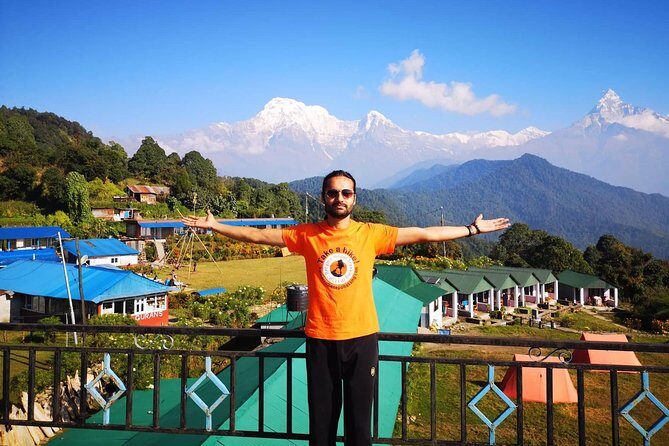
One early morning hike, many big moments. The Mardi Himal Trek is a newer, quieter route in the Annapurna area, built for trekkers who like the road less crowded and enjoy real mountain village life. You’ll walk through deep rhododendron forests, then climb out into open high views of Mardi Himal, Machapuchhre, Hiunchuli, and Annapurna South.
What I like most: the trail feels like it’s slipping into its own world, and the views arrive in sudden, rewarding shifts instead of one long, boring grind. I also like that the experience is set up as a private trek with pickup and drop-off support, and the guides are hands-on in a friendly way (Bashu Dev Bagale came up in one review for being especially helpful). One thing to consider: it still depends on weather, and if conditions are poor the trek can be canceled, with options only if the provider can reschedule or refund.
In This Review
- Key things you should know
- Mardi Himal Trek: what makes it feel different in the Annapurnas
- Getting to the trek: pickup, private transport, and a 7:15 start
- Walking through rhododendron forests and quiet valleys
- The climb to around 3,310 m: where the air changes
- Mardi Himal Base Camp: the Machapuchhre view that feels like a reward
- Food, water, and meals you can count on
- Gear and fitness: moderate doesn’t mean easy
- Wildlife, rivers, and those small moments between viewpoints
- Price and logistics: is $1,080 good value?
- Should you book the Mardi Himal Trek with Adventure Blossom Treks?
- FAQ
- Where is the Mardi Himal Trek based?
- How long is the trek, and when does it start?
- What’s included in the trek cost?
- Are bottled water or snacks included?
- Do I need a certain fitness level?
- Is this a private tour?
Key things you should know
- Quieter Annapurna trekking: A route most people miss, heading toward Mardi Himal Base Camp.
- Forest-to-high-ridge change: You’ll climb out of rhododendron forest around 3,310 m.
- Mountain views with variety: Expect lines of sight to Machapuchhre and multiple Annapurna peaks.
- Real rural trekking: Terraced farms, sparkling rivers, and local settlements appear along the way.
- Private group comfort: Only your group participates, with guide support from pickup to drop-off.
Mardi Himal Trek: what makes it feel different in the Annapurnas
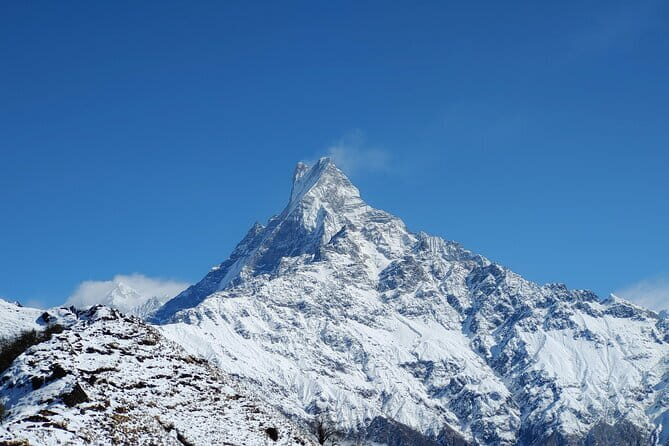
Mardi Himal is one of those treks that doesn’t try to be a theme park. It’s about moving under trees, then earning your way into higher air where the mountains suddenly show up with serious clarity. The route is described as short and newly explored, and that matters. You’re less likely to feel like you’re walking through a “trek factory” schedule, and more likely to notice the small things: footpaths that wind through forests, quiet valleys, and the rhythm of local daily life.
You also get a mix of scenery types in a way that feels natural. First, it’s labyrinthine paths and thick rhododendron. Then the trail pushes higher and the world opens up into a rugged, high-mountain look—views included.
If you’re after “big mountain photos” plus a sense of solitude, this fits. If you only want the shortest possible trip or the most guaranteed views no matter what, you might want to be extra realistic about weather.
You can also read our reviews of more hiking tours in Kathmandu


Getting to the trek: pickup, private transport, and a 7:15 start
Your day starts early, with a listed start time of 7:15 am. That early kick helps on two fronts. First, it gets you moving while roads and trail conditions are usually calmer. Second, it gives you more daylight buffer when plans depend on hiking pace.
Transport is included, and it’s set up as private service. In one review, the guide team stayed with the group from pickup through drop-off, and they specifically mentioned Pokhara pickup and return to Pokhara after the trek. That’s a big comfort point if you hate the “figure it out yourself” part of travel.
Also, you’ll get a mobile ticket, and confirmation is received at booking time. Those small admin wins are not thrilling, but they do reduce stress before you ever lace up your boots.
Walking through rhododendron forests and quiet valleys
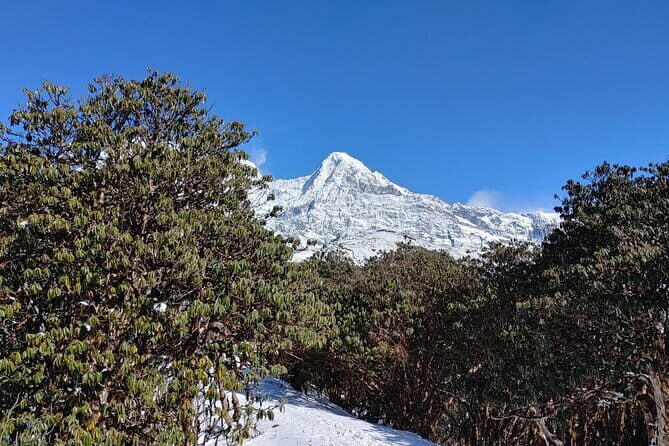
The heart of Mardi Himal for many people is the trail through deep rhododendron forest. This is where the trek feels like it has texture. The path isn’t just one straight line; it winds through sections where visibility changes and you’re constantly adjusting—watching your footing, stepping around roots, and noticing how the light hits the leaves.
Along the route, you’ll also pass:
- hidden valleys
- terraced farms
- local settlements
- sparkling rivers
This mix is one of the reasons I think the trek lands well for people who like culture without slowing into a full cultural tour. You’ll see traditional way of life and daily rhythm, and you get moments that feel local instead of staged.
Wildlife is also mentioned as a possibility, and that makes sense for forest walking. Don’t plan around seeing animals, but keep your eyes up during calmer stretches. Even if you don’t spot anything big, the forest atmosphere alone is a treat.
The climb to around 3,310 m: where the air changes
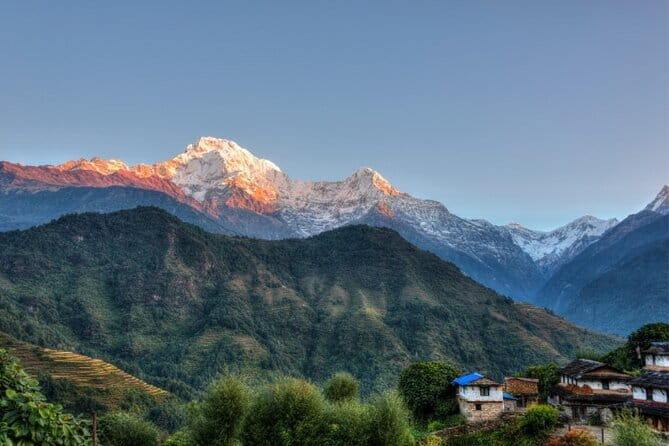
A key moment on this trek is climbing out of the forest at about 3,310 m. That number matters, because it’s where you usually feel the trade-off:
- you lose some of the forest cover
- the air feels thinner
- the views start showing up more consistently
This is also where the trek shifts from “pretty walk” to “serious hiking.” The terrain becomes more rugged, and the mountains begin to frame your route. The goal isn’t just altitude for altitude’s sake; it’s the point where the Mardi Himal area starts giving you the payoff that the Annapurna region is famous for.
Practical tip: take it easy on your first big ascent out of the forest. Short, steady pacing works better than trying to prove you’re tough. You’ll save energy for the view moments later.
Mardi Himal Base Camp: the Machapuchhre view that feels like a reward
You head to Mardi Himal Base Camp, described as at the foothills of Mardi Peak with spectacular views of Machapuchhre. In the Annapurnas, Machapuchhre (also spelled Machhapuchhre in many guides) is one of the peaks people wait to see. The mountain is iconic, and here it’s presented as a headline moment.
One review highlighted the best part as reaching the top of the Mardi viewpoint, calling it the moment they worked for each day. That tracks with how most hikers experience this trek: you don’t just walk toward a number—you walk toward a clear payoff. The base camp day (or the viewpoint day) tends to feel like the trek finally stops being work and starts being awe.
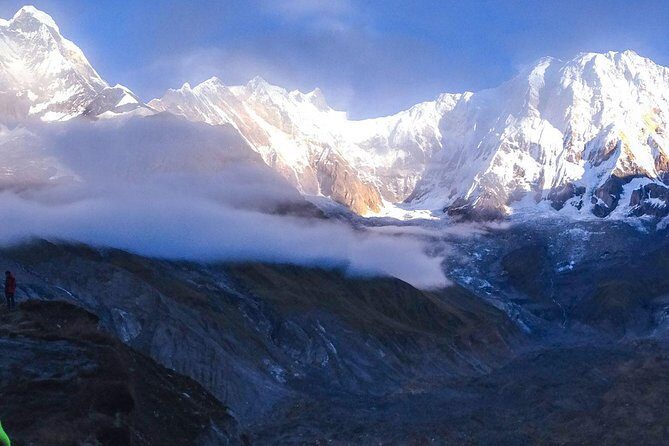
What to expect mentally: the last stretch can feel long, but once you reach the higher viewpoint areas, the mountains—Mardi Himal, Hiunchuli, Machapuchhre, and Annapurna South—start lining up in your field of view. It’s the kind of scenery that makes you slow down, not because you’re tired, but because you want more time to look.






Food, water, and meals you can count on
Included meals cover trekking days: breakfast, lunch, and dinner during the trek (labeled B/L/D). That’s a big value because it means you’re not constantly hunting for food options during the hiking portion. Fewer decisions each day is underrated on a trek.
Two practical notes:
- Snacks aren’t included (so plan to bring your own favorites or buy what’s available along the way).
- Bottled water isn’t included. If you want tap water, you still need to buy mineral water, based on what’s stated.
If you’re the type who hates carrying anything heavy, this trek still won’t eliminate that reality. You’ll want a smart system for water and small calorie needs so you don’t get stuck trying to buy snacks at the worst time—like right before a steeper section.
Gear and fitness: moderate doesn’t mean easy
The trek calls for moderate physical fitness, and that’s accurate if you train for steady, uphill walking. You’re looking at forest hiking, then a climb out to higher altitude, then a return hike that still asks for good legs.
Gear-wise, you should plan like it’s a real mountain hike:
- boots or strong hiking shoes with grip
- layers for temperature shifts when you’re above the forest
- a rain layer (because weather is a real factor here)
- a small daypack for water and snacks
And here’s the “don’t overthink it” advice: if you can walk uphill for an hour at a time without feeling wrecked, you’re probably in the right zone. If stairs destroy you, start now.
One more odd detail you should double-check before you go: the inclusions list mentions snorkeling equipment. This is a trekking experience, not a beach trip. It could be a listing error, or it could mean you get gear for an add-on. Don’t assume—ask the provider so you’re not surprised on arrival.
Wildlife, rivers, and those small moments between viewpoints
Part of what makes Mardi Himal memorable is that the trek isn’t just “walk, look, repeat.” You pass sparkling rivers and move through local settlements. That creates chances to slow down for water soundscapes, chatting with locals, and taking breaks in places that feel like you’re part of the region instead of just passing through.
If wildlife is on your mind, your best bet is during calmer forest sections and early mornings when movement is lower. Still, don’t build your whole day around it. Think of wildlife as a bonus, like a song on the radio: nice when it happens, but you still enjoy the drive.
Price and logistics: is $1,080 good value?
The listed price is $1,080 per person for an approximately 10-day trek, including private transportation and trekking meals (B/L/D) during the trek. For the Annapurna region, the value usually comes down to two questions:
1) Are you paying for fewer headaches?
2) Are you paying for guides and reliable support that keeps you moving safely?
Here, you get a private setup, pickup offered, and a service that keeps the group together from pickup point to drop-off point. In one review, the guide support was praised as friendly and helpful, from pickup to drop-off. That type of guidance matters more than most people think, especially if you’re trying to focus on hiking instead of logistics.
Could the price be lower? Sure, but many trekkers accept this cost because it buys time, coordination, and meal coverage. If you’re already the kind of traveler who plans every detail yourself and wants to economize, you might compare alternatives. If you want a smooth, private structure, this one makes sense.
One more realistic note: this experience requires good weather. That’s not the provider being difficult; it’s mountain trekking reality. If you’re traveling with strict dates, build flexibility into your planning.
Should you book the Mardi Himal Trek with Adventure Blossom Treks?
If your idea of a great trip is quiet trails, forest walking, and a strong chance at classic Annapurna peak views without the bigger-traffic feel, I think this trek is a smart choice. You’ll likely enjoy it most if you:
- want an off-the-beaten-track Annapurna option
- like mixing nature with local settlements and terraced farms
- are comfortable with moderate fitness and altitude changes
- prefer private support instead of crowd navigation
I’d hesitate if you need guaranteed conditions, have very strict timing, or don’t like hiking for long stretches even when you’re rewarded with views.
If you do book, ask one simple question early: about that snorkeling equipment listing. Then pack for a real mountain trek, not a resort vacation, and you’ll be set for what Mardi Himal is best at—quiet effort, then a clear mountain payoff.
FAQ
Where is the Mardi Himal Trek based?
The location is Kathmandu, Nepal, and the trek includes pickup and drop-off support. One review specifically mentioned pickup and return related to Pokhara.
How long is the trek, and when does it start?
The duration is about 10 days, and the start time is listed as 7:15 am.
What’s included in the trek cost?
Included items list lunch (3 meals during the trekking B/L/D), dinner (3 meals during the trekking B/L/D), breakfast (3 meals during the trekking B/L/D), use of snorkeling equipment, and private transportation.
Are bottled water or snacks included?
Bottled water is not included, and snacks are also not included. If you want to use tap water, you’ll need to buy mineral water.
Do I need a certain fitness level?
Yes. The trek is listed for travelers with moderate physical fitness.
Is this a private tour?
Yes. It’s a private tour/activity, so only your group participates.