REVIEW · KATHMANDU
12 Days Everest Base Camp Kala Patthar Trek
Book on Viator →Operated by Trekking Guide Team Adventure · Bookable on Viator
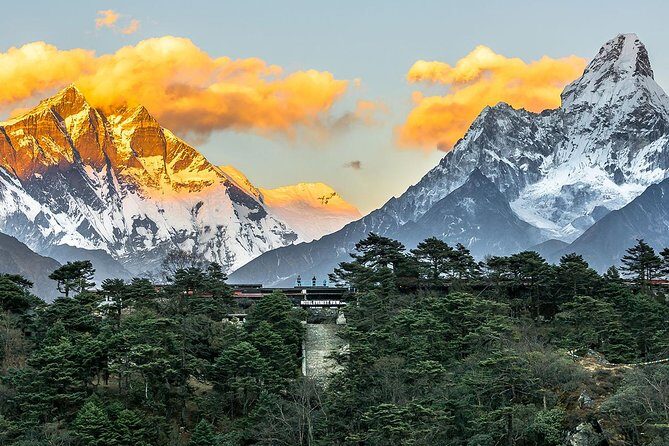
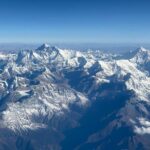
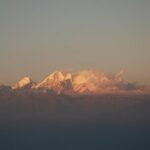
That first Everest view is worth the sore legs. This private 12-day hike to Everest Base Camp and Kala Patthar is packed with Sherpa culture, family-run mountain lodges, and the kind of practical support that keeps the trip moving. I especially liked the small-team feel (you’re not dodging strangers on the trail) and the way guides handle the altitude days with calm, patient pacing. One real consideration: Lukla flights can get delayed or canceled, and any extra hotel night costs you.
If you want a no-drama trek where food, permits, and logistics are handled, this one makes sense. The included guide and porters also change how the trek feels—lighter backpacks mean more attention on walking, breathing, and the mountain world around you. Just be ready for basics up high: no hot showers during the trek and outside toilet setups at tea houses.
In This Review
- Key things I’d notice right away
- Price and logistics: what $1,799 really buys
- Lukla flights: the weather problem you should plan for
- From Kathmandu into the mountains: the 12-day flow you can expect
- Day 1 to domestic flight setup: Kathmandu to Lukla
- Trekging days: tea houses, Sherpa villages, and acclimatization pace
- Tengboche Monastery: a culture reset on the trail
- Everest Base Camp: the destination day
- Kala Patthar: the high-effort viewpoint push
- Last day: Nepali cultural dinner
- Sherpa tea houses and meals: comfort is basic, and that’s okay
- Guides and porters: where this trek earns its 5-star reputation
- What you pack for Kala Patthar and why it matters
- Who this Everest Base Camp + Kala Patthar trek suits best
- Should you book this trek?
- FAQ
- Is a porter included if I’m traveling solo?
- Are hot showers included during the trek?
- How much luggage is included for the Lukla flight?
- What if my Lukla flight is delayed or canceled?
- What meals and accommodations are included?
- Is accommodation in Kathmandu included?
Key things I’d notice right away
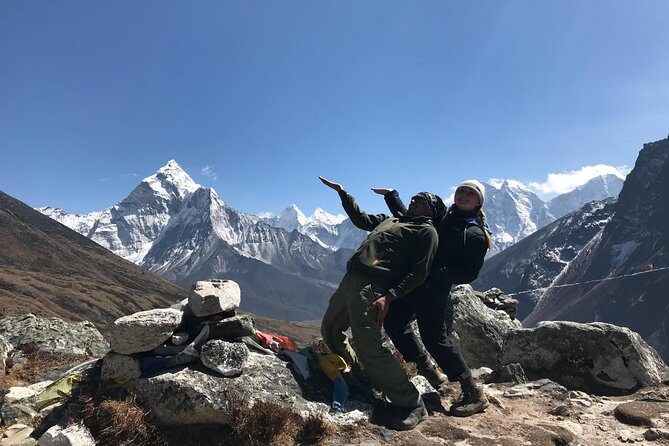
- Private guiding and porter support keeps your pace steady and your plans simple
- Family-run tea houses mean real mountain hospitality, not hotel-style tourism
- Tengboche Monastery visit adds culture depth before or after the big altitude grind
- Lukla flight logistics are part of the experience, including a 12 kg baggage limit
- Kala Patthar gives you a high-effort viewpoint day that most people remember for years
Price and logistics: what $1,799 really buys
At $1,799 per person, you’re paying for a lot more than a guided hike. The core value is that you’re getting a fully serviced trek: an experienced guide, food (breakfast, lunch, dinner while trekking), trekking accommodations in tea houses/lodges, permits, domestic flight components, plus transportation aligned with the itinerary.
Here’s what matters for value:
What’s included that saves you time and stress
- 10 nights on the trek in twin-sharing lodge/tea house accommodation (with outside toilet facilities during the trek)
- Meals: breakfast, lunch, and dinner every day while trekking
- A guide plus porter coverage: 1 porter for every 2 people
- Guide and porter costs: salary, food, accommodation, insurance, and transportation
- All transportation per the plan, including the Lukla flight piece
- A Nepali cultural dinner on the last day
What you must budget separately
- Nepal visa fee (you can get it on arrival at Tribhuvan International Airport), plus 2 passport photos and about $30 USD per person
- Your own travel insurance (especially for medical bills and helicopter rescue)
- Kathmandu hotel nights (not included)
- Trekking gear like a -15 sleeping bag, down jacket, trekking shoes, warm clothes, and the little medical items you’ll be glad you packed
- Alcoholic and non-alcoholic drinks such as tea and coffee (you’ll pay for them separately)
- Tips for guide and porter
- Any extra costs if your Lukla flight changes plans (more on that below)
One more practical note: the trek is non-refundable and can’t be changed once you book. If you’re the type who might bail due to an unexpected schedule shift, that’s a serious downside to weigh early.
You can also read our reviews of more hiking tours in Kathmandu
Lukla flights: the weather problem you should plan for
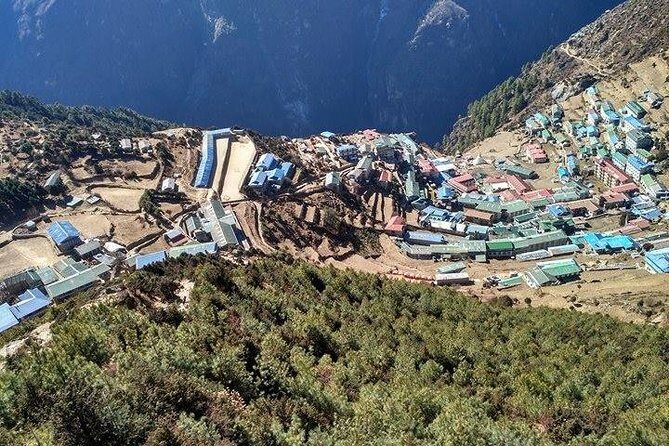
Lukla is the gateway, and weather controls the timetable more than your calendar does. The trip includes an airport transfer and flight plan to and from Lukla, but the operator is clear: the luggage of 12 kg is included, and flight delays/cancellations can happen.
What you should know in plain terms:
- Weather in Lukla is unpredictable.
- If your Lukla flight is canceled, you may have to return to the hotel, and that extra accommodation night is not included.
- If conditions improve, you may catch a later flight to Lukla (sometimes the next 3rd or 4th option).
- If flights stay grounded, there’s a helicopter option. The cost is not fixed and is quoted the day of the problem. The estimate given is around $300 total, often involving roughly $150–$200 extra on top of what you already have.
This is not a constant issue—it’s described as rare. But it’s important because it affects your budget and your patience. Your best move is to travel with a cushion of time and money for one extra night in Kathmandu if the flight weather doesn’t cooperate.
From Kathmandu into the mountains: the 12-day flow you can expect
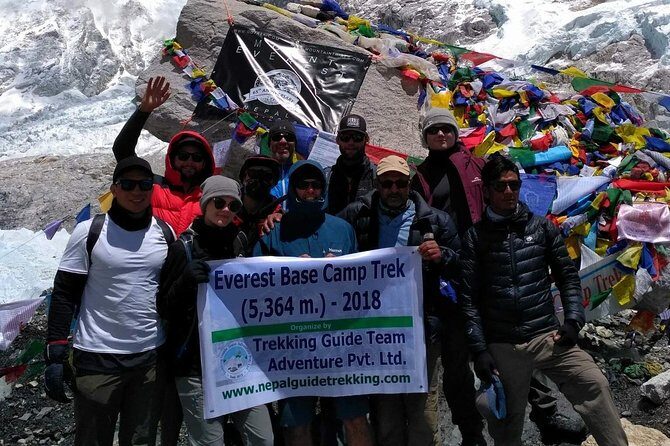
Even without a day-by-day grid in front of you, the shape of this trek is easy to picture because it follows the classic Everest Base Camp rhythm: fly into the starting point, gradually gain altitude, acclimatize, hike in tea-house country, then push to the Everest zones and return.
Here’s how the experience typically unfolds across the 12 days, based on what’s explicitly included and what the trek is built around:
Day 1 to domestic flight setup: Kathmandu to Lukla
You’ll be in Kathmandu first, then moving into the mountain route via domestic air. Pickup is offered, and your trip includes the main transportation steps tied to the plan. This is the portion of the trek where you’ll want to get your gear sorted—especially clothing layers and warm items—because once you start hiking, weather can turn fast.
Trekging days: tea houses, Sherpa villages, and acclimatization pace
During the trek, you’re sleeping in family-run tea houses and lodges. That’s part of the charm, and also part of the tradeoff. Expect basic rooms, simple bedding, and the outside toilet setup at tea houses. The included meals matter here: breakfast, lunch, and dinner are planned for you, so you can focus on walking rather than hunting food choices at altitude.
Also, pay attention to pace. This is billed for people with strong physical fitness, because altitude + long hiking days + cold nights adds up. Your guide’s job is to keep you moving steadily and safely through the acclimatization phase.
Tengboche Monastery: a culture reset on the trail
One of the specific highlights included is a visit to Tengboche Monastery. This stop is more than a photo stop. It’s a mental breather—time to slow down, learn how Sherpa spiritual life fits into daily mountain routine, and feel the calm side of the route before you go after the bigger altitude targets.
Everest Base Camp: the destination day
The trek includes reaching Everest Base Camp with a private guide. This day is about atmosphere: it’s the place where the Everest expedition energy becomes real, and the trail feels like it’s leading into a different world. You’ll want to bring extra patience for cold wind and crowds of trekkers (even on a private trek, this is Everest country).
Kala Patthar: the high-effort viewpoint push
Because the tour is titled Kala Patthar, you should expect that the best-known viewpoint day on the route is part of your itinerary. This is typically the day where you feel the altitude and the leg burn most. If you’ve been pacing well and saving energy, it feels like a reward. If you went too hard early, it can feel like a test. Either way, it’s the day that gives the trek its name.
Last day: Nepali cultural dinner
A typical Nepali cultural dinner is included on the last day. I like this kind of ending because it brings you back to Kathmandu-style human warmth after days of mountains, wind, and early nights. It’s also a good moment to compare gear notes, shoe stories, and near-misses with your guide and team.
Sherpa tea houses and meals: comfort is basic, and that’s okay
This trek is built around mountain lodges, not spa-style comfort. The tour includes 10 nights of lodge/tea house accommodation during the trek, on a twin-sharing basis, with outside toilet facilities.
What you’ll likely notice:
- Rooms are simple.
- Hot shower is not included during trekking.
- The food plan (breakfast, lunch, dinner) is included, which helps you eat consistently even when the menu choices get repetitive.
If you’ve never done tea-house trekking before, you’ll want to adjust your expectations. The upside is you get a consistent routine and you’re supporting local mountain households. The tradeoff is you’ll need to manage cold nights and basic sanitation. Plan for it, and it stops feeling like a problem.
Guides and porters: where this trek earns its 5-star reputation
The headline feature is practical support. This is a private trek, so you get an experienced guide and porter team tailored to your group.
A few specific details from the kind of service described in the guides and support roles:
- Guides like Shambu, Ram, and Deepak Gurung are praised for being patient and caring, with a strong sense of daily follow-through.
- Kabi is mentioned as coordinating from Kathmandu and monitoring the trip.
- Porters such as Mahes, Keshab, Geshap, and Sita Ram are described as dependable with belongings, and that matters more than people think. When you’re carrying less, you’re walking longer with less fuss.
And the porter policy is clear:
- 1 porter for 2 people is included.
- If you’re solo, a porter is not included but you can add one for $250 USD.
This is where value really shows. Hiring support isn’t just about comfort; it can change your ability to keep a steady rhythm. In Everest country, steady rhythm is safety.
What you pack for Kala Patthar and why it matters
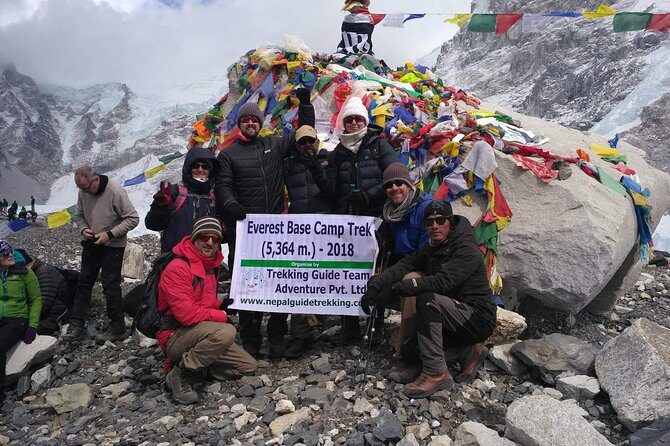
The tour lists required gear like a -15 sleeping bag, down jacket, trekking shoes, warm clothes, gloves, and a trekking stick. That list tells you what matters most on this route: cold management and foot stability.
Here’s how I’d translate that into your decision-making:
- Bring footwear you trust. Shoes that work at home might not survive rocky, cold steps at altitude.
- Your warm layer system matters more than fashion. Gloves and warm clothes aren’t optional if you run cold.
- Don’t assume you can buy everything at the last minute. The included guidance explicitly points you to personal gear prep.
- For toiletries and medical basics: pack the small items the list calls out (bandage, pain killer, stomach ache/diarrhea meds, headache/fever basics, and similar). You want quick fixes on hand because help at altitude isn’t like city pharmacies.
Also remember: you’ll be moving through tea houses where bathroom comforts are basic, so a personal towel and a torch light (as listed) are genuinely useful.
Who this Everest Base Camp + Kala Patthar trek suits best
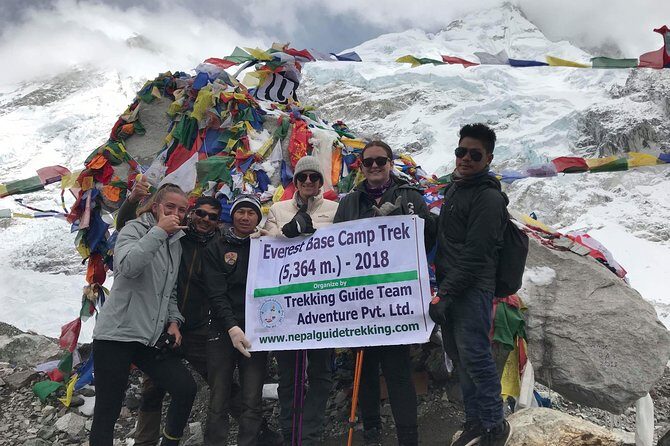
This tour is a good fit if:
- You want private guiding and a smooth, managed trek.
- You like cultural stops like Tengboche Monastery and not just summit-chasing.
- You’re comfortable with basic lodge living: outside toilets, no hot showers, and simple meals.
- You have strong physical fitness for altitude hiking over many days.
It’s probably not the best match if:
- You can’t handle the risk of Lukla flight disruptions and possible extra hotel costs.
- You expect hotel-grade comfort and heated showers.
- You don’t want to manage your own packing and medical readiness.
Should you book this trek?
I’d book it if you want the classic Everest Base Camp experience with the logistics handled, and you’re okay with the real tea-house reality: outside toilets, cold nights, and no hot showers. The big selling point for me is the combination of private service + consistent meals + real mountain lodging, plus the guide/porter support that helps you arrive in good shape for Kala Patthar and Everest Base Camp.
I’d pause before booking if you’re tight on budget beyond the tour price, because extra costs can pop up fast: visa photos, travel insurance, gear, tips, extra baggage fees, drink costs, and—if weather hits—possible helicopter expenses and extra Kathmandu nights.
If you’re prepared for those tradeoffs, this trek offers the kind of structured adventure that lets you focus on the mountain, not the paperwork.
FAQ
Is a porter included if I’m traveling solo?
Porters are included at the rate of 1 porter for 2 people. If you are a solo traveler, a porter is not included, but it is available by additional cost of $250 USD.
Are hot showers included during the trek?
No. Hot shower during the trekking is not included.
How much luggage is included for the Lukla flight?
The Lukla flight includes luggage of 12 kg. If you have extra baggage, you’ll pay extra per kg as stated (Rs 100 per kg).
What if my Lukla flight is delayed or canceled?
If the Lukla flight is canceled, you may need to return to the hotel. The transportation back to the hotel and accommodation for that night are not included. If weather improves, you can get a later flight. If needed, a helicopter option may be available at an additional cost quoted by the airlines on the same day.
What meals and accommodations are included?
During the trek you get breakfast, lunch, and dinner. Accommodation is included for 10 nights in lodges/tea houses on a twin-sharing basis, with outside toilet facilities during the trek.
Is accommodation in Kathmandu included?
No, accommodation in Kathmandu is not included. You also need your own travel insurance.