REVIEW · KATHMANDU
Kathmandu City in One Day with Bodhnath Stupa
Book on Viator →Operated by Mosaic Adventure · Bookable on Viator
Kathmandu in one day hits different. You’ll stitch together major Hindu and Buddhist sites fast, starting with Patan and ending with Swayambhunath Monkey Temple views. I especially like that the day feels organized and not rushed, with hotel pickup and drop-off, plus a guide who can explain what you’re actually seeing. The one thing to weigh is that several locations were damaged in the 2015 earthquakes, so you may find parts looking different than you expected.
Two things I really like: the small group size (up to 12) makes it easier to ask questions without feeling lost in a crowd, and the route gives you real variety in a short window. You’ll stand at Pashupatinath Temple (a major Hindu site) and then move to Bodhnath Stupa (one of Kathmandu’s biggest Buddhist worship spots), instead of doing the same kind of sight back-to-back.
The main drawback to consider is timing. With a full day stretching about 7 to 8 hours and no food included, you’ll want to plan for the fact that you’re on a schedule and you’ll likely feel hungry before the next rest stop.
In This Review
- Key Points I’d Plan Around
- How This 7–8 Hour Kathmandu Loop Fits Limited Time
- Patan Durbar Square and Krishna Temple: A Smooth Start in Lalitpur
- Pashupatinath Temple: Hindu Reverence and the Cremation Ghat
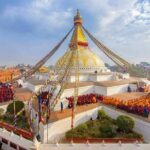
- Boudhanath Stupa: One of Kathmandu’s Biggest Buddhist Worship Sites
- Swayambhunath Monkey Temple: Views Over Kathmandu Valley
- Guide Keshar Jung Thapa and the Real Value of a Local Explanation
- Price and What $95 Really Covers
- Earthquake-Era Kathmandu: Expect Repairs and Adjusted Conditions
- Who This Tour Suits Best
- Should You Book This Kathmandu City Tour with Bodhnath Stupa?
- FAQ
- How long is the Kathmandu City tour?
- What time does the tour start?
- Is hotel pickup and drop-off included?
- Is food included in the price?
- What sites are visited during the day?
- Is the admission ticket included?
- How big is the group?
- What if I need to cancel?
Key Points I’d Plan Around
- Up to 12 people keeps the day personal and Q&A friendly
- Hotel pickup and drop-off saves energy on a long sightseeing day
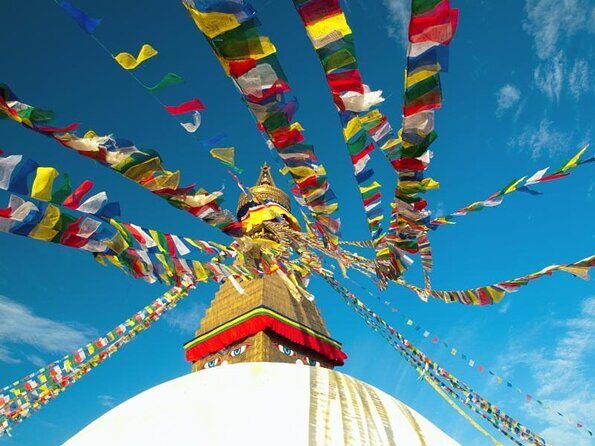
- Swayambhunath + Bodhnath gives you two of the most iconic religious landmarks in one run
- Patan Durbar Square is paired with nearby temples for smart area flow
- Tickets are mostly handled (some sites are free, others included)
- Earthquake damage note means you may see repairs or altered site conditions
How This 7–8 Hour Kathmandu Loop Fits Limited Time
This is the kind of Kathmandu day tour you book when you’re short on time but still want to hit the highlights with context. It starts at 9:00 am, runs roughly 7 to 8 hours, and follows a practical route across several major temple areas—so you’re not zigzagging across the city all day.
The “small group” part matters more than it sounds. When you’re moving between religious sites, you’ll often have questions about what you’re seeing, why people behave a certain way, and what things mean. A smaller group helps keep that conversation going, and you’re less likely to get swept along without understanding.
Also, the day includes hotel pickup and drop-off. That’s a real value in Kathmandu, where getting to the right start area can take time on its own. You meet at the Mosaic Adventure office (with pickup from your hotel), and you get a mobile ticket, which helps keep things simple.
One practical note: you’ll be out long enough that hunger can start to creep in. Food and drinks are not included, so you’ll need to plan how you’ll handle meals during the day.
You can also read our reviews of more city tours in Kathmandu
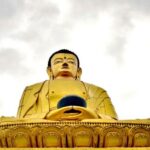
Patan Durbar Square and Krishna Temple: A Smooth Start in Lalitpur
The day begins in Patan (Lalitpur), and that’s a smart choice. Patan’s old core gives you a different feel from central Kathmandu, while still staying within easy reach of the next stops.
You spend about 40 minutes at Patan’s old durbar square (admission ticket is free). Even in that short window, you get the sense of Patan’s historic importance without spending half your day just getting your bearings. This is the right kind of “first stop” because it sets the tone: Kathmandu Valley’s identity isn’t one culture—it’s layers.
Next comes Krishna Temple for around 15 minutes. The admission ticket is included here, so you’re not trying to figure out cost or access while time is ticking. It’s also a compact stop. That keeps the overall rhythm steady, so the bigger religious sites later in the day don’t feel like you’re arriving exhausted.
Pashupatinath Temple: Hindu Reverence and the Cremation Ghat
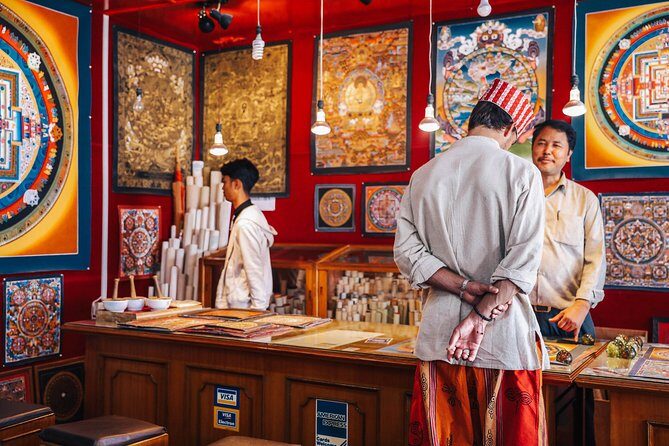
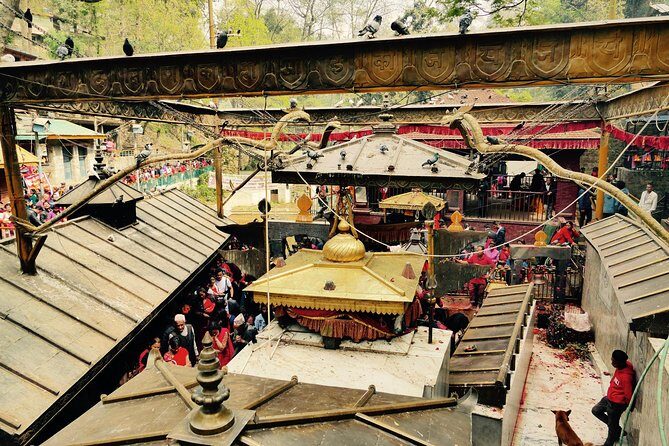
Pashupatinath Temple is one of those places where the significance is obvious the moment you arrive. The tour schedules 40 minutes here, and the admission ticket is included.
This is a Hindu temple site also known as a crematorium. That matters because it’s not just a photo stop. You’re witnessing a living religious practice. If you’re visiting with respect (and you will want to), you’ll get more out of the experience than if you treat it like a typical sightseeing stop.
Because the tour includes a professional local guide, you’ll likely understand better what you’re seeing beyond the architecture—especially how the space functions for worship and ceremony. The guide’s role is useful here, because Hindu sites can feel complicated if you don’t know what to look for.
The only consideration is emotional tone. Places tied to cremation can be intense. If you know you’re sensitive to that kind of reality, plan your mindset before you go.
Boudhanath Stupa: One of Kathmandu’s Biggest Buddhist Worship Sites
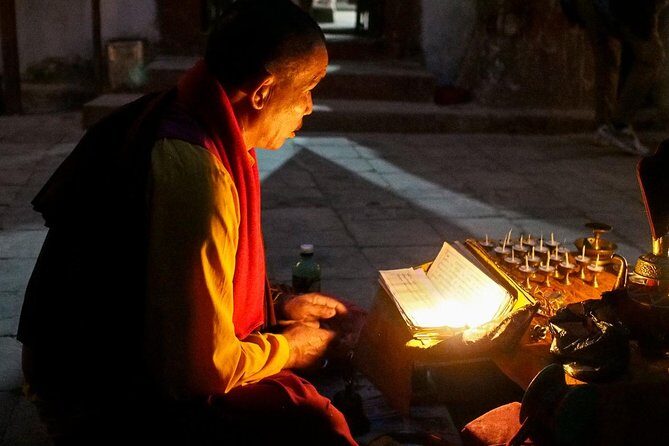
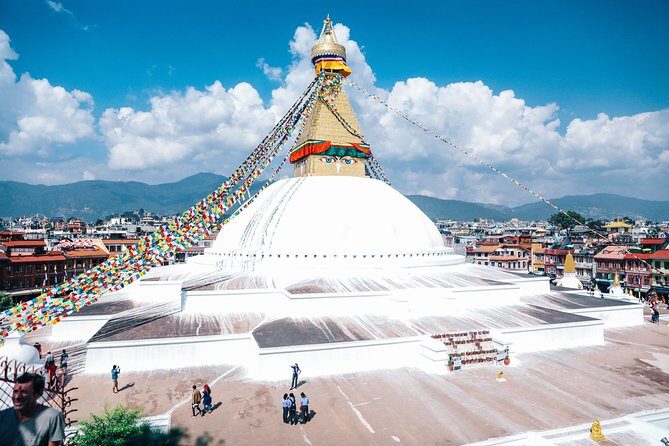
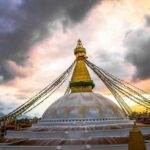
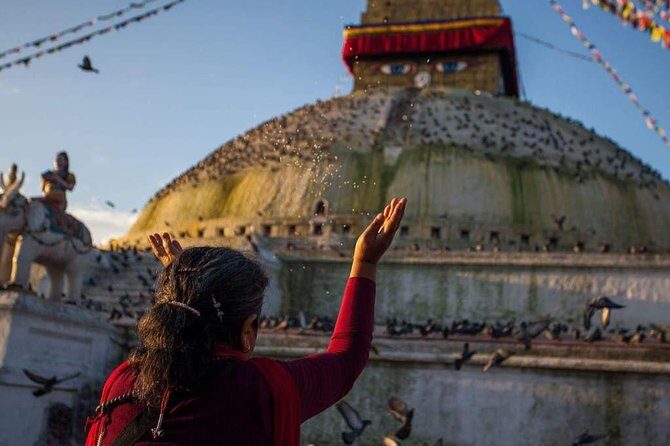
After the Hindu focus, the tour shifts gears to Bodhnath Stupa, also spelled Boudhanath Stupa. The schedule gives you about 30 minutes, with the admission ticket included.
This is described as the biggest Buddhist stupa in Kathmandu, and it’s also noted as a colorful Buddhist worship site. That combination is exactly why it works in a one-day itinerary: it gives you a clear visual marker of Buddhist devotion, and it anchors your day’s theme in a landmark people associate with Kathmandu.
One of the best parts of doing Bodhnath on a guided day is interpretation. You’ll be there at a working religious site, not just a monument. A good guide helps you notice the social rhythm—how people move, gather, and pay attention—so the time feels purposeful instead of just observational.
Given earthquake damage in the region since 2015, you might also see areas that look repaired or altered. That’s not a dealbreaker, but it’s worth keeping expectations flexible.
Swayambhunath Monkey Temple: Views Over Kathmandu Valley
The final big stop is Swayambhunath, often called Monkey Temple. You get about 40 minutes here, with the admission ticket included.
The tour highlights the views of Kathmandu Valley, and that’s the payoff at this stage of the day. When you’re done with dense temple areas, climbing and reaching a viewpoint can feel like a reset. You get a broader sense of how the city sits in the valley.
Also, this stop’s name alone hints at a key reality: Swayambhunath is known for monkeys. The tour doesn’t promise chaos, but it does frame the experience as Monkey Temple, so it helps to treat it as an active wildlife spot, not a quiet museum.
If you want the most out of your time here, be strategic. Don’t spend every minute just looking down at details. Take time for the view, then come back for close-up moments—especially if the guide points out what to notice.
A few more Kathmandu tours and experiences worth a look

Guide Keshar Jung Thapa and the Real Value of a Local Explanation
A big reason this tour scores so well is the guide. One guide name that shows up strongly is Keshar Jung Thapa, and the descriptions of his style are consistent: friendly, professional, and able to explain Buddhism and Hinduism in a way that actually lands.
When you’re bouncing between major religious sites in a single day, “what you see” is only half the experience. The other half is “why people do what they do.” A guide who can answer questions, connect the dots, and add a bit of humor makes the day feel like learning without turning it into a lecture.
This matters even more because some sites may have earthquake-related damage. When something looks a little different, a guide can help you understand what’s going on and how locals still use the place.
Price and What $95 Really Covers
At $95 per person, this isn’t a bargain price, but it’s also not trying to be a premium luxury day. It’s priced like a real guided tour with real logistics.
Here’s what your money covers, based on what’s included:
- Hotel/port pickup and drop-off
- Professional local guide
- All taxes, fees, and handling charges
- Admission tickets for most stops (with one stop listed as free)
Not included: food and drinks. That’s the main extra cost you’ll face, and it’s worth budgeting for. Kathmandu meals can be affordable, but you’ll still want something planned so you don’t end up eating late or grabbing something quick out of stress.
The “value” angle is that your admissions are largely handled, and you’re not paying extra for guide service. If you’re the type who hates piecing together transit and entry fees on a tight day, this setup is worth it.
Earthquake-Era Kathmandu: Expect Repairs and Adjusted Conditions
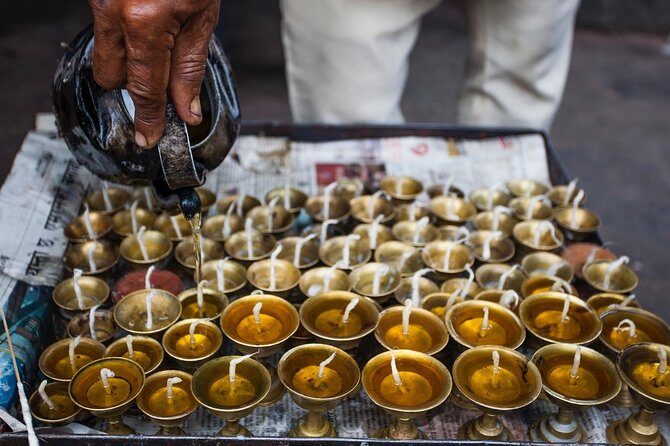
There’s an important note here: some sites visited were significantly damaged in the April and May 2015 earthquakes. That means you might encounter construction, repairs, or altered looks at certain parts of the complex.
This doesn’t automatically mean you’ll have a bad day. It can actually make the experience more grounded—because you’re seeing places that continue to function despite damage. But it does change what “perfect condition” looks like.
If your photoside expectations are strict, keep them flexible. A guide can also help you understand what changed and why the site still matters to worshippers.
Who This Tour Suits Best
This tour is built for first-time visitors with limited time. It also fits travelers who are using Kathmandu as a launch point—especially if you want a meaningful day before moving on to other parts of Nepal.
It’s also a good match if you:
- Want both Hindu and Buddhist landmarks in one day
- Prefer a schedule with pickup and a guide rather than solo navigation
- Like having admissions largely managed
- Are comfortable visiting major religious sites where people are actively worshipping
If you’re traveling with kids, the small group size can help the day stay manageable. Still, it’s a long day, and temple areas often involve crowds and walking.
Should You Book This Kathmandu City Tour with Bodhnath Stupa?
If your priority is seeing the key sites with context, I think this is a strong pick. You get a logical route across Patan and the biggest religious anchors of the day—Pashupatinath, Bodhnath, and Swayambhunath—plus the convenience of pickup and drop-off. The small group size also helps you feel like you’re with a person, not just following a van.
I’d hesitate only if you strongly dislike intense religious settings, or if you’re not comfortable with the reality that earthquake damage may change what you see. In that case, you may still enjoy the tour, but you’ll want a lighter mindset going in.
Overall: this is a practical one-day Kathmandu plan for people who want meaning, not just movement.
FAQ
How long is the Kathmandu City tour?
It runs about 7 to 8 hours.
What time does the tour start?
The start time is 9:00 am.
Is hotel pickup and drop-off included?
Yes, hotel/port pickup and drop-off are included.
Is food included in the price?
No. Food and drinks are not included.
What sites are visited during the day?
The tour includes Patan (Lalitpur) Old Durbar Square, Krishna Temple, Pashupatinath Temple, Boudhanath Stupa, and Swayambhunath (Monkey Temple).
Is the admission ticket included?
Admission tickets are included for most stops listed, and Patan’s Old Durbar Square is listed as free.
How big is the group?
The tour has a maximum of 12 travelers.
What if I need to cancel?
You can cancel for free up to 24 hours in advance of the experience start time for a full refund.