REVIEW · KATHMANDU
Everest Base Camp Trek
Book on Viator →Operated by Nepal High Trek & Expedition Pvt. Ltd · Bookable on Viator
Everest Base Camp is a big, real test. This trek connects Kathmandu to Lukla by flight, then strings together classic Khumbu towns, monasteries, glaciers, and big mountain viewpoints that feel close enough to touch. I also like that you get airport pickup and drop, plus a guide team that’s set up for the realities of trekking in Nepal.
I love the way the route builds in acclimatization at Dingboche, not just nonstop grind. And I like the cultural stops too: Tengboche and Pangboche monasteries where the scenery is huge but the vibe is calm and human. The main drawback to consider is simple: this is physically demanding, and it depends on good weather and safe conditions for flights and mountain travel.
You’re paying for a lot more than walking. The price includes your flights (round-trip Kathmandu–Lukla), permits, 11 nights on trek, and key cold-weather gear like a sleeping bag and down jacket, so your budget is easier to control once you’re committed.
In This Review
- Quick hits before you go
- Why this Everest Base Camp route still feels like the real deal
- Price and value: what $1,799.27 really covers
- Day 1: Landing in Kathmandu with an organized first step
- Day 2: The Lukla flight and why it changes your whole trek
- Days 3–4: Suspension bridges, Namche bazaar, and that needed pause
- Days 5–6: Tengboche Gompa and the first big “wow” mornings
- Day 7: Dingboche stupa and a smart acclimatization hike
- Day 8: Khumbu Glacier edges and the reality of the expedition line
- Days 9–10: Gorak Shep, Everest Base Camp area, and Kalapatthar sunrise
- Day 11: Pheriche, Orsho, and Pangboche’s oldest monastery
- Days 12–14: Lukla valley return and Kathmandu’s Durbar Square send-off
- Safety, support, and the guide team that keeps you going
- Practical checklist: what’s included and what you’ll still pay for
- Who this Everest Base Camp trek suits best
- Should you book Nepal High Trek & Expedition’s Everest Base Camp trek?
- FAQ
- What is the duration of this Everest Base Camp trek?
- What does the trip cost per person?
- Are flights between Kathmandu and Lukla included?
- What meals are included during the trek?
- Is camping gear included?
- Do I need travel and rescue insurance?
- Is my Kathmandu hotel included?
- When does the experience start?
- Is there free cancellation?
Quick hits before you go
- Kathmandu to Lukla by plane keeps the trek focused on the mountains instead of a long drive day.
- Dingboche acclimatization adds a breather day so you’re not just rushing upward.
- Tengboche and Pangboche give you monastery culture alongside the views.
- Kalapatthar sunrise timing is built into the itinerary, so you’re up early for the dramatic light.
- Gear is included (sleeping bag, down jacket, duffel), which lowers the “what do I pack?” stress.
Why this Everest Base Camp route still feels like the real deal
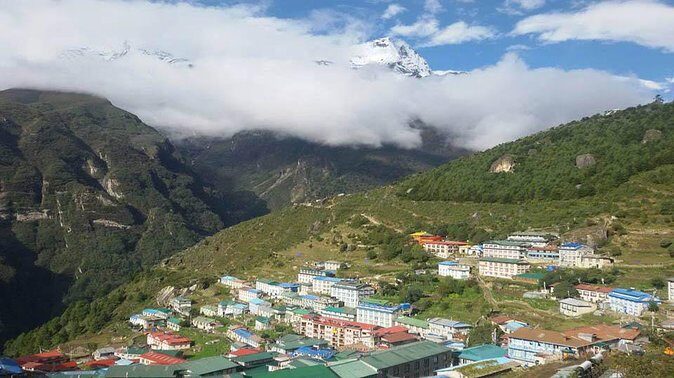
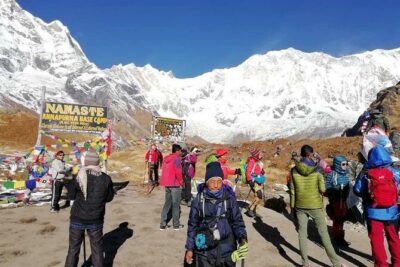
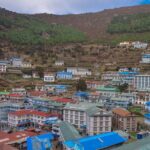
This trek is famous for a reason: you’re not just seeing the Himalaya from a distance. You’re walking through Sherpa villages, crossing suspension bridges over the Dudh Koshi region, and moving from forested lower valleys toward snow and ice where the air changes fast.
What makes this version work for everyday trekkers is the blend of big effort plus structure. You’ve got slow-down days for altitude, planned days with views, and a clear rhythm: walk, stop, eat, sleep, repeat. Guides on Everest routes matter a lot, and the team here stands out for how they support you through tougher moments.
Even the itinerary’s “small” elements show up with purpose. Short stops like monasteries aren’t decoration; they help you feel the place—people, practices, and the way life adapts to extreme surroundings.
You can also read our reviews of more hiking tours in Kathmandu
Price and value: what $1,799.27 really covers
At $1,799.27 per person for a roughly 14-day trek, the cost can look steep until you map what you’re getting. This package includes:
- Round-trip flights Kathmandu–Lukla–Kathmandu
- Your guide and required permits (Sagarmatha National Park permit and Khumbu entrance fee, plus Pasang Lhamu rural municipality entrance fee)
- 11 nights of accommodation on the trek
- Meals: 12 breakfasts, 12 lunches, and 11 dinners
- Cold-weather support gear: sleeping bag, down jacket, and a duffel bag
- Three cups of hot tea during the trek
- An emergency helicopter arrangement that’s paid by your travel insurance company
That’s the core value: many “cheap Everest treks” quietly charge extra for logistics, permits, guiding, and gear. Here, the basics are bundled so you can budget confidently once you’re on the ground.
One thing to watch is what’s not covered: you’ll need travel and rescue insurance yourself, and tipping for your guide and porter is not included. Also, your Kathmandu hotel isn’t included—so plan for at least one city-night cost before and/or after your mountain days.
Day 1: Landing in Kathmandu with an organized first step
Day 1 starts with an airport arrival meet-and-greet. After landing at TIA, a representative from Nepal High Trek & Expedition Team (Anjan) helps you connect to your arranged hotel, and you’ll enjoy dinner.
This first evening sounds routine, but it matters. When you’re about to fly to Lukla the next day, you want a low-stress start: clear instructions, a smooth transfer, and a team that knows how to keep things calm.
Day 2: The Lukla flight and why it changes your whole trek
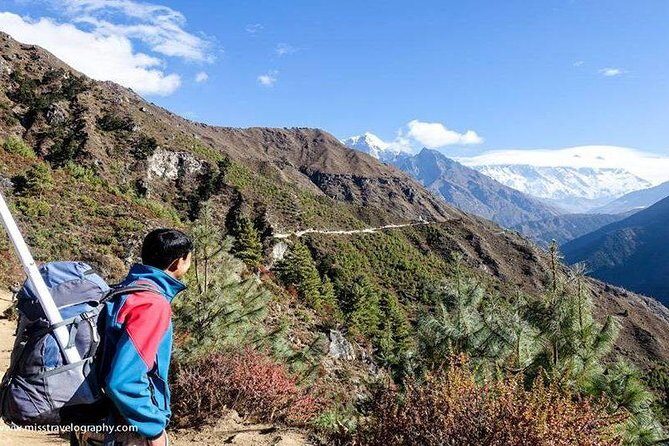
After breakfast, you transfer to the domestic terminal to catch a scheduled flight to Lukla. Lukla is the start point, and that single flight removes a huge chunk of ground travel and time that many trekkers don’t want to waste.
Then you begin trekking toward Phakding. Even the early walking days are not about speed; they’re about settling in: moving your body, getting used to breathing, and learning how cold or dry conditions feel at night.
Days 3–4: Suspension bridges, Namche bazaar, and that needed pause
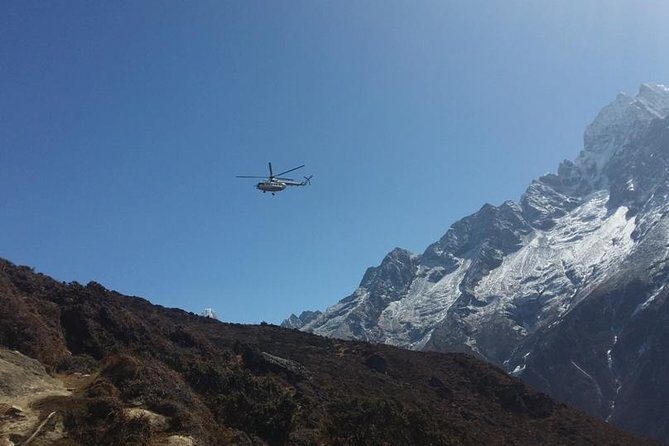
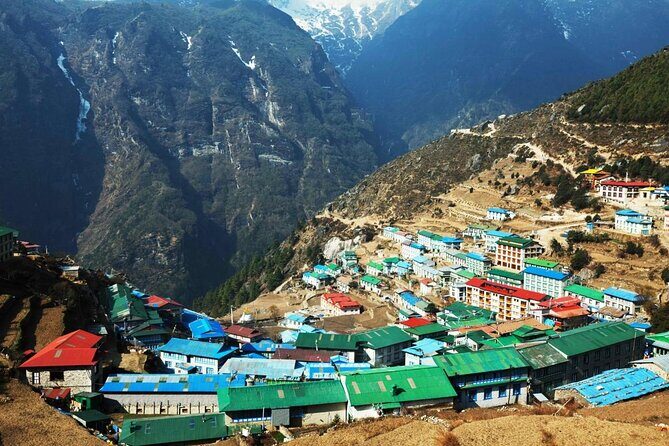
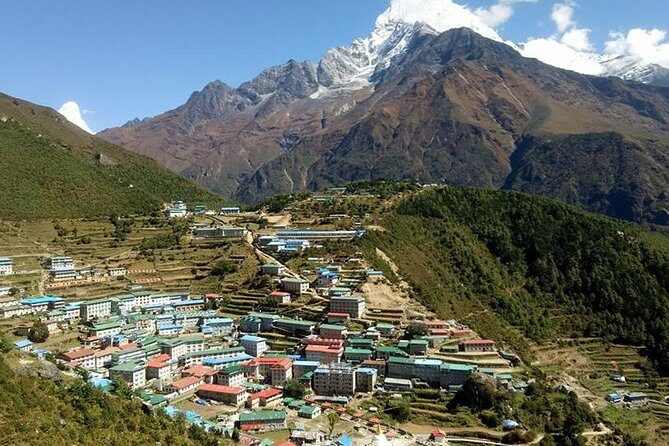
From Phakding, the trek climbs toward Namche bazaar via several suspension bridges over the Dudh Koshi River. Walking slowly here helps because the terrain is just enough effort to wake your legs without frying you.
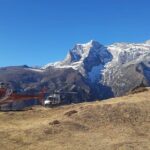
On the way, you’ll get magnificent views, including Mt. Thamserku (6618m). That’s a great reminder of why people do this route: the mountains don’t just sit on the horizon. They show themselves in pieces as you move.
Day 4 is about Namche itself—time to explore and handle practical needs like internet cafes, ATMs, and banking options. It also includes a stop around a spot called Irish Pub, which is a reminder that trekking towns have their own rhythm. This kind of downtime is not wasted: it’s where you can rest, refuel, and handle small essentials before the higher days.
Days 5–6: Tengboche Gompa and the first big “wow” mornings
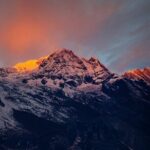
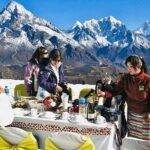
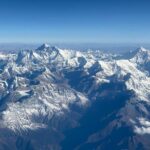
From Namche, you head toward Tengboche Gompa. The itinerary calls for early morning trekking, when the cold breeze and clear light can make mountain views pop. You’re also in a corridor where you can see major peaks and ranges—Everest, Nuptse, Lhotse, Amadablam—plus surrounding snow-covered mountains.
Tengboche is more than a photo stop. Gompas are places of daily practice, and you’ll feel the transition from village life to higher, colder routines. Even if you’re not a monastery person, it helps ground the trip in real culture instead of just chasing angles for your camera.
Day 6 then shifts to the Dingboche viewpoint area, with a short visit early morning to Tengboche and its monasteries, followed by trekking toward Dingboche. This is a clever move: you get more time in the view zones without losing the overall schedule.
Day 7: Dingboche stupa and a smart acclimatization hike
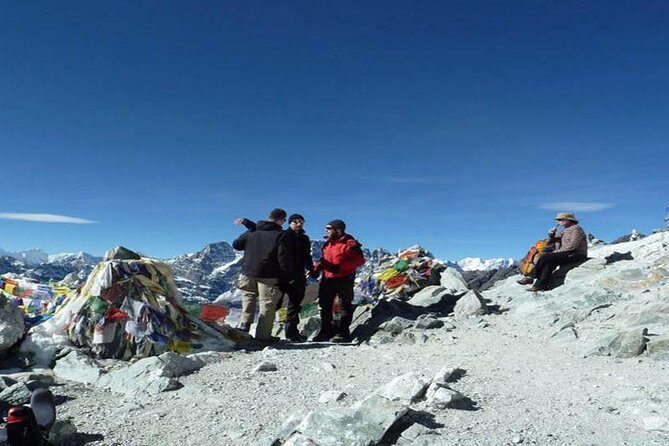
Day 7 is a true acclimatization day at Dingboche. The plan includes a hike toward Chhukung through the Imja Khola valley, with the day designed for gaining altitude gradually.
You’ll also visit a Dingboche stupa, which is a small but meaningful checkpoint. These sites are reminders that altitude isn’t only a physical challenge; it’s a lived environment with traditions that help people cope.
The highlight here is the way the hike supports you: you get moving and exploring, but the schedule doesn’t pretend altitude is something you can “power through” safely every day.
Day 8: Khumbu Glacier edges and the reality of the expedition line
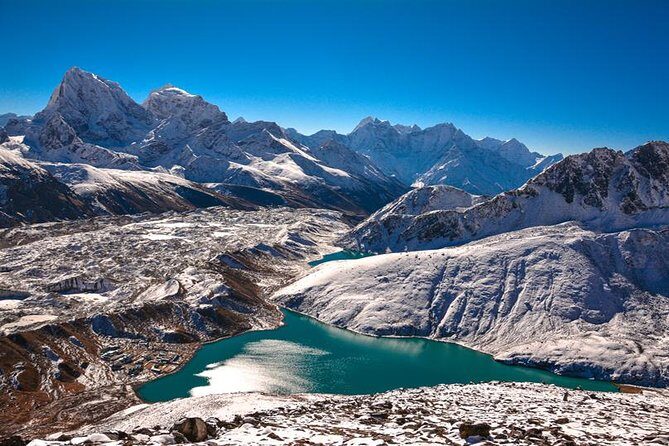
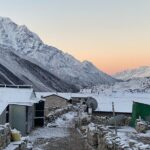
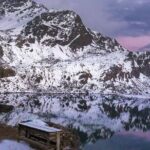
Next you follow the trail along the lateral moraine of the Khumbu Glacier. This is where the scenery turns from green-to-stone-and-snow and the environment feels more exposed. You’ll pass stone memorials for climbers who have perished during expeditions in summits nearby.
That moment lands hard for many people, and it changes how you feel about the rest of the trek. It’s not meant to scare you—it’s meant to create respect. You’re in the high-stakes neighborhood of Everest.
Then you continue climbing further along the route toward the next key area.
Days 9–10: Gorak Shep, Everest Base Camp area, and Kalapatthar sunrise
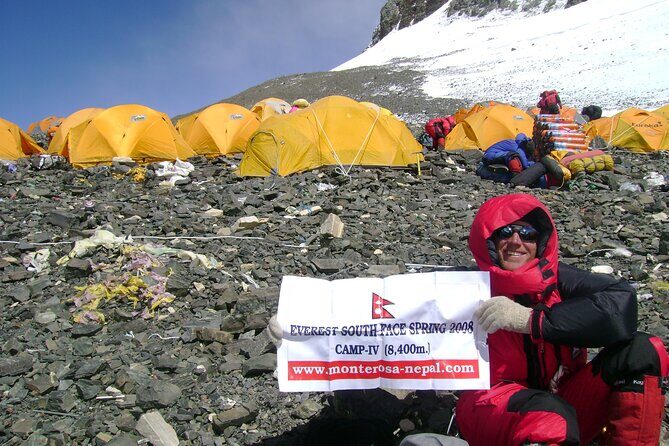
Day 9 starts after breakfast with a trek to Gorak Shep. From there, the itinerary notes seeing multiple sky-kissing mountains and then following the trail that leads to the base camp area, including Everest Camp II (2).
This is the day that many people picture when they think of Everest Base Camp: walking toward the base camp zone, moving through rugged terrain, and feeling the gravity of the place as you get closer.
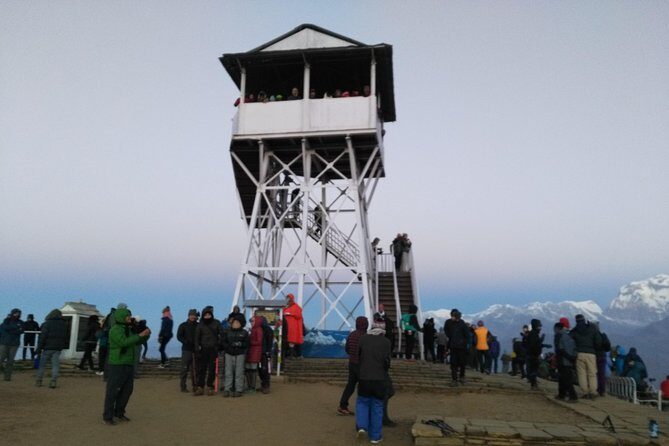
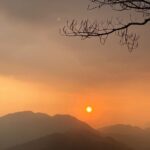
Day 10 is the centerpiece: the schedule has you trekking earlier to Kalapatthar for a sunrise-style viewpoint. The plan specifically calls out sun reflecting through clouds, plus several hours of continuous ascent.
For me, the big value here is timing. If you’re going to spend the energy to get high, you want the light to be worth it. Kalapatthar is about that payoff: you’re up early, you work for it, and the results can be unforgettable.
Day 11: Pheriche, Orsho, and Pangboche’s oldest monastery
After Day 10, you’ll move on with a route that goes from Pheriche down slightly toward Orsho, then onward to Pangboche. You can explore an older monastery in Pangboche—described as containing the scalp and bones of the abominable snowman.
That’s a story you’ll hear in the Everest region, and it comes with local belief and cultural meaning. Whether you take it literally or as folklore, you’ll get a window into how communities interpret the strange and harsh mountain world.
It’s also a practical day: not every day needs to be an all-out climb. This gives your body a chance to recover while still keeping you moving through the best-known cultural spots.
Days 12–14: Lukla valley return and Kathmandu’s Durbar Square send-off
On Day 12, you return from Namche back to Lukla and reach it earlier. The plan then gives you time to explore the Lukla valley in leisure, with an overnight guesthouse.
This is a nice mental shift. The trek stops being about upward effort and becomes about noticing the little stuff: how faces look after weeks in the mountains, and how the world changes when you’re no longer chasing altitude.
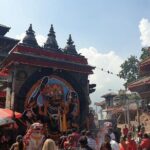
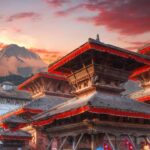
Day 13 takes you back to Kathmandu, with time around Kathmandu Durbar Square. This is a good way to close the trip because it swaps high-altitude silence for city texture, temples, and the sense that Nepal’s history is right there in front of you.
Day 14 includes a rest night in Kathmandu, then you pack and head to the airport with a required arrival buffer (the plan says reach the airport 3 hours before your flight). There’s also a small farewell program organized by Nepal High Trek & Expedition.
Safety, support, and the guide team that keeps you going
On Everest routes, safety is not a single thing. It’s pacing, weather awareness, acclimatization decisions, and the ability to handle day-to-day problems with calm.
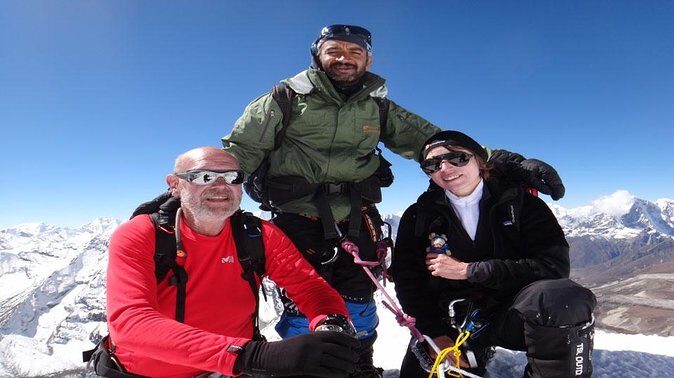
The strongest signal from the experience is how supported you feel. Several people specifically praised guides like Buddhi and Pawan, describing them as caring, attentive, and positive under pressure. The guide style clearly matters when the trek gets tough, because your mind often needs encouragement more than you need a new route.
If you want a simple take-away from the feedback: take sunscreen seriously. One review recommendation was to use it every day, because the sun near high elevations can be aggressive even when you feel cold.
Practical checklist: what’s included and what you’ll still pay for
This trek keeps the essentials simple, because many key items are included:
- Sleeping bag
- Down jacket
- Duffel bag
- Meals on the trek (12 breakfasts, 12 lunches, 11 dinners)
- Medical kit box
- Three cups hot tea during the trek
- Emergency helicopter arrangement via your travel insurance
What you should budget separately:
- Travel and rescue insurance
- Hotel in Kathmandu
- Porter cost (tipping for guide and porter is also not included)
- Phone calls, laundry service, battery recharge, bottled water, hot water, and shower costs
Also remember: the itinerary is weather-dependent. If flight conditions change, you might face schedule disruption. That’s not unique to this trek, but it’s worth aligning your expectations—and your insurance coverage—with that reality.
Who this Everest Base Camp trek suits best
This is best for you if you want the classic Everest region experience—Sherpa villages, monasteries like Tengboche and Pangboche, glacier edges, and a shot at the views from Kalapatthar—while also preferring a structured plan with support.
It’s also a good fit if you like a group dynamic where the guide keeps the pace and logistics clear. Reviews strongly emphasized that the trek feels safe and well organized, and that the team plans with backup thinking when conditions shift.
This may not be ideal if you’re looking for a casual walk. The route calls for strong physical fitness, and you’ll be spending multiple days trekking on changing terrain, including altitude and cold.
Should you book Nepal High Trek & Expedition’s Everest Base Camp trek?
Book it if you want a well-supported, classic Everest Base Camp plan that handles the big moving parts for you: Lukla flights, permits, meals, guide service, accommodation, and cold-weather gear.
Think twice if you’re not ready for a real physical challenge or if you don’t have solid insurance coverage. The helicopter arrangement is there, but it’s tied to what your insurance will pay. And because the trek requires good weather, you’ll need patience if conditions force changes.
If you’re the kind of person who likes to earn your views early in the day—then return to warm meals and calm guidance—this trek is a strong match.
FAQ
What is the duration of this Everest Base Camp trek?
It’s listed as about 14 days.
What does the trip cost per person?
The price is $1,799.27 per person.
Are flights between Kathmandu and Lukla included?
Yes. Round-trip flight tickets (Ktm–Lukla–Ktm) are included.
What meals are included during the trek?
You’re provided 12 breakfasts, 12 lunches, and 11 dinners.
Is camping gear included?
Yes. The package includes a sleeping bag, down jacket, and a duffel bag.
Do I need travel and rescue insurance?
Yes. Travel and rescue insurance are not included, and the emergency helicopter service is arranged to be paid by your Travel insurance company.
Is my Kathmandu hotel included?
No. Hotel in Kathmandu is not included.
When does the experience start?
The meeting point start time is 8:15 am.
Is there free cancellation?
Yes. You can cancel up to 24 hours in advance for a full refund.