REVIEW · LUKLA
Everest Base Camp Trek from Lukla
Book on GetYourGuide →Operated by Peregrine Treks and Expedition P Ltd · Bookable on GetYourGuide
Lukla to Everest Base Camp is a wild altitude roller coaster. This 12-day trek threads through the Khumbu Valley, brings you to Sherpa culture hubs like Namche Bazaar and Tengboche Monastery, and finishes with the Everest sight everyone dreams about. I like how the route builds from village life into higher, harsher terrain, so the big moments land when they should.
I especially love the support: an English-speaking guide, porter service, and tea house stays that keep the focus on walking and acclimatizing. I also really look forward to the signature views, with Kala Patthar (5,545 m) for sunrise angles on Everest, plus the Everest Base Camp arrival at 5,364 m.
One drawback to be ready for: the trek is physically serious. You’ll be walking about 5–7 hours a day, weather changes fast, and tea houses are basic, so you’ll need to be comfortable with simple comforts and cold nights.
In This Review
- Key highlights that matter on this trek
- Value and what $466 really covers for Everest Base Camp
- The day-by-day rhythm: from Lukla’s airstrip to Everest Base Camp’s 5,364 m moment
- Day 1: Lukla to Phakding (Dudh Koshi River start)
- Day 2: Phakding to Namche Bazaar (Sherpa capital and big views)
- Day 3: Namche acclimatization day (markets, rest, and mountain cues)
- Day 4: Namche to Tengboche (rhodo forests and the monastery moment)
- Day 5: Tengboche to Dingboche (4,410 m and a more remote feel)
- Day 6: Dingboche acclimatization day (use the altitude, don’t fear it)
- Day 7: Dingboche to Lobuche (more barren, more focused)
- Day 8: Lobuche to Gorakshep and Everest Base Camp (EBC at 5,364 m)
- Day 9: Kala Patthar sunrise (5,545 m) then down to Pheriche
- Day 10: Pheriche to Namche (the emotional download day)
- Day 11: Namche to Lukla (finish strong)
- Day 12: back to Tenzing-Hillary Airport
- Tengboche Monastery and Namche Bazaar: why culture stops aren’t just decoration
- Tea houses, meals, and porter support: what keeps the trek manageable
- Weather, altitude, and the real meaning of acclimatization days
- Flights to Lukla and the support you’ll want before you go
- Who this trek is a great fit for (and who should think twice)
- Should you book this Everest Base Camp trek from Lukla?
- FAQ
- How long is the Everest Base Camp trek from Lukla?
- What does the package price of $466 include?
- What is not included in the $466 package price?
- What is the daily hiking time like?
- What are the key high-altitude spots on the route?
- How big is the group?
- Do acclimatization days happen during the trek?
- What kind of support do you get for flights and airport pickup?
Key highlights that matter on this trek
- A small group (max 10) with an English guide keeps the pace manageable
- Kala Patthar sunrise puts Everest into a near-3D view from 5,545 m
- Namche Bazaar gives you altitude breathing room and market culture
- Tengboche Monastery is a calm, spiritual stop with huge mountain backdrops
- Tea houses with porter service means you can pack smart for the altitude
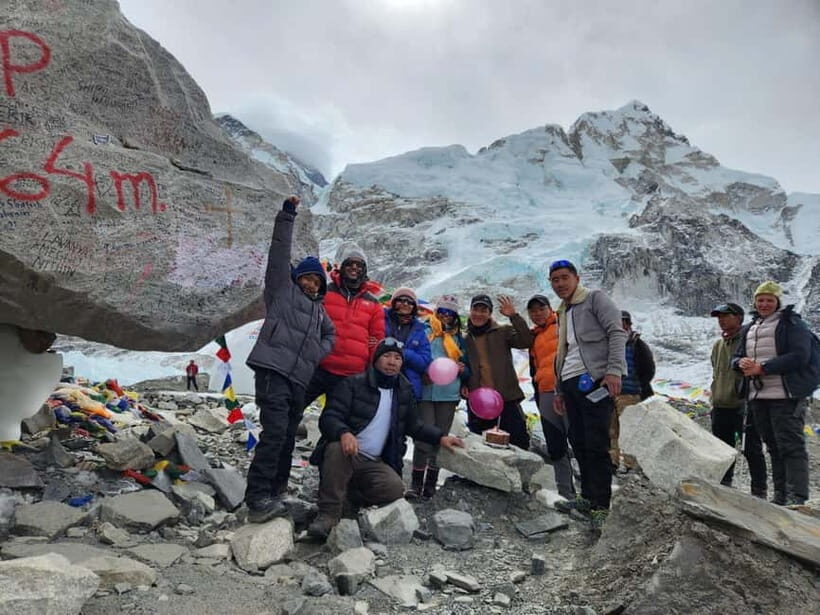
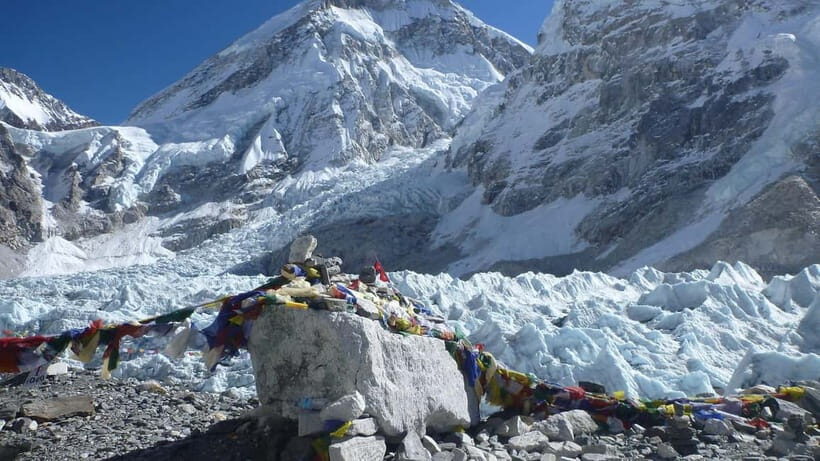
- Everest Base Camp at 5,364 m is the payoff, with close views toward the Icefall area
Value and what $466 really covers for Everest Base Camp
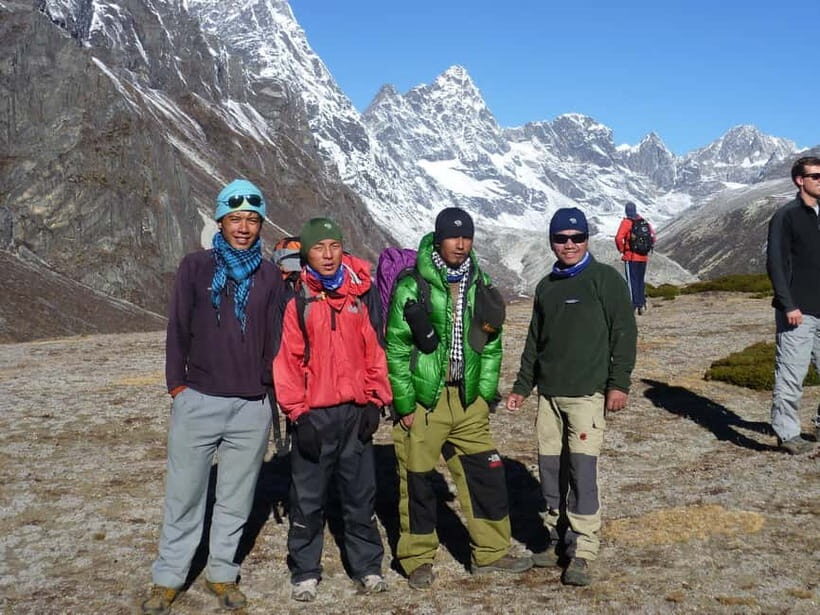
At $466 per person, this trek is priced like a serious shared-experience package: you’re paying for the human infrastructure that makes high-altitude travel work—especially in a place where weather can stall plans and logistics can get messy.
What’s included is the stuff that directly affects your day-to-day comfort and safety: a professional English-speaking guide, porter service, tea house accommodation, and permits and entrance fees. There’s also a first aid kit. For many people, those items are the difference between a trip you manage and a trip you enjoy.
What’s not included is also important to understand up front. You’ll handle flights to Lukla separately (this operator offers assistance if you contact them), and you’ll want your own travel insurance, ideally covering high-altitude trekking. Visa fees and personal expenses like laundry, drinks, and internet aren’t part of the deal either. That’s not a complaint—it’s just where you should budget so you don’t get surprised later.
Also, because this trek depends on your flight schedule, sharing flight details matters. The guide picks you up at the airport after you send your itinerary details, which helps reduce stress on travel days.
The day-by-day rhythm: from Lukla’s airstrip to Everest Base Camp’s 5,364 m moment
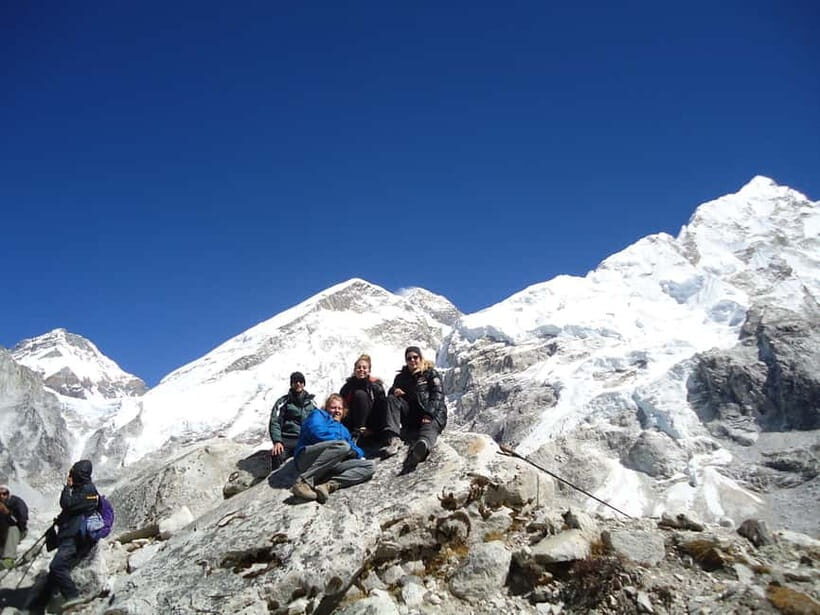
This trek has a simple logic: walk up, sleep higher (but not too fast), and use acclimatization days to keep your body from panicking at altitude. You’ll feel the pace increase as you go, especially once the route turns from greener Khumbu Valley trails into rock-and-snow country.
Day 1: Lukla to Phakding (Dudh Koshi River start)
After the Lukla airport landing and your first guided push, Day 1 takes you into the Khumbu Valley to Phakding. This is a great “get your legs back” day. The trail follows forested sections and crosses suspension bridges, so you’re not just climbing—you’re moving through the rhythm of the valley.
Phakding also gives you a taste of how trekking life actually works here: tea houses, basic rooms, and an early routine of eating, hydrating, and adjusting to cooler air. You’ll likely finish the day tired in a good way, not crushed.
Day 2: Phakding to Namche Bazaar (Sherpa capital and big views)
Day 2 climbs to Namche Bazaar, the Sherpa hub most people picture when they imagine the Khumbu. Yes, the streets are active and full of small businesses, but the real value is that Namche gives you both altitude and culture in one place.
The route brings frequent chances to pause and catch views of Thamserku and Kongde Ri. That matters because it keeps the climb mentally rewarding. It’s also your first chance to watch how people handle the altitude—slow steps, steady breathing, lots of breaks.
Day 3: Namche acclimatization day (markets, rest, and mountain cues)
You don’t just “rest” in Namche; you acclimatize. This day is built for altitude success: explore local markets, take in the mountain views, and let your body catch up.
In practical terms, this is the day where you learn your personal rhythm: how quickly you get winded, how much water you need, and what food sits well before longer climbs. If you’re smart on acclimatization days, later days feel harder but safer.
Day 4: Namche to Tengboche (rhodo forests and the monastery moment)
The trek continues upward through rhododendrons and pine forests toward Tengboche, home to the famous Tengboche Monastery. This stop isn’t only scenic—it’s a spiritual anchor. The monastery acts like a hub for trekkers and monks, and you’ll feel that calm even when you’re surrounded by high-mountain bustle.
The backdrop is the star: you’re looking at big frames that can include Ama Dablam, Everest, and Lhotse depending on conditions. Expect a more quiet, reverent vibe here than on the market days.
Day 5: Tengboche to Dingboche (4,410 m and a more remote feel)
From Tengboche, you move to Dingboche, sitting at about 4,410 m. This is a “bigger air, smaller villages” transition day. The scenery shifts, and you’ll notice fewer trees and more open terrain.
Dingboche is also a place where trekkers often add extra time for acclimatization (and the overall plan here already includes acclimatization later too). The benefit of Dingboche is how it sets up your confidence: you can see the Himalayas more clearly, and you start understanding the shape of your upcoming climb.
Day 6: Dingboche acclimatization day (use the altitude, don’t fear it)
This is your next checkpoint day. Take in the mountain views and use the time for short walks that help your body adapt. It’s not a “skip it and lounge” day—think of it as altitude training without the full stress of pushing to the next big point.
If you’re someone who gets anxious at elevation, this day helps. You’re still at altitude, but you’re not adding major climbs. That balance can be the difference between a smooth trek and a rough one.
Day 7: Dingboche to Lobuche (more barren, more focused)
Day 7 heads to Lobuche, a remote settlement surrounded by towering peaks. The landscape becomes more barren as you climb, and that’s normal here. You’ll feel the trek shifting from forest-to-rock to high-altitude terrain.
This is also a mental day. You’re closer to your goal, but the mountain isn’t forgiving. Slow steps, careful pacing, and consistent eating matter more now than earlier days.
Day 8: Lobuche to Gorakshep and Everest Base Camp (EBC at 5,364 m)
The next stop is Gorakshep, the final stepping stone before Everest Base Camp. The plan here is to trek from Gorakshep to Everest Base Camp, reaching 5,364 m.
This is when the trip turns real. The excitement is obvious, but the practical reality hits too: you’ll feel the altitude in your breathing even if you keep moving slowly. When you arrive, you get the kind of close-up drama people dream about—especially toward the Khumbu Icefall area and the surrounding peaks.
If you’re prone to taking photos constantly (very easy to do here), just make sure you keep time for hydration and a short calm period before you head back.
Day 9: Kala Patthar sunrise (5,545 m) then down to Pheriche
Day 9 is the hardest “worth it” day for many people, because Kala Patthar at 5,545 m is the best vantage point for Everest views in this route.
The big payoff is often the sunrise from Kala Patthar, when the light hits the peaks and everything looks closer and sharper. Even if clouds or wind shift the view, you’ll still get a strong sense of scale up here.
After the sunrise push, you trek back to Pheriche for the night. This reverse day matters because it’s where you start feeling relief: the air is still high, but you’re moving away from the day’s peak altitude.
Day 10: Pheriche to Namche (the emotional download day)
Now you retrace your route down through the villages. This isn’t just “getting through it.” It’s your chance to reflect on what you survived and what you learned about your pace, your hydration habits, and your altitude tolerance.
You’ll see familiar places in a new way. That’s a sneaky part of trekking: the views stay the same size, but your confidence changes.
Day 11: Namche to Lukla (finish strong)
You head back toward Lukla. This is often when people realize how much they’ve adapted: walking feels more normal than it did in the first days, and the daily routine becomes a rhythm.
Day 12: back to Tenzing-Hillary Airport
You finish the itinerary by returning to Tenzing-Hillary Airport. The day isn’t about altitude now—it’s about transfer timing and catching your next transport.
Tengboche Monastery and Namche Bazaar: why culture stops aren’t just decoration
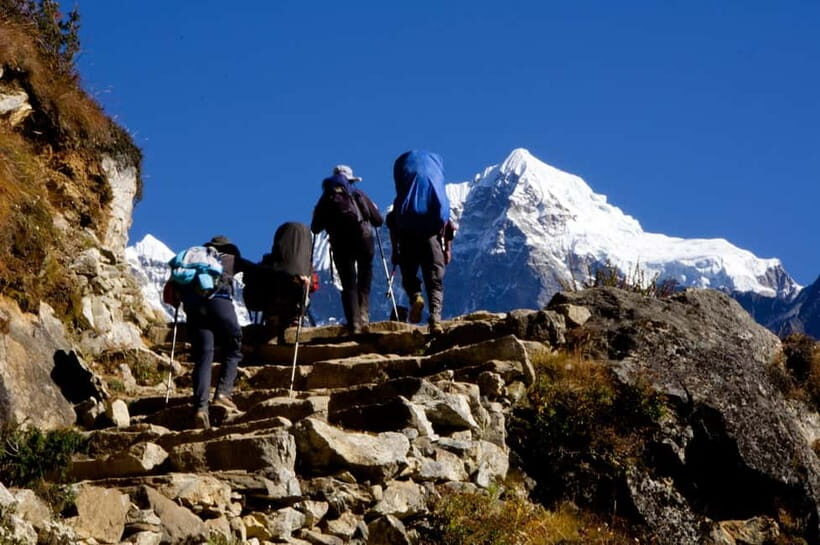
It’s tempting to treat monasteries and market towns like scenic breaks. On this trek, they do more than look good in photos.
In Namche Bazaar, the markets are practical. You’ll handle everyday things, reset your mindset, and spend time in the Sherpa community’s working rhythm. That helps you acclimatize because you can move slowly, eat regularly, and keep your body from getting bored or stressed.
At Tengboche Monastery, the value is quiet contrast. After days of climbing and breathing harder, you get a place built for stillness. The monastery is described as one of the larger hubs in the region, and it feels like a natural “reset point” on the trail.
In short: these stops make the trek feel like a human journey through the Khumbu, not just a stairway to a summit.
Tea houses, meals, and porter support: what keeps the trek manageable
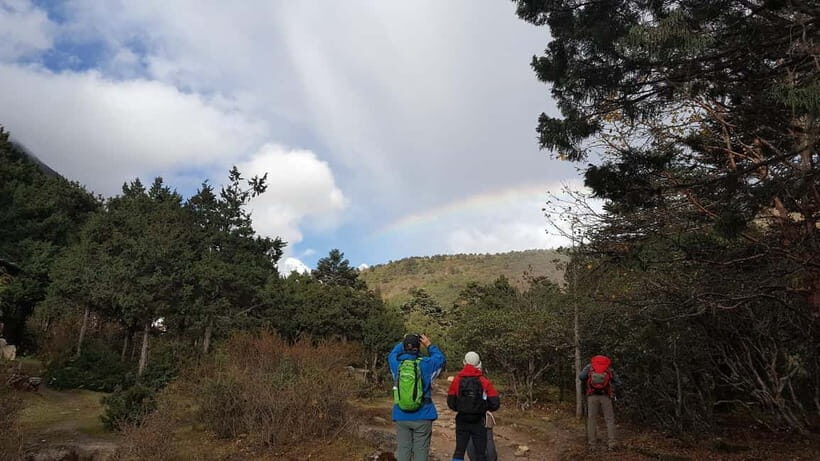
Tea houses on this route are basic. You should expect simple rooms and straightforward comfort. The upside is that tea houses are consistent, so you can plan your day around predictable shelter and meals.
Meals are built around the kind of food that works at altitude—hot meals, filling carbs, and easy-to-eat options. One of the most repeated comfort notes in recent trek feedback is that dal bhat keeps people fueled. That makes sense: it’s warm, high-energy, and not complicated when your appetite can be weird at altitude.
Porters matter here. With porter service included, you’re less likely to overpack and end up carrying a heavy load up steep sections. You still walk, of course, but your energy goes into movement instead of muscle strain.
Also pay attention to small-group handling. With a limited group size (up to 10), your guide can manage pace and breaks, and it’s easier to keep everyone on track as conditions change.
Weather, altitude, and the real meaning of acclimatization days
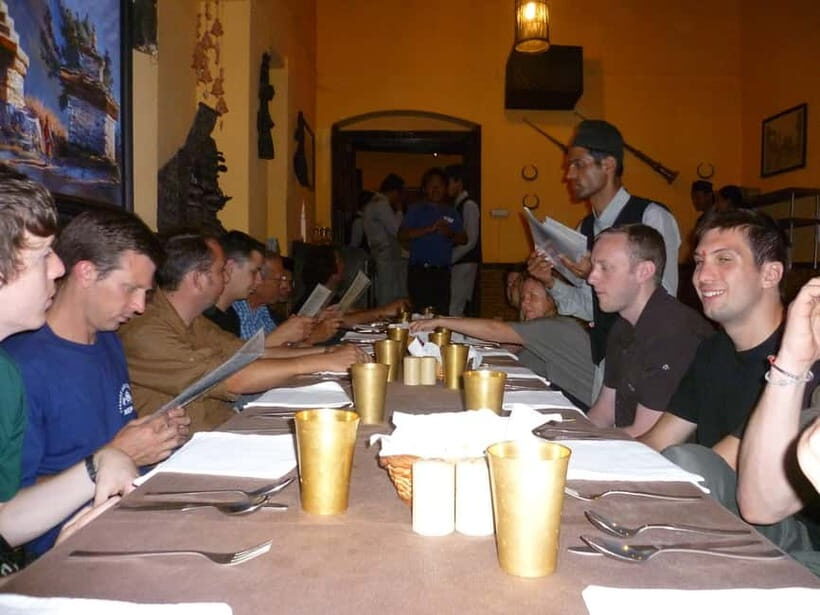
The trek runs into real altitude. You go high enough that your body has to work, and the plan is built around that reality with acclimatization included.
You’ll have acclimatization days in Namche and Dingboche. Those are not “free days.” They’re your chance to adjust before the route pushes you into more barren, high terrain. If you try to skip the intent of those days—by pushing hard or skipping meals—you’ll likely pay for it later.
Weather is another major variable. The Himalayas can change conditions rapidly, and that means you need layered clothing and real warmth, not just a light jacket.
Practical tip: pack for cold and wind even if the morning seems mild, and don’t treat the forecast like a guarantee. On this trek, you’re outside a lot and exposed to shifting weather.
Flights to Lukla and the support you’ll want before you go
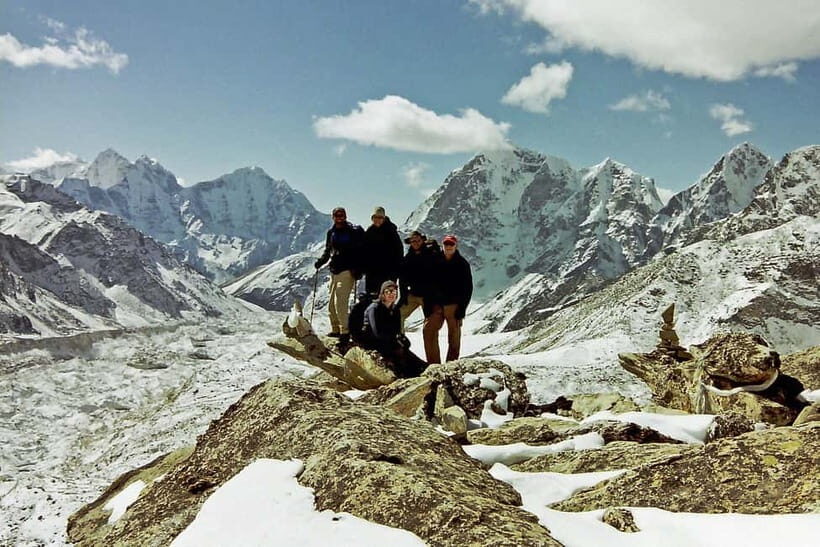
If you’ve never planned a Lukla flight before, you’ll want help. This operator specifically includes support with Lukla flight tickets when you contact them after booking. Recent feedback also highlights that the team handled flight-related details smoothly.
One thing I like is how responsive the communication can be: a group noted they held WhatsApp meetings to get prepared, which is exactly what you want when the schedule matters. They also assisted with pickup and coordination through the airport connection.
A bonus detail from recent trek experiences: some people added extra options on the back side of the trek. For example, one group mentioned arranging a helicopter ride from Lobuche back to Kathmandu to save trekking time. That kind of add-on isn’t listed as included, but it’s good to know you may have options if you need to shorten your plan.
Who this trek is a great fit for (and who should think twice)
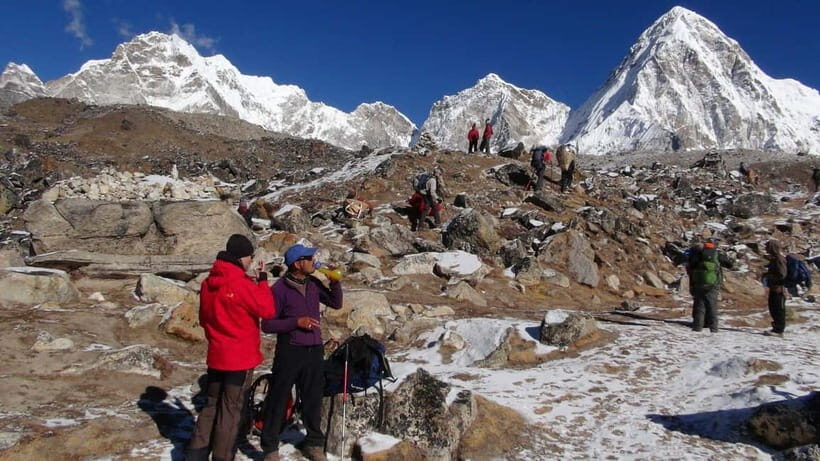
This trek is best for people who:
- can handle daily hiking in thin air
- want a classic Everest route with Sherpa culture stops
- like a structured plan with acclimatization built in
- are comfortable with basic tea house accommodation
It’s not for everyone. The trek is listed as not suitable for pregnant women, people with mobility impairments, people with heart problems, and people prone to seasickness.
If you have medical concerns, don’t guess. Check with a clinician and confirm that high-altitude trekking is safe for you.
Should you book this Everest Base Camp trek from Lukla?
I think this is a strong pick if you want the full Everest Base Camp arc—Namche to Tengboche to Dingboche to Gorakshep, then the big days at Everest Base Camp (5,364 m) and Kala Patthar (5,545 m)—with support that keeps logistics from stealing your energy.
At $466, the value is in the included guide, porter service, permits, and tea house structure. You still have to plan your flights and insurance, but the trek itself is set up for you to focus on walking and acclimatizing.
I’d book it if you’re ready for cold weather, basic rooms, and serious altitude work—and you want an experienced team to manage the trail details. If that sounds like you, this route is one of the most memorable ways to experience the Khumbu, with the kind of view you’ll remember long after your boots are back on the shelf.
FAQ
How long is the Everest Base Camp trek from Lukla?
The trek duration is 12 days.
What does the package price of $466 include?
It includes a professional English-speaking guide, tea house accommodation, permits and entrance fees, porter service, and a first aid kit, plus applicable taxes.
What is not included in the $466 package price?
Flights, travel insurance, visa fees, and personal expenses (like laundry, beverages, and internet) are not included.
What is the daily hiking time like?
You’ll be walking about 5–7 hours per day.
What are the key high-altitude spots on the route?
You reach Everest Base Camp at 5,364 meters and you can hike to Kala Patthar at 5,545 meters for sunrise views.
How big is the group?
The group is limited to 10 participants.
Do acclimatization days happen during the trek?
Yes. Acclimatization days are included, including time in Namche Bazaar and Dingboche.
What kind of support do you get for flights and airport pickup?
You need to share your flight details, and the guide will pick you up from the airport. The operator also offers assistance with Lukla flight tickets when you contact them.