Kathmandu’s temples stack up fast. This private car tour is built for a smooth, time-friendly sweep through key UNESCO sites around Kathmandu, with an English-speaking guide and hotel pickup. I especially like the private group setup and the practical comfort of a round-trip car for a 6 to 7 hour day. One thing to plan for: entrance fees are not included, so you’ll want to budget extra before you go inside.
The route is designed so you get a clear mix of Buddhist and Hindu sacred places, plus a royal palace turned museum. I also like that the tour includes water and uses a team that keeps timing tight, which matters in Kathmandu traffic and at popular sites. The one possible drawback is pacing: with multiple major stops in one day, you’ll want to move efficiently and keep your expectations realistic for quick visits at each place.
In This Review
- Key Things to Know Before You Go
- A Private Car Through Kathmandu’s UNESCO Core
- What the 6 to 7 Hour Route Means for Your Day
- Stop 1: Swayambhunath Hill Temple and the Quick Wow Factor
- Stop 2: Boudhha Stupa for a Calmer Pace
- Stop 3: Pashupatinath Temple for a Hindu Landmark Moment
- Stop 4: Kathmandu Durbar Square and the Royal Palace Layout
- Stop 5: Narayanhiti Palace Museum for a Royal-Home Ending
- Price and Value: Is $80 Worth It?
- The Human Touch: Guide Names, Polite Drivers, Smooth Timing
- Who This Kathmandu Private Car Tour Suits Best
- Should You Book This Kathmandu City Tour by Private Car?
- FAQ
- FAQ
- What’s included in the Kathmandu city tour price?
- Are entrance fees included?
- How long does the tour take?
- Is pickup offered from hotels?
- Is this a private tour or shared with other groups?
- What are the main stops on the tour?
- Is confirmation provided when booking?
- How does cancellation work?
- Is there a mobile ticket?
Key Things to Know Before You Go
- Private car comfort: you’re not sharing a bus or waiting on a big group.
- Hotel pickup and drop-off: easier start and finish, especially if you’re not near Durbar-area hotels.
- English-speaking guide: you’ll get context as you go, not just a checklist of stops.
- UNESCO-area sights: the day is built around major cultural landmarks in the Kathmandu valley.
- Entrance fees on you: some key temples/museums aren’t included in the base price.
- Punctual, tidy service: the tour’s reputation focuses on timing, clean vehicle, and polite drivers/hosts.
A Private Car Through Kathmandu’s UNESCO Core
This tour works because it treats sightseeing like logistics, not like a scavenger hunt. You get round-trip private car transfer, plus pickup and drop-off, so you spend less time figuring out how to get from one hilltop temple to the next major square.
The stops are all high-impact. You’re not only seeing famous names—you’re moving through Buddhist and Hindu sites that Kathmandu locals still use every day. That mix is the big payoff, because it helps you understand the city’s spiritual geography without needing to plan a complicated route yourself.
You can also read our reviews of more city tours in Kathmandu
What the 6 to 7 Hour Route Means for Your Day
Expect roughly 6 to 7 hours of total time on the move and at each stop. That time window is ideal if you have a short stay, want to cover the essentials, and still don’t want to rush across town on your own.
The trade-off is simple: each site visit is timed. You’ll have about an hour at Swayambhunath, around 40 minutes at Boudhha, and then longer stops for Pashupatinath, Durbar Square, and Narayanhiti Palace Museum. Plan to wear comfortable shoes and keep water handy between entrances, even though you’re provided a bottle during the tour.
A practical bonus: the tour is described as suitable for most travelers, and it’s private, meaning your group won’t be affected by other people’s delays. You still want to build in some flexibility for traffic and busy temple areas.
Stop 1: Swayambhunath Hill Temple and the Quick Wow Factor
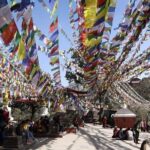
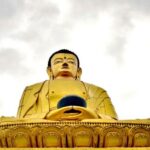
You start at Swayambhunath, the Buddhist temple on top of a hill. That opening stop is smart because it gives you a dramatic sense of place early in the day, before you get swallowed by the city’s street-level pace.
Why this stop is worth your time:
- It’s one of Kathmandu’s headline Buddhist sites, so even a shorter visit gives you the main idea.
- The hill location usually means more walking than a flat monument, so it sets the tone for a day of purposeful movement.
- Visiting early can help you experience the site with fewer crowds than later hours, depending on the day.
Potential drawback: hilltop temples can feel like they’re always uphill in at least one direction. If you’re sensitive to stairs or inclines, tell your guide early so they can suggest the smoothest approach while keeping you on schedule.
Stop 2: Boudhha Stupa for a Calmer Pace
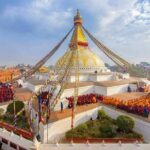
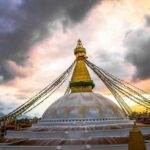
Next up is Boudhha, described as a very nice Buddhist stupa in Kathmandu. This stop is shorter—about 40 minutes—so you can enjoy the atmosphere without turning your day into a marathon.
What you’ll likely appreciate here is the contrast. After Swayambhunath, Boudhha gives a different mood and a different kind of stillness. Even if you’re not deep into Buddhist art, a stupa is an easy place to slow down, look closely, and take in the details around the main structures.
Practical tip: this is a good moment to reset your energy. Use the stop as a short break in your sightseeing rhythm, then get ready for the larger, more activity-filled sites after.
Stop 3: Pashupatinath Temple for a Hindu Landmark Moment
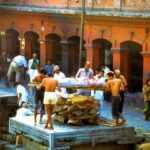
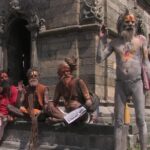
Then you head to Pashupatinath Temple, one of Nepal’s most famous Hindu temples. The time you’re given here is about 1 hour 30 minutes, which signals this is a main event—not a quick photo stop.
Why it feels different from the Buddhist stops:
- It’s a Hindu landmark, so the visual cues, temple setting, and general vibe shift from what you just saw.
- You have longer time to understand what’s going on around the temple area rather than skimming through.
One key consideration: the entrance ticket is not included. Budget for that, and plan for a bit of time spent figuring out where to go once you arrive. Your guide and driver help reduce friction, but you still want to factor in those small on-site moments.
You can also read our reviews of more private tours in Kathmandu

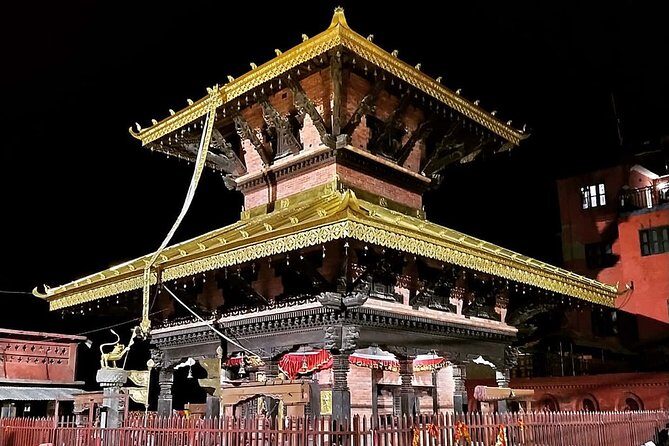
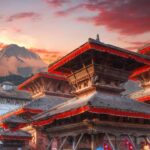
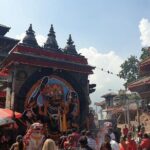
Stop 4: Kathmandu Durbar Square and the Royal Palace Layout
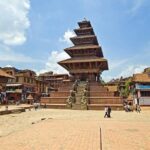
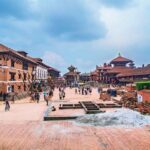
After Pashupatinath, you move to Kathmandu Durbar Square, described as the ancient royal palace of Nepal. This stop is about an hour, which can work well if you focus on the layout and try to connect what you see to how a palace complex functioned.
What I like about including Durbar Square:
- It’s a strong bridge between religion and culture—this is where power and heritage show up in architecture.
- It helps you see how Kathmandu’s major institutions shaped daily life over time.
- With an hour, you can get oriented without getting exhausted.
Possible drawback: Durbar Square can be a busy place. If you’re someone who prefers slow wandering, you might want to set a goal for this stop—pick a few key areas to prioritize rather than trying to see everything.
Stop 5: Narayanhiti Palace Museum for a Royal-Home Ending
To wrap up, you visit Narayanhiti Palace Museum, the latest royal palace of Nepal, now turned into a museum. This stop is about 40 minutes, which makes sense as a closing act: you get a final cultural hit and then you’re ready to return to your hotel without dragging the day out.
Why it’s a good ending:
- It’s a different style of visit than the temples—more museum pacing, less ceremonial pacing.
- It helps the day feel complete. You’ve seen sacred sites; now you see how royal life is presented in a museum setting.
Entrance here is also not included, so again, plan for tickets. If you’re the kind of visitor who likes museum browsing, keep an eye on time so you don’t lose your full tour flow.
Price and Value: Is $80 Worth It?
The price is $80 per person, with a tour duration of about 6 to 7 hours and a private setup. On paper, that might look like a lot—until you break down what’s included.
Here’s why the value can make sense:
- You’re paying for hotel pickup and drop-off, not just transportation from a meeting point.
- You get round-trip private car transfer, which matters in a city where travel time can eat your day.
- You have an English-speaking tour guide, which turns random sightseeing into something that actually helps you connect the dots.
- You receive a bottle of water and a tidy, managed flow so you spend less time negotiating logistics.
What you must budget for: entrance fees, since they aren’t included. Also, meals and personal expenses aren’t included, so plan to eat before or after the tour based on your schedule.
In short: if you want a guided, efficient day that hits the core sites without stress, this price can be fair. If you’re planning a DIY day with public transport and your own guide for free, then the value shifts.
The Human Touch: Guide Names, Polite Drivers, Smooth Timing
This tour’s best reputation points are very specific: punctual pickup, a clean car, and a polite driver. People also highlighted how the guide explained things clearly and stayed respectful.
Two guide names came up directly: Mr. Subham and Bisham. That’s a good sign because it means the agency invests in the people doing the talking, not just the vehicle doing the driving. When you’re moving between sacred sites, having a guide who can explain what you’re looking at—and keep you on schedule—makes the day feel effortless.
I also like that this is described as a private trip, so you’re not squeezed into someone else’s itinerary. You get a more controlled experience, and the guide can often tailor small adjustments based on your pace.
Who This Kathmandu Private Car Tour Suits Best
This is a smart choice if you:
- Have limited time in Kathmandu and want the main sights covered in one organized day.
- Prefer private comfort over group buses.
- Like guided context, especially when moving between Buddhist and Hindu sacred places.
- Want a family-friendly, straightforward plan where the provider handles the timing.
It might be less ideal if you:
- Want long, slow museum-style browsing at each stop. With multiple locations, you’ll have to keep moving.
- Don’t want to deal with extra entrance tickets at several sites.
If you’re on a short Kathmandu stopover from another part of Nepal, this format is especially practical because it gives you a complete cultural snapshot without the headache of planning transport.
Should You Book This Kathmandu City Tour by Private Car?
If you want an organized day that covers big-ticket UNESCO area sights without making you stress about transit, I’d say yes—especially at the start of your trip. The included hotel pickup/drop-off, private car, English-speaking guide, and water add up fast in comfort and convenience.
I’d only hesitate if you hate paying entrance fees on top of the tour price, or if you’re the kind of traveler who needs hours inside every stop. For most people, though, this is a solid value because it’s time-efficient and well run, with the sort of service details—punctual pickup, clean vehicle, polite staff—that make a difference in a busy city.
FAQ
FAQ
What’s included in the Kathmandu city tour price?
The tour includes hotel pickup and drop-off, round trip transfers by private car, an English speaking tour guide, bottle of water, and a private trip for your group.
Are entrance fees included?
No. Entrance fees are not included. Admission tickets are noted as free for Swayambhunath and Boudhha, while Pashupatinath Temple, Kathmandu Durbar Square, and Narayanhiti Palace Museum are listed as not included.
How long does the tour take?
The duration is about 6 to 7 hours.
Is pickup offered from hotels?
Yes. Hotel pickup and drop-off are included.
Is this a private tour or shared with other groups?
It’s a private tour/activity. Only your group participates.
What are the main stops on the tour?
The tour stops include Swayambhunath, Boudhha, Pashupatinath Temple, Kathmandu Durbar Square, and Narayanhiti Palace Museum.
Is confirmation provided when booking?
Yes. Confirmation is received at the time of booking.
How does cancellation work?
Free cancellation is available. You can cancel up to 24 hours in advance for a full refund, and refunds are not available if you cancel less than 24 hours before the experience starts.
Is there a mobile ticket?
Yes. A mobile ticket is provided.