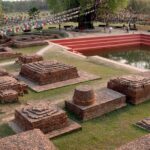
This 6-day Nepal package is interesting because it packs Kathmandu culture and Pokhara scenery into a schedule that still feels organized. Two things I like a lot are the airport pickup with private, air-conditioned transfers and the fact that the trip covers the big basics like hotels, a local guide, and entrance fees. One possible drawback: the Kathmandu–Pokhara portion can mean a long day on the road (about 7 hours), unless you add an internal flight at extra cost.
What makes it easier to enjoy is the human side of the planning. In past feedback, the service stood out as professional and reassuring, with support across pickups, drivers, and guiding. I also appreciate that the program includes experienced local leadership—one named guide, Gobinda Subedi, has been credited with making the trip feel like home, while coordination with Pradip Karki shows up as a theme in the comments.
In This Review
- Key highlights that make this trip worth your time
- First Night in Thamel: airport pickup and an easy start
- Kathmandu UNESCO loop: Swayambhunath, Boudhanath, Pashupatinath, Durbar Square
- Swayambhunath Stupa (Monkey Temple)
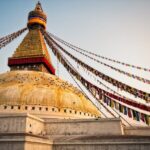
- Boudhanath Stupa
- Pashupatinath Temple (Hindu shrine to Lord Shiva)
- Kathmandu Durbar Square (Royal palace heritage + Living Goddess)
- Ending back in Thamel
- Getting to Pokhara: 7-hour Trishuli drive or a 25-minute flight
- How to decide between road and air
- Sarangkot sunrise and Fewa Lake boating in Pokhara
- Tal Barahi Temple
- Bindabasini Temple, Mahendra Cave, Bat Cave
- Seti River George + museum + waterfall
- World Peace Pagoda (big panoramic payoff)
- Back to Kathmandu via Prithivi Highway plus a final farewell dinner
- Day 6 free time in Kathmandu, plus airport transfer if needed
- Price and value: what $1,000 buys across Kathmandu + Pokhara
- What’s included vs not included: your practical Nepal budget
- Included
- Not included (plan for these)
- Vegetarian option
- Private tour feel: why the format matters
- Practical tips for temples, caves, and getting around
- Who this Nepal 6-day plan fits best
- Should you book this Nepal package?
Key highlights that make this trip worth your time
- Airport arrival support and a smooth first night in Thamel
- Kathmandu UNESCO classics in one day: Swayambhu, Boudhanath, Pashupatinath, Durbar Square
- Sarangkot sunrise + Fewa Lake boating for the classic Pokhara combo
- Pokhara temples, caves, gorge viewpoints, and World Peace Pagoda
- Local expertise built into the schedule, including guides and coordinators such as Gobinda Subedi and Pradip Karki
- A private tour setup where it’s just your group doing the plan
First Night in Thamel: airport pickup and an easy start
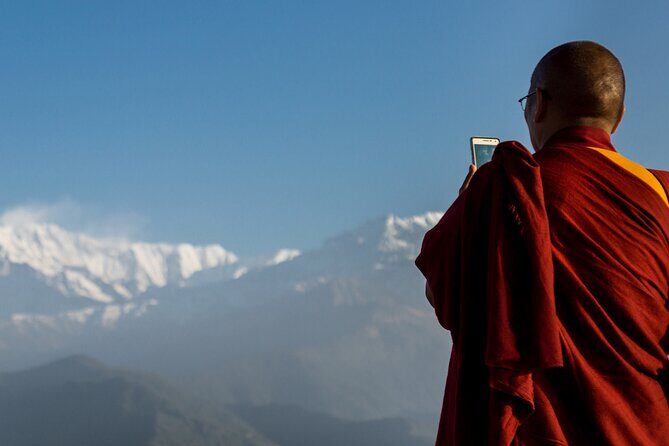
Day 1 is designed to remove the first-day stress. As soon as you land, you get assistance at the airport, then you head to Thamel by private car. That matters more than it sounds. After a flight, you usually don’t want to think about logistics, cashing out, or finding your way through traffic.
Once you arrive, you’ll be introduced to the crew and get a briefing about the journey. Then comes the simple comfort of a Nepalese dinner in the evening—something that helps you settle in before the sightseeing ramp starts. If you’re traveling as a couple or a family, this kind of “get oriented first” approach is exactly what keeps the trip from feeling chaotic.
One detail to keep in mind: the dress code is listed as formal, so if you’re the type who packed only casual travel gear, you’ll want at least something nicer ready for dinner.
A few more Kathmandu tours and experiences worth a look
Kathmandu UNESCO loop: Swayambhunath, Boudhanath, Pashupatinath, Durbar Square
Day 2 is the heart of Kathmandu. You’ll visit a cluster of major spiritual and cultural landmarks around the Kathmandu Valley—enough to understand the city without trying to do it all by yourself.
Here’s what you can expect from each stop:
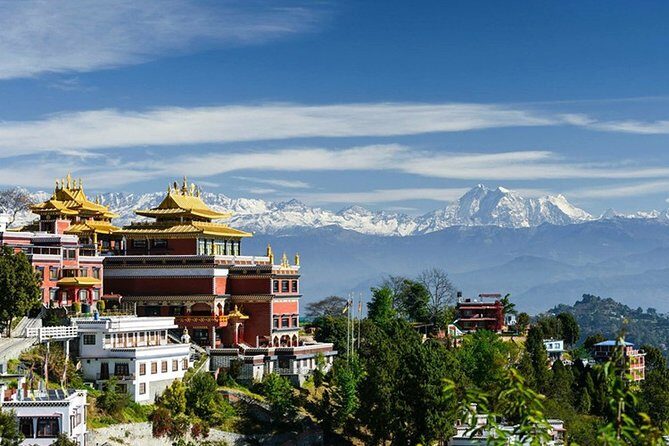
Swayambhunath Stupa (Monkey Temple)
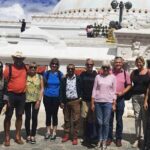
Swayambhunath is one of those places where the setting and the spiritual atmosphere work together. You’ll see it as a Buddhist pilgrimage site with a long history, and the area’s energy makes it feel like more than just a photo stop. Plan for walking and stairs, because these sites are often built on uneven ground.
Boudhanath Stupa
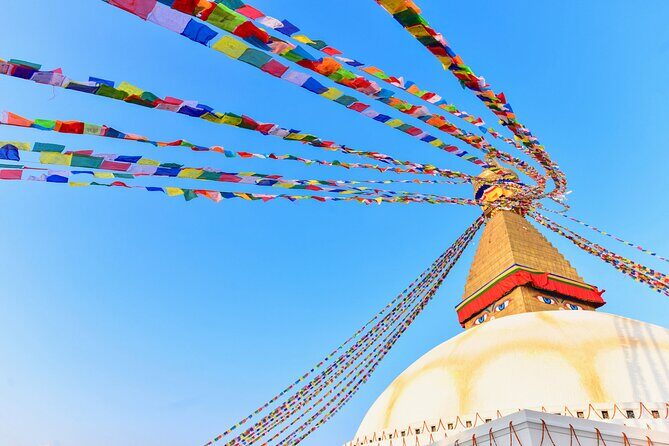
Then you’ll head to Boudhanath, a major Buddhist stupa. This one is famous for how it holds space—slow prayer, careful attention, and that steady sense of devotion. It’s a great counterbalance to the more bustling streets around it, because it gives you a quieter moment within the day.
Pashupatinath Temple (Hindu shrine to Lord Shiva)
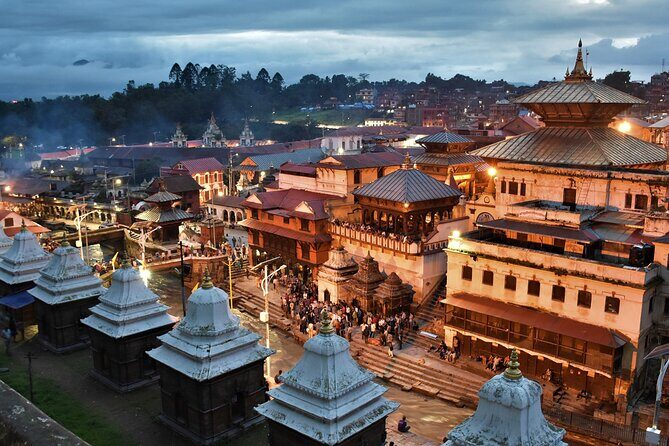
Pashupatinath is a major Hindu landmark dedicated to Lord Shiva. If you’re visiting Nepal for the first time, this is where you really feel the scale of religion here—not just in architecture, but in daily life and the way visitors and locals move around the site.




Kathmandu Durbar Square (Royal palace heritage + Living Goddess)
Durbar Square is tied to Nepal’s royal past. It’s also where you can see the area connected to the Living Goddess tradition—an intriguing element of Nepalese culture that’s very specific to this place. It’s a reminder that Kathmandu isn’t only about temples. It’s also about how the country remembers power, myth, and identity.
Ending back in Thamel
After the UNESCO-heavy day, the schedule pulls you back to Thamel for a relaxed stay. This is smart. After temples and crowds, having a base area where you can stroll, eat, and shop makes Day 2 feel complete instead of ending abruptly.
Practical consideration: Kathmandu can be busy and crowded near major sites. The value here is not that you’ll avoid people—it’s that the tour organizes the route so you spend less time figuring out what’s next.
Getting to Pokhara: 7-hour Trishuli drive or a 25-minute flight
Day 3 is travel day, but it’s planned to be scenic. You’ll rise early, have breakfast, and then head to Pokhara. If you choose land transportation, it’s about 7 hours and follows the Trishuli Riverbank through hills. The idea is to turn a transfer into part of the experience rather than just downtime.
If you’d rather save time, you can choose a flight from Pokhara to Kathmandu that takes about 25 minutes—with one key catch: flight tickets are not included, and you’d arrange them separately.
How to decide between road and air
- Choose the drive if you like slow travel and want to see the countryside passing by.
- Choose the flight option if you want more time in Kathmandu for heritage exploration, or if long road travel doesn’t suit your energy level.
Because the schedule is short overall, picking the option that matches your stamina can make a big difference in how refreshed you feel for Pokhara’s early morning experiences.
Sarangkot sunrise and Fewa Lake boating in Pokhara
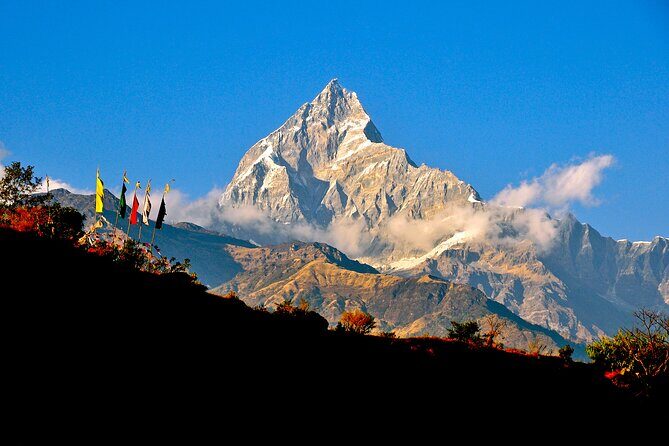
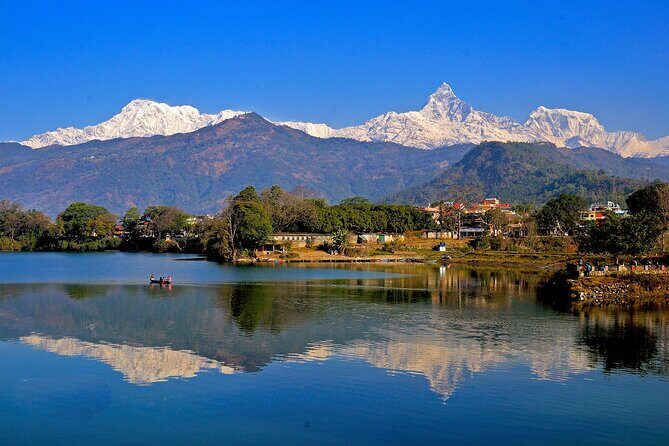
Day 4 is where Pokhara becomes the trip’s favorite chapter for many people. It starts early with a drive to Sarangkot for sunrise views over the lake and valley. Sunrise is a simple word, but it changes the whole vibe—your day starts before the world gets loud.
After the sunrise experience, you return for breakfast, then you do something classic: boating on Phewa (Fewa) Lake. Lakeside time like this is the kind of break that keeps the rest of the day from feeling nonstop. It’s also one of the easiest ways to enjoy Pokhara without needing special gear.
Then the tour keeps moving through a mix of temples, caves, and viewpoints:
Tal Barahi Temple
Tal Barahi Temple is a revered site associated with the lake area. It’s an easy cultural anchor after the sunrise and before the more adventurous stops.
Bindabasini Temple, Mahendra Cave, Bat Cave
This portion blends spirituality with a bit of underground exploration. You’ll visit Bindabasini Temple, and then head into cave sites like Mahendra Cave and Bat Cave. Caves usually mean uneven floors and dim light, so comfortable shoes matter more than fashion here.
Seti River George + museum + waterfall
You’ll also see Seti River George, plus a museum and a waterfall. That mix helps balance the day: not everything is temple worship or underwater exploration, so you get variety in sights and pace.
World Peace Pagoda (big panoramic payoff)
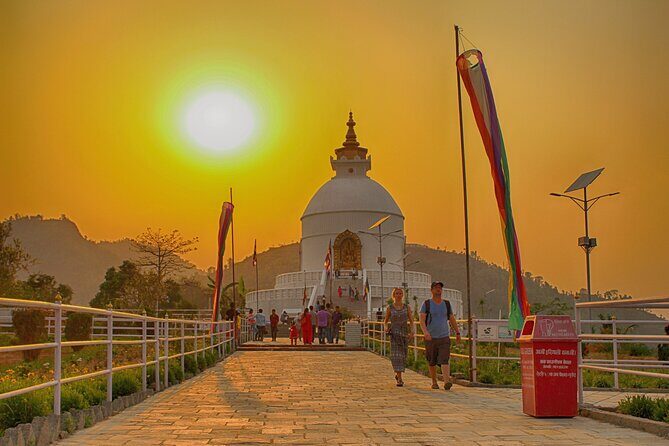
The last stop is the World Peace Pagoda, located on a hill with an open view over the Pokhara valley. Even if you don’t do a ton of hiking, getting up to a viewpoint at the right time of day often turns into one of those “stop and breathe” moments.
One consideration: Day 4 is packed. It’s not a slow sightseeing day. If you know you get tired from back-to-back stops, you’ll want to pace yourself—take water breaks and don’t rush through every photo.
Back to Kathmandu via Prithivi Highway plus a final farewell dinner
Day 5 flips the direction. After a day in Pokhara, you return to Kathmandu via the Prithivi Highway. The main promise here is comfort and views of the Nepalese countryside along the way.
Once you arrive, you get time for souvenir shopping. This is practical: it’s better to shop with guidance and time than to scramble on your last morning. In the evening, you regroup for a farewell dinner—an easy way to wrap the trip socially, share what you liked most, and mentally file away the highlights.
If you want to avoid the long drive, flights can be arranged at additional cost (and again, flight tickets aren’t included). That flexibility is helpful because the overall tour duration is short, and you don’t want Day 5 to feel like a full wipeout.
Day 6 free time in Kathmandu, plus airport transfer if needed
Day 6 is your buffer day. You can explore Kathmandu at your own pace, focusing on last-minute shopping or any additional activities you planned independently.
If your departure is scheduled for this day, the tour includes a transfer to the International Airport in Kathmandu. A representative escorts you in time for your flight or drive, so you don’t have to coordinate the final piece alone.
This free day is a quiet but valuable feature. When a trip is only 6 days, you usually need a cushion for real life—late breakfasts, traffic, or just wanting to revisit a place you loved.
Price and value: what $1,000 buys across Kathmandu + Pokhara
At $1,000 per person for an approximate 6-day tour, value depends on what’s included and how much it saves you from planning.
Here’s the value picture based on what you get:
- 5 nights in a 3-star hotel
- Local tour guide
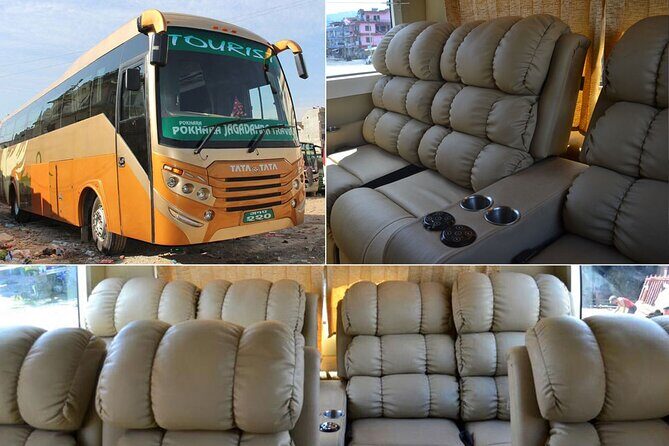
- Land transportation in an air-conditioned vehicle
- Entrance fees (listed as included)
- Breakfast (5 breakfasts)
- Pickup support at arrival (and airport transfer if departing on the last day)
What you don’t get:
- Lunch and dinner (and alcohol)
- Visa fee, tipping, and personal expenses
- International flight fare
- Any internal flights (only possible as an add-on if you choose them)
- Some costs tied to personal choices, like extra activities
So the deal is really about removing the biggest friction points: routing, guide support, transport comfort, and paid entries. If you’re traveling with limited time and want a guided “greatest hits” Nepal plan, this pricing makes sense. If you’d rather DIY everything (and you already know how to handle local transport and ticketing), you might be able to spend less. But you’d trade convenience and guided context.
What’s included vs not included: your practical Nepal budget
This trip is easiest to budget when you think in categories.
Included
- Air-conditioned vehicle
- Entrance fees
- Local guide
- Hotel for 5 nights (3-star)
- Breakfast for 5 days
Not included (plan for these)
- Lunch and dinner
- Alcoholic beverages
- Visa fee
- Tipping
- Internet, laundry, and other personal expenses
- International flights
- Internal flights and any other costs not listed under inclusions
Vegetarian option
There’s a vegetarian option available if you ask when booking. That’s worth noting early, because it can reduce awkward meal moments.
The easiest budgeting strategy is to set aside a daily amount for lunch and dinner, then add a little buffer for tips and any extras you decide you want mid-trip.
Private tour feel: why the format matters
This is listed as a private tour/activity, meaning only your group participates. That changes the experience in a good way. You’re not stuck with pacing decisions that suit strangers. You can ask your guide questions, adjust timing when needed, and focus on what you actually care about.
Also, past feedback highlighted flexibility in the planning process—adding places you want when it works with the schedule. That matters because it turns the itinerary from a strict script into a guide you can shape.
You’ll also see mention of group discounts and a mobile ticket. Even without the fine print here, the key takeaway is that the logistics are set up to be modern and organized, not paper-chaos.
Practical tips for temples, caves, and getting around
A few things will help you enjoy the itinerary without fighting it:
- Wear shoes you trust on stairs and cave floors. Kathmandu and cave sites often mean uneven steps.
- Keep at least one formal outfit handy for the formal dress code requirement.
- Expect early starts on Pokhara sunrise day. That sunrise isn’t optional in the schedule feel—it’s the opener.
- Plan water and breaks on Day 4, because it’s the most packed day with temples, caves, a gorge area, and the World Peace Pagoda.
- Carry cash for meals. Lunch and dinner aren’t covered, and you’ll want easy payment options near your stops.
- Ask your guide questions on what you’re seeing. The places are spiritual and cultural, and having a local guide makes the details stick.
Who this Nepal 6-day plan fits best
This tour is a strong match if you:
- Have limited time and want a Kathmandu + Pokhara highlight route
- Prefer local guiding over trying to coordinate everything yourself
- Like a mix of spirituality (temples and stupas) plus nature time (Sarangkot and lake boating)
- Want comfortable transport via air-conditioned vehicle rather than rougher connections
It might not be the best fit if you:
- Want a slow, unstructured trip with fewer moves per day
- Plan to spend most days trekking or doing major adventure excursions
- Dislike long road travel, since the Kathmandu–Pokhara transfer can be about 7 hours
Should you book this Nepal package?
I’d book it if your goal is straightforward: see Kathmandu’s major spiritual landmarks and UNESCO sites, then enjoy Pokhara’s sunrise, lake time, caves, and viewpoints—without building the plan from scratch.
It’s not a cheap trip on paper, but the pricing makes more sense when you see what’s included: 3-star hotel nights, local guiding, entrance fees, and air-conditioned transport, with a private group setup that keeps things comfortable. The main reason to hesitate is the packed Day 4 and the possible long drive days—so choose your transport option wisely and budget for meals.
If you want Nepal’s top sights in a short window, this is a smart, practical way to do it.