REVIEW · KATHMANDU
Life and spirituality tour of Kathmandu
Book on Viator →Operated by iTour Nepal Private Day Tours · Bookable on Viator
Kathmandu’s spirituality feels close up. This private day tour connects Hindu and Buddhist life through major sacred landmarks and quieter courtyards, with an expert guide translating what you’re seeing into real context.
I especially love the hands-on way the day shows faith as something people practice, not just something they photograph. You’ll spend time at places like Pashupatinath and Boudhanath, where daily devotion is part of the scenery; the main drawback is that entrance fees aren’t included, so your final total may creep up.
In This Review
- Key things to know before you go
- Why this Kathmandu life-and-spirit route works for a first trip
- Hotel pickup and the 6 to 8 hour pace (how to plan your day)
- Kathmandu Durbar Square: old courtyards and Vastu architecture cues
- Patan Durbar Square in Lalitpur: artisans, craft links, and slower looking
- Pashupatinath Temple complex: Hindu practice, Shiva stories, and real ritual life
- Boudhanath Stupa: Little Tibet pilgrimage energy in the Kathmandu valley
- Price and value: what $55 really buys you
- What to watch for so the day feels comfortable
- Who this tour is best for
- Should you book this Life and Spirituality tour of Kathmandu?
- FAQ
- How long is the Life and Spirituality tour of Kathmandu?
- Is hotel pickup included?
- Is this a private tour?
- What is included in the price?
- Are entrance fees included?
- Does lunch come with the tour?
- Is the tour wheelchair and stroller accessible?
- What sites will I visit during the day?
- What are the tour’s operating hours?
- What is the cancellation policy?
Key things to know before you go
- Private hotel pickup with an air-conditioned vehicle means you spend less time organizing and more time looking.
- Guides with strong faith context help you connect Hinduism and Tibetan Buddhism in plain, understandable terms (some of the guides’ names you may meet include Indra, Ripu, Rabi, Rudi, and Raja).
- Kathmandu Durbar Square’s old courtyards give you a medieval feel, with Vastu-style architecture and spiritual-culture details.
- Pashupatinath Temple complex is active and real, including areas where open cremation happens—powerful, but not light.
- Boudhanath Stupa is called Little Tibet of Kathmandu, and the area’s many Tibetan Buddhist monasteries bring constant pilgrimage energy.
- Good value for a full day: the tour price covers guide, bottled water, and transport, while major sites are timed so you’re not rushed through everything.
Why this Kathmandu life-and-spirit route works for a first trip
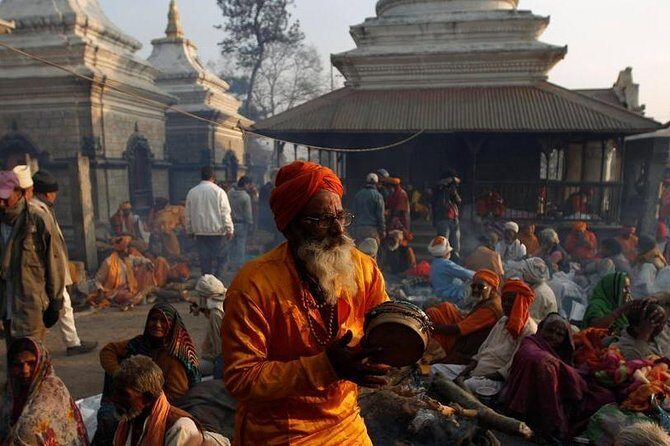
If you only have a day in Kathmandu, you want your time to mean something. This tour is built around how spirituality shows up in everyday movement—walking, praying, visiting family, making offerings, and taking part in rituals.
What I like is the balance: you get both traditions side-by-side. Hinduism at Pashupatinath and Tibetan Buddhism around Boudhanath aren’t treated like separate worlds. They’re shown as neighbors in the same city life.
You’ll also get more than “temple hopping.” The day includes long-enough moments to notice patterns: how people behave in sacred spaces, how guides explain symbols, and how Kathmandu’s historical core still lives in the present.
You can also read our reviews of more tours and experiences in Kathmandu.



Hotel pickup and the 6 to 8 hour pace (how to plan your day)
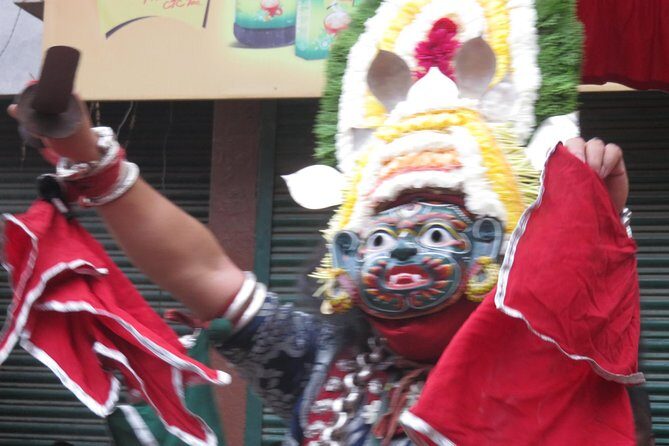
This is a private tour, so you’re not waiting on strangers or splitting attention. You can get collected from your hotel in Kathmandu, and the ride is in an air-conditioned vehicle with bottled water—small comfort, big difference when traffic and weather can be unpredictable.
The total time runs about 6 to 8 hours. That’s long enough to actually look closely, not just pass through. It’s also short enough to keep the rest of your Kathmandu day flexible for markets or a relaxed dinner.
Wheelchair and stroller access is supported, which matters more than people expect. When you’re moving through active temple complexes and old courtyards, having a route that considers mobility makes the experience feel smoother.
Kathmandu Durbar Square: old courtyards and Vastu architecture cues
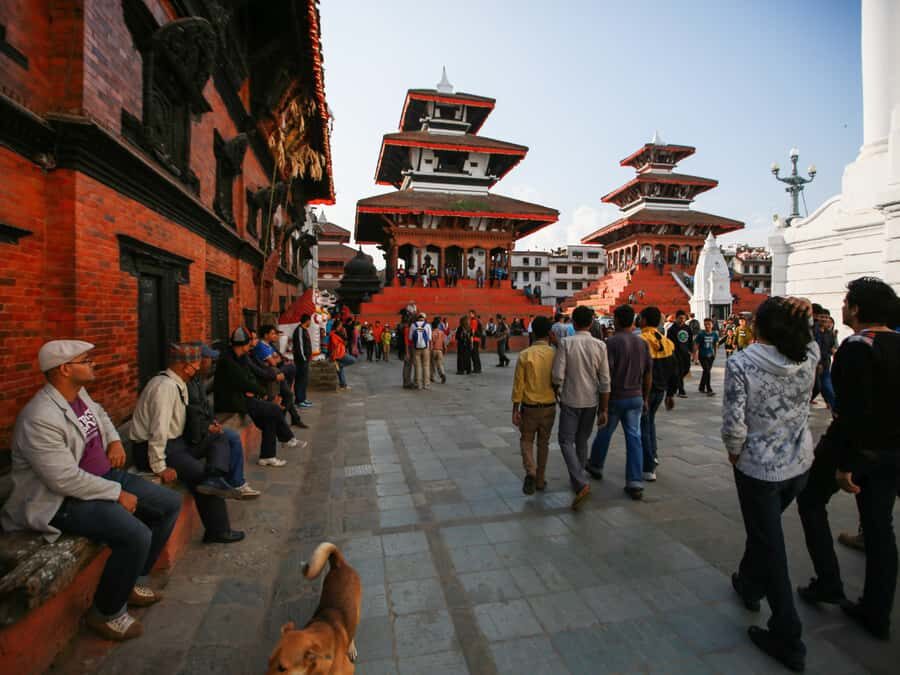
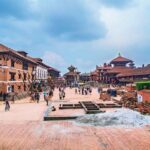
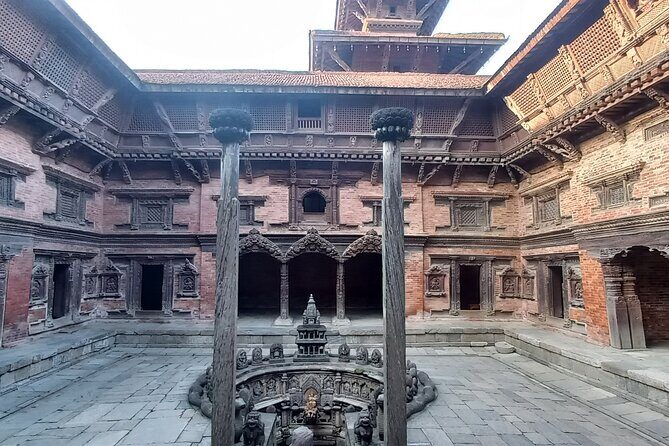
The day starts in Kathmandu Durbar Square, where old Kathmandu feels immediate. You’ll walk through areas with hidden courtyards that show medieval spiritual and cultural practice—so instead of one big monument, you get a patchwork of spaces.
I like Durbar Square for orientation. It helps you understand how Kathmandu developed: the city’s spiritual life isn’t isolated on hilltops. It’s built into courtyards, architecture, and how people move through everyday routes.
You’ll hear about Vastu architecture, which is a key idea behind how buildings and spaces relate to spirituality and daily use. You may not memorize the details, but you’ll start noticing the logic of how space is shaped.
A practical plus: admission for this part is free, so you can focus on the walk and the explanation rather than tracking an extra ticket.
Patan Durbar Square in Lalitpur: artisans, craft links, and slower looking

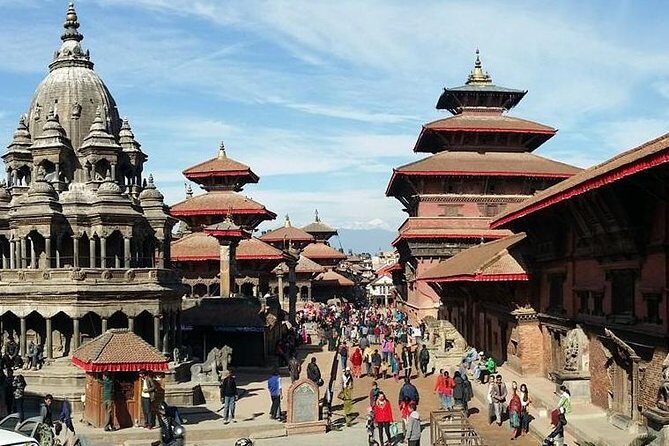
Next you drive to Patan (Lalitpur), often described as the city of fine art. This stop feels different from Kathmandu’s core energy. Here, the story leans toward craft and artistry—how the city’s makers have influenced work beyond Nepal over medieval times.
You’ll spend time at Patan Durbar Square with a guide who can connect what you see to the living identity of the area. The important detail is that many residents still work as artisans, so the place doesn’t feel frozen in the past.
I find Patan works well after Kathmandu because it adds variety without breaking the day’s theme. Buddhism and Hinduism are still present, but the emphasis shifts toward heritage expressed through skill, design, and daily craft.
Like the first stop, admission here is listed as free, so you can keep your budgeting simple while you enjoy the added time.
Pashupatinath Temple complex: Hindu practice, Shiva stories, and real ritual life
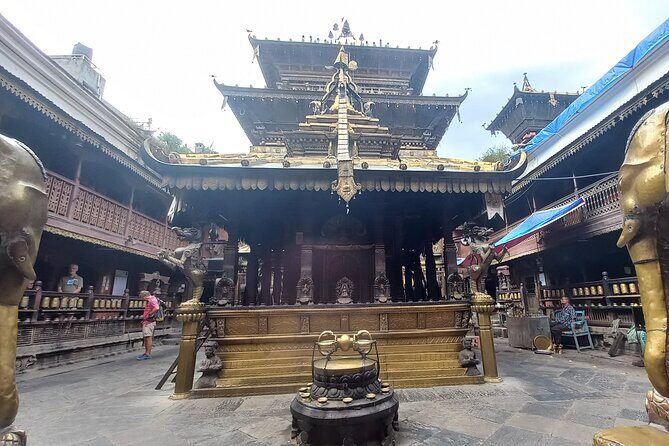
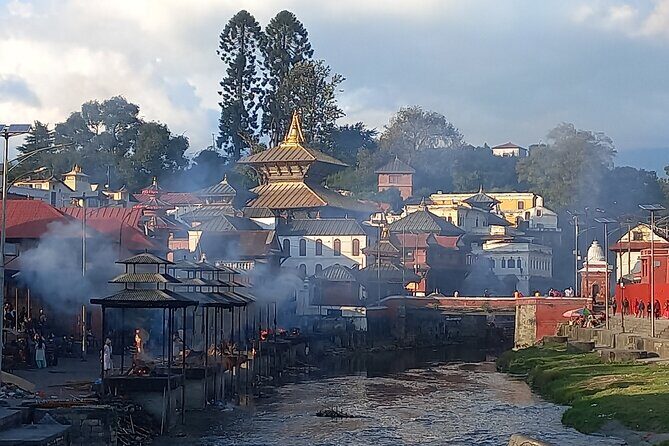
Then you reach Pashupatinath Temple, one of the biggest places in the Hindu world for this region. Expect a living temple complex, not a quiet museum.
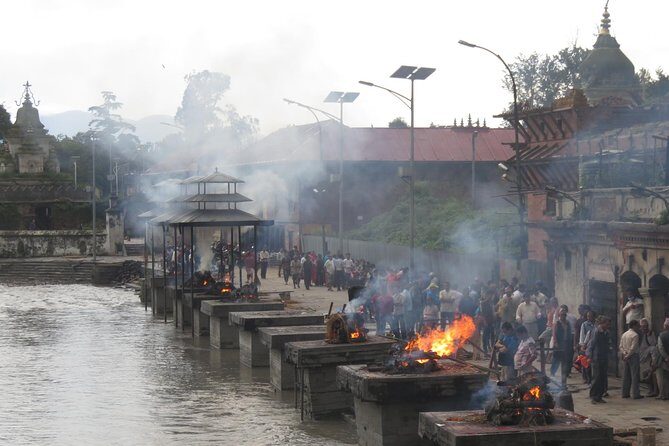
You’ll learn how Shiva connects to the site, but the deeper value is watching and understanding daily practice. The complex is described as where you can see Hindu ascetics (shadu), open cremation areas, astrologers, and devotees.
I’ll be direct: the open cremation element is intense. It’s part of why Pashupatinath is meaningful, but it can also feel heavy. If you prefer purely scenic sightseeing, this stop may ask more of you than you planned.
That said, if you want Kathmandu to feel like a real spiritual city, this is the place to understand how ritual intersects with life and death. A good guide helps you keep context, so it doesn’t turn into just staring at unfamiliar customs.
Entrance fees are not included here, so factor that into your budget.




Boudhanath Stupa: Little Tibet pilgrimage energy in the Kathmandu valley
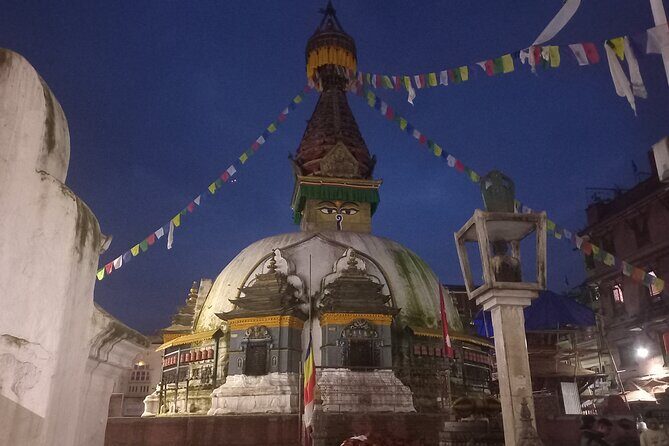
Finally, you’ll head to Boudhanath Stupa, known as the Little Tibet of Kathmandu. This area has around 60 Tibetan Buddhist monasteries, and pilgrims come from far Himalayan villages, which keeps the atmosphere active.
What I appreciate about this stop is the shift in spiritual feel. At Boudhanath, prayer is often repetitive and communal—people circle, pause, chant, and respond to the stupa’s presence as a focal point.
This is where Tibetan Buddhism becomes easy to picture. You get a sense of why Boudhanath matters beyond Nepal, because the setup attracts pilgrims continuously, not just during a festival window.
As with Pashupatinath, entrance fees are not included for this stop. Still, one hour is enough to see the rhythm of the area and understand what you’re looking at with the guide’s explanations.
Price and value: what $55 really buys you
At $55 per person, this tour sits in an accessible price range for a full day. The big value is what’s included: an expert guide, an air-conditioned vehicle, and bottled water.
Also, because it’s private, the price isn’t diluted by a big mixed group experience. You’re with your own party, and your guide can adjust pacing to questions and interests—especially useful if you’re genuinely trying to understand spirituality rather than just ticking off temples.
Group discounts are listed, and the tour is commonly booked about 10 days in advance. That doesn’t mean you must book that early, but it’s a hint that scheduling can fill in fast around peak times.
The main cost you need to remember is straightforward: entrance fees are extra, plus tips and lunch aren’t included. When you budget for those items, the day usually lands as a fair exchange for the amount of walking, guiding, and transport you get.
What to watch for so the day feels comfortable
The two biggest “heads up” items are simple: entrance fees and the emotional weight of certain rituals.
Entrance fees aren’t included for Pashupatinath and Boudhanath. You should expect to pay on site for those portions. It’s not dramatic, but it’s worth planning for so the day doesn’t feel like surprise math.
At Pashupatinath, you’re explicitly told open cremation is part of the complex. If that’s hard for you, take a breath, stay close to your guide, and use the explanation to frame what you’re seeing.
Timing matters too. You’ll be moving through Kathmandu and Patan, and traffic can shape how the day feels. The listed 6 to 8 hours is a realistic window, so plan a calm morning or a relaxed evening.
Dress and behavior rules aren’t spelled out in the info you provided, so I’ll keep it practical: wear something comfortable for walking, and treat sacred spaces with extra care. Your guide can tell you what to do once you arrive.
Who this tour is best for
This tour is a strong fit if you want Kathmandu to make sense beyond postcard views.
You’ll enjoy it most if you care about:
- understanding how Hinduism and Tibetan Buddhism show up in daily life
- hearing stories that connect architecture, ritual, and living practice
- visiting iconic places while also getting guided context about what they mean
I’d also call it a good choice if you like questions. The guide explanations seem to land well for many people, including guests who highlighted clear explanations of complicated concepts.
And if you have mobility needs, it’s listed as wheelchair and stroller accessible, which is a big advantage on a city route that includes older streets and active temple areas.
Should you book this Life and Spirituality tour of Kathmandu?
I’d book it if you want one guided day that connects faith, history, and real human routines—without dragging you through too many unrelated stops.
I’d think twice only if you’re uncomfortable with intense ritual imagery at Pashupatinath or you prefer a lighter sightseeing day with no spiritual-heavy moments. Entrance fees are extra too, so check your budget before you go.
If you’re aiming to understand Kathmandu through life and spirituality, this tour is a solid way to spend your time: transport is handled, the route is focused, and the guides (including Indra, Ripu, Rabi, Rudi, and Raja, depending on availability) are clearly set up to explain what you’re seeing in plain language.
FAQ
How long is the Life and Spirituality tour of Kathmandu?
It runs about 6 to 8 hours.
Is hotel pickup included?
Yes. You can get collected from your hotel in Kathmandu.
Is this a private tour?
Yes. It’s private, and only your group participates.
What is included in the price?
The tour includes an air-conditioned vehicle, bottled water, and an expert guide.
Are entrance fees included?
No. Entrance fees are extra.
Does lunch come with the tour?
No. Lunch is not included.
Is the tour wheelchair and stroller accessible?
Yes. The tour is listed as wheelchair and stroller accessible.
What sites will I visit during the day?
You’ll visit Kathmandu Durbar Square, Patan Durbar Square, Pashupatinath Temple, and Boudhanath Stupa.
What are the tour’s operating hours?
The tour runs Monday through Sunday from 9:15 AM to 5:15 PM.
What is the cancellation policy?
Free cancellation is available up to 24 hours in advance for a full refund. If you cancel less than 24 hours before the start time, the amount paid won’t be refunded.