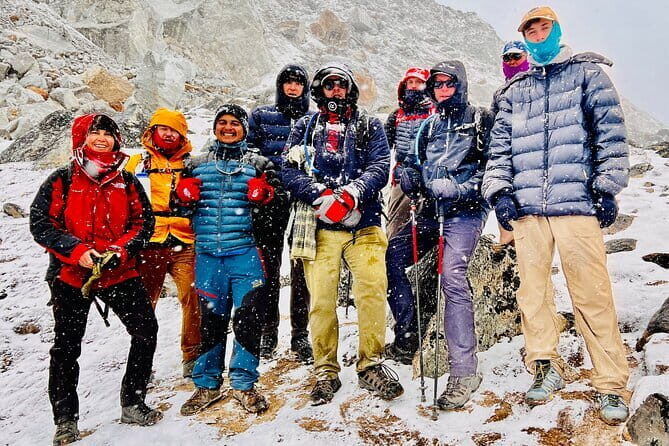
REVIEW · KATHMANDU
Mera Peak Expedition – 20 Days
Book on Viator →Operated by Annapurna Foothills Treks Expedition Pvt. Ltd. · Bookable on Viator
A climb and a classic remote valley in one.
This Mera Peak Expedition pairs a flight from Kathmandu to Lukla with trekking through the Hinku Valley, then pushes up to Nepal’s 6,476m “highest permitted trekking peak.”
I really like the way the plan builds your body up for altitude. You don’t just rush from lodge to summit; you get proper time in places like Khare, plus base camp and high camp overnights that make the final push feel more controlled. I also like the logistics included in the price: permits (including Sagarmatha National Park fees and TIMS), round-trip Lukla flights, and full camping equipment on the climb days.
The main drawback to consider is that this is weather-dependent. The itinerary includes Lukla flying and a summit attempt window, so you’ll need flexibility, plus strong fitness for long days and altitude—even if Mera Peak is often called a technically easier 6,000m-style climb.
In This Review
- Key things I’d plan around before you go
- Why Mera Peak works for a first real Himalayan climb
- Kathmandu start: where the trip becomes real
- Lukla flight and Paiya: the jump from city time to mountain time
- Into the Hinku Valley: lodge nights, swinging bridges, and steady climb gains
- Khare and the altitude step: base camp and high camp nights
- Summit day on Mera Peak (6,476m): the long work after the win
- Your descent and the return to Kathmandu: don’t rush the last miles
- Price and logistics: where the value really comes from (and what costs extra)
- Your climbing team: Sherpa leadership and support that affects comfort
- Weather, fitness, and what to pack for altitude reality
- Should you book Mera Peak with this operator?
- FAQ
- How long is the Mera Peak Expedition?
- Where does the experience start and end?
- What’s included in the package price?
- Do I need to buy the Mera Peak climbing permit separately?
- Is this a private tour?
- Is there camping during the climb?
- What fitness level do I need?
- What costs are not included?
- What happens if weather affects the plan?
Key things I’d plan around before you go
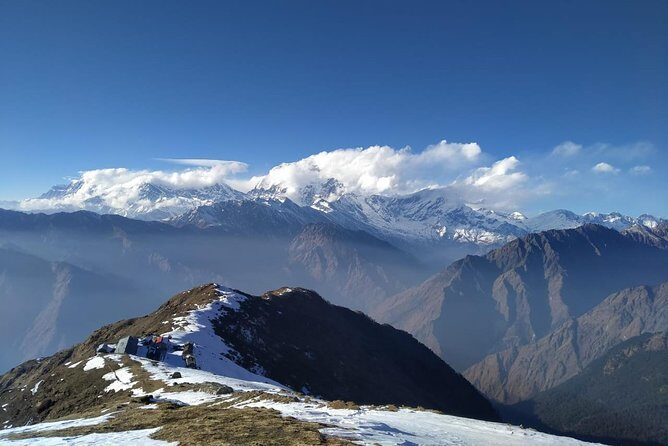
- Hinku Valley trekking: terraced green fields, dense forest, fast streams, swinging bridges, and high summer yak pastures.
- First-climb friendly altitude goal: Mera Peak is the highest permitted trekking peak in Nepal, and the climb is often a first “big summit” step.
- Acclimatization rhythm: a prep day in Khare, then overnight at base camp and high camp before the summit push.
- Guides and support built in: English-speaking Sherpa guidance with government training/licensing, plus a staffed kitchen and camping team on the climb nights.
- Porter system that keeps things sane: one porter for two trekkers during the climbing program.
- Small morale boosts: energy supplies like Snickers, Mars, Bounty, plus fresh/canned fruit on trek days.
Why Mera Peak works for a first real Himalayan climb
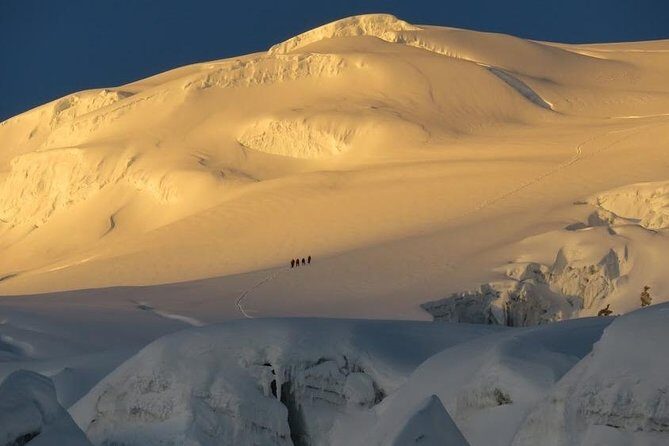
Mera Peak (6,476m) is the highest peak you’re allowed to climb as a permitted trekking peak in Nepal, which is a big reason people choose it. It’s still an expedition in the practical sense: you’ll be dealing with altitude, cold nights, and big physical effort. But compared with several other 6,000m trekking peaks, Mera Peak is often described as a more approachable technical climb.
What that means for you is mindset. You’re not just doing a “hike until you’re tired” experience—you’re learning how a high-altitude summit day actually feels. You’ll have structured stages (lodge trekking, then base camp and high camp), and you’ll be guided by an experienced Sherpa team.
You’re also not stuck in the busy Everest road system. The route threads through the Hinku Valley, which stays remote enough to feel quieter and more local. Expect terraced fields and forest early on, then a gradual move into high pasture terrain as you gain altitude. The scenery is dramatic, but the real value is that the trek supports the climb, not just the views.
You can also read our reviews of more tours and experiences in Kathmandu.



Kathmandu start: where the trip becomes real
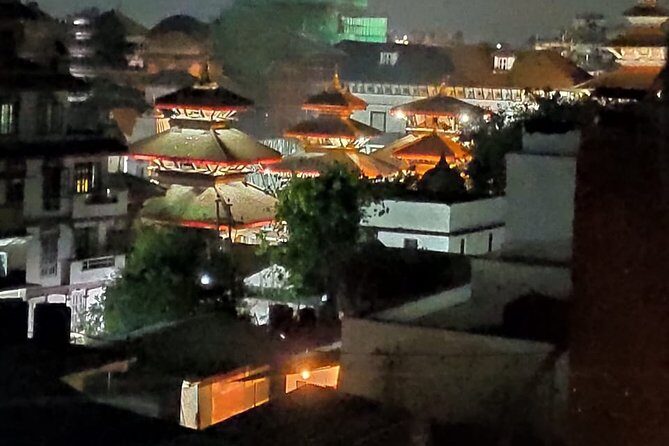
Your experience begins in Thamel, Kathmandu, where the company picks you up from the airport and handles the transfer to and from your Kathmandu hotel. You’ll also get a welcome dinner with live Nepali cultural programming—an easy way to shake off travel fatigue and get oriented.
The program includes a preparation day in Kathmandu. This matters more than it sounds. For high peaks, the work is often invisible: gear checks, pacing plans, and making sure you’re fit enough for repeated altitude days. You also want time to ask blunt questions about what “good shape” means for this specific schedule—especially if you’ve never climbed above 5,000m.
One more practical detail: your climb permits and national park fees are included in the package price. That reduces the number of moving parts you have to manage after you arrive. You can focus on sleeping, eating, and getting your legs ready rather than chasing paperwork.
Tip for you: Kathmandu can feel busy and chaotic even when your trip is calm. Try to keep your day light and don’t over-plan. Save energy for the Lukla flight and the first trekking days.
Lukla flight and Paiya: the jump from city time to mountain time
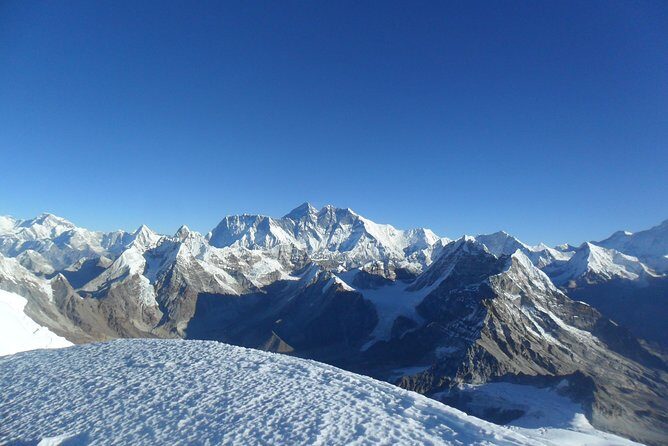
Most Mera Peak climbers start with the same shock: you leave Kathmandu and fly to Lukla, then transition almost immediately into trekking rhythm. The flight is round-trip included, and you’ll want to plan for it as a real part of the adventure, not just transportation.
From Lukla, the first trek heads to Paiya (about 3–4 hours). This is typically where you learn how your body reacts to starting earlier in the day at higher altitude. The good news is the schedule is gradual enough that you’re not immediately dropped into marathon days.
Paiya is also a mental checkpoint. After the flight and the initial trek, you’ve crossed the main barrier: you’re actually committed to the mountains now. It’s the moment you stop imagining and start moving.
Drawback to be aware of: Lukla weather can be tricky, and flights can be delayed. The itinerary has enough structure to keep things workable, but you should still be mentally flexible if timing shifts.
Into the Hinku Valley: lodge nights, swinging bridges, and steady climb gains
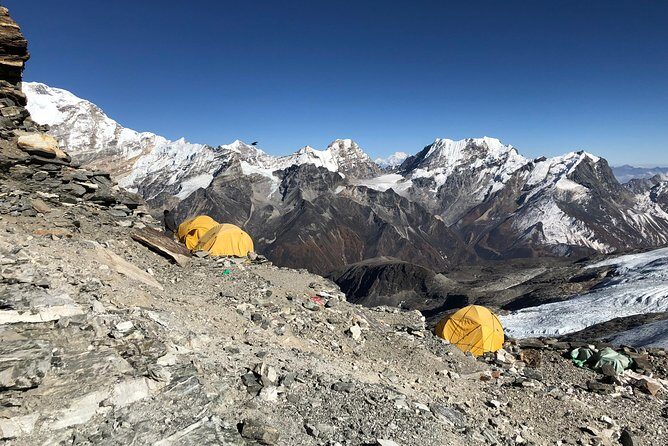
After Paiya, you’ll trek deeper through the Hinku Valley on a series of connected days that vary from moderate walking to longer effort. Your total plan includes local lodges for 13 nights, which is a major comfort advantage compared with fully camping treks.
Here’s what the Hinku Valley character looks like in your day-to-day:
- Pangoma (about 5–6 hours)
- Nigmsa (about 4–5 hours, around 2,745m)
- Chhetra Khola (about 7–8 hours, around 3,122m)
- Kothe (about 6–7 hours, around 3,600m)
- Thangnak (about 5 hours, around 4,356m)
- Khare (about 4 hours, around 5,045m)
You’ll feel the change as you go. Early on you pass terraced green fields, dense forest, rushing streams, and swinging bridges. As the trek climbs, the vegetation gives way to the high-pasture world where yak pastures and seasonal Sherpa guesthouses become a welcome rhythm. That shift is part of the value here: your body acclimatizes while the terrain teaches you what to expect later.
A practical note: your walk times aren’t all identical. Some days like Chhetra Khola lean longer, while others give you a breather. That variation helps—you’re not on the same treadmill every day.
Also, you’ll get energy supplies (Snickers, Mars, Bounty) plus fresh/canned fruit on trek days. It’s not “luxury,” but small calories help when you’re eating simpler meals at altitude.
Khare and the altitude step: base camp and high camp nights
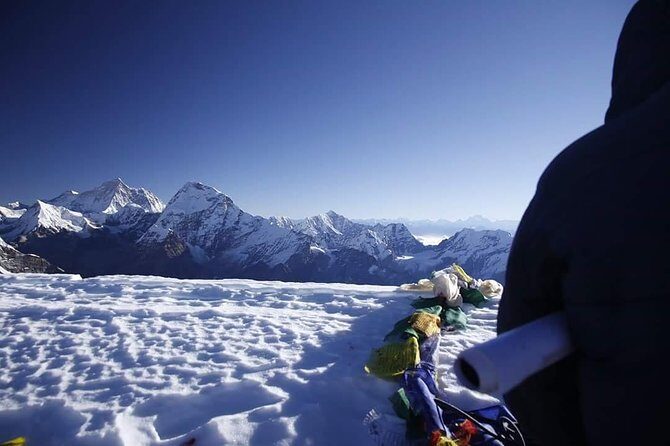
Once you reach Khare, the program includes an acclimatization/preparation day. That’s not optional on a high-peak climb; it’s one of the smartest parts of the schedule. Even if you feel okay, this kind of rest day can be the difference between “fine” and “rolling poorly” later.
Then you move up to base camp (about 4 hours, around 5,350m). Base camp is your launch pad. It’s also where you get used to the cold, the rhythm of short steps, and the feeling of being tied to altitude rather than just trail.
From base camp, you hike to high camp (about 4 hours, around 5,780m). You’ll spend one night at high camp, then make your summit attempt the next day. That high camp night is important because it reduces the vertical jump between “comfortable high” and “summit effort.”
What I appreciate here is that the climbing segment isn’t treated like an afterthought. Camping is part of the plan: your trek includes camping equipment like sleeping tents/mattresses plus a kitchen tent and kitchen equipment, and the climbing days come with staffed support.
If you’re new to altitude: take it seriously. You’ll likely move slowly, but your goal is to arrive rested, not “fast.”





Summit day on Mera Peak (6,476m): the long work after the win
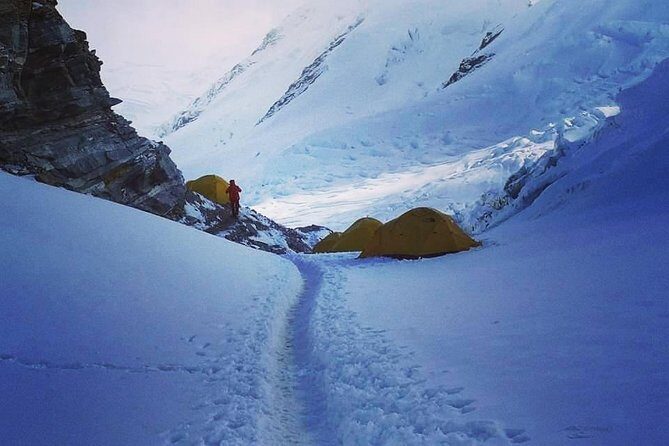
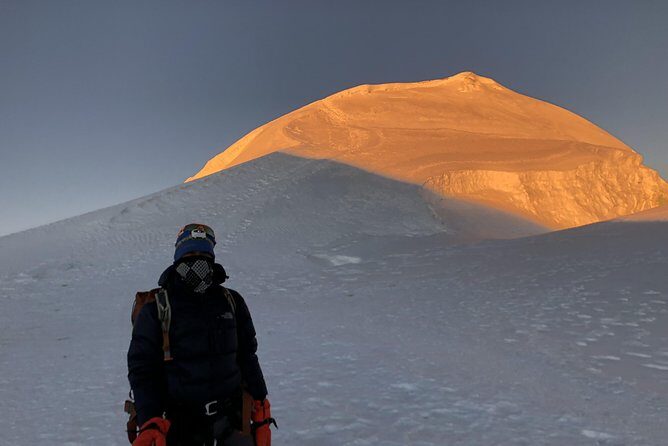
The ascent phase targets Mera Peak’s summit at 6,476m (21,246ft), then you descend to Khare on the same day. The provided schedule describes a 9–10 hour day total for the ascent and descent.
That time matters because it shapes your energy strategy. Even if the climb is considered technically easier than many other 6,000m trekking peaks, you still get a summit day that’s demanding in a “use every system” way: breathing, leg strength, cold management, and mental focus.
Expect the summit effort to be slow and deliberate. This is the part where your Sherpa guide’s pace and your own breathing control matter most. The plan includes an English-speaking, experienced and certified Sherpa guide (government trained and licensed). In other words, you’re not just being sent up with gear—you’re being managed.
After the summit, the descent back to Khare finishes the day hard. Going down is still work. Your knees and thighs will feel it, and boots will matter. The good news is you already have lodge comfort on the other side of Khare, so the “recovery” phase is built in.
One more thought: there’s a reserve day in the itinerary. That’s not there for fun. It’s a weather buffer. High peaks don’t care about your schedule, so this extra day gives your team room to try again if conditions aren’t good.
Your descent and the return to Kathmandu: don’t rush the last miles
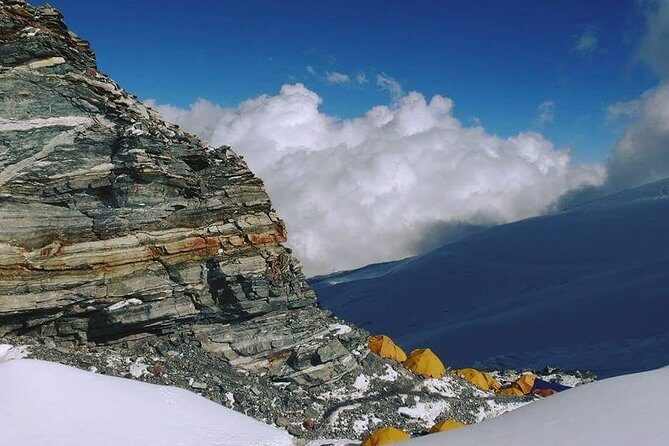
Once the summit segment is done (and if everything runs as planned), the itinerary includes a careful return through the same high valley rhythm. You’ll trek back to Kothe (about 7 hours) and then continue to Thuli Kharka / Chhatrwabuk (about 6–7 hours, around 4,200m). Finally you head back down to Lukla (about 7–8 hours, around 2,800m) for the flight to Kathmandu.
This return phase is valuable even if it feels repetitive. You’re moving from a thin-air mindset to a thicker-air one. It’s also when you can start thinking like a traveler again—sleeping well, eating more normally, and finally appreciating how far you’ve come.
In Kathmandu, you’ll transfer to your hotel, and you get a free day plus a final departure day. That free time is helpful because after a summit, you’ll likely want a low-key window rather than stacking activities.
Price and logistics: where the value really comes from (and what costs extra)
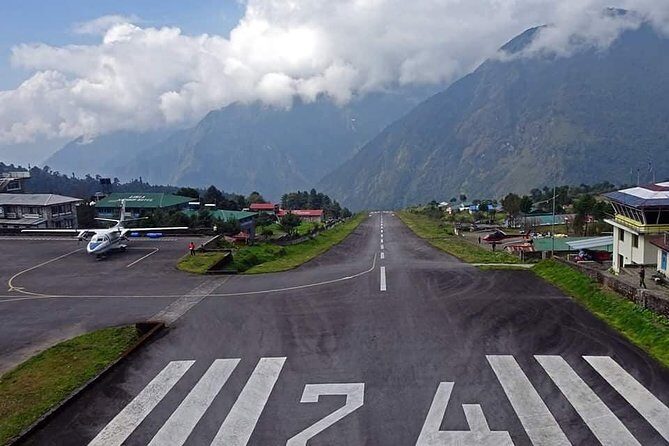
At $3,300 per person for a roughly 20-day climbing trip, this package is best understood as a full-service expedition, not just “a guide and a route.”
What you’re getting included:
- Private transfers: airport–hotel–airport by car/van/Hi-ace/coaster
- Kathmandu accommodation: four nights twin-share with breakfast
- Trek lodging: local lodges for 13 nights
- Climb camping: one night at base camp and one night at high camp, plus meals during camping days
- Round-trip airfare: Kathmandu ↔ Lukla (airport tax included)
- Permits: Mera Peak climbing permit, Sagarmatha National Park fee, and TIMS and required official documentation
- Climbing credentials: summit certificates issued by the respective Nepal government body
- Crew: English-speaking Sherpa guide, trekking cook, kitchen staff, porters, and other support staff
- Gear for camping: tents and mattress setup, kitchen tent, kitchen equipment
- Porters: one porter for two trekkers during all climbing trips
- Energy and small comforts: Snickers/Mars/Bounty and fruits on trek days
- First aid kit
What’s not included:
- Personal travel insurance
- Nepal entry visa fee
- Lunch and dinner in cities (budget guidance given: $10 to $14 per meal in tourist restaurants)
- Beverages (soft drinks, mineral water, boiled water, beer)
- Tips for guide, porters, and driver
My take on value: you’re paying for altitude risk management and infrastructure. People underestimate how expensive and complex it is to run porter systems, camping setups, and permit paperwork correctly at remote altitudes. If you’re comparing prices, check whether another operator covers permits and Lukla flights. Here, those core costs are inside the package, which usually makes budgeting smoother.
Your climbing team: Sherpa leadership and support that affects comfort
The climbing side of this trip is led by a Sherpa guide who is English-speaking and government trained/licensed. The director, Ngima, shows up as the continuity person in the Kathmandu start, and in multiple accounts the experience is framed around careful organization.
A specific guide name that comes through strongly is Mingmar, described as very experienced. Having an experienced guide matters because it affects pace, decision-making on summit timing, and how well you adapt to altitude day by day.
You also benefit from a bigger support chain during camping days: trekking cook, kitchen staff, and support staff for the kitchen operation at base/high camp. That affects comfort in the real world. When you’re cold and high, hot meals and a functioning setup help you keep moving instead of freezing or burning time.
Porters are handled with a clear system: one porter for two trekkers. That’s a thoughtful balance between getting help and keeping the group functioning smoothly.
And yes, a welcome dinner with live Nepali cultural programming gives you a nice human landing in Kathmandu before the quiet stretches of the valley.
Weather, fitness, and what to pack for altitude reality
This trip asks for strong physical fitness. The altitude is part of the workout even on “shorter” walking days, and you also have long days on both ends of the climb cycle (including the 9–10 hour summit/descend day).
It’s also explicitly described as needing good weather. If weather forces changes, you’ll be offered a different date or a full refund. That’s important, because with peaks like Mera, conditions can change fast and planning is everything.
Practical fitness advice from how this itinerary is structured:
- Get ready for a mix of day lengths (some 6–8 hour days, plus a big high-altitude push day).
- Practice hiking with a pack before you go, because the trekking legs matter after lodge days.
- Expect the cold to get serious at base and high camp. Even if the technical climbing is manageable, the environment is not gentle.
Finally, don’t skip personal travel insurance. The package includes permits, flights, and the support team, but you still need coverage for your own health and emergencies.
Should you book Mera Peak with this operator?
If you want a serious first Himalaya climb that combines a remote, photogenic valley trek with a structured high-altitude build-up, this is a solid fit. The biggest reason I’d book is the practical coverage: permits, Lukla flights, camping equipment, and a full support team are built into the price. That reduces your stress when altitude is already stressful.
You should think twice if you hate uncertainty about weather-dependent flying or you’re not ready for the physical load of long walking days plus a high summit effort. Also, because it’s non-refundable and can’t be changed once booked, you’ll want to be confident your dates and fitness are truly in place.
If your goal is to experience Mera Peak at 6,476m with real acclimatization, a licensed Sherpa climbing lead, and the kind of support that helps you focus on moving well, then yes: this program deserves a place on your shortlist.
FAQ
How long is the Mera Peak Expedition?
The trip is listed as about 20 days.
Where does the experience start and end?
It starts at Thamel, Kathmandu, Nepal, and ends back at the same meeting point.
What’s included in the package price?
Included are private transfers in Kathmandu, Kathmandu lodging (four nights twin-share with breakfast), lodge accommodation during the trek, camping setup and meals during camping days, English-speaking experienced Sherpa guidance, trekking cook and support staff for camping days, permits (including Sagarmatha National Park fee and TIMS), the round-trip flight Kathmandu to Lukla (with airport tax included), energy supplies on trek, a first aid kit, and the Mera Peak climbing permit.
Do I need to buy the Mera Peak climbing permit separately?
No. The Mera Peak Climbing Permit is included, along with Sagarmatha National Park fee, TIMS permits, and other required documentation.
Is this a private tour?
Yes, it’s described as a private tour/activity with only your group participating.
Is there camping during the climb?
Yes. The schedule includes one night at base camp and one night at high camp, and the camping meals are included for those camping days.
What fitness level do I need?
Travelers should have a strong physical fitness level.
What costs are not included?
Not included are personal travel insurance, the Nepal entry visa fee, lunch and dinner in cities (budget guidance is $10 to $14 per meal), beverages (soft drinks, mineral water, boiled water, beer), and tips for guide, porters, and driver.
What happens if weather affects the plan?
The experience requires good weather. If it’s canceled due to poor weather, you’ll be offered a different date or a full refund.