REVIEW · KATHMANDU
Island Peak Climbing with Everest Base Camp
Book on Viator →Operated by Trekking Planner Nepal · Bookable on Viator
Island Peak plus Everest Base Camp is a serious one-two punch. I love the Kathmandu–Lukla flights for their nonstop mountain wow, and I love that the summit of Island Peak puts Everest in close, show-up-and-stare detail. The only catch is you’ll be in high-altitude terrain for a long time, so you need a solid baseline of fitness and a smart attitude toward acclimatization.
What makes this itinerary feel practical is the way it mixes trekking time, rest days, and climbing prep. You’ll also get a team built around real support: a government-licensed, English-speaking guide/climbing Sherpa, plus porter help (the plan uses an approximate 2 guests to 1 porter setup). Names like Gyeljen and Ngima show up as guide roles for this type of climb, and that matters because Island Peak is not just a hike; it’s rope-and-ice style trekking with guidance.
In This Review
- Key highlights that shape your trip
- Island Peak (6,160 m) and Everest Base Camp: the real combo
- Price and logistics: what $2,899 buys you (and what it doesn’t)
- Kathmandu arrival and briefing: setting yourself up for altitude success
- Lukla flights and the Phakding start: where the mountains begin
- Namche Bazaar rest day and Tengboche Gompa: the views you earn
- Pheriche, Dingboche, and the route toward Lobuche: building height before Everest work
- Everest Base Camp and Kala Patthar: the two-view strategy
- Chukhung and Island Peak base camp: switching from hiking to climbing mindset
- High camp setup and summit day on Imja Tse (6,160 m)
- The long descent loop: back through Namche and Lukla
- Kathmandu buffer day: when Lukla weather calls the shots
- Should you book this climb-trek combo?
- FAQ
- What is the duration of the Island Peak Climbing with Everest Base Camp trip?
- What time does the experience start?
- What is the highest altitude reached on this itinerary?
- What kind of lodging will you have during the trek and climb?
- Are meals included?
- Are permits included?
- Is this a private tour?
- What should I know about cancellation and insurance?
Key highlights that shape your trip
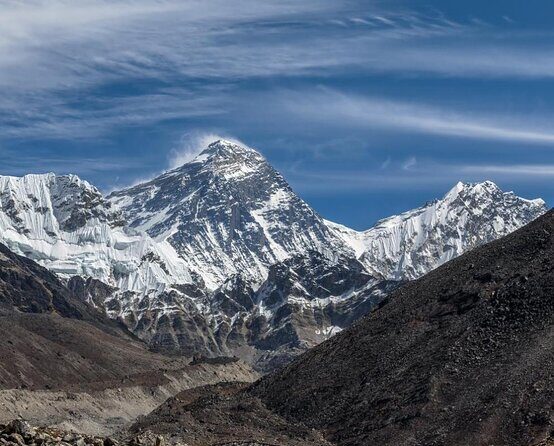
- Short, scenic Lukla flights that land you right in Khumbu country, fast.
- Acclimatization days in Namche Bazaar so you climb higher with less panic.
- Tengboche Monastery visit with big Everest-area views as your reward.
- Everest Base Camp plus Kala Patthar for both the glacier front and the classic viewpoint.
- Island Peak base camp to high camp progression designed to make summit day more manageable.
- A supported summit route on Imja Tse with technical instruction from your climbing leader.
Island Peak (6,160 m) and Everest Base Camp: the real combo
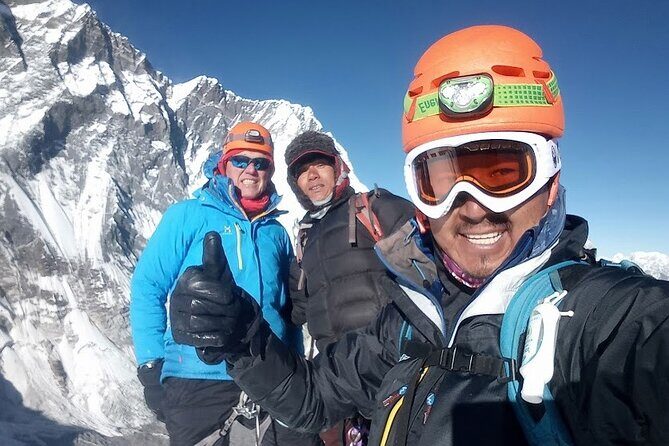
This is the kind of trip that appeals to two very different motivations, and it actually handles both. First, you get the signature trekking payoff: Sagarmatha National Park scenery, Sherpa villages, and the emotional hit of reaching Everest Base Camp and then looking at Everest again from higher ground. Second, you get a legitimate climbing goal: the trek turns into an ascent to Island Peak (Imja Tse), topping out around 6,160 m.
If you want pure sightseeing, this can feel like a lot. If you want a “one trip, two big objectives” adventure, it’s a strong match. The trek portion is long and demands steady effort, but the structure is built to help you get used to altitude before the highest work begins.
Who this fits best: people with moderate physical fitness who are comfortable walking uphill all day, understand that altitude affects breathing, and like the idea of learning climbing technique rather than only following a trail.
You can also read our reviews of more tours and experiences in Kathmandu.



Price and logistics: what $2,899 buys you (and what it doesn’t)
At $2,899 per person for about 20 days, the big question is value. Here’s the useful part: a lot is bundled in a way that removes decision fatigue.
Included that’s actually important for your comfort:
- Full-board meals during the trek and climbing (breakfast, lunch, dinner during the trekking/climb days).
- 3-star hotel in Kathmandu, plus lodge/guest house during the trek.
- Tents during the camping phase once you move into Island Peak base camp operations.
- Permits for trekking and climbing.
- A trained, English-speaking, government license-holding guide/climbing Sherpa.
- Private transportation and all fees and taxes.
- Porter support, with insurance, salary, food, accommodation, and equipment for porters listed as part of the plan.
- Flights to and from Lukla are part of the scheduled route (Kathmandu–Lukla there, Lukla–Kathmandu back), and the itinerary also protects you with a buffer day in Kathmandu if Lukla weather turns ugly.
Not included, so you can plan your budget:
- Nepal visa fees.
- International airfare to and from Kathmandu.
- Lunch and dinner in Kathmandu.
- Personal travel and health insurance, including emergency evacuation insurance.
My practical take: the price looks reasonable when you consider how high staffing and logistics get in the Khumbu (guides, porter insurance, permits, and a long sequence of meals and lodging). The main “you still own this” items are visa, international flights, and making sure your insurance covers altitude and climbing-style trekking.
Kathmandu arrival and briefing: setting yourself up for altitude success
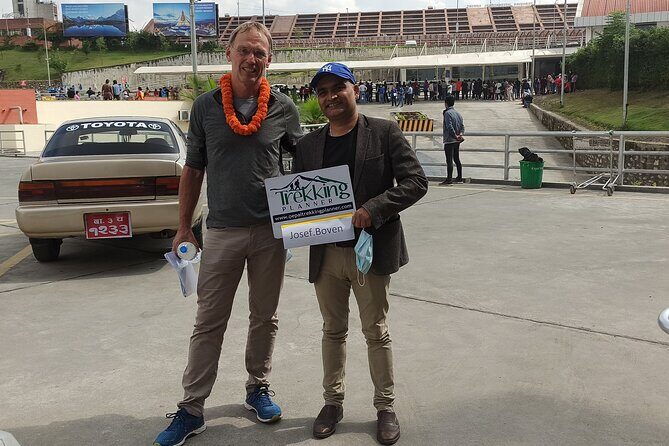
Day 1 is a classic Kathmandu reset: airport arrival, transfer into the city, hotel check-in, then exploring at your own pace. Day 2 starts with a briefing that matters more than most people expect. You’ll get important info about how the trek and climbing are going to work, plus preparation guidance for equipment and your time in Nepal.
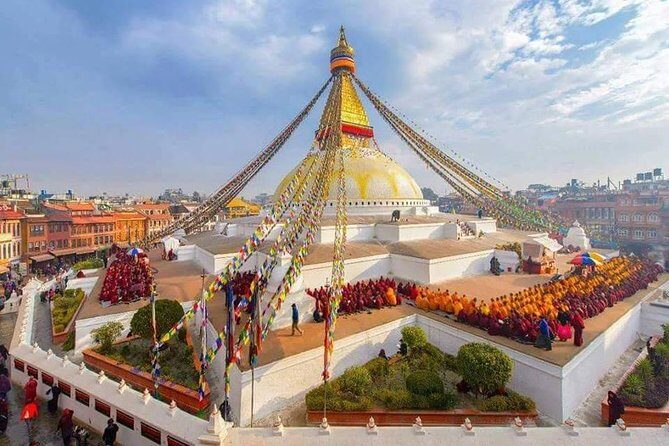
You also get a Kathmandu city tour focused on the historical and religious monuments of the Kathmandu Valley, which are listed as UNESCO World Heritage Sites. This is not just a sightseeing detour. It’s a low-stress way to break the travel day and build a sense of place before you head toward the mountain routine.
In terms of pacing, I like this setup. It gives you one proper warm-up day, then transitions you into flight day without leaving you floating with unanswered questions about gear, physical expectations, and scheduling.
Lukla flights and the Phakding start: where the mountains begin
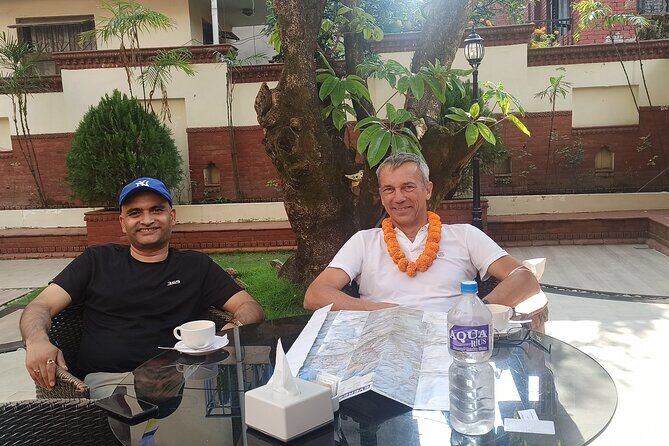
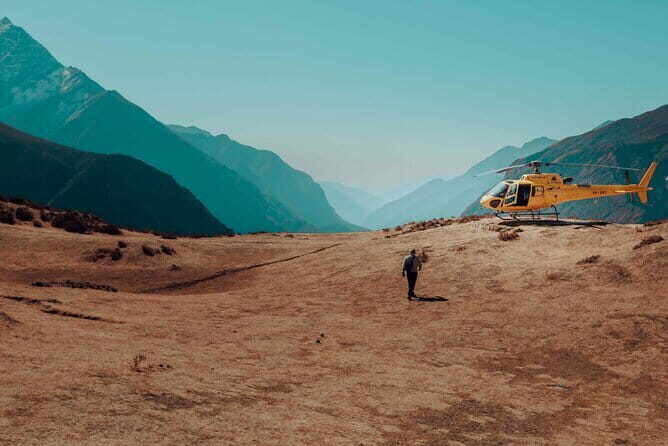
On Day 3, you fly from Kathmandu to Lukla in a smaller aircraft (Twin Otter or Dornier), for about 30 minutes. The key point here is not the flight duration; it’s that the route gives dramatic panorama views right from the window. Landing at Tenzing & Hillary airport (Lukla’s famous uphill runway) is a shock the first time you see it.
Once you land, the trek eases into motion with a walk past Sherpa farm villages, terraced fields, and the Dudh Kosi River corridor. You reach Phakding for your first overnight lodge beside the raging river.
Day 4 continues the early acclimatization trend. You head uphill toward Namche Bazaar, crossing bridges and passing the Sagarmatha National Park entrance area near Monjo. You also get a mix of river-bed walking and forest trail, with peaks appearing more clearly as elevation rises.
Possible drawback to know: Day 3 to Day 4 is still your body’s first test in Khumbu rhythm. If you go too fast because the scenery is so good, altitude and exertion will remind you who’s boss.
Namche Bazaar rest day and Tengboche Gompa: the views you earn
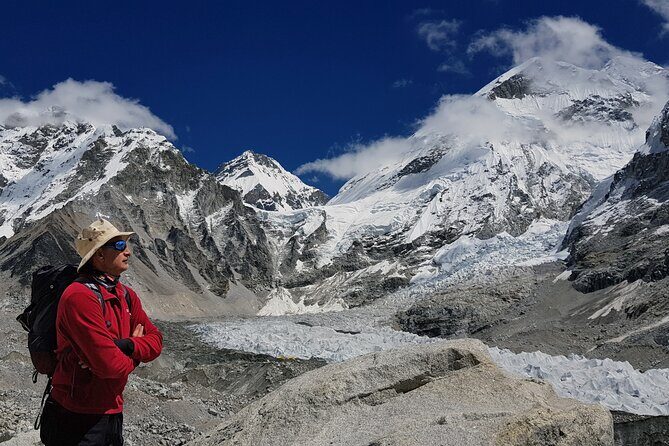
Day 5 is a rest and acclimatization day in Namche Bazaar. This is one of the most valuable parts of the itinerary because it gives your body time to adjust while still letting you move. You’ll hike toward viewpoint areas (the itinerary calls out views from Namche facing Mt. Everest, Amadablam, and the surrounding range). If you’re lucky with visibility, this is where the Everest-area picture starts to feel real instead of theoretical.
There’s also time to wander the town itself. Namche has a lively feel, and the plan notes a weekly Saturday market.
Day 6 takes you to Tengboche Monastery. The trail climbs through rhododendron and pine/fir forest, then opens into big mountain view moments. You arrive at Tengboche and get both the scenery and a chance to visit the monastery, watching monks and priests on prayer. This is one of the places where the spiritual side of the Khumbu is not an add-on; it’s part of why the village sites matter.
My advice: treat this day as a camera day and a breathing day. If you keep your pace steady, you’ll enjoy the forests and the monastery without feeling wrecked before the higher valleys.





Pheriche, Dingboche, and the route toward Lobuche: building height before Everest work
Day 7 heads from Pheriche area through the last permanent Sherpa farm village before Island Peak and Everest base camp, the itinerary specifically calls out Pangboche as that key stepping stone. You also get super-close views of Ama Dablam (the route even highlights it as a main feature of the morning and lunch area). Then you continue to Pheriche, a windy high-valley stop above 4,240 m.
Day 8 is Dingboche. The itinerary emphasizes that this area has excellent lodge options and a strong base for acclimatization, plus a small medical post tied to the Himalayan Rescue Association (HRA) office. That’s not something you want to use, but it’s reassuring to know support exists where altitude and weather can turn fast.
Day 9 moves you onward to Lobuche. You transition toward the Everest Base Camp corridor: a valley-end walk, then a ridge climb near Thugla (Dugla) where trails converge. You pass memorials for climbers who died on the Khumbu mountainsides, which adds weight to the terrain. The day blends high views (Taboche, Cholatse, Lobuche, Pumori, and more) with a steady push toward the glacier edge.
The trade-off: these days may feel “less dramatic than Everest,” but that’s exactly why they matter. They place you in position for the base camp approach without rushing your acclimatization.
Everest Base Camp and Kala Patthar: the two-view strategy
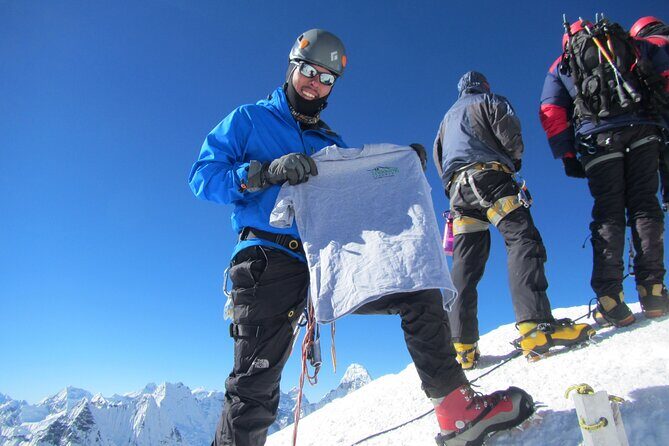
Day 10 is Everest Base Camp day, with a walk that includes a few hours plus some short steep segments near glacier and moraine. You reach Gorakshep, beneath Pumori and the rocky Kalapathar area. Then you continue to Everest Base Camp.
What you should expect here:
- You get the real Everest Base Camp area, not just a distant viewpoint.
- The itinerary highlights time seeing Khumbu Icefall from the base camp zone, with glacier and ice views you can’t fake with a photo.
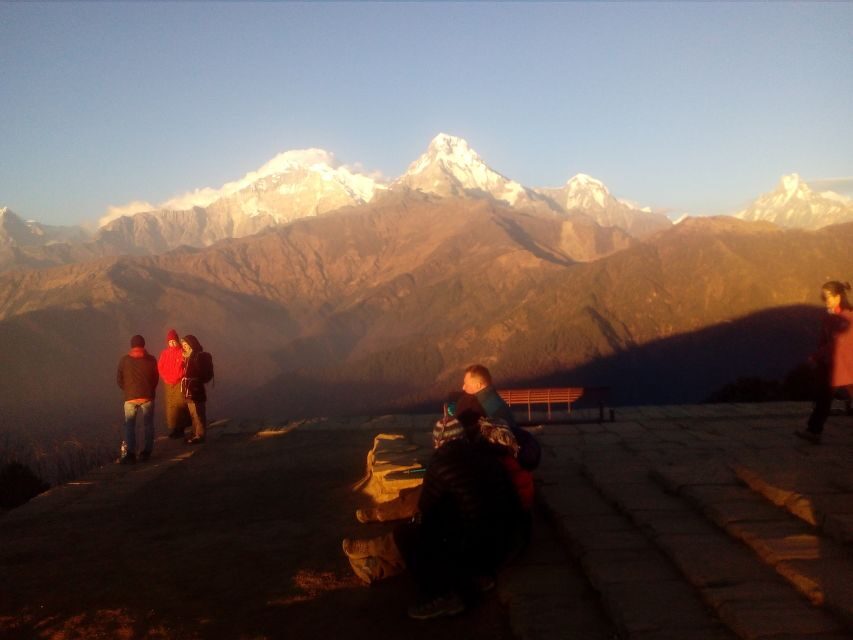
Day 11 adds Kala Patthar, an early climb to a high viewpoint (above 5,545 m). This is the other half of the “Everest hit.” It’s your classic moment when Everest can look close enough to feel personal, because you’re higher than the base camp area.
Then you descend back down toward Thugla and onward to Dingboche for an overnight lodge. The descent is important. It reduces fatigue before you head toward Island Peak staging.
One consideration: this is a long stretch on legs and breath. Even if you’re strong, this is where you’ll feel the altitude most. Pace control is everything.
Chukhung and Island Peak base camp: switching from hiking to climbing mindset
Day 12 moves from the higher Everest corridor toward Chhukung, described as the last human settlement before Island Peak and Everest base camp areas. The itinerary includes an afternoon day hike up to Chhukung Peak for panoramic views, which is a nice way to get a “mountain reward” without draining yourself for the later climb.
Day 13 is when things change. You head to Island Peak base camp at Parshya Gab, set up camps, and the afternoon is free for practice with your expert guide. The plan makes it clear this is the period where you learn how to move and handle the technical side of the route, not just watch snow from a safe distance.
My favorite part of this segment is that it gives you a psychological transition. You’ve done many days of trail walking. Now you’re turning into a climber in a structured way, with practice time at the base.
High camp setup and summit day on Imja Tse (6,160 m)
Day 14 takes you to an advanced camp above 5,400 m. The route is described as a climb to an open gully between two ridges, beneath a small hanging glacier. This day is not only about height; it’s about getting your gear sorted, your timing sorted, and your body ready for early summit pressure.
Day 15 is the summit attempt. You start very early, before dawn. The itinerary specifies the climb begins with a broad open gully, following snow-covered glacier and dealing with route hazards like serac and crevasses avoidance. You move northward over snow-covered scree and climb a steep snow/ice ramp that leads above a major height gain (the route notes a 100+ meter section). Then you reach the main summit of Island Peak, 6,160 m.
It also mentions the climb grading as PD + and references the French and Swiss Alpine Climbing System. Translation for you: this is not a casual summit. The grading signals a route that can include technical snow and ice movement. This is exactly why your guide’s role matters so much.
After the summit, the itinerary implies you’ll enjoy the views from the top and then handle the descent back through the camps to continue the trek route.
If you’re wondering what makes the summit day feel doable: it’s the pacing. You don’t just shoot from base camp to the top in one leap. You step through base camp to high camp first.
The long descent loop: back through Namche and Lukla
Day 16 starts your return in stages, moving from the Island Peak area back toward Dingboche and Tengboche, then down to Namche Bazaar for an overnight stop. This direction matters. You’re losing altitude, which helps your breathing, but you still need careful footing in weather and on icy/uneven ground.
Day 17 takes you to Lukla by descending toward Monjo and then crossing back to Phakding, followed by the final walking push that reaches Lukla for the last overnight in the Khumbu region.
Day 18 is your flight back to Kathmandu, with a scenic viewpoint of mountain ranges all the way down. Your staff transfers you to your hotel, and you get a free afternoon to recover.
This is a good moment to check yourself honestly. If you feel good, you can go sightseeing. If not, keep it simple. Kathmandu is forgiving that way.
Kathmandu buffer day: when Lukla weather calls the shots
Day 19 is held as a free day reserved for flight delays or cancellations in Lukla due to unfavorable weather. This kind of buffer is not fluff. It’s practical insurance against the one thing you can’t control in the Himalaya: clouds, wind, and sudden changes in flying conditions.
If everything goes as planned, you can relax or do extra Kathmandu activities. If not, you’re not forced into panic logistics because the itinerary already accounts for weather realities.
Should you book this climb-trek combo?
You should book if:
- You want Everest Base Camp and Island Peak in one trip with a climbing-oriented guide setup.
- You like itineraries that include acclimatization pauses (Namche, Dingboche, and the high-camp progression).
- You value a plan with support: English-speaking climbing Sherpa/guide, porter help with insurance, and permits handled.
You might pause and ask more questions if:
- You’re not comfortable with long days walking at altitude, plus a technical summit day around 6,160 m.
- You don’t have travel/health insurance that covers the kind of altitude and emergency needs that can come with high mountain trekking.
If you want my simplest decision rule: if you can commit to careful pacing and altitude respect, this is a standout way to turn Everest-region trekking into a true climbing milestone.
FAQ
What is the duration of the Island Peak Climbing with Everest Base Camp trip?
The trip is listed as 20 days approximately.
What time does the experience start?
The meeting point start time is 6:15 am.
What is the highest altitude reached on this itinerary?
The summit of Island Peak is listed as above 6,160 m. The itinerary also includes Kala Patthar above 5,545 m.
What kind of lodging will you have during the trek and climb?
Kathmandu includes a 3-star hotel. During the trek you’ll use lodge/guest house/tent-style accommodations as scheduled, and during the Island Peak phase you’ll camp in tents for a few nights.
Are meals included?
Lunch, breakfast, and dinner during the trekking and climbing days are included in the package. Lunch and dinner in Kathmandu are listed as not included.
Are permits included?
Yes. Trekking and climbing permits are included.
Is this a private tour?
Yes. It is a private tour/activity, and only your group participates.
What should I know about cancellation and insurance?
You can cancel for a full refund up to 24 hours in advance. Personal travel and health insurance, including emergency evacuation insurance, are listed as not included.