REVIEW · POKHARA
Kathmandu: 10-Day Annapurna Circuit Trek via Thorong La Pass
Book on GetYourGuide →Operated by MTA Trekking · Bookable on GetYourGuide
Thorong La Pass is the main event here. This 10-day Annapurna Circuit trek takes you from Kathmandu into lush valleys, then up through Tibetan-influenced villages and high-altitude deserts, culminating in a crossing at Thorong La (5,416m). I love that the route also gives you real time for village life and culture, especially around Manang, not just a checklist of peaks. I also like the practical pacing, with a dedicated acclimatization day in Manang that helps you handle the altitude.
The big consideration is simply altitude: even with smart stopovers, you’ll be moving at elevations where Acute Mountain Sickness risk is real. This trek is clearly designed for healthy people who take acclimatization seriously, and it is not suitable if you already deal with altitude sickness or have certain health issues.
In This Review
- Key highlights to know before you go
- Thorong La Pass at 5,416m: why this trek grabs your attention
- Day-by-day route: what each stop is really doing for you
- Day 1: Kathmandu to Besisahar, then Dharapani
- Day 2: Dharapani to Chame (6 hours, max 2,670m)
- Day 3: Chame to Upper Pisang (5–6 hours, max 3,200m)
- Day 4: Upper Pisang to Manang (5–6 hours, max 3,540m)
- Day 5: Acclimatize in Manang (max 4,050m)
- Day 6: Manang to Yak Kharka (4 hours, max 4,050m)
- Day 7: Yak Kharka to Thorong Phedi (4–5 hours, max 4,450m)
- Day 8: Thorong Phedi to Muktinath via Thorong La Pass (7–8 hours, max 5,416m)
- Day 9: Muktinath to Jomsom via Kagbeni (7–8 hours)
- Day 10: Jomsom to Pokhara by public bus (8 hours)
- Thorong La Pass day: pacing and what to plan for
- Manang’s role: the acclimatization day that makes the rest feel possible
- Tea house life, included meals, and the comfort trade-offs
- Kathmandu-to-Pokhara logistics: why this route feels smoother than DIY
- Guides, porters, and safety: the part you can’t wing
- Price and value: what $456 buys, and what you should budget separately
- Who should book this trek, and who should skip it
- Should you book this Kathmandu 10-Day Annapurna Circuit trek via Thorong La Pass?
- FAQ
- How high do you go on this trek?
- What is included in the $456 per person price?
- Is a guide included, and what languages do you get?
- Is there an acclimatization day in Manang?
- How do you get from Kathmandu to the trail?
- Where do you stay during the trek and after it?
- Who should not book this trek?
- Is travel and rescue insurance included?
Key highlights to know before you go
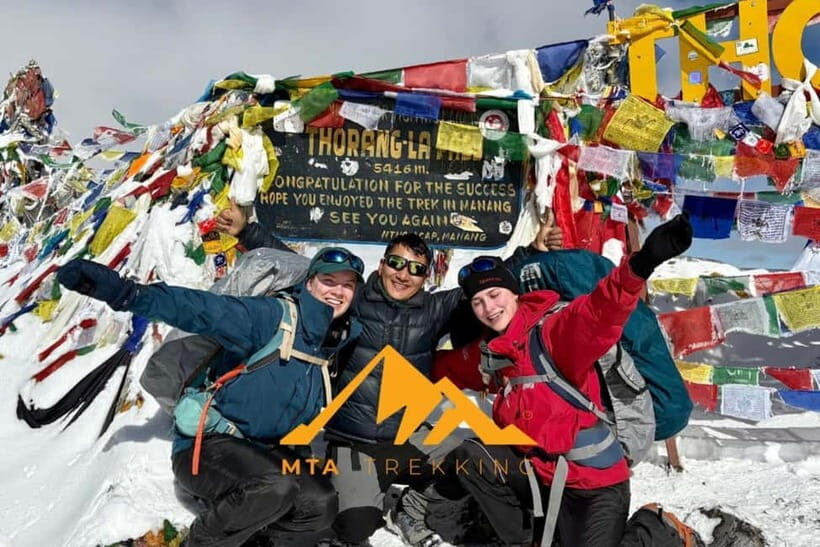
- Crossing Thorong La at 5,416m: one of the world’s highest high passes, with huge rewards for slow, steady effort
- Manang acclimatization day: optional short hikes and time to adjust before the big push
- Village-to-village trekking: Chame, Upper Pisang, Manang, Muktinath, and Kagbeni keep the route grounded in local life
- Classic altitude “stair steps”: several nights and days above 4,000m so your body gets hints of what’s coming
- Experienced local guide with English/Hindi support: pace and safety focus matter a lot on this route
- Included logistics that reduce hassle: permits, meals, tea house/lodge stays, and the Pokhara night after you finish
Thorong La Pass at 5,416m: why this trek grabs your attention
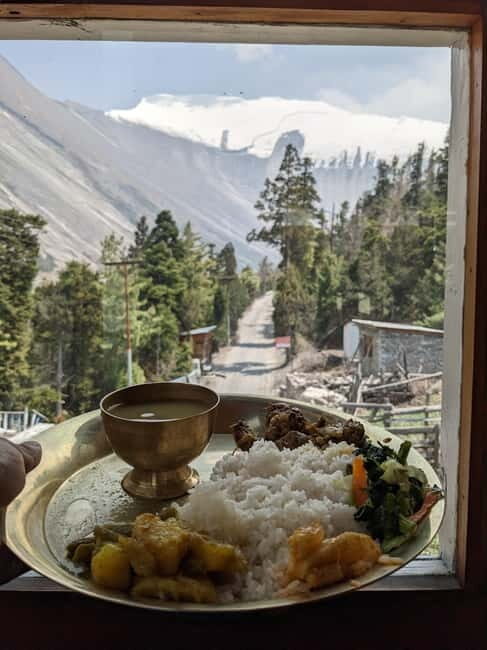
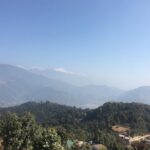
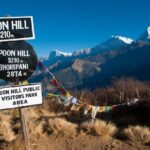
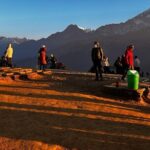
If you want a trek where the reward is built into the itinerary, the Annapurna Circuit via Thorong La Pass does it better than most. The headline is the crossing itself: you reach 5,416 meters and then descend toward Muktinath, with the route opening up toward Mustang Valley and Dhaulagiri in the process. The pass day is long, but it’s also the part that makes the whole trip feel like one continuous story instead of disconnected hikes.
What I like is that this trek doesn’t treat altitude like a gimmick. It uses an intentional rhythm: lower elevations first, then gradual climbs, then a real acclimatization block in Manang. That matters because your body isn’t just counting minutes; it’s responding to altitude changes, sleep altitude, and how hard you push each day.
You can also read our reviews of more hiking tours in Pokhara
Day-by-day route: what each stop is really doing for you
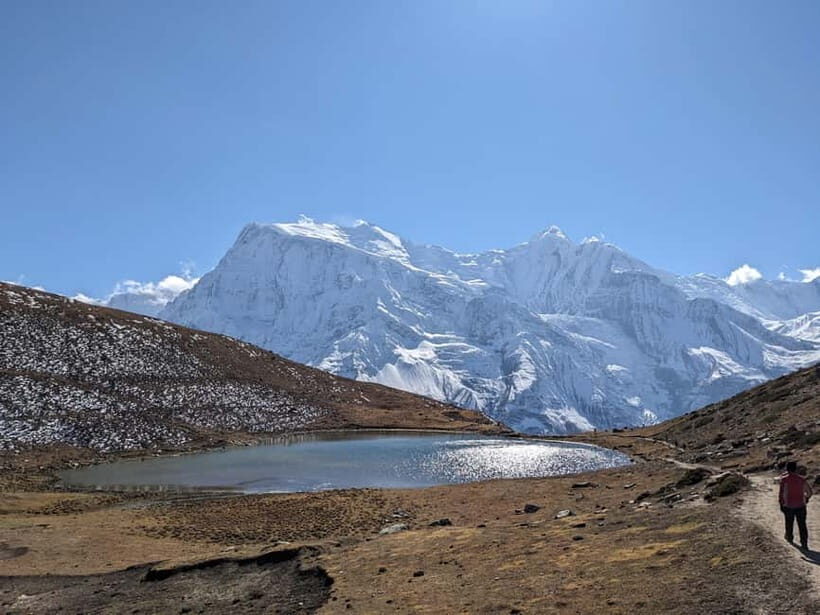
This itinerary is built like a staircase. You’ll keep gaining elevation, but you’ll do it in a way that gives you moments to breathe, reset, and learn how you personally respond to altitude.
Day 1: Kathmandu to Besisahar, then Dharapani
You start with a long transfer day: bus from Kathmandu to Besisahar (about 7–8 hours), then a sharing jeep onward to Dharapani. This isn’t just travel—it’s how you get from city altitude and routine into the rhythms of the trek area. You’ll pass through Nepali countryside, forests, landscapes of hills, and that slowly-changing sense of how remote things become once you’re out of the capital.
Overnight is in Dharapani, setting up a first trekking day that’s challenging but not brutal.
Day 2: Dharapani to Chame (6 hours, max 2,670m)
This is a strong “first climb” day. The trek to Chame takes about 6 hours, with a maximum altitude of 2,670m. You start moving through grassy fields where you get views of Annapurna II, then pass through a Bhote village and a Buddhist temple area at Bagarchhap. Later the trail works through oak and pine forests, reaching Timang before leveling off into Chame.
Why this matters: day 2 is where you begin understanding trail feel—footing, slope, and how cold you get as you gain altitude. Chame itself is a classic tea house stop, so you’ll get used to the practical side of trekking life early.
Day 3: Chame to Upper Pisang (5–6 hours, max 3,200m)
You climb again, but the day keeps variety. Expect about 5–6 hours with max altitude around 3,200m. You’ll pass an apple orchard and get views toward Lamjung Himal. Then you move into the Bhratang Valley and descend toward the Pisang area, depending on whether you end up in Pisang or Upper Pisang.
Why I like this day: it’s one of those transitions where the scenery starts to feel different—more high-country texture, more exposed feel, and a shift away from the thick forest vibe. It’s a good mental check: are you keeping your pace comfortable, or are you pushing too hard too soon?
Day 4: Upper Pisang to Manang (5–6 hours, max 3,540m)
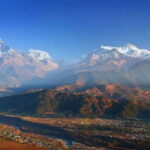
This is a bigger-looking day on paper because max altitude jumps to about 3,540m, but it’s also one of the most rewarding stretches. The route to Manang runs around 5–6 hours, crossing and tracking along the Marsyangdi River. You’ll cross a wooden bridge, pass through villages like Mungji and Braga, and keep stacking mountain views—Manang Valley, Tilicho Peak, Annapurna III, and Annapurna IV are mentioned for this section.
You arrive in Manang ready for the acclimatization plan.
Day 5: Acclimatize in Manang (max 4,050m)
This is not a day off in the lazy sense. It’s an acclimatization day in the real trekking way: you stay at altitude, but you choose gentler movement options. Max altitude is listed around 4,050m. The itinerary also includes exploring Manang village and hiking to a stupa.
There are optional activities built in, such as crossing a river to see an icefall or exploring Gangapurna Glacier Lake (depending on conditions and what your guide recommends). Either way, the point is the same: let your body adjust while you soak up local culture.
This day is also where I’d expect you to slow down and practice good habits—warm layers, hydration, and pacing that keeps you from sprinting uphill.
Day 6: Manang to Yak Kharka (4 hours, max 4,050m)
Now the hikes start to feel shorter, but altitude makes them harder. The trek takes about 4 hours with max altitude around 4,050m. It can be tempting to think a shorter day means an easier day. Not so much. The air is thinner, and your breathing workload climbs fast.
It’s also a good mental day: you learn how to keep effort steady and efficient instead of trying to “finish strong.”
Day 7: Yak Kharka to Thorong Phedi (4–5 hours, max 4,450m)
This is a staging day for Thorong La. Expect 4–5 hours with max altitude around 4,450m. The route starts with a gradual ascent, then you descend toward the Marsyangdi headwaters. There’s a “hidden” wooden bridge crossing mentioned, then you ascend again on the right bank of the Marsyangdi River as you get closer to Thorong La Pass.
I like that this day doesn’t try to shock you with the highest altitude too quickly. You’re building toward it, step by step.
Day 8: Thorong Phedi to Muktinath via Thorong La Pass (7–8 hours, max 5,416m)
This is the day you came for. The trek is listed as 7–8 hours with max altitude at 5,416m. You cross Thorong La Pass and then descend toward Muktinath, with views toward Mustang Valley and Dhaulagiri.
Practical reality check: long hours at high altitude mean you need patience more than heroics. Your goal isn’t to prove anything; it’s to arrive safe and steady.
Day 9: Muktinath to Jomsom via Kagbeni (7–8 hours)
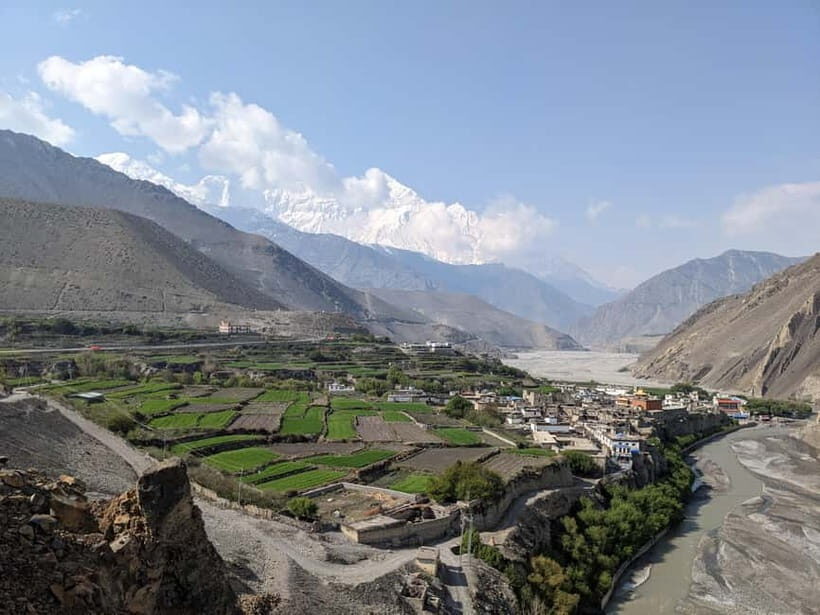
After the pass, you move through a different kind of high-country world. The trek is about 7–8 hours. You go to Jomsom via Kagbeni, and the itinerary emphasizes exploring Kagbeni once you reach it.
This is where you get more of the cultural lens again—Kagbeni’s character as a settlement in the high dry region comes through when you’re done focusing only on elevation.
Day 10: Jomsom to Pokhara by public bus (8 hours)
No more trail after this. You take a public bus from Jomsom to Pokhara, listed at about 8 hours, then you’re set up with a finish-night arrangement.
This final day is good to keep expectations realistic. It’s a travel day, so plan for comfort after days of uphill effort.
Thorong La Pass day: pacing and what to plan for
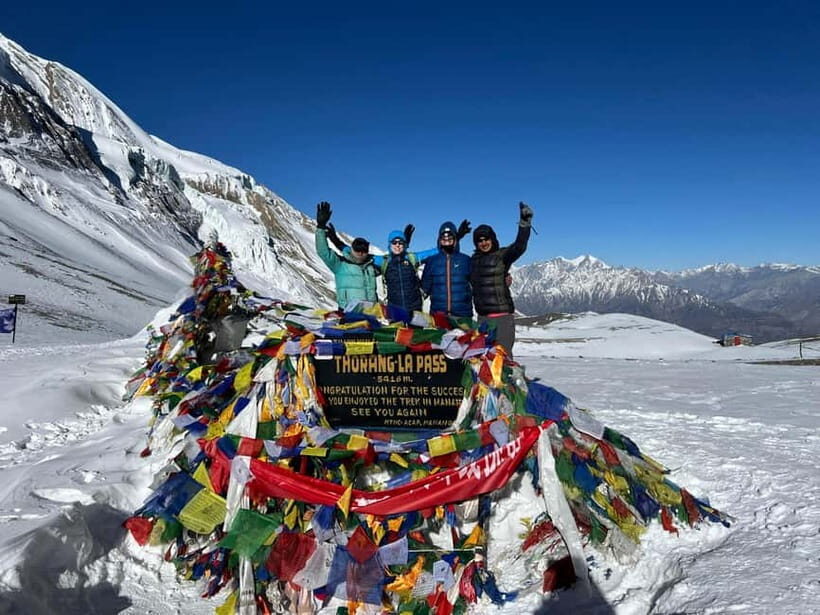
The pass day is scheduled as one long push—Thorong Phedi to Muktinath via Thorong La Pass in 7–8 hours, with the high point at 5,416m. That’s enough time for daylight and enough effort for fatigue, so your strategy matters.
Here’s what tends to work best on this kind of route (and you can apply it without fancy gear):
- Keep your climbs controlled. If you find yourself breath-holding or pushing to catch views, ease back.
- Stay warm even before you feel cold. High passes can change your comfort fast.
- Treat stops as part of movement, not punishment. Short, frequent breaks help your breathing rhythm.
- Plan to protect your eyes and skin. Sunglasses and sunscreen are on the bring list for a reason.
Also, remember: this trek specifically calls out Acute Mountain Sickness risk and recommends helicopter-evacuation capable insurance up to around 5,400m. That’s a hint that the pass day is not the time to “tough it out.”
Manang’s role: the acclimatization day that makes the rest feel possible
Many routes claim they help you acclimatize. This one schedules it where it counts: Day 5 in Manang. You rest at a higher elevation level (max altitude listed around 4,050m) and you can choose optional short treks and local exploring.
What makes Manang valuable here is that it’s both practical and cultural:
- Practical: you’re above 4,000m and your body starts to learn the new normal before the big altitude spike.
- Cultural: the included time to explore Manang village and hike to a stupa gives your day a purpose beyond trekking mileage.
One small detail that stuck with me from group experiences is the emphasis on water handling. In one example, a guide named Gansham provided Purifier tablets they hadn’t planned for. That kind of proactive support can be the difference between worrying all day and just getting on with the trek. If water treatment isn’t on your packing checklist, ask your guide early what’s available and what they recommend.
Tea house life, included meals, and the comfort trade-offs
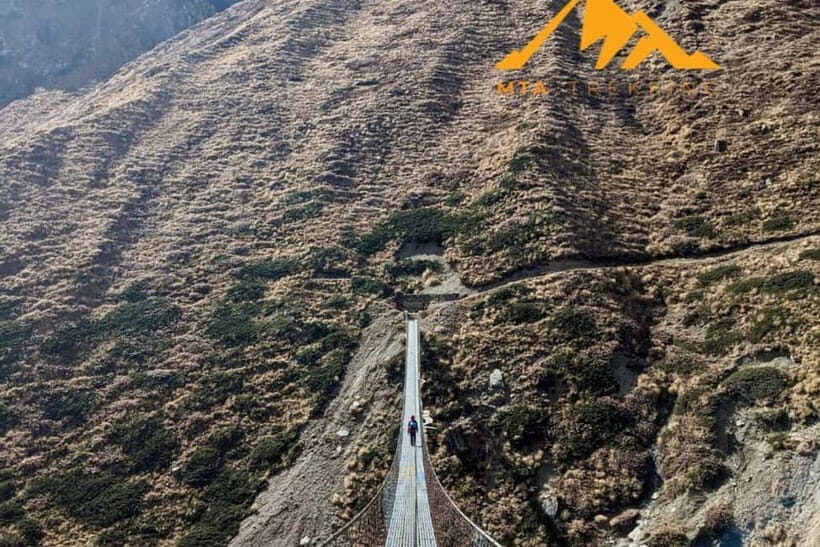
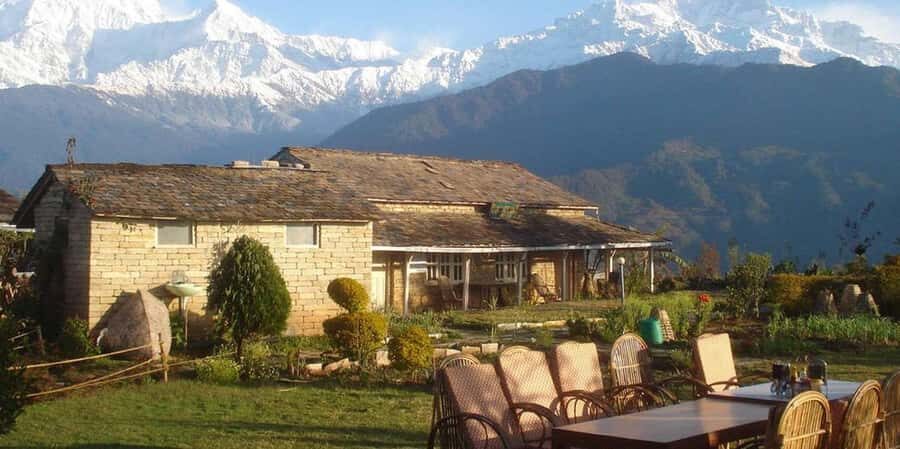
This trek is tea house and lodge based during the trekking days, and it includes all meals (breakfast, lunch, dinner) during the trek. That’s a real value point: you’re not having to budget for meals every day while you’re focused on altitude.
But included doesn’t mean everything is luxurious. Tea houses and lodges on this route are functional. You should expect:
- Basic warmth options and shared realities (hot water might be limited, and it often costs extra).
- Simple food that’s designed to be filling rather than fancy.
- A daily routine that revolves around eating before you get moving and warming up after.
What you’ll likely have to pay for yourself includes items like soft/hard drinks and personal expenses. The list of not-included items also points out things many people underestimate—bottle or boiled water, shower access, phone calls, and extra porter needs if you decide you want help carrying more.
Packing the warm clothing and waterproof bag matters because you’ll feel weather changes while you’re still working hard. The bring list is straightforward for a reason: warm layers, waterproof protection, hiking shoes, sunscreen, and sunglasses.
Kathmandu-to-Pokhara logistics: why this route feels smoother than DIY
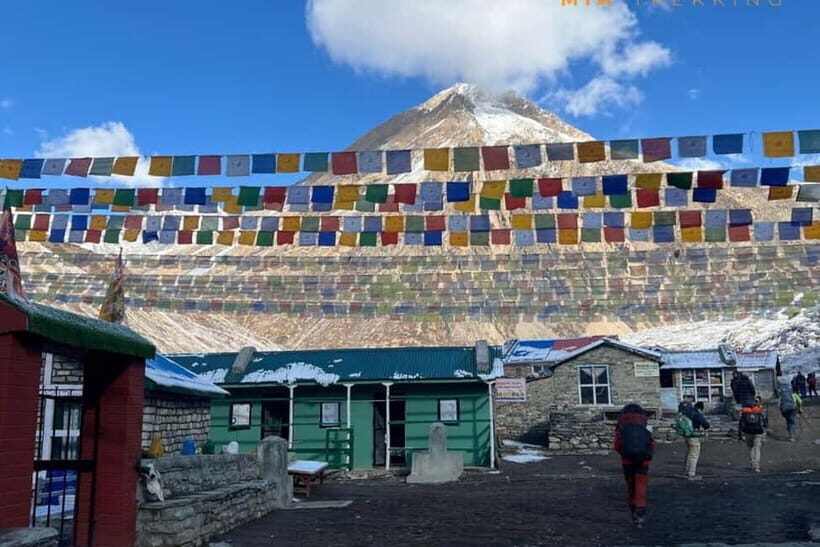
This is one of those treks where getting the “getting there” part right saves energy. You get pickup and drop-off from hotels in Kathmandu’s Thamel area and Pokhara’s lakeside area. That reduces the common DIY headache of finding the right office, confirming permits, and arranging transport.
On the route side, the itinerary uses:
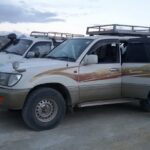
- Bus and jeep segments to reach Dharapani
- Regular trekking days with overnight tea houses/lodges
- A final 8-hour public bus ride from Jomsom to Pokhara
The included one-night accommodation at Hotel Orchid in Pokhara plus a farewell dinner gives you a proper landing after crossing the pass.
Guides, porters, and safety: the part you can’t wing
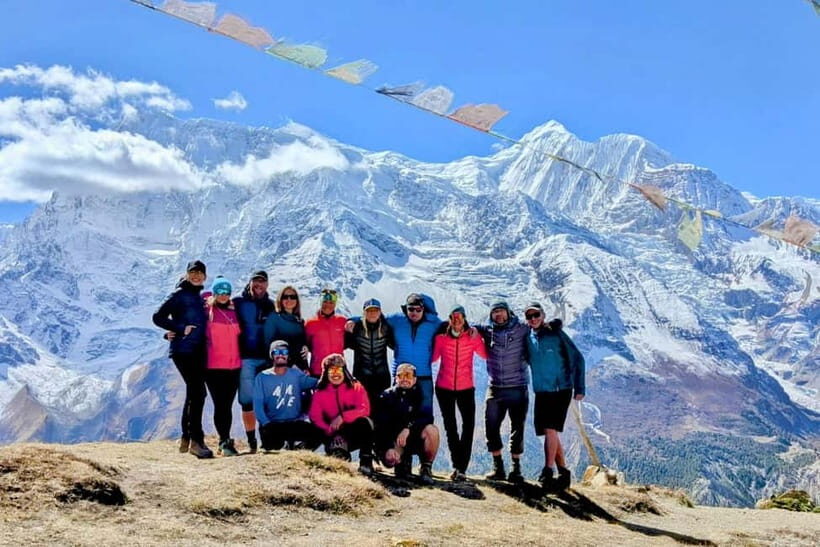
This trek includes an experienced government registered local guide, with English and Hindi support. In group experiences, guides have been specifically praised by name for adapting to needs and pace. Ghanshyam is described as taking care at all times, while Gansham is described as supporting closely and using experience to plan an easier course when strength ran low after reaching Yak Kharka and before the pass.
That adaptive approach matters on this itinerary because not everyone responds to altitude the same way. One person can handle a steady pace; another needs more frequent slowing and resting. This trek’s design—especially the acclimatization day—helps you succeed, but the guide’s judgment helps you stay flexible when your body changes day to day.
Porters can also be a big deal. In one example, a porter supported a female companion carrying about 10kg per bag plus personal luggage. You can do the trek without a porter, but on a high-altitude route with long days, hiring support can be the difference between finishing comfortably and feeling crushed.
Finally, safety is not treated as an afterthought. The information you’re given stresses AMS risk and recommends comprehensive travel insurance that includes medical coverage and helicopter evacuation up to around 5,400m. If you don’t have that coverage, you’re gambling with the one variable you can’t control well: your health at altitude.
Price and value: what $456 buys, and what you should budget separately
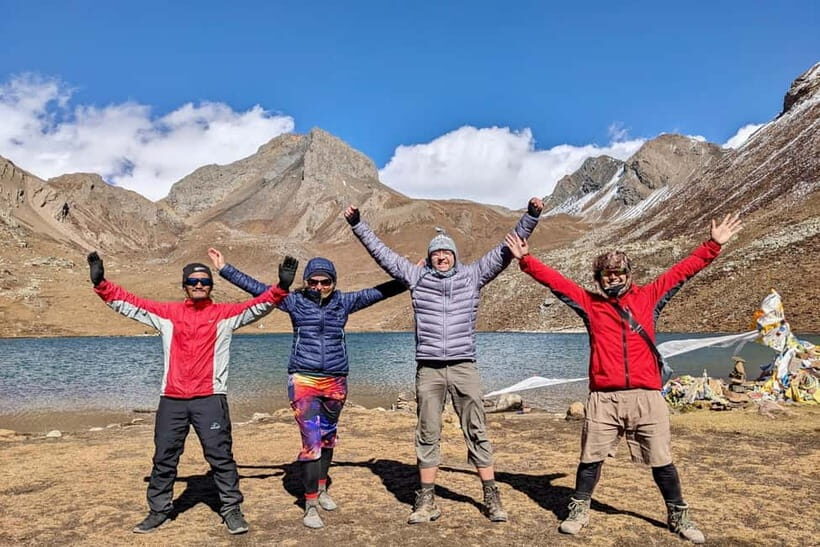
At $456 per person, this trek is aiming at a packaged value approach. Based on what’s included, the price covers the stuff that usually balloons costs when you DIY it:
- Pickup/drop-off from Kathmandu Thamel and Pokhara Lakeside
- Permits and the TIMS card
- Transport between destinations and to/from included activities
- Tea house/lodge accommodations during the trek
- All trek meals
- A guide
- A Pokhara finish-night stay at Hotel Orchid
- Farewell dinner in Pokhara
- Emergency rescue assistance
What’s not included is equally important to plan for. You should expect to pay for:
- Travel and rescue insurance
- Nepal visa fee and international flights
- Soft/hard drinks
- Personal expenses (phone, laundry, bar bills)
- Water (bottle or boiled water) and shower access
- Trekking gears (you’ll need to bring or rent them)
My take on value: this price makes sense if you’re the type who wants less admin and more consistent daily support—transport, meals, guide, and permits are all handled. If you already own nearly everything, cook your own meals, and can manage permits confidently, you might shave costs DIY-style. But you’d likely trade away a lot of the “smooth day” effort this itinerary aims to deliver.
Who should book this trek, and who should skip it
This is a high-altitude trek with a listed maximum pass altitude of 5,416m, and the information clearly sets boundaries. It is not suitable for:
- Children under 15
- People with altitude sickness
- People over 70
- People with respiratory issues
- Pregnant women
So who does it suit best?
- You’re physically able for multi-hour hikes most days
- You take acclimatization seriously and follow pace instructions
- You want village culture plus a real altitude challenge, not just a scenic walk
- You’re comfortable staying in tea houses and lodges and working with basic comforts
It also suits couples or small groups, since the tour is set up as a private group (even though one transport segment uses public bus at the end).
Should you book this Kathmandu 10-Day Annapurna Circuit trek via Thorong La Pass?
I’d book it if you want a classic Annapurna Circuit route with the main altitude payoff, but without throwing away safety and logistics. The combination of Manang acclimatization, included meals and stays, and an experienced registered guide makes it feel designed for success rather than just ambition.
Skip it (or rethink your plan) if you don’t have the right health profile or you’re hesitant about altitude realities. At 5,416m, you need insurance, patience, and a pace-first attitude.
If you do book, prepare your packing around warmth, waterproofing, eye/skin protection, and water-handling. And if you want extra peace of mind, ask your guide early about how they handle water treatment—because having a simple solution can make the trek feel calmer day by day.
FAQ
How high do you go on this trek?
The highest point listed is Thorong La Pass at 5,416m (17,769ft) on Day 08.
What is included in the $456 per person price?
It includes pick up and drop off from hotels in Kathmandu Thamel and Pokhara Lakeside areas, permits and TIMS card, transport between destinations, an experienced local guide, tea house/lodge accommodations during the trek, and all meals during the trek. It also includes one night in Pokhara at Hotel Orchid plus a farewell dinner, and emergency rescue assistance.
Is a guide included, and what languages do you get?
Yes. You get an experienced government registered local guide. The guide support is listed as English and Hindi.
Is there an acclimatization day in Manang?
Yes. Day 05 is an acclimatization day in Manang (max altitude listed around 4,050m), and it includes time to explore Manang village and hike to a stupa, with optional day trek ideas.
How do you get from Kathmandu to the trail?
You travel by bus and jeep. Day 01 includes a bus from Kathmandu to Besisahar (7–8 hours), then a sharing jeep from Besisahar to Dharapani.
Where do you stay during the trek and after it?
During the trek, you stay in tea houses and lodges as listed by the itinerary. After Day 10, you include 1 night at Hotel Orchid in Pokhara.
Who should not book this trek?
It is not suitable for children under 15, people with altitude sickness, people over 70, people with respiratory issues, and pregnant women (as listed in the activity details).
Is travel and rescue insurance included?
No. Travel and rescue insurance is listed as not included, and the information strongly recommends comprehensive insurance with medical coverage and helicopter evacuation up to about 5,400m.
If you want, tell me your hiking experience level and age range, and I’ll help you sanity-check whether the pacing and altitude schedule fit you.