Steam, dough, and dumplings: instant fun. This Kathmandu class is interesting because you don’t just watch food happen—you make it, step by step, right in a local host’s kitchen in a friendly home setting. I love the hands-on flow (dough, filling, folding, cooking), and I also love that you get to sit down afterward with the host and family. For me, that combo turns a simple meal into a real Nepal experience.
I really like the way the class is set up for people to join in—making it a family-friendly activity. You can choose veg and non-veg momo styles, including chicken and buffalo, and the session includes a translator so learning feels more relaxed.
One consideration: this experience is not recommended if you have a gluten allergy.
In This Review
- Key Highlights You’ll Care About
- A Kathmandu Momo Class That Feels Like Food + People
- Where You Meet in Sorakhutte (and Why That’s Convenient)
- Getting Settled in a Host’s Home Kitchen
- The Dough Step: Where Most Momo Skills Begin
- Filling and Folding: The Moment the Workshop Becomes Yours
- Cooking the Momos You Made (No Watching Allowed)
- Veg vs Chicken vs Buffalo: Choosing Your Momo Mood
- Eating With the Host Family: The Conversation Part
- Timing and What to Expect From a 2.5-Hour Private Class
- Price: Is $35 Worth It for What You Actually Get?
- Who Should Book This Momo Cooking Class?
- Should You Book the Momo Cooking Class in Kathmandu?
- FAQ
- How long is the momo cooking class?
- How much does the class cost?
- Where do we meet, and where does it end?
- Is this a private tour or shared with other groups?
- What types of momos will we learn to make?
- Is the class okay for gluten allergies?
- Is free cancellation available?
Key Highlights You’ll Care About
- Full-process teaching: knead dough, prep ingredients, fold momos, then cook them
- Home-kitchen setting in Kathmandu with a warm welcome and family conversation
- Veg and non-veg options including chicken and buffalo momos
- Translator included, which makes the lesson easier to follow
- Private class for your group so you’re not lost in a crowd
- Clear duration of about 2 hours 30 minutes, so it fits well into a day
A Kathmandu Momo Class That Feels Like Food + People
In Nepal, momos are a big deal—and not just as a tourist snack. They’re a favorite dish locals love, and the whole point of this class is to understand why: you feel the dough in your hands, you see how the filling gets portioned, and you learn the shape that makes a momo work.
What makes this experience feel different from a typical cooking demo is the pacing. You’re not standing at the edge of a kitchen while someone else does everything. You’re in the work—dough to dumplings—so you leave with something more useful than a full stomach. You leave with repeatable skills and a sense of how families actually cook together.
And that social part matters. After you cook what you made, you sit with the host and family to enjoy your momos and chat. If you like experiences where the food is the excuse to slow down and talk, this hits the right tone.
You can also read our reviews of more cooking classes in Kathmandu

Where You Meet in Sorakhutte (and Why That’s Convenient)
You meet at People’s Dental College & Hospital in Sorakhutte, Kathmandu (Sorakhutte Chowk, Kathmandu 44600). The tour ends back at the same meeting point, so you’re not dealing with a long “drop-off trek” at the end.
This matters because Kathmandu days can get messy fast—traffic, short daylight, and the usual “where do we actually start?” confusion. Having a fixed start/end spot in an area that’s near public transportation is a practical win. You can plan your day without needing a complicated route or extra taxi math.
You’ll also get a mobile ticket, and you’ll receive confirmation at the time of booking. That’s the kind of small clarity that keeps the day smooth.
Getting Settled in a Host’s Home Kitchen
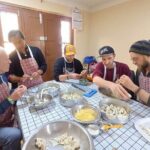
Once you arrive, you’re warmly welcomed into the kitchen of your host. The setting is described as a humble home, which usually means: less formality, more real-life cooking energy.
You’ll be working in the kitchen where the lesson happens, not in a staged studio. That changes the vibe. You see how ingredients are handled, how the workspace is organized, and how a family kitchen turns a pile of raw components into a batch of dumplings.
In at least some setups, a translator is included, which helps a lot if your Nepali is limited. Even if you’re not fluent, the teaching stays understandable—what to do next, how to position the dough, and what “done” looks like.
The Dough Step: Where Most Momo Skills Begin
The class starts from kneading dough. This is more than a “cool food activity.” It’s the foundation for everything that follows, and you’ll feel that immediately when you start handling the dough yourself.
During this phase, you learn how to prepare a dough base for momos—something flexible enough to fold, but strong enough not to tear. If you’ve never worked with dumpling dough before, this is the exact moment where you realize cooking is mostly technique, not luck.
Here’s what makes this valuable for you: once you understand how dough should feel, your later folding and sealing get easier. You can follow instructions all day, but if the dough texture is wrong, the momo won’t behave. Kneading teaches your hands what to look for.
If you’re someone who likes to cook after trips (even casually), this is the skill you’ll remember.
Filling and Folding: The Moment the Workshop Becomes Yours
After the dough, you prepare ingredients and then start folding the momos. The ingredient prep part is important because it shows how momos aren’t just “mystery dumplings.” You’re building the inside, and that inside matters.
The class includes both veg and non-veg choices. The non-veg options mentioned are chicken and buffalo, and veg momos are also part of the session.
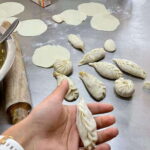
Then comes the folding. Folding is where people often struggle in other classes because the dough can be awkward. Here, you’re guided through the folding process so your dumplings end up properly shaped and sealed enough to cook well.
This is also where the best learning happens in a short session. You’re not expected to become an expert. You’re expected to do the technique with support—so by the time you finish your batch, you understand the motion and the logic behind it.
One practical tip for your own experience: go slow at first. The class moves through the process, but your goal is to feel the steps. If you rush the folding early, you might end up frustrated later.
A few more Kathmandu tours and experiences worth a look

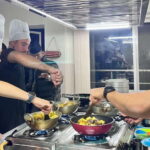
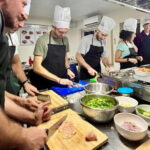
Cooking the Momos You Made (No Watching Allowed)
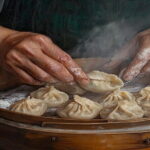
The workshop includes cooking your momos after they’re folded. That final step matters because it turns your work into a finished result. You don’t just practice technique—you get feedback from the outcome.
You’ll see your dumplings transform from raw shapes into food ready to eat. That closes the loop in a way that makes the whole class stick in your memory.
And because you’ll taste what you made right after, you get an immediate sense of what worked and what you might tweak next time. That’s the real payoff of a cooking class: it’s not only about learning actions—it’s about learning results.
Veg vs Chicken vs Buffalo: Choosing Your Momo Mood
Momos in Nepal come in different types, and this class reflects that. You can make veg momos and also make non-veg versions like chicken and buffalo.
How to choose? Think about what you want to taste and what you like cooking-wise:
- If you want a safe, familiar flavor direction, go veg.
- If you want something more traditional and hearty, chicken or buffalo are great choices.
Also, if you’re traveling with family, this flexibility is a big deal. Kids or picky eaters can lean veg, while adults get into the meat momo variety without the whole group splitting up.
Eating With the Host Family: The Conversation Part
Once your momos are prepared, you sit with your host and family to enjoy your momos and conversation. This is not a throwaway line. It’s the part that makes the class feel human.
Food talk is usually easier than formal Q&A, and dumplings make that even smoother. You can ask questions that come naturally while you’re eating—what ingredients matter, how often momos are made, and what “good momo” means in their home.
This is the kind of moment where your experience becomes more than cooking. It becomes cultural exchange without the awkwardness. You’re sharing a plate of what you made together.
Timing and What to Expect From a 2.5-Hour Private Class
The class runs for about 2 hours 30 minutes. That’s a practical length: long enough to learn the steps in order, short enough that it won’t swallow an entire half-day.
Because it’s private, your group participates together rather than mixing with strangers. That can be a comfort factor if you’re visiting as a couple or family, or if you simply want calmer attention while you practice folding and cooking.
The duration and structure are also useful for planning your Kathmandu day. You can schedule it before or after other activities without needing to keep the whole day open.
Price: Is $35 Worth It for What You Actually Get?
At $35 per person, you’re paying for more than a meal. You’re paying for:
- a full hands-on workflow (dough, filling, folding, cooking)
- a home-kitchen setting in Kathmandu
- the chance to eat what you made with the host family
- a private setup for your group
- veg and non-veg momo options, including chicken and buffalo
- a translator in the teaching setup
That combination is the value. Many classes charge similar prices for a demo-style experience. Here, you’re actively working. You’re also not stuck with just one dish. You’re learning the process behind multiple momo types, which makes the experience feel more “complete.”
If you want an authentic food activity where you learn by doing, $35 feels reasonable. If you only want to eat momos and don’t care about technique or conversation, you might question the cost. But if you like cooking skills and local interaction, this is exactly the kind of meal-learning you can’t replicate at home after one bite.
Who Should Book This Momo Cooking Class?
I think this class is a great fit if you:
- want a hands-on food experience in Kathmandu, not just a tasting
- like learning practical cooking techniques with direct guidance
- travel with family, including kids, since the atmosphere is described as friendly and approachable
- want to experience Nepali daily favorites in a local home setting
- want options: veg as well as non-veg like chicken and buffalo
You might skip it if:
- you have a gluten allergy (not recommended)
- you’re only looking for a quick snack, since this is a full workshop-style session
Should You Book the Momo Cooking Class in Kathmandu?
If you’re deciding between another restaurant meal and something more hands-on, I’d pick this class. You’re not just eating momos—you’re learning the process from kneading to cooking, and then sharing the results with the host family.
My advice for making it a good booking: go with an open mindset. Folding may feel awkward at first, but that’s the point. The value is in getting your hands on the steps and leaving with both a full belly and a new skill you can actually use later.
FAQ
How long is the momo cooking class?
It lasts about 2 hours 30 minutes.
How much does the class cost?
The price is $35.00 per person.
Where do we meet, and where does it end?
You meet at People’s Dental College & Hospital in Sorakhutte, Kathmandu. The activity ends back at the same meeting point.
Is this a private tour or shared with other groups?
It’s a private tour/activity, so only your group participates.
What types of momos will we learn to make?
You learn to make both veg and non-veg momos, including chicken and buffalo.
Is the class okay for gluten allergies?
It’s not recommended for travelers with gluten allergies.
Is free cancellation available?
Yes. You can cancel up to 24 hours in advance for a full refund.