REVIEW · KATHMANDU
The best Private Nepali Cooking Class in Kathmandu
Book on Viator →Operated by Kalpana's Cooking Course Training · Bookable on Viator
Cooking with a local family beats restaurant tours. This private Nepali cooking class in Kathmandu sends you into Kalpana Thapa’s home kitchen, then builds the whole meal from scratch: market shopping, an organic ingredient stop, time in the garden, and hands-on cooking like dal bhat and momos. You end the day eating what you made and leaving with PDF recipes to recreate it later.
Two things I really like: first, the hotel pickup and drop-off remove all the stress of getting to the suburbs and back. Second, you don’t just taste Nepalese food; you grind whole spices, pound ginger and garlic, and do the real work behind the flavors.
One consideration: this is an active cooking class, and Nepali home cooking can be labor-intensive. If you want a sit-back-and-watch experience, you might find you’re doing too much chopping, mixing, and frying for comfort.
In This Review
- Key Highlights at a Glance
- What Makes Kalpana’s Private Nepali Cooking Class Different in Kathmandu
- Price and Logistics: The Real Value of $24 per Person
- Getting Picked Up: Starting Calm Instead of Rushing
- Market and Organic Farm Stops: Choosing Ingredients You’ll Actually Recognize
- Garden-to-Kitchen Cooking: Fresh Vegetables and Real Spice Work
- The Hands-On Menu: From Rice and Dal to Pickles and Papad Fry
- Why this menu is good for your future cooking
- Momo Learning and the Comfort of a Family-Run Flow
- Eating What You Made: Lunch That Feels Earned
- Dietary Needs: Vegetarian Option and Special Requests Worked In
- Who This Class Is Best For (and When to Choose Something Else)
- Tips for Getting the Most Out of Your Nepali Cooking Class
- Should You Book This Private Nepali Cooking Class in Kathmandu?
- FAQ
- How long is the private Nepali cooking class in Kathmandu?
- Where does the cooking class take place?
- What is the price per person?
- Is hotel pickup and drop-off included?
- What’s included in the class?
- Can the class handle vegetarian meals or special dietary requirements?
- Is this a private experience?
- Will I receive recipes to cook later?
- Does the class depend on weather?
- What is the cancellation policy?
Key Highlights at a Glance
- Private, home-based cooking with warm hosts in Kathmandu
- Market + organic farm ingredient shopping before you cook
- Garden-to-kitchen vegetables, plus fresh spice prep
- Hands-on menu built around rice, dal, seasonal vegetables, spinach, chicken, pickles, and papad fry
- Dietary needs handled with advance notice, including vegetarian options
- All food included, plus PDF recipes to take home
What Makes Kalpana’s Private Nepali Cooking Class Different in Kathmandu
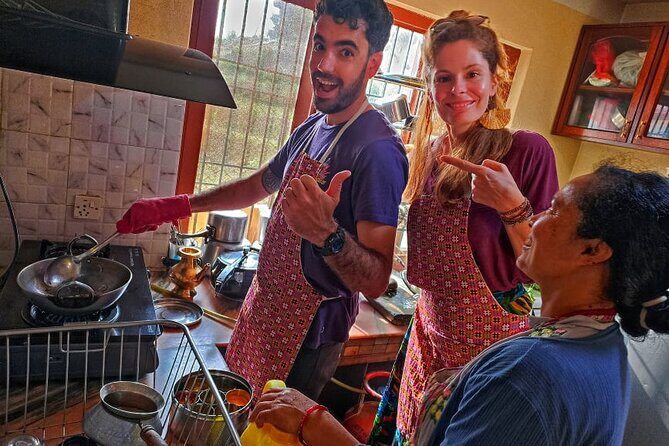
Kathmandu has plenty of tours that feed you. This one focuses on something else: teaching you how the food gets made, using the same rhythms a Nepali family follows at home. The setting matters. You’re not in a demo studio. You’re in a family home, which changes the whole feel of the day from start to finish.
I also like the pacing. You start with simple orientation—tea or coffee, meeting the hosts, getting settled—then you move outward to the inputs: vegetables, spices, and ingredients you can actually recognize later when you’re cooking on your own. That market-to-kitchen flow gives the class meaning beyond a single meal.
And yes, the food tastes great. But the better value is what you learn about why it tastes the way it does—especially around spice grinding and the way ginger and garlic show up throughout Nepali cooking. It’s hard to get that from a restaurant menu.
You can also read our reviews of more private tours in Kathmandu
Price and Logistics: The Real Value of $24 per Person
At $24 per person for about 4 hours 30 minutes, this class is priced like a “half-day cultural activity,” but it includes more than most. Hotel transfers, a private vehicle, morning tea or coffee, and lunch are built in. Plus, all food ingredients for what you cook are included.
Here’s why that matters for value: in Kathmandu, transportation can quietly become the biggest cost on small tours. If you’re staying in a hotel and want a smooth door-to-door plan, that transfer piece saves time and money. It also keeps you from spending the whole morning negotiating rides while everyone else gets to cook.
The class is also private, meaning only your group participates. That changes the vibe. You can ask questions without feeling rushed, and the hosts can adjust the pace when someone’s learning a technique like spice grinding or dumpling shaping.
One practical point: it’s popular enough to be booked in advance. If you know your dates, reserve early so you don’t get stuck with gaps in your itinerary.
Getting Picked Up: Starting Calm Instead of Rushing
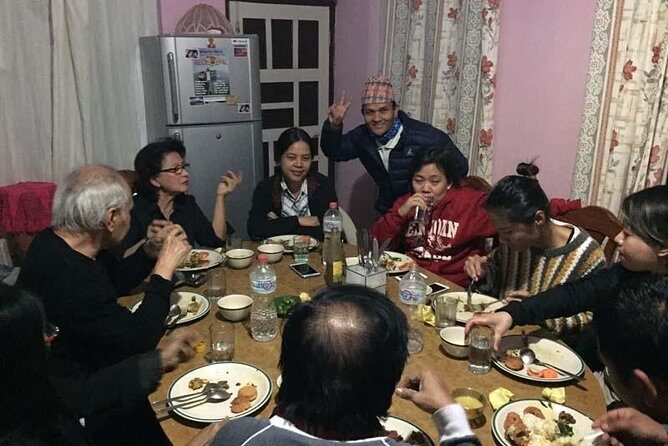
Your day starts with convenience. You get hotel pickup and drop-off, and you ride by private vehicle. That’s a big deal in Kathmandu, where traffic and route choices can turn “a quick trip” into a time sink.
Once you’re on the way, you’ll feel the shift from city intensity to a quieter residential/suburban setting. Several people highlight how the short drive gives them a break from the busy center, and I agree with that logic: you cook better when you’re not stressed.
When you arrive, you’re welcomed into the home. You start with steaming masala tea or coffee—enough to settle you before you start chopping. Then you get your bearings and your role for the day.
Market and Organic Farm Stops: Choosing Ingredients You’ll Actually Recognize
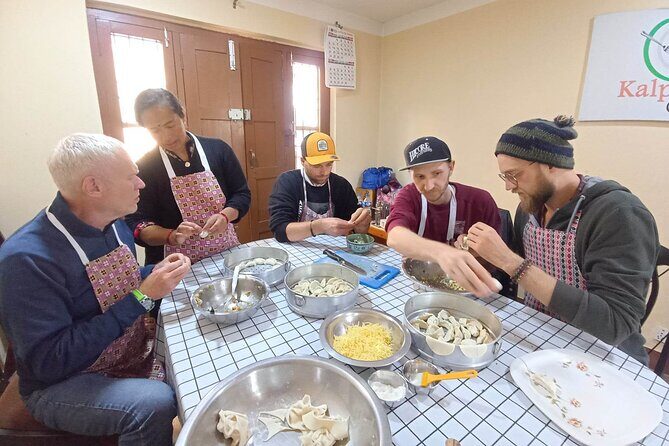
This class doesn’t begin with a pot. It begins with selection.
Before cooking, you visit a local market and a private organic farm to choose ingredients. That matters because you learn what “seasonal” means in Kathmandu right now, not just what looks good on a menu board. You’ll also see that Nepali home cooking relies on what’s fresh and available, not imported gimmicks.
You’ll be able to connect the dots between your ingredients and the final flavors. Later, when you buy lentils, greens, or spices in your home country, you’ll know what the instructor likely meant by taste balance. That’s the kind of transferable skill you can’t get from eating alone.
If you’re picky about certain foods, the ingredient-selection stage is also where you can speak up. You can point out preferences early rather than trying to fix everything at the stove.
Garden-to-Kitchen Cooking: Fresh Vegetables and Real Spice Work
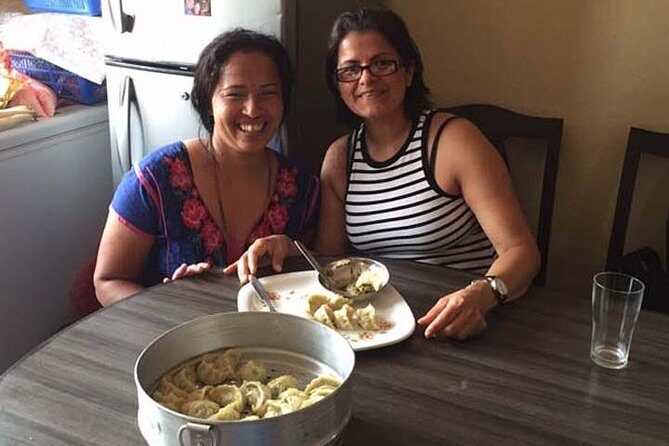
A standout part of this experience is how much it feels like a living household. You’re not just cooking. You’re doing small tasks a real family would do.
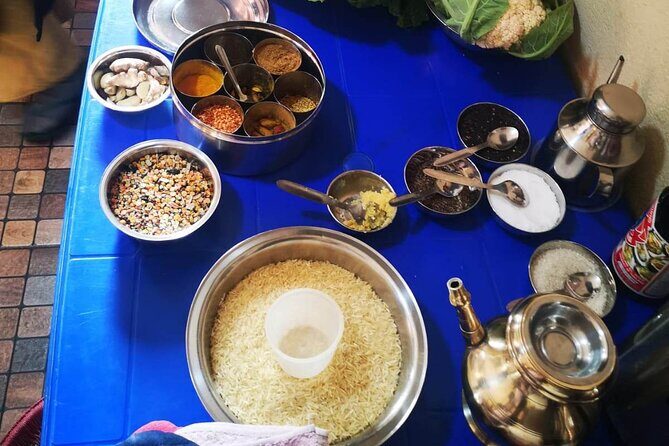
You’ll select crisp, seasonal vegetables straight from the garden, then put on aprons and start working. Expect plenty of hands-on time: chopping, prepping, and doing the foundation steps that make Nepali food taste layered, not flat.
The spice work is where a lot of the magic happens. You’ll grind whole spices and pound fresh ginger and garlic. The technique isn’t fancy for show. It’s the practical method that builds flavor depth. If you’ve ever tasted Nepali dishes and wondered why they feel fragrant but not heavy, this is one big reason.
Bring an open attitude. It can get messy. That’s part of the charm.
You can also read our reviews of more cooking classes in Kathmandu
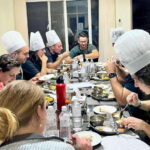
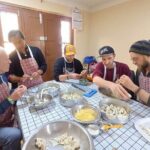
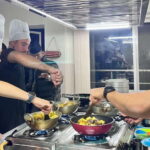
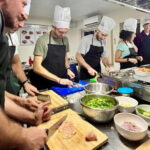
The Hands-On Menu: From Rice and Dal to Pickles and Papad Fry
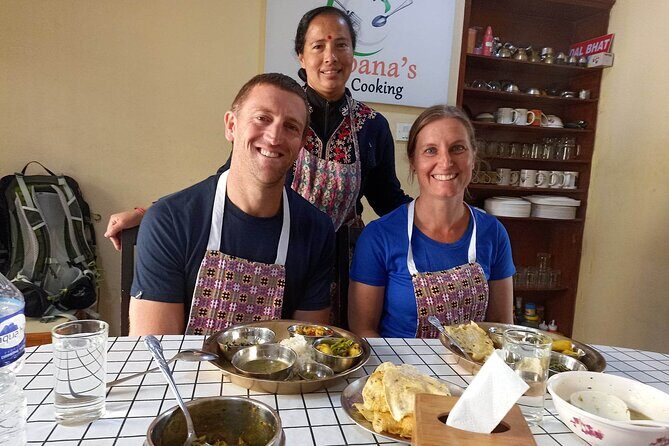
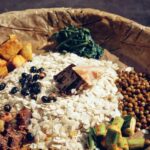
This cooking class teaches a structured set meal built from core Nepali comfort dishes. You’ll learn to make:
- Plain rice
- Dal soup (lentils)
- Seasonal vegetable dishes
- Spinach
- Chicken
- Pickle
- Papad fry
Even when you’re learning multiple components, the class stays focused on how Nepali meals are assembled. Think of it as building blocks: rice plus lentils, balanced with vegetables and spiced sides, then finished with something tangy like pickle and a crunchy element like papad fry.
Why this menu is good for your future cooking
If you only learn one dish, you come home and cook one dish. If you learn the structure of a Nepali-style meal, you can mix and match at home.
You’ll also learn to time your cooking so things finish around the same time. That’s a skill that helps whether you’re cooking for family or hosting friends.
And yes, you’ll likely hear about dal bhat as a daily staple, plus recipes that show up at normal Nepalese meal tables—not just special-occasion food.
Momo Learning and the Comfort of a Family-Run Flow
The class is known for covering popular dishes such as momo alongside core meal items. In practice, that means you get more than just one pot of dal. You work with techniques that feel hands-on and social.
Momos also give you a clean way to understand dough, fillings, and shape. Even if your first attempt isn’t perfect, you’ll understand what to adjust—thickness, seasoning, and how to keep filling controlled.
One thing I appreciate about the family-run flow is that you’re never treated like a museum exhibit. Hosts guide you, then turn you loose enough that you genuinely participate. People consistently say they learned a lot and cooked a lot, not just watched.
If you’re traveling with a friend or family member, this kind of “everyone cooks” format makes it easy to talk during breaks and compare notes afterward.
Eating What You Made: Lunch That Feels Earned
After all the cooking, you eat your work. It’s not a symbolic snack. It’s a meal.
Lunch is included, and you’ll likely finish feeling genuinely satisfied. Several people mention that they were surprised by how well fed they were. So if you’re planning your day, don’t schedule a heavy meal right after—this class already covers the important part.
I like eating in this context because it locks the learning in. When you taste your dal, you can remember the spice grinding steps. When you taste the pickle, you recall the tang and balance you just practiced. When the papad fry crackles, you understand why quick heat and timing are part of the technique.
Dietary Needs: Vegetarian Option and Special Requests Worked In
One of the most practical strengths here is flexibility. The class can cater to travelers with special dietary requirements, and there’s a vegetarian option available if you advise in advance.
That’s important because Nepalese food has lots of shared flavors across dishes. If you remove ingredients incorrectly, the whole meal can taste “off.” The hosts can adjust the menu so you still get a complete set of dishes rather than one sad substitute.
When you book, list your dietary needs clearly. If you have restrictions beyond vegetarian—like avoiding specific ingredients—you’ll want to share them early so the team can plan the meal and ingredient sourcing.
Who This Class Is Best For (and When to Choose Something Else)
This is a great fit if you want:
- Hands-on cooking and real instruction, not just tasting
- A cultural day in a local home with a gentle pace
- A Kathmandu activity that teaches more than one recipe
- A meal-based experience with lunch included
It might be less ideal if:
- You want only light participation and minimal chopping
- You’re very short on time and need a quick, simple activity
Also, if you’re easily overwhelmed by kitchen mess or spice smells, set expectations. The class is intimate and interactive, which means you’re part of the kitchen, not hovering outside it.
Tips for Getting the Most Out of Your Nepali Cooking Class
This is the part that makes the day smoother, even if you’re not a “serious cook.”
First, wear clothes you don’t mind getting stained. You’ll be cutting, mixing, and working near cooking surfaces.
Second, be ready to ask questions while you’re working. The best learning happens when you ask about what you’re doing and why—especially for spice prep and timing.
Third, think about your spice comfort level. Nepali food can be flavorful and sometimes spicy. If you’re sensitive, tell the hosts early so they can adjust.
Finally, keep your notes simple. You don’t need a cooking notebook. You do want to remember the key steps you practiced—rice timing, dal seasoning, and how the pickle and papad fit into the meal rhythm.
Should You Book This Private Nepali Cooking Class in Kathmandu?
If you want a Kathmandu experience that feels like you’re learning a family skill, not collecting another restaurant stop, I’d book it. The combination of hotel transfers, all food included, a real home setting, and practical instruction makes the $24 price feel fair and solid.
The class also works well as an early trip activity. If it’s one of your first days in Nepal, you’ll start to understand what you’ll eat later—how dal bhat works, what momos should taste like, and how spice balance is built.
Book this class if:
- You’re excited to cook, taste, and learn techniques
- You want a calm countryside reset from city bustle
- You want clear recipes you can use later via PDF recipes
Skip it if:
- You prefer a quick tour where you mostly watch
- You don’t like active food prep or hands-on kitchen work
If you’re on the fence, I’d still lean yes. This is the kind of day that gives you both a story and a skill.
FAQ
How long is the private Nepali cooking class in Kathmandu?
The class runs for about 4 hours 30 minutes (approx.).
Where does the cooking class take place?
It takes place in Kathmandu, Nepal, in a local family home setting.
What is the price per person?
The price is $24.00 per person.
Is hotel pickup and drop-off included?
Yes. Hotel transfers are included, with pickup and drop-off provided.
What’s included in the class?
Hotel pickup and drop-off, private transportation, morning tea or coffee, and lunch are included. All food is included as well.
Can the class handle vegetarian meals or special dietary requirements?
Yes. A vegetarian option is available if you advise at booking, and the class can cater to travelers with special dietary requirements.
Is this a private experience?
Yes. It’s a private tour/activity, and only your group will participate.
Will I receive recipes to cook later?
Yes. The experience includes PDF recipes that you can use to recreate what you cooked.
Does the class depend on weather?
Yes. The experience requires good weather. If it’s canceled due to poor weather, you’ll be offered a different date or a full refund.
What is the cancellation policy?
You can cancel for free up to 24 hours in advance for a full refund. If you cancel less than 24 hours before the experience starts, the amount paid is not refunded.